Rose Valley Bulgaria: A Guide to Kazanlak, the Rose Harvest, and the Festival
Tucked between the Balkan Mountains and the Sredna Gora range, the Rose Valley (kazanlak) Visitor Guide — Rozova Dolina in Bulgarian — is one of the most fragrant places on earth in late May and early June. The valley stretching between Kazanlak and Karlovo is responsible for roughly 70% of the world's rose (attar) oil supply, a statistic that has been true for centuries and shows no sign of changing. Bulgaria's cool mountain air, fertile valley floor, and mild humidity create near-unique conditions for Rosa damascena, the Damask oil rose, and the industry built around it is both ancient and thriving.
Here's an overview of Kazanlak's landscape and the Rose Valley's character:
For travellers, the Rose Valley offers a rare convergence: a working agricultural tradition you can step into, a major folk festival rooted in genuine local pride, a UNESCO-listed Thracian tomb, and a scenic route that connects naturally with the haunting Buzludzha Monument on the Balkan ridge above. The best window is the late-May-to-mid-June harvest season, and the best single moment is the first weekend of June, when the Kazanlak Rose Festival transforms the entire region into a celebration that has been running without interruption since 1903.
Bulgaria's Rose Oil Industry: Why Kazanlak Matters
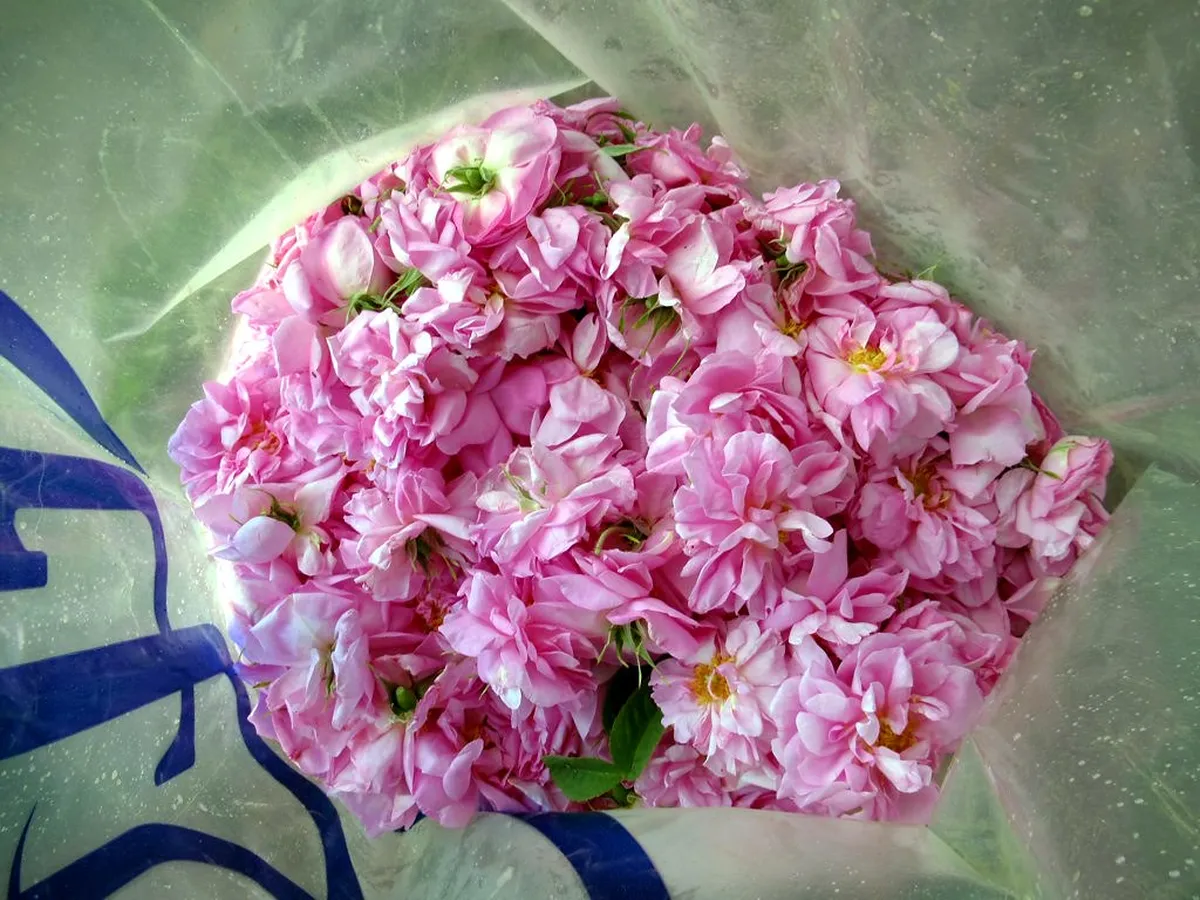
Cultivation of Rosa damascena around Kazanlak and Karlovo was documented as early as 1650–1680, introduced along trade routes from Persia and the Ottoman world. The valley's geography — cool nights, morning dew, a frost-sheltered basin — proved ideal, and within two centuries Bulgarian rose oil had become the benchmark for the global perfume industry. Today the country still supplies approximately 70% of world rose attar, a figure that makes the Kazanlak region quietly indispensable to the perfume houses of Grasse, Paris, and beyond.
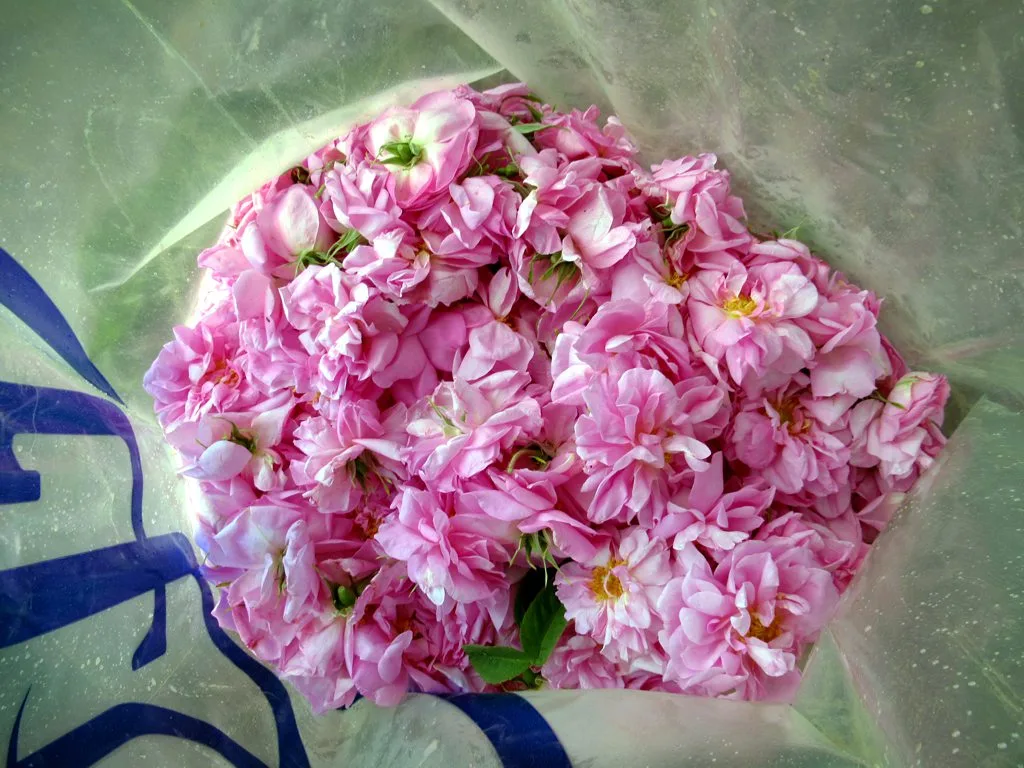
What makes the oil so prized — and so expensive — is the labour intensity of its production. Roughly 4,000 kilograms of petals are required to yield just one kilogram of rose oil, and that ratio can climb to 8,000 kg in poor weather years. Rose oil exports in 2024 fetched between USD 9,500 and USD 16,050 per kilogram, making it worth more by weight than most precious metals. Every drop distilled in the valley is the product of a harvest window of three to four weeks and a strict rule that picking must happen at dawn.
This industry is woven into Bulgarian Traditions and Customs: A 2026 Guide in a way few agricultural practices are. The knowledge of distillation, the rhythms of the harvest, the folk songs sung in the fields — all of it has passed down through generations and is now actively celebrated rather than merely preserved.

The Rose Harvest Season: Picking at Dawn
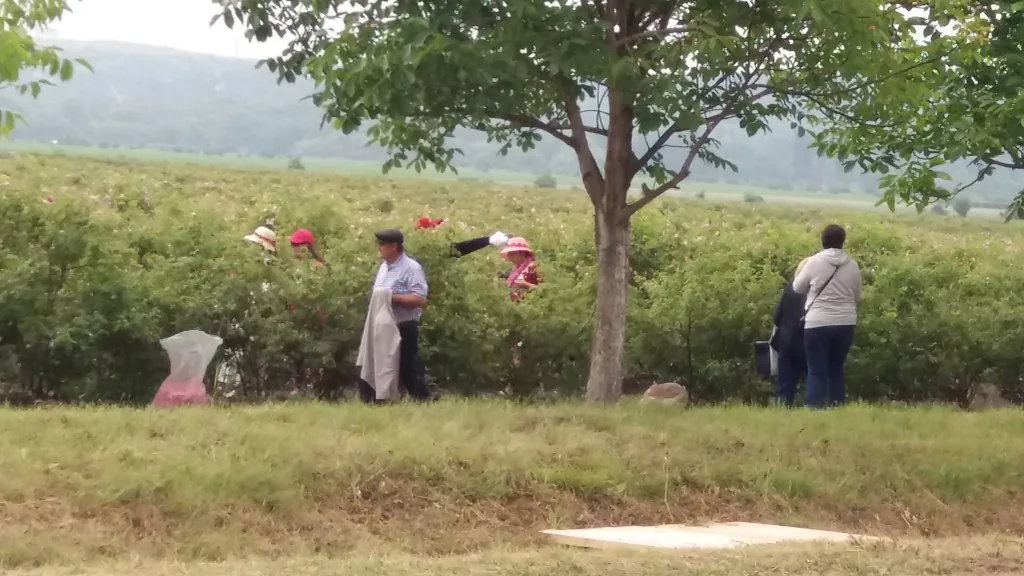
The harvest runs from approximately the third week of May through mid-June, but the exact timing shifts with the weather each year. The non-negotiable constraint is the hour: roses must be picked before 9 or 10 in the morning, because heat rapidly dissipates the aromatic compounds that give the oil its value. Pickers work by hand in the predawn darkness and early light, moving through rows of low pink bushes while the dew still holds.
For visitors, joining a rose-picking excursion is the single most memorable experience the valley offers. Several operators run morning pickings from Kazanlak during season, often at traditional alambic distilleries in the surrounding villages. You pick alongside local workers, hear folk music, and then watch the petals go straight into the copper still for steam distillation — the same basic process used in the 17th century. The speed matters: petals begin degrading within hours of being picked, which is why the distilleries operate through the night during the harvest weeks.
If you want to pick roses yourself and see a working distillery, aim to be at a village distillery by 7–8 a.m. during harvest season. By 9 a.m. the freshest picking windows are closing and the fields grow quieter. Book with a local tour operator in advance during May or early June — capacity at family-run distilleries is limited.
The Kazanlak Rose Festival 2026: Dates, Rituals, and the Parade
The Kazanlak Rose Festival has been held annually since 1903, making it one of the oldest continuous folk festivals in Bulgaria. It is always scheduled for the first full weekend of June, timed to coincide with peak harvest. In 2026, the confirmed programme runs Friday 5 June through Sunday 7 June, with the main events on Saturday and Sunday.
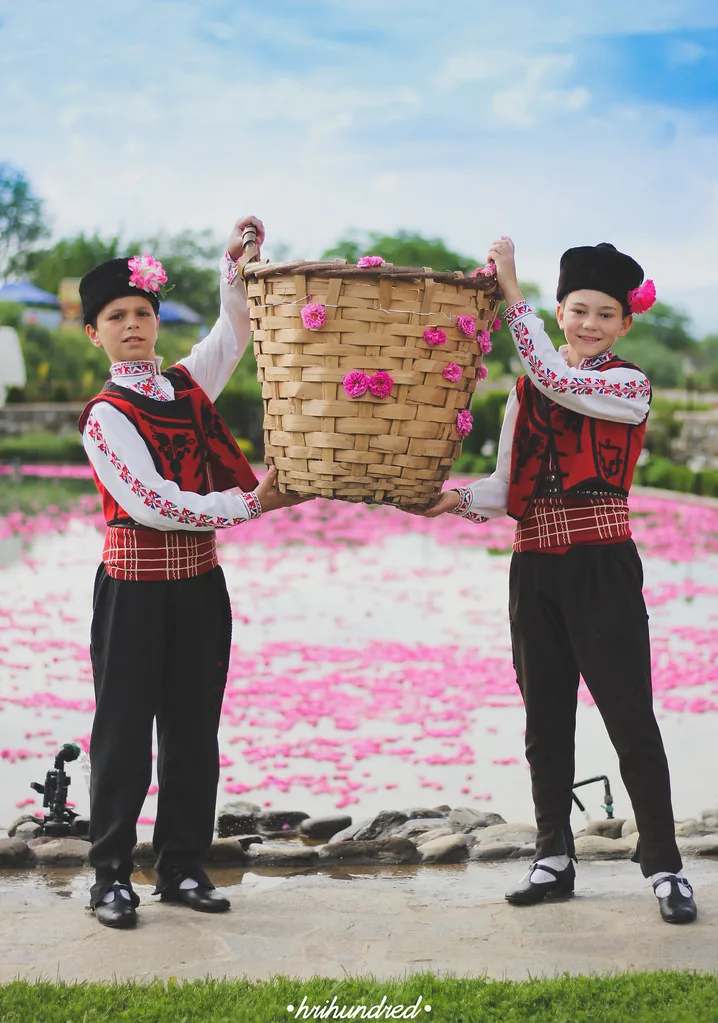
Friday evening opens with a folklore concert on Kazanlak's main square — a warm-up that draws locals as much as tourists. Saturday and Sunday are the days for rose-picking rituals in the villages surrounding Kazanlak: Enina, Kran, Koprinka, Rozovo, Razhena, Yasenovo, and Kanchevo all participate, with Enina and Kran consistently drawing the largest crowds. The rituals start early — arrive by 9 a.m. to catch the folk dances in the fields and the picking at its most atmospheric. Arrive later and you catch the atmosphere without the fresh roses.
Sunday noon brings the main parade on Kazanlak's central square: roughly 90 minutes of costumed organisations, school groups, performers, and local associations marching through the town centre. The parade's centrepiece is the elected Queen Rose and her runners-up, crowned in a prior ceremony, riding through the streets. The festival is also a good moment to browse local stalls selling rose water, rose jam, rose cosmetics, and rose oil in small vials — genuine valley products alongside the tourist-grade versions, so look for seller provenance if quality matters to you.
The Kazanlak Rose Festival sits alongside Bulgaria's most important annual celebrations and draws visitors from across Europe. Accommodation in Kazanlak books out as early as February for festival weekend. If you cannot secure a room in town, Pavel Banya (approximately 15 km away) or Stara Zagora (approximately 50 km) are realistic alternatives, though a car becomes essential from either base.
What to Do in the Rose Valley: Distilleries, Museums, and Tombs
The Damascena Ethnographic Complex in the village of Skobelevo, four kilometres from the Sofia–Burgas highway between Kazanlak and Pavel Banya, is the most visitor-ready rose experience in the valley. Established in 1991 as Bulgaria's first private rose-oil distillery, Damascena offers seasonal steam-distillation demonstrations, rose-picking with live folk music, and an ethnographic museum covering traditional rural life — costumes, tools, furniture, and the full context of how the industry developed in village communities. A lake with black swans completes the scene. It operates from mid-May to mid-June for the rose season and is the easiest single stop for first-time visitors. Check damascena.net for seasonal scheduling before you go.
The Museum of Roses (Muzei na Rozata) in Kazanlak itself sits within the Rosarium park at 1 Voynishka Street. It covers the history of rose oil production through original distilling equipment, botanical exhibits, and historical documentation of the industry's development. Opening hours and entry fees are subject to change — contact the museum directly via muzei-kazanlak.org before your visit rather than relying on any third-party listing.
The Thracian Tomb of Kazanlak Visitor Guide is a UNESCO World Heritage Site listed since 1979 and one of Bulgaria's most important ancient monuments. Dating to the 4th–3rd century BC, the original burial chamber contains frescoes depicting a Thracian couple at a funeral feast — considered among the finest surviving Hellenistic-period murals in the world. The original is permanently sealed to protect the paintings, but a full-scale replica in Tyulbeto Park allows visitors to study every detail. Entry to the replica is inexpensive (a small fee applies — verify the current amount locally), and the site is open daily with approximate hours of 9 a.m. to 5 p.m., though seasonal adjustments occur.
The Thracian Tomb replica entry fee and the Museum of Roses admission prices are both subject to change. Verify current fees at the sites directly rather than relying on figures listed online. The same applies to seasonal opening hours for both attractions.
| Attraction | Location | Best for | Seasonal? |
|---|---|---|---|
| Damascena Ethnographic Complex | Skobelevo village (~8 km from Kazanlak) | Distillery demo, rose picking, folk music | Mid-May to mid-June only |
| Museum of Roses | Rosarium Park, Kazanlak | Industry history, traditional equipment | Year-round (verify hours) |
| Thracian Tomb Replica | Tyulbeto Park, Kazanlak | UNESCO frescoes, ancient Thrace | April–October recommended |
| Shipka Memorial Church | Shipka Pass, 12 km north | Russian Orthodox architecture, 1877 battle | Year-round |
| Karlovo | ~50 km west of Kazanlak | Rose culture + Vasil Levski Museum | Year-round |
Combining the Rose Valley with Buzludzha
The most rewarding day-trip logic from Kazanlak runs north into the Balkan Mountains: drive the 12 kilometres to Shipka Pass to visit the Shipka Memorial Church (nativity Memorial Temple) Visitor Guide, a Russian Orthodox church built to commemorate the 1877–78 Battle of Shipka Pass during the Russo-Turkish War. Entry to the grounds is free; a small donation is expected inside. The church is beautifully situated and requires less than an hour.
Continue upward from Shipka Pass to the Buzludzha Monument: How to Visit in 2026, the abandoned communist-era concrete structure on the Balkan ridge approximately 24–30 km from Kazanlak by the winding mountain road. Buzludzha's exterior is accessible — its UFO-shaped form rising from the ridgeline is dramatic regardless of season — but interior access has varied from year to year due to structural safety concerns. Check current access status before making the climb. The drive itself is scenic, and the combination of early-morning rose picking, Shipka Church, and Buzludzha at the summit makes for a full and thematically coherent day: Bulgarian land, faith, rose culture, and political history layered together on a single road.
A car is mandatory for this route. No reliable public transport connects Kazanlak to Buzludzha directly. If you are visiting during festival weekend and staying in Kazanlak, leave the Buzludzha trip for a non-festival day when the valley roads are calmer.
Getting to Kazanlak and Around the Valley
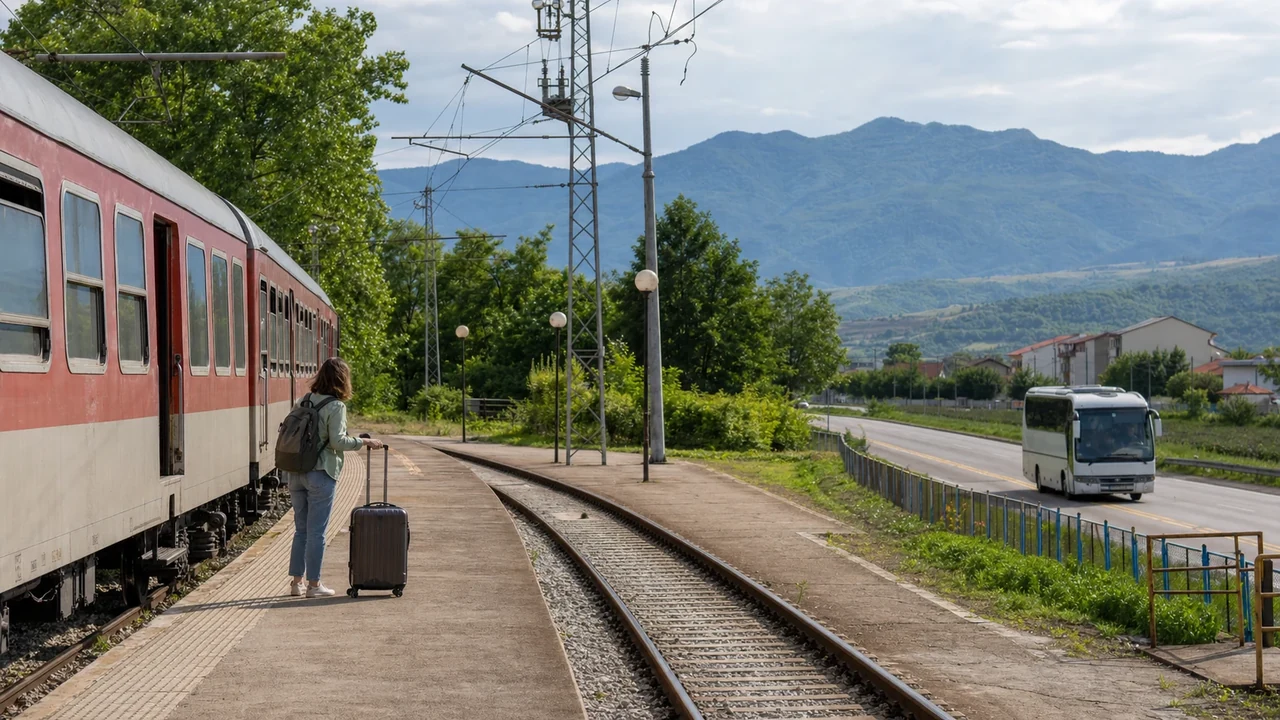
From Sofia, Kazanlak is approximately 170 km — roughly three hours by bus (multiple daily departures, from around €7–8 one-way) or just over three hours by train on the BDZh national rail network, with around three direct services per day. Bus is generally faster and more frequent for this route. From Plovdiv, the distance is around 110 km east, taking 1.5 to 2 hours by bus or car. Plovdiv makes an excellent base if you want to combine Plovdiv's Old Town with a day or two in the rose valley.
A car is strongly recommended for exploring the valley beyond Kazanlak town itself. The distilleries in surrounding villages, the Damascena complex, Shipka Pass, and Buzludzha are all difficult or impossible to reach without your own transport. Taxis from Kazanlak to nearby village distilleries are available but negotiate the price and return trip upfront.
During festival weekend, roads and parking around the main square in Kazanlak become severely congested by mid-morning on Saturday and Sunday. Plan to arrive early — ideally before 9 a.m. — or accept that the experience of the rose-picking villages is more relaxed if you base yourself outside town and drive in before the crowds. Getting around Bulgaria by road is straightforward; the Valley road (Route 6) between Kazanlak and Karlovo is well-maintained and scenic.
Base yourself in the valley's main town to see it all: our guide to things to do around Kazanlak and the Museum of Roses covers the rose-oil heritage in depth, while our guide to when to visit times your trip to the bloom.
Continue planning: Use Bulgarian Traditions and Customs guide and Buzludzha Monument: How to Visit in 2026 to connect this guide with the rest of your Bulgaria itinerary.
Frequently Asked Questions
When is the best time to visit Rose Valley Bulgaria?
The ideal window is mid-May through mid-June, when the Rosa damascena harvest is underway and distilleries are operating. The single best moment is the first weekend of June, when the Kazanlak Rose Festival brings rose-picking rituals, a parade, and folk events to the whole region. Outside this period, the Thracian Tomb and Buzludzha are worth visiting from April to October, but the rose experience itself is seasonal.
What are the Kazanlak Rose Festival 2026 dates?
The 2026 Kazanlak Rose Festival runs from Friday 5 June through Sunday 7 June. Friday evening features a folklore concert on the main square. Saturday and Sunday are the main days, with rose-picking rituals in surrounding villages in the morning (arrive by 9 a.m.) and the main parade on Sunday around noon. The festival has been held annually since 1903 and always falls on the first full weekend of June.
Why does Bulgaria produce so much rose oil?
The Rose Valley between Kazanlak and Karlovo has near-unique growing conditions for Rosa damascena — cool mountain air, morning dew, fertile valley floor, and a frost-sheltered basin created by the surrounding Balkan Mountains and Sredna Gora range. Cultivation was established here by the 17th century, and the combination of ideal terroir and centuries of refined distillation expertise has kept Bulgaria producing approximately 70% of the world's rose attar supply.
Can I visit a rose distillery during the harvest?
Yes. The Damascena Ethnographic Complex in Skobelevo village is the most visitor-friendly option, offering steam-distillation demonstrations and rose-picking with folk music from mid-May to mid-June. Multiple smaller family distilleries in the valley also accept visitors, often through local tour operators who combine two or three in a single morning. Book in advance during the festival weekend as capacity is limited.
Is the Thracian Tomb of Kazanlak open to visitors?
Yes, though visitors see a full-scale replica rather than the original. The original 4th–3rd century BC tomb is sealed to protect its exceptionally preserved frescoes, which depict a Thracian funeral feast and are among the finest surviving Hellenistic-period murals in the world. The replica in Tyulbeto Park conveys the full detail of the paintings. A small entry fee applies — verify the current amount at the site, as fees change periodically.
The Rose Valley is one of Bulgaria's most rewarding regions precisely because it works as both landscape and living industry. You are not visiting a museum exhibit of something that used to happen — you are arriving during a harvest that fills the air, drives an economy, and shapes the calendar of every village between Kazanlak and Karlovo. The Kazanlak Rose Festival concentrates all of this into a single weekend, but the valley is worth the trip in any week from mid-May onward while the Rosa damascena is in bloom and the copper stills are running through the night.
Pair it with the Thracian tomb to reach back two millennia, and with the Buzludzha Monument and Shipka Church to layer in Bulgaria's more recent history on the ridge above. The three together — ancient Thrace, Ottoman-era rose culture, communist-era monument — give you a version of Bulgaria that few destinations offer in such close proximity. For a fuller picture of Bulgaria's healing spa towns nearby or to plan your wider itinerary, the surrounding region rewards slower exploration.