Bulgarian Rakia 2026: 8 Essential Tips & the Best Sofia Mehanas to Try It
Bulgarian Rakia: History, Types, and How to Enjoy This Traditional Spirit is the fruit brandy that defines hospitality across the country, poured before every meal worth remembering.
Commercial bottles sit at 40% ABV, while homemade versions routinely climb to 50-60% and occasionally higher.
This 2026 guide covers what rakia actually is, how to drink it without insulting the host, where to taste it in Sofia, and how to bring a quality bottle home.
Expect honest details: prices in BGN and EUR, addresses, opening hours, and the small etiquette rules that separate a tourist from a guest.
What is Bulgarian Rakia?
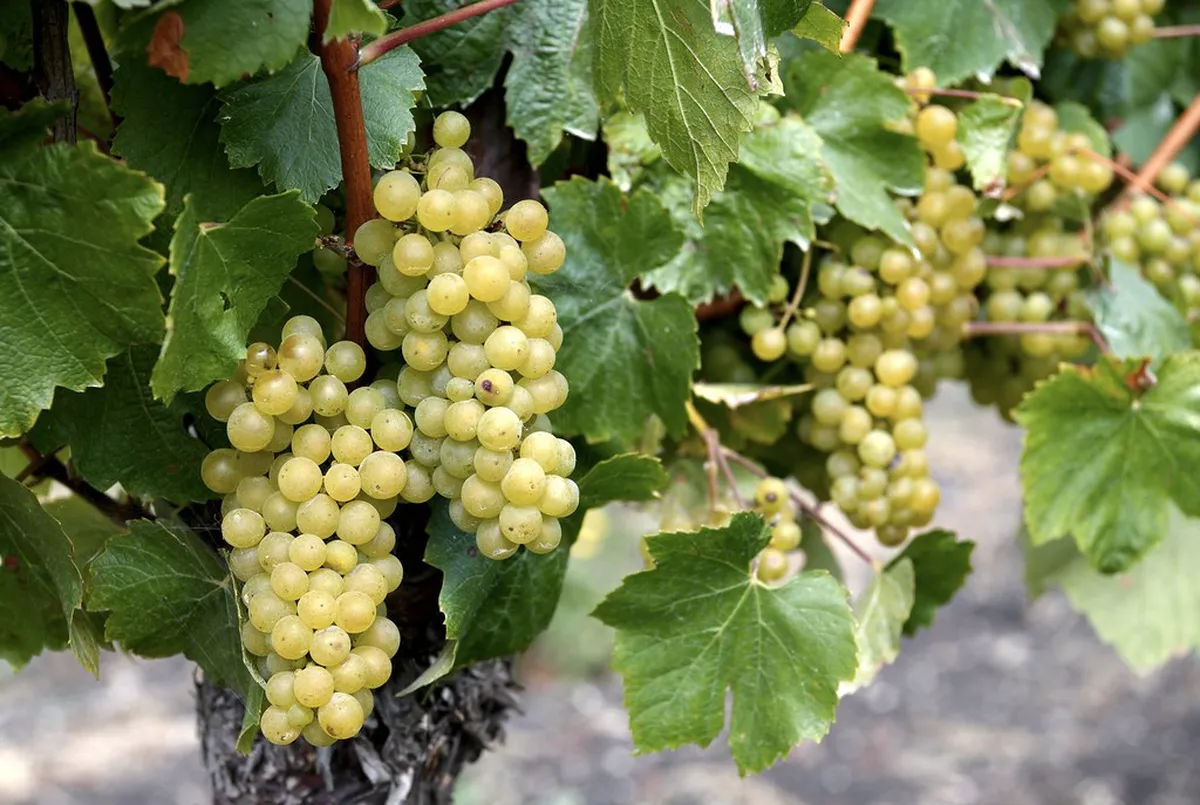
Rakia is a clear fruit brandy distilled from fermented grapes, plums, apricots, pears, quinces, or even rose petals. Bulgarians treat it as the national spirit, but the name and tradition extend across the Balkans, where it is also spelled rakija.
Commercial rakia is bottled at 40% ABV by law for retail sale. Homemade rakia, distilled legally for personal use across rural households, typically lands between 50% and 60% ABV, and the first cut off the still can exceed that. A Bulgarian food tour in Sofia is the easiest way to taste several styles in one evening without committing to a full bottle.
The distinction matters: when a host pours from an unmarked bottle, you are almost certainly drinking something stronger than the supermarket version, and you should sip accordingly.
Rakia vs. Rakija: How Bulgaria's Version Differs
If you have come across the spelling rakija elsewhere in the Balkans, it is the same family of fruit brandy — the name and tradition stretch across the region. What sets the Bulgarian version apart is the breadth of its fruit base and its tight regional map: grape grozdova from the Thracian Valley, plum slivovitsa from the Balkan Mountains around Troyan, apricot from the Danube Plain, and aromatic rose-petal gyulovitsa from the Kazanlak valley. Few neighbouring countries distil across that full a range, and Bulgarians point to an 11th-century distillation find on home soil as evidence the tradition started here. The other practical difference for a visitor is strength: commercial bottles are capped at 40% ABV, but the homemade pours you will meet at a table routinely run 50-60%, so treat an unmarked Bulgarian bottle as stronger than the supermarket norm.
The History and Origins of the Spirit
The most-cited piece of evidence for Bulgaria as the birthplace of rakia is an 11th-century fragment of a distillation vessel uncovered on Bulgarian soil. The find pushes documented distillation in the region back roughly 500 years before the 16th-century date most European spirit histories assume, and it is the headline argument every Bulgarian rakia producer will mention if asked.
Rakia survived Ottoman rule, Communist nationalisation of distilleries, and the post-1989 collapse of state alcohol monopolies. Through all of that, household distillation never stopped, which is why almost every village in Bulgaria still has a communal copper still booked solid through the autumn pressing season.
The Traditional Production Process
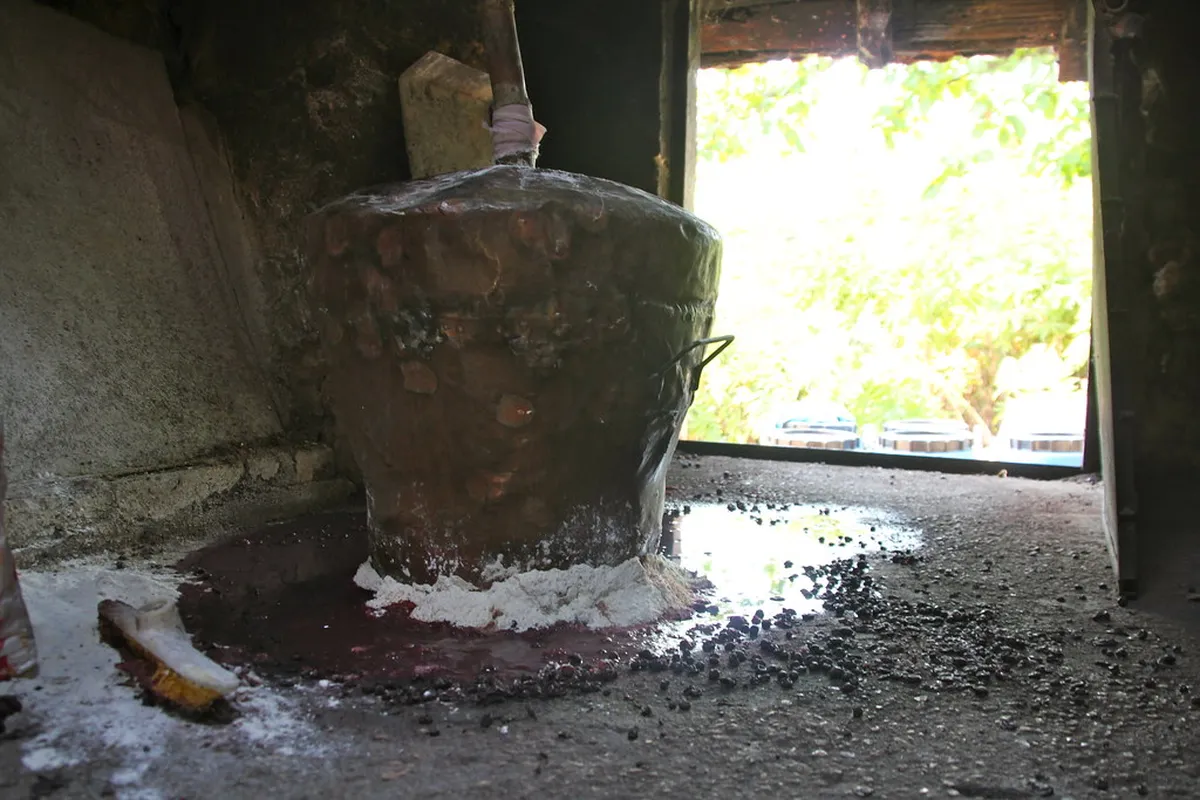
Production begins with crushing ripe fruit into a mash known as dzhibri. The mash ferments in open or loosely covered drums for roughly three weeks. Ambient yeast and the small fruit flies locals call muha-vinarka (literally "wine fly") drive the fermentation, and their presence is read as a sign that sugar is converting cleanly to alcohol rather than rotting.
The fermented mash is then double-distilled in copper cauldrons. The first run produces a low-strength spirit; the second run sharpens it to the 50-65% range before bottling or aging. Some producers age in oak or cherry barrels, which is what gives premium bottles their amber colour and softer mouthfeel.
Bulgaria's home-distillation calendar is fixed by the harvest. Plum rakia is made August to September; grape rakia runs from late September through November. If you want to taste rakia at its freshest, visit Sofia mehanas in October or November, when bars receive new-batch deliveries from regional producers.
Popular Types of Bulgarian Rakia
Different regions of Bulgaria specialise in different fruits, and the regional map is tighter than most spirits-producing countries. Knowing where a bottle comes from tells you what to expect in the glass.
Grape rakia, called grozdova, is the default. Aromatic white grapes such as Muscat, Dimyat, and various Misket strains are most common, and the Thracian Valley is the largest grape rakia region. Plum rakia, slivovitsa, comes mainly from the Balkan Mountains, with the town of Troyan producing the most-respected bottlings — Vinprom Troyan's portfolio includes EU-registered geographical-indication bottlings aged in oak from 3 up to 25 years. Apricot rakia is concentrated along the Danube Plain in the north. Rose-petal rakia, gyulovitsa, comes from the Rose Valley around Kazanlak and is more aromatic perfume than fruit brandy. Exploring these flavors is one of the top Things To Do in Sofia, Bulgaria for any food traveler.
For a first tasting, the standard "beginner's flight" served in Sofia rakia bars is a Muscat grape, an aged Troyan plum, and a Silistra apricot, in that order. The grape sets your baseline, the plum shows what aging does, and the apricot demonstrates how fruit-forward rakia can be when distilled from stone fruit. Sip each over five to ten minutes; do not shoot them.
| Type | Fruit & main region |
| Grozdova (grape) | Aromatic white grapes (Muscat, Dimyat, Misket); Thracian Valley |
| Slivovitsa (plum) | Plums; Balkan Mountains, with Troyan most respected |
| Apricot | Apricots; Danube Plain in the north |
| Gyulovitsa (rose-petal) | Rose petals; Rose Valley (kazanlak) Visitor Guide around Kazanlak |
How to Drink Rakia Like a Local
Rakia is an aperitif, not a digestif. It is served before food, alongside salad, never after dessert. The classic pairing is Shopska salad — tomato, cucumber, pepper, onion, grated brined sirene — which provides the acid and salt to reset the palate between sips.
Temperature follows the season. In summer, rakia is served chilled to roughly 12-14 °C, cool enough to mute the alcohol burn but not so cold that the fruit aroma collapses. In winter, Bulgarians drink greiana rakia: warmed rakia infused with honey, black pepper, sometimes a clove, served in a small ceramic cup. It costs roughly 4-6 BGN (2-3 EUR) per cup at most Sofia mehanas and is the closest local equivalent to mulled wine. Check out traditional Bulgarian dishes in Sofia for full pairing combinations.
Beyond Shopska, the standard pairings are cured lukanka sausage, brined sirene, kashkaval (yellow cheese), and pickled vegetables (turshiya) in winter. Avoid drinking rakia with anything sweet — the fruit-on-fruit clash flattens both. The serving glass is small (50 ml), and you are expected to sip, never shoot.
💡 Good to know: Rakia is an aperitif served before the meal alongside a Shopska salad — never after dessert. Pairing it with anything sweet flattens both, so order your salad and charcuterie first and treat the 50 ml glass as a slow sip across the whole starter.
Best Mehanas to Taste Rakia in Sofia
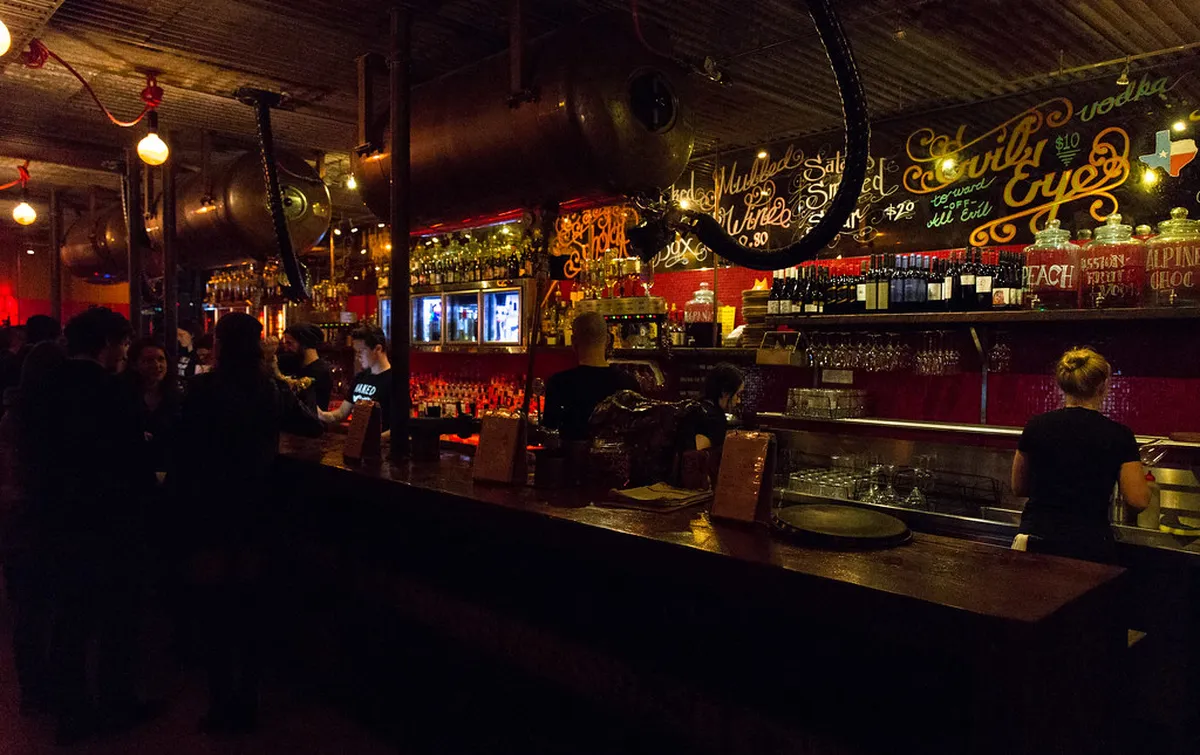
Sofia has both modern rakia bars and traditional mehanas (taverns), and a serious rakia evening usually involves both. The bars carry the breadth — 100 to 200 labels under one roof — while the mehanas pour what local distilleries supply, often in unlabelled house bottles refilled weekly.
The benchmark rakia bar is Raketa Rakia Bar (see the official Raketa site) at Bul. Yanko Sakazov 17, near Zaimov Park. Around 200 rakia labels are catalogued by region, the staff will steer you through a flight without upselling, and the Communist-era memorabilia gives the room a memorable backdrop. Open Mon-Fri 11:00-23:00 and weekends from 09:00. Glasses run 4-12 BGN (2-6 EUR) depending on age and rarity. Raketa is one of the city's Sofia Nightlife 2026 anchors and books up on Friday and Saturday nights — reserve ahead.
For the traditional side, Hadjidraganovite Izbi at Ul. Hristo Belchev 18 is an 18th-century stone cellar with a tighter rakia list focused on aged bottlings, plus live folk music Wednesday through Sunday. Open daily 11:30-23:30. Two more reliable picks if the first two are full: Mamin Kolio at Ul. Pozitano 40 (open until 02:00, summer garden seats 100), and Mehana Izbata at Ul. Slavyanska 18, five minutes from Alexander Nevsky Cathedral Visitor Guide and noticeably cheaper than the tourist-strip mehanas.
Bulgarian Rakia Traditions and Etiquette
The toast is "Nazdrave" (Наздраве) — "to your health". When you clink glasses, hold direct eye contact with the person you are toasting; failing to do so is read as either rude or unlucky, depending on the host's superstitions. At a table of more than two, you are expected to clink with each person individually before drinking.
Wait for the host or the eldest person at the table to take the first sip. At weddings, the groom's father traditionally circles the room, pouring a glass for every guest, and you are not expected to keep pace — a small sip is sufficient acknowledgement. Rakia also appears in Orthodox funeral rites, where mourners drink and pour a small amount on the ground "for peaceful rest of the soul"; if you are invited to such a gathering, follow the host's lead and do not refuse the glass.
Common Rakia Mistakes Tourists Make
Most visitors get rakia wrong in the same handful of ways, and each mistake is easy to avoid once you know the local norm. Steer clear of these and you will drink like a guest rather than a tourist.
Shooting it instead of sipping. Rakia is not a party shot. The 50 ml glass is meant to last across your whole starter — sip each pour over five to ten minutes. Knocking it back wastes the aroma and, at homemade 50-60% ABV, ends the evening early.
Treating it as a digestif. Rakia is an aperitif served before food alongside salad, never after dessert. Ordering it at the end of the meal marks you instantly as a visitor, and the fruit-on-fruit clash with anything sweet flattens both the drink and the dish.
Breaking eye contact on the toast. When you clink glasses and say "Nazdrave", hold direct eye contact with the person you are toasting. Looking away is read as rude or unlucky, and at a table of more than two you clink with each person individually before drinking.
Drinking the parvak. If a host pours from a fresh homemade batch, never drink the very first liquid off the still — it concentrates methanol. Ask where in the run the bottle was filled; experienced distillers discard the first 50-100 ml for exactly this reason.
Assuming every unmarked bottle is supermarket-strength. A pour from a label-less house bottle is almost always stronger than the 40% ABV retail version, often 50-60%. Pace yourself accordingly rather than matching it glass-for-glass.
Homemade Rakia Safety and Bringing a Bottle Home
The single piece of practical advice most guides skip: never drink the parvak. The parvak is the very first liquid that comes off a homemade still, and it concentrates methanol along with the ethanol. Experienced Bulgarian distillers discard the first 50-100 ml of every batch for exactly this reason. If a host opens a clear, label-less bottle with no producer mark and the first pour comes from a fresh batch, ask politely where in the run the bottle was filled — anyone with experience will know the answer and respect the question.
💡 Good to know: EU residents can bring home up to 1L of spirits over 22% ABV duty-free; UK and US travellers should confirm current limits before buying multiple bottles. Sofia Airport duty-free carries 1L bottles already cleared for carry-on, which is simpler than packing a glass bottle bought in the city.
For souvenirs, you have two reliable options. Sofia Airport's duty-free stocks the major commercial brands (Peshtera, Burgas 63, SunGate Muscat, Karnobat) at 40% ABV in 0.5L and 1L bottles, priced around 18-35 BGN (9-18 EUR) for a standard grape rakia and 40-70 BGN (20-36 EUR) for an aged Troyan plum. The Halite Centralni or Hali market in central Sofia and specialist shops on Vitosha Boulevard carry a wider regional selection at similar prices. EU residents can travel home with up to 1L of spirits over 22% ABV duty-free; UK and US travellers should check current limits before buying multiple bottles.
If you want the absolute freshest commercial rakia, time your visit for the last week of November or December — that is when autumn-batch grape rakia hits Sofia shelves. The annual Rakia and Spirits Fest Sofia, usually held in early December at NDK Hall 6, is the easiest way to taste rare regional bottlings side by side; entry is typically free with a small fee for tasting tokens.
Where to Buy Rakia in Sofia (2026)
Sofia offers several reliable options for buying quality rakia to drink at your accommodation or carry home as a souvenir — ranging from supermarket convenience to specialist bottle shops with regional depth.
Central Market Hall (Centralni Hali) at Bul. Maria Luisa 25 is the single best one-stop destination. The ground-floor food stalls and the permanent spirit vendors on the mezzanine stock 50–80 regional labels, including small-batch plum rakia from Troyan, rose-petal gyulovitsa from the Kazanlak valley, and aromatic Muscat grozdova from Thrace. Expect to pay 18–30 BGN (9–15 EUR) for a 0.7L bottle of a solid commercial grape rakia; aged Troyan plum bottlings (5–12 years) run 40–80 BGN (20–40 EUR). Staff at the better stalls will let you smell the open bottle before buying.
Vitosha Boulevard Visitor Guide specialist shops — particularly the two dedicated wine-and-spirits boutiques between NDK and Vitosha Metro — carry EU-registered geographical-indication (GI) rakia alongside their wine selection. GI labels guarantee the fruit and region on the bottle match what's inside, which matters for gifts.
Supermarkets (Kaufland, Fantastico, Billa) stock the five major national brands — Peshtera, Burgas 63, SunGate, Karnobat, and Borovitsa — at 12–22 BGN per 0.5L. These are consistent 40% ABV products, perfectly drinkable, though without regional character. Sofia Airport duty-free carries the same brands at similar prices; the advantage there is 1L bottles and packaging already cleared for carry-on liquids.
For bar-pour pricing context, a 50 ml glass at a mid-range Sofia rakia bar costs 4–8 BGN (2–4 EUR) for a standard grape rakia and 8–14 BGN (4–7 EUR) for a premium aged bottling. Buying a bottle at Centralni Hali and drinking at your apartment costs roughly one-third the bar price per measure. For curated recommendations on where bars double as retail points, see our guide to 8 Best Bars in Sofia, where several rakia bars also sell bottles to take away. The Sofia food & drinks guide has further context on navigating the local drinks scene.
Rakia Tasting in Sofia: Bars & Tasting Rooms
A structured rakia tasting in Sofia is genuinely accessible in 2026 — you do not need to book a formal tour to try a flight of four or five regional styles. Most dedicated rakia bars offer informal tasting menus at the counter, and a few venues run guided sessions on weekend afternoons.
Raketa Rakia Bar (Bul. Yanko Sakazov 17) is the benchmark: around 200 labels organised by region, knowledgeable bar staff, and a printed flight menu. A standard four-glass introductory flight — typically one Muscat grozdova, one aged Troyan slivovitsa, one apricot, and one specialty (rose or pear) — runs 20–28 BGN (10–14 EUR) depending on the labels selected. Each pour is 30–40 ml, allowing you to taste without exceeding a sensible amount for an evening.
Spirits of Bulgaria on Ul. Budapeshta near the National Palace of Culture is a specialist retail and tasting space that opened in 2023 and has become the go-to for visitors who want the retail-education hybrid: you taste before you buy, staff explain the regional geography, and every bottle on the shelf comes with a handwritten tasting note. Thursday and Friday evenings they run informal 60-minute guided flights (booking via their Bulgarian gastronomy tourism listing) for 35–45 BGN including five pours and light shopska accompaniment.
How to order at the bar: ask for a "degustatsiya" (дегустация — tasting flight) or simply say "iskam tri rakia — edna grozdova, edna slivova, edna kaysieva" (I want three rakias — one grape, one plum, one apricot). Bars with experience in foreign visitors will offer a flight card in English. Pair your tasting with a small plate of sirene and lukanka from the food menu; most rakia bars charge 6–10 BGN for a mixed charcuterie plate. For a fuller evening combining rakia tasting with dinner, the 17 Best Restaurants and Foodie Tips for Sofia guide covers mehanas that pair regional rakia with their house food menus.
Where to Drink Rakia in Sofia in 2026: Mehana Price Guide
Whether you want a casual house pour alongside shopska salad or a curated flight exploring Bulgaria's regional grape and fruit varieties, Sofia's mehanas and rakia bars cover the full range. The five venues below are the most reliable picks in 2026, organised by price level and rakia speciality.
Raketa Rakia Bar (Bul. Yanko Sakazov 17, near Zaimov Park) is the reference point for anyone serious about the spirit. It carries around 200 labels organised by fruit and region. A 50 ml glass of standard grozdova runs 4–6 BGN; aged Troyan slivovitsa bottlings reach 10–14 BGN per glass. An introductory four-glass flight — grape, plum, apricot, specialty — costs 20–28 BGN. The bar specialises in rare regional bottlings, including small-batch rose-petal gyulovitsa from the Kazanlak valley that rarely appear elsewhere in the city.
Hadjidraganovite Izbi (Ul. Hristo Belchev 18) is an 18th-century stone cellar mehana with a tighter list focused on aged bottlings and traditional pairings. Its strength is plum rakia — several house-label slivovitsa vintages aged in oak for five to ten years. Expect to pay a modest premium over a neighbourhood mehana; live folk music runs Wednesday through Sunday and fills the cellar quickly after 20:00.
Mamin Kolio (Ul. Pozitano 40) stays open until 02:00 and has a summer garden seating around 100 guests. The house pour is a solid commercial grozdova, and the kitchen keeps the full range of classic rakia pairings — lukanka sausage, kashkaval, turshiya — available until closing. Prices are mid-range and the atmosphere is lively without being tourist-facing.
Mehana Izbata (Ul. Slavyanska 18, five minutes from Alexander Nevsky Cathedral) is the most affordable of the four. The rakia list is shorter but the house apricot and plum selections are sourced from producers in the Danube Plain and are rarely found in the city-centre tourist strip. A 50 ml pour typically costs 3–5 BGN, and a mixed charcuterie plate pairs well for 6–8 BGN. Worth booking a weekday evening to avoid the weekend crush.
Spirits of Bulgaria (Ul. Budapeshta, near NDK) doubles as a retail and tasting space. Its guided 60-minute flights run Thursday and Friday evenings and cover five regional pours with shopska accompaniment for 35–45 BGN. If you want the education alongside the experience — staff explain provenance, distillation method, and seasonal variation — this is the most structured option in the city.
| Venue | Speciality | Price range (50 ml) |
| Raketa Rakia Bar | 200+ labels, all varieties | 4–14 BGN |
| Hadjidraganovite Izbi | Aged plum (slivovitsa) | Modest premium |
| Mamin Kolio | Commercial grozdova, late hours | Mid-range |
| Mehana Izbata | Apricot & Danube Plain plum | 3–5 BGN |
| Spirits of Bulgaria | Guided flights, all regions | 35–45 BGN (flight) |
Frequently Asked Questions
Is it safe to drink homemade rakia in Bulgaria?
Homemade rakia is generally safe when offered by trusted locals, but travelers should exercise caution. For maximum safety, stick to reputable commercial brands found in bars. You can learn more about local safety in this Sofia safety guide.
What is the typical alcohol percentage of rakia?
Most commercial rakia bottles contain 40% alcohol by volume (ABV). Homemade versions are significantly stronger and often range between 50% and 60% ABV. Always check the label or ask your server before taking your first sip.
Which fruit rakia is the most popular in Sofia?
Grape rakia (Grozdova) is the most widely consumed variety in the capital. Plum rakia (Slivovitsa) follows closely as a traditional favorite. Many younger drinkers in Sofia also enjoy aromatic apricot or pear varieties for their fruitier profiles.
Can I bring Bulgarian rakia home as a souvenir?
Yes, you can purchase high-quality rakia at Sofia Airport or local supermarkets for your journey home. Be sure to check your home country's customs limits for importing distilled spirits. Sturdy glass bottles and gift sets are available throughout the city center.
Where can I buy good rakia in Sofia in 2026?
The best places to buy quality rakia in Sofia are the Central Market Hall (Centralni Hali) on Bul. Maria Luisa 25 — which stocks 50+ regional labels from 18 BGN — and the specialist spirits boutiques on Vitosha Boulevard. For EU-registered geographical-indication bottlings with guaranteed regional provenance, Vitosha Boulevard shops are the strongest option. Supermarkets carry the major national brands (Peshtera, Burgas 63) from around 12 BGN per 0.5L. Several rakia bars also sell bottles to take away.
How do you drink rakia properly?
Drink rakia as an aperitif before the meal, alongside a Shopska salad and charcuterie — never after dessert. Sip the small 50 ml glass slowly across your starter rather than shooting it, and on the toast ("Nazdrave") hold eye contact with each person. Homemade pours run 50–60% ABV, so pace yourself and never drink the parvak, the first liquid off a fresh still.
How much does rakia cost in Sofia?
In Sofia bars, a 50 ml pour of standard grape rakia costs 4–8 BGN (2–4 EUR); premium aged plum rakia runs 8–14 BGN (4–7 EUR) per glass. Tasting flights of four glasses typically cost 20–28 BGN (10–14 EUR) at dedicated rakia bars. Retail bottle prices at Central Market Hall start at 18–30 BGN (9–15 EUR) for a 0.7L commercial grape rakia, and aged GI-certified Troyan plum bottlings range from 40–80 BGN (20–40 EUR).
Exploring the world of Bulgarian rakia is a highlight for any visitor to Sofia in 2026.
This spirit provides a unique window into the history and hospitality of the Bulgarian people.
Remember to drink slowly and always pair your glass with some delicious local food.
Enjoying a sunset drink is one of the Sofia's Best Views in 2026 you can experience.