Boyana Church Day Trip From Sofia
Planning a Boyana Church Visitor Guide day trip from sofia is one of the best ways to experience Bulgaria's deep cultural history. This ancient site sits at the foot of Vitosha Mountain Visitor Guide and holds some of the world's most significant medieval art. Most travelers find that this small church offers a powerful glimpse into the evolution of European painting styles. It remains a top choice for those looking for Day Trips From Sofia: Complete 2026 Hub Guide that combine history and beauty.
For a complete visual overview before your trip, this walk-through explores Boyana Church and the surrounding Sofia streets:
The church is famous for its stunning 13th-century frescoes which many experts call pre-Renaissance masterpieces. You will find the site located in a quiet residential district that feels worlds away from the busy downtown streets. Because of its delicate nature, the building is protected by strict rules to ensure the artwork survives for centuries. Understanding these logistics before you arrive will help you make the most of your time at this UNESCO landmark.
Boyana Church at a glance (2026)
- Distance from Sofia: about 8 km southwest, at the foot of Vitosha Mountain (roughly 30–40 minutes by public transport)
- Transport: Metro Line 2 to Vitosha Station, then Bus 64 to the Boyana Church stop; or Tram 5 to Pavlovo, then Bus 107
- Adult ticket: 12 BGN (about €6); reduced 2 BGN for students and seniors; combined ticket with the National Museum of History also available
- Viewing-time limit: just 10 minutes inside, with only a small group admitted at a time to protect the 1259 frescoes
- Opening hours: 09:00–17:30 in winter, 09:30–18:00 in summer (closed on some holidays)
Why Boyana Church is a Must-Visit UNESCO Site
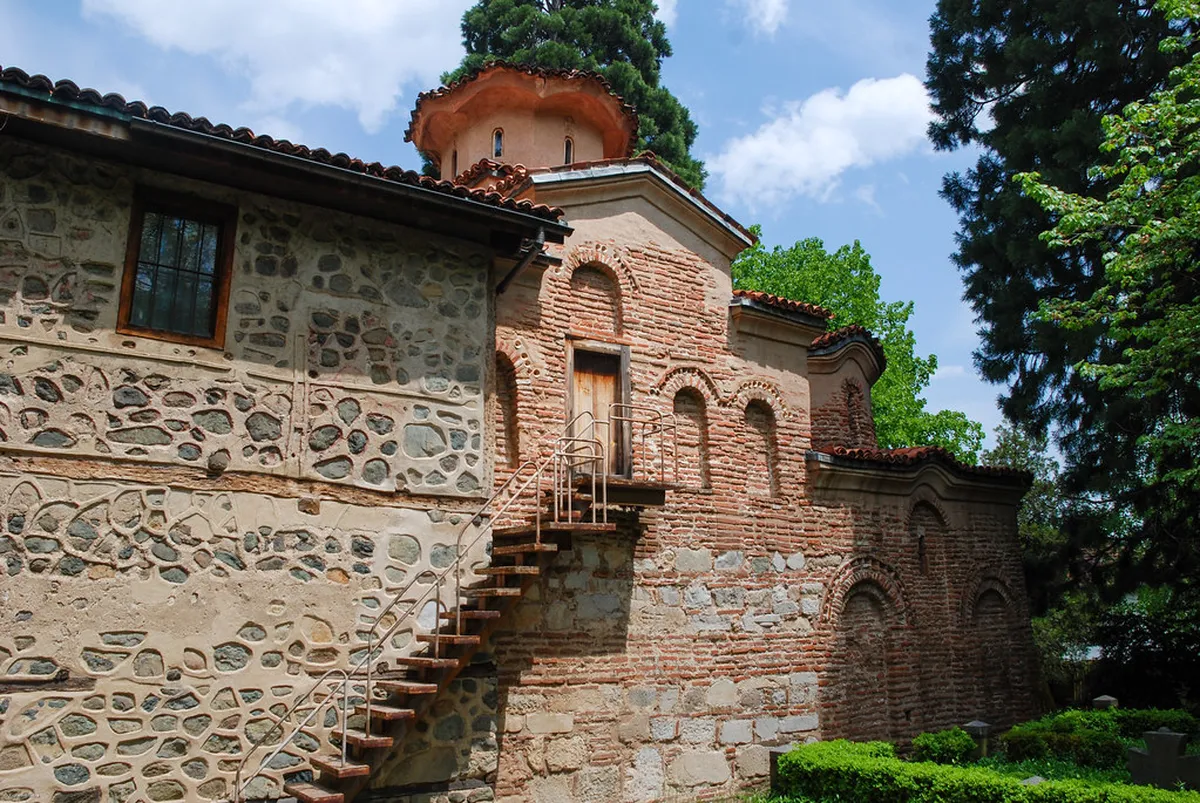
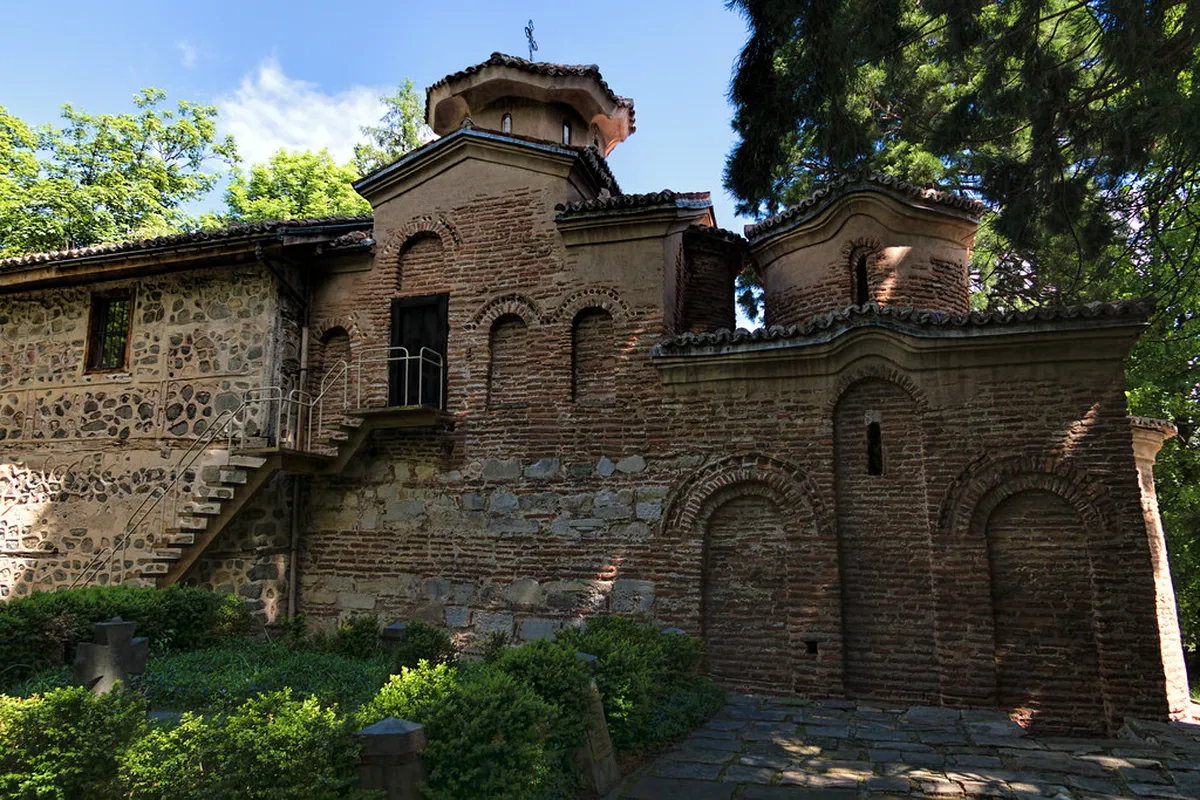
Boyana Church earned its place on the UNESCO World Heritage list in 1979 due to its incredible cultural value. The site consists of three distinct buildings that were constructed during different eras of Bulgarian history. The first section dates back to the late 10th century and serves as the foundation for the entire complex. Walking through the grounds allows you to see how architectural styles shifted over several hundred years.
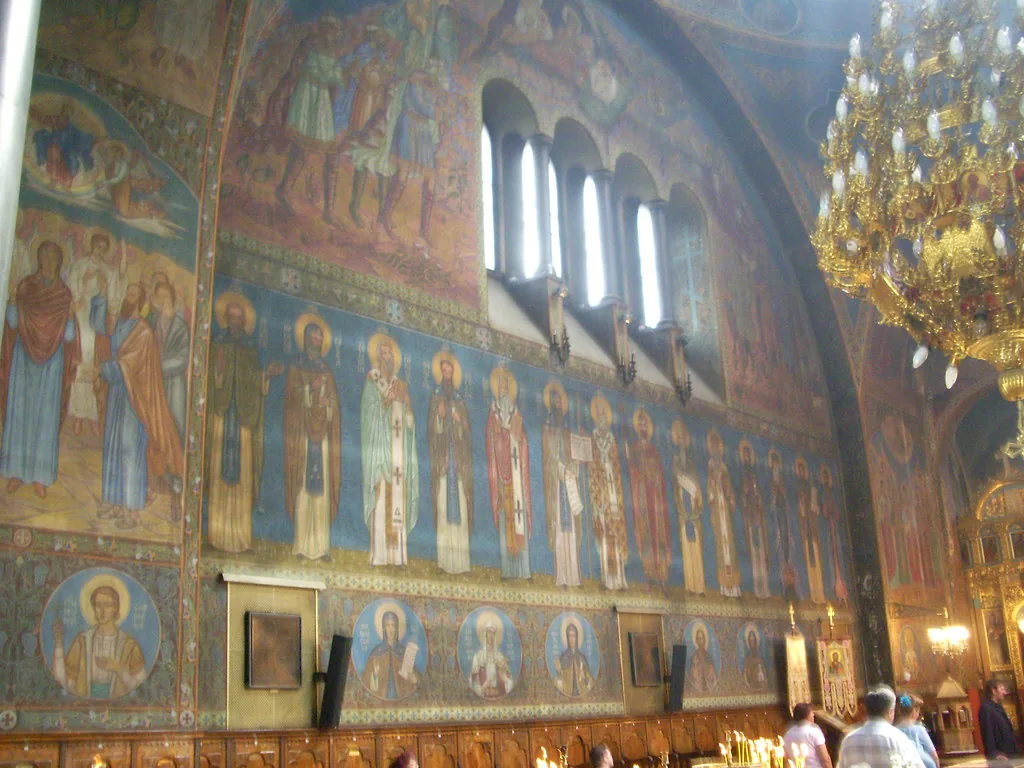
The most famous addition occurred in 1259 when Tsar Kaloyan commissioned a massive expansion and new interior decorations. These murals represent a significant departure from the stiff and formal icons found in other medieval churches. Artists focused on human emotions and realistic details that were far ahead of their time in Eastern Europe. This artistic leap is why the church is often cited as a precursor to the Italian Renaissance movement.
Preservation efforts have kept the colors of the frescoes remarkably vibrant despite the passage of many centuries. The church serves as a symbol of the Second Bulgarian Kingdom's power and artistic sophistication. It is a quiet place that invites reflection on the skilled masters who painted these intricate scenes by hand. Visiting this site provides a necessary context for understanding the broader history of the Bulgarian Orthodox Church.
How to Get to Boyana Church from Sofia Center
Reaching the Boyana district from central Sofia is relatively simple if you use the city's public transport network. You can take the metro to the Vitosha Station and then transfer to Bus 64 for the final leg. The bus stop is located right near the church entrance and the ride takes about twenty minutes. Ensure you have a validated ticket or use a contactless card to pay for your journey on the bus.
Another option for DIY travelers is taking Tram 5 from the Palace of Justice to the end of the line. From there, you can catch Bus 107 which drops passengers off just a short walk from the church gates. Taxis and rideshare apps like Bolt are also popular choices for those who prefer a direct door-to-door service. A typical taxi ride from the city center should cost between 15 and 20 Bulgarian Lev depending on traffic.
If you want more freedom to explore the surrounding Vitosha area, driving yourself is a great choice. With your own car you can visit the church and then head higher up the mountain for a scenic lunch. Parking is usually available on the side streets near the church entrance during the weekdays. However, weekends can be crowded so arriving early is recommended for those who are driving their own vehicle. Whichever way you travel, it is worth confirming the latest hours and entry rules on the official Boyana Church visitor page before you set out in 2026.
- Transport options at a glance
- Bus 64 (via Vitosha metro): single ticket around 1.60 BGN
- Taxi / Bolt from the centre: roughly 15–20 BGN
- Rental car: most flexible for combining with Vitosha
- Walking from the centre: not practical (around 8 km)
The Classic Combo: Rila Monastery Visitor Guide and Boyana Church Day Trip
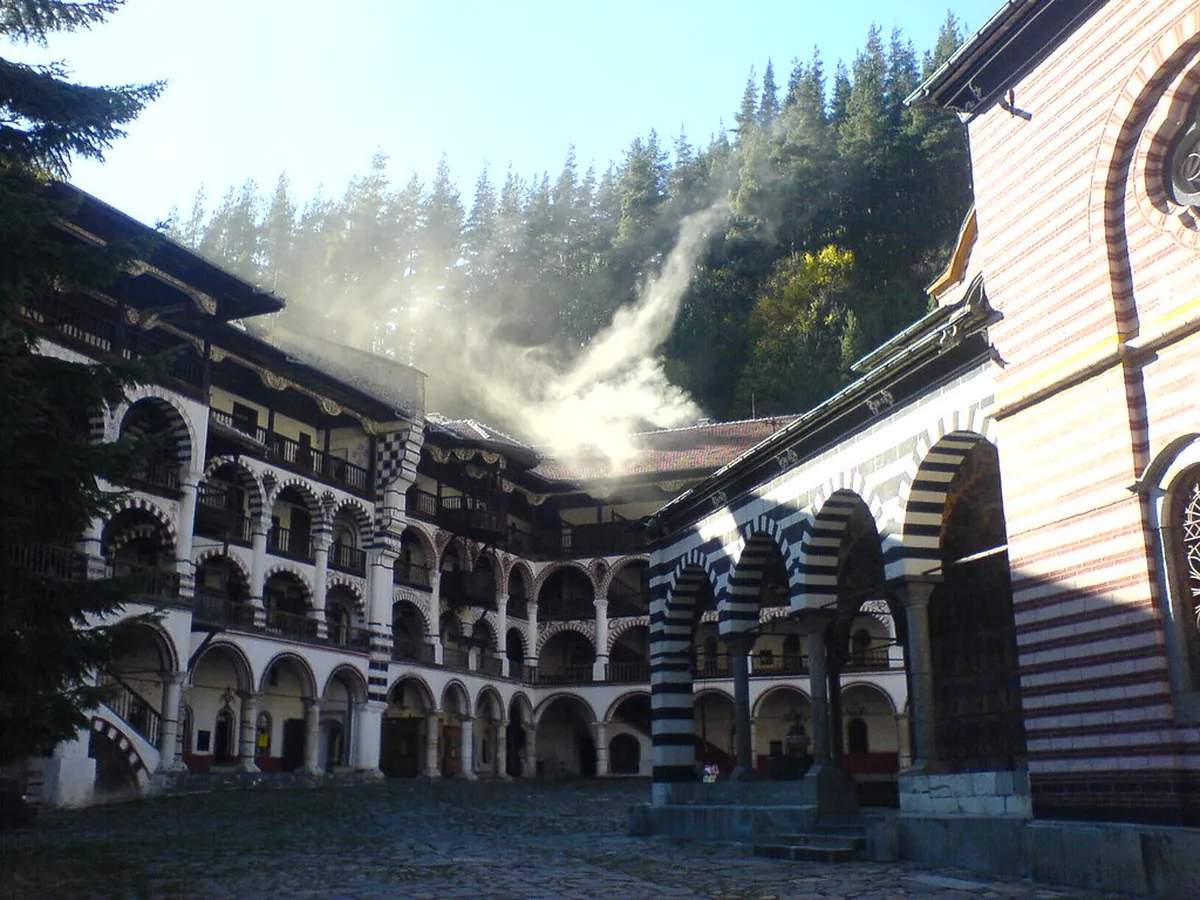
Many visitors choose to book a 11 Essential Tips for a Rila Monastery Day Trip From Sofia that includes a stop at Boyana. This combination is highly efficient because Boyana Church is located on the way out of the city towards the south. Most organized tours stop at the church in the morning before heading deeper into the mountains for the monastery. This allows you to see two of Bulgaria's most famous UNESCO sites in a single organized outing.
Joining a guided tour removes the stress of navigating local bus schedules and finding the correct stops. Professional guides provide deep insights into the meaning of the frescoes that you might miss on your own. You will also have time to try local treats like mekitsi, which are traditional Bulgarian fried donuts. These tours often provide a great balance between historical learning and enjoying the natural beauty of the countryside.
If you plan to visit both sites independently, check the mountain weather forecast before you depart. Conditions can change quickly and the monastery sits at a much higher elevation than the church. Having a clear day will make the drive through the Rila mountains much more enjoyable and safe. Independent travelers should aim to leave Sofia by 8:00 AM to ensure they have enough time at both locations. If history is your main draw, you can also weave the church into a wider list of Things To Do in Sofia, Bulgaria (2026 Guide) over a longer city break.
What to See: The 1259 Frescoes and Architectural History
The interior of the church is home to over 240 individual figures depicted in 89 different scenes, the bulk of them painted in the famous 1259 layer of frescoes. You will see portraits of Saint Nicholas and Saint Panteleimon which are considered some of the finest of their kind. The artists used a technique that gave the faces a sense of volume and individual personality. This style was a major breakthrough in medieval art and remains the primary reason for the church's fame.
Look closely at the portraits of the donors, Sebastocrator Kaloyan and his wife Desislava, near the entrance. Their clothing is painted with such detail that you can see the patterns and textures of 13th-century noble garments. The depiction of the Bulgarian Tsar Constantine Tikh and Tsaritsa Irina is another highlight of the central chamber. These images provide historians with valuable clues about the court life and fashion of the Second Bulgarian Empire.
The building itself is an interesting study in how medieval structures were expanded over time to meet new needs. You can clearly see the transition from the small 11th-century chapel to the larger two-story addition from the 13th century. The third section was added in the 19th century using funds donated by the local community during the National Revival. Each layer of the church tells a different story about the resilience of the Bulgarian people and their faith.
Practical Visitor Information: Tickets, Hours, and Strict Entry Rules
To protect the ancient paint from humidity and carbon dioxide, the church has very strict entry requirements. Only a small group of up to nine people is allowed inside at one time, and each visit is limited to exactly 10 minutes. The temperature inside is kept at a constant level to prevent the frescoes from peeling or fading. You should bring a light jacket as the interior can feel cool even during the hot summer months.
Standard tickets for adults cost 12 Bulgarian Lev (about €6), with a reduced rate of 2 BGN for students and seniors. You can also purchase a combined ticket that includes entry to the National Museum of History located a short walk away. The church is open daily from 9:00 AM to 5:30 PM in winter and from 9:30 AM to 6:00 PM in summer. Check the official website for any holiday closures before you start your boyana church day trip from sofia.
If you are squeezing the church into a packed one-day Sofia itinerary, plan to arrive at Boyana early. Morning slots are often less crowded than the afternoon when the large tour buses tend to arrive. There is a small ticket office at the entrance where you can also buy postcards and basic guidebooks. Note that large bags must be left in lockers as the interior space is very tight and fragile.
- Visitor checklist for Boyana
- Ticket Price: 12 BGN (2 BGN reduced)
- Max Group Size: up to 9 people
- Time Limit: 10 minutes
- Photos: Exterior only
Best Time to Visit for Photography and Fewer Crowds
The best time to photograph the exterior of the church is during the late morning or early afternoon. The surrounding trees provide a beautiful frame for the brickwork when the sun is high in the sky. Remember that photography is strictly forbidden inside the church to protect the delicate pigments from camera flashes. You can take excellent shots of the historic bell tower and the ancient trees in the courtyard instead.
Visiting on a weekday is highly recommended if you want to avoid long wait times for your ten-minute slot. Weekends often see a surge in local visitors and school groups which can lead to hour-long delays. If you must visit on a Saturday, try to be at the gate right when they open at 9:00 AM. This early start ensures you are among the first groups to enter the quiet and peaceful sanctuary.
Autumn is a particularly beautiful season to visit because the leaves on Vitosha Mountain turn vibrant shades of gold. The cooler air makes the walk from the bus stop more pleasant and the light is softer for photography. Winter visits are also possible and offer a unique look at the church covered in a light dusting of snow. Just be sure to wear sturdy shoes as the stone paths around the church can become slippery in icy weather.
Extending Your Trip: Boyana Waterfall and Vitosha Mountain
After seeing the church, many travelers enjoy a Vitosha Mountain Day Trip From Sofia: The Ultimate Travel Guide by hiking nearby. A popular trail leads from the church up to the Boyana Waterfall, which is the highest in the mountain range. The hike takes about two hours each way and offers several viewpoints overlooking the city of Sofia. It is a moderately difficult climb, so ensure you have proper hiking boots and plenty of water.
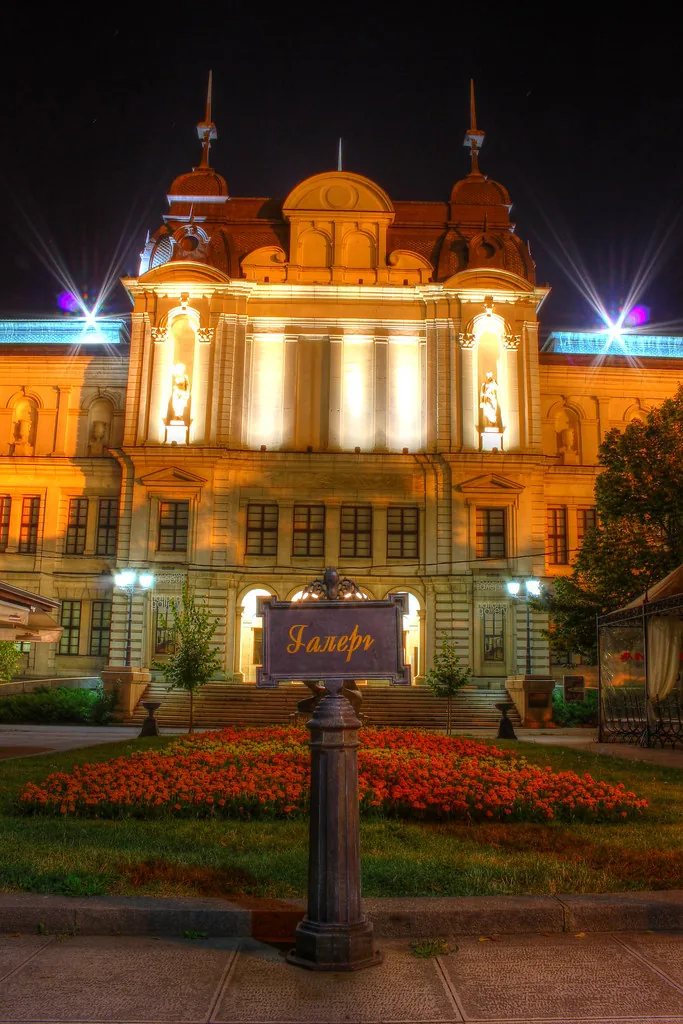
If you prefer a more relaxed afternoon, head to the nearby National History Museum, Sofia Visitor Guide in the former Rezidentsia Boyana. This museum houses the famous Panagyurishte Gold Treasure and thousands of other artifacts from Bulgaria's past. It is one of the best Top 15 Outdoor & Nature Activities in Sofia spots because of its massive, well-manicured gardens. You can easily spend two or three hours exploring the various exhibits before heading back to the city center.
The Boyana neighborhood also features several high-quality restaurants serving traditional Bulgarian cuisine in a rustic setting. Many of these eateries have outdoor seating where you can enjoy the fresh mountain air and local wine. Trying a Shopska salad or some grilled meats is the perfect way to end your cultural day trip. The quiet atmosphere of the district makes it a favorite spot for locals looking to escape the urban noise.
For related deep-dives, see our Koprivshtitsa Day Trip From Sofia Travel Guide and Krushuna Waterfalls Day Trip from Sofia: 10 Things to Know guides.
Continue planning: Use Day Trips From Sofia: Complete 2026 Hub Guide to connect this guide with the rest of your Bulgaria itinerary.
Frequently Asked Questions
Is Boyana Church worth a visit?
Yes, Boyana Church is absolutely worth a visit for its world-class 1259 frescoes. These murals represent a vital link in art history and are remarkably well-preserved. Even with the 10-minute time limit, the level of detail in the paintings is unforgettable. You can find more tips on the toursbulgaria.com blog.
How do I get to Boyana Church by public transport?
You can take Metro Line 2 to Vitosha Station and then transfer to Bus 64. Alternatively, take Tram 5 to the Pavlovo stop and catch Bus 107. Both routes are affordable and take roughly 30-40 minutes total from the center. Make sure to validate your ticket upon boarding the bus.
Can you take photos inside Boyana Church?
No, photography and filming are strictly prohibited inside the church to protect the frescoes. The flash and light can damage the ancient pigments over time. However, you are free to take as many photos as you like of the church exterior and the beautiful surrounding gardens.
How much does it cost to enter Boyana Church?
The standard entry fee for an adult is 12 Bulgarian Lev (BGN), about €6. A combined ticket that also includes the nearby National Museum of History is available too. Students and seniors can enter for a reduced price of 2 BGN. It is best to bring cash in the local currency for the ticket office.
A boyana church day trip from sofia offers a rare look at the birth of modern artistic expression. The site is a testament to the skill of medieval masters and the enduring power of Bulgarian culture. By following this guide, you can navigate the transport and entry rules with total confidence. Whether you go for the art or the history, this UNESCO site will be a highlight of your time in Bulgaria.
Don't forget to explore the surrounding Vitosha Mountain trails if you have extra time in your schedule. Combining the church with other Plovdiv Day Trip From Sofia: A Complete 2026 Guide options can round out your Balkan adventure. The memories of the vibrant 1259 murals will stay with you long after you leave the church grounds. Safe travels as you discover the lesser-known places located just outside the Bulgarian capital.