Ultimate Guide to Visiting Bulgaria in Winter
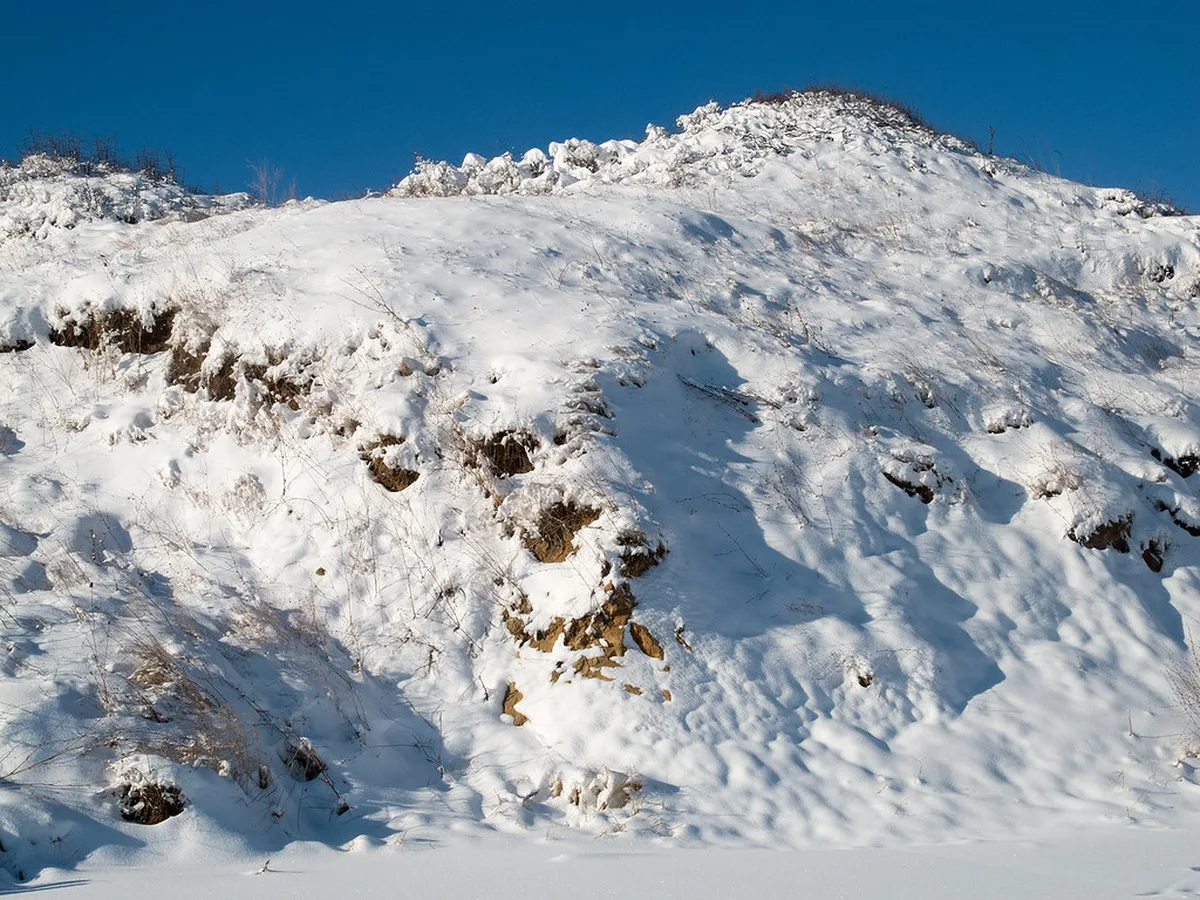
Mid-January to mid-February is the best window for reliable snow and winter festivals in Bulgaria. The Balkan peaks are often blanketed in snow during this period.
Late spring (May to June) and early fall (September to October) are excellent shoulder months. The Best Time To Visit Bulgaria: Seasonal Weather & Travel Guide depends on your love for snow. Winter offers a unique charm with fewer crowds at major cultural landmarks. Snow turns the ancient cobblestone streets of Plovdiv into a silent wonderland, and there are plenty of Things to Do in Plovdiv in Winter (2026 Guide).
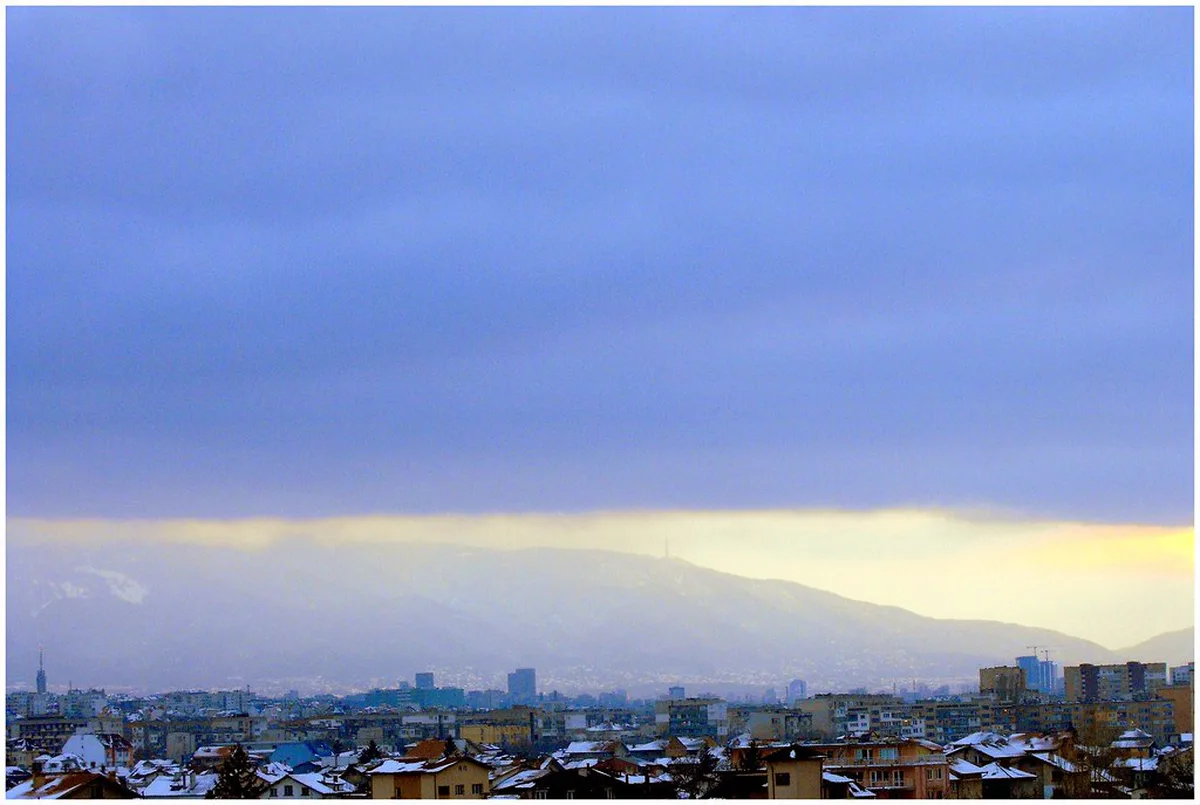
Heavy late-January snowfall can disrupt Sofia while transforming the cathedral surroundings. Exploring the mountains requires careful planning but rewards visitors with striking views.
Winter Weather in Bulgaria: Season Comparison
Bulgaria's largely continental climate means weather by month varies significantly between the high mountains and the low plains. Check the Bulgaria Weather By Month: A Complete Seasonal Travel Guide guide for detailed regional data. Average temperatures in the cities often hover around -2 to 5°C / 28 to 41°F. Mountain peaks are much colder, frequently dropping below -10°C / 14°F.
Authorities are often caught off guard by the first heavy snowfall each year. Local drivers joke that the government is always surprised when winter actually arrives. Roads in the Balkan Mountains can become very icy and difficult to navigate. Always check the mountain pass conditions before driving between northern and southern Bulgaria.
January is typically the coldest month across the entire country. Coastal cities like Varna in winter stay slightly warmer due to the Black Sea influence. Sofia experiences a crisp, dry cold that feels biting when the wind blows. Expect frequent snow in the mountains from December through late March.
| Month Range | Weather | Crowds | Prices | Events | Best for |
|---|---|---|---|---|---|
| Early Dec - Late Dec | -2 to 6°C / 28 to 43°F | Moderate | Mid-range | Christmas Markets | City breaks |
| Early Jan - Late Jan | -4 to 2°C / 25 to 36°F | High (Ski) | High (Ski) | Surva Festival | Skiing |
| Early Feb - Late Feb | -2 to 5°C / 28 to 41°F | High | High | Wine Day | Winter Sports |
| Early Mar - Late Mar | 2 to 10°C / 36 to 50°F | Low | Budget | Baba Marta | End of Season |
Practical Survival: Pick X If You Visit
Navigating the Bulgarian cold requires more than just a heavy coat. City sidewalks can become incredibly slushy and slippery after a fresh snowfall. Watch out for large icicles hanging from the roofs of old buildings in Sofia. Local authorities often rope off dangerous areas to protect pedestrians from falling ice.
If you stay in an older guesthouse, ask for an electric blanket. These blankets are a local life-saver during nights when the central heating struggles. For more on the country's official seasonal travel advice, check the official Bulgaria tourism portal. Bulgarian homes are kept very warm, so dress in layers you can remove.
Driving in the mountains requires winter tires and often snow chains. Rental cars should always come equipped with these items during the winter months. Avoid driving at night when black ice forms on the winding mountain roads. Public transport like trains can be slow but offer a safe alternative.
- Pick the ski resorts if
- You love snowboarding and night life
- Pick the spa towns if
- You want relaxation in hot water
- Pick Sofia or Plovdiv if
- You prefer museums and cozy cafes
- Pick the late season if
- You are traveling on a budget
Essential Checklist: What to Pack
Packing for bulgaria in winter means preparing for both snow and slush. Thick-soled, waterproof boots are the most important item for city walking. Leather boots often get ruined by the salt used on the streets. Choose footwear with a deep tread to avoid slipping on icy patches.
Traditional wool slippers called Terlitsi make a great practical souvenir. Bulgarians wear these indoors to keep their feet warm on cold floors. You can find them at local markets or small shops in mountain villages. They are much warmer than standard store-bought slippers.
Thermal base layers are essential if you plan to spend time outdoors. Windproof jackets help protect you from the biting Balkan mountain winds. Don't forget a high-quality scarf, gloves, and a warm winter hat. Moisturizer and lip balm will protect your skin from the dry air.
- Pack thermal base layers for
- Extra warmth during outdoor activities
- Bring waterproof winter boots with
- Thick soles for icy sidewalks
- Carry a portable power bank
- Cold weather drains phone batteries
- Include a windproof outer shell
- Protection against harsh mountain winds
Top Things to Do in Bulgaria in Winter
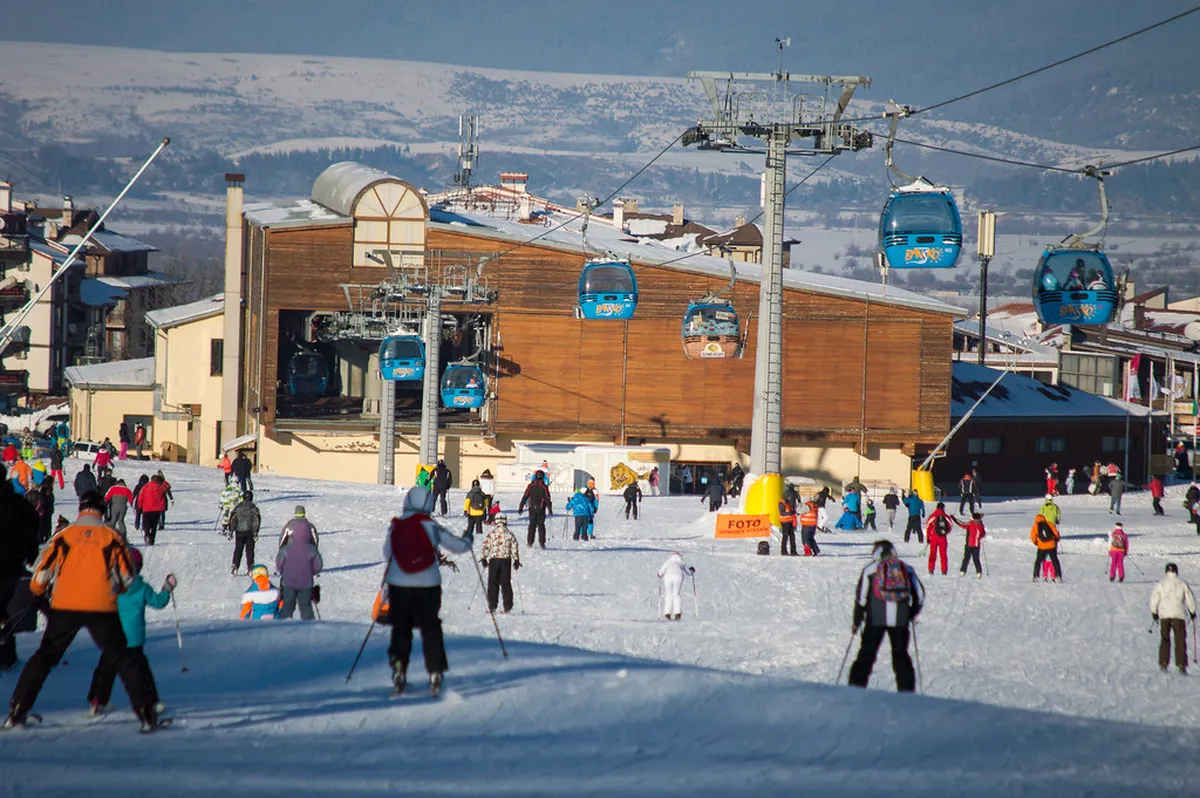
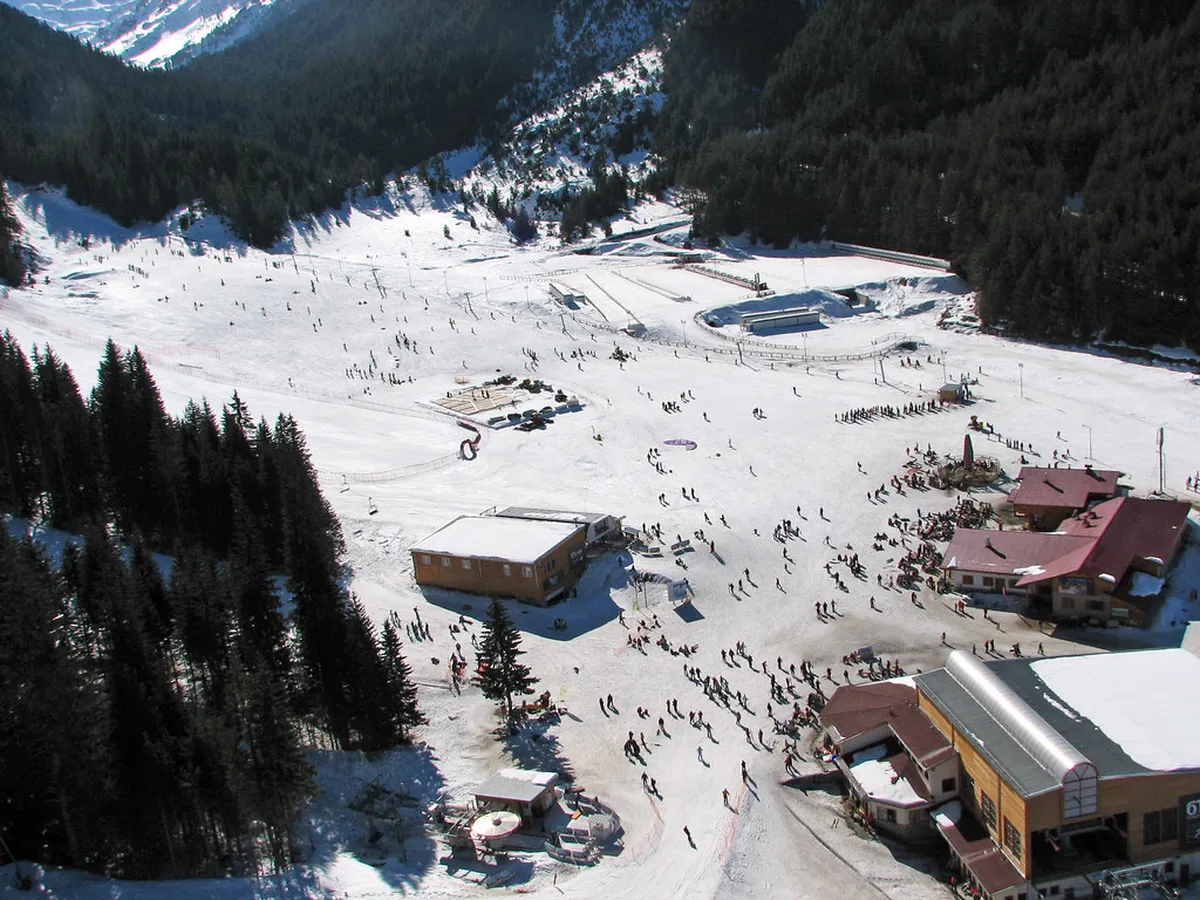
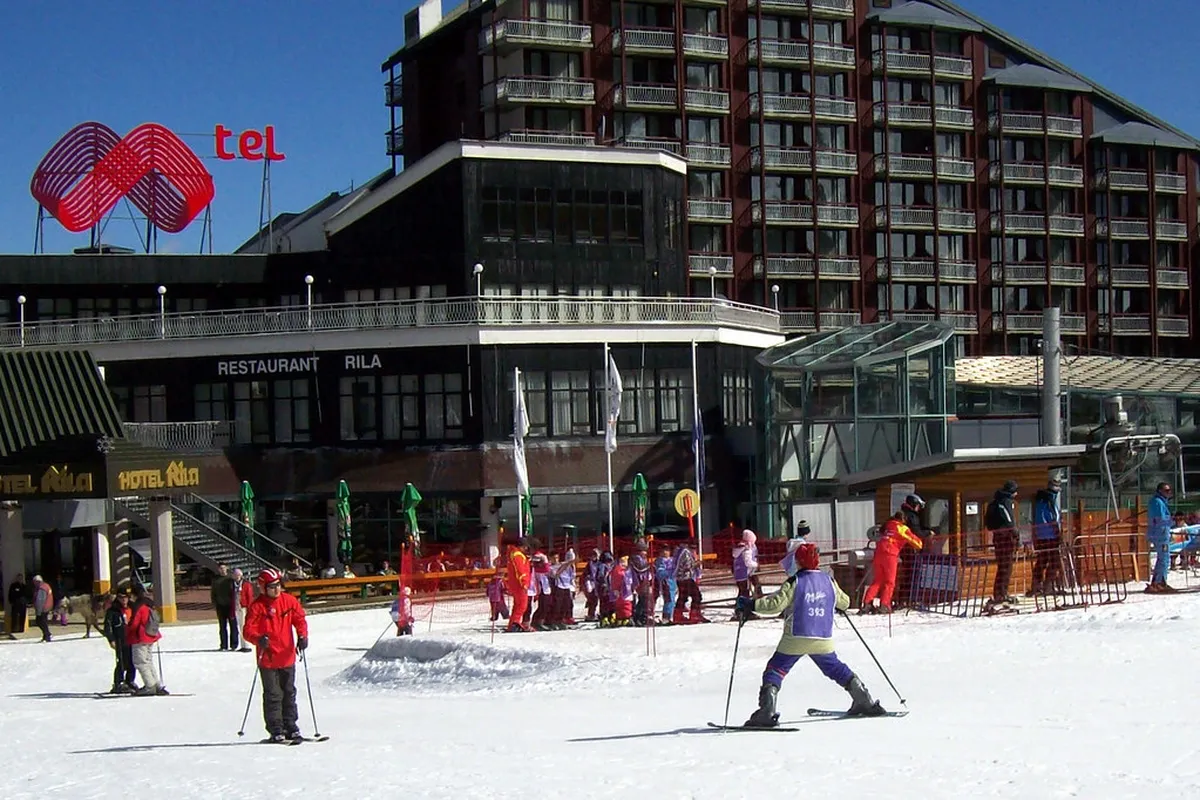
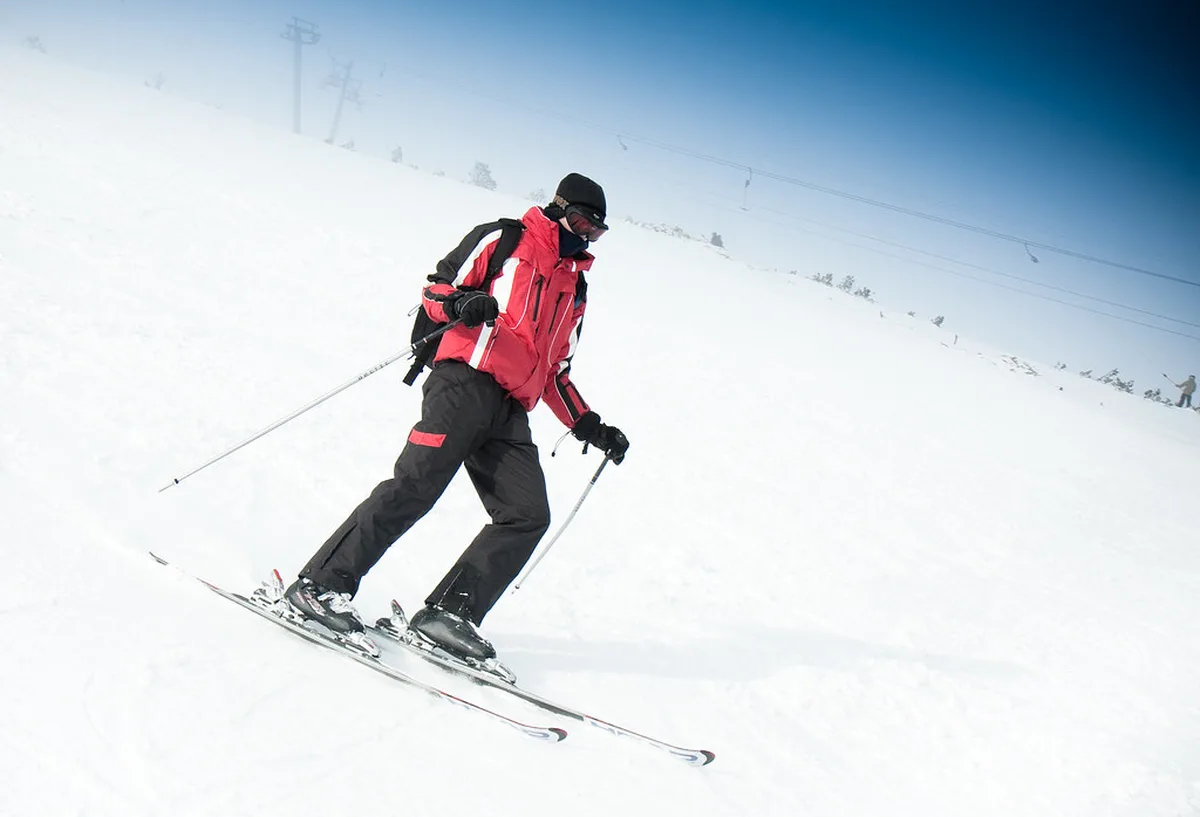
Skiing is the most popular activity for those visiting bulgaria in winter. Bansko offers the best infrastructure and a long, reliable ski season. Read our Bansko Ski Season for tips on lift passes. Borovets and Pamporovo are excellent alternatives with slightly different vibes.
Winter festivals provide a deep look into ancient Bulgarian traditions. The Surva Festival in Pernik features dancers in kukeri masked rituals and costumes. This event usually takes place in late January to scare away evil. Check the 10 Best Bulgaria Festivals list for exact dates.
💡 Good to know: A 6-day Bansko lift pass runs roughly 380–430 BGN (about €195–€220) in peak season — book it online before you arrive to skip the ticket-office queues, and aim for mid-week skiing when both lifts and slopes are noticeably quieter.
Sofia offers plenty of indoor activities when the weather turns sour, so browse our guide to Things To Do in Sofia in Winter guide. The National History Museum, Sofia Visitor Guide is a great place to spend a cold afternoon. Cozy wine bars in the city center serve excellent local Bulgarian varieties. Vitosha Boulevard Visitor Guide is perfect for a snowy walk and some holiday shopping.
Cultural Sites and Natural Hot Springs
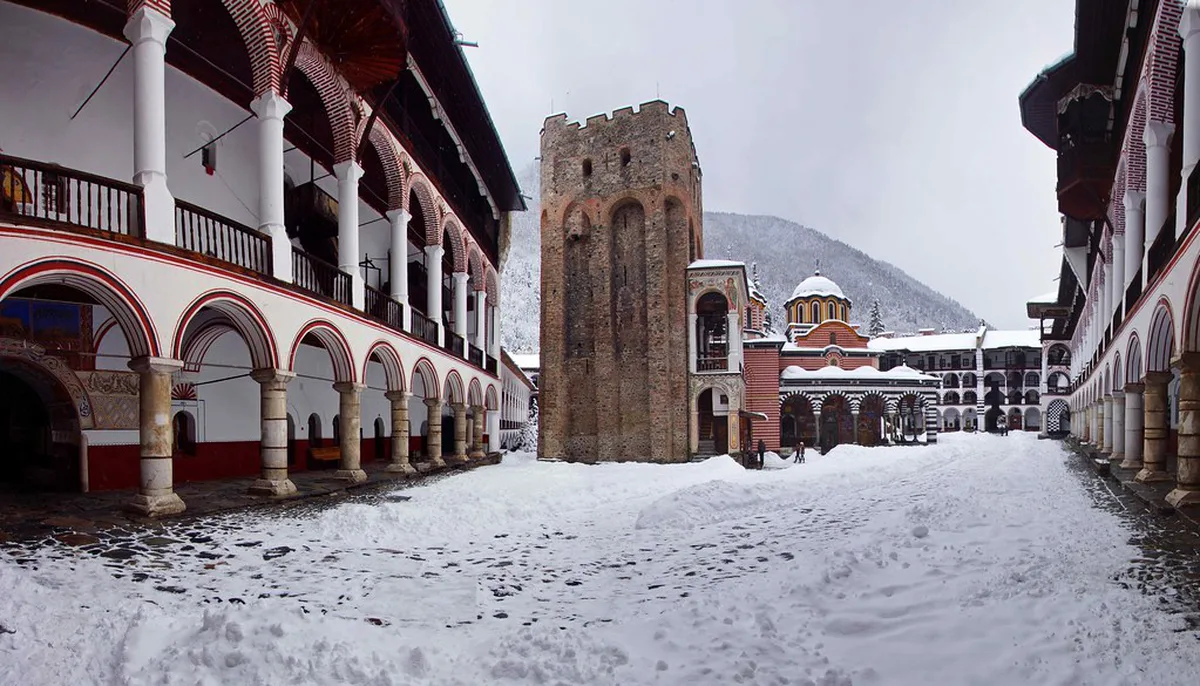
Visiting the Rila Monastery Visitor Guide under a thick blanket of snow is magical. The black and white arches contrast beautifully with the white surroundings. You can book a Traventuria - Rila Monastery & Boyana Church Tours for easy access. Boyana Church Visitor Guide is also a must-see for its stunning medieval frescoes, and the medieval capital of Veliko Tarnovo in winter is equally atmospheric under snow.
Sapareva Banya is home to the hottest geyser in Europe. This natural wonder reaches temperatures of 103°C / 217°F throughout the year. The town features several outdoor thermal pools that stay open in winter. Swimming in hot water while snow falls on your head is unforgettable.
Outdoor thermal pools create a unique 'frozen hair' phenomenon for swimmers. Your hair freezes into ice while your body stays warm in the water. This experience is both hilarious and relaxing after a day of sightseeing. Many spa hotels offer full-day passes for visitors not staying overnight.
💡 Good to know: Pack flip-flops and a quick-dry towel for the open-air thermal pools — the walk between the changing room and the water is short but bitterly cold, and most outdoor spa complexes in Sapareva Banya and Velingrad charge a small extra fee (around 10–15 BGN) for a private locker.
What's Closed in Low Season
Many beach clubs in Varna and Burgas close from November through April. The Black Sea coast becomes very quiet and windy during the winter. Unlike Bulgaria in Summer: 10 Essential Tips and Destinations, the coastal towns feel like ghost towns. Most seasonal restaurants and souvenir shops near the sand will be shuttered.
High-altitude mountain huts often close when the heavy snow arrives. Hiking trails in the Rila and Pirin mountains become dangerous without expert gear. Always check with the Mountain Rescue Service before attempting any winter treks. Some remote villages may be inaccessible if the roads are not cleared.
Seasonal ferries and boat tours along the Danube or coast stop running. Public transport schedules might be reduced during the deepest winter months. Check the Bulgaria travel blog for the latest closure updates. Museums typically stay open but may have shorter winter operating hours.
What to Be Careful Of in Bulgaria in Winter
Most winter visits to Bulgaria pass without incident, but a few seasonal hazards are worth knowing before you go. The biggest one is ice underfoot: pavements in Sofia, Plovdiv, and mountain towns are rarely gritted as thoroughly as in Western Europe, and a sunny afternoon thaw often refreezes into invisible black ice by evening. Wear boots with deep tread and slow down on sloped cobblestones.
On the roads, never assume mountain passes are cleared — winter tyres are a legal requirement from mid-November to March, and snow chains are essential for resort access roads after heavy snowfall. In avalanche-prone areas of Pirin and Rila, always check the Mountain Rescue Service bulletin and stick to marked, patrolled pistes. Finally, watch your belongings in crowded ski-bus transfers and Christmas markets, carry some cash for small mountain villages where cards are not accepted, and keep an eye on falling icicles and snow sliding off old roofs in city centres.
Continue planning: Use Best Time To Visit Bulgaria: Seasonal Weather & Travel Guide and Bansko Ski Season: 9 Essential Insights for Your Trip to connect this guide with the rest of your Bulgaria itinerary.
Frequently Asked Questions
Is Bulgaria worth visiting in winter?
Yes, Bulgaria is a fantastic winter destination for skiers and culture lovers. You can enjoy world-class ski resorts like Bansko at a fraction of Alpine prices. The snowy landscapes and hot springs offer a unique experience.
What is the coldest month in Bulgaria?
January is typically the coldest month in Bulgaria. Temperatures in Sofia often range from -4 to 2°C / 25 to 36°F. Mountain regions are significantly colder with heavy snow accumulation.
Are Bulgarian roads safe to drive in the snow?
Roads can be challenging due to ice and heavy snow. Authorities are sometimes slow to clear mountain passes after a big storm. Always use winter tires and carry snow chains for safety.
Bulgaria in winter offers a perfect mix of adventure, culture, and relaxation. Whether you are hitting the slopes or soaking in a geyser, it is unforgettable. Plan your trip between January and February for the best snowy conditions.
Remember to pack your waterproof boots and a sense of adventure for the cold. Bulgaria remains one of the most affordable and beautiful winter spots in Europe. Enjoy the hearty food and warm hospitality of the Balkan mountains.
Continue planning
Start with our Bulgaria ski resort comparison and compare the practical details with our Sofia-to-Bansko route planner.
For connected planning, compare Bulgaria ski resort comparison with Sofia-to-Bansko route planner before finalizing your route.