Seven Rila Lakes Hike From Sofia
The Seven Rila Lakes are the headline day hike in Bulgaria's Rila National Park: a chain of glacial tarns sitting between 2,095 m and 2,535 m above sea level, reachable from Sofia in roughly two hours plus a 20-minute chairlift. If you are wondering Is Sofia Bulgaria Worth Visiting? 10 Things to Know for outdoor travel, this trail is the strongest single argument. The 2026 season runs late June through September, the chairlift costs around 30 BGN (about 16 EUR) return, and the most common rookie mistake is showing up on a maintenance Monday with no plan B.
For a preview of the trek and the alpine scenery you'll encounter, this video covers the full hike route:
Overview of the Seven Rila Lakes
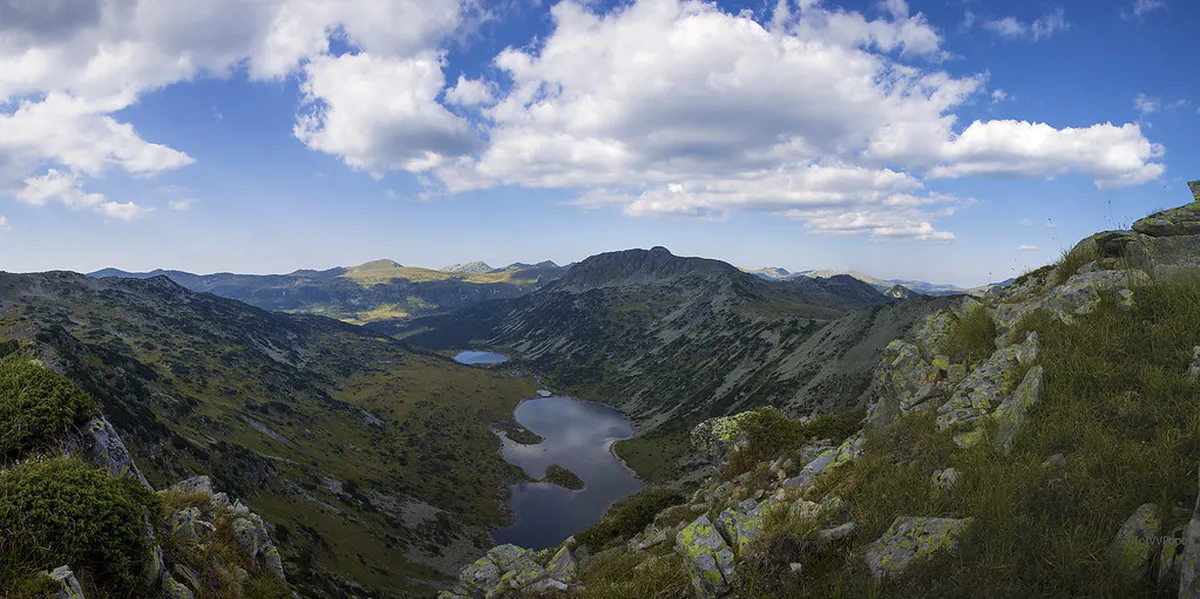
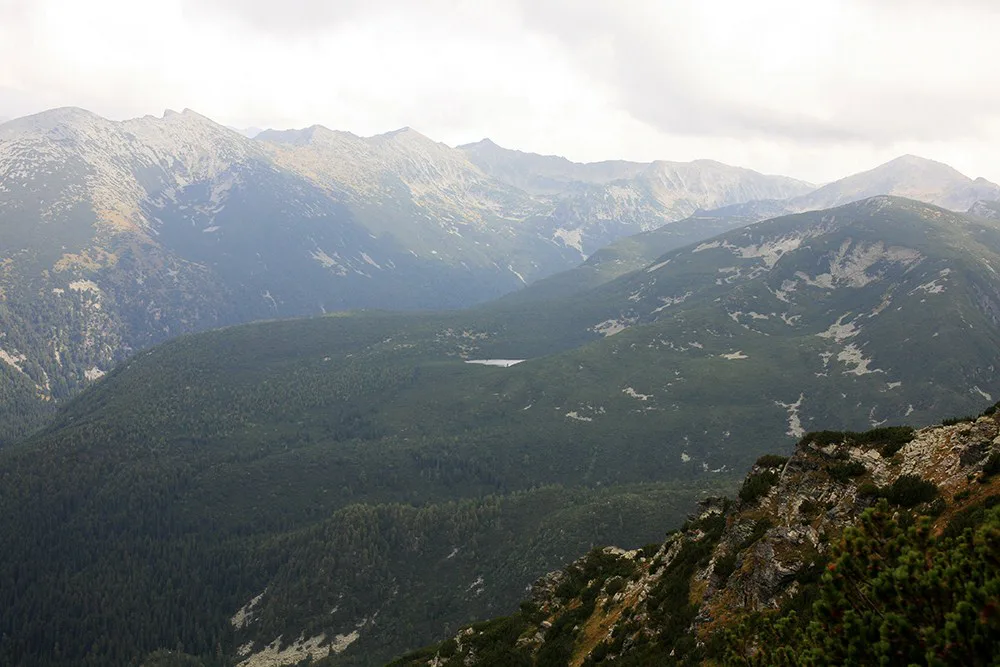
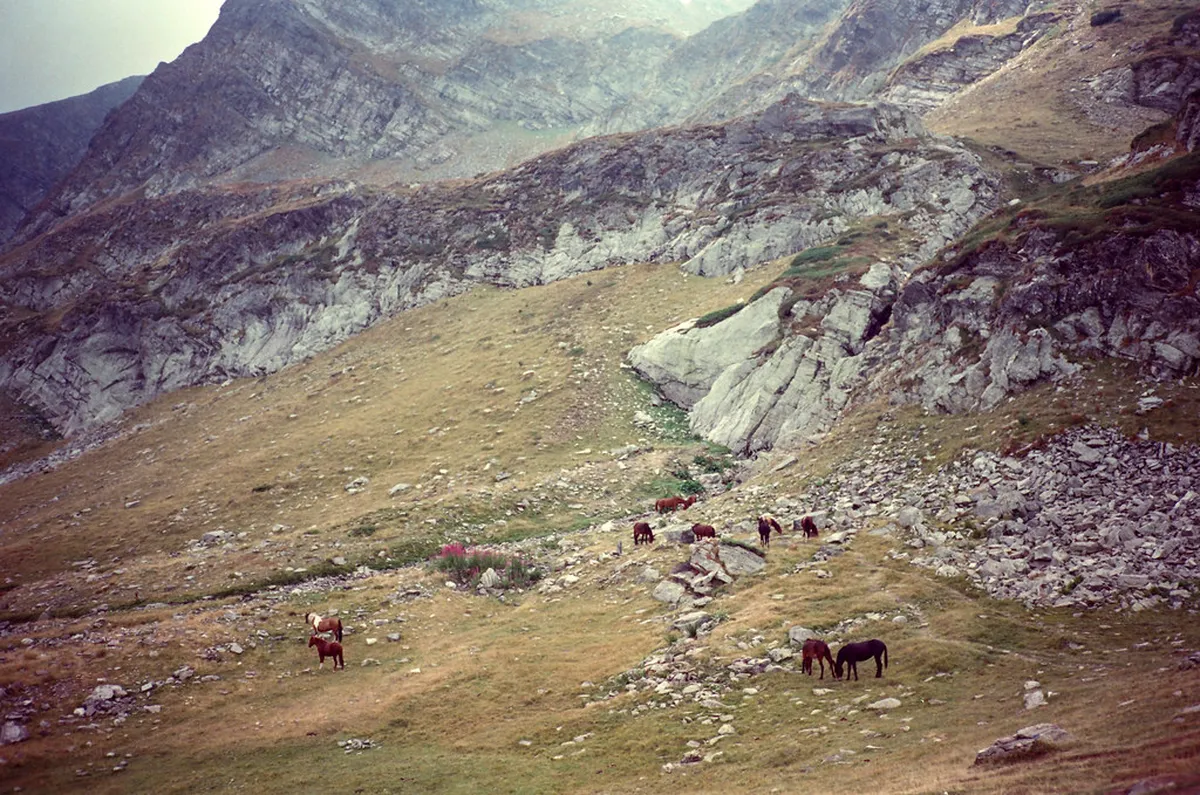
The Seven Rila Lakes (Sedemte Rilski Ezera) are a cascade of glacial lakes in the northwestern Rila Mountains, formed in cirques carved out during the last ice age. They sit on a single broad plateau, connected by short streams and seasonal waterfalls, which is why a single 8 to 9 km loop visits all of them.
The standard trailhead is the upper Pionerska chairlift station above the resort village of Panichiste. From the top of the lift you reach the Lower Lake within 15 minutes; the highest lake, the Tear, sits roughly 500 m of elevation gain above. The full loop takes most fit hikers four to five hours including stops, plus the chairlift rides.
Two practical numbers shape your day: the chairlift's last descent (usually 18:30 in summer) and the weather window. Storms build fast above 2,400 m in July and August afternoons, so most experienced hikers start the loop before 10:00 and aim to be off the ridge by 14:00.
Best Time to Visit: Seasonal Weather and Crowds
The reliable hiking window is mid-June through late September. Snow lingers above 2,300 m well into June, and by early October the Tear ascent often has icy patches. July and August deliver the warmest, driest conditions but also the heaviest crowds and the peak afternoon thunderstorm risk.
September is the local favourite. Daytime temperatures at 2,500 m sit around 8 to 15 degrees Celsius, the lakes hold their deepest blue tones, and weekday trails are noticeably emptier. Bring a windproof shell either way; gusts on the Tear ridge regularly hit 50 km/h even on bluebird days.
Every August 19th, hundreds of pilgrims gather around the Kidney Lake for the White Brotherhood Paneurhythmy ritual (RFERL), a circle dance founded by the spiritual teacher Peter Dunov. Expect the chairlift queue to add 90 to 120 minutes that morning and the Kidney Lake bowl to be functionally inaccessible until early afternoon. Plan around it unless the ritual is the reason you came.
For quieter trails, target Tuesday through Thursday. Weekends in July and August see the chairlift queue stretch beyond an hour by 09:30, and the loop trail develops bottlenecks at the Kidney Lake viewpoint and the final scramble to the Tear.
Transport Options: How to Get from Sofia to the Trailhead
The trailhead at the Pionerska lower chairlift station is roughly 95 km south of Sofia, taking the A3 motorway to Dupnitsa and then route 6204 / 6206 into the mountains. Most travellers choose between three options, and the right one depends on whether you want flexibility, social structure, or the lowest price. For wider context on getting out of the capital, see our Day Trips From Sofia: Complete 2026 Hub Guide overview.
| Option | One-way time | Cost (2026) | Flexibility | Best for |
|---|---|---|---|---|
| Rental car | ~1h 50m | 20 to 35 EUR/day plus fuel | Very high | Couples, road trippers, anyone wanting an early start |
| Guided group tour | ~2h | 50 to 75 EUR/person | Low (fixed schedule) | Solo travellers, non-drivers, first-time hikers |
| Self-guided shuttle | ~2h | 30 to 45 EUR return | Medium | Confident hikers who want their own pace at the lakes |
The self-guided shuttle is the under-discussed sweet spot. You travel with a group, but at the trailhead you are turned loose with a return time (usually 16:00 or 17:00) and full freedom on the mountain. That is meaningfully different from a fully guided tour, where the leader sets the pace and frequently turns back at the Kidney Lake to keep the group on schedule. Pick the shuttle if you intend to summit the Tear; pick the guided tour if you want commentary and would rather not navigate.
If you drive, arrive at the lower chairlift by 08:30 on weekends or you will burn an hour in the parking and lift queues. There is paid parking at the lower station for around 5 BGN.
Chairlift Logistics: Opening Times, Prices, and Monday Closures
The Pionerska chairlift saves you a steep two-hour forest climb to the New Rila Lakes Hut. The ride takes about 20 minutes in open chairs (no enclosed gondolas), and a return ticket costs around 30 BGN (16 EUR) for adults in 2026, with half-price for children. Single-leg tickets are sold for hikers descending on foot.
Summer hours typically run 08:30 to 18:30 daily from late June through mid-September, with the last ascent around 16:30 and last descent at 18:30. Outside peak summer, hours contract to roughly 09:00 to 16:30. Always confirm the last descent at the ticket window when you go up — getting stranded means a steep, root-laced 90-minute descent in the dark.
The Monday rule confuses almost everyone. The lift is not closed every Monday. The standard published rule is that the lift closes for inspection on the last Monday of each month, plus two longer annual maintenance windows: roughly two weeks in mid-April to early May, and two weeks in October. Some seasons the operator extends Monday closures to mornings only (resuming around 12:30) — this is the version most outdated guides describe. If you are travelling on any Monday, check the operator's daily status before driving out from Sofia.
High wind and lightning will close the lift without warning. If you see thunderheads building over Musala to the south by mid-morning, plan to be off the upper trail and back at the lift by 14:00.
The Hiking Route: A Step-by-Step Trail Guide
The full loop runs roughly 8.4 km with about 500 m of elevation gain, marked with red and yellow blazes on rocks and posts. From the upper chairlift station, walk five minutes uphill to the New Rila Lakes Hut where the trail forks. Follow the right-hand path for the standard counter-clockwise loop that climbs progressively past each lake.
The first hour is gentle: you pass the Lower Lake, then Fish Lake and the Trefoil. The middle section steepens noticeably between the Twin and the Kidney; this is where many casual day-trippers stop, take their summit photo at the Kidney viewpoint, and turn back. The final 45 minutes from the Eye to the Tear is a steep, rocky scramble that gains roughly 250 m — this is the section that makes the difference between "saw four lakes" and "saw all seven plus the panorama from Lake Peak (Otovishki Vrah)."
For real-time conditions check the recent Seven Rila Lakes AllTrails reviews; user reports updated within the last week often flag fresh snow patches above the Eye in early June or muddy stretches after summer storms. The trail is much more demanding than a Vitosha Mountain Day Trip From Sofia: The Ultimate Travel Guide or most of the easier 12 Best Day Hikes and Tips Near Sofia, so do not treat it as casual.
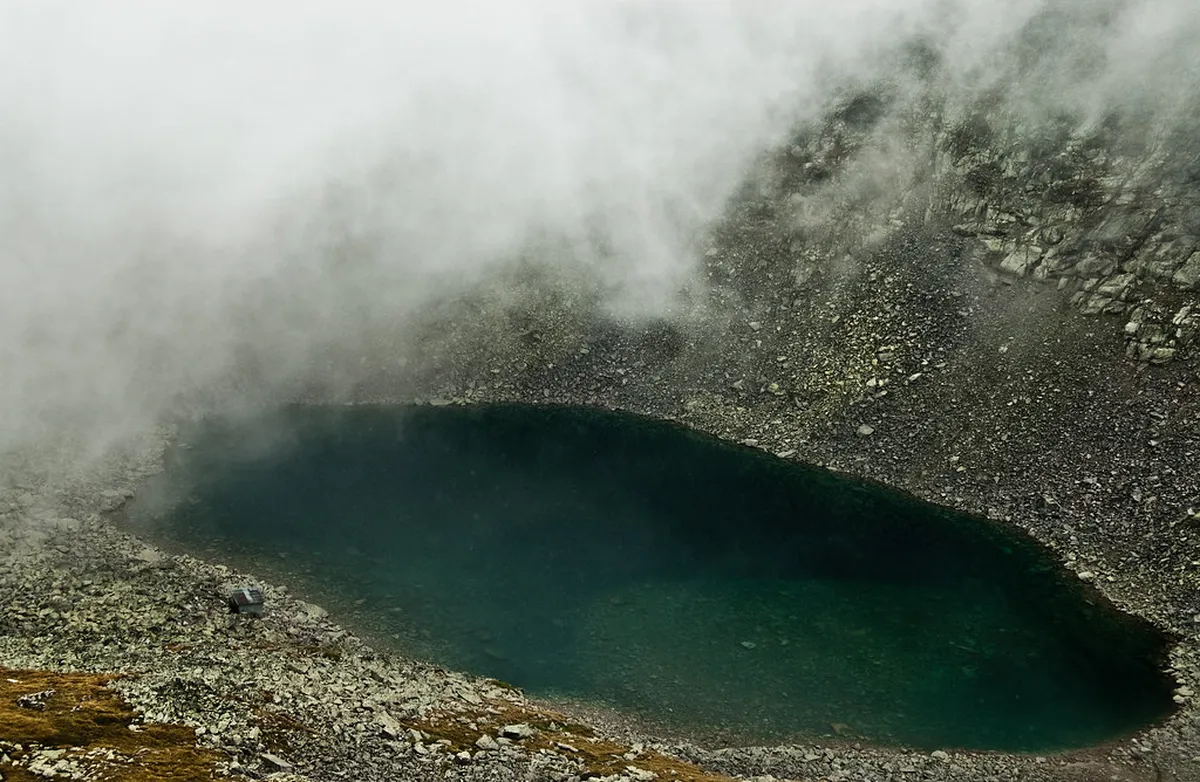
Fog rolls in fast at altitude, sometimes within 15 minutes. Stay on the marked path even when visibility drops; cutting switchbacks above the Eye damages the alpine sod of this UNESCO biosphere reserve and has caused several rescue incidents in past seasons.
Peak or Loop: Deciding How Far to Go
The single most useful decision you make on the day is whether to climb to Lake Peak (Otovishki Vrah, 2,696 m) — the only viewpoint where all seven lakes appear in one frame — or stop at the Kidney Lake and turn back. Most underprepared visitors guess wrong and either give up unnecessarily or push for the peak and miss the last chairlift.
Climb to the peak if all four are true: you reached the lift before 10:00, the sky south of Musala is clear of building cumulus, you have 1.5 L of water and a windproof layer, and you genuinely enjoy steep rocky scrambles. Each "no" should reduce your ambition. Two or more "no"s mean the Kidney viewpoint is the smarter target — it still delivers a postcard view of four lakes laid out below, and you will be back at the lift in three hours total instead of five.
If you are hiking with kids under ten or anyone with knee issues, stop at the Twin or Kidney. The Tear descent on tired legs is where most twisted ankles happen.
Identifying the Seven Lakes
Each lake is named for its shape or character, and the names are a useful navigation aid since signage on the upper sections is sparse. From highest to lowest:
- The Tear (Salzata) — 2,535 m. The highest and clearest lake, shaped like a teardrop. Sits in a small cirque just below Lake Peak.
- The Eye (Okoto) — 2,440 m. The deepest of the seven at 37.5 m, almost perfectly oval, with a striking dark-blue centre.
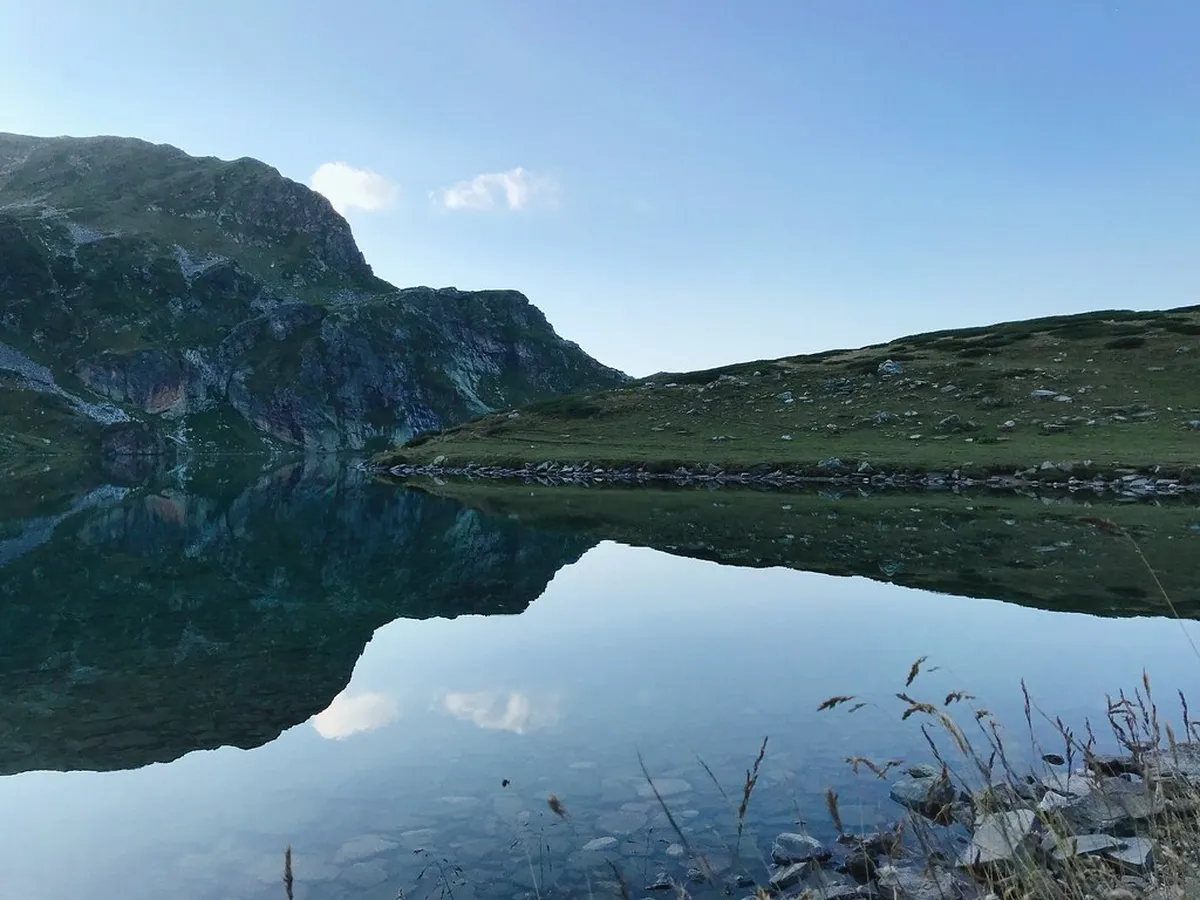
- The Kidney (Babreka) — 2,282 m. The most photographed lake, kidney-shaped, and the gathering point for the August 19 Paneurhythmy ritual.
- The Twin (Bliznaka) — 2,243 m. The largest by surface area, two basins joined by a narrow neck of water.
- The Trefoil (Trilistnika) — 2,216 m. Three-leaf-clover shape with squiggly shallow margins; striking from above.
- Fish Lake (Ribnoto Ezero) — 2,184 m. The shallowest of the seven and the only one historically stocked with trout, which gives it warmer green tones.
- The Lower Lake (Dolnoto Ezero) — 2,095 m. Closest to the chairlift; an easy 15-minute walk from the upper station and a fine fallback if weather turns.
You can only see all seven simultaneously from Lake Peak, the rocky knob above the Tear. From the Tear itself you see five clearly; the Lower Lake and Fish Lake remain hidden behind the ridge.
Photographing All Seven from Lake Peak
The classic frame requires Lake Peak, not the Tear. From the Tear, walk five more minutes up the obvious rocky shoulder to the summit cairn — most hikers stop short, which is why the textbook photograph is rarer than you would expect. Once on top, the seven lakes step down the valley directly in front of you.
Light works best between 10:00 and 12:00 when the sun is high enough to penetrate the deeper lakes (the Eye in particular looks black before mid-morning). A polarising filter cuts surface glare and pulls out the colour gradient between the Tear's pale turquoise and the Eye's deep navy. If you only have a phone, shoot in pano mode from a low crouch — the foreground rocks frame the composition and disguise the slight foreshortening phones produce.
Afternoon clouds usually start spilling over the ridge by 13:00 in summer, which can either ruin the shot or transform it into something more dramatic. If a storm cell is visibly building, take your shot and start descending — Lake Peak is exposed and lightning has struck hikers there in past seasons.
Staying Overnight: Mountain Huts and Sapareva Banya
Sleeping on the mountain unlocks two things you cannot get on a day trip: sunrise on the Tear, and an empty trail before the 09:00 chairlift dumps the day crowd at the upper station. There are two huts to choose from.
The New Rila Lakes Hut sits a five-minute walk from the upper chairlift, with bunk dormitories, hot showers (for a small fee), and a basic restaurant. It is comfortable, social, and books out weeks ahead in July and August.
The Old Rila Lakes Hut (Ezerni Hut) sits lower in the valley, about 30 minutes' walk down from the chairlift station, and offers a more rustic, traditional Bulgarian mountain-hut experience. Cheaper, fewer beds, no showers — but quieter and a better story. Reservations are essential June through September either way.
For comfort, drop down to Sapareva Banya, a 25-minute drive from the lower lift. The town is famous for the hottest geyser in continental Europe (103 degrees Celsius) and a string of thermal-spring hotels. A two-hour soak after the Tear descent is one of the more memorable post-hike rituals you will have in Bulgaria. The 103 Degrees Hotel & Spa and Sveti Nicola Family Hotel are both reliable mid-range choices. If you would rather sleep in the capital, see our Best Areas to Stay in Sofia in 2026 guide.
Essential Gear, Cash, and Safety
The trailhead sits at 2,150 m and the Tear at 2,535 m — high enough that weather above tree line behaves differently from forecasts in Sofia. A blue sky in the city in the morning often means thunderstorms on the ridge by 14:00.
- Layers: moisture-wicking base, fleece or light down mid, windproof shell. Even in August the summit can sit at 5 to 10 degrees Celsius in wind.
- Footwear: proper hiking boots with ankle support. The Tear scramble has loose scree and is unforgiving in trainers.
- Water and food: 1.5 to 2 L per person plus salty snacks; the hut sells lunch but the queue can be 30 minutes.
- Sun protection: SPF 30+, sunglasses, brimmed hat. Reflection off the snow patches into July is intense.
- Cash in BGN: 60 to 80 BGN per person. Card readers at the chairlift, hut, and parking are unreliable on the mountain — assume cash-only.
If you feel a headache or unusual breathlessness above the Eye, the answer is to slow down rather than push through. Acute altitude effects are uncommon here but not unheard of for travellers who flew into Sofia (550 m) two days earlier and are climbing nearly 2 km in one morning. Drink, eat something salty, and give yourself ten minutes before the final scramble.
The Rila Monastery Combo: Worth the Long Day?
Many operators sell a combined 11 Essential Tips for a Rila Monastery Day Trip From Sofia bundled with the lakes. On paper it is efficient; in practice the trade-off is real. The combined day runs 12 to 13 hours and almost always cuts the hike short at the Kidney Lake to keep the schedule. You will see four lakes, not seven, and you will not stand on Lake Peak. For full planning details, see our complete Rila Monastery visitor guide.
Take the combo only if you have a single day in Bulgaria and want a taste of both. If you have two days, split them: hike on day one, monastery on day two, with a thermal-spring overnight in Sapareva Banya in between. Travelers with more time can extend into a monastery circuit that takes in Rila alongside other major Bulgarian monastery complexes. The drive between the lakes trailhead and the monastery is roughly 90 minutes, so combining them on a self-driven trip is more relaxed than the bus version but still adds up to a long day.
Whichever you choose, expect a 06:30 to 07:00 pickup from central Sofia and a return after dark. Bring snacks for the bus — most combo tours do not include food and the only on-route stop is a petrol station near Dupnitsa.
Frequently Asked Questions
How difficult is the Seven Rila Lakes hike from Sofia?
The hike is moderately difficult. While the chairlift handles the steepest part, the trail involves rocky terrain and significant elevation changes. Reaching the highest peak requires good physical fitness and sturdy shoes. It is one of the most popular forms of Top 15 Outdoor & Nature Activities in Sofia day trips.
Can you do the Seven Rila Lakes and Rila Monastery in one day?
Yes, it is possible but very demanding. You will spend several hours in a vehicle and have limited time for the full hike. Most travelers prefer to visit them on separate days to fully enjoy the scenery and history.
How do I get to the Seven Rila Lakes from Sofia without a car?
You can take a dedicated shuttle bus or join a guided group tour from the city center. Public transport involves multiple transfers and is not recommended for a day trip. Tours are the most reliable way to ensure you return on time.
Is the chairlift at Seven Rila Lakes open today?
The lift generally operates daily from 8:30 AM to 6:30 PM in summer. However, it closes for maintenance on Monday mornings until noon. It may also close due to high winds or bad weather conditions.
The Seven Rila Lakes reward planning more than fitness. Get to the lower chairlift early, carry cash, watch the afternoon sky, and decide between the Kidney viewpoint and Lake Peak with honest input from how the morning is going. Done right, this is the single best day you can have outside Sofia in 2026 — easily topping most other Things To Do in Sofia, Bulgaria — and a thermal soak in Sapareva Banya on the way back makes a near-perfect close to it.
Continue planning
Start with our Rila Monastery visitor guide and compare the practical details with our Rila Monastery day-trip planner from Sofia.
For connected planning, compare Rila Monastery visitor guide with Rila Monastery day-trip planner from Sofia before finalizing your route.
Continue planning
Start with our Bulgaria monastery guide and compare the practical details with our Basarbovo Rock Monastery visitor guide.
For connected planning, compare Bulgaria monastery guide with Basarbovo Rock Monastery visitor guide before finalizing your route.
Continue planning
Start with our Sofia day-trip guide and compare the practical details with our outdoor escapes around Sofia.
For connected planning, compare Sofia day-trip guide with outdoor escapes around Sofia before finalizing your route.