11 Essential Tips for a Rila Monastery Day Trip From Sofia
Rila Monastery: Ultimate Visitor's Guide & Travel Tips sits 117 km south of Sofia at 1,147 m elevation, tucked into the Rila Mountains. The UNESCO-listed complex has been the spiritual heart of Bulgaria for over a thousand years and remains the country's most-visited cultural site in 2026. Most travelers reach it as a day trip from the capital by car, guided tour, or Rila Express shuttle.
This guide covers the practical decisions: which transport works, what the museum tickets cost (Bulgaria adopted the Euro in January 2026), where the famous Mekitsi bakery hides, and which combo trip is worth the extra hours. A well-planned rila monastery day trip from sofia punches above its weight in any Balkan itinerary.
Quick Summary: Costs, Time, and Logistics
Round-trip travel time is roughly four hours by car or shuttle, leaving five to six hours on-site if you leave Sofia by 09:00. The monastery courtyard and main church are free to enter; the four museums charge separately or as a combined ticket. Parking sits just outside the gate, and food is available both inside and outside the walls.
| Distance from Sofia | 117 km (≈2 hours each way) via the A3 Struma motorway |
| Entry to courtyard & church | Free |
| Combined museum ticket | €12 (covers all four museums) |
| Car parking | €2–€2.50 (lower vs upper lot) |
| Rila Express shuttle | €18 each way (€36 round-trip) |
| Boyana + Rila group tour | from €20 per person |
| Recommended time on-site | 3 hours minimum, 4–5 hours ideal |
- Driving distance from Sofia: 117 km (≈2 hours each way) via the A3 Struma motorway.
- Combined museum ticket: €12 (≈23.50 BGN at the legacy peg) — covers all four museums.
- Parking: €2.50 (≈4.90 BGN) for cars, €5 for minibuses, paid at the kiosk.
- Boyana + Rila group tour: from €20 per person, A/C minibus, English guide.
- Rila Express shuttle: €18 each way, departs 09:00 from Vasil Levski monument.
- Recommended on-site time: minimum 3 hours, ideal 4–5 hours with the Ivan Rilski cave hike.
How to Get to Rila Monastery from Sofia
Three options dominate: rent a car, join a guided tour, or take the Rila Express shuttle. The full city bus via Blagoevgrad and Rila village still runs but eats six hours of travel for three on-site, and we no longer recommend it unless you are strictly budget-bound.
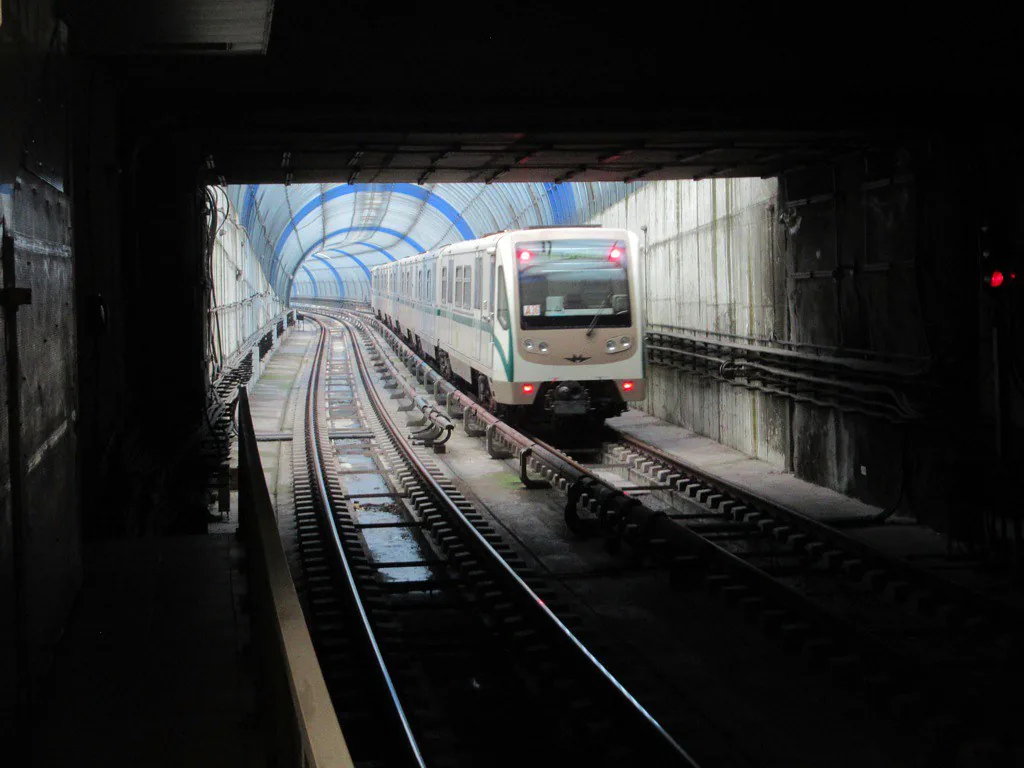
The drive is straightforward — A3 motorway south to the Kocherinovo exit, then a winding two-lane road east into the mountains. Google Maps handles the route without error and brown UNESCO signage marks every turn. The only real friction is assertive overtaking on the mountain section. Reviewing the broader Sofia Transportation picture helps you decide whether a single-day rental is worth it for a multi-stop trip.
💡 Good to know: There is no direct public transport from Sofia to the monastery gate. The legacy bus only reaches Rila village and needs a transfer to a smaller minibus whose schedule is posted in Cyrillic — so if you want to go car-free, the 09:00 Rila Express shuttle or a group tour is far less stressful than piecing the bus connections together.
Rila Express Shuttle vs Public Bus in 2026
The Rila Express is a dedicated tourist shuttle running daily late April through October, with reduced winter service. As of May 2026 it departs Vasil Levski monument (in front of the Slovak Embassy) at 09:00, arrives at the monastery around 12:00, and returns at 15:00, reaching central Sofia by 17:20. Tickets are €18 one-way and best booked through Official Bus Tickets a day ahead in summer.
That gives you exactly three hours on-site — workable for the church, a museum, and lunch, but tight if you want the Ivan Rilski cave hike. The €36 round-trip is also more than a €20 Boyana + Rila group tour, which is why most independent travelers now pick the tour on price alone. The legacy public bus from Ovcha Kupel still runs to Rila village (the town, not the monastery) and requires a transfer to a smaller minibus, with schedules posted only in Cyrillic — a hassle for a single visit.
Can you reach Rila Monastery by train?
Not directly, and a train day trip is not practical. The Bulgarian rail network reaches Blagoevgrad and Dupnitsa on the line south of Sofia, but neither station connects to the monastery without a further bus or taxi transfer up the mountain — and the timetables don't line up for a same-day return. The monastery sits 21 km off the main valley road, deep in the Rila range with no rail spur. For a car-free visit, treat the Rila Express shuttle or a guided tour as the realistic options; the train is only worth considering if you are already breaking the journey overnight in Blagoevgrad.
Parking Logistics: Upper vs Lower Lot
Self-drivers should know there are two parking areas. The lower lot sits about 400 meters before the monastery, costs €2, and almost always has space. The upper lot is right beside the eastern gate, costs €2.50, and fills up by 11:00 on summer weekends. The upper lot wins if anyone in your group has mobility issues or a stroller; the lower lot is fine for an extra five-minute walk through the woods.
Pay the attendant in cash, in euros or leftover lev. The monastery itself has no entry fee, so the parking ticket is the only mandatory cost for self-drivers. If you arrive after 13:00 in peak season, expect to circle the upper lot once or twice — coaches stage further back.
Top Sights to See at Rila Monastery
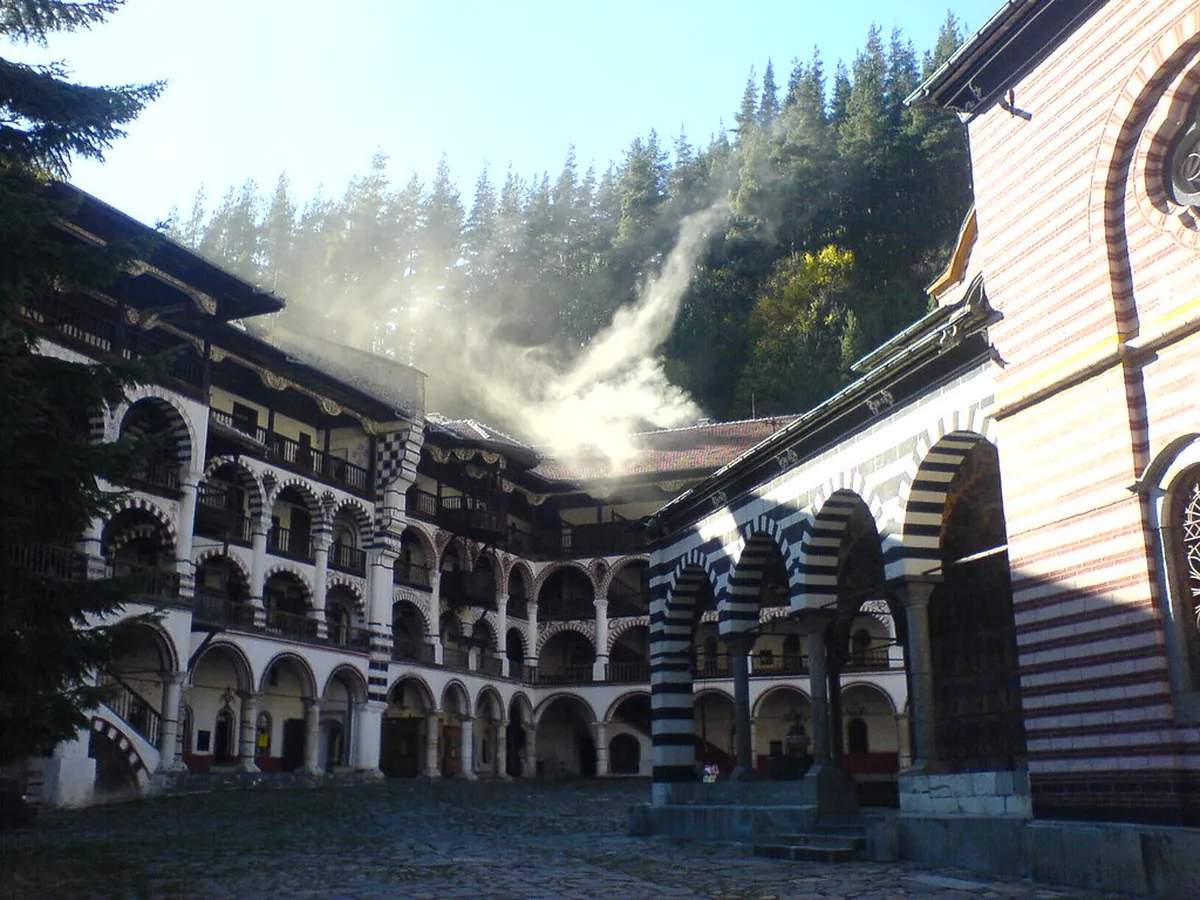
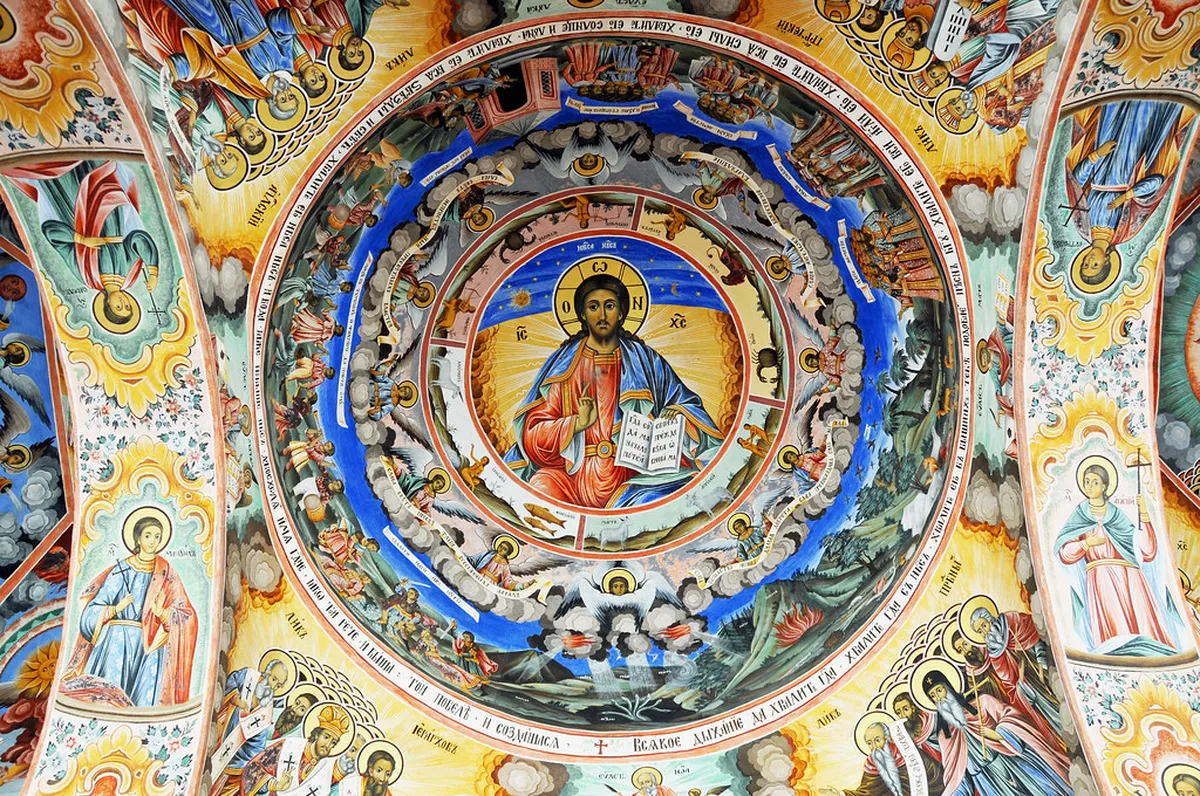
The Main Church of the Nativity of the Virgin is the architectural centerpiece. Its exterior galleries are covered in vivid frescoes from 1846, painted by masters of the Bansko-Razlog school, depicting biblical narratives and folk-style portraits of saints. Inside sits a five-meter gold-plated iconostasis that took five woodcarvers nearly five years to complete.
Hrelyo's Tower (€2.50) dates to 1335 and is the oldest surviving structure in the courtyard. The narrow stairwell opens onto a small chapel with a Transfiguration fresco and a panoramic view across the monastery roofs. The Church History Museum (€4.50) holds Rafail's Cross — a single piece of boxwood the size of a forearm carved with 104 biblical scenes and roughly 650 miniature figures. Monk Rafail spent twelve years carving it and lost his eyesight finishing it. The Icon Gallery (€2.50) and Ethnographic Museum (€3.50) round out the four-museum combined ticket of €12 — the best value if you have at least 90 minutes inside.
The Cave of St. Ivan Rilski: A Short Hike
Drive or walk three kilometers past the monastery on the small road following the Rilska River. A signed trailhead leads through pine forest to the stone chapel of St. Luke and the cave where Saint Ivan of Rila lived as a hermit in the tenth century. The walk is gentle — about 20 minutes one way with light elevation gain, and there is no entry fee.
Bulgarian Orthodox tradition holds that only those without serious sin can squeeze through the narrow opening in the cave's roof. Pilgrims tuck handwritten prayer notes between the stones near the entrance. Wear closed shoes — the stone path is slick after rain or morning dew, and the steps inside the cave are uneven. The cave is the single best add-on if you have a car and an extra hour.
Combining Rila Monastery and Boyana Church
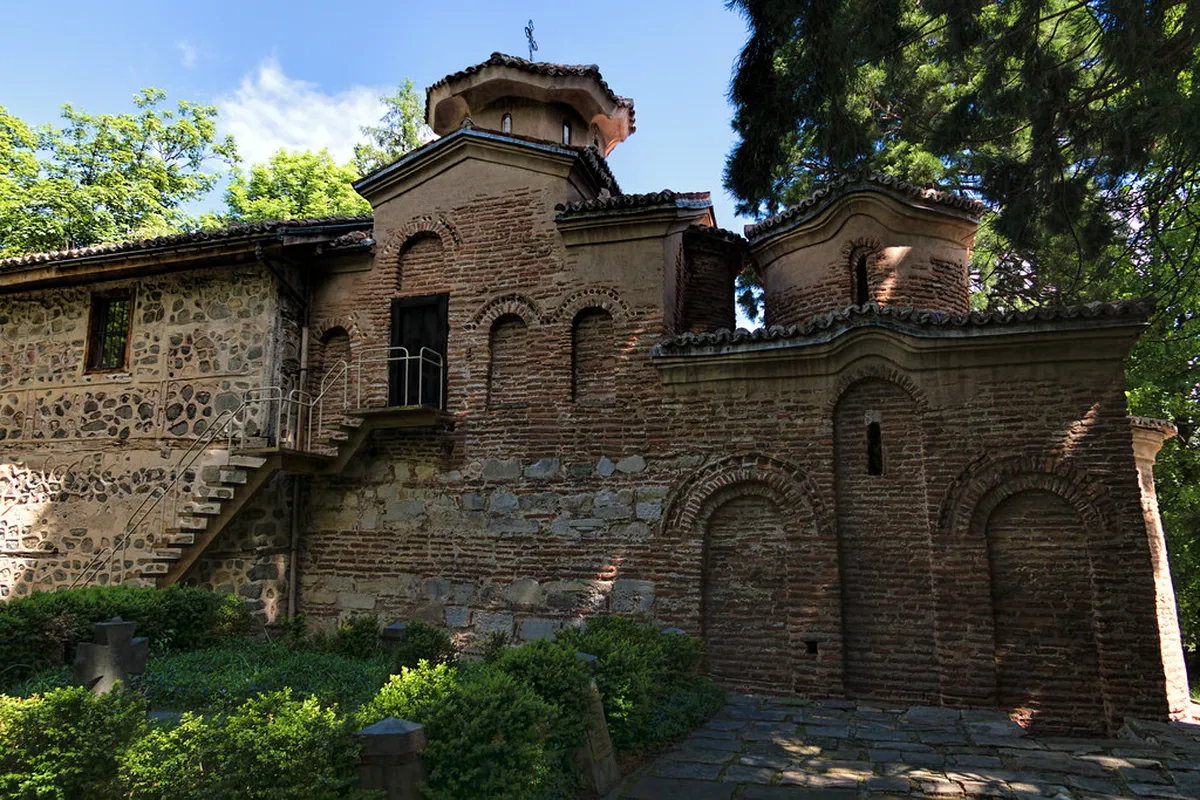
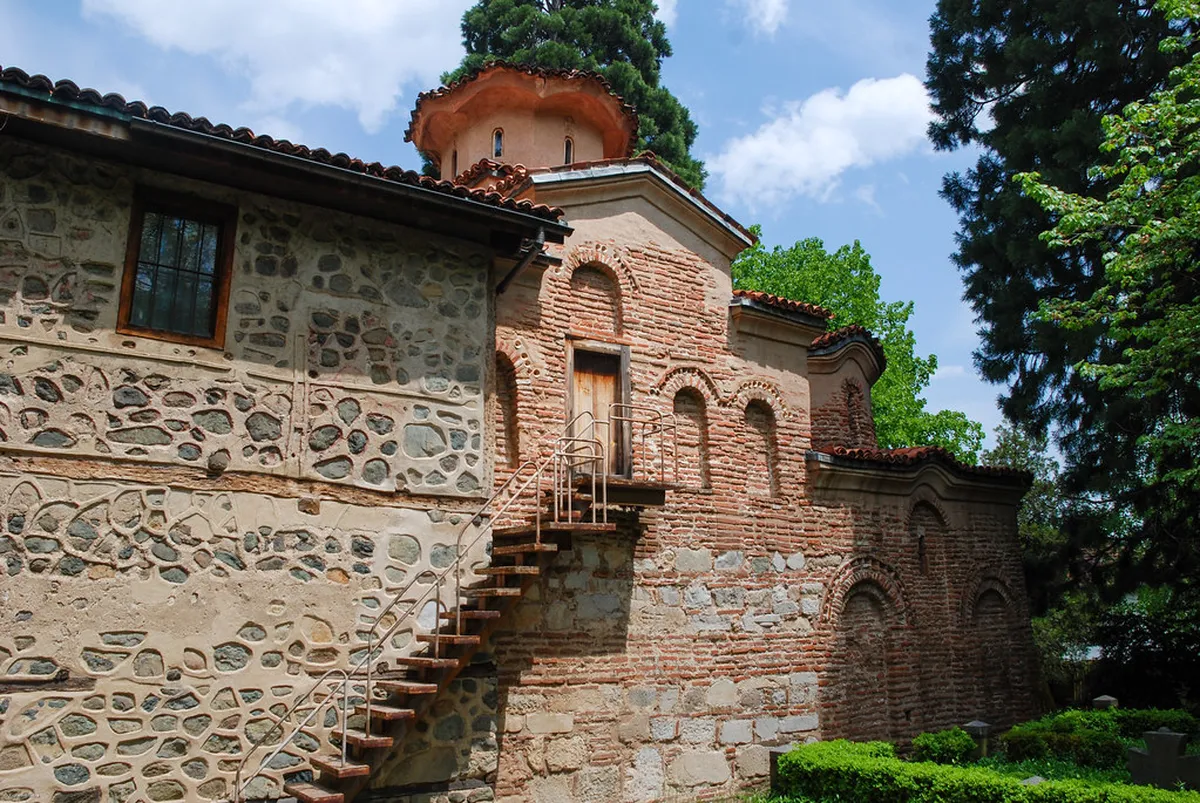
Boyana Church Visitor Guide sits on Sofia's southwestern outskirts at the foot of Vitosha Mountain Visitor Guide. Its pre-Renaissance frescoes from 1259 — nearly a century before Giotto — are one of the most important examples of medieval European painting. The church admits only eight visitors at a time for a strict ten-minute window, and entry is €6.
The Boyana–Rila combo is the most popular paid day trip in 2026 because it pairs Bulgaria's two UNESCO sites in a single loop. Most group tours leave Sofia around 08:30, hit Boyana first, then drive to Rila for the main visit. Booking via reputable operators runs €20–€30 with English commentary. Boyana is intimate and dim, Rila is monumental and outdoor-facing — the contrast is what makes the pairing work. Our broader Things To Do in Sofia, Bulgaria guide helps you decide whether to bundle them or split.
Rila Monastery and the Seven Rila Lakes Combo
The Seven Rila Lakes Visitor Guide are a chain of glacial lakes at 2,100–2,500 m elevation in the same mountain range. The full loop hike covers about 8 km with 500 m of elevation gain and takes three to five hours depending on pace. A roundtrip cable car (mandatory, €16) shuttles you from Pionerska to the trail's start at 2,100 m.
The combo tour usually leaves Sofia by 07:00, summits the lakes by midday, and reaches the monastery by mid-afternoon. It only runs from early June through late September because snow lingers on the upper lakes from October to May. Group tours run €50–€70 per person and include the cable car. See our Seven Rila Lakes Hike From Sofia: The Complete 2026 Guide guide for terrain detail and gear.
This is the single most strenuous day-trip option from Sofia. The altitude affects unconditioned hikers above the third lake, weather can turn quickly, and the descent jars knees. Pick this combo only if you are reasonably fit, weather is settled, and you accept that the monastery visit will be brisker than ideal — usually 90 minutes rather than the full three hours.
Extension Trip: Melnik and Rozhen Monastery
For travelers with two days or a private driver, the southern extension to Melnik and Rozhen Monastery (Nativity of the Mother of God) Visitor Guide is the underrated choice. Melnik is Bulgaria's smallest town (around 200 residents) and the heart of the country's most distinctive wine region — its Shiroka Melnishka Loza grape produces a dense red found nowhere else. The drive from Rila to Melnik takes 90 minutes through the Pirin foothills.
Rozhen Monastery, founded in the twelfth century, sits seven kilometers north of Melnik on a sandstone ridge. It is smaller and quieter than Rila, with a hand-painted icon screen and a hilltop view across the Pirin range. Both sites form part of a wider circuit of Bulgaria's other monasteries worth exploring once you have seen Rila itself. This combo only works as an overnight: Rila by day, Melnik wine cellars and dinner that evening, Rozhen the next morning. Melnik guesthouses run €40–€60 per night including breakfast. Skip it if you only have one day — the driving math doesn't work.
The Stob Pyramids: A Quick Bonus Stop
The Stob Pyramids are a cluster of pinkish earth pillars eroded over millennia, sitting just off the main road in Stob village — a 15-minute detour from the Rila turn-off. The eco-trail loops up through the formations in 30–45 minutes and tops out at a viewing platform with the Rila ridges to the east. Entry is €1.50 (3 lev), paid at a kiosk by the trailhead.
The path is well-marked but includes one steep, gravelly section near the top — fine for most fitness levels, awkward in road shoes after rain. Sunset light at 19:00–20:00 in summer turns the pillars deep orange. Coach tours rarely include the pyramids, so the trail stays uncrowded. Type Стобски пирамиди into Google Maps to navigate directly.
Visitor Rules, Dress Code, and Etiquette
Rila is an active religious site with around 60 resident monks, not a museum. Cover shoulders and knees inside the church and museums; tank tops, shorts, and short skirts are turned away at the doorway. The monastery keeps wrap-around skirts and shawls in a basket near the eastern gate — free to borrow, return on the way out.
Photography is forbidden inside the main church and the museums. Outside, the courtyard, frescoes, and tower exterior are all fine to shoot. Keep voice levels low, turn phones to silent before entering the church, and men should remove hats inside. One detail no guide flags: the church interior runs noticeably colder than the courtyard, even in August. The thick stone walls hold mountain night temperatures into mid-morning, so bring a light layer if you plan to linger inside.
Visiting Rila Monastery in Winter (December–March)
Most guides default to summer logistics, but a winter visit to Rila is one of the most atmospheric experiences in Bulgaria. The monastery stays open year-round; only Hrelyo's Tower closes during heavy snowfall, and the museums shorten hours to 09:00–16:00 from December through March.
The A3 motorway is cleared promptly after snowfall, but the final 25 km of mountain road can be icy. Winter tires are mandatory in Bulgaria from November 15 through March 1, and rental cars come fitted by default — confirm at pickup. The Rila Express shuttle drops to weekends-only between January and March, so check the operator before booking. The reward is a near-empty courtyard, snow on the tiled domes, and frescoes you can study without crowds. Skip the Ivan Rilski cave hike in deep snow unless the trail is well-trodden. For a slower-paced cultural visit, January and February outperform July from an experience standpoint.
Where to Eat: Monastic Donuts and Local Food
The famous Mekitsi (Bulgarian fried dough) come from a small bakery tucked just outside the eastern gate, on the path that follows the Rilska River. Walk through the eastern arch, turn right toward the stream, and the bakery is the second wooden building on your left — five minutes from the main church. They open around 09:00 and sell out by mid-afternoon on weekends. €1.50 buys a hot Mekitsa with powdered sugar, jam, or local feta.
For a sit-down meal, Mehana Drushlyavitsa and Taverna Magic of Rila sit a kilometer back toward the village and serve grilled river trout for around €10 with a shopska salad. Book ahead on summer weekends — they fill with coach groups between 12:30 and 14:00. The monastery's mountain spring runs year-round next to Hrelyo's Tower; bring a reusable bottle and refill there.
Best Guided Tours vs. Self-Driving
Self-driving is the higher-flexibility, higher-effort path. A small rental costs €40–€60 per day from Sofia airport including basic insurance, and on-route fees are €5 fuel each way plus €2.50 parking. The upside is bonus stops — Stob Pyramids, the Kocherinovo junk museum, and a riverside lunch all become possible. Guided tours flatten cost and effort: a standard Boyana + Rila group runs €20–€30 with hotel pickup, A/C transport, and a guide who reads frescoes you'd otherwise skim. Solo travelers and anyone uncomfortable with Bulgarian driving culture should default to a tour.
- Renting a small car: roughly €50 for the day plus €5 fuel each way and €2.50 parking. Highest flexibility, best for families and Stob Pyramid stoppers.
- Boyana + Rila group tour: roughly €25 per person all-in. Lowest stress, best historical commentary, no driving required.
- Rila Express shuttle: €36 round-trip, three hours on-site, no Boyana stop. Cheapest non-tour option but the worst time-on-site ratio.
Rila vs Vitosha: Which Day Trip Suits You?
Travelers with only one outdoor day from Sofia often choose between Rila Monastery and Vitosha Mountain — Vitosha sits on the city's southern edge and reaches 2,290 m at Cherni Vrah. The two trips solve different problems and the choice breaks cleanly by traveler type.
Pick Rila for culture, UNESCO architecture, frescoes, and a sit-down history experience — the day is structured, driving is two hours each way, and 80% of the time is on-foot exploration. Pick Vitosha for fresh air, hiking, and minimal logistics: Boyana Church and Dragalevski Monastery sit on Vitosha's slopes and bus 64 from Hladilnika reaches the lower trails in 30 minutes for €1. Travelers with three or more nights in Sofia do both. If you only have one outdoor day and care about Bulgaria's historical signature, Rila wins — it's the trip most visitors regret missing.
Beyond Rila: Other Top Day Trips from Sofia
If Rila is your second or third day trip from the capital, three other destinations round out a full week. Plovdiv (1h45m by road) is Bulgaria's cultural second city, with a Roman amphitheatre still hosting summer concerts. Belogradchik (3h drive) features a sandstone fortress wrapped around natural rock pillars — see our Belogradchik Day Trip From Sofia: Complete 1-Day Itinerary guide. Koprivshtitsa is the slow-pace pick: a preserved Bulgarian Revival village 90 minutes east with painted timber houses.
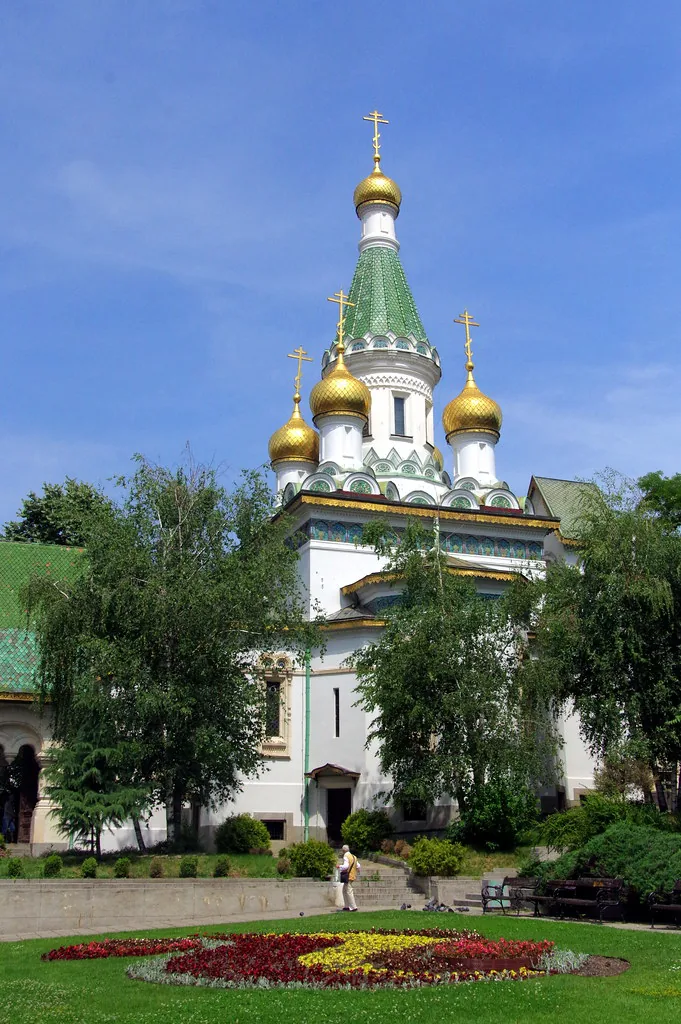
For first-time visitors deciding whether the capital merits more nights, our take on Is Sofia Bulgaria Worth Visiting? 10 Things to Know walks through the strongest cultural draws. Rila works best as your second day in the country — Sofia first to absorb the urban context, then the monastery as the cultural payoff.
Frequently Asked Questions
Is Rila Monastery worth a day trip from Sofia?
Yes, Rila Monastery is absolutely worth a day trip because it is the most significant cultural site in Bulgaria. The stunning mountain scenery and incredible frescoes provide a unique experience. You can see many other Day Trips From Sofia: Complete 2026 Hub Guide if you have more time in the country.
How do I get from Sofia to Rila Monastery without a car?
The most common way is to take the daily Rila Express bus from the West Bus Station. It departs in the morning and returns in the late afternoon. You can also join a shared shuttle or a guided group tour for more convenience and historical commentary.
What is the dress code for Rila Monastery?
Visitors must dress modestly by covering their shoulders and knees before entering the complex. Tank tops, short skirts, and shorts are generally not allowed inside the church. The monastery provides free wrap-around clothing at the entrance for those who need to cover up during their visit.
Do you need tickets for Rila Monastery?
No ticket is needed to enter the monastery courtyard or the main Church of the Nativity — both are free. You only pay if you want to go inside the four museums or climb Hrelyo's Tower. The combined museum ticket is €12 and covers all four museums, or you can buy them individually (the Church History Museum is €4.50, the Icon Gallery and Hrelyo's Tower €2.50 each). Self-drivers also pay €2–€2.50 for parking at the gate.
How long do you need to visit Rila Monastery?
Plan for at least three hours on-site to see the church frescoes, the gold-plated iconostasis, and one or two museums without rushing. Four to five hours is ideal if you also want the 20-minute walk to the Cave of St. Ivan Rilski and a sit-down lunch. Shuttle passengers get a fixed three-hour window, while self-drivers and most group tours allow a fuller half-day at the complex.
Can you visit Rila Monastery and the Seven Rila Lakes in one day?
It is possible to visit both in one day, but it requires a very long and tiring schedule. You will need a private car and an early start to fit in the hiking and sightseeing. Most travelers prefer to visit them on separate days to fully enjoy each location.
A day trip to Rila Monastery rewards the small effort it takes to plan: pick your transport (car for flexibility, group tour for ease, shuttle for budget), arrive before the 11:00 coach wave, buy the €12 combined museum ticket, eat a hot Mekitsa from the bakery behind the eastern gate, and leave time for the 20-minute Ivan Rilski cave walk. The frescoes, gold-plated iconostasis, and alpine quiet add up to one of the strongest single-day cultural experiences in the Balkans.
Continue planning
Start with our Rila Monastery visitor guide and compare the practical details with our Seven Rila Lakes hiking route from Sofia.
For connected planning, compare Rila Monastery visitor guide with Seven Rila Lakes hiking route from Sofia before finalizing your route.
Continue planning
Start with our Bulgaria monastery guide and compare the practical details with our Seven Rila Lakes route from Sofia.
For connected planning, compare Bulgaria monastery guide with Seven Rila Lakes route from Sofia before finalizing your route.