Irakli Beach: A Complete Guide to Bulgaria's Last Wild Coast
Last updated July 2026, irakli beach remains one of the few stretches of the Bulgarian Black Sea coast without a single permanent building on its sand, a status it owes to its location inside a Natura 2000 protected zone roughly 9km south of Obzor. Where nearby resort strips have grown wall-to-wall sunbeds, Irakli's dunes, scrub, and the mouth of the Vaya River still look much as they did before the coast was developed, and that contrast is exactly why travelers seek it out. This guide covers the dirt-road access, the split between the beach's wild and managed sections, and the camping etiquette you need before you go.
The Appeal of Irakli: What Makes It Unique?
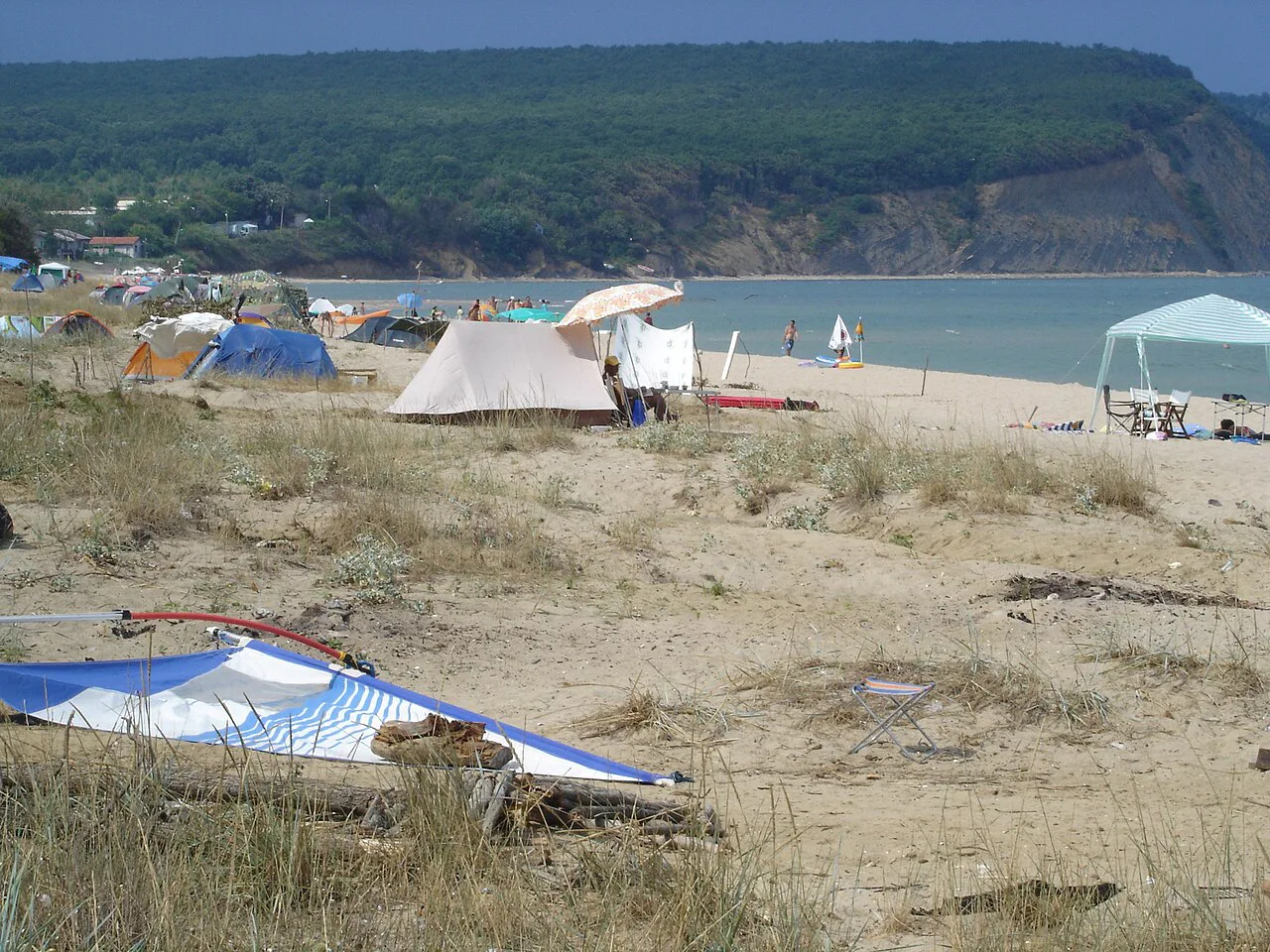
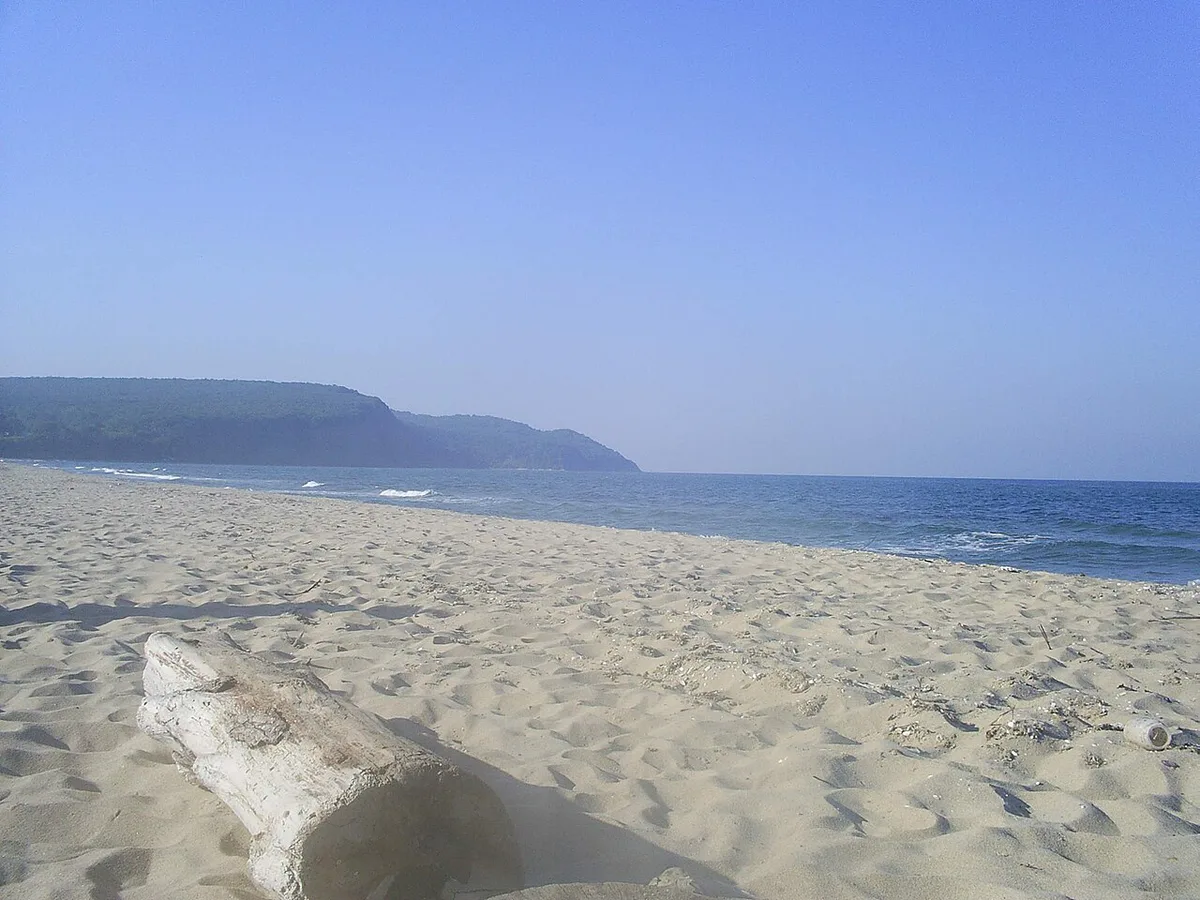
Irakli sits on the central Black Sea coast, in Burgas Province and within Nesebar Municipality, at the point where the Balkan Mountains run down toward the sea near Cape Emine. Its defining feature is what's absent: no concrete boardwalk, no hotel towers, no rows of commercial beach bars along the northern dunes. The beach is protected under Natura 2000, and that designation is the reason it has survived as one of the last undeveloped shorelines this far up the coast, a status recognized on the best black sea beaches shortlist for Bulgaria. The Vaya River empties into the sea at the southern end of the beach, creating a brackish wetland strip that supports reeds, dune grasses, and birdlife rarely seen on more built-up stretches of coast. Locals and conservationists still refer to the long-running push to prevent construction here as the Save Irakli movement, a grassroots campaign that shaped the current protected status and kept the area free of the large-scale hotel projects that reached nearby Sunny Beach and Elenite.
How to Get to Irakli Beach from Obzor
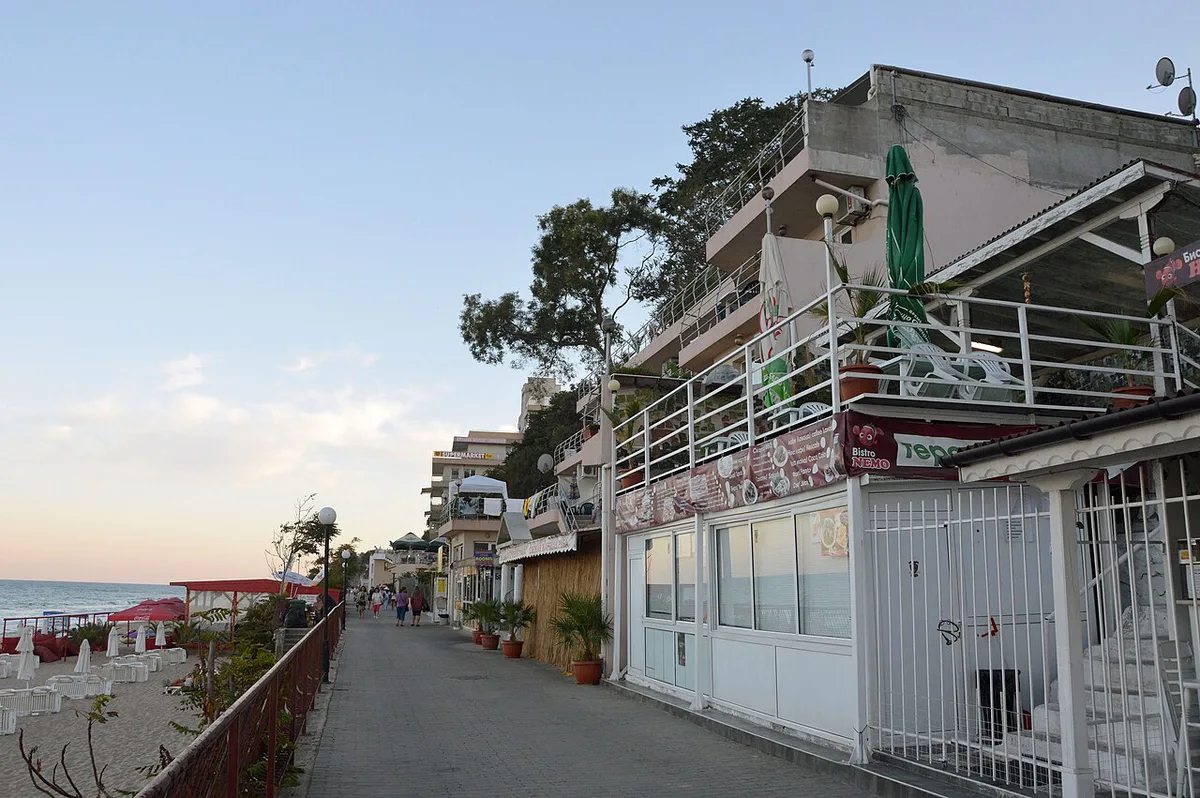
Irakli lies about 9km south of Obzor and roughly 20km from Byala, and getting there means leaving the main Varna-Burgas road at a signed turn-off south of Obzor. From that turn-off, a paved access road leads to the southern, managed end of the beach near the Vaya River mouth; this is the easiest route and the one most day-trippers use. Reaching the northern, wild section is a different matter: it requires continuing on an unpaved dirt track that runs closer to the dunes and scrubland, and that surface can be rutted and uneven, especially after rain. Low-clearance rental cars can struggle on this stretch, so budget extra time and drive cautiously if the wild half is the destination. There is no rail link directly to Irakli; the nearest transit hub is Obzor, reachable by bus along the coastal road, from which a taxi or a rented car covers the final stretch to the beach turn-off.
The Two Faces of Irakli: Wild vs. Managed
The single biggest point of confusion for first-time visitors is that "Irakli" actually covers two distinct zones. The southern end, often marketed separately as Vaya Beach, sits at the Vaya River mouth and has a small managed footprint with basic seasonal services. The northern stretch, sometimes called the Posta area, is the genuinely wild section that most guides are actually describing when they praise Irakli's untouched character: no built structures, dune vegetation running close to the shoreline, and far fewer visitors on any given day. Understanding this split matters before setting an itinerary, since the two ends offer noticeably different experiences despite sharing one beach name.
The northern wild and southern managed sections differ more than their road surface (unpaved versus paved) and visitor density. The northern stretch has no shops, ATMs, or permanent food service, demanding total self-sufficiency, while the managed southern end offers seasonal basic services—a distinction that fundamentally affects what kind of trip each enables.
| Entrance | Access | Character |
|---|---|---|
| South (Vaya) | Paved road from the main turn-off | Managed, easier access, basic seasonal services |
| North (Posta / wild) | Unpaved dirt track | Undeveloped dunes, fewer visitors, rougher driving |
Camping and Accommodation Near Irakli Beach
Wild camping has long been part of Irakli's culture, particularly on the northern dune-backed stretch, though anyone pitching a tent in a Natura 2000 protected area should treat that tradition with care rather than assume it comes without restrictions. Because the site is protected, campers should pack out everything they bring in and avoid disturbing dune vegetation, reed beds, or nesting areas near the Vaya River mouth. For travelers who prefer a roof, the closest formal accommodation base is the small town of Obzor, about 9km north, along with the nearby village of Emona, which also makes a logical stop for anyone planning to combine a beach day with a hike toward Cape Emine. Byala, roughly 20km away, offers another lodging option for those touring the wider stretch of coast.
Camping at Irakli requires Leave No Trace discipline (pack waste, avoid vegetation and nesting areas) to honor both the Natura 2000 protection and the clothing-optional tradition that defines the wild northern stretch. Obzor (9km north) and Emona provide convenient bases for day-trippers or those seeking accommodation instead of camping.
- Obzor - closest town with accommodation, about 9km north of the beach
- Emona village - small, quiet base near Cape Emine hiking routes
- Byala - larger town option around 20km from Irakli
Practical Logistics: Costs, Facilities, and Supplies
Facilities at Irakli are minimal by design, and that is the trade-off visitors accept for the wild setting. The northern wild section has no shops, no ATMs, and no permanent food service, so anyone heading that way should arrive with everything needed for the day already packed. The managed southern end near the Vaya River mouth carries some basic seasonal services in season, but travelers should not expect the range of restaurants, shops, or currency exchange found at larger resorts like Sunny Beach or Golden Sands. Anyone driving to the managed southern entrance should check current signage on-site for any seasonal parking arrangement, since managed beach access points along this coast can vary year to year.
- Water - bring more than you think you need; none is sold on the wild side
- Cash - no ATMs on-site; withdraw before leaving Obzor or Byala
- Shade - umbrella or tarp, since natural shade is limited on open dune sections
- Trash bags - pack out all rubbish; no bins on the wild stretch
Essential Tips and Etiquette for a Protected Wild Beach
Irakli has a long-standing reputation as a clothing-optional beach, particularly on its wilder northern section, a tradition noted even in general reference sources on the destination. Visitors uncomfortable with that norm may prefer the managed southern end near Vaya, where the atmosphere trends more conventional. Whatever the section, the overriding rule at a Natura 2000 site is Leave No Trace: carry out all waste, stay off fragile dune vegetation, and avoid driving or parking directly on the dunes themselves. Those looking for a similarly unspoiled Black Sea experience further south can compare Irakli against the Sinemorets coastline or the Silistar wild beach, both of which sit inside the broader protected landscape anchored by Strandzha Nature Park Guide: Hiking, Coastal Wilds & Fire Dancing.
Is Irakli Beach Right for You?
Irakli rewards travelers who value undeveloped nature over convenience and who are comfortable arriving with their own water, shade, and supplies. It suits hikers combining a beach stop with the Cape Emine trails near Emona, campers prepared to follow Leave No Trace practice in a protected area, and anyone seeking a genuine contrast to the concrete-heavy resort strips further along the coast. It suits families less well on the wild northern side, where the lack of facilities, dirt-track access, and clothing-optional norm make the managed southern end, or a small-town base like Kiten's beaches, a more practical choice. Either way, Irakli belongs on any shortlist of Bulgaria's essential wild coastline alongside the other protected stretches covered in the best black sea beaches in Bulgaria roundup.
Emona and Cape Emine Side Trip
If you have a car, Irakli pairs naturally with Emona village and Cape Emine, the rocky headland just south of the beach where the Balkan Mountains meet the Black Sea. Emona is small and quiet, so treat it as a short side trip rather than a full-service resort stop: bring water, fuel up before leaving Obzor or Byala, and do not count on regular shops or restaurants being open.
The main draw is the coastal scenery around Cape Emine, including cliff-top views toward the open sea and the surrounding protected landscape. Hikers also know the cape as the eastern endpoint of the Kom-Emine route across the Balkan range. Roads and tracks around the village can be narrow or uneven, so it works best as a daylight detour before or after Irakli rather than a late-night drive. Stay back from cliff edges, especially in wind, and avoid entering restricted lighthouse or military areas.
For trip-planning details, see Bulgaria - Wikivoyage and Bulgaria - Wikipedia.
Continue planning: Use 12 Best Beaches in Bulgaria for Your 2026 Trip and 10 Best Beach Resorts in Bulgaria for Your 2026 Holiday to connect this guide with the rest of your Bulgaria itinerary.
Frequently Asked Questions
How do I get from Obzor to Irakli Beach?
From Obzor, head south about 9km on the coastal road to the signed turn-off for Irakli. A paved side road leads to the managed southern entrance near the Vaya River mouth, while reaching the wild northern section means continuing onto an unpaved dirt track that can be rough after rain.
Is camping allowed at Irakli Beach?
Wild camping has a long history at Irakli, especially on the northern dune-backed stretch, but the area sits inside a Natura 2000 protected zone, so anyone camping should follow Leave No Trace practice, avoid disturbing dune vegetation, and pack out all waste.
Are there restaurants or shops at Irakli?
The wild northern section has no shops, restaurants, or ATMs. The managed southern end near the Vaya River mouth carries some basic seasonal services, but travelers should not expect the range of amenities found at larger resorts along the coast.
Is the road to Irakli Beach paved?
Only partially. The access road to the southern, managed entrance near Vaya is paved, but the route to the northern wild section is an unpaved dirt track that can be uneven, particularly for low-clearance vehicles.
Is Irakli Beach suitable for families?
The managed southern end is the more practical choice for families thanks to easier paved access and basic seasonal services. The wild northern section, with its dirt-track access, lack of facilities, and clothing-optional tradition, tends to suit independent travelers and campers more than families with young children.