Bulgarian Food Tour in Sofia (2026): Free Tours, Prices & Is It Worth It?
Yes, a 15 Must-Try Bulgarian Foods tour in Sofia is worth your time, but only if you book the right kind for your appetite. The free Balkan Bites walk delivers cultural depth and three to four bite-sized samples; private culinary walks deliver full portions, wine pairings, and starting prices around 170 EUR (332 BGN) for one person in 2026. I joined the Balkan Bites tour during a recent spring visit and cross-checked the current pricing, meeting points, and dish rotation against operator pages updated for 2026.
Sofia's food scene blends Thracian wine heritage, Slavic bread culture, Ottoman spice influence, and a stubborn communist-era legacy that still shapes restaurant menus today. A two-hour walk covers more cultural ground than most museum visits in the city.
This guide covers the practical bits no competitor nails together: 2026 prices in both BGN and EUR, the booking gotcha that turns away walk-ins, a side-by-side free-vs-private comparison, and a dietary-restriction matrix so you know before you book.
Top Bulgarian Food Tour Options in Sofia
Sofia offers three tiers of food tour. The free Balkan Bites walk runs daily at 14:00 from Park Crystal and is tip-based; expect to leave 20 to 30 BGN (10 to 15 EUR) per person if you enjoyed it. Private guided food tours start at around 170 EUR (332 BGN) for a solo traveler, with per-person rates dropping closer to 40 EUR for a group of six. Specialist rakia and wine pairings sit in between, usually 80 to 150 BGN per person.
The free tour is the right pick if you want history and storytelling more than a full meal. Most stops serve a tasting-sized sample plus a small drink, so you will finish hungry. Private operators like Private Guide Bulgaria fold in Shopska salad, kebapche, The Best Banitsa Recipe, and a three-rakia flight at the Rakia Museum, ending with a printed Balkan recipe book to take home.
Choosing depends on travel style and budget. Solo travelers and backpackers should book the free walk for the social mix; couples on a date night or families who want a real lunch should book a private operator. The free walk is also one of the best budget-friendly things to do in Sofia.
Tours run two to three hours and cover roughly two kilometers across the city center. Pace is slow, with five to seven stops. Bring water, comfortable shoes, and around 50 BGN (25 EUR) in cash for tips and any extras like the rakia museum entry, which sometimes is not included even on private tours.
💡 Good to know: The Rakia Museum tasting is often quoted as "included" but billed separately — typically around 20 EUR per person on top of the base private-tour price. If you do not drink alcohol, ask for that 20 EUR to be deducted at booking; most operators agree but never offer it unprompted.
Free vs Private Food Tour: A Side-by-Side Comparison
Most reviewers compare these by feel. Below is the practical breakdown for 2026, after checking operator pages and tipping norms in Sofia. Use it to pick before you book — the formats are genuinely different products, not budget vs. premium versions of the same thing.
- Cost per person: Free tour is 20 to 30 BGN (10 to 15 EUR) tip; private tours start at 170 EUR (332 BGN) for one person, dropping to roughly 40 EUR per person at six people.
- Food volume: Free tour is three to four small samples plus drink sips, leaves you peckish. Private tours include a full plate of kebapche or kyufte plus salad and rakia flight.
- Group size: Free tour caps at 15 but routinely overflows to 30+ in summer (split into sub-groups). Private tours are your party only.
- Duration: Free tour 2 to 2.5 hours. Private tour 3 to 4 hours including the Rakia Museum.
- Booking lead time: Free tour books out 7 to 14 days ahead in summer; walk-ins are turned away. Private tours often confirm 24 to 48 hours ahead.
- Best for: Free is best for solo travelers and history nerds. Private is best for couples, dietary-restricted travelers, and anyone who wants a sit-down meal.
- Languages: Free tour runs only in English. Private operators offer English, German, French, and Russian on request.
One detail neither operator advertises clearly: the free tour does not refund or rebook if you no-show, but the private operators do for cancellations made more than 48 hours out. If your dates are tight, the private tour carries less risk.
| Tour format | Duration / typical price (2026) |
| Free Balkan Bites walk | 2 to 2.5 hours · 20 to 30 BGN (10 to 15 EUR) tip |
| Private culinary tour | 3 to 4 hours · from 170 EUR for one, ~40 EUR pp at six |
| Rakia / wine pairing | ~1 hour · 80 to 150 BGN per person |
| Self-guided 4-stop route | ~90 minutes · 30 to 45 BGN per person |
| Rakia Museum add-on | 3 pours · ~20 EUR per person extra |
How Much Do Sofia Food Tours Cost in 2026?
Browse GetYourGuide or Viator and you will see Sofia food experiences listed by duration and a fixed per-person price, which makes them easy to compare against the tip-based free walk. The headline figure depends entirely on which of three product types you pick — a tasting-sample walk, a sit-down private meal, or a focused drink pairing — so it helps to read the price next to what you actually get.
The free Balkan Bites walk has no fixed ticket price; you tip 20 to 30 BGN (10 to 15 EUR) per person if you enjoyed it, which makes it the cheapest entry point but also the smallest amount of food — three to four tasting samples, not a meal. A private culinary tour is the opposite end: a fixed booking starting around 170 EUR (332 BGN) for a solo traveler, with the per-person rate falling to roughly 40 EUR once you fill a group of six. Between the two sit the drink-led formats — specialist rakia and wine pairings run 80 to 150 BGN per person, and a Rakia Museum add-on with three pours and matched appetizers is usually about 20 EUR on top of a base tour.
If you only want to spend on food rather than guiding, the self-guided route further down this guide hits the same flavor pillars for 30 to 45 BGN total. As a rule of thumb: tip-based free walk for the lowest cost, a private tour for value once you are four or more travelers sharing the flat rate, and a drink pairing if you have already eaten and just want the rakia or wine story.
💡 Good to know: Prices listed in EUR convert cleanly because the Bulgarian Lev is pegged to the Euro at 1 EUR = 1.95583 BGN under the currency-board arrangement. Paying or tipping in cash BGN sidesteps your bank's foreign-currency conversion fee, so it stretches a little further than card.
Balkan Bites: How the Sofia Free Food Tour Works
Balkan Bites launched in 2013 as Europe's first tip-based food tour and has run continuously since. The concept: participating eateries provide free samples as marketing, hoping you return later for a real meal; guides earn entirely from tips. Booking through the Sofia Free Food Tour Official Site is mandatory in 2026 — walk-ins are no longer accepted.
Tours leave Park Crystal at 14:00 daily, year-round except Christmas Day. Guides are local twentysomethings and thirtysomethings, most of them part-time creatives or students with deep roots in the neighborhoods you walk through. The tour shares scheduling and meeting-point logic with the popular Free Walking Tour Sofia: 10 Essential Tips and Landmarks visitors already book.
Arrive at least ten minutes early to check in with the staff at the Stefan Stambolov bust. Group sizes are capped at 15 per guide, but in peak summer 30 to 36 people typically show up; the operator splits them into two routes. Only confirmed bookings get a guaranteed slot when overflow happens. Walk-up overflow guests are sent away.
Stops typically include a banitsa shop, a wine or rakia bar, and a contemporary fusion spot. Recent rotations have included Mlekarnitsa Geran for banitsa with ayran, BeWiner for a Pamid red wine tasting, and rCurry for a Sri Lankan-Bulgarian fusion patty. Rotation changes monthly, so two visits a year apart will hit different stops.
Must-Try Bulgarian Dishes and Local Flavors
Bulgarian cuisine is hearty, vegetable-forward, and dairy-rich, with grilled meats and fermented spirits anchoring most meals. The dishes below appear on nearly every food tour in Sofia. For deeper background see our companion guide to 15 Traditional Bulgarian Dishes and Drinks to Try in Sofia locals love.
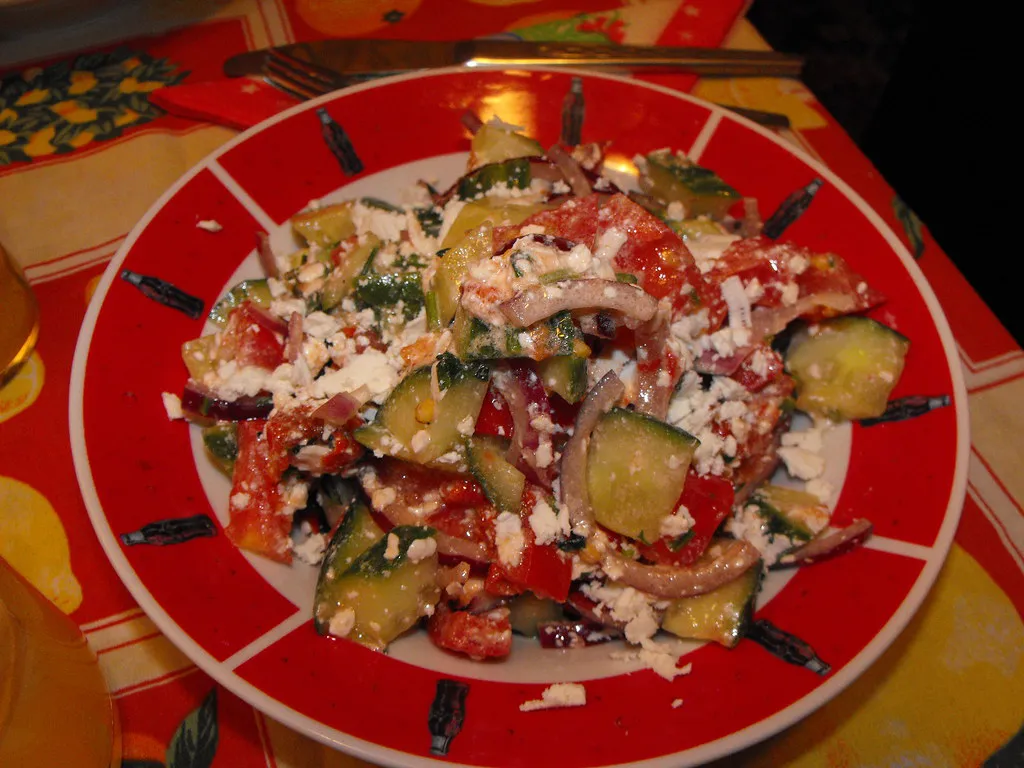
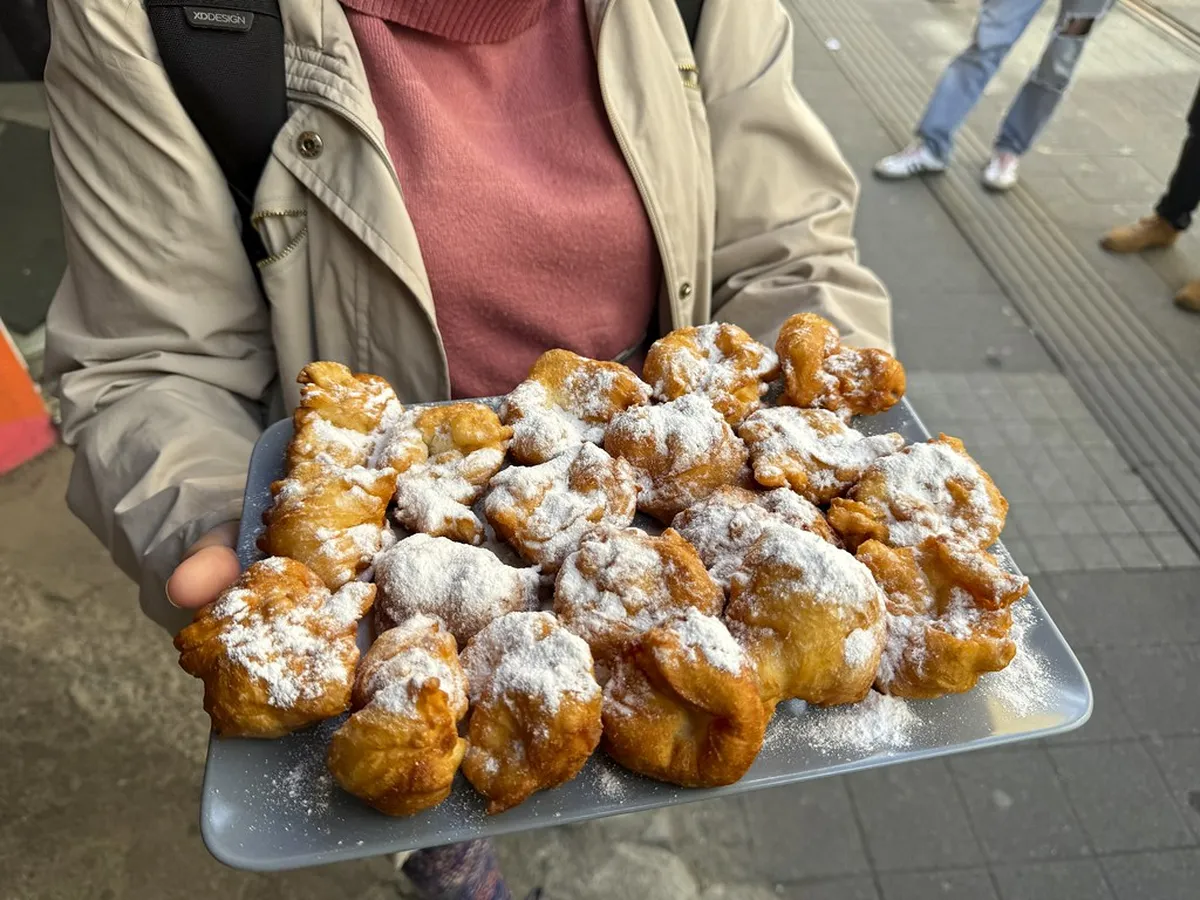
Banitsa is the breakfast staple: flaky filo layered with sirene cheese, eggs, and yogurt, baked until the top blisters. Tarator Recipe is a cold yogurt soup with cucumber, dill, walnut, and garlic, served only in summer. Shopska salad — tomato, cucumber, raw onion, grated sirene — is a 1955 communist-era invention and now the unofficial national dish. Kebapche and kyufte are grilled minced-pork rolls and patties seasoned with cumin, usually paired with Shopska. Mekitsa is a yogurt-based fried dough served with powdered sugar, jam, or sirene.
Bulgarian yogurt is genuinely scientifically distinct from Greek yogurt. Its flavor and probiotic profile come from Lactobacillus bulgaricus, a bacterium discovered in 1905 by Bulgarian student Stamen Grigorov. It only thrives in this climate and altitude band, which is why imitations made elsewhere taste flatter and less tangy. Researchers credit it for the unusually high concentration of centenarians in the Rhodope Mountains south of Sofia, though the link is debated.
Bulgaria's communist past left a fingerprint you can still see on menus. Between 1949 and 1989, the state standardized 12 official restaurant dishes with exact gram weights, and most older taverns still print weights on their menus today. Shopska salad, kavarma in clay pot, and the now-ubiquitous version of moussaka all trace to that bureau. It is the only European cuisine where state agriculture ministers, not chefs, defined the canon.
Rakia is the national spirit: a 40 to 50 percent fruit brandy distilled from grapes, plums, apricots, or quinces. Locals sip it slowly with a fresh salad before the main course, never as a digestif. Most homes still distill their own each autumn from leftover or imperfect fruit, which is also why grocery-store rakia is generally inferior to anything you taste at a restaurant or on tour.
What to Expect: A Typical Sofia Food Tour Itinerary
Tours begin at the Stefan Stambolov bust in Park Crystal — a polished black-stone head sculpture set in the southwest corner of the park, opposite the National Assembly. Allow extra time in July and August: the park is exposed and easily reaches 32 degrees Celsius in early afternoon. Bring a hat and refill your water at the public fountain near the entrance.
The first stop is usually a soup house like Supa Star or a banitsa bakery just off Vitosha Boulevard Visitor Guide. Tarator in summer, lentil or bean soup in winter; the seasonal swap is itself part of the tour's storytelling. Pace between stops is leisurely, around 15 minutes of walking before each stop.
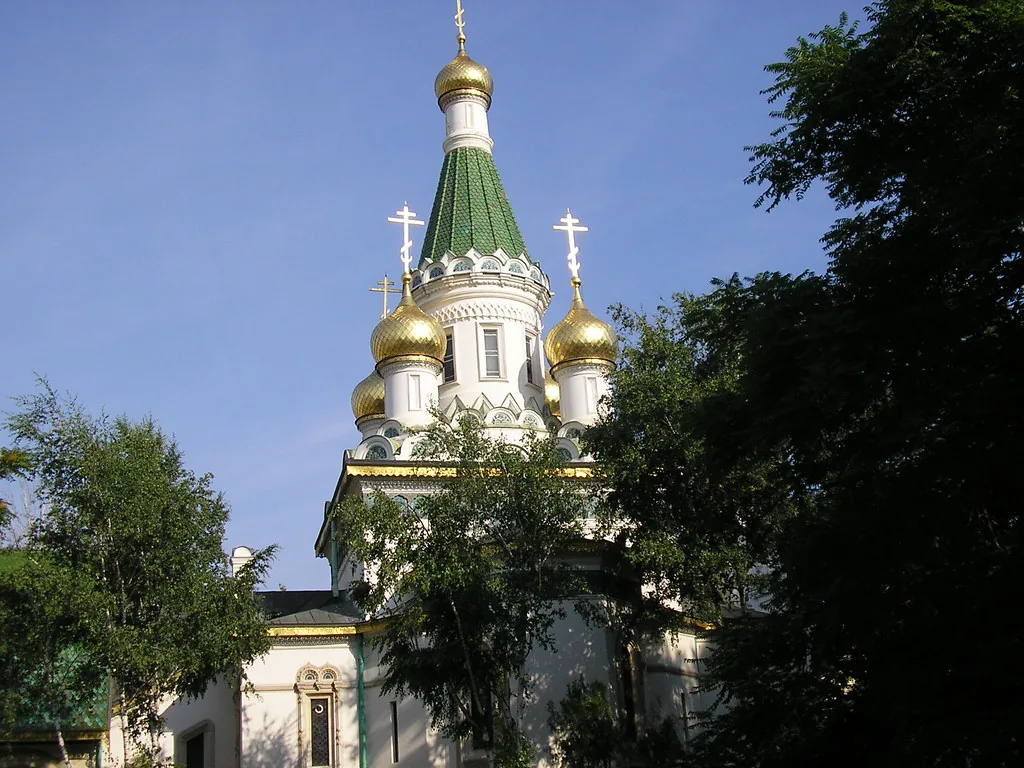
Mid-tour you can expect a Mekitsa and Coffee stop on Tsar Asen Street — a tiny counter shop where the owners fry yogurt dough to order. Pair it with sirene cheese for the salty-sweet contrast, not powdered sugar, which most regulars consider a tourist choice. The walking route loops through hidden courtyards in Sofia's central district, including a stretch behind the Russian Church that most independent visitors never find.
The tour ends near the Central Market Hall or at a wine and rakia bar in the Oborishte district. If your guide ends near the market, walk through the basement archaeological level on your way out — exposed Roman foundations under the food stalls, free entry, and almost no other tourists.
Self-Guided Sofia Food Tour Route (Free Alternative, 2026)
If Balkan Bites is fully booked or you prefer to set your own pace, this four-stop walkable route covers the same flavor pillars in roughly 90 minutes. All stops are open seven days a week; bring 40 to 60 BGN (20 to 30 EUR) in cash for everything including a rakia shot.
- Stop 1 — Banitsa: Otvoren Bakery (Ulitsa Solunska 16)
Order the classic sirene banitsa (1.80 BGN) and a cup of boza, the mildly fermented wheat drink that Sofians drink with breakfast. Arrive before 10:00 for fresh-from-oven timing. This is the stop most tour groups visit in the first 20 minutes. - Stop 2 — Tarator or Soup: Supa Star (Ulitsa William Gladstone 54)
A dedicated soup restaurant beloved by office workers. In summer order the tarator (5 BGN); in winter go for the bean chorba (6 BGN). The €3 price point makes this the best-value sit-down moment on the route. - Stop 3 — Street Food: Mekitsa & Coffee (Ulitsa Tsar Asen)
The city's most photographed mekitsa counter. Order the salty version with sirene (3.50 BGN) over the tourist-facing sweet version with jam. For more stops along this strip and nearby side streets, check the Sofia street food guide for an updated vendor map including the new craft-beer kiosks on Tsar Asen added in late 2025. - Stop 4 — Rakia Tasting: Rakia Bar (Ulitsa Budapeshta 6)
Order a flight of three regional rakias (18 to 22 BGN) and pair with the complementary bread-and-lutenitsa plate the bar brings automatically. Plum (slivova), quince (duniova), and grape (grozdova) give you the full flavor range in one sitting. Reservations not needed before 19:00.
Total estimated cost: 30 to 45 BGN per person. Total walking distance: approximately 1.8 km across the city center. The route works on any day, requires no advance booking, and lets you linger as long as you like — the main advantage over the organized walk.
Dietary Restrictions: What Each Diet Can Actually Eat
Bulgarian cuisine is bread-, dairy-, and meat-heavy. Tour operators rarely call out exactly what each diet can or cannot eat, so reservations get made on hope. Below is the practical matrix based on the standard rotation in 2026.
- Vegetarians: Excellent. Banitsa, tarator, Shopska, mekitsa, lutenitsa, and most cheese plates are meat-free. Notify the guide and you will not miss a single stop.
- Vegans: Difficult. Yogurt and sirene cheese sit in nearly every dish. Free tour cannot reliably accommodate; private tours can, with 48 hours notice and a 10 to 15 EUR per person ingredient surcharge.
- Gluten-free: Very difficult. Banitsa, mekitsa, and bread are central. Guides will substitute extra cheese or salad, but expect to skip 40 percent of stops. A private tour with custom routing is a better fit.
- Dairy-free: Difficult. Bulgaria is a dairy nation; even the savory pastries are yogurt-based. Skip the food tour and book a wine-and-grilled-meat tour instead.
- Pork allergies / kosher / halal: Limited. Kebapche and kyufte are pork-based by default. Private operators will swap to chicken kyufte with 48 hours notice; the free tour cannot.
- Nut allergies: Manageable. Walnuts in tarator and baklava; both can be skipped. Inform guide at booking.
One under-discussed gotcha: even if you flag dietary restrictions on a paid tour, the rakia museum tasting cannot be substituted. If you do not drink alcohol, ask for a 20 EUR price reduction at booking — most operators will agree but never volunteer it.
Is the Sofia Free Food Tour Worth It? (Review & Tips)
Quick verdict: yes for the cultural context and history, no if you treat it as a meal replacement. The free Balkan Bites tour earns its reputation because the guides genuinely know the city — most of them grew up here or returned after years abroad — and they tell stories you will not find in any guidebook. I believe the tour also helps answer the larger question of whether Is Sofia Bulgaria Worth Visiting? 10 Things to Know for foodies (the answer is yes).
The social mix is the best argument for booking the free version over a private one. On a typical summer afternoon you walk with travelers from five or six countries, and at least two pairs end up sharing dinner together afterward. That said, in peak season the group can balloon past 30, and the smaller shops feel cramped — stay near the front to hear the guide.
Best for: budget travelers, solo adventurers, and history fans who want context as much as flavor. Skip if: you have severe mobility issues, require a sit-down meal, or have multiple food allergies. Alternative: a private wine and rakia tasting with a 4-stop dinner is more refined, more flexible, and worth the 170 EUR if your dates are tight.
- Pros: What visitors usually love
- Passionate local guides with real stories
- Strong cultural and historical context
- Easy way to meet other travelers
- Mix of sweet and savory samples
- Tip-based payment fits any budget
- Cons: What may disappoint
- Sample portions, not full meals
- Group sizes balloon in summer
- Books out 1 to 2 weeks ahead in peak season
- Significant standing and walking
- Limited gluten-free and vegan options
Practical Information: Meeting Points, Booking, and Tipping
Book through the official Balkan Bites site at least one week ahead in peak summer (June to early September), 48 hours ahead in shoulder season. The free tour runs daily at 14:00; private tours offer 10:00, 13:00, and 17:00 starts. Confirm seasonal closures via the Visit Sofia - Official Tourism Portal before you fly — tours pause briefly around Orthodox Easter and Christmas Day.
Tipping clearly trips up first-time visitors. Sofia tipping norms differ from Western Europe: 10 percent at restaurants is generous, and on a free food tour 20 to 30 BGN per person (10 to 15 EUR) is the standard rate. Couples should round to 50 BGN combined; families of four to 80 BGN. Card readers are common but cash in BGN goes further — guides do not charge a card surcharge but you avoid your bank's currency conversion fee. The Bulgarian Lev is pegged to the Euro at 1 EUR = 1.95583 BGN under the currency-board arrangement, so EUR tips at 1:2 are simple and well-received. For deeper context see our guide to Tipping in Sofia Bulgaria.
Best months for a food tour are May, June, and September. July and August are hot and crowded; January and February are atmospheric but most outdoor stops feel uncomfortable. Late September aligns with the chushkopek ritual — the autumn red-pepper-roasting tradition in Sofia neighborhoods, where families fire up cylindrical electric ovens on balconies and the smoky aroma defines the city for two weeks. Several private tours add a chushkopek demonstration to the September itinerary.
Stay overnight near the city center to avoid morning logistics. The Best Areas to Stay in Sofia in 2026 for foodies are Oborishte (residential, near the food market) and the Vitosha Boulevard pedestrian zone (5 minute walk to Park Crystal). Day-trippers from Plovdiv or Veliko Tarnovo miss Sofia's evening food scene, which is when most independent kitchens hit their stride.
Beyond the Tour: Other Foodie Experiences in Sofia
Once the tour ends you have several routes deeper into the Sofia food and drinks scene. Moma Bulgarian Food and Wine is the obvious next reservation: an upscale traditional kitchen near Solunska Street, where you can order full plates of the dishes you only sampled, plus a curated Bulgarian wine list. Reserve at least two days ahead. For a ranked shortlist of where to eat after your tour, see our guide to the 17 Best Restaurants and Foodie Tips for Sofia covering price brackets from 15 BGN street lunches to 80 BGN tasting menus.
Central Market Hall reopened after a major renovation and now mixes traditional vendors with modern delicatessens. The basement holds Roman ruins behind glass, two rakia shops, and a small archaeological museum — free entry, almost no tourists. Allocate at least 90 minutes if you want to taste-test multiple sirene varieties.
For deeper rakia and wine drinking, several specialty bars near Borisova Gradina Visitor Guide park run flight tastings: typically 35 BGN (18 EUR) for five rakia varieties or 45 BGN (23 EUR) for five Bulgarian wines including Mavrud and Pamid. Book ahead for weekends. Some tours also run a Rakia Museum visit with three pours and matched appetizers, usually 20 EUR per person on top of the base tour price.
Outside Sofia, Plovdiv (under two hours by train) is the obvious day-trip extension for food travelers. The Kapana craft district has emerged as a serious culinary neighborhood since 2018, and most operators run a one-day Sofia-to-Plovdiv combo that ends with a Thracian wine tasting. If your trip is longer than five days, build in this extension.
2026 Sofia Food Tour Comparison: Free vs Paid Options
With several formats competing for your time and money in 2026, the decision comes down to four variables: group size, food volume, language, and flexibility. The table below puts the main options side by side using prices and details already covered throughout this guide — so you can make the call before you book rather than after.
| Tour type | Price (2026) | Group size | Food volume | Languages |
| Balkan Bites free walk | 20–30 BGN tip (10–15 EUR) | Up to 15 per guide (30+ in summer) | 3–4 tasting samples + drink sips | English only |
| Private culinary tour | From 170 EUR solo; ~40 EUR pp at 6 | Your party only | Full plates: kebapche, salad, rakia flight | EN / DE / FR / RU on request |
| Rakia & wine pairing | 80–150 BGN per person | Small groups | Drink-focused with light bites | English typically |
| Self-guided route | 30–45 BGN total | Solo or any size | Full stops at your own pace | No guide needed |
The free Balkan Bites walk is the best first move for solo travelers or anyone who wants cultural storytelling alongside the food — and it requires the least financial commitment. Book at least one week ahead in summer; the walk sells out and walk-ins are turned away.
The private culinary tour makes financial sense for groups of four or more, where the per-person cost drops from around 170 EUR to roughly 40 EUR — comparable to a mid-range restaurant dinner but with a guided experience layered on top. Private operators also accommodate dietary restrictions with 48 hours notice, unlike the free walk, which cannot reroute for vegans, gluten-free guests, or alcohol-free visitors.
If you have already eaten and just want the rakia story, the drink-led pairing at 80–150 BGN per person is the sharpest option. For complete flexibility with no advance booking, the self-guided four-stop route described earlier in this guide covers the same flavor pillars for 30–45 BGN — useful if Balkan Bites is sold out or your schedule is unpredictable.
Frequently Asked Questions
Is the free food tour in Sofia really free?
The tour is technically free to join, but it operates on a tip-based model. Most participants leave between 20 and 30 Bulgarian Lev. This money helps support the guides and the project's daily operations.
What time does the Sofia food tour start?
The Balkan Bites free tour typically starts daily at 2 PM from Crystal Park. Private tours often have more flexible schedules, with some starting in the late morning. Always check your confirmation email for the exact time.
Are there vegetarian options on the Sofia food tour?
Yes, Bulgarian cuisine is very vegetarian-friendly with many cheese and vegetable-based dishes. Items like Banitsa and Shopska salad are staples on every tour. However, gluten-free options are much harder to find during the walk.
Is a Sofia food tour worth it in 2026?
Yes, a Sofia food tour is worth it in 2026, particularly for first-time visitors who want cultural context alongside their tasting. The free Balkan Bites walk costs only 20 to 30 BGN in tips and delivers the best return on time of any two-hour activity in the city center. Private tours starting at 170 EUR for a solo traveler are better value for couples or groups of four or more, where the per-person cost drops to roughly 40 EUR. Both formats are more affordable than comparable food tours in Prague, Vienna, or Budapest, which typically start at 50 to 65 EUR per person for the free-tour equivalent.
Can I do a Sofia food tour for free without booking Balkan Bites?
Yes. A self-guided route hits the same flavor stops — banitsa at a Solunska Street bakery, tarator or bean soup at Supa Star, mekitsa at the Tsar Asen counter, and a rakia flight at Rakia Bar on Ulitsa Budapeshta — for roughly 30 to 45 BGN total with no advance booking required. You miss the guide's storytelling and the hidden courtyards only locals know, but the food quality is identical. This approach suits independent travelers who prefer to linger at each stop rather than keeping pace with a group.
Pair this with our broader Sofia things to do guide for the full city overview.
A Bulgarian food tour in Sofia rewards travelers who come for cultural depth as much as for the snacks. Whether you book the free Balkan Bites walk for 20 to 30 BGN in tips or upgrade to a private culinary tour starting at 170 EUR, the stories behind the dishes are the real keepsake. Book at least a week ahead in summer, bring cash for tips, and skip the gluten-free version unless you can stomach a private custom tour.
Sofia's food scene in 2026 is one of Europe's most underrated, and the food tour is the fastest way to crack it open. Tip your guide well, then come back to Moma or the Central Market for a real meal that night.