10 Best Day Trips From Bansko (2026)
Bansko sits at the foot of the Pirin Mountains in southwestern Bulgaria, which makes it one of the best launchpads for regional exploration in the country. Within a two-to-three-hour drive you can reach a UNESCO monastery, Bulgaria's smallest wine town, an ethical bear sanctuary, and the Greek Mediterranean coast. This guide covers ten of the most rewarding day trips from Bansko in 2026, each verified for feasibility in a single day of travel.
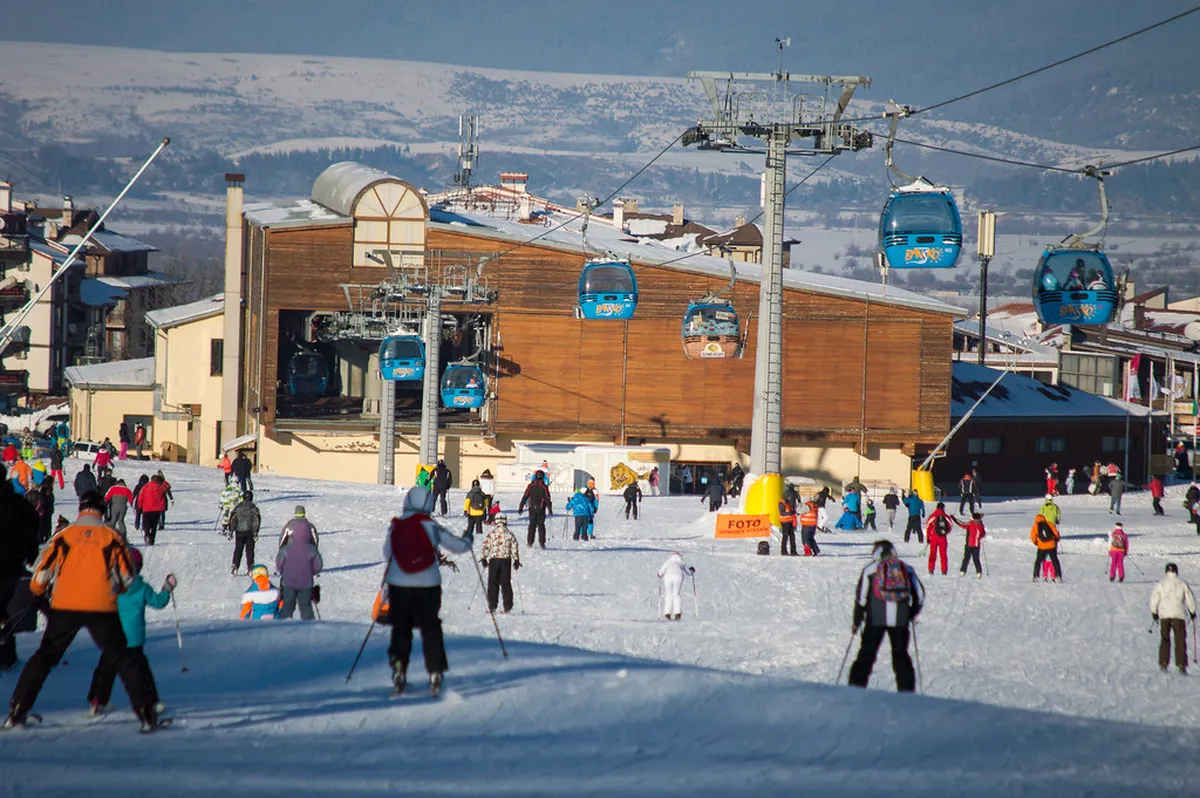
We cover everything from driving times and entry fees to seasonal advice and border-crossing tips. Most destinations work year-round, though a few high-altitude options close or become hazardous in winter. Check our complete Bansko guide for activities within the town itself, and the hiking trails in Bansko for routes starting directly from the gondola area.
For a visual preview of Bansko's best activities and the region's top day trips, this video provides a helpful overview:
Day Trips From Bansko: Overview
Bansko is well-placed for day trips because the main road network fans out in four useful directions: northwest toward Rila and Sofia, south toward Melnik and Greece, east toward the Rhodope range, and northeast toward Plovdiv. A rental car gives you the most flexibility, but local buses and the narrow-gauge train cover several of the closer destinations.
The main bus station in Bansko is on Tsar Simeon Street, a short walk from the old town. Buses to Razlog, Gotse Delchev, and Plovdiv depart from here regularly. For remote spots like Belitsa, the Dancing Bears Park, or Stob Pyramids, a car is essential — services are infrequent and sometimes nonexistent on weekends. Always carry Bulgarian lev in cash; smaller sites and village restaurants rarely accept cards.
Start early. High-altitude trails in Pirin fill parking by 08:00 in July and August. Rila Monastery is busiest between 10:00 and 14:00. An 07:00 departure from Bansko lets you beat both crowds and midday heat.
Rila Monastery and St. Ivan's Grave
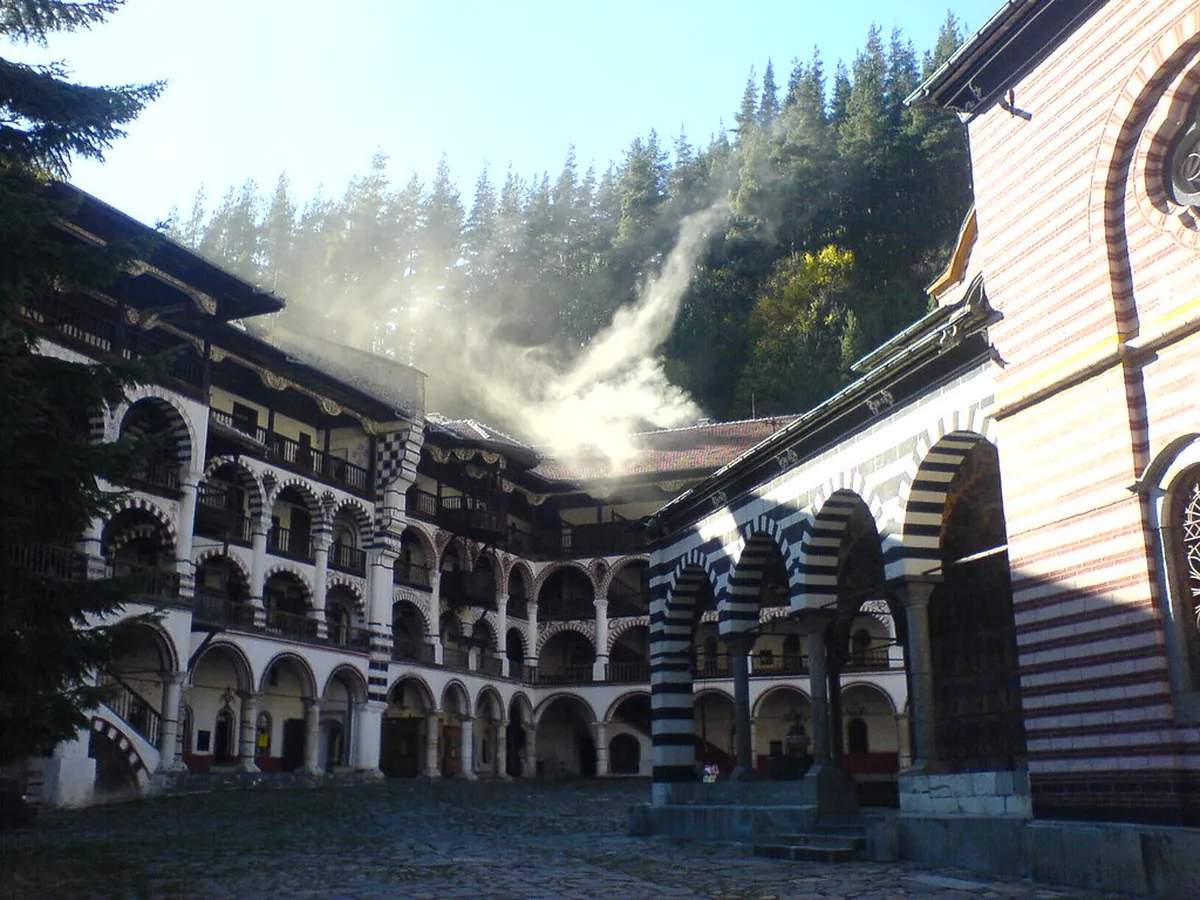
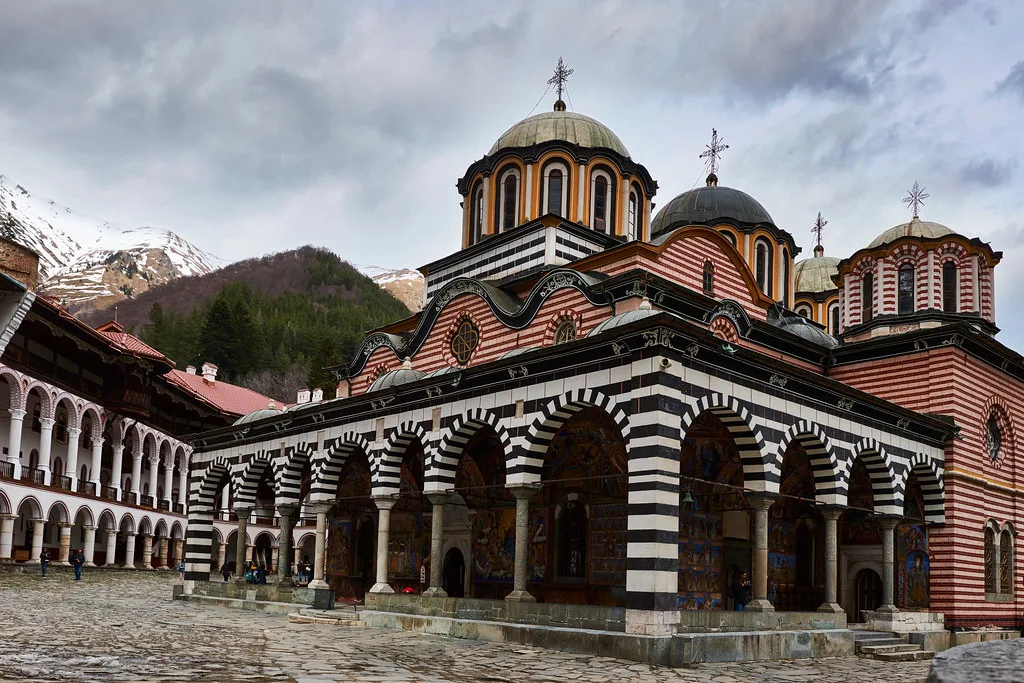
Rila Monastery Visitor Guide is the single most important cultural site reachable from Bansko. Founded in the 10th century by St. Ivan of Rila — the patron saint of Bulgaria — the complex covers more than 8.7 hectares and holds UNESCO World Heritage status. The main church is covered in vivid exterior frescoes, and the 23-metre Hrelyo Tower is the oldest surviving structure on site.
The drive from Bansko is approximately 90–100 km via Kocherinovo and takes 2.5 hours each way. The monastery yard is open daily from 07:00 to 20:00 and entry is free. The museum inside the complex charges 8 BGN per adult. Combine this stop with Stob Earth Pyramids (70 km away) into a single northern loop if you want to maximize the day.
Four kilometres past the monastery gates, a forest path leads to the cave where St. Ivan lived as a hermit. The walk takes about 30 minutes each way on a well-marked trail through dense pine forest. If you prefer not to drive yourself, a Rila Monastery Guided Tour departs from Bansko and handles all logistics.
Banya Hot Springs and Spa Centers
Banya is a small village 10 minutes and roughly 10 km from central Bansko. It sits on a cluster of mineral springs that emerge at temperatures between 37°C and 58°C, and the village has built a small spa economy around them. This is the easiest half-day escape from Bansko and works well in any season — the thermal pools are especially popular in winter when the contrast between cold air and warm water is dramatic.
Most spa centers in Banya open daily from 10:00 to 21:00 and charge between 15 and 25 BGN per person for pool access. The Regnum Banya Thermal hotel offers the most modern facilities. A taxi from Bansko costs around 15 BGN one-way, or you can drive and park easily at the spa complexes. For a more local experience, visit the free public mineral fountain in the village square, where residents fill bottles daily. See our guide to Bansko Spa and Wellness Experiences for a full breakdown of options.
This trip pairs naturally with lunch back in Bansko. Thermal water contains sulfur, so bring an older swimsuit you don't mind discolouring. Winter is actually the best time for Banya — the hot springs trip replaces the high-altitude hikes that become dangerous after October.
Pirin National Park Hiking
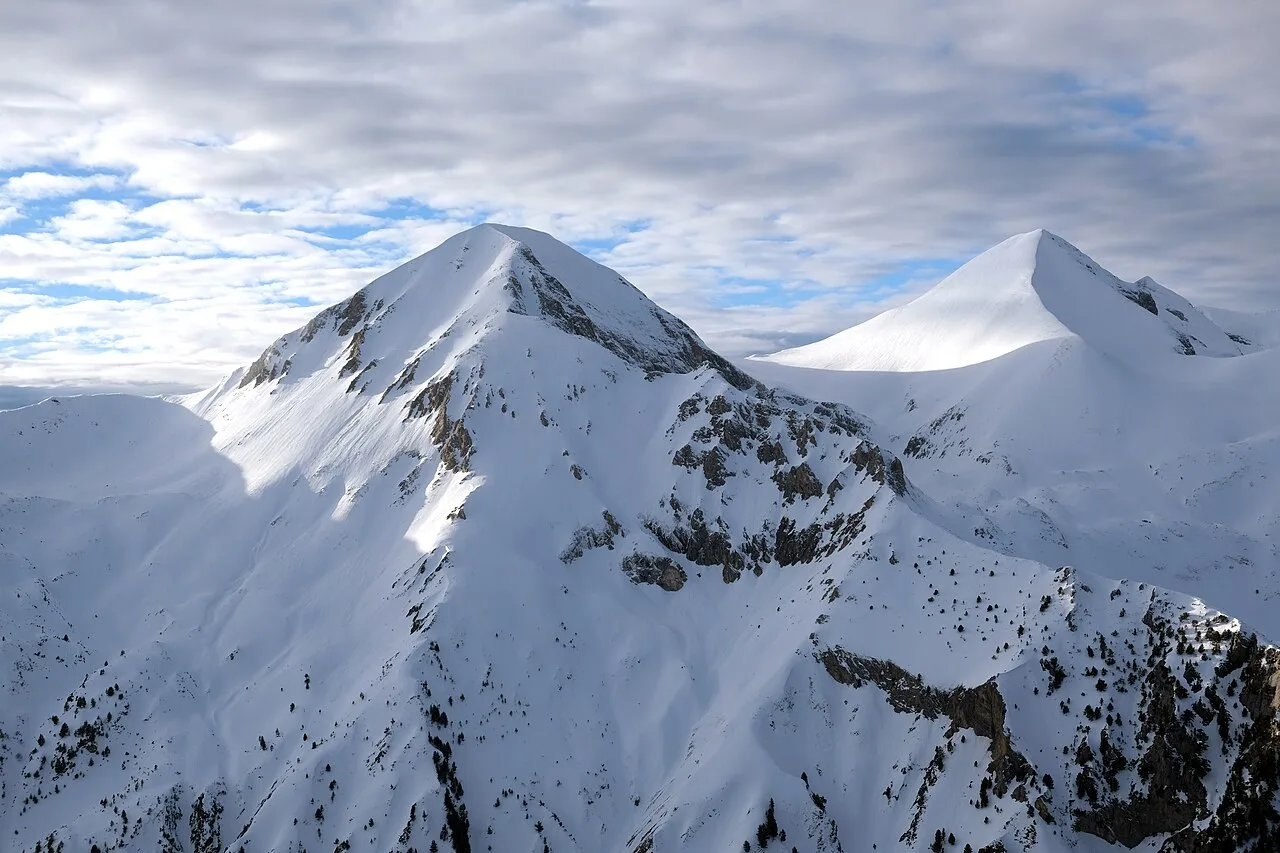
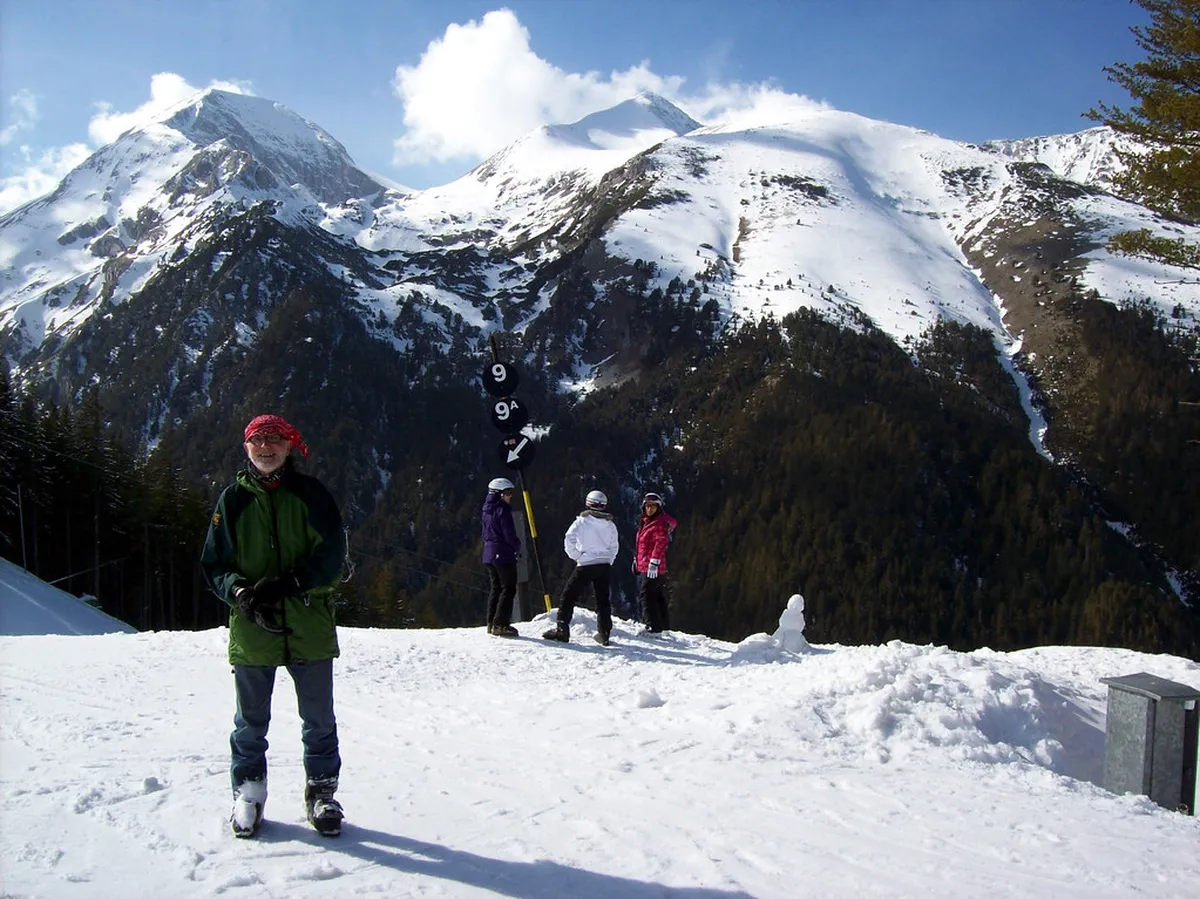
Pirin National Park Visitor Guide begins on Bansko's doorstep and contains 45 km of marked trails, 186 glacial lakes, and the 2,914-metre Vihren Peak. The most practical entry point for day-trippers is Vihren Hut, located 45 minutes by car up the mountain road from Bansko. Parking fills quickly — arrive before 08:00 in July and August or take the shuttle bus from the centre of Bansko, which runs during the summer months.
From Vihren Hut (1,950m), the trail to Vihren Peak takes 2–3 hours return and is rated moderate-to-strenuous. The Koncheto Ridge route is more technical and suits experienced hikers only. For families or casual walkers, the lake circuit from the hut to Banderitsa Lake is flat, takes 1–2 hours, and rewards with striking mountain panoramas. Read our full day-by-day Bansko plan if you want to combine a park day with town sightseeing.
Stop at Baikushev's Pine on the main mountain road — estimated to be 1,300 years old, it is the oldest coniferous tree in Bulgaria and takes two minutes to inspect. Note that all high-altitude Pirin trails above 1,800 metres are effectively inaccessible or hazardous from November to May. The skiing areas operate on separate infrastructure and are not the same as the summer hiking routes.
Plovdiv Cultural Excursion
Plovdiv is one of the oldest continuously inhabited cities in Europe and Bulgaria's second city. It is roughly 100 km northeast of Bansko, with a drive of approximately 2.5 hours via Pazardzhik. Direct buses from Bansko's Tsar Simeon Street station also reach Plovdiv, though the journey takes around 3 hours with stops.
The Roman Theatre in Plovdiv's Old Town is the headline attraction — it is open daily from 09:00 to 18:00 and tickets cost 5 BGN per person. Stroll the Kapana creative quarter for coffee and artisan shops, then walk the cobblestone streets of the 19th-century Revival neighbourhood where painted merchant mansions line every alley. Allow at least 4 hours to do Plovdiv justice.
Plovdiv works better as a summer or autumn day trip. In winter, the Old Town hills are icy underfoot and several outdoor sites reduce hours. Wear comfortable walking shoes regardless of season — the historic hillside is steep and paved in uneven stone.
Melnik Wine and History Tour
Melnik is the smallest town in Bulgaria, with a population of just over 300, but it punches above its weight for day-trippers. It lies approximately 50 km south of Bansko and takes about 1.5 hours to drive. The town sits in a canyon of pale sandstone pyramids and is famous for its broad-leaved Melnik vine, a variety found nowhere else in the world.
The Kordopulov House — a grand 1750s merchant mansion combining Ottoman and Venetian architecture — is open daily from 10:00 to 18:00. Entry costs around 5 BGN, with a guided wine cellar tasting running an additional 10 BGN. The cellar holds barrels beneath the limestone cliff and is genuinely impressive. Most visitors also buy a bottle of Melnik wine directly from local producers, which you can do for around 15–25 BGN per bottle along the main street.
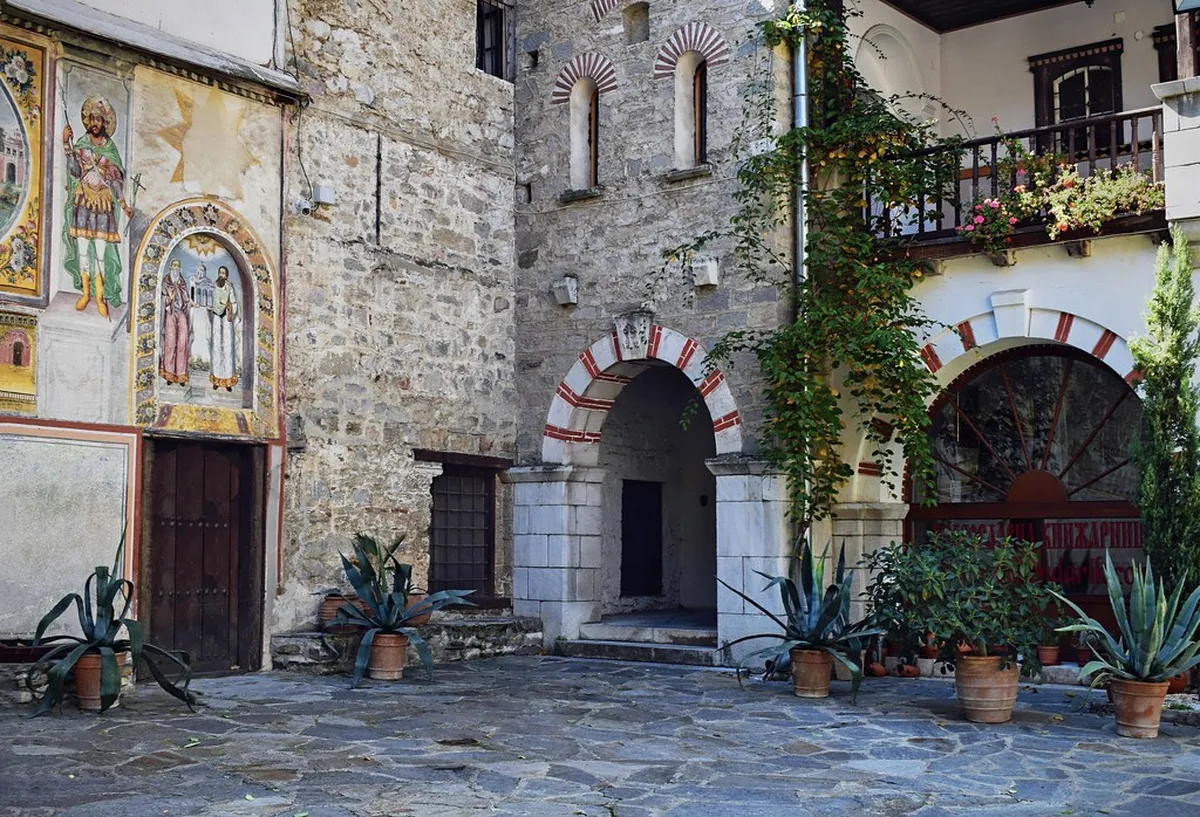
Add 15 minutes of extra driving to reach Rozhen Monastery, 7 km outside Melnik. It is one of Bulgaria's most peaceful religious sites, with 16th-century frescoes and panoramic views of the sandstone landscape. This circuit — Bansko → Melnik → Rozhen → Bansko — is one of the most satisfying full-day loops in the region.
Stob Earth Pyramids
Stob is a small village at the foot of the Rila Mountains, 70 km from Bansko, and its earth pyramids are among the least-crowded natural wonders in Bulgaria. The formations were shaped by erosion over roughly 2 million years, when the area was covered by a shallow lake. Some pyramids rise 12 metres and are capped with flat rocks, giving them an otherworldly, hat-wearing silhouette.
Entrance costs 2 BGN per adult. A signed trail from the car park loops through the pyramids in about 40 minutes on a mostly flat path. The final section narrows with cliffs on either side — take care with young children here. Late afternoon light turns the formations deep orange and rust-red, making it the best time for photos. Avoid the trail after heavy rain, as the clay paths become slippery.
Combine Stob with a Rila Monastery visit on the same day — both sites are in the same general northwest direction from Bansko and the detour to Stob village adds roughly 30 minutes to the monastery route.
Dobarsko Church: The lesser-known place 21 km Away
The village of Dobarsko sits just 21 km from Bansko and is one of the easiest and most overlooked half-day stops in the area. The Church of St. Teodor Tiron and St. Teodor Stratilat looks modest from the outside, but inside it holds over 460 painted figures executed across more than 400 years. Entry is on a donation basis.
What makes Dobarsko Church genuinely unusual are two specific frescoes depicting Jesus Christ inside what appear to be vessels surrounded by flames — interpretations vary, but the images have attracted serious attention from art historians and casual visitors alike. Three round eastern-facing windows and small ventilation holes in the walls helped preserve the artwork through centuries of candle smoke. The frescoes were only rediscovered around 40 years ago during routine cleaning.
This stop takes 45 minutes to an hour including the drive. It pairs well with a morning visit to the Dancing Bears Park in Belitsa, which is also in the same direction from Bansko. Neither site requires advance booking.
Dancing Bears Park in Belitsa
The Dancing Bears Park Belitsa is located 33–40 km from Bansko, roughly one hour by car. Managed by Four Paws International, the 120,000-square-metre park provides sanctuary to bears rescued from the dancing bear trade — a practice that persisted across parts of Eastern Europe well into the 2000s, where cubs were captured and trained through abusive methods to perform for crowds.
The park is open from April to November, with tours running every half hour between 10:00 and 18:00. Adult tickets cost 10 BGN. The bears live in a forested enclosure that mimics their natural habitat. Rangers explain each bear's individual history during the tour, which takes around 45 minutes. The experience is moving and educational rather than entertaining in the conventional sense.
Note that the final stretch of road to Belitsa is narrow and partially unpaved — drive slowly. There are also close to 100 steps and steep sections within the park itself, so strollers are not practical. Combine this visit with Dobarsko Church for an efficient morning that covers both sites before lunch.
The Rhodope Narrow Gauge Railway
The Rhodope Narrow Gauge Train is the last operational narrow-gauge railway in Bulgaria, running between Septemvri and Dobrinishte — with Dobrinishte just 9 km from Bansko. The full Septemvri–Dobrinishte journey takes roughly 5–6 hours each way, which makes a round-trip on the complete line a 10–12-hour undertaking. This is feasible as a day trip only if you are committed to the train experience itself.
A more practical approach is to board at Dobrinishte and ride to Avramovo — the highest railway station in the Balkans at 1,267 metres — then return. The return ticket costs approximately 10 BGN and the Dobrinishte–Avramovo leg takes about 3 hours total. The train winds through forested gorges and mountain meadows in vintage carriages that feel like a step back in time. Pack food, as catering is minimal.
Dobrinishte itself is worth a quick stop — the village has 17 mineral springs and the Alpha Thermal Spa complex with pools at 25°C–40°C, an easy complement to the train ride. The train runs year-round, making this one of the few day trips from Bansko that works even in deep winter.
Rupite Mud Baths and the Baba Vanga Site
Rupite is a volcanic area in the Struma River valley, approximately 60–70 km south of Bansko and around 1.5 hours by car. The site became famous as the home of Baba Vanga (1911–1996), the blind Bulgarian prophetess who attracted visitors from across the Soviet world seeking predictions and healing. The memorial church she commissioned — St. Petka Tarnovska — still stands here and is open daily from 08:00 to 19:00, free of charge.
The natural mud and mineral pools at Rupite have a temperature of around 72°C at source and cool to bathable levels in the outdoor pools that locals use for their reputed healing properties. The mineral water at Rupite is rich in hydrogen sulfide and bicarbonate, which is believed to benefit skin conditions and joint pain. A nominal maintenance fee of approximately 2 BGN applies for pool access.
The volcanic rock of the area is geologically distinct from the surrounding Struma valley, and the thermal activity accounts for Baba Vanga's claim that the land had special energy. Whether or not you subscribe to that, the combination of geothermal landscape, the small Byzantine-influenced church, and the thermal pools makes Rupite one of the more unusual stops in the region.
Kavala and the Greek Coast
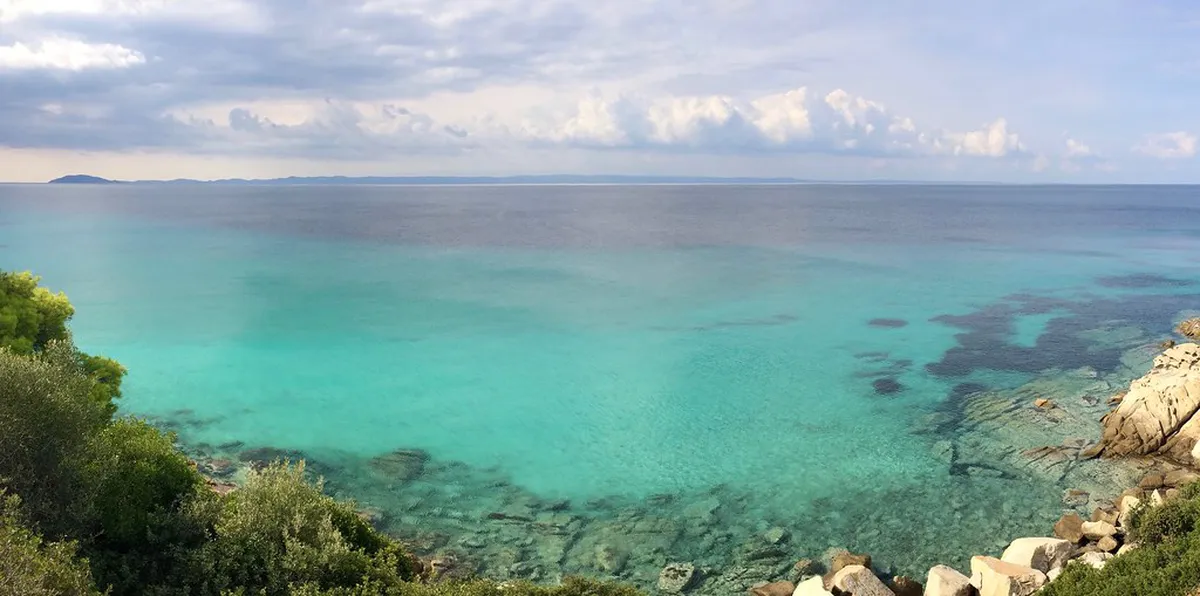
Kavala is a Greek port city on the Aegean coast, approximately 2.5 to 3 hours south of Bansko depending on border traffic. This is the most ambitious day trip on this list and requires an early start — leave by 07:00 to have 4–5 hours in Kavala before turning back. The city features a well-preserved medieval fortress, an impressive Ottoman aqueduct (both free to view externally), and a working fishing harbour with good seafood tavernas.
The preferred border crossing is Ilinden-Exochi rather than the busier Kulata-Promachonas crossing. Ilinden-Exochi tends to have shorter queues, especially on weekday mornings. Check the crossing status online before departure — queues at peak summer weekends can add 45–90 minutes. Ensure your car rental agreement explicitly permits travel into Greece; many rental companies require written permission and may charge a cross-border surcharge of 20–40 EUR.
You will also need a valid Green Card (motor insurance certificate) for Greece. EU driving licences are accepted, but carry your passport even if you are an EU citizen as border officers sometimes request it. The beach options closest to Kavala — including Tosca Beach — are sandy and less crowded than the more popular Halkidiki resorts further west.
How to Plan Your Day Trips From Bansko
Renting a car from a local Bansko provider or arranging a pick-up from Sofia Airport gives you full flexibility. Most of these destinations are not reliably served by public transport — the exceptions are Plovdiv (bus, 3 hours), Dobrinishte (bus every hour, 20 minutes), and Razlog (bus, 15 minutes). For remote sites like Belitsa, Stob, or Rupite, a car or private transfer is the only practical option. Check our guide on How to Get from Sofia to Bansko for airport transfer options.
Seasonal planning matters here more than for most destinations. High-altitude Pirin hikes are only possible from June to October. The Dancing Bears Park closes from December to March. Banya hot springs and the Rhodope train run year-round. Rupite and Dobarsko Church are accessible in any season. Melnik wine tours slow in winter but the town itself remains open. Book the best restaurants in Bansko for dinner on return — village meals are simpler and affordable, but Bansko's mehanas offer the best finish to a long day out.
Cost and Transport Comparison
A rental car in Bansko costs approximately 40–60 EUR per day including basic insurance. Fuel prices in Bulgaria run around 2.10–2.30 BGN per litre for petrol in 2026, significantly cheaper than Western Europe. A full day's driving to Rila Monastery and back (roughly 200 km round-trip) burns around 15–20 EUR in fuel. Private transfers to Rila or Melnik typically cost 80–120 EUR for the vehicle.
| Destination | Distance | Drive Time | Entry Fee | Best Season |
|---|---|---|---|---|
| Rila Monastery | ~90 km | 2.5 hours | Free (museum 8 BGN) | Year-round |
| Banya Hot Springs | ~10 km | 10 minutes | 15–25 BGN | Year-round (best in winter) |
| Pirin National Park | ~20 km | 45 minutes | Free | June–October only |
| Plovdiv Old Town | ~100 km | 2.5 hours | 5 BGN theatre | Spring–Autumn |
| Melnik Wine Region | ~50 km | 1.5 hours | 5–10 BGN tasting | Year-round |
| Stob Earth Pyramids | ~70 km | 1.5 hours | 2 BGN | Year-round |
| Dobarsko Church | ~21 km | 30 minutes | Donation | Year-round |
| Dancing Bears Park | ~33 km | 1 hour | 10 BGN | April–November |
| Rhodope Train (Dobrinishte) | ~9 km | 20 minutes | ~10 BGN return | Year-round |
| Rupite / Baba Vanga | ~65 km | 1.5 hours | 2 BGN pools | Year-round |
| Kavala, Greece | ~150 km | 2.5–3 hours | Free sights | May–September |
Continue planning: Use 12 Best Things to Do in Bansko and 4-Day Bansko Itinerary for First-Time Visitors to connect this guide with the rest of your Bulgaria itinerary.
Frequently Asked Questions
What is the best day trip for families near Bansko?
Banya village is the top choice for families due to its kid-friendly thermal pools and short travel time. Most pools offer shallow sections and affordable snack bars, providing a relaxing break from mountain activities.
Can I visit the Greek coast as a day trip?
Yes, Kavala is reachable in about 3 hours by car. We recommend using the Ilinden-Exochi border crossing to save time. Ensure your car rental documents allow for international travel before you depart.
Is public transport reliable for day trips?
Public buses are reliable for major cities like Plovdiv or Sofia. However, reaching remote spots like the Dancing Bears Park or Stob Pyramids is much easier with a rental car or private tour.
Exploring the areas around Bansko reveals a side of Bulgaria that many tourists often overlook. From the spiritual heights of Rila to the warm waters of Banya, these day trips add incredible value to any stay. We hope this guide helps you plan an unforgettable journey through the heart of the Balkan peninsula.
For more tips on visiting this region, feel free to check our latest travel blog updates. Safe travels and enjoy the stunning diversity that the Pirin Mountains and their surroundings have to offer.