Bulgaria Weather By Month
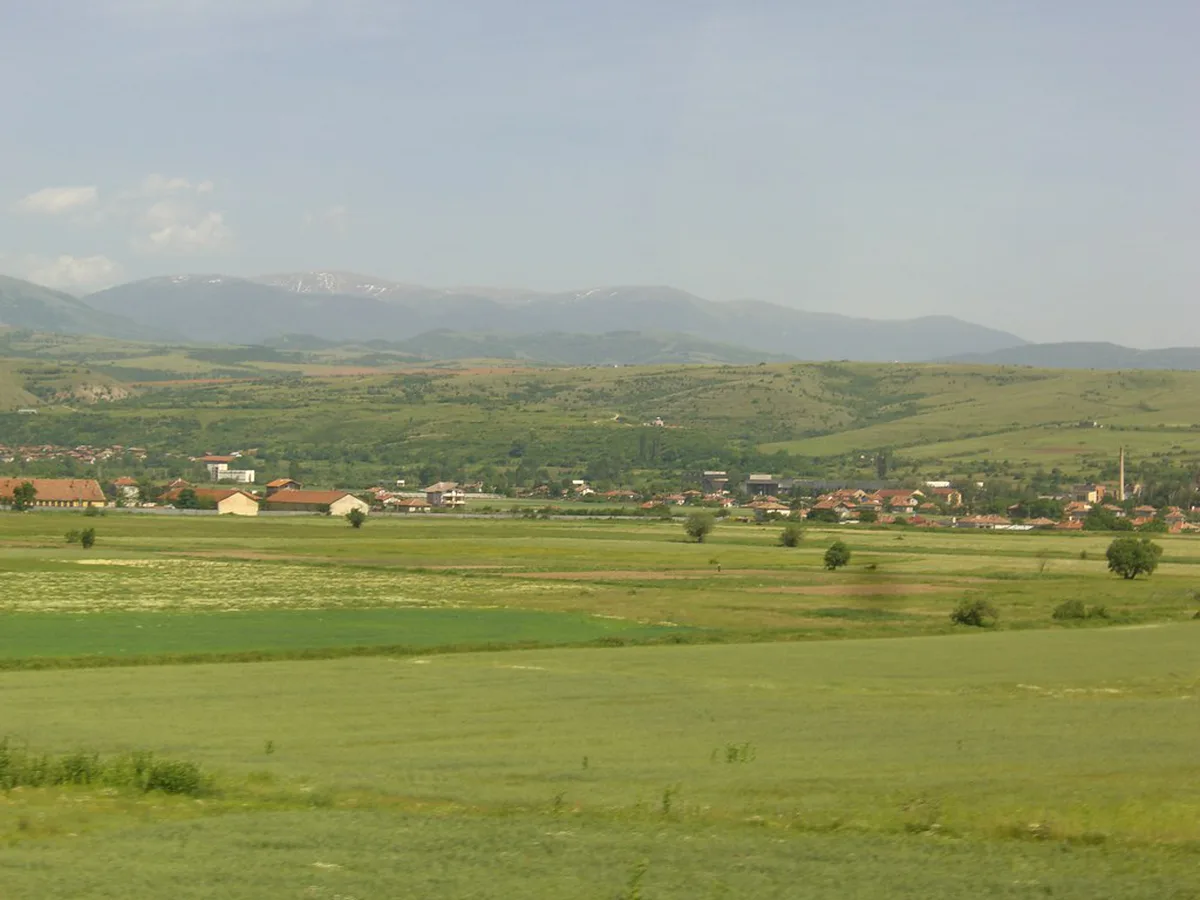
Late May brings blooming roses and spring color to Bulgaria's valleys. This guide breaks down the country's complex climate. Late spring (May to early June) and early fall (September to October) are the sweet spots for the Best Time To Visit Bulgaria: Seasonal Weather & Travel Guide. These shoulder months offer mild temperatures and significantly fewer crowds than the peak summer rush.
Bulgaria features a mix of continental and Mediterranean weather patterns that vary by region. The Balkan Mountains act as a natural barrier between the cooler north and the warmer south. Coastal areas enjoy a maritime influence, keeping the Black Sea resorts temperate during the autumn months. Inland cities like Sofia experience more dramatic temperature swings between the summer and winter seasons.
Understanding the bulgaria weather by month is essential for planning mountain hikes or beach holidays. Mountain peaks often remain snow-capped while the valleys below are filled with spring wildflowers. Travelers should prepare for rapid shifts in conditions when moving between high altitudes and low plains. This guide helps you navigate those changes to ensure a smooth and enjoyable Bulgarian adventure.
Bulgaria Weather And Seasons Overview
The climate in Bulgaria is primarily continental, characterized by cold winters and hot summers. Southern regions feel the influence of the Mediterranean, leading to milder winters in places like Sandanski. The Balkan Mountains divide the country, creating distinct microclimates on either side of the range. Northern Bulgaria often sees more snow and colder winds during the peak winter months.
Average temperatures fluctuate significantly depending on your elevation and proximity to the sea. Coastal cities enjoy sea breezes that temper the intense heat of July and August. Inland plains can become quite stifling during the height of summer without the coastal relief. Autumn and spring serve as transitional periods with unpredictable but often pleasant weather conditions.
Rainfall is distributed relatively evenly throughout the year, though summer storms are common. Most precipitation in the mountains falls as snow between December and March. The Black Sea coast receives less rain overall compared to the central and western highlands. Data from local climate stations suggests that June is often the wettest month for many regions.
Season Comparison: When to Visit
Comparing the months helps you balance weather expectations with your travel budget. Peak summer brings the most sunshine but also the highest prices at coastal resorts. Winter travelers find great value in the ski resorts, though mountain weather remains harsh. Shoulder seasons provide a middle ground with manageable costs and comfortable sightseeing temperatures.
Beach lovers should focus on the window between late June and early September. Hikers will find the best trail conditions from July through the end of September. Skiers should aim for the core months of January and February for reliable snow cover. Cultural enthusiasts can enjoy the cities year-round, though spring and fall are most comfortable.
| Month Range | Avg Temp (°C/°F) | Crowds | Prices | Best For |
|---|---|---|---|---|
| Mid-May to June | 18–25°C / 64–77°F | Moderate | Medium | Rose Festival, Hiking |
| July to August | 25–32°C / 77–90°F | High | High | Black Sea Beaches |
| September to mid-October | 15–23°C / 59–73°F | Low | Low | Wine Tasting, Sightseeing |
| December to February | -5–5°C / 23–41°F | High (Ski) | Medium | Skiing, Winter Festivals |
💡 Good to know: If you want both warm sea water and lower prices, target the second week of September. Sea temperatures on the Black Sea still sit around 23°C / 73°F, but hotel rates in Sunny Beach typically fall 30–40% versus the August peak — and rooms can often be booked just 1–2 weeks ahead.
Spring in Bulgaria (March – May)
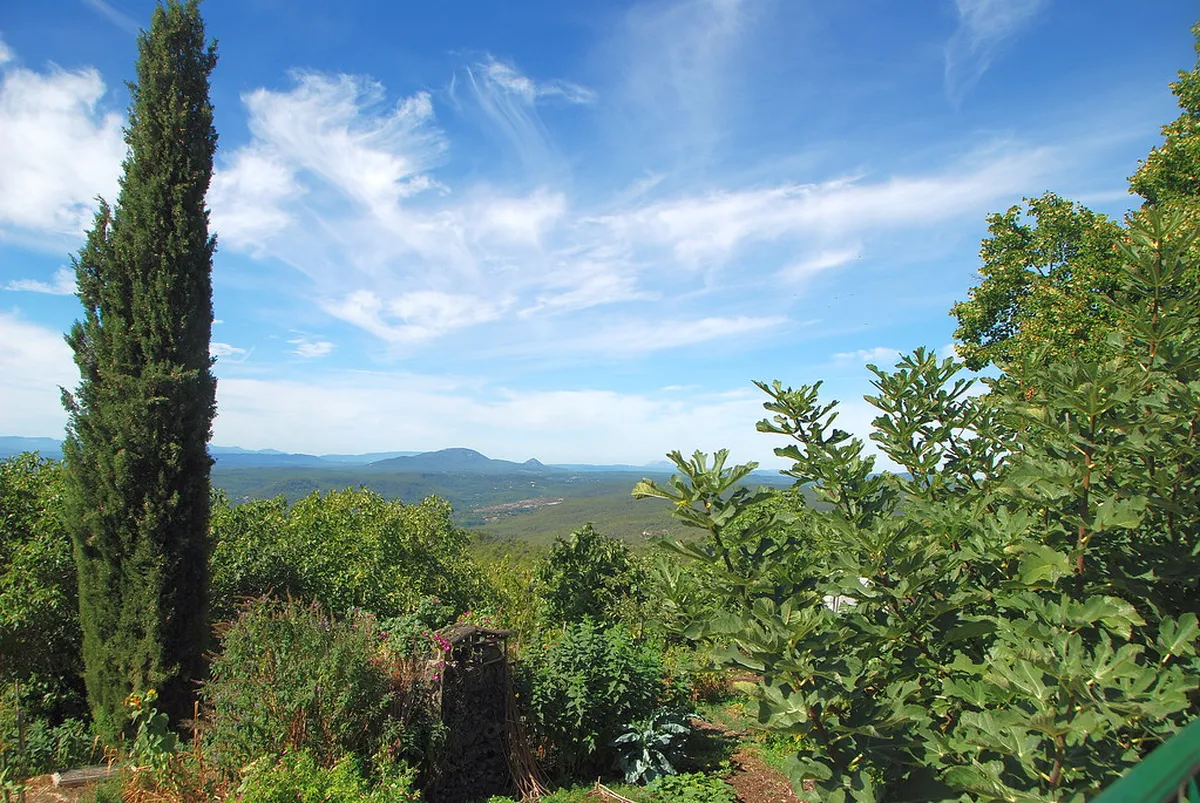
During springtime, the country undergoes a dramatic transformation as snow melts. March can still feel quite wintry, especially in the higher elevations of the Rila and Pirin ranges. April brings the first true signs of spring with blooming fruit trees and greener landscapes. May is arguably the most beautiful month, as the famous Rose Valley begins its fragrant bloom.
Temperatures in May typically range from 15–22°C / 59–72°F in the lowlands. Daylight hours increase rapidly, providing more time for exploring outdoor monuments and parks. Mountain trails at lower altitudes become accessible, though high peaks remain dangerous due to melting snow. This is an ideal time for visiting the Rila Monastery without the summer tourist swarms.
Rain showers are frequent during this season, so a waterproof jacket is essential. Fresh local produce starts appearing in the markets, signaling the start of the culinary season. Travelers can find excellent deals on boutique hotels in Plovdiv and Veliko Tarnovo, and these mild spring weeks are widely considered the best time to visit Plovdiv. The air is crisp and clean, making it perfect for long walks through Sofia's historic center.
Summer in Bulgaria (June – September)
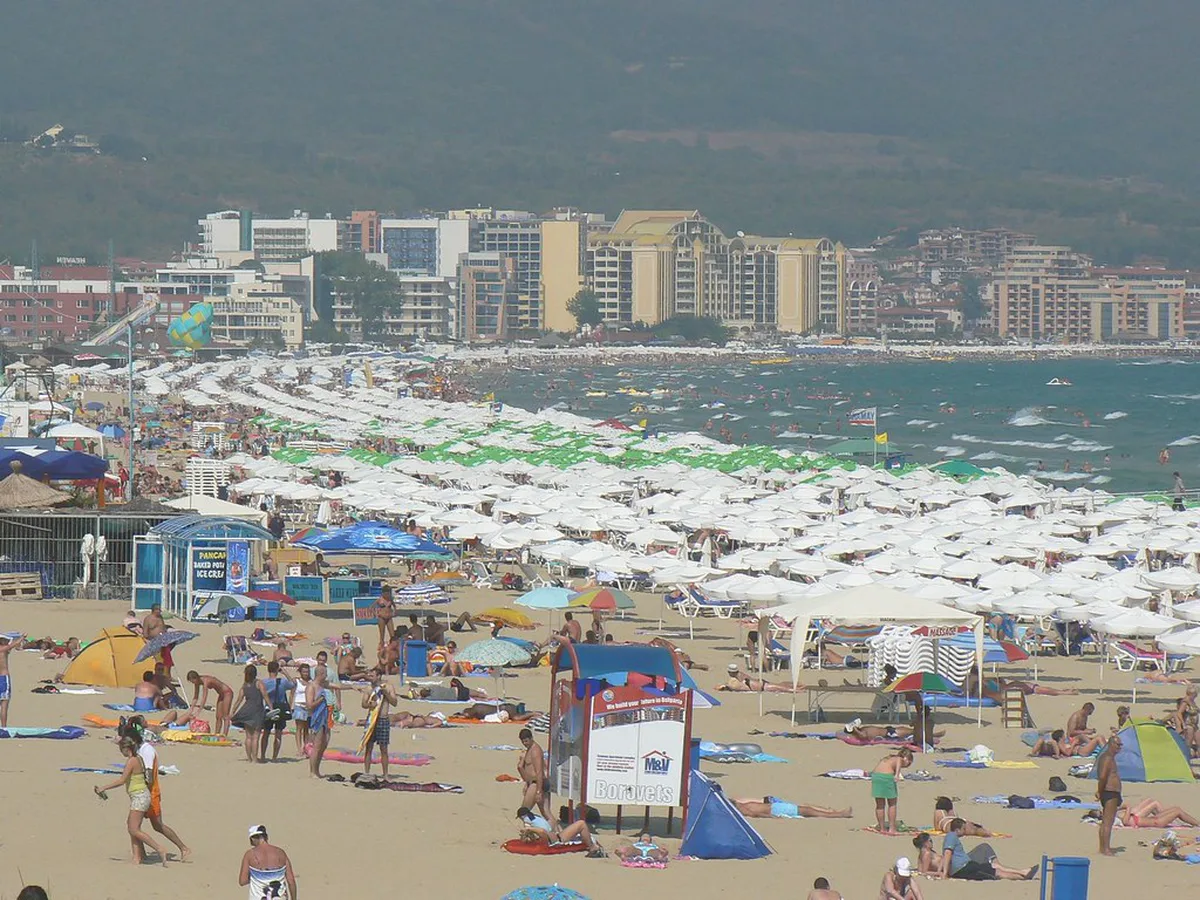
The summer months are the most popular time for international visitors. Black Sea resorts like Sunny Beach and Sozopol see peak activity from July through August, and the lively Burgas beaches further south fill up just as quickly. Coastal temperatures often hover between 26–31°C / 79–88°F, cooled by the Etesian-like sea breezes. For a detailed month-by-month breakdown of conditions on the northern coast, see our guide to Varna Weather By Month: 10-Point Seasonal Guide. Inland, the heat can be more intense, occasionally reaching 35°C / 95°F in the southern plains.
Mountain regions offer a cool escape from the sweltering heat of the cities. High-altitude hiking is best during this window as all mountain huts are fully operational. However, Sofia sometimes experiences Heavy Hailstorm Floods Parts of Bulgaria's Sofia during hot afternoons. These sudden storms can be violent but usually pass quickly, leaving the air refreshed.
September is a lesser-known place for beach lovers who prefer a quieter atmosphere, and the beaches near Varna stay inviting well into the month. The sea water remains warm from the summer sun, even as the air begins to cool. Prices for accommodation drop significantly after the first week of September. Most major festivals take place during this season, celebrating everything from jazz to folklore.
Autumn in Bulgaria (October – November)
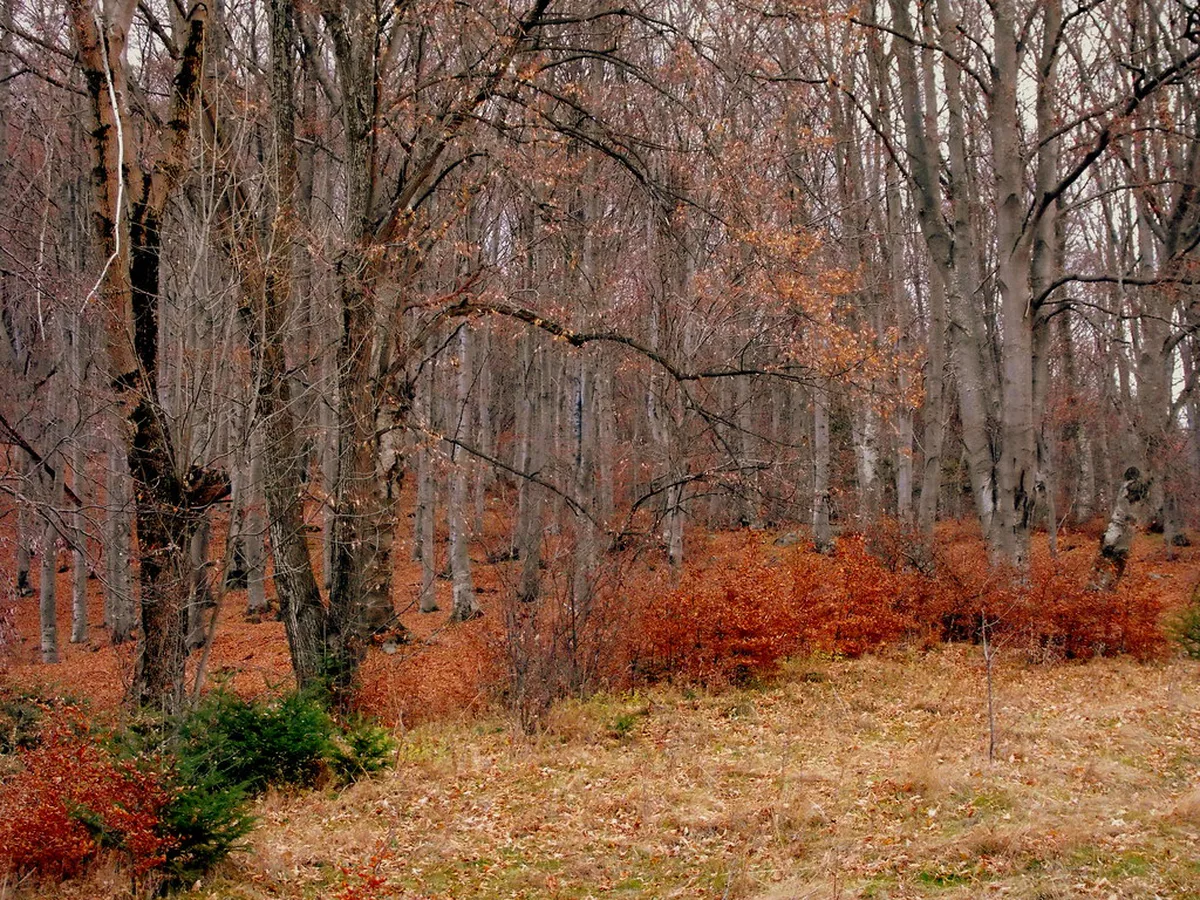
Visiting in autumn allows you to witness the spectacular changing colors of the Balkan forests. October remains relatively mild with temperatures around 12–18°C / 54–64°F in most cities. This is the primary season for wine production, especially in the Melnik and Thracian Valley regions. Harvest festivals offer a unique look into traditional Bulgarian village life and agricultural customs.
November marks a sharper turn toward winter with more frequent gray skies and rain. Daylight hours shorten, and the first frosts usually appear in the northern plains. Crowds at major historical sites disappear, giving you a near-private experience at the country's main attractions, many of them listed on the official Bulgaria tourism portal. Museums and indoor galleries become the focus for travelers during these cooler, damp days.
Coastal towns become very quiet as the summer infrastructure winds down for the year. Many seasonal restaurants and shops close their doors by the middle of October. For those who enjoy solitude and photography, the misty mountain landscapes are incredibly atmospheric. Warm sweaters and sturdy boots are necessary for any outdoor excursions during late autumn.
Winter in Bulgaria (December – February)
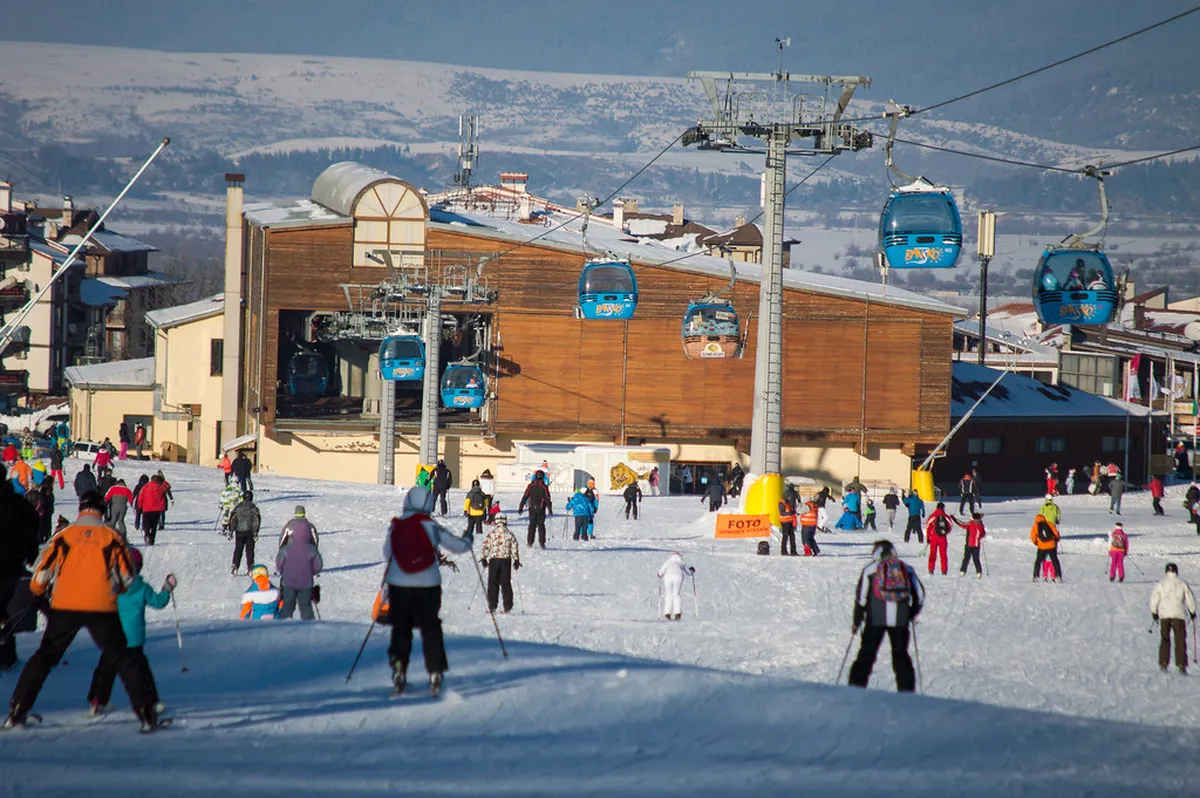
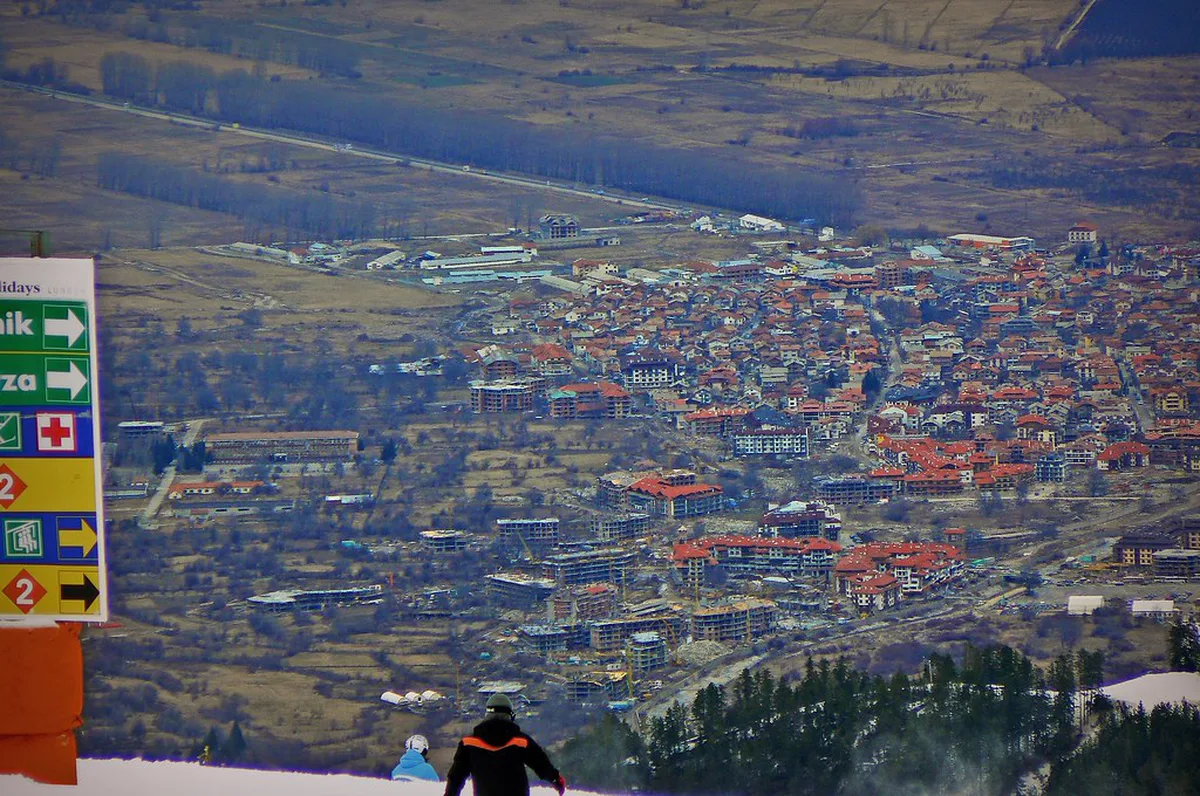
The winter season is defined by snow and vibrant mountain sports. Bansko, Borovets, and Pamporovo become bustling hubs for skiers from across Europe. Temperatures in the mountains often drop to -10–0°C / 14–32°F, requiring high-quality thermal gear. The Bansko ski season typically runs from mid-December through early April.
Sofia and other lowland cities face a specific weather quirk known as temperature inversion. Cold air gets trapped in the valleys, sometimes leading to smog and poor air quality. Escaping to the nearby Vitosha Mountain Visitor Guide provides clear skies and fresh air above the fog. Winter is also the time for the Kukeri festivals, where masked dancers chase away evil spirits.
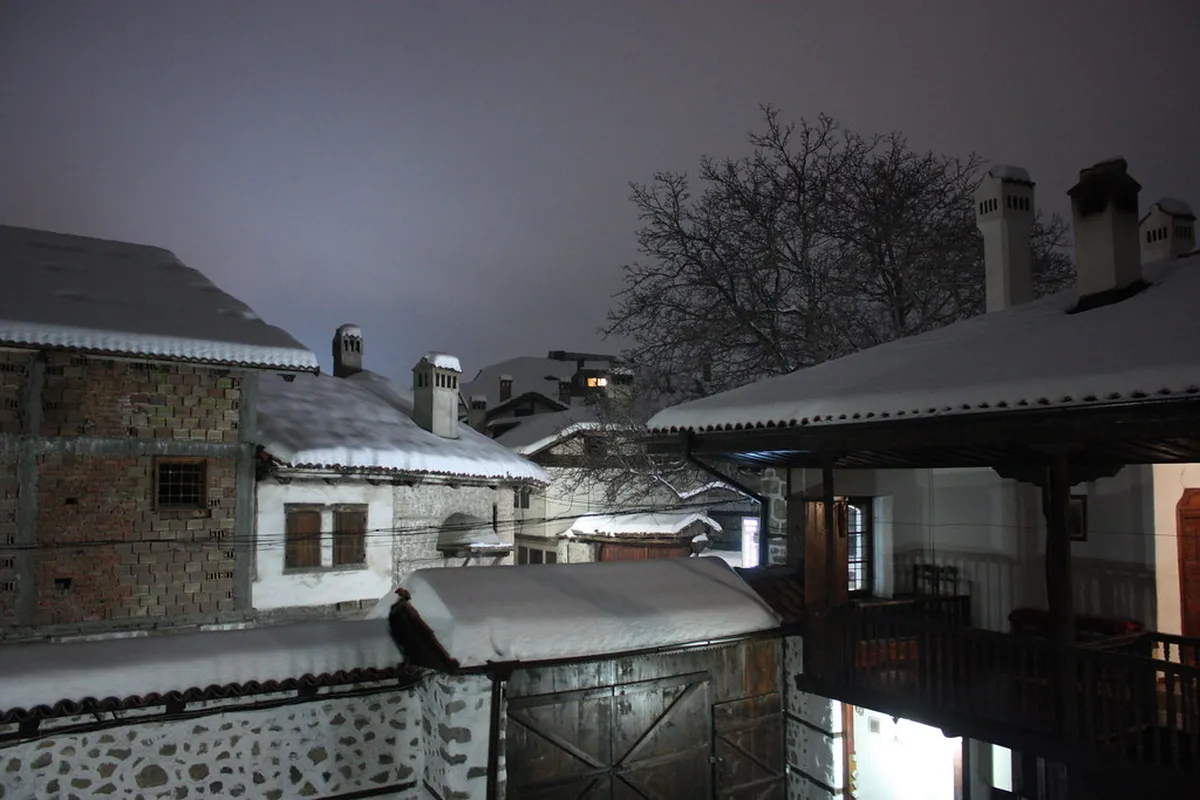
Coastal regions are windy and cold, though they rarely see heavy snow accumulations. Cities are beautifully decorated for the holidays, and Christmas markets offer traditional crafts. Heavy snowfall can occasionally close mountain passes, so check road conditions before driving. Hot springs in towns like Sapareva Banya provide a perfect way to warm up after enjoying the slopes.
Pick X If: Travel Style Recommendations
Choosing the right month depends entirely on your personal priorities and interests. Budget travelers will find the best value during the late autumn and early spring. Active adventurers should prioritize the summer months for the safest mountain conditions. Families might prefer the warm but not scorching weather of June or September.
Cultural travelers should look at the festival calendar before booking their dates. Wine enthusiasts will get the most out of a trip during the October harvest. Photography fans will appreciate the clear light and colorful foliage of the shoulder seasons. Those seeking peace should avoid the Black Sea coast during the July-August peak.
- Pick July or August if you want
- Hot beach weather and vibrant nightlife
- Pick May or June if you want
- Blooming roses and mild hiking air
- Pick January or February if you want
- Deep snow and peak ski conditions
- Pick September if you want
- Warm sea water and fewer crowds
What to Pack for Bulgaria
Packing for Bulgaria requires preparation for varied terrain and shifting weather. Even in summer, mountain evenings can be surprisingly chilly and require a fleece. Spring and autumn travelers should focus on a versatile layering system for comfort. Winter visitors need specialized gear if they plan to hit the slopes or hike.
Sun protection is vital during the summer months, especially in the high mountains. Sturdy walking shoes are a must for the cobblestone streets of Plovdiv and Veliko Tarnovo. Bulgarians generally dress casually, but smart-casual is appropriate for nice city restaurants. Always carry a reusable water bottle to take advantage of the many mineral springs.
- For Summer trips
- Light linen clothing and swimwear
- For Winter trips
- Thermal base layers and waterproof boots
- For Mountain hiking
- A quality windbreaker and trekking poles
- For Spring and Fall
- A medium-weight jacket and umbrellas
💡 Good to know: Even in July and August, pack one warm layer for the mountains. Daytime temperatures at the top of Vitosha or in the Rila lakes can be 12–15°C cooler than central Sofia, and evenings near 2,000 m often drop to single digits — a packable fleece weighs little and saves a cold hike.
What's Closed in Low Season
Traveling outside the main tourist windows requires awareness of seasonal closures. Black Sea resorts essentially shut down from late October until the end of April. Most beach hotels, tavernas, and seasonal shops are boarded up during this time. Ferries to smaller coastal points or island excursions often stop running in autumn.
High-altitude mountain huts often close or operate with limited staff in winter. Some remote hiking trails become impassable and are officially closed for safety. Smaller museums in rural villages might have reduced hours during the winter months. Always verify the schedule for regional buses, as frequency often drops in low season.
Best Time To Visit Sofia For Weather And Sightseeing
Sofia sits in a valley, which significantly influences its local weather patterns. The best months for sightseeing in the capital are May, June, and September. During these times, the city's many parks are vibrant and the cafes are lively. Temperatures are comfortable for walking between the Alexander Nevsky Cathedral Visitor Guide and Vitosha Boulevard Visitor Guide.
Summer in Sofia can be dusty and hot, with occasional heavy afternoon storms. Winter brings the risk of fog, which can linger for days in the valley. However, the proximity to Vitosha Mountain makes it a great base for winter sports. Cultural life in the capital remains strong throughout the year regardless of the weather.
Bulgaria Festivals And Public Holidays By Month
Planning around festivals adds a rich layer to your Bulgarian journey. The International Festival of the Masquerade Games takes place in Pernik every January. June features the world-famous Rose Festival in Kazanlak, attracting thousands of international visitors. August is the month for the Bansko Jazz Festival, held under the stars.
Public holidays like Baba Marta on March 1st involve wearing red and white martenitsa threads. Orthodox Easter is a major event with dates that vary each year based on the moon. Expect closures of banks and government offices during these national celebrations. Festival dates often coincide with the best weather for that specific region's activities.
Bulgarian Food And Wine To Try by Season
Bulgarian cuisine is deeply seasonal and relies on what is currently growing. Summer is the time for Shopska salad and Tarator, a refreshing cold yogurt soup. These dishes are designed to keep you cool during the hot July afternoons. Grilled meats and fresh vegetables dominate the menus at outdoor garden restaurants.
Winter menus shift toward hearty bean stews, pickled vegetables, and slow-cooked meats. Rakia, the national brandy, is often served warm with honey during the coldest months. Autumn brings an abundance of grapes, pumpkins, and walnuts to the local markets. Pairing a heavy Mavrud red wine with a winter stew is a quintessential Bulgarian experience.
See our real estate offers in Bulgaria
Weather plays a significant role for those looking to invest in Bulgarian property. The best time for property viewings is late spring or early autumn for clear views. Summer viewings allow you to test the effectiveness of air conditioning in coastal apartments. Winter visits are crucial for checking the insulation and heating systems of mountain chalets.
Heating costs can be a major expense in older buildings during the snowy months. Coastal properties may face humidity issues in the winter if they are not properly maintained. Seeing a property in the 'off-season' provides a realistic view of the local infrastructure. Our team can help you navigate these seasonal factors when choosing your ideal Bulgarian home.
How Hot Is Sunny Beach, Bulgaria, Month by Month?
Sunny Beach, on the central Black Sea coast, runs noticeably warmer and milder than inland Sofia, which is why it anchors most beach holidays. The swimming season effectively opens in June, when daytime highs reach about 26°C / 79°F and the sea climbs past 22°C / 72°F. July and August are the hottest stretch, with afternoon highs of 29–31°C / 84–88°F, sea temperatures near 25°C / 77°F, and very little rain.
September is the quietest "secret" of the calendar: air highs ease to 24–26°C / 75–79°F while the sea stays a warm 23°C / 73°F, kept comfortable by the summer's stored heat. By October highs slip to around 18°C / 64°F and the resort begins shutting down for the season. Between November and April Sunny Beach is cool, windy, and largely closed, with highs of 5–12°C / 41–54°F and most hotels and tavernas boarded up. For sunbathing, June to mid-September is the dependable window; for warm water with thinner crowds, aim for the first three weeks of September.
Continue planning: Use Best Time To Visit Bulgaria: Seasonal Weather & Travel Guide and Bansko Ski Season: 9 Essential Insights for Your Trip to connect this guide with the rest of your Bulgaria itinerary.
Frequently Asked Questions
What is the best month to visit Bulgaria for beaches?
July and August are the best months for the Black Sea coast. Temperatures average 28°C / 82°F and the water is warm. Early September is a great alternative for fewer crowds and lower prices.
Does it snow in Bulgaria in December?
Yes, snow is very common in December, especially in the mountains. Ski resorts like Bansko usually open by mid-month. Cities like Sofia also see occasional snow, though it may not stay all month.
When is the rainy season in Bulgaria?
Bulgaria does not have a traditional rainy season, but June is often the wettest month. Spring and late autumn also see frequent showers. Mountain areas receive significant precipitation as snow during the winter.
Bulgaria is a year-round destination that offers something for every type of traveler. Whether you want the heat of the Black Sea or the snow of the Pirin Mountains, timing is key. The bulgaria weather by month shows that the shoulder seasons offer the best balance for most. Plan your visit carefully to enjoy the rich culture and stunning landscapes of this Balkan gem.
Remember to check local forecasts and mountain webcams before any outdoor excursions. The diverse climate ensures that no two visits to Bulgaria are ever exactly the same. Pack your layers, embrace the local festivals, and enjoy the unique charm of every season.