10 Best Bulgaria Festivals
After exploring the Balkan Peninsula for over a decade, I find that Bulgaria festivals offer the most raw and authentic cultural experiences in Europe. The country blends ancient Thracian roots with deep Orthodox traditions, creating a calendar that smells of roses and echoes with the haunting sound of bagpipes. Whether you are chasing the winter spirits in Pernik or dancing in the Rhodope Mountains, these events provide a window into the Bulgarian soul.
This guide was last refreshed in October 2025 following my most recent summer visit to the Rose Valley and the Black Sea coast. It reflects the latest scheduling patterns and pricing updates for the 2026 season to ensure your trip planning remains accurate and helpful. Understanding the Best Time To Visit Bulgaria: Seasonal Weather & Travel Guide is essential because many of these celebrations are tied to specific agricultural or lunar cycles.
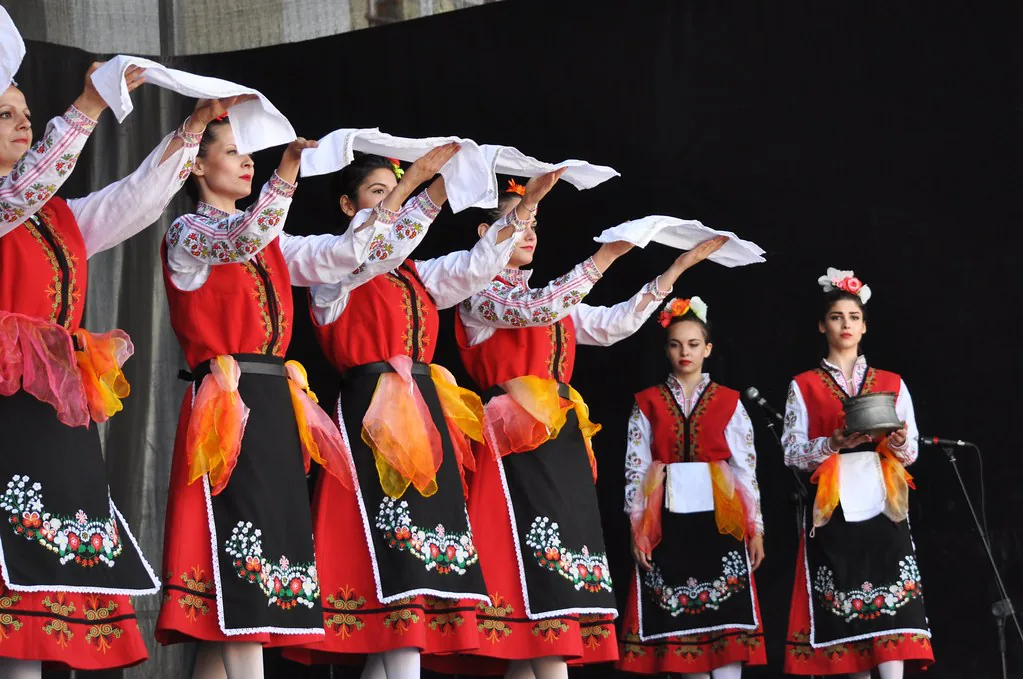
Bulgaria takes immense pride in its UNESCO Intangible Cultural Heritage, which includes several of the traditional gatherings listed in this article. Visitors should prepare for sensory overload, as the vibrant costumes and rhythmic folk dances are designed to be immersive rather than just observed. From high-altitude music festivals to village harvest feasts, the variety ensures there is something for every type of curious traveler.
10 Best Bulgaria Festivals to Experience in 2026
The following list is organized into three thematic clusters: Traditional Heritage, Nature and Harvest, and Modern Arts and Music. This grouping helps you align your travel dates with the specific types of cultural experiences you enjoy most while navigating the country. I have included specific details on reaching remote villages and the typical costs associated with these high-demand events.
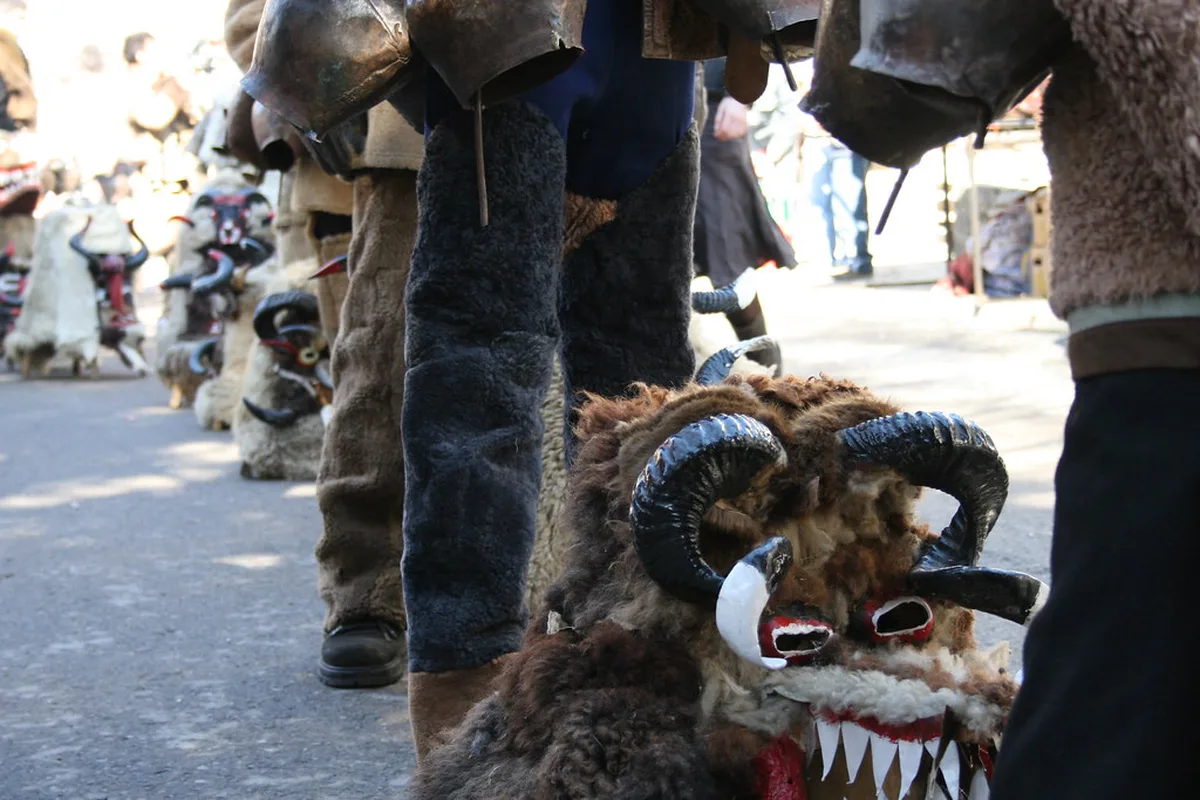
Traditional Heritage festivals often take place in smaller towns or rural areas where ancient customs that form the backbone of Bulgarian culture remain a vital part of daily life. During my first visit to the Surva festival, the deafening sound of thousands of copper bells actually rattled my chest as the dancers passed. These events are deeply atmospheric and require a bit more logistical planning regarding local transport and accommodation.
Nature and Harvest celebrations focus on the fertile lands of central Bulgaria, particularly the famous Rose Valley (kazanlak) Visitor Guide and the purple lavender fields. These festivals are timed to the peak blooming periods, offering incredible photography opportunities and a chance to see traditional essential oil production. Modern arts festivals, meanwhile, bring a contemporary energy to historic cities, with the A to Jazz Festival topping the list of Top Things To Do in Sofia and the International Folklore Festival anchoring a visit to Veliko Tarnovo in summer alongside coastal Sozopol.
- Surva International Festival of Masquerade Games (Pernik)
- This UNESCO-recognized event features thousands of participants wearing elaborate, scary kukeri masked rituals and heavy bells to ward off evil winter spirits.
- Street parades are free to watch, while grandstand seating usually costs $6–$12 per person and requires booking in advance.
- The festival occurs during the last weekend of January; check the Bulgaria in Winter: Complete Travel Guide guide for essential packing tips.
- Take the regional train from Sofia Central Station to Pernik for a cheap and easy 50-minute journey that avoids heavy traffic.
- The Rose Festival (Kazanlak and Karlovo)
- Centuries of tradition come alive during the rose harvest at the Rose Valley and Kazanlak Rose Festival, featuring morning picking rituals, street parades, and the crowning of the Rose Queen.
- Expect to pay $10–$20 for access to the ritual rose-picking fields, which usually open to the public daily from 5am to 10am.
- The peak celebrations happen during the first weekend of June, but the entire month is filled with smaller local events in the valley.
- Arrive at the fields by 5:30am to witness the most authentic rituals before the heavy midday heat and the largest crowds arrive.
- Zheravna Festival of National Costumes (Zheravna Village)
- This unique immersive event strictly forbids modern clothing, mobile phones, and plastic, requiring every attendee to wear a traditional Bulgarian folk costume.
- Entry fees typically range from $15–$25 for a three-day pass, and the festival grounds are open from Friday morning through Sunday afternoon.
- The event takes place in the middle of August in the architectural reserve of Zheravna, nestled deep within the Balkan Mountains.
- Rent your costume in Sofia or Plovdiv before traveling, as the few rental options in the village sell out months in advance.
- Meadows in the Mountains (Rhodope Mountains)
- This independent music and arts festival is famous for its sunrise sets and stunning views from a mountain peak near the village of Polkovnik Serafimovo.
- Full festival passes generally cost $150–$220, and the gates remain open 24 hours a day during the four-day event in June.
- Prepare for a rugged experience with limited infrastructure; check our guide for Bulgaria in Summer: 10 Essential Tips and Destinations to manage the mountain climate.
- Bring a very warm sleeping bag and a waterproof jacket, as mountain temperatures drop significantly once the sun goes down.
- Lavender Festival (Chirpan and Karlovo)
- Bulgaria is a global leader in lavender production, and this mid-June festival celebrates the purple bloom with concerts, workshops, and field tours.
- Most field visits are free, though special photography sessions or distillery tours may charge a small fee of $5–$15.
- The main events are centered in Chirpan and Karlovo, coinciding with the peak bloom before the harvest begins in late June.
- Visit the Ennyoff’s Day: Midsummer Wild herbs Celebrations for a deeper look at local botanical traditions.
- A to Jazz Festival (Sofia)
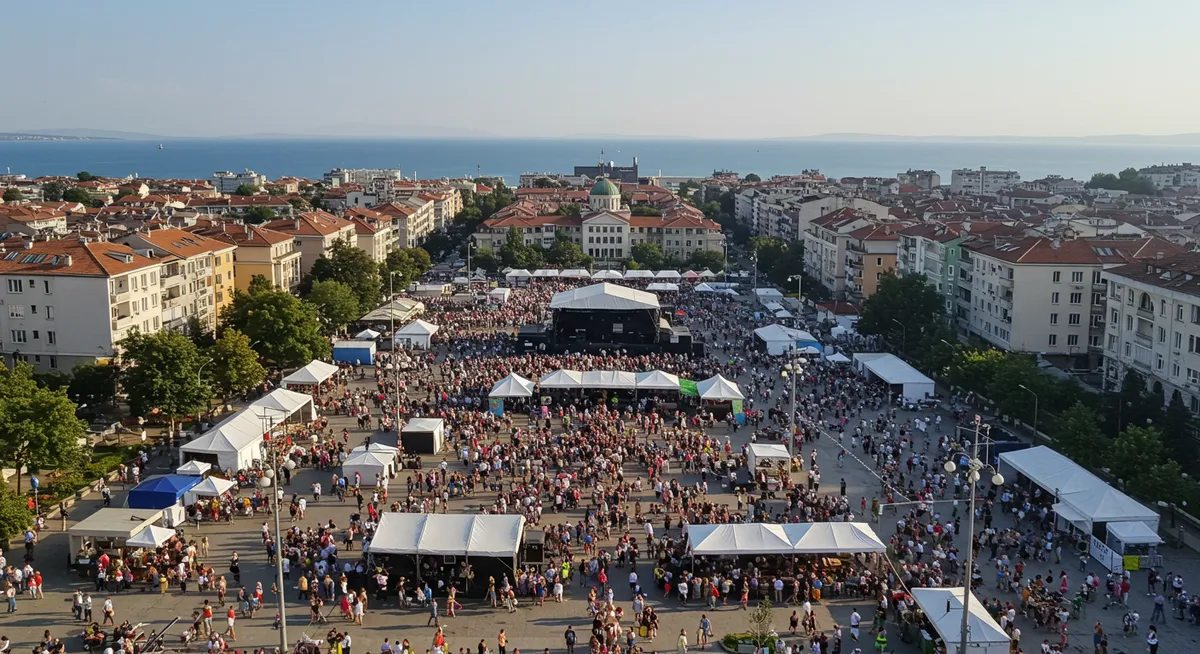
- This world-class jazz festival transforms Sofia's South Park into a massive open-air concert venue featuring international headliners and local talent.
- Admission is entirely free for the public, with music typically starting in the late afternoon and continuing until 11pm over three days in July.
- The festival is located in central the capital, making it easily accessible via the Sofia Metro M2 line (European Union station).
- Bring a picnic blanket and arrive at least two hours before the headliner to secure a good spot on the grass.
- International Bagpipe Contest (Gela Village)
- Thousands of people gather in a high mountain meadow to hear the powerful sounds of the kaba gaida, the traditional Bulgarian low-pitched bagpipe.
- The event is free to attend and takes place annually during the first weekend of August in the remote Rhodope village of Gela.
- Most visitors camp on the surrounding hillsides, as local guesthouses are often booked out a full year in advance by performers.
- Walk up the hill to the early morning sound checks to hear the pipes echoing through the valley without the afternoon crowds.
- International Folklore Festival (Veliko Tarnovo)
- Dancers and musicians from across the globe perform in the historic capital, showcasing a diverse range of traditional arts in an ancient setting.
- Evening concerts at the Marno Pole Park are usually free, while some special gala performances may require a $5–$10 ticket.
- The festival runs for two weeks in July, often featuring the 19th International Festival of Military Brass Bands as a highlight.
- Stay for the late-night 'Sound and Light' show at Tsarevets Fortress, which often runs concurrently with festival dates.
- Apollonia Arts Festival (Sozopol)
- This prestigious ten-day event marks the end of summer with a rich program of theater, cinema, literature, and classical music in the Old Town.
- Individual event tickets cost between $10 and $30, with most venues opening for evening sessions starting at 6pm in late August.
- Sozopol is a coastal gem; travelers should consult the Bulgaria in Autumn: 7 Best Things to Do and See guide for weather transitions during the festival.
- Book a hotel in the Old Town to be within walking distance of the various amphitheaters and gallery spaces used for performances.
- Chiprovtsi Carpets Festival (Chiprovtsi)
- This festival celebrates the world-renowned hand-woven kilims of Chiprovtsi, which are recognized by UNESCO for their unique patterns and techniques.
- The main square hosting the demonstrations is free to enter, while the local history museum charges a nominal fee of about $3.
- The event usually takes place over a weekend in late April or early May, focusing on live weaving demonstrations and carpet sales.
- Purchase a small woven coaster or wall hanging directly from the weavers to support the continuation of this ancient craft.
Practical Tips for Navigating Local Bulgaria Festivals
Planning a trip around Bulgaria festivals requires a mix of early booking and local flexibility, especially for events in small mountain villages. I recommend booking your accommodation at least six months in advance for the Rose Festival in Kazanlak and the Bagpipe Contest in Gela. Public transport can be sparse in rural areas, so renting a car is often the most reliable way to reach festivals like Zheravna or Meadows in the Mountains. Cross-check exact dates against the official Bulgaria Travel events listings before you book, as several village festivals shift by a week to align with the harvest or the church calendar.
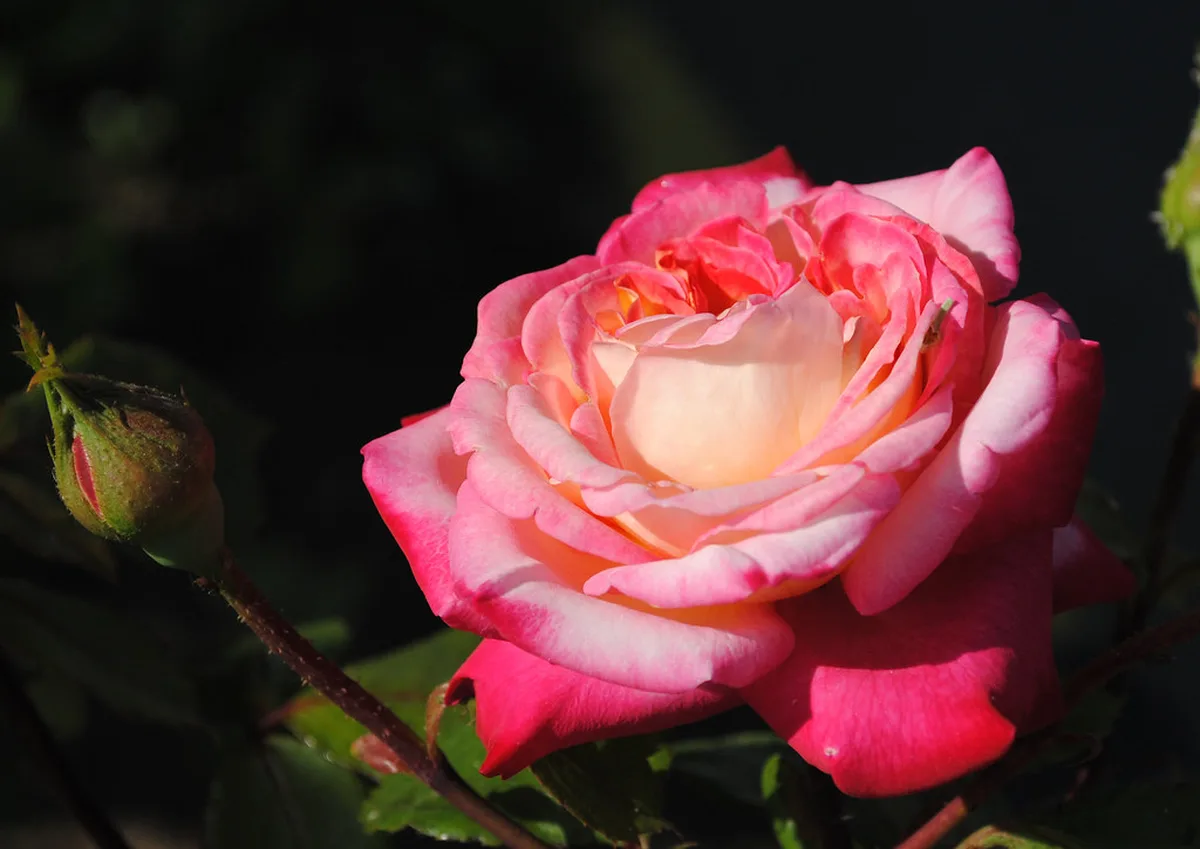
💡 Good to know: For the Rose Festival, book a base in Kazanlak (not Sofia) and set a 4:30am alarm — the rose fields open to the public from 5am to 10am, and the most photogenic, least-crowded picking happens before 6am. A daypack with water, a hat, and cash for the $10–$20 field-access fee is all you need.
When it comes to an honest editorial take, you should skip the overpriced 'VIP' rose-picking sessions in the center of Kazanlak that target large tour buses. These sessions often feel staged and lack the magical atmosphere of the actual dawn harvest in the outlying village fields. Instead, head to the smaller villages like Rozovo or Karlovo where the experience remains focused on the workers and the actual agricultural tradition.
Festival etiquette is generally relaxed, but you should always ask for permission before taking close-up portraits of performers in traditional costumes. In Zheravna, the rules are strictly enforced, so do not attempt to sneak in a smartphone or wear modern sneakers, as you will likely be asked to leave. For more detailed advice on navigating the country, you can browse the Bulgaria travel blog for regional insights and seasonal updates.
Is Bulgaria Worth Visiting for Festivals?
Bulgaria is absolutely worth visiting for its festivals if you value authentic heritage over polished, commercialized tourist spectacles. Unlike many Western European events that feel like theme parks, Bulgarian traditions remain deeply connected to the local community's identity. The cost of attendance is significantly lower than similar cultural events in neighboring countries, making it an excellent choice for budget-conscious travelers.
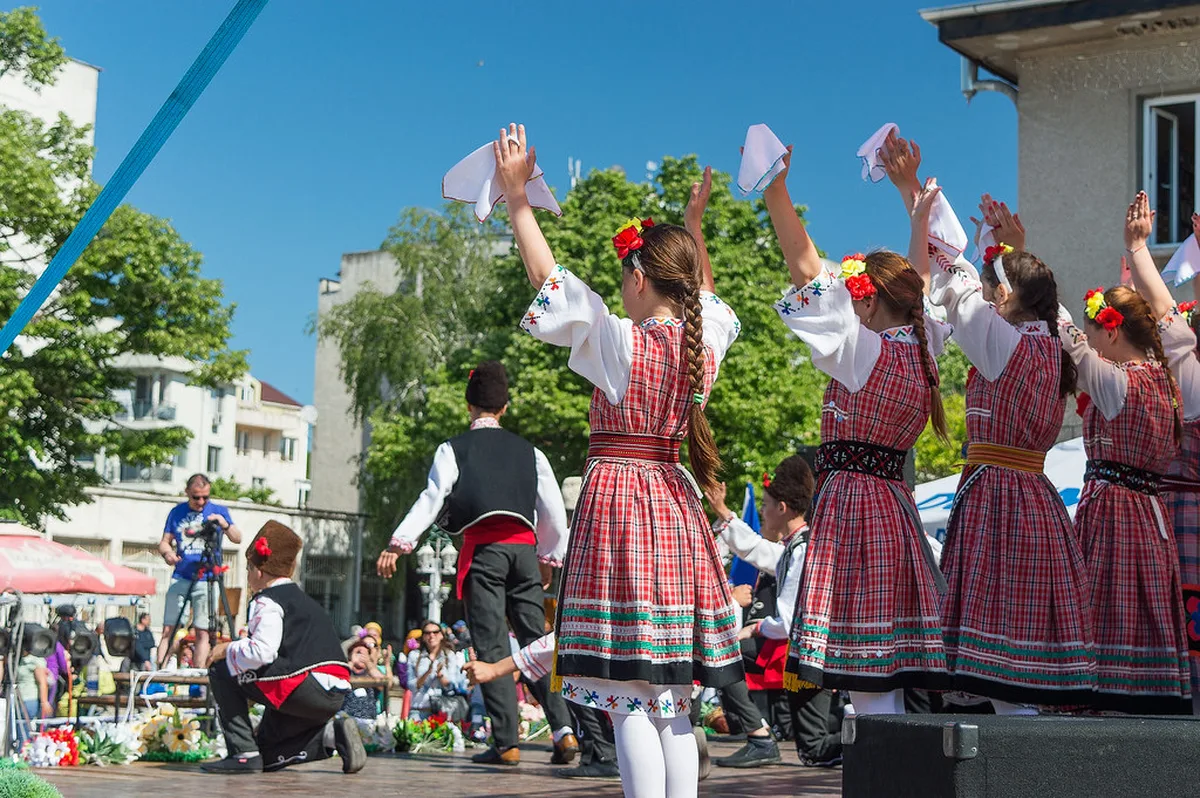
💡 Good to know: Most village folklore festivals are free or under $25, but many are paid in cash only — there are rarely ATMs in places like Gela, Zheravna, or Chiprovtsi. Withdraw 100–150 BGN (about $55–$85) in Sofia or Plovdiv before you set off, and keep small notes for food stalls and craft sellers.
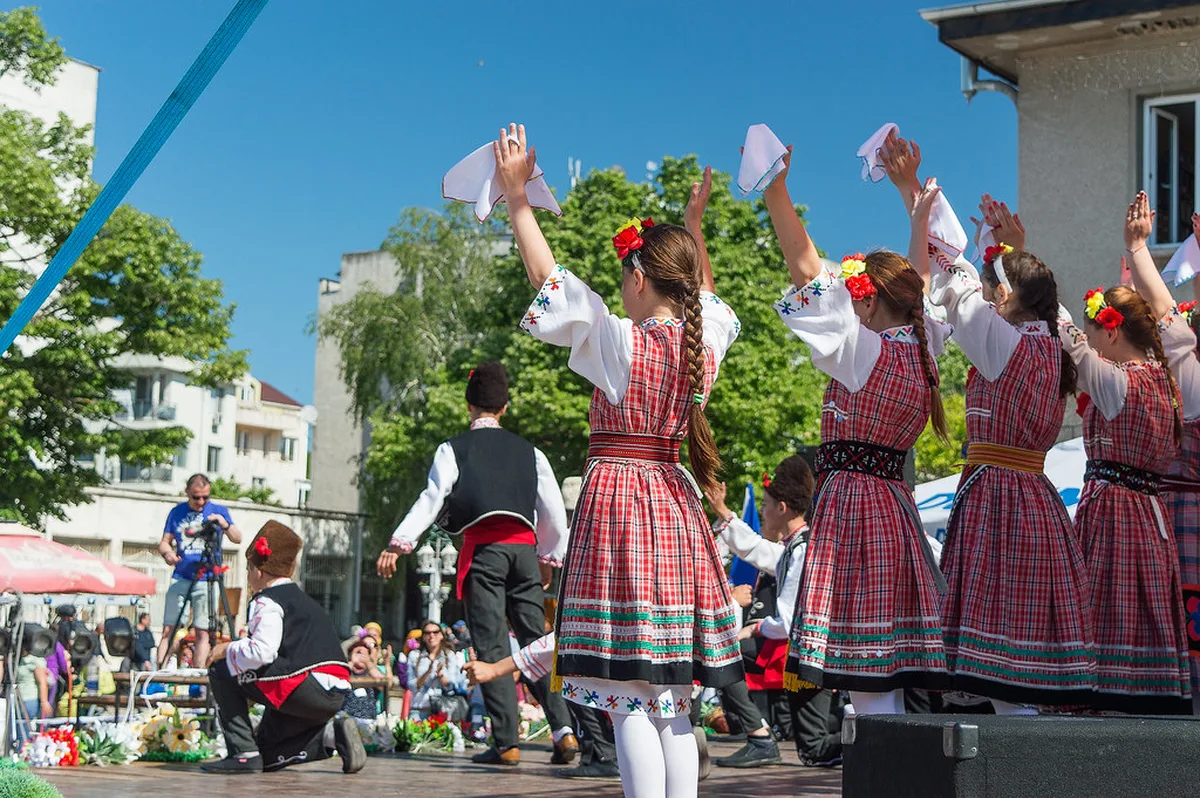
You will find that the hospitality during these events is exceptional, with locals often inviting visitors to join in the Horo (circle dance). The combination of stunning natural landscapes and ancient rituals creates a travel experience that stays with you long after the music stops. Whether you are an ethnomusicology fan or just a curious traveler, the Bulgarian festival calendar offers a unique and unforgettable journey.
Bulgaria's Public Holidays in 2026 (and What Closes)
Beyond the folklore calendar, it helps to know Bulgaria's official public holidays, because banks, government offices, and many small shops close on these dates. The key ones for 2026 are New Year's Day (January 1), Liberation Day (March 3), Orthodox Easter (April 10–13, a four-day weekend), Labour Day (May 1), St. George's Day and the Day of Bulgarian Army (May 6), the Day of Bulgarian Education and Culture (May 24), Unification Day (September 6), Independence Day (September 22), and Christmas (December 24–26).
Two of these overlap directly with celebrations in this guide: May 24 fills towns with parades honouring the Cyrillic alphabet, while the long Easter weekend brings village church feasts and traditional egg-tapping. When a public holiday lands on a weekend, Bulgaria usually shifts the day off to the following Monday, creating long weekends when domestic travel and accommodation prices spike. Plan museum visits and intercity buses around these dates, as schedules thin out and the most popular sites in Sofia and Plovdiv fill quickly with local visitors.
Continue planning: Use Best Time To Visit Bulgaria: Seasonal Weather & Travel Guide and Bansko Ski Season: 9 Essential Insights for Your Trip to connect this guide with the rest of your Bulgaria itinerary.
Frequently Asked Questions
What is the most famous festival in Bulgaria?
The Rose Festival in Kazanlak is the most famous, attracting thousands of international visitors every June. It celebrates the country's status as a top producer of rose oil through colorful parades and traditional harvesting rituals.
When is the Rose Festival in Bulgaria 2026?
The main celebrations for the Rose Festival are scheduled for the first weekend of June 2026. However, ritual rose picking in the surrounding villages typically begins in late May and continues through the first half of June.
What should I wear to the Zheravna Festival?
You must wear a traditional Bulgarian folk costume to enter the Zheravna Festival grounds. Modern clothing, including jeans and sneakers, is strictly prohibited to maintain the event's 19th-century atmosphere and immersive experience.
Bulgaria festivals are more than just events; they are a vibrant preservation of Bulgarian Traditions and Customs: A 2026 Guide that have survived for millennia. From the clanging bells of the Kukeri to the delicate scent of the Rose Valley, these experiences offer a profound connection to the land and its people. By planning your 2026 visit around these dates, you ensure a trip filled with authentic moments that few other destinations can match.
Remember to book your transport and lodging early, respect the local traditions, and don't be afraid to join the dance. Bulgaria is waiting to share its magic with you through the rhythm of its ancient drums and the warmth of its mountain villages.