Bulgaria in Autumn: 7 Best Things to Do and See
The best time for most autumn trips is from mid-September to mid-October, when Bulgaria's golden light accompanies warm days and crisp, cool nights. This guide covers everything you need for a fall trip.
You will find thinner crowds and much lower prices than in the peak summer months. It is an ideal time for exploring both the mountains and the historic cities. Many travelers overlook this transition period between the heat and the snow. However, the mild conditions make it the Best Time To Visit Bulgaria: Seasonal Weather & Travel Guide for active explorers.
Bulgaria's golden vineyards and misty mornings evoke a classic poetic atmosphere in every valley, and the country's centuries-old winemaking tradition is at its most vivid during the autumn harvest. You can enjoy the outdoors without the intense July sun or the winter frost. Autumn is a rewarding shoulder season in the Balkan travel calendar.
Weather Expectations: The English Summer Phenomenon
Bulgaria experiences a unique weather pattern during the early autumn months. Locals often refer to October as an "English Summer" due to its mild, pleasant warmth. Temperatures typically range from 18–24°C / 64–75°F during the day. This creates a comfortable atmosphere that feels like a Northern European July.
The sunshine remains strong, providing roughly six to seven hours of light daily. Coastal areas like Varna in autumn and Burgas retain their heat longer than the inland plains. According to data from the National Institute of Meteorology, rainfall is generally low in September. You should prepare for a sharp drop in temperature once the sun sets.
Mountain regions experience much more variability during this transitional time. High-altitude peaks may see their first dusting of snow as early as late October. The valleys remain lush and green well into the middle of the season. Check the Bulgaria Weather By Month: A Complete Seasonal Travel Guide for detailed regional climate statistics.
Season Comparison: Autumn Month by Month
Each month of autumn brings a distinct character to the Bulgarian landscape. September feels like a gentle extension of summer but without the exhausting heatwaves. Prices for accommodation start to drop significantly after the first week of the month. You can still swim in the Black Sea during the first half of September.
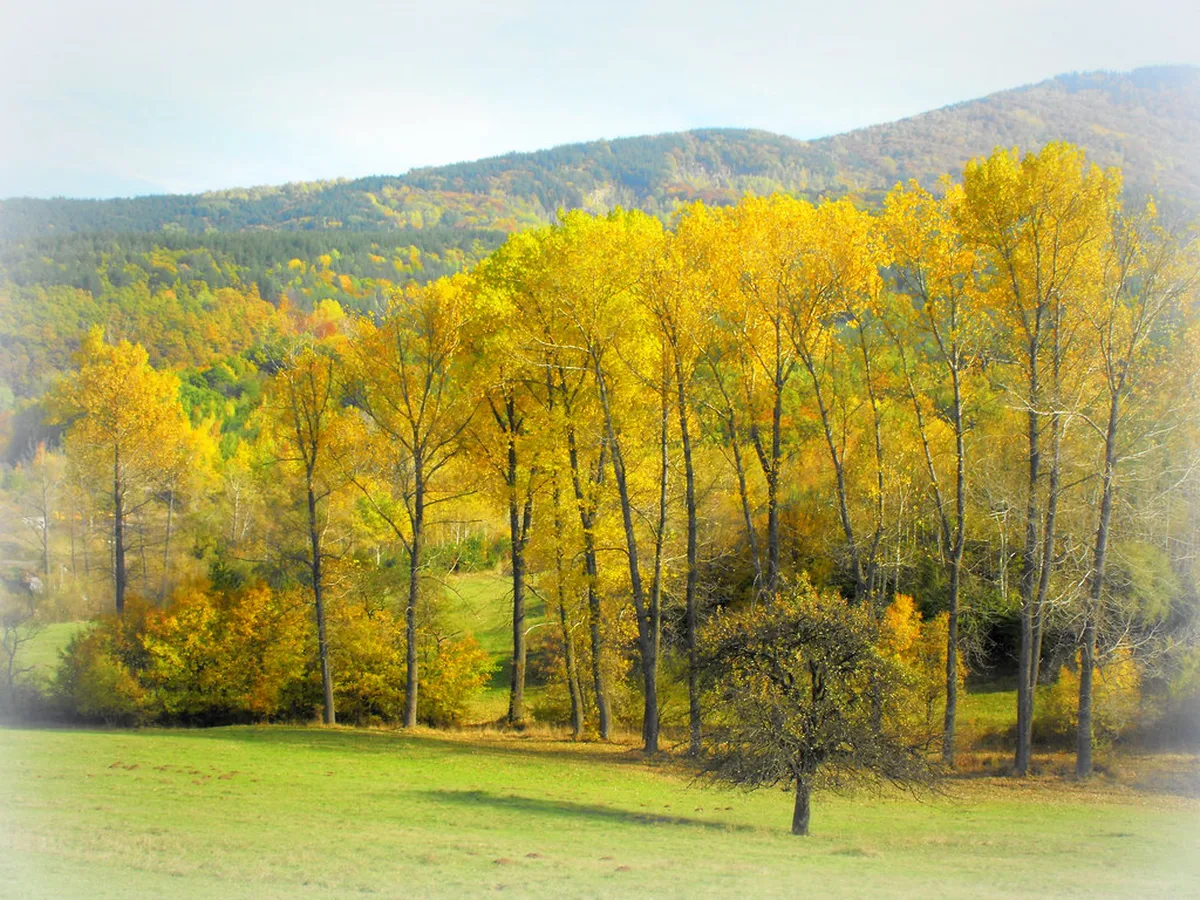
October is the peak time for foliage and traditional harvest festivals. The air becomes crisper, and the mountain forests turn into a sea of gold. Most cultural events in cities like Sofia and Plovdiv are in full swing. It is the most photogenic month for visiting ancient monasteries and ruins.
November marks the true arrival of the cold, with gray skies becoming more common. Tourist numbers hit their lowest point, making it the cheapest time to travel. You will find the cities cozy with bustling cafes and early holiday decorations. It is a quiet time before the Bansko Ski Season becomes relevant.
| Month Range | Average Temp | Crowd Level | Price Range | Events | Best for |
|---|---|---|---|---|---|
| Mid-Sept to Early Oct | 20–25°C / 68–77°F | Low | Moderate | Wine Harvest | Beach & Hiking |
| Mid-Oct to Early Nov | 10–18°C / 50–64°F | Very Low | Low | Fall Foliage | Photography |
| Mid-Nov to Late Nov | 2–8°C / 35–46°F | Empty | Cheapest | Zimnina Ends | City Breaks |
Best Regions for Autumn Colors and Hiking
The Rhodope Mountains offer the most spectacular fall foliage in the country. Deciduous forests turn brilliant shades of orange, red, and deep gold. Late-September hikes near Shiroka Laka can bring clear mountain visibility and cool breezes. The soft limestone cliffs provide a stunning contrast to the vibrant autumn leaves.
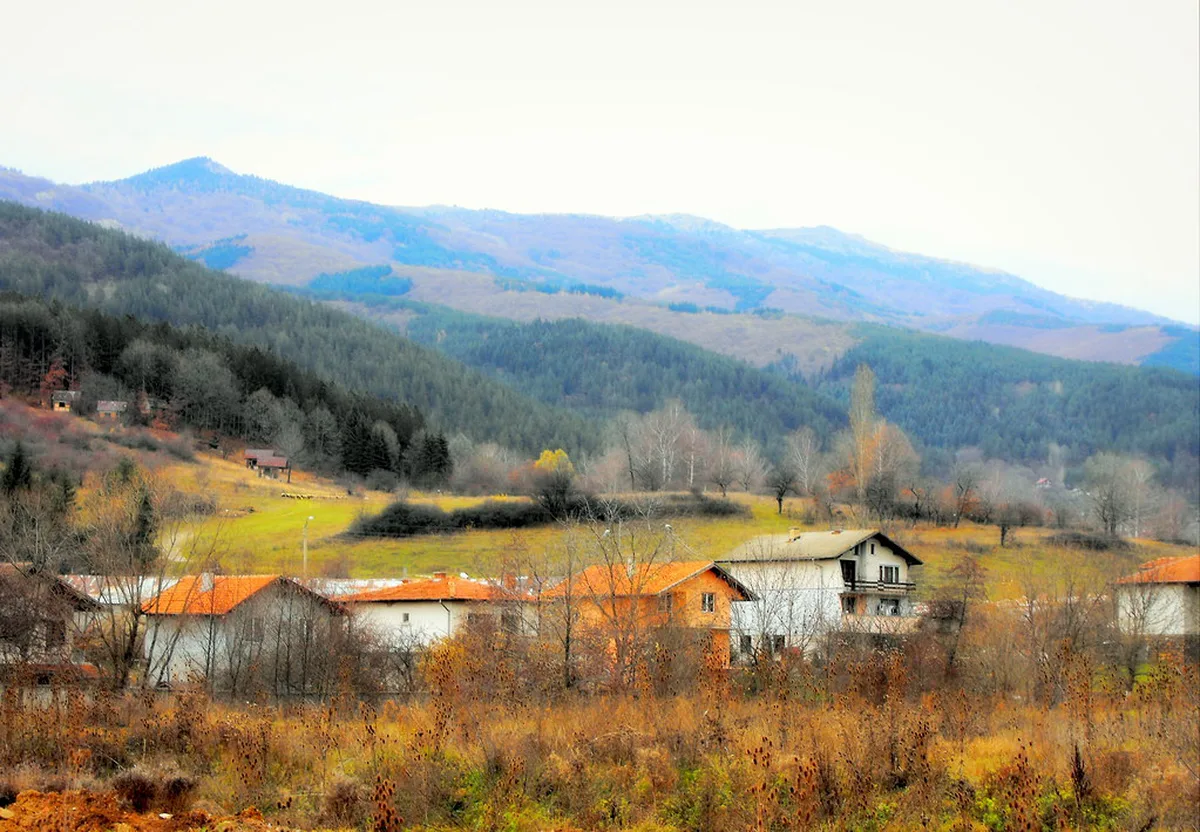
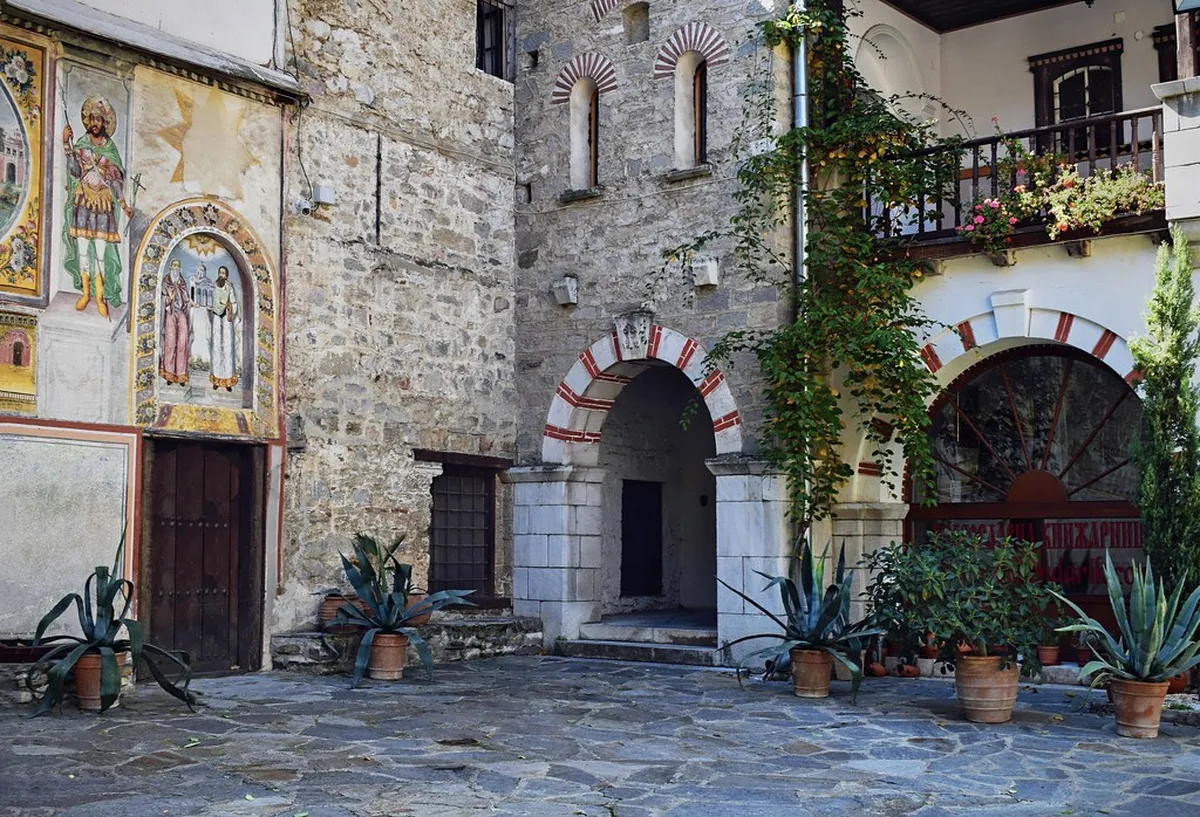
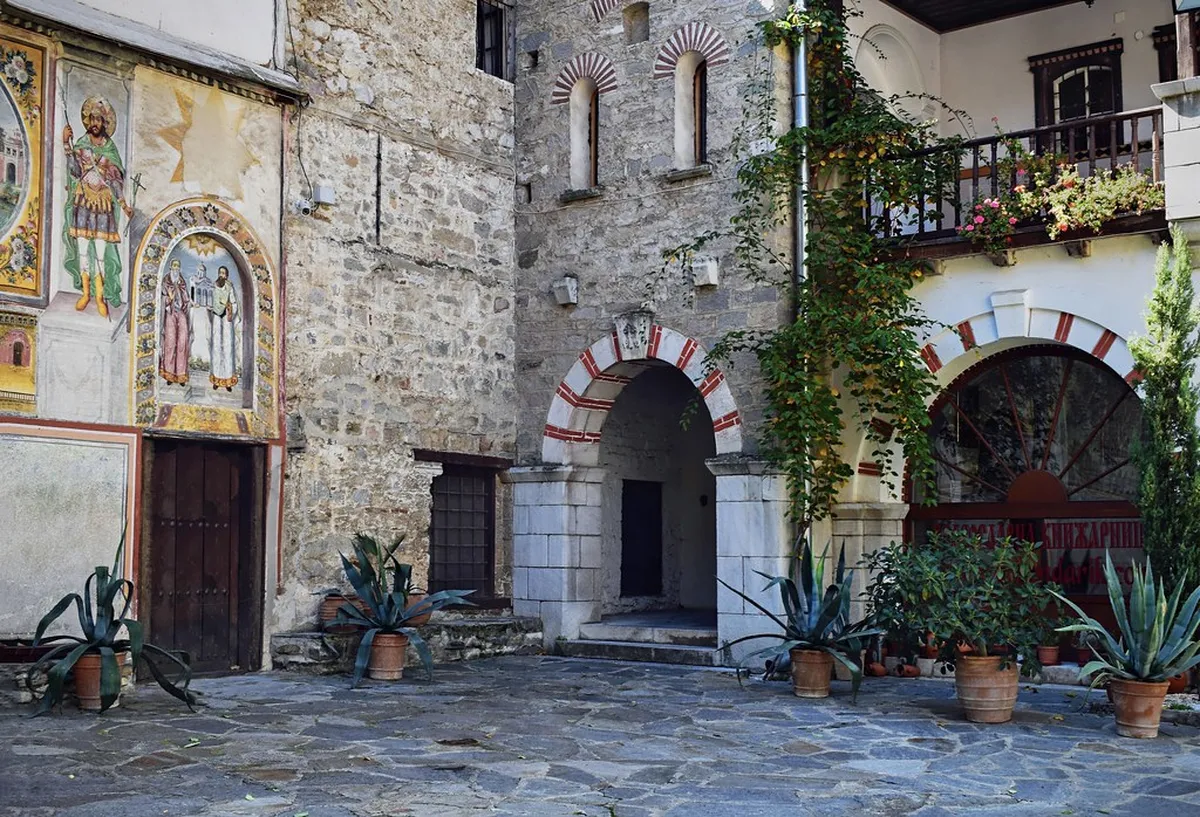
You should visit the Rila Monastery Visitor Guide to see it surrounded by flaming beech trees. The mountain air here is incredibly fresh and carries the scent of pine. Trails around the Seven Rila Lakes Visitor Guide remain accessible until the first heavy snows. Always check local trail reports before heading into high-altitude areas in October.
Plovdiv in autumn is another must-visit destination during the autumn months. The Old Town looks stunning against the backdrop of changing leaves. You can walk the cobblestone streets without the sweltering heat of August. Many local art galleries hold special exhibitions during this vibrant season.
💡 Good to know: Peak foliage in the Rhodopes usually lands in the second and third weeks of October, but it shifts week to week with elevation. Book mountain guesthouses 2–4 weeks ahead for that window — small villages like Shiroka Laka have very few rooms, and they fill fast on weekends.
Local Traditions: Harvesting and Food Preservation
Autumn is the time for "Zimnina," the traditional preparation of winter food stores. Families gather to roast peppers for Lyutenitsa, a savory red pepper spread. The smell of charred vegetables fills the air in every village and town. This cultural ritual is a core part of the Bulgarian seasonal identity.
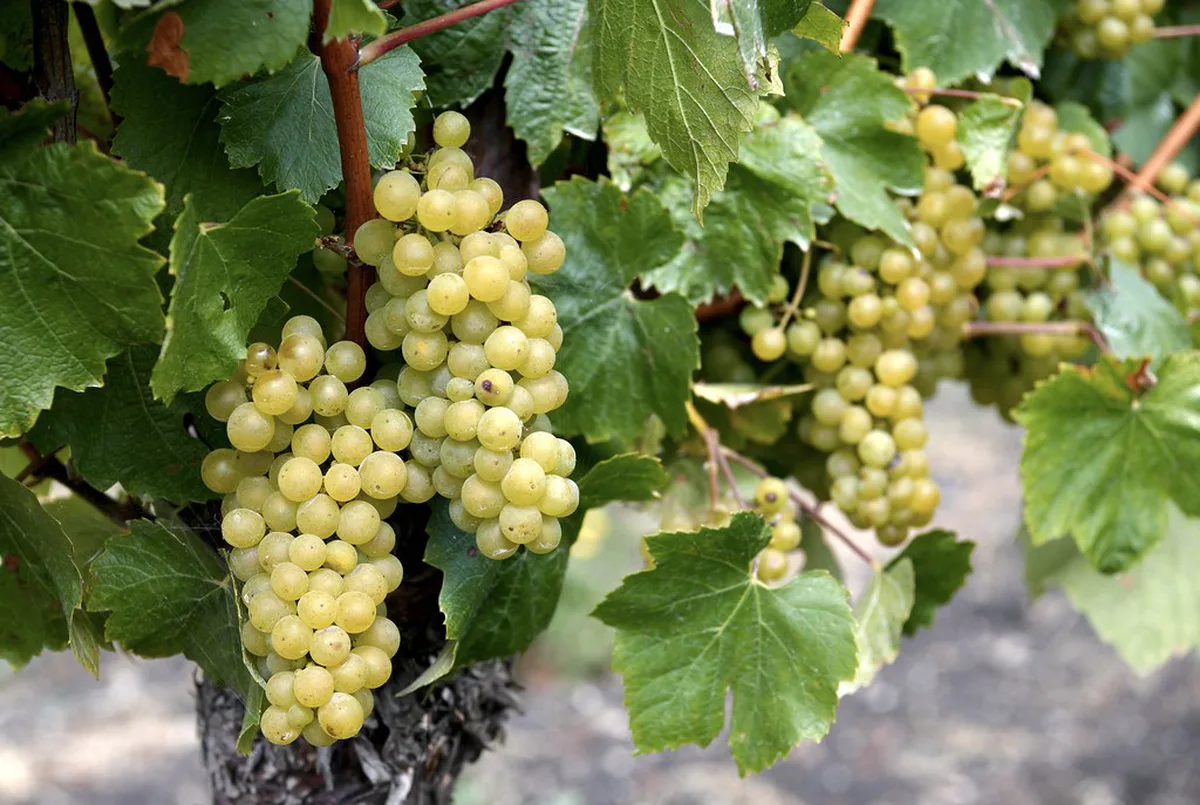
The 10 Best Bulgaria Festivals often coincide with these local harvest celebrations. You can witness wine festivals in the Thracian Valley or in Melnik, Bulgaria's smallest town and a historic winemaking hub, during this time. Grapes, walnuts, and pumpkins are at their peak flavor in October. It is a fantastic season for culinary enthusiasts to explore local markets, and the official Bulgaria travel portal lists regional harvest events worth timing your trip around.
Traditional tavernas, known as Mehanas, begin serving heartier seasonal dishes. Look for slow-cooked stews and roasted root vegetables on the menu. Freshly pressed grape juice is a common treat found at roadside stands. The abundance of the harvest makes dining out a highlight of the trip.
Birdwatching and Wildlife on the Via Pontica
The "Via Pontica" is one of Europe's most important bird migration routes. Thousands of storks and pelicans fly over the Black Sea coast in September. You can visit the Atanasovsko Lake Visitor Guide near Burgas to see this natural spectacle. The cool autumn winds help the birds on their long journey south.
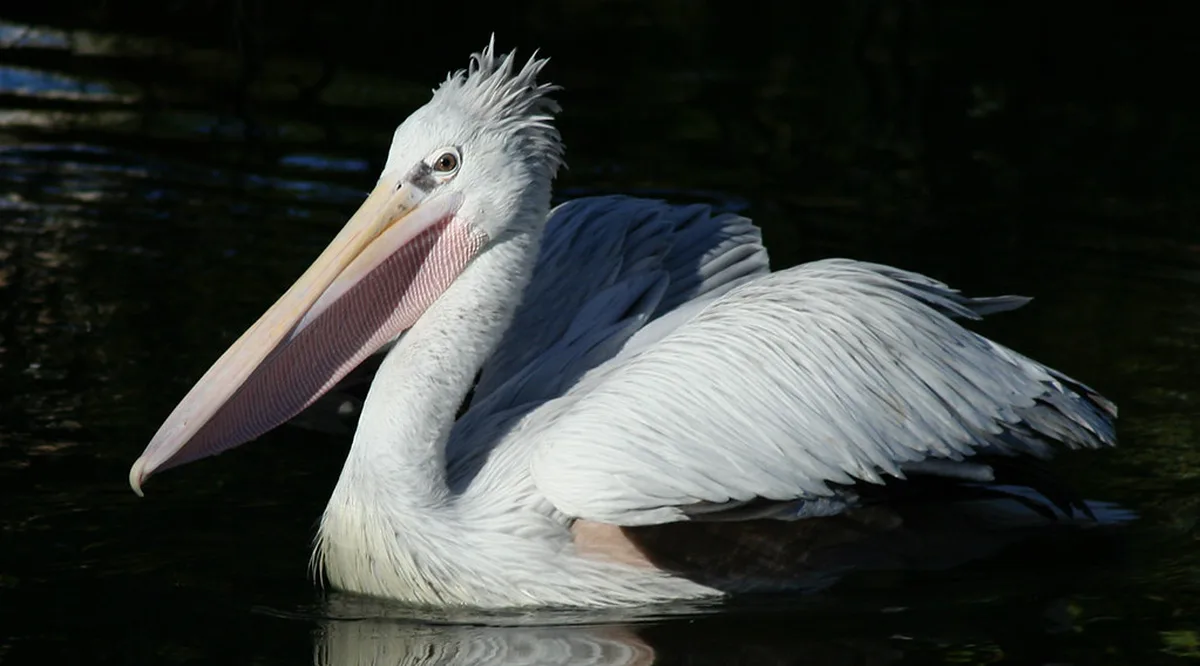
Birdwatchers should also explore the Durankulak Lake in the far north. Rare species often stop here to rest before crossing the Balkan Mountains. The marshes are alive with activity during the early morning hours. It is a peaceful time to enjoy the wilder side of the Bulgarian coast.
Wildlife enthusiasts might also spot deer or wild boars in the mountain forests. The thinning foliage makes it easier to see animals through the trees. Guided nature tours are available but often require advance booking in the shoulder season. Bring a good pair of binoculars to make the most of your visit.
Pick X If: Choosing Your Autumn Window
Deciding when to visit depends heavily on your primary travel interests. Early autumn is perfect for those who still want a taste of summer. Late autumn suits travelers who prefer solitude and cozy indoor atmospheres. Each window offers a different set of advantages for your budget.
Consider the regional differences when planning your specific dates. The coast stays mild while the mountains prepare for the coming winter. Cities like Sofia remain vibrant and active regardless of the cooling weather, with plenty of things to do in Sofia in autumn. Use these recommendations to find your perfect Bulgarian autumn experience.
- Pick mid-September if you want
- Warm sea swimming and active beach bars
- Pick early October if you want
- The best fall foliage and harvest festivals
- Pick late October if you want
- Lowest prices and empty historical sites
- Pick November if you want
- Cozy city breaks and museum hopping
What to Pack for Bulgaria's Variable Climate
Bulgaria's climate varies significantly between the coast and the inland mountains. You will need versatile layers to handle the changing daily temperatures. Morning frost is common in the Rhodopes even when afternoons are quite warm. A sturdy pair of waterproof boots is essential for autumn hiking.
The wind along the Black Sea can feel quite sharp in October. I recommend bringing a windproof jacket for coastal walks or birdwatching. Evening temperatures can drop quickly, so a warm sweater is a must. Don't forget an umbrella for the occasional heavy autumn rain showers.
💡 Good to know: Pack for a 10–15°C swing between midday and night, not for one temperature. A merino base layer plus a packable down jacket covers nearly every autumn condition in one small bag. Budget travelers can find autumn double rooms in Sofia or Plovdiv for around 40–60 BGN (€20–30) — roughly half the July rate.
- Clothing layers for the day
- Breathable t-shirts and light fleece jackets
- Footwear for various terrains
- Waterproof hiking boots and comfortable sneakers
- Outerwear for evening chill
- A medium-weight insulated jacket or coat
- Practical accessories for weather
- A compact umbrella and polarized sunglasses
Practical Logistics: What's Closed in Low Season
Most large coastal resorts in Sunny Beach and Golden Sands close by late September. Seasonal ferries between Nesebar and Sozopol usually stop running after the first week of October. Many beachside tavernas and nightclubs shut their doors until the following May. This is a big shift from Bulgaria in Summer: 10 Essential Tips and Destinations when these areas are packed.
Mountain huts may also limit their services as the first snow arrives in November. You should verify hut availability if you plan high-altitude treks in the Rila range. Some smaller museums in remote villages might have reduced opening hours. Contrast this with Bulgaria in Winter: Complete Travel Guide, when mountain towns like Bansko come alive.
Public transport schedules often shift to winter hours starting in October. Bus frequencies to smaller mountain villages may decrease during the week. However, major routes between Sofia, Plovdiv, and Varna remain very reliable. Always double-check the latest timetables at the local bus stations.
Can You Sunbathe in Bulgaria in October?
You can still catch some beach time in early October, but the window is short. Sea temperatures along the Black Sea coast hover around 19–21°C / 66–70°F in the first week or two, warm enough for a quick swim on a sunny afternoon, while air temperatures often reach 20–24°C / 68–75°F at Varna and Burgas. This is the tail end of the swimming season rather than reliable sunbathing weather.
By mid-October the picture changes fast. Daytime highs slide toward 15–18°C / 59–64°F, cloud cover increases, and the sea cools below comfortable swimming temperatures. The wind off the water also makes lying on the sand feel cooler than the thermometer suggests. Most beach bars and sunbed rentals have already closed for the season by then.
If sunbathing is your priority, aim for the first ten days of October at the latest and base yourself on the southern coast around Sozopol, which holds its warmth slightly longer. For everyone else, October is better spent on the foliage trails and harvest festivals inland than chasing fading beach days.
Continue planning: Use Best Time To Visit Bulgaria: Seasonal Weather & Travel Guide and Bansko Ski Season: 9 Essential Insights for Your Trip to connect this guide with the rest of your Bulgaria itinerary.
Frequently Asked Questions
Is October a good time to visit Bulgaria?
Yes, October is excellent for sightseeing and hiking. You will enjoy mild temperatures and beautiful fall foliage. Prices are also significantly lower than in the summer months.
What is the weather like in Bulgaria in autumn?
Early autumn is warm and sunny, often reaching 24°C / 75°F. Late autumn becomes much cooler with more frequent rain. Mountain areas can see frost or light snow by November.
Are tourist attractions open in Bulgaria during the autumn?
Major city attractions and monasteries remain open year-round. However, coastal resorts and some mountain huts close by October. Always check specific hours for smaller village museums.
Bulgaria in autumn is a season of golden landscapes and rich cultural traditions. Whether you are birdwatching on the coast or hiking in the Rhodopes, the beauty is undeniable. The mild weather and lower costs make it a smart choice for any traveler. Plan your trip for mid-September to mid-October to experience the very best of the season.
Don't miss the chance to taste fresh Lyutenitsa or explore the ancient streets of Plovdiv. The "English Summer" of the Balkans is waiting to be discovered. Pack your layers and get ready for an unforgettable autumn adventure in Bulgaria.