Your Ultimate Guide: How to Get from Sofia to Bansko
Bansko sits about 160 km south of Sofia in the Pirin Mountains — close enough that most travelers treat it as an easy half-day journey, far enough that the wrong transport choice can eat your first afternoon on the slopes. This guide covers every option for 2026: public bus, shared shuttle, private transfer, rental car, and the infamous slow train. Prices, departure points, booking links, and the practical details that most guides bury or skip entirely.
The quickest summary: the direct bus from Sofia Central Bus Station costs 20–30 BGN (around €10–15) and takes 2.5–3 hours. Private transfers from Sofia Airport run from €70 upward for a car and drop you at your hotel door. Everything else falls somewhere between these two extremes in cost, time, and effort.
For a practical look at navigating the metro and bus route from Sofia Airport to Bansko, this video walks through the exact journey step by step:
Overview of Sofia to Bansko Transport Options
Five realistic ways exist to make this journey. Each one suits a different traveler profile. The table below gives you the headline numbers so you can make a quick decision before reading the detail.
- Public bus — 20–30 BGN (~€10–15) per person, 2.5–3 hours, departs Sofia Central Bus Station, no booking required for most departures.
- Shared shuttle — 25–45 EUR per person, ~2.5 hours, door-to-door from Sofia Airport, advance booking required.
- Private transfer — from €70 for a car (up to 3 passengers), ~2–2.5 hours, fully flexible pick-up point and timing.
- Rental car — from €20–40/day plus fuel (~€15 one-way), ~2–2.5 hours driving, best if you plan to explore the wider region.
- Train — 8–12 BGN (~€4–6), 7–8 hours with a change at Septemvri, scenic but impractical for a ski trip.
| Mode | Time | Cost |
|---|---|---|
| Public Bus | 2.5–3 h | 20–30 BGN (~€10–15) |
| Shared Shuttle | ~2.5 h | 25–45 EUR |
| Private Transfer | 2–2.5 h | €70–90 |
| Rental Car | 2–2.5 h | €20–40/day + €12–15 fuel |
| Train | 7–8 h | 8–12 BGN (~€4–6) |
Winter conditions between December and March can add 30–60 minutes to any road journey. The road from Sofia follows the A3 motorway before cutting south through Razlog toward Bansko. Snow and ice on the final mountain stretch are common in January and February — private and shared transfers use drivers familiar with those conditions; rental car drivers need winter tyres.
Public Bus: The Local's Choice
The public bus is the most popular option for budget travelers and anyone already in Sofia city center. Direct buses run from Sofia Central Bus Station to Bansko multiple times per day. Typical departure times from the Central Bus Station are 08:30, 09:45, 11:25, 13:15, 14:00, and 16:45 — but always check the times from Sofia to Bansko here before you travel, as schedules change seasonally. Tickets cost 20–30 BGN and can be bought at the station counter on the day. During school holiday peaks (January, February half-term) it is worth booking at least the day before.
One detail that trips up first-timers: there is also a bus from Sofia directly from the airport. This airport-direct service departs at approximately 16:30 and operates only once daily. If your flight lands before that time and you can make it, it is the easiest route straight to Bansko. Miss it, and you will need to get to the Central Bus Station first. A second point of confusion: some Bansko-bound services depart from Ovcha Kupel bus station on the western outskirts of Sofia, not from the Central Bus Station. Verify your departure point when buying your ticket — the platform staff will tell you clearly if you ask "Банско?" (Bansko in Cyrillic).
Not all buses leave from Central Bus Station. Some Bansko-bound services depart from Ovcha Kupel station on Sofia's western outskirts. Always confirm your departure point with staff when buying your ticket — ask "Банско?" to clarify, and avoid a rushed taxi ride across town.
To reach the Central Bus Station in Sofia from the airport, take the metro from Terminal 2. The airport sits at the end of the yellow line; switch to the blue line at Serdica and ride two stops to the Central Station. The whole journey costs roughly 1.60 EUR and takes about 25 minutes. You can check different metro lines and timetables for the Sofia metro here. If you prefer a taxi, use OK Supertrans (number 9732121 on the car door) — the fare to Central Bus Station should not exceed €10–12.
On board the bus, large luggage stored in the undercarriage costs a small fee, typically 1–2 BGN. The ride takes 2.5–3 hours with one short rest stop. Buses arrive at Bansko's central bus station, which is at the bottom of town; your accommodation will almost certainly be uphill from there. A short taxi to most hotels costs 5–10 BGN.
Shared Shuttles: Budget-Friendly and Efficient
Shared shuttles bridge the gap between the cheapest bus and the convenience of a private transfer. You share the vehicle with other travelers — typically 6–12 people — and pay per seat rather than per vehicle. Prices usually run 25–45 EUR per person each way. Most shuttle operators pick up directly from Sofia Airport arrivals, which means you avoid the metro-to-bus-station step entirely.
The trade-off is flexibility. Shared shuttles run on fixed schedules and may make two or three pick-up stops before heading south, adding 20–30 minutes to the journey. They require advance booking — same-day availability in peak winter weeks is rare. Services like SkiBansko.bg operate regular shared departures in the ski season. Journey time is typically 2.5 hours once rolling.
Shared shuttles are ideal for solo travelers or pairs arriving at the airport who want door-to-door delivery to their Bansko hotel without the cost of a full private car. They also work well for groups where individuals have different arrival flights — book the same later shuttle and everyone lands in Bansko together.
Private Transfers: The Most Convenient Option
A private transfer means the vehicle — and the driver — is booked exclusively for your group. No waiting for other passengers, no fixed schedule, and direct drop-off at your accommodation. From Sofia Airport, the journey takes roughly 2–2.5 hours in normal conditions. Prices start around €70–90 for a standard car carrying up to three passengers. Larger vehicles (minivans for up to 7–8 people with ski bags) cost proportionally more but often represent the best per-head value for groups of four or more.
The operational logic is simple: your driver meets you in the arrivals hall holding a sign with your name, loads the luggage, and heads straight to Bansko. Most operators monitor live flight data and adjust pick-up time if your flight is delayed — a significant advantage over the bus when you are arriving on an international flight with no precise landing window. Booking via SkiBansko.bg or comparable operators is straightforward online; confirm child seat requirements and ski bag capacity at booking time.
Private transfers make financial sense for groups of three or more once you factor in the cost of metro tickets, bus station waiting time, and the uphill taxi at the Bansko end. They are the default choice for families with young children or anyone arriving with a full set of ski equipment.
Renting a Car: Freedom to Explore
Renting at Sofia Airport gives you flexibility that no other option matches. You can stop en route (the Rila area is roughly halfway), set your own schedule, and use the car for day trips from Bansko to Melnik, the Rila Monastery, or surrounding villages. Daily rates start from €20–40 depending on season and vehicle class. Fuel for the Sofia–Bansko one-way run costs around €12–15.
The essential requirement for winter travel: confirm that the rental includes winter tyres or snow chains. Bulgarian roads between Razlog and Bansko can be icy from November through March and some rental companies charge extra for winter-equipped vehicles or require a deposit. Ask explicitly at pickup. An international driving licence is not required for most EU nationals, but confirm this with the rental desk if you hold a non-EU licence. Check out our guide on car hire in Bulgaria for full details on insurance, roads, and what to watch for at the Bansko end.
Parking in Bansko during peak ski season is tight near the Gondola. Most hotels have their own parking. If yours does not, paid street parking near the old town is the practical alternative. A rental car is the right choice for independent travelers or those who want to combine the ski trip with a wider Bulgarian road trip.
Train Travel: An Adventure, Not a Direct Route
There is no direct train from Sofia to Bansko. The journey requires a change at Septemvri, where you board the narrow-gauge Rhodope railway line down to Velingrad and then onward via a second connection toward Bansko. The full trip runs 7–8 hours and costs 8–12 BGN (~€4–6). You can check current schedules on BDZ. Typical Sofia departures that connect through Septemvri leave around 06:35, 09:55, and 12:50, with an overnight option at roughly 22:05.
The narrow-gauge section through the Rhodope valleys is genuinely beautiful — the railway passes through deep gorges and small mountain settlements that no road touches. If you have time and an interest in historic railways, it is worth doing once. For a ski trip where you want to be on the slopes by early afternoon, it is not a realistic choice. Pack food and water for the journey; dining car options are minimal on this route.
Sofia to Bansko Route on Map
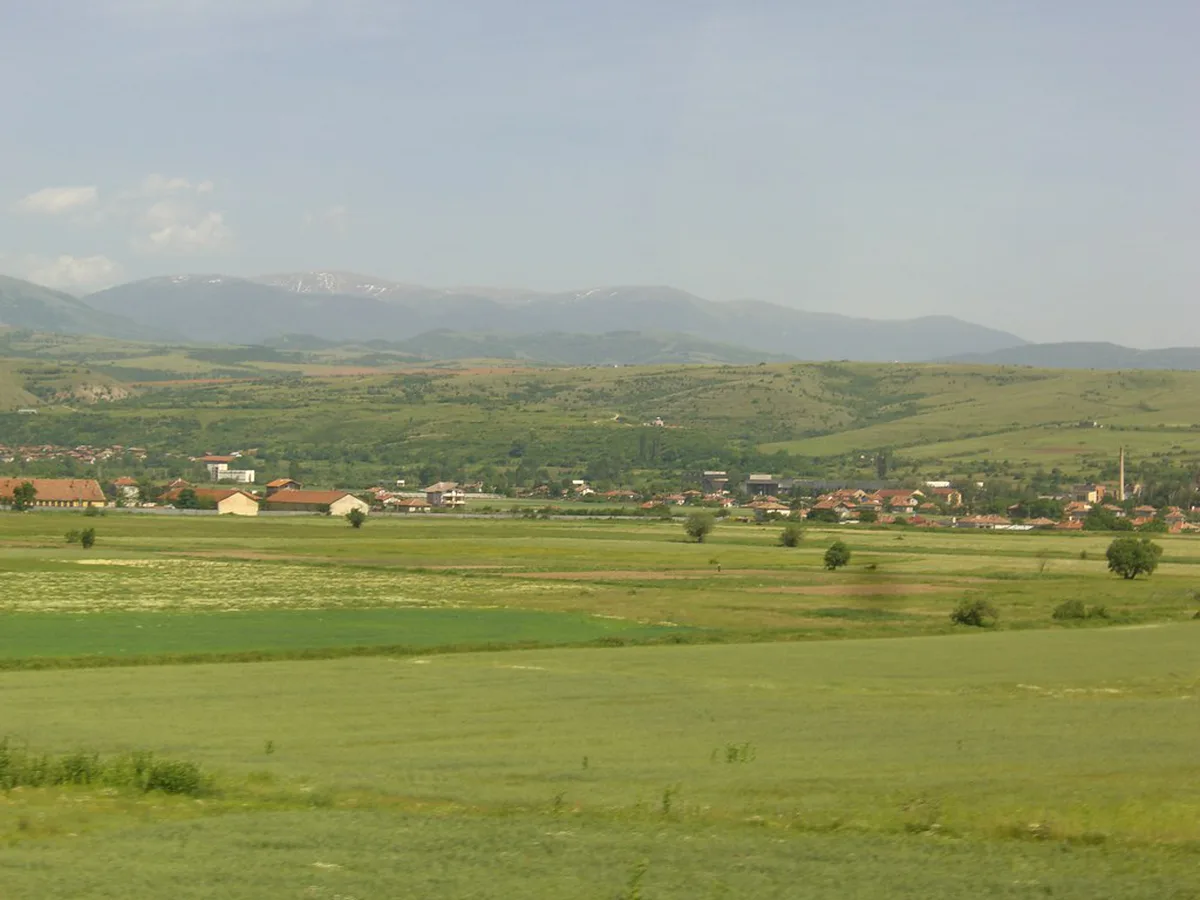
The road route from Sofia to Bansko covers approximately 160 km and takes 2–2.5 hours by private vehicle in good conditions. From Sofia, the A3 motorway runs south-west toward Blagoevgrad. You then turn south-east on a two-lane road through the Razlog valley, arriving in Bansko from the north. The mountain section between Razlog and Bansko (roughly the final 15 km) is the stretch most likely to be affected by ice or snow closures in deep winter.
If you are driving and want to explore en route, the Rila Monastery Visitor Guide lies about 60 km south of Sofia — a detour of roughly 30–40 minutes off the main route. Most visitors combine a Bansko ski trip with a Rila stop on either the outward or return leg. The town of Razlog, just 10 km before Bansko, has several larger supermarkets if you want to stock up on supplies before entering the resort.
Surviving the Bansko Gondola Queue
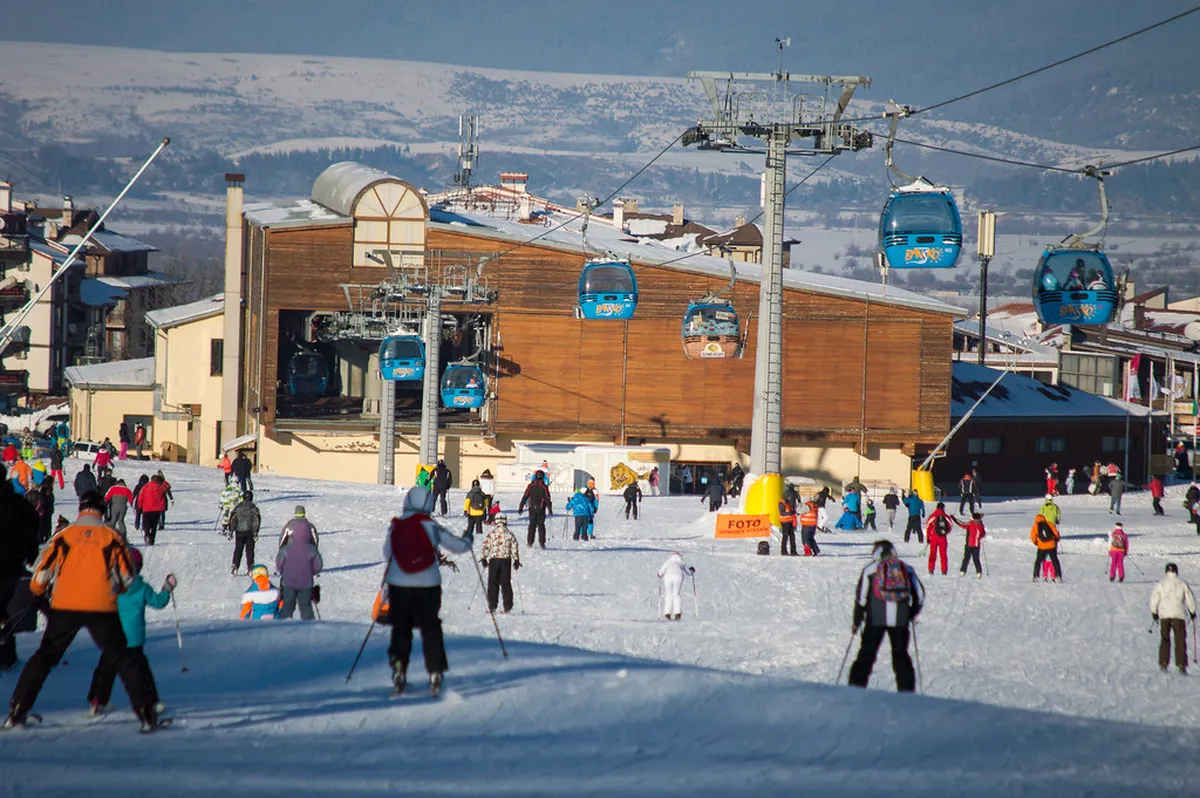
The Bansko Gondola is the main access point to the upper mountain and the biggest bottleneck of any ski trip here. On busy Saturday mornings in January and February, the queue can stretch 45–60 minutes. The queue forms from roughly 08:30 and peaks between 09:00 and 10:30. Arriving before 08:15 or waiting until after 10:30 eliminates most of the wait on average days. Full school-holiday weekends are the exception — arrive at 08:00 or accept the queue.
A taxi to the Shiligarnika mid-station costs around 15–20 BGN and bypasses the main Gondola queue entirely — a proven hack for regulars on busy weekend mornings. The Platoto T-bar lift on the far side of the resort also connects to the main ski area through a less-crowded route.
Two practical alternatives avoid the Gondola entirely. A taxi directly to the mid-station at Shiligarnika costs around 15–20 BGN and bypasses the queue completely — this is the best-kept secret among regulars. Alternatively, the Platoto T-bar lift on the far side of the resort connects to the main ski area through a less-crowded route and is worth the extra 10-minute ski to reach it. The resort app (Bansko Smart) shows live queue lengths by lift when it is updated — check it the night before for a morning read.
Buying your lift pass online in advance also helps. Pre-purchased passes can be collected from the automated ticket machines beside the Gondola station rather than the manned ticket office queue. This alone can save 20–30 minutes on your first morning. If you book your transfer through a bundled operator, ski pass pre-collection is often included in the package.
Beyond Transfers: Essential Bansko Ski Services
Ski rental. Booking ski equipment online before you arrive typically saves 20–30% versus walking into a shop at the base of the Gondola on your first morning. Several shops in the Gondola area (SkiSet is the largest chain) have reliable stock of modern equipment. Give your height, weight, and shoe size when booking and your kit will be waiting. Avoid booking rental bundled with your transfer unless the operator explicitly prices it at resort-comparable rates — some bundles add a margin on top. Once your gear is sorted, planning what to do once you arrive ensures you maximize your time off the slopes.
Lift pass. Day passes for the 2025/26 season cost around 100–120 BGN for an adult. Multi-day passes offer better per-day value from three days onward. Buy online in advance and receive a QR code; print your pass at the automated machines at the Gondola station. Groups of nine or more need to collect at the ticket office window instead. Family passes and under-12 concessions are available — check the official Bansko resort website for the current rate card, as prices are adjusted annually.
Guided activities. Beyond skiing, the Pirin Mountains host snowshoe tours, ski touring routes into the backcountry, and guided freeride excursions. Local guide platforms connect you with certified mountain guides for activities outside the pisted area. These are worth booking 1–2 days in advance during busy periods, as the best guides fill quickly.
Childcare. Bansko has licensed ski kindergartens operating adjacent to the Gondola base. Most accept children from age 3 and combine snow play with very basic ski introduction lessons. Operating hours are typically 09:00–16:00. Booking at least a week ahead during school holidays is essential — places fill fast. Verify the specific age minimum and daily schedule with your chosen provider before arrival, as individual kindergartens vary.
Other Popular Destinations Near Bansko
Bansko is an excellent base for exploring a wider part of southern Bulgaria. The Rila Monastery, a UNESCO World Heritage site, is about a 1.5-hour drive north-west and pairs naturally with a Bansko trip — many visitors stop there on the way down from Sofia. The small wine town of Melnik is roughly an hour's drive south, known for its unique sand pyramids and local Melnik grape variety.
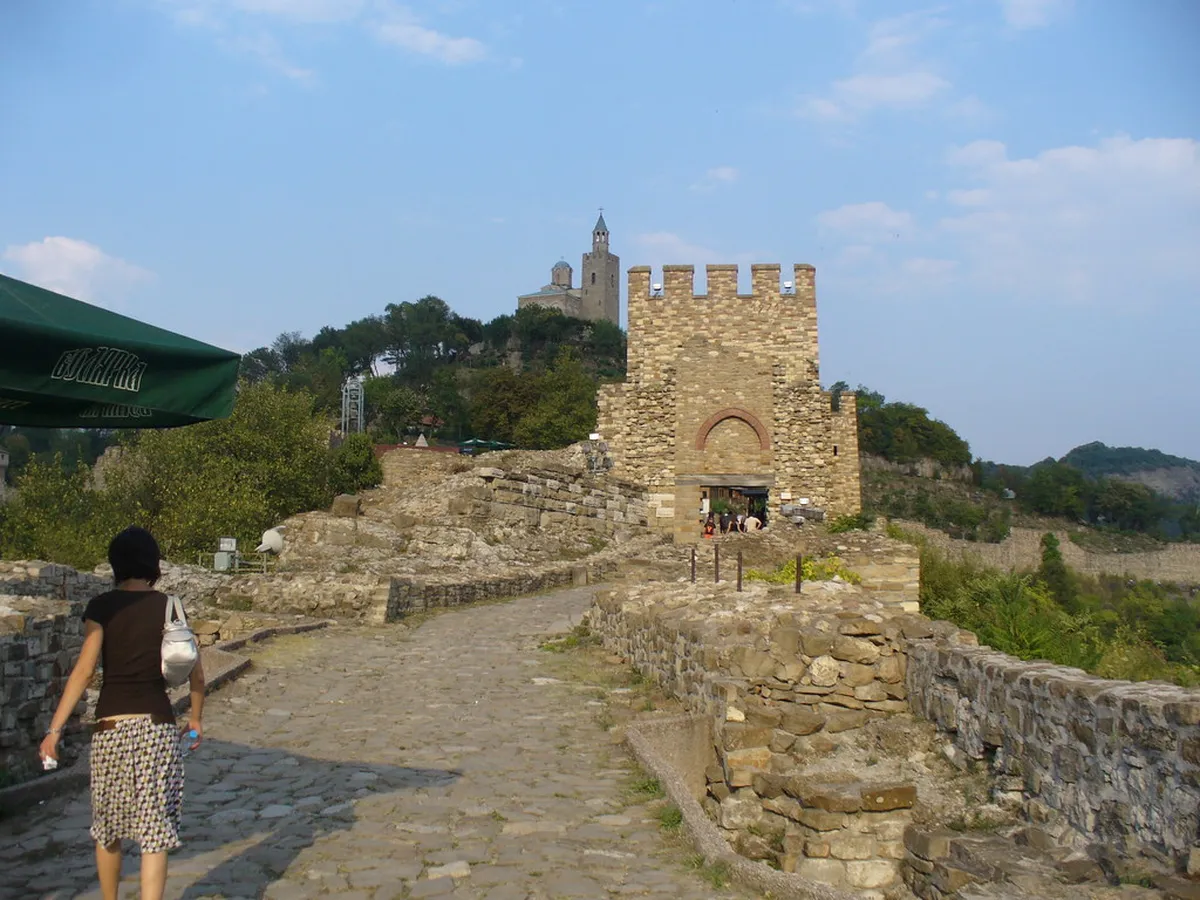
For those with more time, Plovdiv is around a 2-hour drive east — one of the best-preserved old towns in the Balkans and well worth a night. Our guide on transport options covers inter-city routes in more detail. You can also find itinerary ideas in our articles on reaching Burgas from Sofia and reaching Veliko Tarnovo if you want to extend your time in the country after your Bansko stay.
Frequently Asked Questions About Sofia to Bansko Travel
Continue planning: Use Getting Around Bulgaria: The Ultimate Transportation Guide and Burgas to Varna: Train, Bus & Drive Guide 2026 to connect this guide with the rest of your Bulgaria itinerary.
Frequently Asked Questions
What are the best ways to get from Sofia to Bansko?
The public bus is the most popular and affordable option, taking 2.5-3 hours. Shared shuttles offer good value and convenience, while private transfers are fastest and most comfortable.
How much does it cost to get from Sofia to Bansko?
Bus tickets cost 20-30 BGN / ~$11-$17. Shared shuttles are 25-45 EUR / ~$27-$49 per person. Private transfers range from 70-120 EUR / ~$76-$130 per vehicle.
How long does it take to get from Sofia to Bansko?
By bus or shared shuttle, the journey typically takes 2.5-3 hours. Private transfers are slightly faster, usually 2-2.5 hours, depending on traffic and weather.
Is there a direct bus from Sofia to Bansko?
Yes, direct buses run frequently from Sofia Central Bus Station to Bansko. They operate throughout the day, usually every 30-60 minutes during peak times.
Can you take a train from Sofia to Bansko?
Train travel is possible but not direct; it requires a change at Septemvri. The full journey takes 6-7 hours, making it a less practical option for most travelers.
Traveling from Sofia to Bansko offers several excellent options, each with its own advantages. Whether you choose the budget-friendly bus, a convenient shared shuttle, or a comfortable private transfer, planning is key. Consider your priorities regarding cost, time, and comfort to select the perfect mode of transport.
With the right preparation, your journey to Bansko will be smooth and enjoyable. Embrace the adventure and get ready to experience the stunning Pirin Mountains and lively resort town. Your Bansko adventure awaits, promising memorable moments on and off the slopes.
Continue planning
Start with our Bansko activity guide and compare the practical details with our après-ski in Bansko.
For connected planning, compare Bansko activity guide with après-ski in Bansko before finalizing your route.
Continue planning
Start with our Bulgaria ski resort comparison and compare the practical details with our Bansko snow-season planner.
For connected planning, compare Bulgaria ski resort comparison with Bansko snow-season planner before finalizing your route.