When To Ski In Bulgaria: A Month-by-Month Guide
The Bulgaria ski season runs from mid-December through mid-April, but the best time to ski in Bulgaria depends on what you want from the trip. January delivers the deepest natural snow and the quietest slopes after the festive rush. February brings peak crowds but maximum snow cover. March offers spring sunshine and cheaper prices. Knowing which trade-off suits you is the difference between a good trip and a great one.
Bulgarian ski resorts — Bansko in the Pirin Mountains, Borovets in the Rila, and Pamporovo in the Rhodope — each have a slightly different snow window and crowd pattern. Planning for what Bulgaria is like in winter means thinking about all three, not just the most famous name. This guide gives you a realistic, month-by-month breakdown so you can book with confidence.
The Bulgarian Ski Season at a Glance
The season officially opens around mid-December in most resorts and closes in mid-April at the highest terrain. Bansko and Borovets both reach 2,560 metres at their summit, giving them the longest seasons. Pamporovo sits lower in the Rhodopes and typically wraps up by the end of March, sometimes earlier in a warm year.
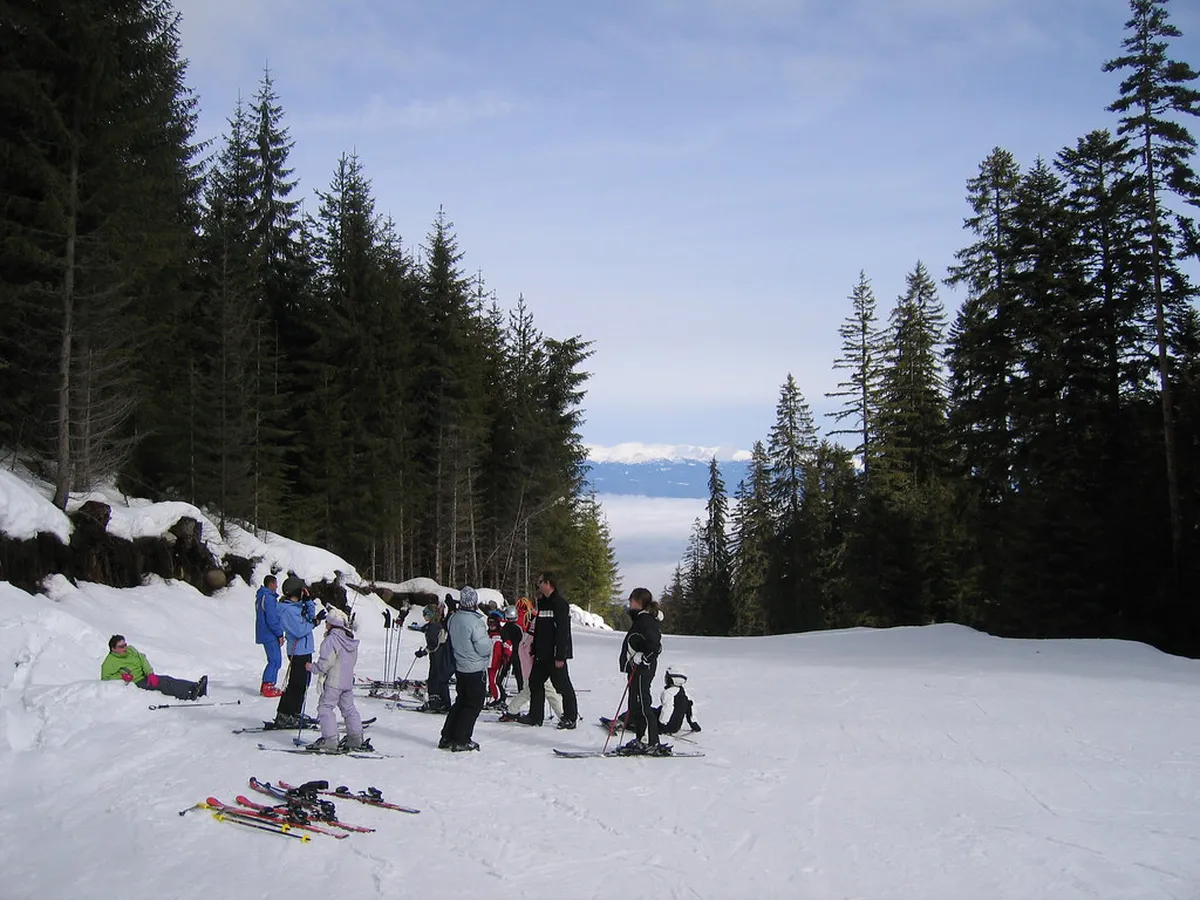
Snow-making equipment now covers the main runs at all three resorts, so early December is usually skiable even when natural snowfall is thin. The natural snowpack builds through January, peaks in February, and then softens through March. April is technically possible at Bansko on north-facing terrain, but expect patchy coverage and limited lifts.
| Month | Snow Quality | Crowds | Prices | Best For |
|---|---|---|---|---|
| Mid-December | Patchy / snowgun | Low then rising | Low, then peak | Early deals, festive feel |
| Christmas–New Year | Variable | Very high | Peak | Festive atmosphere |
| January (mid–late) | Excellent | Moderate | Mid-range | Powder, serious skiers |
| February | Excellent, deep | Very high | High | Families, full season |
| March (early) | Good, softening | Low | Low | Budget, relaxed trips |
| April | Patchy, slushy | Very low | Cheapest | Last runs, novelty |
December: Early Season (If You're Lucky)
Early December is a gamble. Some years, a heavy November dump means fresh pistes are already groomed by the first week of December. Other years, snowguns are doing all the work on a single open run and the upper mountain is still bare. Hotels and lift passes are noticeably cheaper in the first two weeks of December compared to any other point in the season.
From around 20 December, the resorts come alive for the Christmas and New Year period. Firework displays, festive dinners, and packed village squares make this one of the most atmospheric times to visit. The trade-off is the busiest lifts of the season, prices that jump sharply, and snow coverage that can still be hit-or-miss depending on the year. If festive atmosphere is your priority, book it — just set realistic snow expectations.
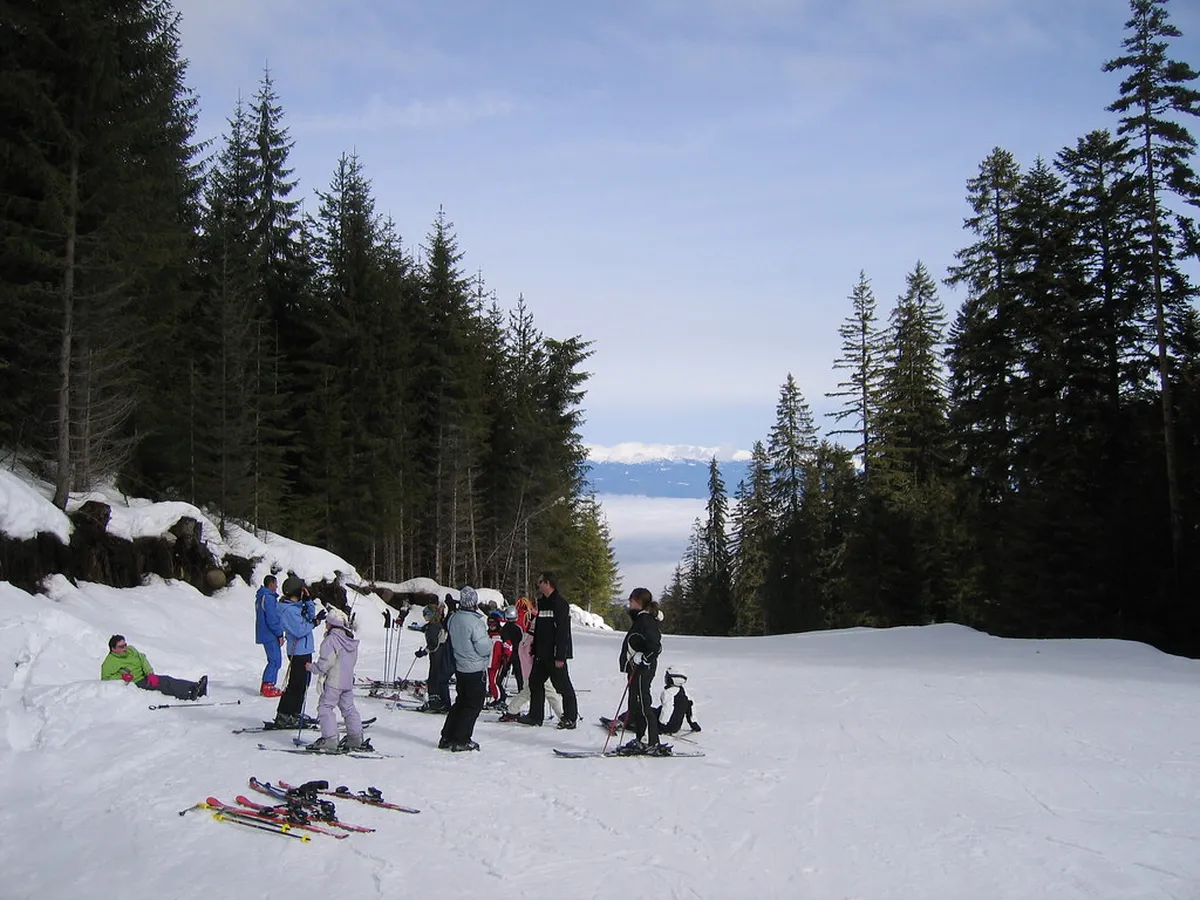
Bansko tends to have a soft opening in early December depending on natural snowfall. Borovets follows a similar pattern. Pamporovo, being lower altitude, is least reliable for early December skiing and should be avoided until at least the third week of the month.
Early December delivers some of the lowest accommodation and lift pass prices of the entire season, with deals easily 30–40% below February rates. However, natural snowfall is unreliable — plan for snowgun-dependent coverage. From 20 December onwards, festive dinners and firework displays create an atmospheric experience, but expect to pay peak rates and tolerate the busiest lifts of the season.
January: The Sweet Spot for Snow
The second and third weeks of January are widely considered the best time to ski in Bulgaria for serious skiers. The Christmas crowds have gone home, prices drop back to mid-range, and the cold temperatures lock in good snow quality across all three resorts. Expect average temperatures between -5 and 1°C at altitude, with occasional multi-day snowfall events that leave the off-piste terrain loaded.
Bansko's north-facing runs hold their snow exceptionally well during this period. The variety of terrain — long reds and a few challenging blacks — means intermediate and advanced skiers can find proper challenge without the February queue situation. Days are short (lifts typically open 08:30 and close 16:30) so early starts matter. Winds on the upper chairlifts can be fierce; bring a good balaclava.
If you are 10 Things to Know About Skiing in Bulgaria for Beginners, mid-January is actually an excellent choice. Ski schools are available without the February scramble for instructors, and the nursery slopes are far less intimidating when the resort is running at 60% capacity. The second week of January — after New Year's but before any late-January school breaks — is typically the quietest and best-value window of the entire season.
February: Peak Season and How to Survive the Queues
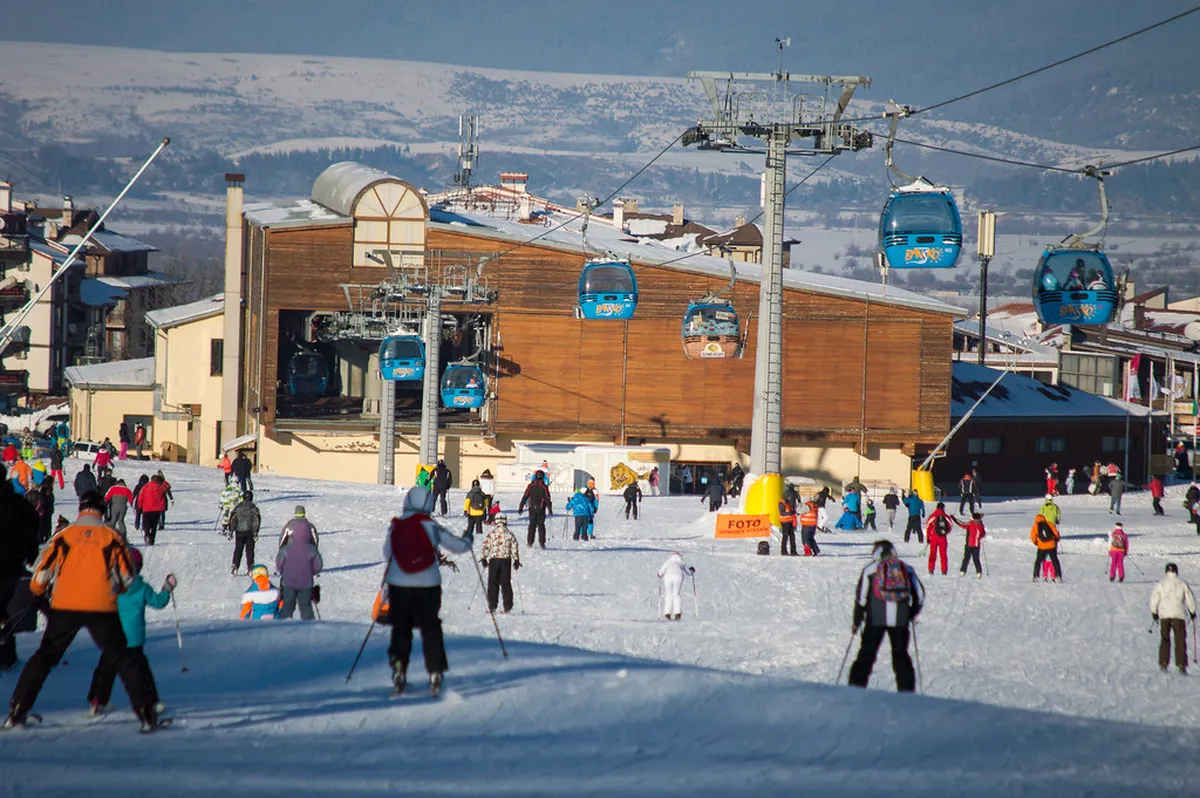
February is when UK and European half-term holidays push all three resorts to their highest occupancy of the year. Snow cover is at its seasonal maximum and the sun starts showing up more often, making for genuinely great skiing conditions. The downside is the Bansko gondola queue, which during peak half-term weeks can exceed 45 minutes at 09:00. The gondola operates from roughly 08:15 and that first car of the day fills almost immediately.
The most effective strategy is to arrive at the gondola base by 08:00, before the school groups descend. A second option is to buy your lift pass and get a timed gondola entry at the ticket office the evening before — the desk opens around 17:00 and this is how many regular visitors skip the morning chaos entirely. Once you are up the mountain by 09:00, the upper chairlifts move freely even during the busiest weeks.
Beginners and families face the hardest conditions in February. Nursery slope queues at Bansko can be frustrating, and you must book ski school lessons several months in advance or face paying a premium for what's left. Comparing 8 Key Differences shows that Borovets handles February crowds slightly better thanks to its more spread-out layout — it is worth considering if your group includes complete beginners or young children. Pamporovo is an even calmer option during this period.
The Bansko gondola queue can exceed 45 minutes at 09:00 during half-term weeks. Two proven hacks: arrive by 08:00 to catch the first cars, or buy your lift pass and reserve a timed gondola slot at the ticket office the evening before (desk opens around 17:00). Once you reach the upper chairlifts by 09:00, they move freely even during peak weeks.
March: Spring Skiing and Sunny Slopes
March is the favourite month for locals and returning visitors who have already done the February crowd experience. The resorts are quieter, lift pass prices often fall, and hotels offer last-minute discounts to fill rooms. The early part of March typically still delivers solid snow — particularly at Bansko, where altitude and north-facing aspects protect the pack. By mid-March, afternoon snow softens significantly, so morning skiing is king.
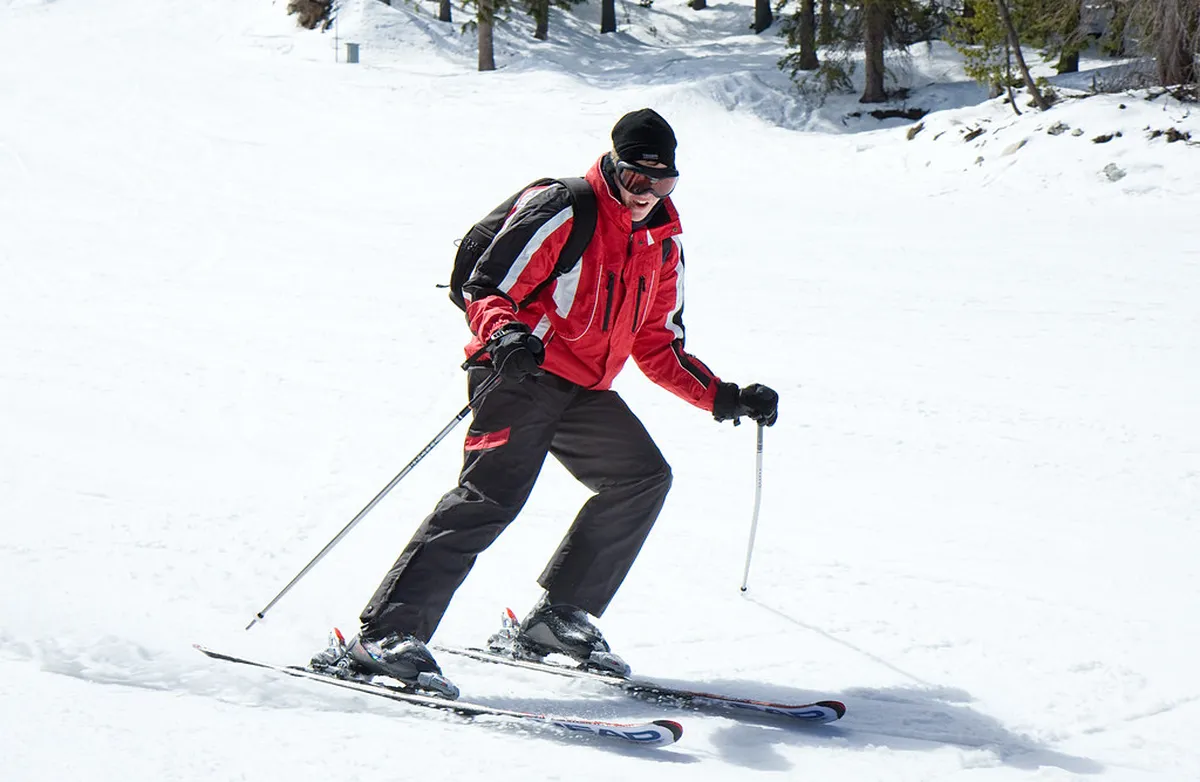
The atmosphere shifts noticeably in March. Terraces open in the sun, people linger over lunch, and the mood is unhurried. For intermediate skiers who want to cover ground without fighting for space, the first two weeks of March are arguably the best-value window of the season. Note that the week around 3 March (Bulgarian Liberation Day) sees a domestic holiday spike — hotel prices tick upward and Bulgarian families fill the slopes for a long weekend.
Pamporovo wraps up earlier than the other resorts, often by the third week of March. For high-altitude spring skiing that still has reliable coverage, Bansko is the correct choice — its upper runs stay viable longest. March is also the best time to combine a ski day with an afternoon trip to the Banya hot springs, a 20-minute drive from Bansko, where outdoor thermal pools make for an excellent muscle recovery after a morning on the slopes.
April: Possible, But Patchy
Bansko sometimes stays open into mid-April and occasionally later in a particularly snowy year. At that point, skiing is concentrated on the highest north-facing runs — the Tomba and Plato sectors specifically — while lower slopes and many chairlifts have closed for the season. The snow is wet and heavy in the afternoons, and early morning conditions vary enormously depending on the previous night's temperature.
April is for committed skiers who want one last mountain fix before summer and do not mind adapting their schedule around what is open. For everyone else, the season is effectively over by the end of March. Lift pass prices are at their lowest point of the year, and accommodation is almost empty — but the resort services are winding down fast, with many restaurants and rental shops closed by early April.
Where to Ski in Bulgaria: Resort Overview
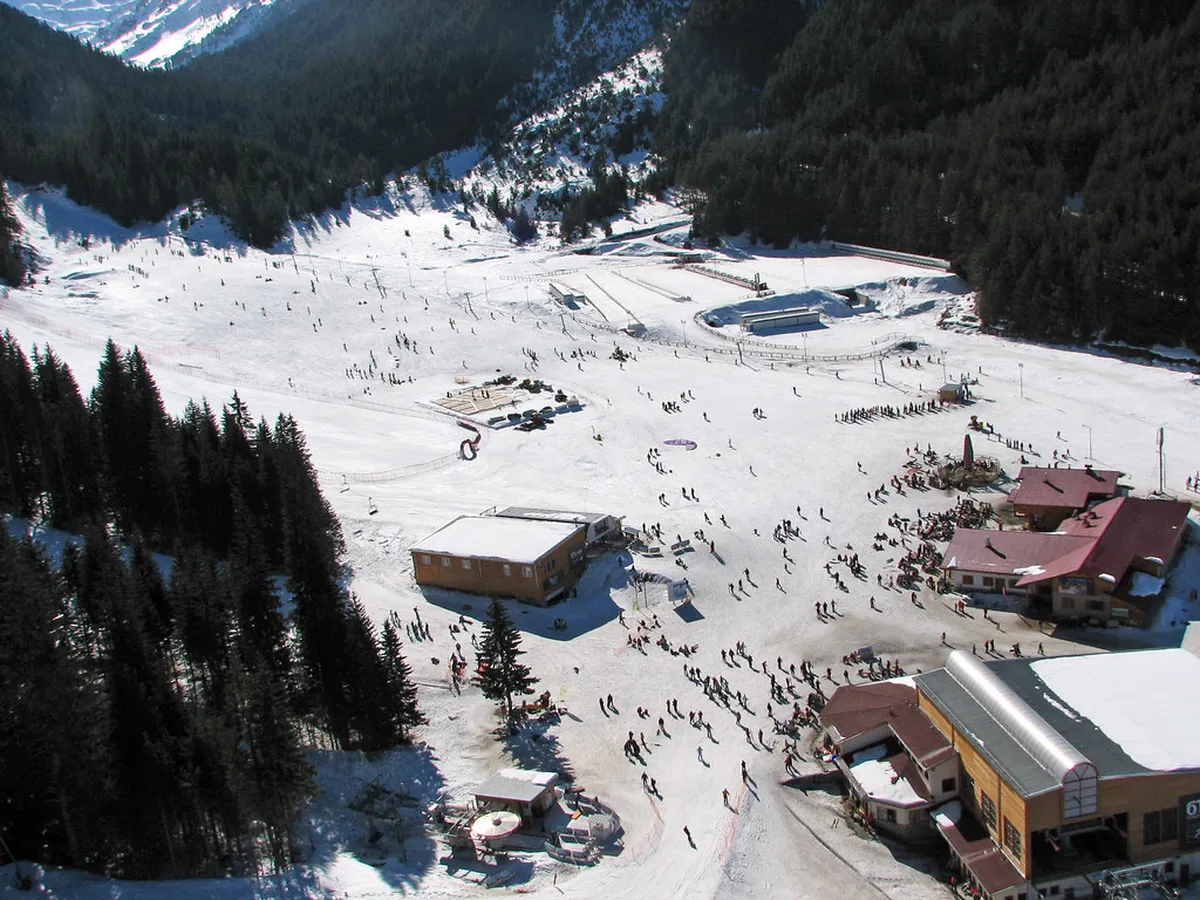
Bansko is the most developed resort and offers the widest range of terrain — 75 km of pistes across 18 runs, sitting at 2,000–2,560 metres in the Pirin Mountains. It has a modern gondola, fast chairlifts, and a historic old town full of mehanas and lively bars. It is the best choice for intermediate and advanced skiers and has the longest, most reliable season of the three major resorts. Read our 9 Things to Know About Ski Resorts in Bulgaria guide for a full comparison.
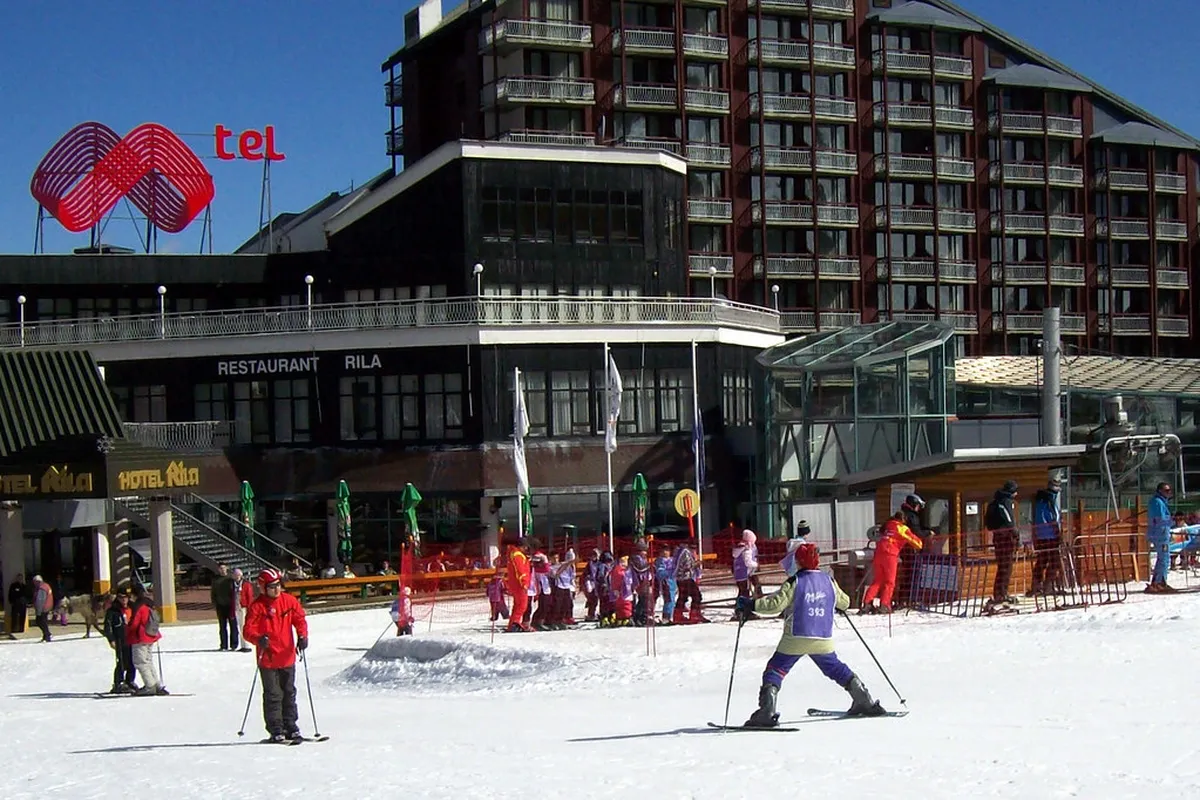
Borovets is Bulgaria's oldest resort, established in 1896, and sits in the Rila Mountains 90 minutes from Sofia. It has 58 km of pistes across three linked sectors at 1,300–2,560 metres. The forested runs are popular with families and younger crowds, and it has better night skiing options than Bansko. It is a strong choice for mixed-ability groups and those who want good access from the capital.
Pamporovo lies in the Rhodope Mountains in southern Bulgaria and is the smallest of the three main resorts. Its gentler slopes and high sunshine hours make it the best option for beginners and young families. The skiing is limited — roughly 36 km of mostly blue and green runs — so experienced skiers will exhaust it quickly. It is also the furthest resort from Sofia Airport, requiring up to four hours of transfer time.
How Cheap Is Skiing in Bulgaria?
Bulgaria is significantly cheaper than the Alps, but not as cheap as it was five years ago. Lift pass prices have risen steadily. For the 2025–2026 season, a six-day adult lift pass at Bansko costs around 635 BGN (approximately €325), which is broadly comparable to a mid-sized Alpine resort. Children's passes sit around 305 BGN (€155) for six days. Pamporovo and Borovets are around 15–20% cheaper than Bansko for lift access.
Where Bulgaria genuinely undercuts the Alps is on equipment hire, food, and accommodation. Six days of ski, boot, and pole hire in Bansko runs around 185 BGN (€95), versus €160 or more in a French resort of similar size. A beer on the mountain costs around 6 BGN (€3); the same in euros costs double in France. In town, you can eat a full meal with wine for around 30 BGN (€15). Budget chalet accommodation runs from approximately €300 per person per week including breakfast, which is hard to match in the Alps.
For the lowest prices of the season, target the second and third weeks of January (post-New Year, pre-February half-term) or the first two weeks of March (post-half-term, before the Liberation Day spike). Mid-week arrivals save money over weekend starts regardless of which month you choose. Flights to Sofia from UK airports on easyJet, Wizz Air, or Ryanair regularly come in under €60 each way outside peak dates — a sharp contrast to Geneva or Innsbruck routing costs.
Are the Facilities Any Good?
Bansko has had significant investment since hosting FIS Alpine Ski World Cup races and is now the standout for infrastructure. The main gondola is a modern eight-seater that carries around 2,400 people per hour. Above it, fast detachable chairlifts link the main sectors efficiently. Snow-making capacity covers the key runs down to the resort base, meaning the lower mountain rarely goes bare once the season opens properly.
Borovets has modernised steadily but still has some older button lifts and fixed-grip chairlifts in its upper sectors — they are slower and you will feel the contrast with Bansko. The base infrastructure is solid and well-maintained. Pamporovo's lift system is functional but modest, reflecting its beginner-focused terrain. For skiers used to large Alpine systems, neither Borovets nor Pamporovo will feel comparable to Bansko in terms of lift modernity.
Off-piste and ski touring options exist in both the Pirin and Rila ranges but require a qualified guide. For intermediate to advanced skiers who want to extend beyond the groomed terrain, organised backcountry tours with a certified mountain guide are available through several local operators based in Bansko and are worth researching before you travel.
How about Après-ski — Is It All Stag Dos and Shots?
Bulgaria has a reputation for cheap beers and rowdy nightlife, and the reputation is not entirely unfair — particularly in Bansko and Borovets during February. The local shot is rakia, a homemade grape or plum brandy that is served in small clay cups and burns pleasantly on a cold evening. Bars stay open late and prices stay low: expect to pay 3 BGN (€1.50) for a beer in a resort bar, considerably less than anywhere in Western Europe.
But the evening scene is far more varied than the stag-do image suggests. Bansko's old town is lined with mehanas — traditional Bulgarian taverns — that serve slow-cooked stews, grilled meats, fresh banitsa pastry, and sometimes live folk music. Dishes like kavarma (a clay-pot pork or chicken stew) and shopska salad with Bulgarian feta are genuinely worth seeking out. This Bulgarian Food Guide is a useful primer on the regional dishes to order.
Families and those who prefer quieter evenings will find Pamporovo's nightlife low-key and manageable. In Bansko, the mehana circuit in the historic quarter is easy to navigate without encountering the louder end of the bar scene. The Banya hot spring pools near Bansko are a popular early-evening option for families and non-drinkers — outdoor thermal baths at around 36°C make for a very good recovery after a long day on the mountain.
Continue planning: Use 9 Things to Know About Ski Resorts in Bulgaria and 12 Best Tips and Activities for Apres Ski in Bansko to connect this guide with the rest of your Bulgaria itinerary.
Frequently Asked Questions
Is skiing in Bulgaria good for beginners?
Bulgaria is excellent for beginners because the schools are affordable and instructors speak great English. Most nursery slopes are located right near the main resort hubs for easy access. Read our 10 Things to Know About Skiing in Bulgaria for Beginners guide for more tips.
When is the best snow in Bulgaria?
The most reliable snow conditions typically occur from mid-January through the end of February. This period sees the coldest temperatures and the most frequent natural snowfall across all mountain ranges. You will find the deepest powder during these peak winter weeks.
Is Bulgaria cheaper than France for skiing?
Yes, Bulgaria is significantly cheaper than France for lift passes, equipment hire, and daily dining expenses. You can expect to pay about half the price for a beer or a mountain lunch. This makes it a top choice for budget-conscious skiers.
The best time to ski in Bulgaria depends on your priority. January gives you the best powder and the quietest slopes. February delivers maximum snow with maximum crowds — manageable if you arrive at the gondola by 08:00. March offers a relaxed, sunny experience at significantly lower prices. Whatever window you choose, Bulgaria consistently delivers value that is hard to find anywhere in the Western Alps.
Check our Skiing In Bansko Bulgaria for detailed resort planning, and our 8 Key Differences comparison if you are deciding between the two main resorts. Start with the right month and the right resort, and a Bulgarian ski trip in 2026 will exceed most expectations.