7 Best Reasons and Things to Do in Bulgaria in Spring
By late May, Bulgaria's valleys are green and the mild air creates good hiking conditions. Mid-May to mid-June is the best window for most travelers to visit.
Spring in this Balkan destination offers a mix of ancient culture and raw nature. You can witness the unique Martenitsa tradition or explore roaring waterfalls. The Best Time To Visit Bulgaria: Seasonal Weather & Travel Guide often starts when the winter snow begins to melt. This shoulder season also brings fewer crowds.
The cities come alive with outdoor cafes and vibrant flower displays. You will see locals celebrating the end of winter with red and white threads. Prices remain low before the summer rush hits the Black Sea coast. Planning a trip now ensures you see the country at its most fertile.
Celebrate the Martenitsa Tradition and Bulgarian Culture
Bulgarians celebrate Baba Marta Day on March 1st every year. Everyone wears red and white Martenitsa bracelets for health and luck. The red symbolizes life and the white represents purity and peace. Handmade versions are commonly sold near the Alexander Nevsky Cathedral.
Tradition dictates that you must wear the bracelet until you see a stork. Seeing a blossoming fruit tree is another sign to remove the threads. Locals then tie their Martenitsa to a tree branch to ensure a good harvest. Check the 10 Best Bulgaria Festivals for more cultural dates.
March weather can be quite fickle, often called Baba Marta's mood. One hour might be sunny while the next brings a sudden snow flurry. This unpredictability is part of the charm for local residents. Carry a light scarf even on bright March mornings.
💡 Good to know: Don't buy your Martenitsa bracelet in advance — they're sold from late February on stalls all over Sofia's Vitosha Boulevard Visitor Guide and around Alexander Nevsky Cathedral for about 1–3 BGN (under €1.50). Buying locally on March 1st is part of the tradition.
Visit Must-See Natural Wonders: Devetashka Cave and Krushuna Waterfalls
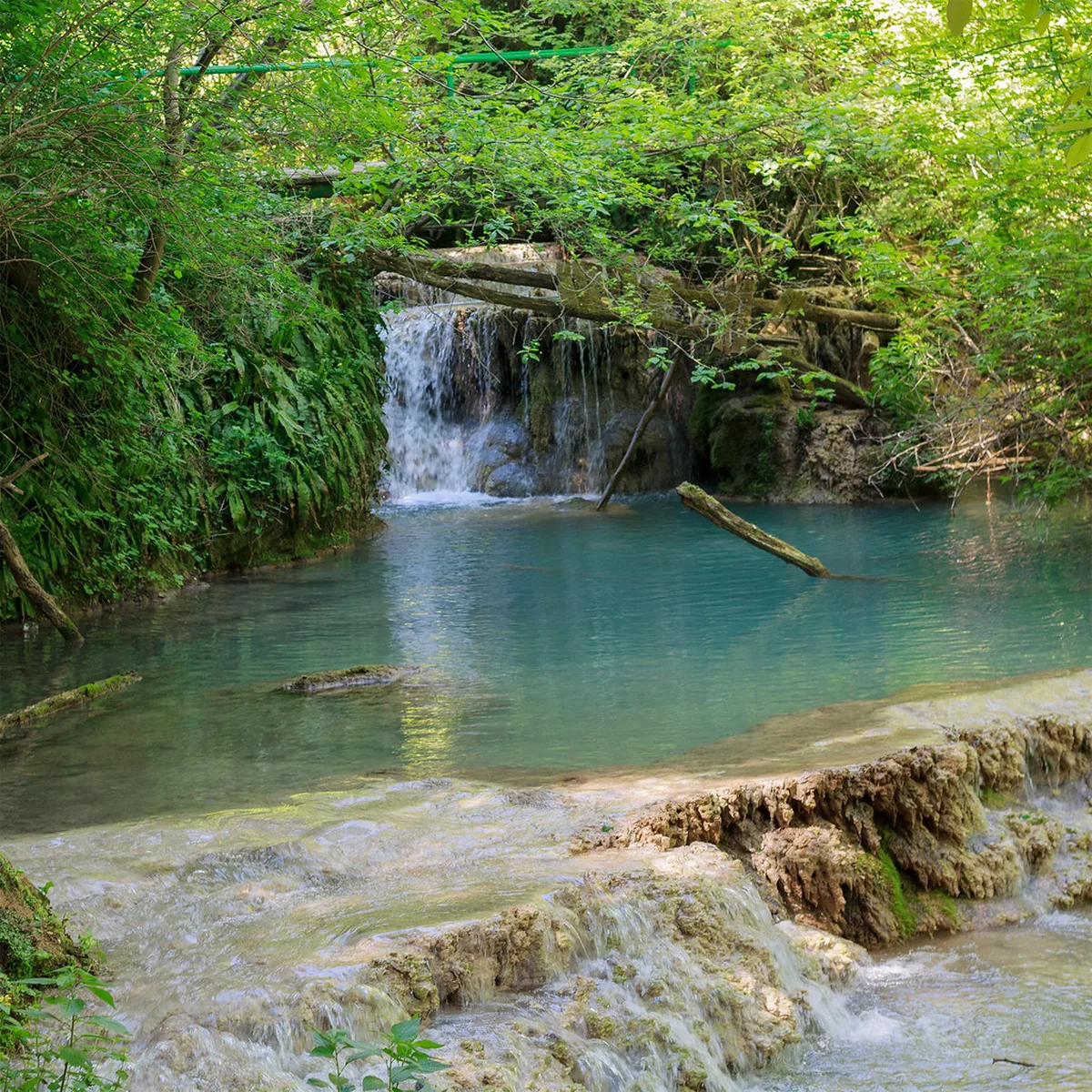
The Krushuna Waterfalls are famous for their stunning turquoise pools. These limestone terraces look most vibrant during the April snowmelt. A series of wooden bridges allows for excellent photography of the cascades. I suggest visiting on a weekday to avoid the local weekend crowds.
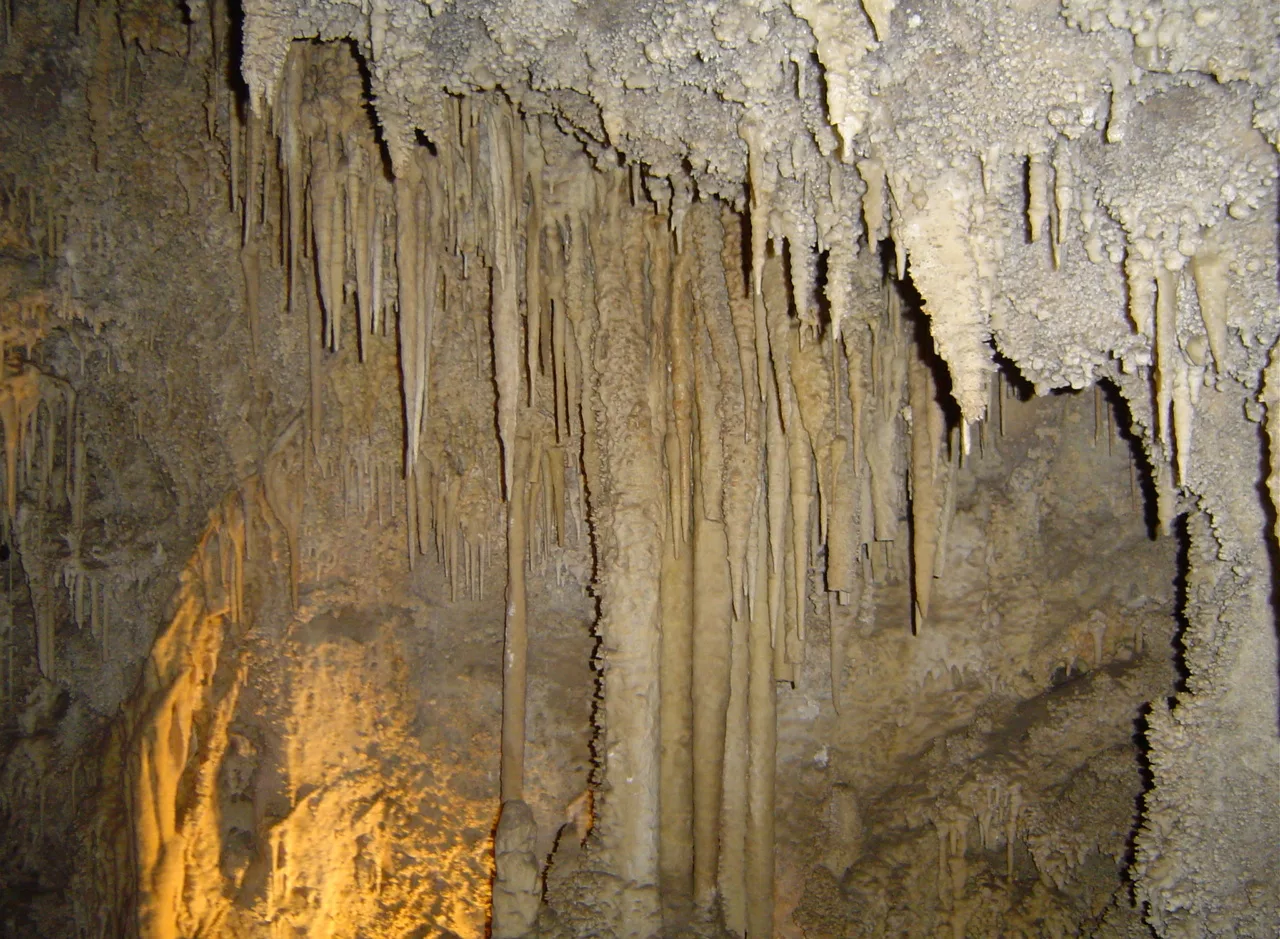
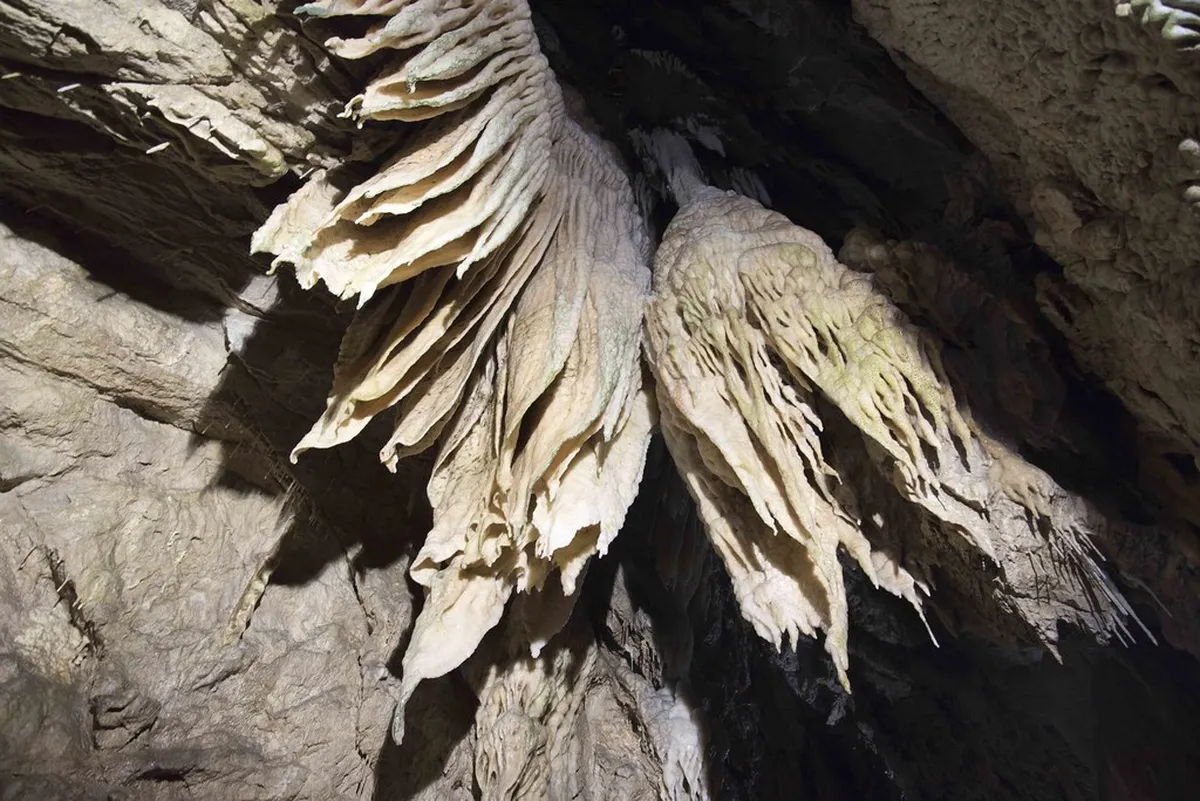
Devetashka Cave is a massive karst formation located very close to the falls. It is home to thousands of bats that hibernate there during winter. Access to certain sections is restricted in late spring to protect breeding colonies. The light beams through the cave openings create a magical atmosphere.
Spring rains make these natural sites particularly powerful and lush. The surrounding forest paths are covered in wild flowers during May. Hiking here is easy for families and casual walkers alike. You should wear waterproof shoes as the trails can get muddy.
Explore Sofia’s Blooming Parks and Vibrant Outdoor Spaces
Sofia transforms into a green oasis when the cherry blossoms appear. The Borisova Garden is the oldest and most famous park in the city, with shaded alleys and rose gardens. South Park is another local favorite for picnics and outdoor exercise. There are plenty more Top Things To Do beyond its famous green spaces.
April marks the official opening of the rooftop bar season in Sofia. Locals flock to these terraces to enjoy the first warm sunsets. The views of Vitosha Mountain Visitor Guide are spectacular from a high vantage point. Social life moves outdoors as soon as the evening frost disappears.
Walking tours are a great way to see the city landmarks in spring. The mild temperatures are much better for sightseeing than the summer heat. You can find many free tours starting near the Palace of Justice. Check out the toursbulgaria.com/blog for updated city walk recommendations.
Go Spring Birding in the Rugged Rhodope Mountains
The Rhodope Mountains are a paradise for birdwatching enthusiasts in May. Rare raptors and songbirds return to these peaks during the spring migration. I highly recommend visiting the Trigrad Gorge Visitor Guide for a chance to see Wallcreepers. Consult the Naturetrek Birding Reports for recent species sightings.
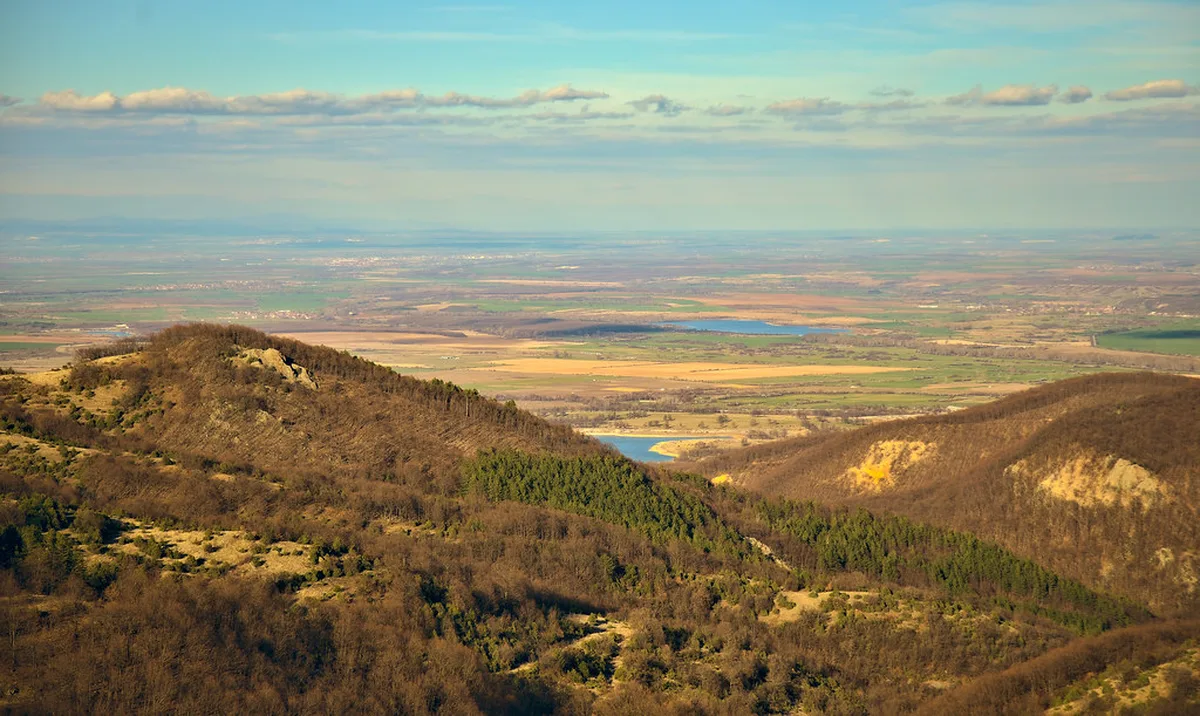
Eastern Rhodope regions offer sightings of Egyptian and Griffon vultures. The landscape here is dramatic with volcanic rocks and deep river valleys. Spring is the best time to see these birds during their nesting season. Binoculars are essential for spotting nests on the high limestone cliffs.
Coastal wetlands also attract thousands of Pelicans and Herons in April. The Via Pontica migration route passes directly over the Black Sea coast. Nature reserves like Poda near Burgas offer excellent observation hides. Early morning is the best time for high-quality bird photography.
Find Family-Friendly and Budget-Friendly Spring Destinations
Veliko Tarnovo is an affordable and historic choice for spring travelers. The Tsaravets Fortress looks majestic against the green hills of the Yantra valley. Discover even more Veliko Tarnovo in spring highlights before you go. Accommodation prices are significantly lower than in the peak summer months, and guesthouses can cost roughly half the price of a Sofia hotel.
Student cities like Plovdiv offer cheap eats and lively atmosphere. The Kapana district is perfect for enjoying a budget-friendly craft beer. See our full list of Plovdiv in spring ideas for more inspiration. Spring festivals often feature free concerts and street art displays. For official event listings and seasonal travel advice, check Bulgaria's national tourism portal, bulgariatravel.org.
Families will enjoy the many eco-trails that are now accessible. Most museums offer discounted family tickets throughout the shoulder season. Traveling by train is a slow but very cheap way to see the country. You can save even more by booking your tickets a few days early.
Plan a Smooth Trip with Practical Logistics and Timing
Renting a car is the most flexible way to reach remote natural sites. Roads can be slippery in March due to lingering ice in the mountains, so choose a vehicle with good tires for rural explorations. Public buses are reliable for traveling between major cities like Sofia and Varna. The coast warms up fast, so check out the best Varna in spring activities.
Booking your stay two months in advance is usually sufficient for spring. Popular mountain guesthouses can fill up during the Easter holidays. Always check the weather forecast before heading into high-altitude regions. The Bulgaria Weather By Month: A Complete Seasonal Travel Guide guide helps with specific regional planning.
English is widely spoken in tourist areas but less so in villages. Learning a few basic Bulgarian phrases will help you in rural markets. A simple 'Blagodarya' for 'Thank you' is useful in rural markets. Carrying some local currency is vital for small shops and cafes.
💡 Good to know: If you plan to visit the Rose Valley (kazanlak) Visitor Guide for the early-June harvest, book a Kazanlak guesthouse 2–3 months ahead — rooms sell out fast around the Rose Festival's first weekend, and prices roughly double versus a normal May night.
Enjoy the Perks of Bulgaria’s Mild Spring Weather
Bulgaria in spring offers a refreshing break from the winter chill. March starts cool with averages around 3–11°C / 37–52°F. By May, the mercury rises to a pleasant 11–22°C / 52–72°F. The lower slopes of Vitosha offer crisp spring hiking conditions.
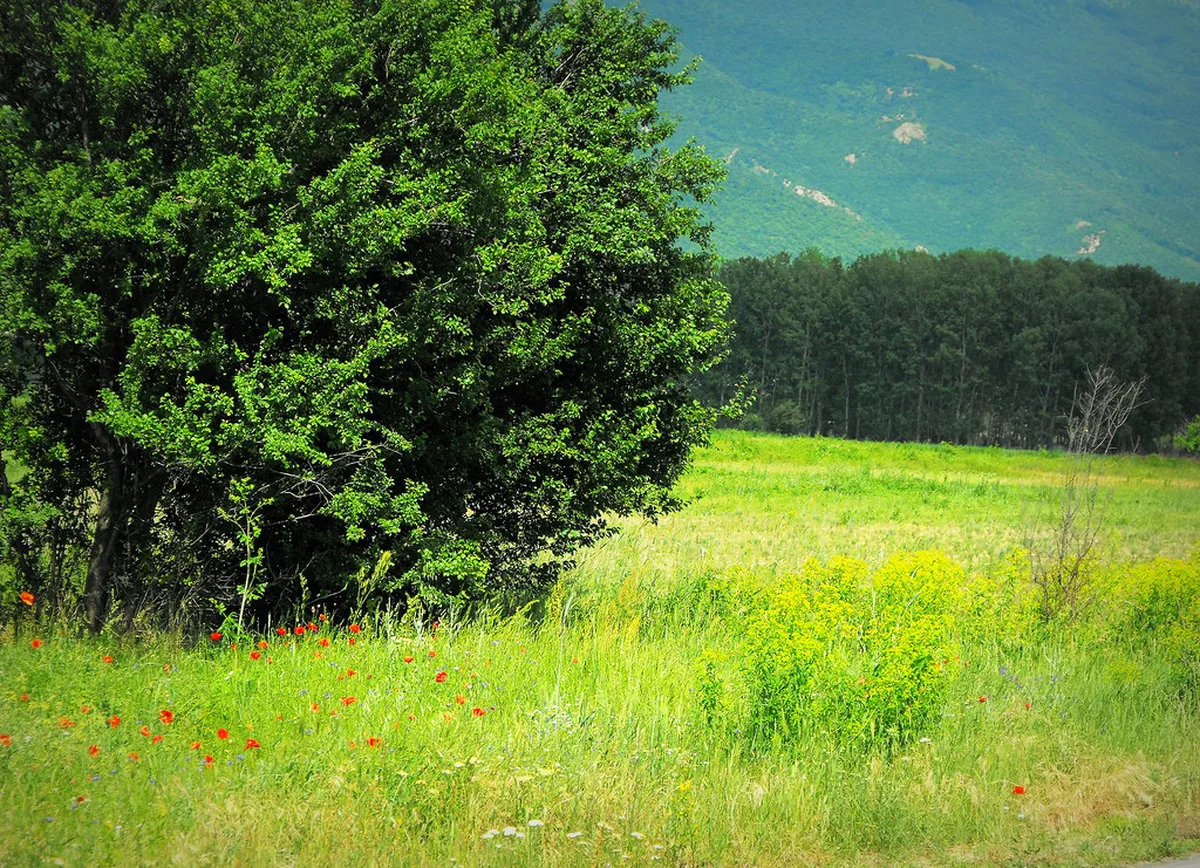
Rainfall increases slightly in May, which keeps the countryside green. Thunderstorms are common in the late afternoon during late spring. These showers are usually brief and followed by clear blue skies. The Bulgaria in Summer: 10 Essential Tips and Destinations heat hasn't arrived yet, making it ideal for walking.
Mountain peaks often remain snow-capped until the end of June. This creates a beautiful contrast with the blooming flowers in the valleys. You can still see skiers in Bansko during the early weeks of March. Check the Bansko Ski Season for late-season snow conditions.
Season Comparison: Bulgaria in Spring Months
Each spring month in Bulgaria offers a distinct travel experience. March is best for culture, while May is the peak for nature lovers. April serves as the perfect middle ground for city explorers. Use the table below to decide which month fits your schedule.
| Month | Weather | Crowds | Prices | Events | Best for |
|---|---|---|---|---|---|
| Early to mid-March | 3–11°C / 37–52°F | Low | Budget | Baba Marta | Traditions |
| Full month of April | 7–17°C / 45–63°F | Moderate | Fair | Easter | City Walks |
| Mid-May to June | 11–22°C / 52–72°F | Rising | Mid-range | Rose Festival | Hiking |
The early-June Rose Festival in Kazanlak's Rose Valley is the headline event of late spring, drawing thousands for the rose-picking ritual and folklore parade. This short report captures the atmosphere.
Pick X If: Choosing Your Spring Travel Dates
Choosing the right time depends on your personal travel goals. Nature lovers and hikers should aim for the later spring months. Cultural travelers will find the early spring traditions more engaging. Here is a quick guide to help you decide.
- Pick March if you want
- Ancient traditions and late-season skiing
- Pick April if you want
- Blooming city parks and comfortable sightseeing
- Pick May if you want
- Lush hiking trails and active birdwatching
- Pick early June if you want
- Rose harvesting and warm mountain weather
What to Pack for Spring in Bulgaria
Packing for spring requires flexibility due to the changing weather. Layering is the most effective strategy for staying comfortable. Carry a compact umbrella for sudden May showers. These items will ensure you are prepared for any Bulgarian adventure.
- Lightweight waterproof jacket
- Essential for unpredictable mountain rain
- Sturdy walking shoes
- Necessary for cobblestone streets and trails
- Warm fleece or sweater
- Needed for cool March and April evenings
- Sunscreen and sunglasses
- Important for the strong high-altitude spring sun
What's Closed in the Bulgarian Low Season
Not every attraction is fully operational during the spring months. High-altitude mountain huts often remain closed until mid-June. Many Black Sea beach resorts don't open until late May. You should check specific opening dates for remote regional museums.
Mountain lifts often undergo maintenance during April and May. This can make reaching high peaks like Musala more difficult. Some coastal restaurants open only on weekends in March. Compare this to the Bulgaria in Winter: Complete Travel Guide closures for more context.
Ferries to smaller islands may have a reduced spring schedule. Tavernas in quiet coastal villages might stay shuttered until June. Always have a backup plan if a specific rural site is closed. The Bulgaria in Autumn: 7 Best Things to Do and See season faces similar transitions.
Is April a Good Time to Visit Bulgaria?
April is one of the most rewarding months to visit Bulgaria, and it's an ideal middle ground between chilly March and the busier late spring. Daytime highs typically sit between 7–17°C / 45–63°F, with Sofia and the lowland cities warming faster than the mountains. Expect cool mornings, mild and often sunny afternoons, and the occasional rain shower — pack layers and a light waterproof jacket and you'll be comfortable.
The big draw is timing. April usually brings Orthodox Easter, when villages host candle-lit processions and families gather for festive meals, while city parks fill with cherry and fruit blossom. Crowds are still moderate and accommodation prices remain well below the summer peak, so you get blooming scenery, Easter atmosphere, and walkable sightseeing weather without the Black Sea coast rush. The coast itself is still too cool for swimming, so April is best spent in Sofia, Plovdiv, and Veliko Tarnovo rather than the beaches. For travelers choosing between months, April is the sweet spot for culture and city walks.
Continue planning: Use Best Time To Visit Bulgaria: Seasonal Weather & Travel Guide and Bansko Ski Season: 9 Essential Insights for Your Trip to connect this guide with the rest of your Bulgaria itinerary.
Frequently Asked Questions
What is the best month to visit Bulgaria in spring?
May is the best month for most travelers. The weather is warm, flowers are in full bloom, and hiking trails are accessible. You will avoid the summer heat and high prices.
What is the Martenitsa tradition in Bulgaria?
It is a cultural ritual celebrating the arrival of spring on March 1st. People exchange red and white bracelets for health. They wear them until they see a stork or blossom.
Is Sofia worth visiting in March?
Yes, Sofia is very charming in March despite the variable weather. You can experience the Baba Marta traditions and enjoy museums without the crowds. Indoor cafes offer a cozy retreat.
Bulgaria in spring is a season of transformation and cultural beauty. Whether you seek mountain adventures or city walks, the timing is perfect. The combination of low prices and lush scenery is hard to beat. I hope this guide helps you plan an unforgettable Balkan journey.
Remember to pack layers and embrace the local traditions. The warmth of the people matches the rising spring temperatures. Safe travels as you explore the lesser-known places of this wonderful country.