Bulgaria Wine Regions: History, Grapes & What to Explore
Bulgaria boasts a rich winemaking heritage spanning millennia, with traditions rooted deeply in ancient Thracian culture. Its diverse landscapes create ideal conditions for unique grape varieties. Exploring the bulgaria wine regions offers a journey through history and flavor.
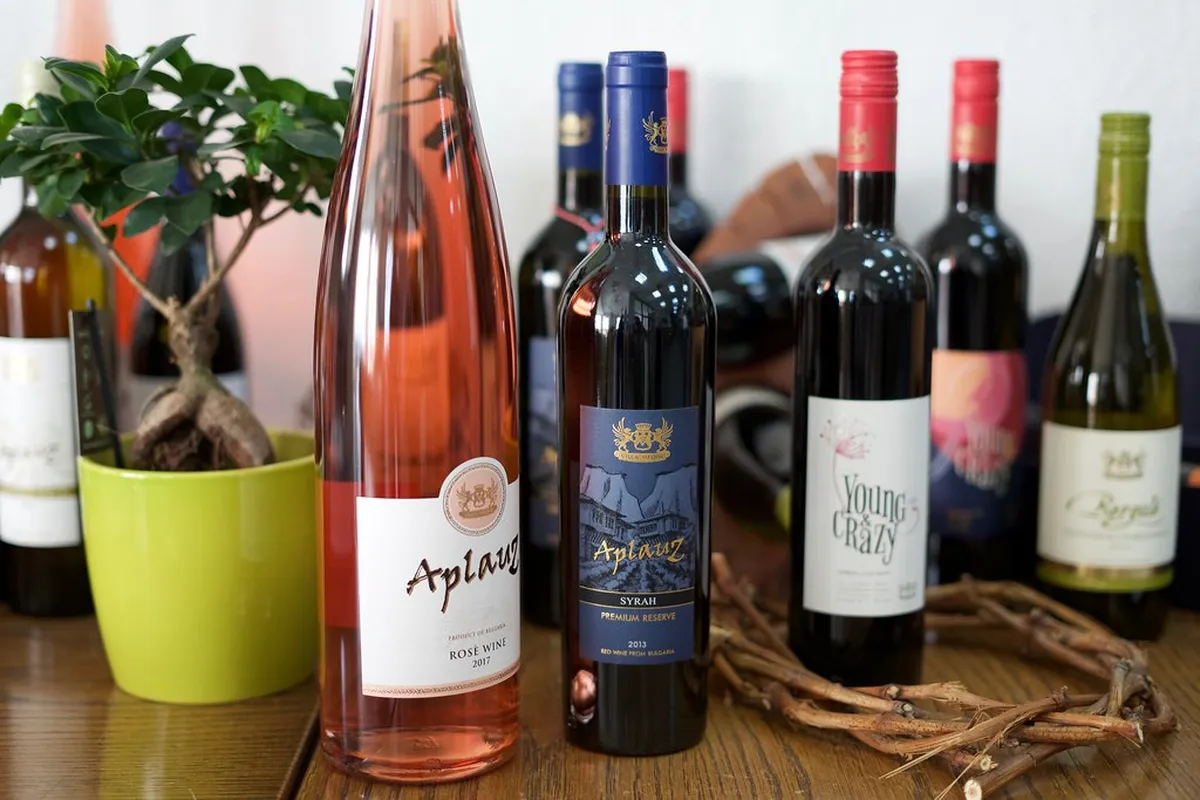
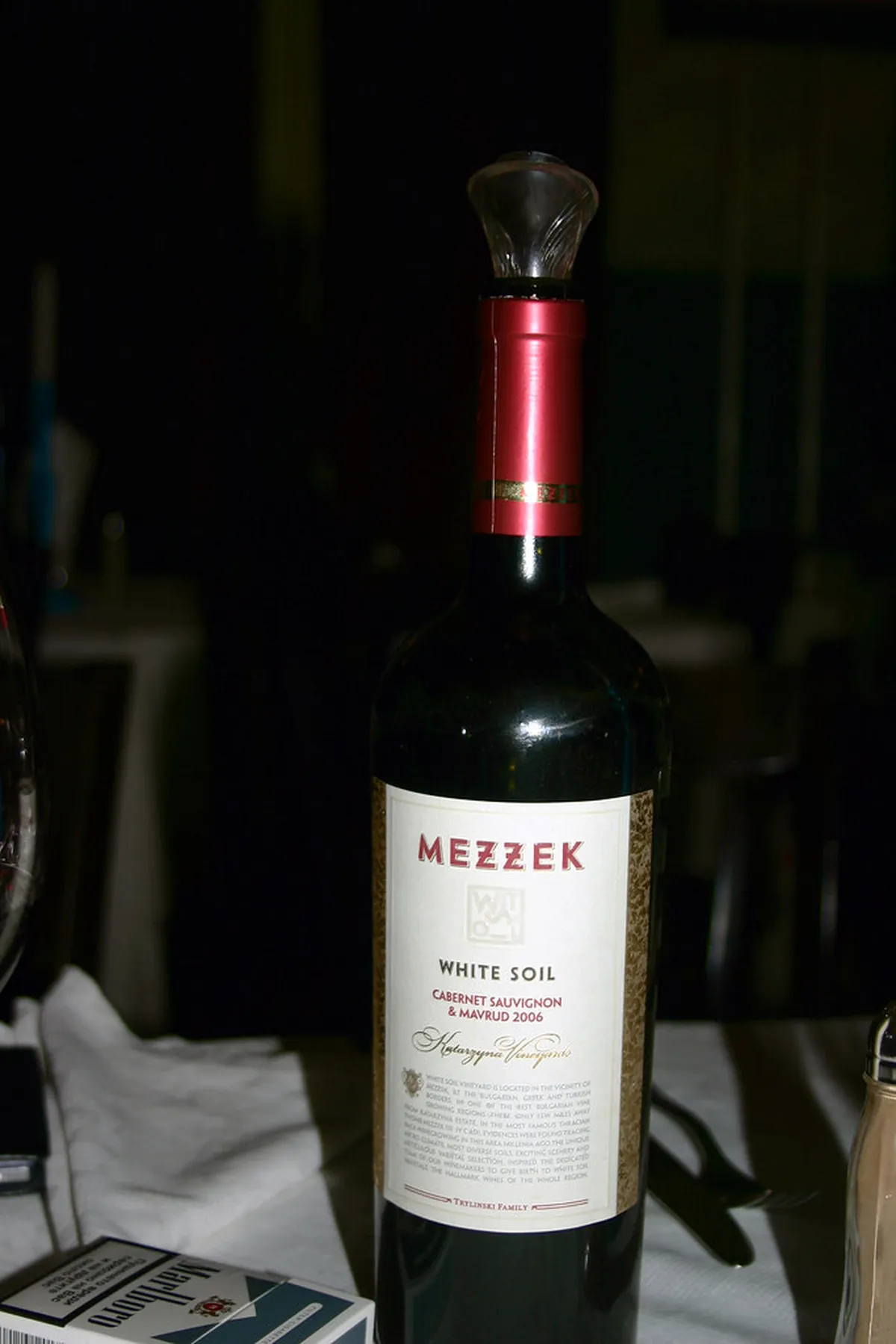
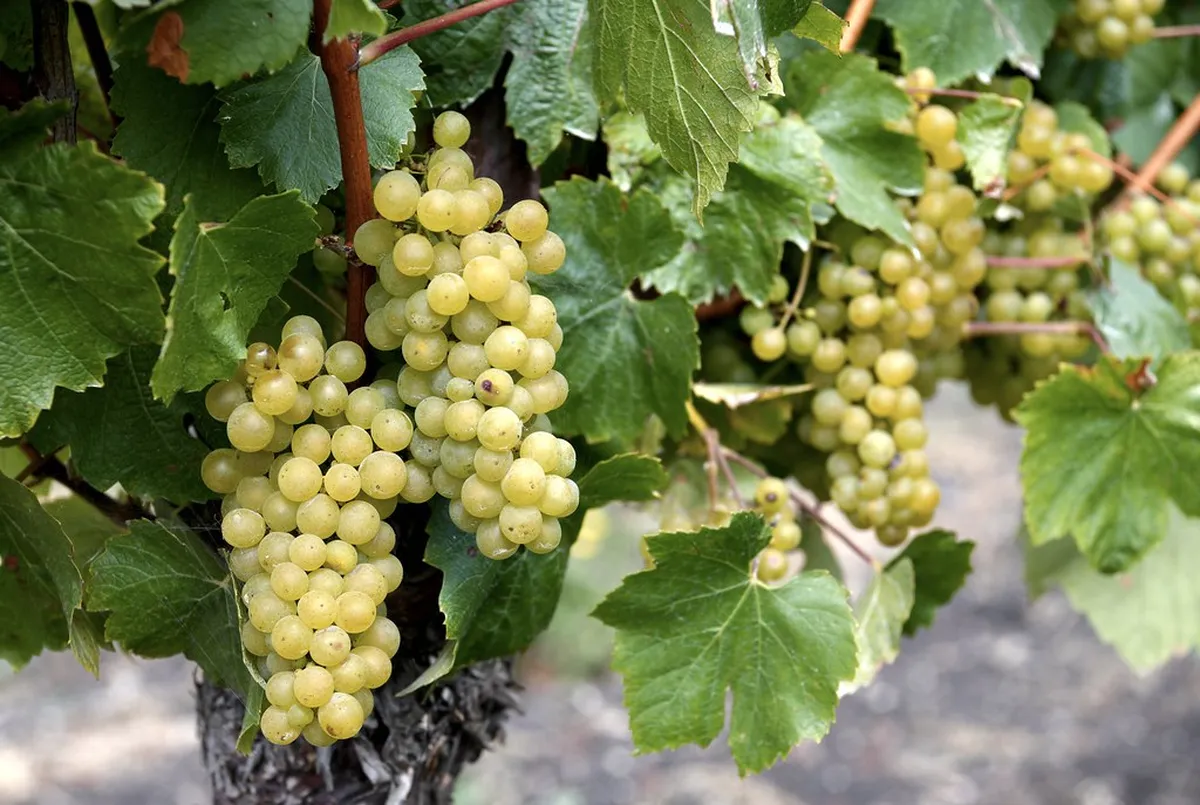
Here's a visual introduction to Bulgaria's wine regions and what makes them distinctive:
The country's wine industry is experiencing a vibrant resurgence, gaining international recognition for its quality. This guide will take you through Bulgaria's distinct wine regions. You will learn about their history, unique grapes, and what makes them special.
From the robust reds of the Thracian Valley to the aromatic whites of the Black Sea coast, there is much to discover. Prepare to uncork the secrets of Bulgarian viticulture. You can plan your own unforgettable wine adventure.
This guide covers everything from ancient winemaking practices to modern innovations. We will also provide practical tips for planning your visit. Get ready to say "Nazdrave!" to Bulgaria's incredible wines.
Key Takeaways
- Bulgaria has a rich winemaking history dating back 7,000 years.
- Explore five distinct wine regions, each with unique characteristics.
- Taste indigenous grapes like Mavrud, Rubin, and Shiroka Melnishka.
- Bulgarian wines offer exceptional quality at accessible prices.
- Plan your trip during shoulder seasons for ideal weather and fewer crowds.
The Ancient Roots of Bulgarian Winemaking
Winemaking in Bulgaria dates back over 7,000 years, making it one of the oldest wine-producing regions globally. Ancient Thracian tribes cultivated grapes and worshipped Dionysus, the god of wine. Their sophisticated practices laid the foundation for future viticulture.
Archaeological discoveries, including golden Thracian treasures, confirm wine's central role in their rituals and daily life. This long history provides a unique context for understanding Bulgarian wine today. The traditions have evolved over many centuries.
During Roman rule, Bulgarian wines were highly valued and exported across the empire. Later, the Ottoman Empire's influence shifted production focus, but winemaking persisted in monasteries and private estates. This period shaped the industry's resilience.
The socialist era saw a push for mass production, prioritizing quantity over quality. However, post-1989, significant investments and a renewed focus on indigenous varieties began a new chapter. Today, Bulgaria is reclaiming its place among top wine nations.
Bulgaria's Five Official Wine Regions: A Detailed Exploration
Bulgaria is officially divided into five distinct wine regions, each offering unique terroir and signature wines. Understanding these regions is key to appreciating the country's diverse wine landscape. Each region provides a different tasting experience.
These regions are the Danube Plain, Black Sea Coastal, Rose Valley, Thracian Valley, and Struma Valley. They stretch across the country, influenced by mountains, rivers, and the Black Sea. This geographical diversity contributes to a wide range of styles.
The climate and soil variations in each region contribute significantly to the grapes' characteristics. This creates distinct flavor profiles for the wines produced there. Exploring each area reveals new insights into Bulgarian viticulture.
Many wineries in these regions welcome visitors for tastings and tours. Planning a trip to one or more of these areas offers an immersive experience. You can discover the unique offerings of each Bulgarian wine region.
- Danube Plain (Northern Bulgaria)
- Climate: Continental, cold winters, hot summers
- Grapes: Cabernet Sauvignon, Merlot, Pamid, Gamza
- Style: Robust reds, crisp whites, sparkling wines
- Wineries: Often modern, focusing on international varieties
- Black Sea Coastal Region (Eastern Bulgaria)
- Climate: Maritime, milder winters, humid summers
- Grapes: Dimyat, Riesling, Sauvignon Blanc, Chardonnay
- Style: Aromatic whites, some light reds
- Notable: Fresh, fruity wines ideal for seafood
- Rose Valley (kazanlak) Visitor Guide (Sub-Balkan Region)
- Climate: Moderate continental, protected by mountains
- Grapes: Red Misket, Muscat Ottonel, Cabernet Sauvignon
- Style: Aromatic whites, delicate reds, famous for rose oil
- Location: Central Bulgaria, between Balkan and Sredna Gora mountains
- Thracian Valley (South-Eastern Bulgaria)
- Climate: Mediterranean, hot dry summers, mild winters
- Grapes: Mavrud, Cabernet Sauvignon, Merlot, Syrah
- Style: Full-bodied red wines, rich and complex
- Recognition: Plovdiv as European wine capital for 2025
- Struma Valley (South-Western Bulgaria)
- Climate: Mediterranean, very hot summers, mild winters
- Grapes: Shiroka Melnishka, Melnik 55, Cabernet Sauvignon
- Style: Spicy, robust reds, unique to this region
- Location: Along the Struma River, near the Greek border
Indigenous Bulgarian Grape Varieties You Must Try
Bulgaria's winemaking identity is strongly tied to its unique indigenous grape varieties. These grapes offer distinct flavor profiles not found anywhere else. Exploring them provides a true taste of Bulgarian heritage.
These native grapes have adapted to local terroirs over centuries. They produce wines with character and depth. Many winemakers are now focusing on these varieties to differentiate their products. This focus helps them stand out internationally.
Discovering these local gems is a highlight of any Bulgarian wine tour. You can experience flavors that tell a story of ancient traditions. Each grape variety contributes to the country's rich viticultural tapestry.
- Mavrud
- Profile: Full-bodied, high tannins, dark fruit, spice
- Region: Primarily Thracian Valley, Plovdiv
- Pairs with: Lamb, game meats, aged cheeses
- Aging: Excellent for oak aging, develops complexity
- Rubin
- Profile: Rich, ruby color, berries, plums, chocolate notes
- Region: Thracian Valley, blend of Nebbiolo and Syrah
- Pairs with: Beef, pasta with rich sauces, mature cheeses
- Origin: Created in Bulgaria in 1944
- Shiroka Melnishka (Broadleaf Melnik)
- Profile: Medium-bodied, black pepper, tobacco, leather
- Region: Struma Valley, specifically Melnik
- Pairs with: Grilled meats, traditional Bulgarian dishes
- Aging: Benefits from bottle aging, softens over time
- Red Misket
- Profile: Aromatic, floral, citrus, green apple, dry
- Region: Rose Valley, some in Black Sea Coastal
- Pairs with: Salads, white fish, appetizers, light desserts
- Style: White wine, despite its name
- Dimyat
- Profile: Light-bodied, fruity, apricot, almond, hint of spice
- Region: Black Sea Coastal, Varna
- Pairs with: Seafood, fresh salads, aperitif
- Style: Often used in blends, also as a dry white
The Resurgence of Bulgarian Wine: A Modern Renaissance
After decades of focusing on bulk production, Bulgarian wine has experienced a remarkable renaissance since the 1990s. New investments and a commitment to quality have transformed the industry. This rebirth is bringing Bulgarian wines back to the global stage.
Modern wineries, equipped with state-of-the-art technology, are now producing world-class wines. Many winemakers are returning to their roots, embracing indigenous grape varieties. They are also experimenting with international styles. This blend of tradition and innovation is driving success.
International critics and competitions are increasingly recognizing Bulgarian wines for their excellence. This growing acclaim is boosting the country's reputation as a serious wine producer. For example, Plovdiv being named the European wine capital for 2025 highlights this progress. This recognition signals a bright future for the industry.
The 2020 Bulgarian Wine Market Report shows a steady increase in export value. This trend indicates growing international demand. This resurgence is attracting wine tourists and connoisseurs alike. The quality and value proposition are very compelling.
Planning Your Bulgarian Wine Adventure: Tips for Travelers
Embarking on a wine tour in Bulgaria promises an authentic and enriching experience. Planning ahead ensures a smooth and enjoyable trip. Consider the best time to visit and how to navigate the regions.
The shoulder seasons, spring (April-June) and autumn (September-October), offer ideal weather for vineyard visits. During these months, temperatures are pleasant, and the scenery is beautiful. You will also find fewer crowds at popular wineries.
Many wineries require advance reservations for tastings and tours. It is always best to contact them directly or book through a tour operator. wine tours from Sofia are a popular option for convenience. This ensures your spot and a personalized experience.
Transportation options include renting a car, which offers flexibility to explore at your own pace. Alternatively, guided wine tours from Plovdiv provide comfortable transport and expert guidance. Consider your preferred travel style when making arrangements.
Focus your itinerary on one or two regions to avoid excessive travel time. The Thracian Valley, with Plovdiv as a hub, is an excellent starting point. The Struma Valley offers a more concentrated experience with unique local grapes. This approach allows for deeper exploration.
Always confirm opening hours and tour availability before your visit. Some smaller, family-run wineries may have limited schedules. Checking in advance helps avoid disappointment. You can also discover the best Bulgarian wineries for ideas.
Cost of Bulgarian Wines: Value and Accessibility
Bulgarian wines offer exceptional value, especially when compared to their Western European counterparts. You can find high-quality bottles at very accessible price points. This makes them attractive to both everyday drinkers and connoisseurs.
Entry-level wines are often surprisingly good and can be purchased for just a few euros. These are perfect for casual enjoyment or exploring new varieties. Even premium selections remain competitive in price.
Mid-range Bulgarian wines, priced between €8-€15, frequently outperform wines twice their price from other regions. These bottles often showcase the country's indigenous grapes. They also demonstrate the skill of modern winemakers.
For collectors and enthusiasts, high-end Bulgarian wines can rival top international labels. These premium wines offer complexity and aging potential. They represent a significant investment in quality. You can learn more about Bulgarian red wine options.
Purchasing directly from wineries during a tour can also offer better prices. Many wineries have cellar door sales with special offers. This is a great way to support local producers. You can also find unique bottles not available elsewhere.
Online retailers and specialty wine shops are increasingly stocking Bulgarian wines. This makes them more accessible to international markets. Look for reputable importers to ensure authenticity and quality. This growing availability is a testament to their rising popularity.
"Nazdrave!": Embracing Bulgarian Wine Culture
Wine is deeply woven into the fabric of Bulgarian culture, celebrated with passion and conviviality. Understanding local customs enhances any wine experience. The phrase "Nazdrave!" is the traditional Bulgarian toast, meaning "To your health!".
Bulgarians often share wine during family meals, celebrations, and social gatherings. It symbolizes hospitality and friendship. Offering a glass of wine to guests is a common gesture of welcome. This tradition reflects the warmth of the people.
Traditional Bulgarian cuisine pairs wonderfully with local wines. Hearty stews, grilled meats, and fresh salads complement the diverse wine styles. For example, Mavrud pairs perfectly with lamb or game. Red Misket goes well with lighter dishes.
Visiting a local 'mehana' (traditional tavern) provides an authentic cultural experience. Here, you can enjoy homemade food and local wine in a lively atmosphere. Engaging with locals over a glass of wine is a memorable part of the trip. The Bulgarian Association of Wine Professionals promotes this rich heritage.
Don't be surprised if your host refills your glass frequently. It is a sign of generosity and good cheer. While it's polite to accept, you can politely decline if you've had enough. Simply cover your glass with your hand. This shows respect for their hospitality.
The Future of Bulgarian Wine: Challenges and Innovations
The Bulgarian wine industry faces both exciting opportunities and significant challenges moving forward. Climate change presents a major concern for viticulture globally. Local winemakers are actively adapting their practices to these environmental shifts.

Phylloxera, a devastating vine pest, ravaged European vineyards in the late 19th century, including Bulgaria's. This historical event forced a replanting of vines on American rootstock, impacting grape varieties. Today, careful vineyard management helps prevent its return.
Many Bulgarian wineries are embracing sustainable and organic farming methods. They aim to protect their unique terroir and produce healthier grapes. These innovations reflect a commitment to environmental responsibility. This focus ensures long-term viability.
Research into new disease-resistant grape varieties and advanced viticultural techniques is ongoing. This forward-thinking approach positions Bulgaria to thrive in a changing climate. The industry is constantly seeking ways to improve. You can learn more about Bulgarian wines from various resources.
The global wine market is highly competitive, but Bulgaria's distinct indigenous grapes offer a unique selling proposition. Continued investment in marketing and export efforts will be crucial. This will help raise international awareness. The future looks promising for Bulgarian wine.
Explore More Bulgarian Wine Guides
Discover every part of Bulgaria’s wine country — the three great regions, the signature Mavrud and Melnik grapes, and the best wineries and tasting tours to visit.
Wine Regions of Bulgaria
Grapes & Bulgarian Wines
Wine Tours & Tastings
Explore more: Bulgaria Wine Regions: A Comprehensive Guide to History & Grapes
Use these focused guides to plan the details, compare options, and build an itinerary that fits your trip.
- 10 Best Wineries in Bulgaria: Ultimate Travel Guide & Map
- 10 Best Wine Tours in Bulgaria: Regions, Wineries & Planning Guide
- Bulgarian Red Wine: A Comprehensive Guide to History, Varietals & Tasting
- Danube Plain Wine: A Comprehensive Guide to Bulgaria's Northern Region
- Mavrud Wine: The Ultimate Guide to Bulgaria's Indigenous Red
- Melnik Wine: Guide to Bulgarian Varietals & Wine Country
- Thracian Valley Wine: A Comprehensive Guide to Bulgaria's Historic Region
Frequently Asked Questions
What are the main wine regions of Bulgaria?
Bulgaria has five official wine regions: the Danube Plain, Black Sea Coastal, Rose Valley, Thracian Valley, and Struma Valley. Each region offers distinct climates and grape varieties. The Thracian Valley is particularly known for its rich red wines. Learn more about this region here.
What is the history of winemaking in Bulgaria?
Bulgarian winemaking dates back over 7,000 years, with roots in ancient Thracian culture. The industry saw periods of prosperity under Roman rule and challenges during the Ottoman Empire. A modern resurgence began after the socialist era, focusing on quality. This long history makes Bulgarian wine truly unique.
What are the unique indigenous grape varieties of Bulgaria?
Key indigenous Bulgarian grape varieties include Mavrud, Rubin, Shiroka Melnishka, Red Misket, and Dimyat. Mavrud is known for its full-bodied red wines, while Red Misket produces aromatic whites. These grapes offer distinct flavors unique to Bulgaria. Many wineries are now emphasizing these native varieties.
Is Bulgarian wine good?
Yes, Bulgarian wine is increasingly recognized for its excellent quality and value. The industry has undergone a significant transformation, with modern wineries producing award-winning wines. Many international critics praise their complexity and unique character. Plovdiv being the European wine capital for 2025 highlights this quality.
How much does Bulgarian wine cost?
Bulgarian wines are generally very affordable, offering exceptional value for their quality. You can find good everyday wines for a few euros, while premium bottles are still competitively priced. This makes them an attractive option for all wine enthusiasts. Prices often compare favorably to other European wines.
Bulgaria's wine regions offer a captivating blend of ancient history, unique indigenous grapes, and a vibrant modern renaissance. From the Thracian Valley's robust reds to the aromatic whites of the Black Sea Coast, there is a wine for every palate. The country's commitment to quality is evident in every bottle.
Planning a visit to these regions provides an immersive cultural experience. You can explore picturesque vineyards and taste exceptional wines. Embrace the local hospitality and toast with a heartfelt "Nazdrave!". This journey promises unforgettable memories.
The future of Bulgarian wine looks bright, driven by innovation and a deep respect for tradition. As the industry continues to evolve, its wines will undoubtedly gain further international acclaim. Discovering these lesser-known places is a truly rewarding experience.
We encourage you to explore the diverse and exciting world of Bulgarian wines. Whether you are a seasoned connoisseur or a curious traveler, you will find something to love. Start planning your Bulgarian wine adventure today.
Related planning guides
Use these focused guides to continue planning: