Plovdiv To Veliko Tarnovo: Your Complete Travel Guide
Traveling from Plovdiv to Veliko Tarnovo connects two of Bulgaria's most historically significant cities. The journey covers roughly 190 to 220 kilometres through the heart of the country, passing rolling farmland, rose-growing valleys, and the Balkan foothills. Done right, it is part of the adventure.
The route is entirely manageable as a solo leg or a day trip. Your options in 2026 are bus, train, rental car, or private transfer. Each suits a different kind of traveler. This guide lays out accurate times, current prices, station details, and the real-world routing picture that most booking sites gloss over.
To see what a marshrutka ride looks like on this route, here's a recorded journey through Bulgaria's countryside:
Getting from Plovdiv to Veliko Tarnovo: An Overview
The straight-line distance between the two cities is approximately 190 kilometres, but the road distance runs closer to 220 kilometres (137 miles) because the route arcs north-east through central Bulgaria. By car or direct bus the journey takes roughly 2.5 to 3.5 hours. By train, including the necessary connection at Gorna Oryahovitsa, the fastest realistic journey is just under 5 hours.
One thing worth knowing before you book: there is no guaranteed high-frequency direct bus on this route. Most scheduled intercity coaches operate via Sofia or require a change. The train, by contrast, has up to 7 BDZ connections per day from Plovdiv Central Railway Station, several of which continue through to Gorna Oryahovitsa with a short onward leg to Veliko Tarnovo. For travelers without a car, the train is often the more reliable option.
Budget travelers can complete the trip for as little as 6–7 EUR by train. Those who want door-to-door comfort can book a private transfer for around 100–150 EUR. The sections below cover each mode in detail so you can match the option to your schedule and priorities.
Travel by Bus: The Most Popular Option
Bus is frequently cited as the default for this journey, but the routing reality deserves an honest explanation. There is no dedicated high-frequency direct bus service between Plovdiv and Veliko Tarnovo in 2026. Most available bus tickets route through Sofia or involve a change at an intermediate town. The journey on these itineraries runs 4 to 5 hours rather than the 3 to 3.5 hours often advertised for direct runs.
When direct departures do operate, they leave from Plovdiv's South Bus Station — Avtogara Yug — on Hristo Botev Boulevard, close to the city centre. Buses for Veliko Tarnovo terminate at Veliko Tarnovo South Bus Station (Avtogara Yug) on Nikola Gabrovski Street, roughly 1.5 kilometres south of the old town. Both stations have ticket offices, a small café, and taxi ranks outside. Arrive at least 20 minutes before departure to buy tickets and find your coach bay.
Carriers serving various legs of this corridor include Union Ivkoni and regional operators. You can check live schedules and buy tickets through Obilet.com or directly at the station cashier. For the Sofia-routed option, buy a Plovdiv–Sofia ticket (frequent, around 14–18 BGN) and then a Sofia–Veliko Tarnovo ticket (around 18–22 BGN) separately — this is often more reliable than waiting for a scarce direct booking. Total cost via that route: roughly 32–40 BGN (16–20 EUR) per person.
If you prefer a direct run, check schedules a few days ahead rather than weeks out, as less-frequent direct services appear and disappear with the season. Peak summer (July–August) and the Tsarevets Fortress Visitor Guide Sound and Light Show season bring more options. Off-season departures are thinner.
There is no guaranteed high-frequency direct bus service on this route. Most intercity coaches operate via Sofia or require a change. If booking far in advance, verify that your ticket is actually a direct service, not a routed connection.
Travel by Train: A Scenic and Budget-Friendly Alternative
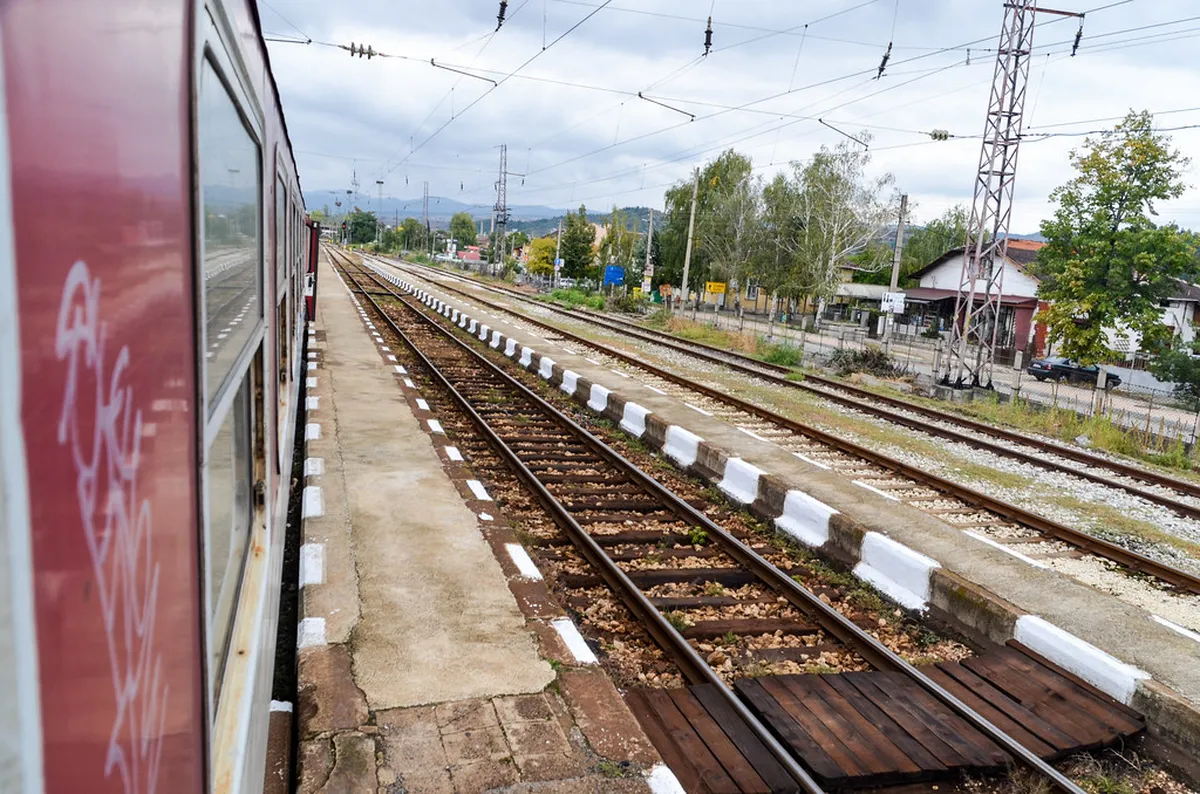
The train is the most underrated option on this route. BDZ (Bulgarian State Railways) runs up to 7 connections per day from Plovdiv Central Railway Station (Tsentralna Gara Plovdiv). The first departure is at 01:50 and the last at 20:00. The fastest journey takes around 4 hours 58 minutes; the average is closer to 6 hours 14 minutes depending on the connection. Tickets start from around 6 BGN (approximately 3 EUR) and rarely exceed 15 BGN (7–8 EUR).
Most trains require a connection at Gorna Oryahovitsa, the main junction town 8 kilometres north of Veliko Tarnovo. From Gorna Oryahovitsa Station, a local train runs the short distance to Veliko Tarnovo Central Station in about 15 minutes. Some BDZ through-services extend to Gorna Oryahovitsa without needing a separate ticket purchase — check whether your ticket is booked through or whether you need to buy the short Gorna Oryahovitsa–Veliko Tarnovo segment separately at the station. Confirm schedules on the BDZ official website before travel.
The route winds through the Sredna Gora foothills, the Rose Valley (kazanlak) Visitor Guide near Kazanlak, and the broader Balkan range. This is genuinely one of the more scenic rail journeys in Bulgaria. For eco-conscious travelers, the numbers support the train: a Plovdiv–Veliko Tarnovo train journey produces roughly 8.84 kg of CO2 per passenger, compared to 9.47 kg by bus and 20.2 kg by car. That gap is not dramatic for bus versus train, but switching from car to train saves over 11 kg of CO2 per person per trip.
Seats can be purchased at Plovdiv Central Station ticket office, at automated ticket machines (cash and card), or through the BDZ online portal. The station is centrally located on Ivan Vazov Boulevard. If you are buying on the day, arrive 30 minutes before departure to allow for queuing at the ticket window — the machines handle card payments smoothly but the interface is in Bulgarian only, so have your destination name in Cyrillic (Велико Търново) ready to search.
For a reliable year-round fallback when direct buses are unavailable, buy a Plovdiv–Sofia ticket (14–18 BGN) and then a Sofia–Veliko Tarnovo ticket (18–22 BGN) separately. This two-leg route is more predictable than waiting for scarce direct departures.
Driving or Private Transfer: For Flexibility and Comfort
The drive from Plovdiv to Veliko Tarnovo takes about 2.5 to 3 hours without stops. The fastest route follows the A1 motorway east towards Stara Zagora, then cuts north on Route 5 (I-5) through Kazanlak and over the Shipka Pass, descending into the Yantra valley and arriving in Veliko Tarnovo from the south. The Shipka Pass section is genuinely beautiful — a winding mountain road with views of the Balkan range — but add 15–20 minutes and take it carefully if driving a small rental car.
Two stopovers reward the extra time. Stara Zagora, about 90 kilometres from Plovdiv, holds one of Bulgaria's best preserved Neolithic settlements as well as Roman-era Forum Augustum ruins in the city centre — free to view from street level. Kazanlak, 45 kilometres further north, is the capital of the Rose Valley and home to a UNESCO-listed Thracian burial mound (the Kazanlak Tomb). The actual tomb is closed to protect the 4th-century BC frescoes, but a replica chamber next door is open for around 6 BGN. Budget an extra 1.5 to 2 hours total if you stop at both towns.
Car rental from Plovdiv starts at around 50–80 BGN (25–40 EUR) per day for a compact car. Factor in roughly 25–30 BGN for fuel on the full journey. Major rental desks at Plovdiv Airport and at Plovdiv Central Station carry the usual international brands. An EU or international driving permit is accepted. You can find more about car hire options including insurance requirements and road-tax stickers (vignettes) before departure.
For a hassle-free door-to-door option, a private transfer eliminates navigation, parking, and the vignette paperwork. Companies like Daytrip.com offer chauffeured transfers starting around 200–300 BGN (100–150 EUR) for the full vehicle. This makes financial sense for a group of three or four travelers splitting the cost.
Comparing Your Travel Options: Bus vs. Train vs. Car
Each mode suits a different traveler profile. Here is a direct comparison across the variables that matter most.
- Bus (direct, when available): cost 20–30 BGN (10–15 EUR), journey 3–3.5 hours, moderate comfort, fixed schedule, no transfer. Best for travelers who want public transport without the train's longer travel time. Availability is seasonal — fewer direct runs outside July–September.
- Bus (via Sofia): cost 32–40 BGN (16–20 EUR), journey 4.5–5.5 hours total, two separate tickets required. Reliable year-round. Good fallback when direct services are not running.
- Train (BDZ): cost 6–15 BGN (3–8 EUR), journey 5–6.5 hours including Gorna Oryahovitsa connection, scenic route, lowest CO2 footprint (8.84 kg vs 20.2 kg by car). Up to 7 departures per day. Best for budget travelers and those who enjoy the journey.
- Rental car: cost 75–110 BGN all-in including fuel (38–55 EUR), journey 2.5–3 hours, maximum flexibility for stopovers. Best for couples or small groups covering multiple destinations.
- Private transfer: cost 200–300 BGN (100–150 EUR) for the vehicle, journey 2.5–3 hours, door-to-door, no navigation required. Best for groups of 3–4 splitting the cost, or travelers arriving late at night.
For most solo travelers and pairs, the train is the clear value pick. For anyone with tight schedules or luggage, a rental car or private transfer removes all timing risk. The direct bus, when available, sits in the middle: faster than the train, cheaper than driving, but less predictable in frequency.
| Mode | Journey Time | Cost (EUR) | Key Advantage |
|---|---|---|---|
| Bus (direct) | 3–3.5 hours | 10–15 | Fastest public option |
| Bus (via Sofia) | 4.5–5.5 hours | 16–20 | Reliable year-round |
| Train (BDZ) | 5–6.5 hours | 3–8 | Lowest cost + scenic |
| Rental car | 2.5–3 hours | 38–55 | Maximum flexibility |
| Private transfer | 2.5–3 hours | 100–150 | Door-to-door + comfort |
Practical Tips for a Smooth Journey
Check schedules no earlier than one week before travel. Both BDZ train times and bus operator listings update seasonally, and timetables shown months in advance are not always accurate. The BDZ website and the Obilet platform both show live availability. For the bus, confirm whether your ticket routes via Sofia or is a genuine direct service before purchasing.
Language matters at Bulgarian bus stations. Station staff at Plovdiv Avtogara Yug and Veliko Tarnovo Avtogara Yug often speak limited English. Have the destination written in Cyrillic (Велико Търново) and Bulgarian (Veliko Tarnovo) on your phone. For train stations, the automated ticket machines display in Bulgarian only — know your destination name in Cyrillic or ask at the staffed counter. Google Translate's camera mode handles Cyrillic station signs well.
Arrive early. Both bus stations get busy with local traffic, especially on Friday afternoons and Sunday evenings when workers commute home. A 30-minute buffer is enough for buses; 20 minutes is fine for trains on weekday mornings.
If you are traveling by Bulgaria's coach system for the first time, be aware that luggage stored in the undercarriage compartment is technically free but a small tip (1–2 BGN) to the driver handling bags is customary. Keep valuables in your seat bag rather than the hold.
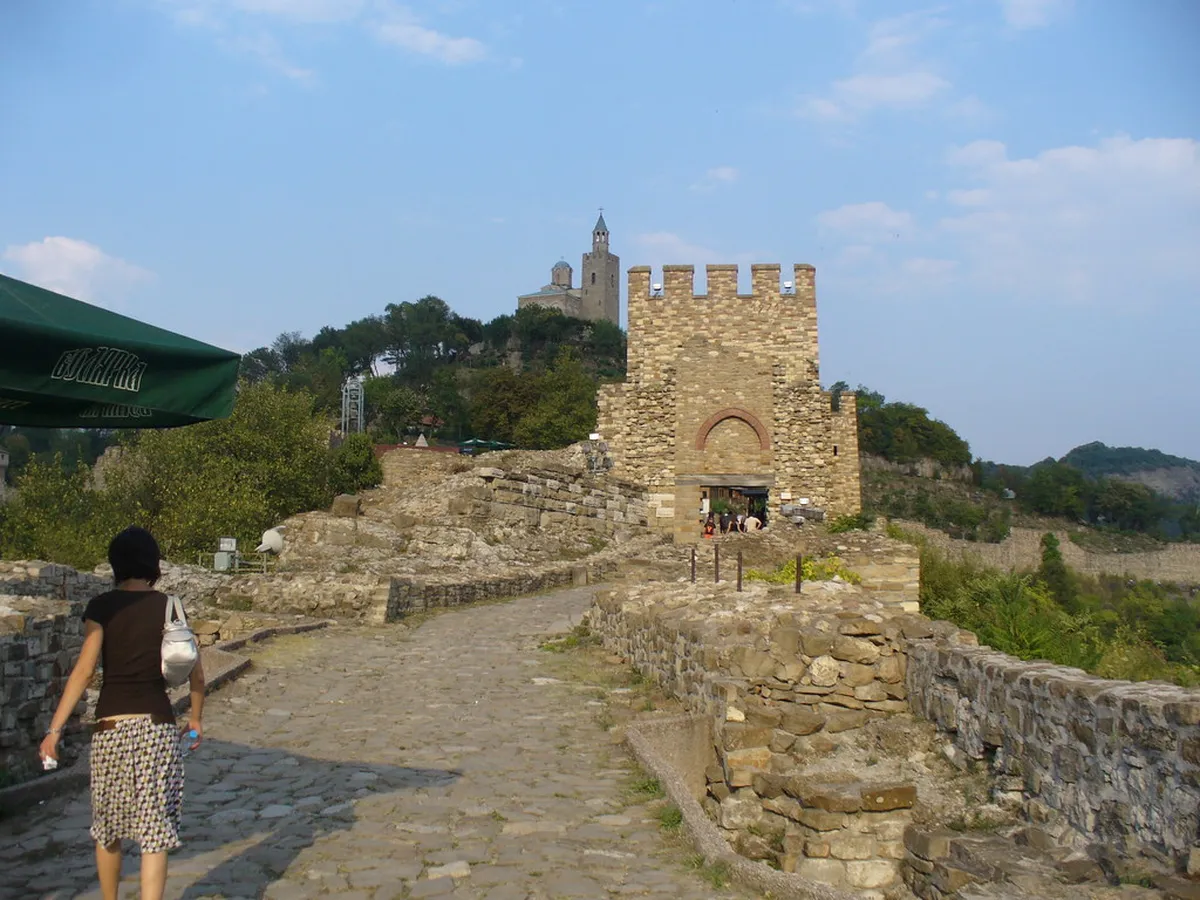
Consider local events. Veliko Tarnovo's Tsarevets Fortress Sound and Light Show runs on selected evenings from May through October. Buses back to Plovdiv after the show (typically ending around 22:00) are very limited — plan to stay overnight or arrange a return transfer in advance. Check the Bulgaria transport guide for tips on combining multiple cities in one trip.
Arriving in Veliko Tarnovo: Getting Around
Buses deposit you at Veliko Tarnovo South Bus Station (Avtogara Yug) on Nikola Gabrovski Street, about 1.5 kilometres south of Tsarevets Fortress. Taxis wait outside the station; the fare to the old town or to the Samovodska Charshiya craft quarter runs 5–8 BGN. Urban bus line 10 connects the South Bus Station to the city centre in about 10 minutes; tickets cost 1.60 BGN and can be bought from the driver.
Train passengers arrive at Veliko Tarnovo Central Railway Station on Georgi Izmirliev Street, roughly 2 kilometres south-west of the old town. The walk to Tsarevets takes about 25–30 minutes uphill. A taxi to the centre costs 6–10 BGN. If you connected from Gorna Oryahovitsa, your train already deposited you at this station rather than the Gorna Oryahovitsa stop.
For those who drove or arrived by private transfer, parking near the old town is available on the terraced lots below Tsarevets Fortress and along Nikola Pikolo Street. Paid parking is 2 BGN per hour. The main pedestrian zone and the fortress entrance are a short walk from any of the lots. The city is compact enough that walking is the best way to see it once you arrive.
Continue planning: Use Getting Around Bulgaria: The Ultimate Transportation Guide and Burgas to Varna: Train, Bus & Drive Guide 2026 to connect this guide with the rest of your Bulgaria itinerary.
Frequently Asked Questions
How much time should you plan for plovdiv to veliko tarnovo?
Plan for a minimum of 3 to 5 hours for the actual travel time from Plovdiv to Veliko Tarnovo. This estimate includes travel by bus or train with potential transfers. Add extra time for getting to and from stations, buying tickets, and any planned stopovers. A full day is ideal if you are driving and want to explore attractions like Stara Zagora.
How do I buy bus tickets from Plovdiv to Veliko Tarnovo?
You can buy bus tickets for the Plovdiv to Veliko Tarnovo route online through platforms like Obilet.com. Alternatively, purchase them directly at the Plovdiv South Bus Station (Avtogara Yug). Booking in advance is recommended, especially during peak travel times. Always confirm your departure time and platform.
Is it better to take the bus or train from Plovdiv to Veliko Tarnovo?
The bus is generally better for a direct and faster journey from Plovdiv to Veliko Tarnovo, taking about 3-3.5 hours. The train is more scenic and budget-friendly but typically involves a transfer and takes 4-5+ hours. Your choice depends on whether you prioritize speed and directness or scenery and cost. Both offer unique travel experiences.
What are the main bus terminals in Plovdiv and Veliko Tarnovo?
In Plovdiv, the main bus terminal for this route is the Plovdiv South Bus Station (Avtogara Yug). For Veliko Tarnovo, buses arrive at the Veliko Tarnovo South Bus Station (Avtogara Yug). Both stations are well-connected to their respective city centers. They serve as primary hubs for intercity travel.
Which plovdiv to veliko tarnovo options fit first-time visitors?
For first-time visitors, taking a direct bus from Plovdiv to Veliko Tarnovo is often the most straightforward option. It offers a good balance of cost, speed, and ease of use. A private transfer is also excellent for comfort and simplicity, though more expensive. Consider a rental car for maximum flexibility if you are comfortable driving internationally.
Traveling from Plovdiv to Veliko Tarnovo is a highlight of any Bulgarian itinerary. You have various options to suit your budget and travel style. Whether by bus, train, or car, each offers a unique way to experience the country.
Buses provide a quick and efficient journey, while trains offer a scenic, budget-friendly alternative. Driving or taking a private transfer gives you ultimate flexibility. Plan your trip with these insights for a smooth adventure.
No matter your choice, the journey promises beautiful landscapes and the charm of Bulgarian culture. Veliko Tarnovo's ancient history and stunning fortress await your arrival. Enjoy every moment of your exploration.