Buses In Bulgaria: Your Essential Travel Guide
Buses are the backbone of travel in Bulgaria. They connect Sofia to the Black Sea coast, link mid-size cities like Plovdiv and Veliko Tarnovo, and reach villages that trains simply don't serve.
Here's a practical video walkthrough of Bulgaria's public transport system:
The network is extensive, fares are low by European standards, and schedules are generally reliable. This guide covers everything you need: which companies to use, how to buy tickets, what to expect onboard, and when buses beat trains — and when they don't.
Why Choose Buses for Travel in Bulgaria?
For most intercity journeys in Bulgaria, buses are faster than trains and reach far more destinations. The rail network is patchy — Bulgaria's mountainous terrain means many towns were never connected by rail at all. Buses fill that gap comprehensively, running frequent daily services between all major cities and most smaller towns.
Fares are cheap. A Sofia–Plovdiv ticket typically costs around 14 BGN (about 7 EUR). Sofia–Varna costs roughly 30–35 BGN depending on the operator. These prices are fixed — unlike in Germany, the UK, or Scandinavia, Bulgarian bus companies generally charge the same fare whether you book a week in advance or buy at the counter an hour before departure. That makes spontaneous travel genuinely feasible.
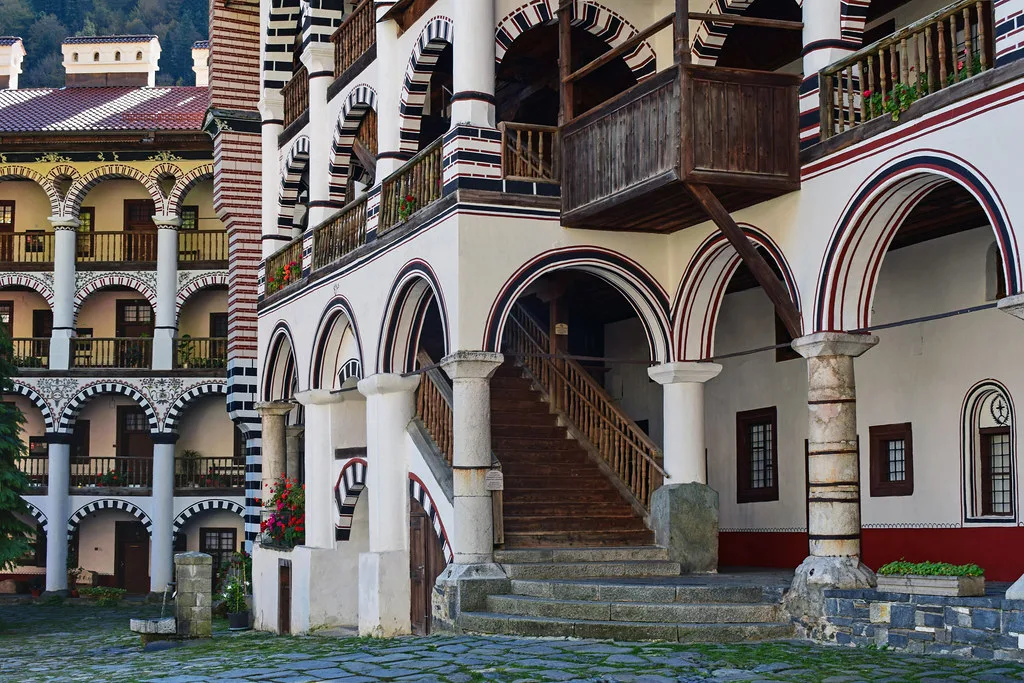
The network also lends itself to day trips. Plovdiv is under two hours from Sofia. Rila Monastery Visitor Guide is reachable from Sofia's Ovcha Kupel bus station. Bachkovo Monastery Visitor Guide is accessible from Plovdiv. For travelers without a car, buses open up a surprising range of Bulgarian destinations that would otherwise require a tour.
Understanding Bulgaria's Bus Network
Bulgaria's intercity bus market is split between large private operators and smaller regional companies. On major corridors — Sofia to Varna, Sofia to Burgas, Sofia to Plovdiv — multiple companies compete, which keeps quality higher and schedules frequent. On rural routes, a single small operator may run only one or two departures a day.
The distinction between big and small buses matters in practice. On main intercity routes you'll typically board a full-size coach with air conditioning, luggage compartments, seatbelts, and sometimes Wi-Fi. On coastal hops between smaller resort towns, or on routes to villages, expect a minibus or van. These smaller vehicles are less comfortable, often have no fixed seats, and you pay the driver directly in cash. They are essential for reaching off-the-beaten-path spots like Sozopol, Nessebar's old town, or smaller Black Sea resorts outside peak season.
The main scheduling resource is bgrazpisanie.com — a Bulgarian-language site that aggregates intercity bus timetables nationwide. It is not available in English, but the layout is navigable: enter your origin and destination in the search fields (use Cyrillic if possible, or try common transliterations like "Sofia" and "Plovdiv"), and it returns departure times, journey durations, and the operating company. Keep a screenshot of your destination name in Cyrillic — it helps enormously at bus stations where signs and tickets are not in Latin script.
Bulgarian bus companies charge the same fare whether you book a week ahead or an hour before departure. On major routes, ticket prices are fixed by operator. Only book in advance to secure your seat during peak summer travel or holidays, not for a discount.
Key Bus Routes and Popular Destinations
Sofia is the main hub. From Sofia Central Bus Station (Tsentralna Avtogara) you can reach Plovdiv (roughly 2 hours), Veliko Tarnovo (about 3 hours), Varna (6–7 hours), and Burgas (about 5–6 hours). There are also regular departures to Bansko (around 2 hours via Blagoevgrad), making it an easy base for both winter skiing and summer hiking in the Pirin mountains.
Popular intercity routes include:
- Sofia – Plovdiv: frequent daily departures, ~2 hours, multiple operators
- Sofia – Varna: daily services, ~7 hours, the longest domestic corridor
- Sofia – Burgas: ~5–6 hours, good connections to the southern Black Sea coast
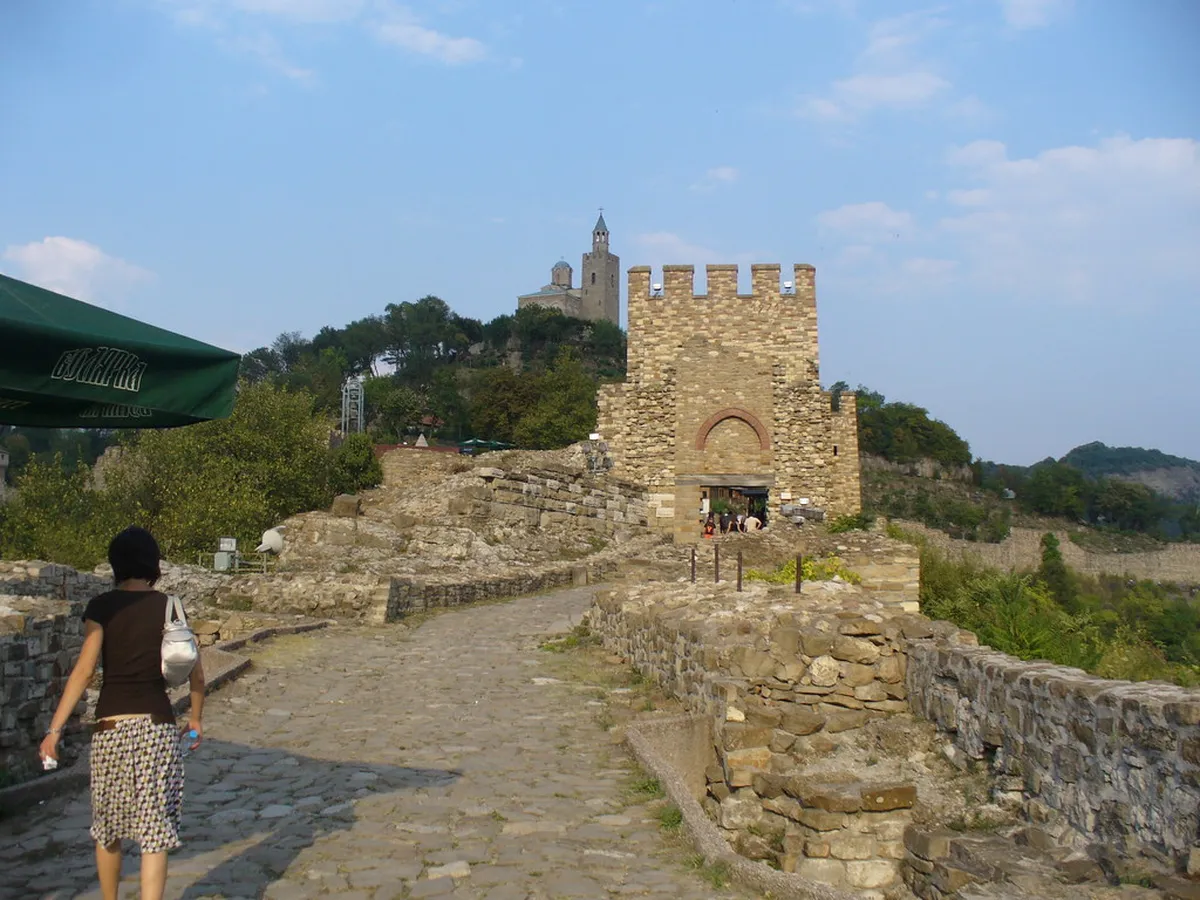
- Sofia – Veliko Tarnovo: ~3 hours, gateway to the medieval fortress and the central Balkans
- Sofia – Bansko: ~2 hours, year-round ski and hiking access
- Plovdiv – Burgas and Varna – Burgas: regional routes connecting the coast
| Route | Journey Time | Approximate Fare | Notes |
|---|---|---|---|
| Sofia – Plovdiv | ~2 hours | ~14 BGN (7 EUR) | Frequent, fastest compared to train |
| Sofia – Varna | ~6–7 hours | 30–35 BGN | Longest domestic corridor, scenic train alternative |
| Sofia – Burgas | ~5–6 hours | ~30 BGN | Gateway to southern Black Sea resorts |
| Sofia – Veliko Tarnovo | ~3 hours | ~18 BGN | Medieval fortress and central Balkans access |
| Sofia – Bansko | ~2 hours | ~16 BGN | Year-round skiing and hiking |
For day trips, Bachkovo Monastery is reachable from Plovdiv by local bus. The route to Bachkovo Monastery takes about 45 minutes and runs several times daily. From Sofia, reaching Rila Monastery by bus requires a change at Blagoevgrad or Dupnitsa — doable independently but worth planning in advance. The Pink Lakes near Burgas are accessible by local bus from the city and make a memorable half-day detour.
Major Bus Stations and Facilities
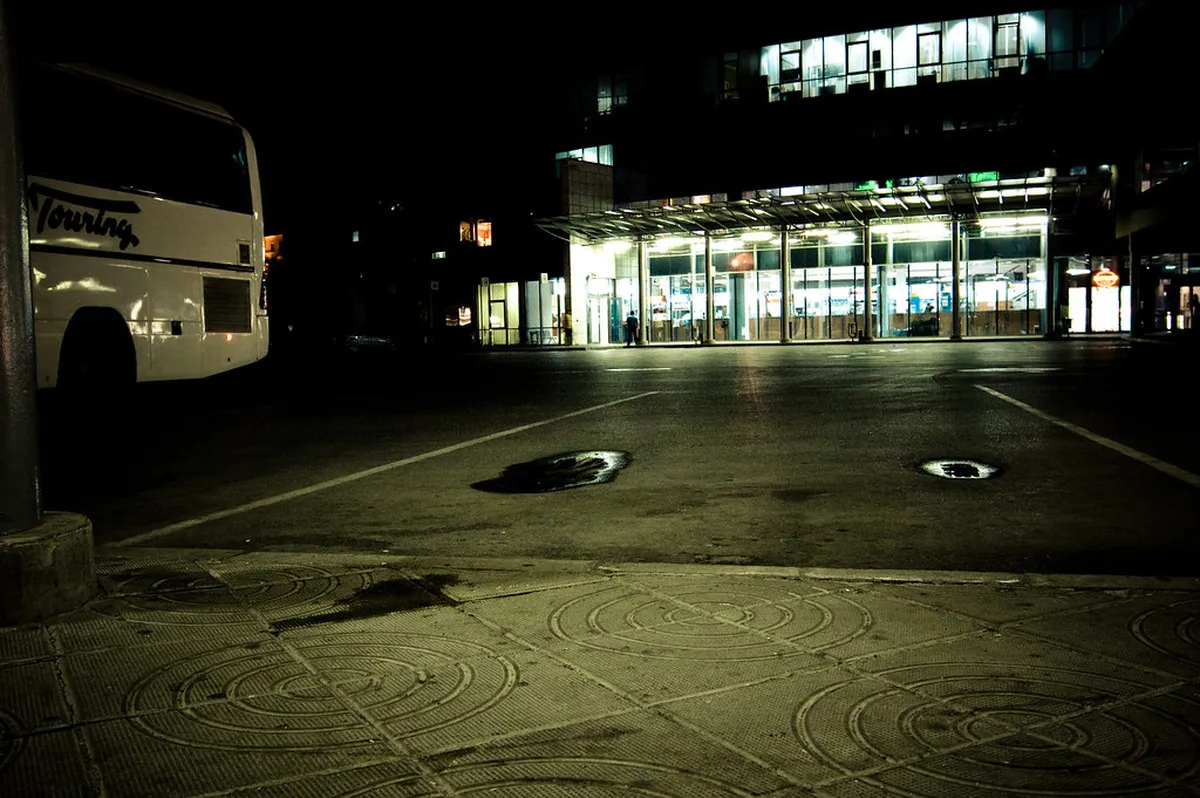
Most Bulgarian cities have at least one central bus station (avtogara). Larger cities sometimes have more than one. Sofia has three domestic stations and one international terminal. The most important for visitors is the Sofia Central Bus Station (Tsentralna Avtogara), which handles the majority of long-distance domestic routes. It has a waiting hall, ticket counters for multiple operators, a baggage room, cafes, and a small convenience store.
Note that some Sofia routes depart from Ovcha Kupel bus station in the south of the city — this is the main departure point for buses to Rila Monastery and several southwest destinations. Always confirm which station your bus leaves from when you book. In Plovdiv and Burgas, some routes use a secondary station, so double-check before you travel.
Getting to Sofia Central Bus Station is straightforward. Metro Line 1 stops at Slivnitsa station (formerly Nadezhda), a short walk from the terminal. From the city center or Sofia Airport, the metro is the fastest option. Taxis and ride-share apps (Bolt is widely used in Sofia) are also reliable — budget around 10–15 BGN from the center. Allow extra time during morning and evening rush hours, particularly on weekdays.
Top Bus Companies in Bulgaria
Union Ivkoni is the largest and most recognized intercity operator. They cover a wide network of domestic routes and some international services, with a fleet of modern coaches. Their website offers online booking, though the interface is primarily in Bulgarian.
Biomet is another well-regarded operator, particularly strong on routes between Sofia, Plovdiv, and the Rhodope region. Etap-Grup (often listed as Etap-G3 or ETAP) covers routes from Sofia south toward Haskovo and the Turkish border corridor. Karat-S operates across multiple corridors and is frequently cited for punctuality.
On the most popular routes — Sofia to Sunny Beach, Sofia to Varna, Sofia to Istanbul — several companies compete and coach quality is generally high. On less competitive regional routes, the quality of buses varies more noticeably. If you have a choice of operators, a quick look at the fleet age on their company site gives a rough indication of comfort level.
For international routes, Bulgaria has extensive bus connections to Turkey (Istanbul), Greece (Thessaloniki, Athens), Serbia (Belgrade), North Macedonia, and beyond. These international coaches are generally modern and well-maintained, since they face direct competition from budget airlines.
How to Buy Bus Tickets
There are three main ways to buy a ticket: online, at the bus station counter, or directly from the driver. For intercity coaches on major routes, online booking through Bilet.bg (Bulgarian, but navigable) or through individual company websites is the most reliable option for guaranteeing your seat. Some companies also issue mobile tickets — though printing a backup is sensible, since not all drivers are comfortable scanning phones.
Buying in person at the bus station counter is perfectly common and works well in most cases. Each company typically has its own window, so go to the counter for the operator running your route. Have your destination and preferred departure time ready. If the counter agent doesn't speak English, pointing to a written destination name in Cyrillic or showing a map usually resolves the language gap.
One important difference from Western Europe: ticket prices in Bulgaria do not increase based on how far in advance you book. The fare for Sofia–Plovdiv is the same whether you buy it a week ahead or an hour before departure. This makes same-day travel genuinely practical on most routes. The exception is high-demand travel: during summer weekends, national holidays, or the school Christmas break, popular routes to the coast or ski areas can sell out. On those occasions, booking a day or two ahead is worth doing — not for a cheaper price, but simply to secure a seat.
For local or rural minibus routes, pay the driver in cash when you board. Keep small Bulgarian Lev notes handy — drivers rarely have change for large bills. For an up-to-date transport overview by all modes of transport, including buses, trains, and taxis, see our full guide.
Onboard Experience and Practical Tips
On full-size intercity coaches, expect comfortable reclining seats, air conditioning, and luggage storage in the hold. Longer routes (Sofia to Varna, Sofia to Burgas) typically include a 20–30 minute rest stop at a roadside facility where you can use the restroom and buy food. Pay attention to the driver's announcement about the return time — buses leave on schedule.
Air conditioning is standard on modern coaches but performance varies. On older vehicles or summer peak days, the cabin can still feel warm. Dress in layers, carry a water bottle, and take a window seat on the shaded side if the sun is strong. On minibuses and marshrutki, AC is often absent or marginal — factor this in during July and August.
When you arrive at the bus station, confirm your exact departure platform number. Sofia Central Bus Station has many bays. Your platform number is usually printed on the ticket, but asking the ticket seller to point it out saves confusion. Buses leave on time in Bulgaria — do not expect them to wait. Arrive at the bay at least 10 minutes early.
Luggage stored in the hold sometimes incurs a small fee (typically 1–2 BGN per bag). Keep your valuables, documents, and a small bag of essentials in the cabin with you. Seatbelts are mandatory on intercity coaches — wear yours regardless of what other passengers do.
Bulgarian buses depart on schedule with no waiting time. Missing your departure bay by even 5 minutes means the bus will leave without you. Confirm your platform number in advance and arrive at least 10 minutes before departure. At smaller stations, also check which of multiple stations your bus uses — some cities have multiple avtogari.
Buses vs. Trains: Which is Better for Bulgaria?
For most routes, buses win on speed and frequency. The Sofia–Plovdiv bus takes around 2 hours; the train takes closer to 3 hours on the same corridor. The price gap is modest — Sofia–Plovdiv by bus costs about 14 BGN, by train around 9 BGN — making the time saving worth it for most travelers. On routes where no direct train exists at all, such as Sofia to Bansko, buses are simply the only practical option.
Trains operated by BDZ have their advantages on specific corridors. The Sofia–Varna train passes through the Balkan mountain range and is genuinely scenic, which the highway route is not. If your priority is landscape rather than speed, the overnight sleeper to Varna (when available) is a comfortable and atmospheric way to cross the country. Trains also offer more space to move around on long journeys, which matters on a 7-hour trip.
The honest summary: choose buses for most intercity journeys where time matters. Choose trains when the scenic route is a priority, or when you're traveling overnight and want a sleeper option. For a deeper comparison on specific corridors, including the Bulgarian rail network guide, the BDZ timetable and bus alternatives are both covered. For the Sofia–Varna corridor specifically, read our Sofia to Varna transport guide which compares journey times, costs, and departure frequency side by side.
Seasonal Travel and What to Expect
The season you visit Bulgaria significantly affects your bus travel experience. Summer (June–August) brings peak demand, especially on routes to the Black Sea coast and ski towns repurposed for hiking. Buses to Sunny Beach, Varna, and Burgas fill up quickly on Friday evenings and weekends. Book these routes at least a day or two in advance, or travel midweek to avoid the rush.
Spring and early autumn are ideal for bus travel. Schedules are full, buses run reliably, and there is rarely any difficulty finding a seat without advance booking. The weather is also comfortable enough that the variable air conditioning question becomes less of an issue.
Winter travel introduces a different set of considerations. Mountain routes — to Bansko, through the Rhodopes, or into the Balkan range — can be subject to delays or temporary cancellations during heavy snowfall. The Sofia–Bansko route is generally well-maintained, but check conditions before you travel in January or February. On the positive side, winter schedules to coastal towns are reduced but not eliminated, and you'll find buses much less crowded outside ski-specific routes.
Off-season travel to smaller towns and villages sometimes means fewer daily departures — occasionally just one bus per day in each direction. If you're planning to reach remote destinations like Kovachevitsa or smaller Rhodope villages, confirm departure times in advance via bgrazpisanie.com or by calling the local station. Missing the one daily bus in a village without a taxi stand is a genuine inconvenience.
Navigating Public Transport in Sofia
Sofia's urban transport network covers the city well. It includes three metro lines, a tram network, trolleybuses, and regular buses. The metro is the fastest way to navigate the city and connects the airport (Terminal 2) to the center in about 30 minutes. A single ride costs 1.60 BGN (about 0.80 EUR); a day pass is 4 BGN and covers all modes.
Tickets for all surface transport (trams, trolleybuses, buses) can be bought from drivers or at kiosks near major stops. Validate your ticket in the stamping machine immediately on boarding — inspectors do check, and the fine for an unvalidated ticket is steep relative to the fare. The Sofia Urban Mobility Center app provides real-time arrival information for metro, trams, and buses.
Trams are particularly useful for reaching areas the metro doesn't cover — Vitosha Boulevard Visitor Guide (tram 6), the NDK cultural center area, and several residential neighborhoods. Bus routes fill in the gaps. If you're staying in the center and primarily visiting Sofia's main sights, the metro plus walking covers most of what you need. For day trips requiring the intercity bus network, the metro ride to the Central Bus Station is the simplest transfer in the city.
FAQ: Your Questions About Buses in Bulgaria
Continue planning: Use Getting Around Bulgaria: The Ultimate Transportation Guide and Burgas to Varna: Train, Bus & Drive Guide 2026 to connect this guide with the rest of your Bulgaria itinerary.
Frequently Asked Questions
Is travelling Bulgaria by bus worth it for tourists?
Yes, traveling by bus in Bulgaria is often worth it for tourists. It offers an affordable and extensive network connecting major cities and smaller towns. Buses are generally frequent and provide a direct way to experience the local culture and landscapes.
How do I buy bus tickets in Bulgaria?
You can buy bus tickets online through websites like Bilet.bg, at the bus station ticket counters, or sometimes directly from the bus driver for shorter routes. For popular routes or during peak season, it is best to book in advance to secure your seat.
What are the main intercity bus companies in Bulgaria?
Union Ivkoni is one of the largest and most prominent intercity bus companies in Bulgaria. Other reliable operators include Karat-S and Etap-G3. These companies offer extensive domestic and some international routes with varying levels of service.
What are the differences between bus and train travel in Bulgaria?
Buses in Bulgaria are generally faster, more frequent, and have a wider network than trains. They are often more affordable too. Trains, operated by BDZ, can be slower and less punctual but may offer more comfort and scenic routes, especially for longer journeys. For more details, see our guide on Bulgarian rail options.
Is public transport in Sofia easy for tourists to use?
Yes, public transport in Sofia is very easy for tourists to use. The city has a modern metro system, extensive tram lines, and trolleybuses. Tickets are affordable and readily available at stations or kiosks, making it simple to navigate the capital.
Navigating Bulgaria by bus offers an enriching and practical way to explore the country.
From bustling city centers to tranquil monasteries, the bus network connects you to diverse experiences.
With proper planning and an understanding of local transport, your journey will be smooth and memorable.
Embrace the adventure and discover the beauty of Bulgaria on its extensive bus routes.