How to Take the Sofia to Skopje Bus in 2026
Quick Answer: FlixBus and GjirafaTravel run the sofia to skopje bus in 5 to 6 hours for €15 to €31. That's roughly $16 to $34 one-way, cheaper if booked a few weeks ahead of travel. Travelers in a hurry might choose a private transfer instead, since border queues add extra time.
This travel vlog documents the full Sofia to Skopje bus journey, including the border crossing experience.
This route links Bulgaria's capital with North Macedonia's capital across roughly 230 to 260 kilometers of road. FlixBus and GjirafaTravel both operate daily coaches, with the first departure near 07:00 and the last near 17:30. Last updated July 2026, the fares and times below reflect current listings from both operators.
Sofia's Serdika and Central Bus Station both serve this line, while Skopje's Central Bus Station handles arrivals. Border processing at Gyueshevo typically adds 30 to 60 minutes, split between exit and entry checks. The sections below cover booking steps, station details, a packing checklist, and quick fixes for delays.
Sofia to Skopje Bus: Compare Your Options
Most travelers choose between two scheduled coach operators, a private transfer, or a self-drive rental. FlixBus and GjirafaTravel both run this corridor daily, competing mainly on price and departure time. The list below breaks down cost, duration, and frequency so you can match a method to your budget.
For a broader view of Bulgarian transport options, see our guide to getting around Bulgaria. That guide covers trains, domestic buses, and car rental across the country beyond this single route.
| Option | Cost | Duration | Frequency | Best For |
|---|---|---|---|---|
| Scheduled coach (FlixBus/GjirafaTravel) | €15–31 (~$16–34) one-way | 5–6 hours including border stop and rest break | 3+ daily, first ~07:00, last ~17:30 | Budget travelers comfortable with fixed schedules |
| Private transfer or shared taxi | €80–150 (~$87–163) per car, split between passengers | 4–5 hours door-to-door | On demand, booked 1–2 days ahead | Families or small groups wanting hotel-to-hotel pickup |
| Self-drive rental car | €60–120 (~$65–130) round-trip for rental, fuel, tolls | 4–5 hours depending on border traffic | Flexible, no fixed schedule | Travelers already renting for wider Bulgaria road trip |
The cheapest coach fare is not always the fastest option once border delays are factored in. Buses also use less fuel per passenger than flying or driving alone, a genuine eco advantage. Choosing a mid-price ticket with a morning departure often balances cost and reliability best.
- Scheduled coach: FlixBus and GjirafaTravel
- Costs about €15 to €31 (~$16 to $34) one-way depending on how early you book.
- Takes roughly 5 to 6 hours, including the Gyueshevo border stop and one rest break.
- Runs three or more times daily, first departure near 07:00 and last near 17:30.
- Best for budget travelers comfortable with a fixed schedule and shared seating.
- Private transfer or shared taxi
- Costs roughly €80 to €150 (~$87 to $163) per car, split between passengers.
- Takes about 4 to 5 hours door-to-door with no scheduled stops along the way.
- Booked on demand rather than fixed times, usually arranged a day or two ahead.
- Best for families or small groups wanting direct hotel-to-hotel pickup.
- Self-drive rental car option
- Rental, fuel, and tolls often total €60 to €120 (~$65 to $130) round-trip.
- Takes around 4 to 5 hours depending on traffic at the Gyueshevo crossing.
- Gives full flexibility to stop in border villages or detour off the main route.
- Best for travelers already renting a car for a wider Bulgaria road trip.
Step-by-Step: Booking the Sofia to Skopje Bus
Booking this route follows a simple sequence from comparing fares to clearing the border. Both FlixBus and GjirafaTravel sell e-tickets online, with live tracking available inside their apps. The steps below cover the full trip from Sofia's station to arrival in Skopje.
Book by Wednesday for weekend departures, as weekend coaches sell out fastest. Midweek morning departures sidestep the heaviest border queues and often clear the Gyueshevo crossing faster than busy afternoon runs.
If your dates are fixed, book the earliest 07:00 departure to guarantee a seat. If your schedule is flexible, compare midweek fares first, since weekend coaches sell out faster.
Travelers who caught the 16:00 departure have reported boarding with only about ten passengers aboard. That kind of lighter afternoon load often makes seat selection and legroom easier to manage.
- Step 1: Compare FlixBus and GjirafaTravel schedules online
- Check both operators' sites, since fares shift daily between roughly €15 and €31 (~$16-$34).
- Compare departure windows too, since the earliest coach leaves near 07:00 and the last near 17:30.
- Booking three to five days ahead usually beats last-minute prices by €5 to €10.
- Step 2: Book your ticket in advance online
- Online booking through FlixBus or GjirafaTravel takes about five minutes and confirms by email.
- Expect to pay €15 to €31 (~$16-$34) per adult, with occasional discounts for children.
- Waiting until travel week is a common mistake, since the cheapest seats sell out first.
- Save the e-ticket or QR code offline in case signal drops near the border.
- Step 3: Arrive at Sofia's departure station early
- Reach Sofia Central Bus Station or Serdika Bus Station 30 to 45 minutes before departure.
- A taxi from central Sofia costs roughly €5 to €8 (~$5-$9) and takes 10 to 15 minutes.
- Ticket counters accept Bulgarian leva cash and cards, including mobile wallets like Apple Pay.
- Arriving late is the most common reason travelers miss this route, since drivers rarely wait.
- Step 4: Board and settle in for the ride
- Expect a ride of about 5 to 6 hours across roughly 230 to 260 kilometers of road.
- Most FlixBus coaches include free Wi-Fi, power outlets, and an onboard toilet.
- Pack a light layer, since air conditioning on some older coaches runs quite cold.
- Step 5: Clear the Gyueshevo border crossing
- Border processing typically adds 30 to 60 minutes total, split between exit and entry checks.
- Keep a passport ready, since officers sometimes ask everyone to step off the bus briefly.
- Midweek departures often clear this crossing faster than busy weekend afternoon runs.
- Step 6: Use the rest stop wisely
- The single rest stop lasts about 15 minutes, enough time for snacks or a bathroom break.
- Carry small euro or leva cash, since card machines at roadside stops often fail.
- Skipping this bathroom break is a common regret, since the next chance is over an hour away.
- Step 7: Arrive at Skopje Central Bus Station
- Buses typically pull in five to six hours after leaving Sofia, near the city center.
- Currency counters at the station convert euros to denars at posted exchange rates.
- Taxis into central Skopje cost roughly €3 to €5 (~$3-$5) and take about 10 minutes.
- Compare rates at two counters before converting, since spreads vary between kiosks.
Bus Stations and the Border Crossing Explained
Sofia's Serdika Bus Station sits near the city center and handles several international coach lines. Check the exact platform at Sofia Serdika Bus Station before your travel date.
A valid passport is required for this crossing, as North Macedonia sits outside the EU and Schengen zone. Standard EU health coverage doesn't extend across this border, so travel insurance is worth considering.
Sofia Central Bus Station, just north of downtown, is the other common departure point. This terminal offers luggage storage, ticket counters, and cafes, and it's mapped at Central Bus Station of Sofia.
On arrival, Skopje Central Bus Station connects to the city center by taxi or local bus. Find its exact location at Skopje Central Bus Station before planning your onward transfer. The terminal has ticket counters, currency exchange, and a few small cafes for a quick bite.
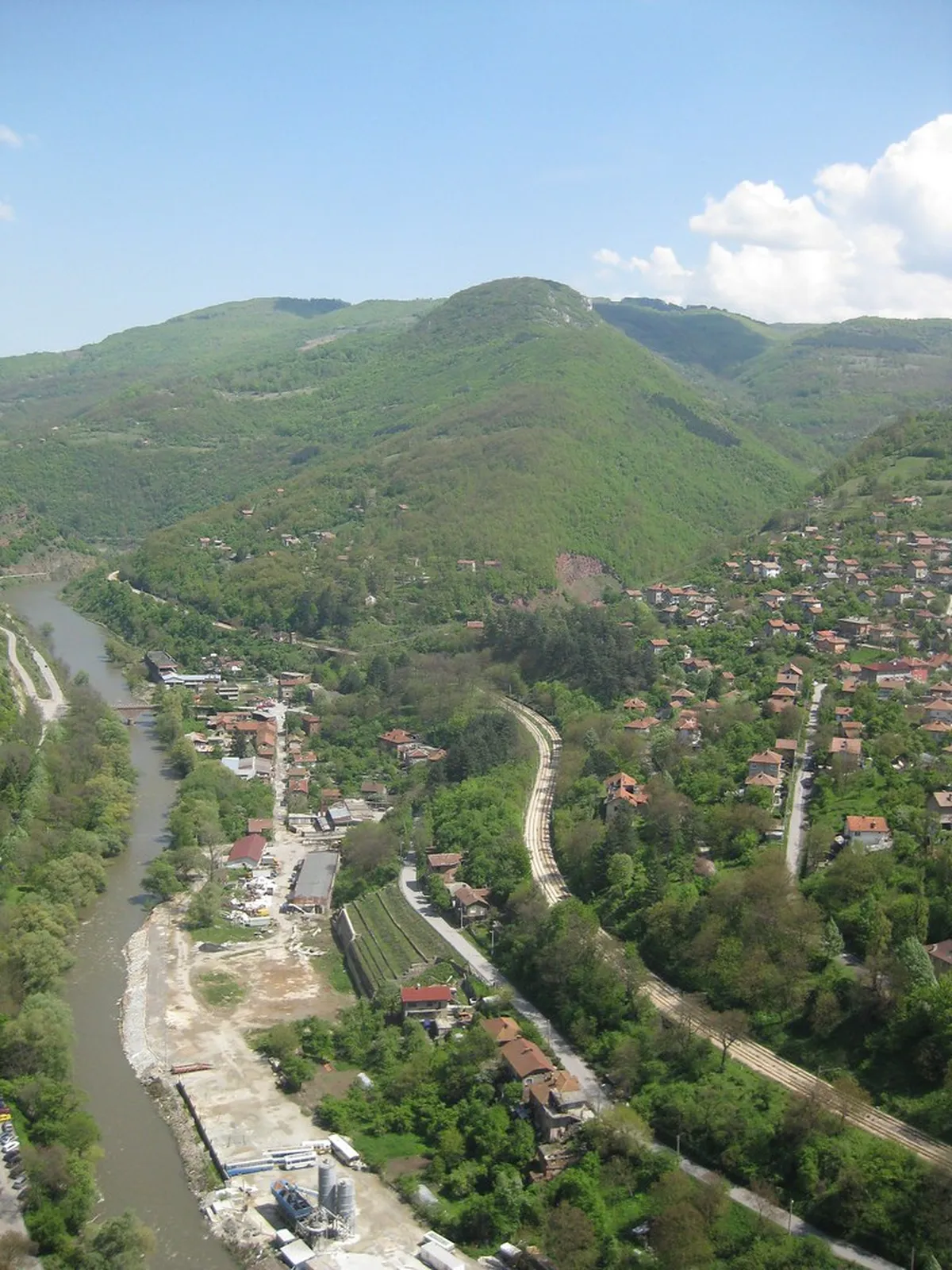
The land border sits at Border Crossing Gyueshevo, roughly midway between the two capitals. Expect hilly terrain, forested valleys, and a passport check on both the Bulgarian and Macedonian sides. A valid passport is required here, since North Macedonia sits outside the EU and Schengen zone.
Travel insurance is worth considering, since standard EU health coverage does not extend across this border. Travelers flying into Sofia first sometimes arrange a Sofia Airport Car Rental: A Step-by-Step Guide before the bus leg.
What to Pack and Prepare Before You Go
Packing light and smart makes the 5 to 6 hour ride noticeably more comfortable. Weather along this route ranges from warm lowland summers to cooler mountain stretches near the border.
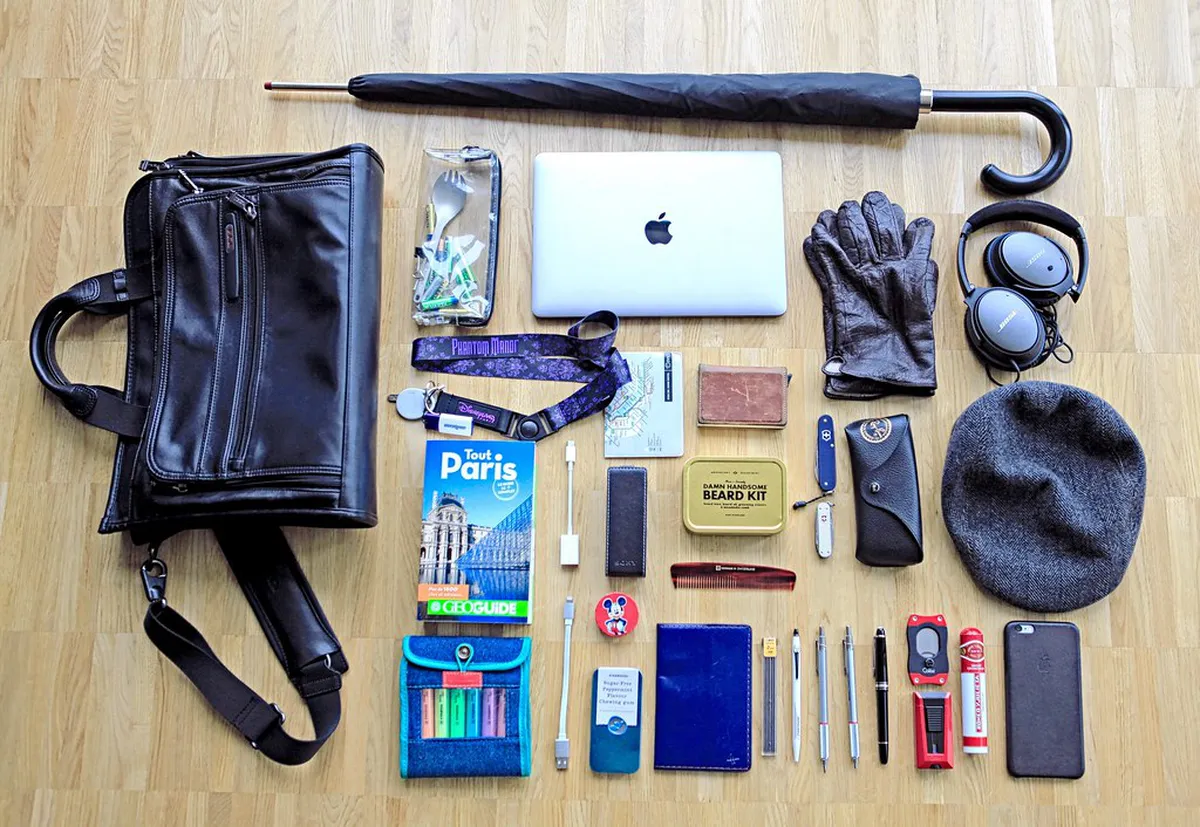
Documents and money matter most, since border staff and rest-stop vendors don't always take cards. A mix of small euro and Bulgarian leva notes covers snacks, tips, and any surprise fees.
Staying connected across two mobile networks is another common concern on this corridor. A local eSIM or a downloaded offline map avoids dead zones near the Gyueshevo crossing.
- Before You Go: Sofia to Skopje Bus Checklist
- Carry a valid passport, since North Macedonia is outside the Schengen and EU zone.
- Pack euros or Bulgarian leva in small notes for snacks and border-area purchases.
- Download your e-ticket and screenshot it in case signal drops near the border.
- Bring a portable charger, since outlets vary between older and newer coach models.
- Pack snacks and water beyond the single short rest stop along the route.
- Consider travel insurance, since routine EU health coverage doesn't extend to North Macedonia.
- Save an offline map or download an eSIM for data once you cross the border.
- Wear layers, since onboard air conditioning temperature swings between older and newer buses.
Troubleshooting Common Bus Problems on This Route
Most problems on this route come down to timing, cash, or connectivity gaps. A little preparation avoids nearly every common issue travelers run into on this bus.
Weekend and holiday departures see the heaviest demand and the longest border queues. Booking a weekday morning coach sidesteps most of these predictable bottlenecks.
The fixes below cover the issues travelers hit most often on this specific corridor. None of them require more than a small change in timing or a backup payment method.
- Common Sofia to Skopje Bus Problems and Fixes
- Buses sell out fastest on weekends, so book by Wednesday for weekend departures.
- Card payments sometimes fail at station counters, so keep Bulgarian leva cash as backup.
- Border queues run long on holidays, so build an extra hour into travel plans.
- If a ticket QR code won't scan, show the confirmation email to the driver instead.
- There is no late-evening departure, since the last coach leaves Sofia around 17:30.
- Phone signal often drops near Gyueshevo, so download tickets and maps before boarding.
- Exchange rates can look poor at the first station counter, so compare two kiosks.
- Luggage limits confuse some travelers at boarding, so confirm one carry-on plus one checked bag.
Is the Sofia to Skopje Bus Worth It?
For most budget-conscious travelers, yes, the bus remains the most practical way to cover this route. Rail options between the two capitals stay limited, which keeps the coach as the default choice.
Buses also burn less fuel per passenger than flying or driving solo, a genuine sustainability edge. That eco angle matters more on a route with only one practical flight-free alternative.
Travelers extending this trip into a wider Balkan loop often pair it with onward legs. Our Sofia to Istanbul train guide covers the other direction for a longer rail-and-bus itinerary.
Not every Bulgaria trip runs toward Skopje, and plenty of travelers head south instead. Our Sofia to Pamporovo transport guide covers that mountain route in similar detail.
Coastal travelers asking the same worth-it question often compare this trip with a beach transfer instead. See our Sofia to Sunny Beach transport guide for that coastal alternative.
Buses from Skopje to Sofia
If you are returning the same way, Skopje to Sofia buses usually depart from Skopje Central Bus Station, the main terminal beside the railway station southeast of the city center. Arrive 30 to 45 minutes early, especially if you still need to buy a ticket at the counter or exchange Macedonian denars before boarding.
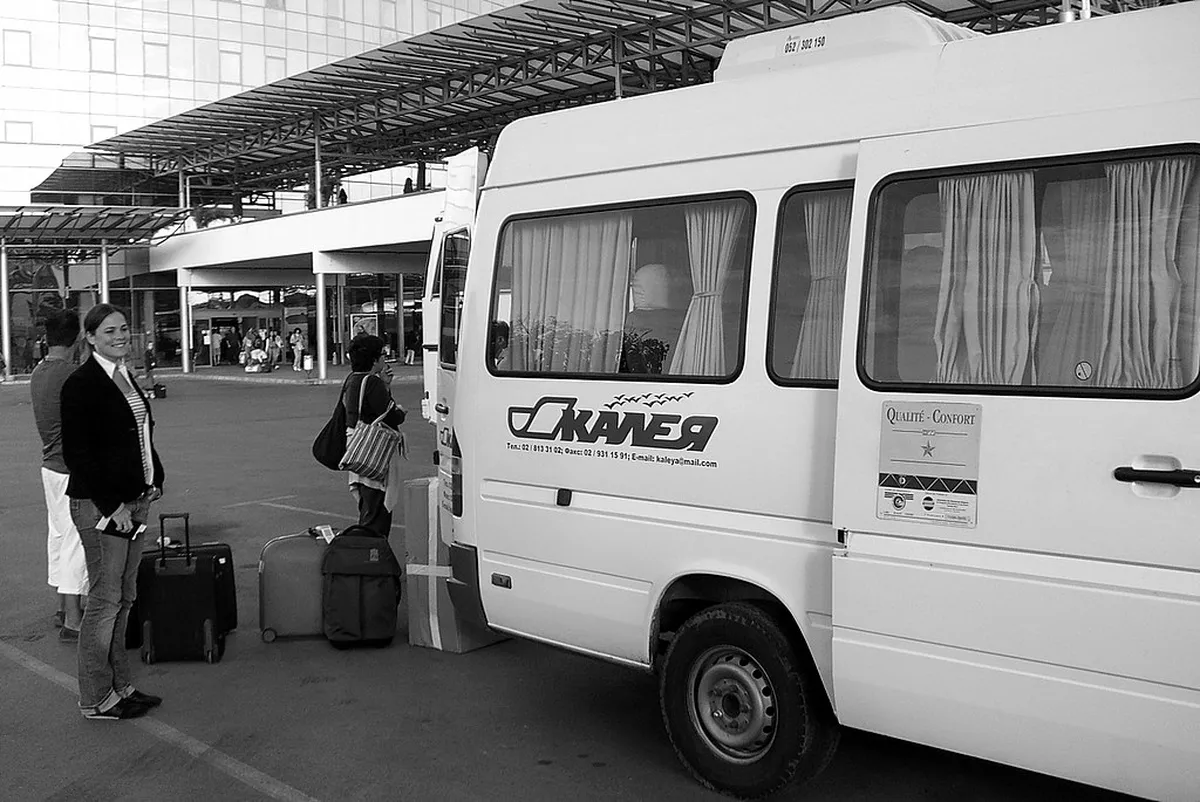
The reverse trip uses the same Bulgaria-North Macedonia land border corridor, so plan for about 5 to 6 hours rather than treating it as a simple city-to-city transfer. Passport checks can be quicker on quiet weekdays and slower around holidays, student travel periods, and Sunday returns. Keep your passport, ticket, and any visa or residence documents in your day bag, not in checked luggage under the coach.
On arrival in Sofia, confirm whether your bus stops at Sofia Central Bus Station or nearby Serdika Bus Station before arranging a taxi, metro connection, or onward bus inside Bulgaria.
Continue planning: Use Getting Around Bulgaria: The Ultimate Transportation Guide and Burgas to Varna: Train, Bus & Drive Guide 2026 to connect this guide with the rest of your Bulgaria itinerary.
Frequently Asked Questions
Is there a direct bus from Sofia to Skopje?
Yes, FlixBus and GjirafaTravel both run direct coaches between Sofia and Skopje every day. Departures start around 07:00, with the last coach leaving near 17:30, so timing options are flexible. Both operators sell e-tickets online, and booking a few days ahead usually secures a lower fare.
How long does the Sofia to Skopje bus take?
The trip typically takes 5 to 6 hours, covering roughly 230 to 260 kilometers of road. Travel time depends on border traffic at Gyueshevo, which can add 30 to 60 minutes. Midweek departures tend to clear the crossing faster than busy weekend afternoon buses.
How much does the Sofia to Skopje bus cost?
Fares generally range from about €15 to €31 (~$16-$34) one-way, depending on the operator. Booking three to five days in advance usually beats last-minute prices by €5 to €10. Children sometimes travel at a discount on GjirafaTravel, so it's worth checking both fare charts.
How do you pay for the bus in Skopje?
Ticket counters and onboard staff generally accept cash in euros or Macedonian denars. Major cards and mobile wallets like Apple Pay also work at most station counters. Carrying some small denar or euro notes helps for snacks and short taxi rides.
Is there a bus from Tirana to Skopje too?
Yes, several coach operators connect Tirana and Skopje directly, much like the Sofia route. Schedules and fares vary by season, so it's worth comparing operators before booking. Our Bulgaria transport blog covers more Balkan bus connections for wider trip planning.
The sofia to skopje bus stays the simplest way to link these two Balkan capitals. Budget around €15 to €31 (~$16-$34) and 5 to 6 hours, plus a short Gyueshevo border stop. Book a few days ahead, keep small cash handy, and arrive at the station early.
For more Bulgaria route planning, our Plovdiv to Pamporovo transport guide covers another popular mountain leg. Together, these guides help build a smoother multi-stop itinerary across Bulgaria and the wider Balkans.