How to Do the Sofia to Thessaloniki Train Trip
Quick Answer: FlixBus is the fastest reliable default at about €18–€25 / ~$20–$27 and roughly 4 hours 40 minutes. Budget travelers can piece together train segments through Kulata for a lower fare, though schedules change often. Travelers who want zero transfers can book a private transfer, which costs more but skips the border swap.
Here's real-time footage of the Sofia-Thessaloniki train journey:
Last updated July 2026, this guide covers the sofia to thessaloniki train route in full detail. It explains current train status, bus options, and border crossing logistics. Every cost and duration below comes from checked transport operator data.
Sofia and Thessaloniki sit about 183 miles apart across the Bulgaria-Greece border. Bulgaria uses the lev while Greece uses the euro, so budgeting takes a little extra care. You'll likely choose between a direct bus, a multi-leg train, or a private transfer.
Sofia to Thessaloniki Train: Compare Your Options
Four practical ways connect Sofia and Thessaloniki, and each fits a different traveler. FlixBus operates the most predictable direct bus service on this corridor. The classic sofia to thessaloniki train still exists, but only in short cross-border segments now. Private transfers and flights round out the remaining choices for less common needs.
The comparison below breaks down cost, duration, and frequency for each option. Prices shown come from FlixBus fare data and historical Greek and Bulgarian rail schedules. Exact fares shift with season and demand, so treat these as a starting range.
| Option | Cost | Duration | Booking |
|---|---|---|---|
| FlixBus Direct Bus | €18–€25 per person | ~4 hours 40 minutes | Online (FlixBus website/app) |
| Train Plus Bus at Kulata | Cheaper on paper (exact fare not published) | 6:55 am departure to early afternoon arrival | In-person at station |
| Private Transfer or Shared Taxi | €90–€150 per vehicle | Door-to-door (time varies) | Arranged separately |
| Flying via Connecting Hub | Not specified | Usually longer than surface routes | Online booking |
Choosing between these options usually comes down to budget, time, and tolerance for transfers. Travelers on a tight budget should default to the FlixBus route for simplicity. Those with early flights or heavy luggage often find a private transfer worth the extra cost. Travelers heading further afield might also compare the Sofia to Belgrade transport options.
- FlixBus Direct Bus From Sofia
- Costs roughly €18–€25 / ~$20–$27 per person for the one-way fare.
- Takes around 4 hours 40 minutes covering roughly 183 miles between the two cities.
- Runs several times daily, with the first departure near 7:10 am and the last near 11:59 pm.
- Train Plus Bus Transfer At Kulata
- Follows a multi-leg route through the Bulgaria-Greece border town of Kulata.
- Historically scheduled to leave Thessaloniki near 6:55 am and reach Sofia by early afternoon.
- Tickets are not sold online, so plan to buy them in person at the station.
- Private Transfer Or Shared Taxi
- Runs door to door without the border bus swap that public transit requires.
- Typically costs more, often €90–€150 / ~$100–$165 per vehicle for the whole ride.
- Best for groups splitting the fare or travelers with an early flight to catch.
- Flying Via A Connecting Hub
- No frequent direct flights link Sofia and Thessaloniki on this short regional hop.
- Connecting itineraries usually add up to a longer total travel time than the bus.
- Worth checking only when surface routes are disrupted or fully booked.
How to Book the Sofia to Thessaloniki Trip, Step by Step
Booking this trip well starts with deciding on your mode before checking exact times. Most travelers lock in the FlixBus fare first, then adjust plans around delays. The steps below work whether the goal is the bus, the train segments, or a mix of both.
Start by checking service status at least a week before the planned travel date. Cross-border rail links in this region change often, sometimes with little notice. A quick search or a call to the station confirms whether trains are running that week.
For up-to-date train specifics, cross-check the route on Seat61.com. This kind of independent rail resource often catches route changes faster than official pages. Bus bookings rarely need this extra check, since FlixBus publishes its own live schedule.
Travelers flying into Sofia first should plan that arrival separately from this leg. Details on the Sofia airport parking options help if driving in before the trip. A short layover before catching the bus or train rarely causes problems at the terminal.
- Step 1: Check Current Train and Bus Status
- Confirm whether the cross-border train segment is currently operating before planning around it.
- Cross-reference FlixBus schedules with independent rail trackers for the latest border information.
- Skipping this check is the most common mistake, since the rail link has paused before.
- Step 2: Choose Bus, Train, or Transfer
- Match the mode to the budget, comfort level, and total free time available.
- FlixBus suits most travelers at roughly 4 hours 40 minutes for about €18–€25 / ~$20–$27.
- The train segments cost less on paper but add uncertainty around the Kulata transfer.
- Step 3: Book FlixBus Tickets Online
- Reserve seats through the FlixBus website or app at least three days ahead in peak season.
- Fares from about €18–€25 / ~$20–$27 climb closer to departure, so early booking usually saves money.
- The app stores the ticket digitally, so there is no need to print anything.
- Step 4: Get to Sofia Central Bus Station
- Arrive about 30 minutes before departure, since FlixBus enforces a strict boarding cutoff.
- The Sofia Central Bus Station sits near the main train station, a short taxi ride from downtown.
- A common mistake is confusing the Central Bus Station with the smaller Serdika stop.
- Step 5: Handle the Border Crossing
- Keep a passport or ID card accessible, since border guards check everyone on board.
- The bus stop is brief, usually well under an hour at the Bulgaria-Greece checkpoint.
- Train travelers should expect a shuttle bus swap near Strymonas or Kulata if segments are disrupted.
- Step 6: Arrive and Reach Central Thessaloniki
- FlixBus and train arrivals both land within a short taxi ride of the city center.
- Budget about 15 to 20 minutes and a small local fare to reach central hotels.
- Double-check the arrival stop name, since some services drop passengers outside the main hub.
Before You Go: Sofia to Thessaloniki Checklist
A little prep prevents most headaches on this cross-border trip. Currency, documents, and timing all matter more here than on a domestic hop. The checklist below covers what you should pack and confirm before heading out.
Bulgaria uses the lev and Greece uses the euro. Carry both currencies or a fee-free travel card that works in each country. Most bank cards function in Sofia and Thessaloniki, but cardholders should notify their bank before departure.
Bulgaria uses the lev, and Greece uses the euro, so carry both or a card that works in each. Cash is still useful for the shuttle bus fare and small station snacks near Kulata. Most bank cards work fine in Sofia and Thessaloniki, but notify the bank before leaving.
Both Bulgaria and Greece sit in the EU, but border checks still happen on this route. Passports or valid EU ID cards get checked at the crossing near Kulata. Travelers with a long wait beforehand might check the Sofia airport lounge options.
- What To Pack And Confirm Before Departure
- Carry a passport or valid EU ID card for the border check.
- Pack euros and leva, or a fee-free travel card that covers both.
- Download the FlixBus app for digital tickets and live delay alerts.
- Check the current status of the Thessaloniki-Sofia rail segment a week ahead.
- Pack a light layer, since border buses and older trains vary in temperature.
- Save offline maps for both cities in case data coverage drops near the border.
Is the Sofia to Thessaloniki Train Still Worth It?
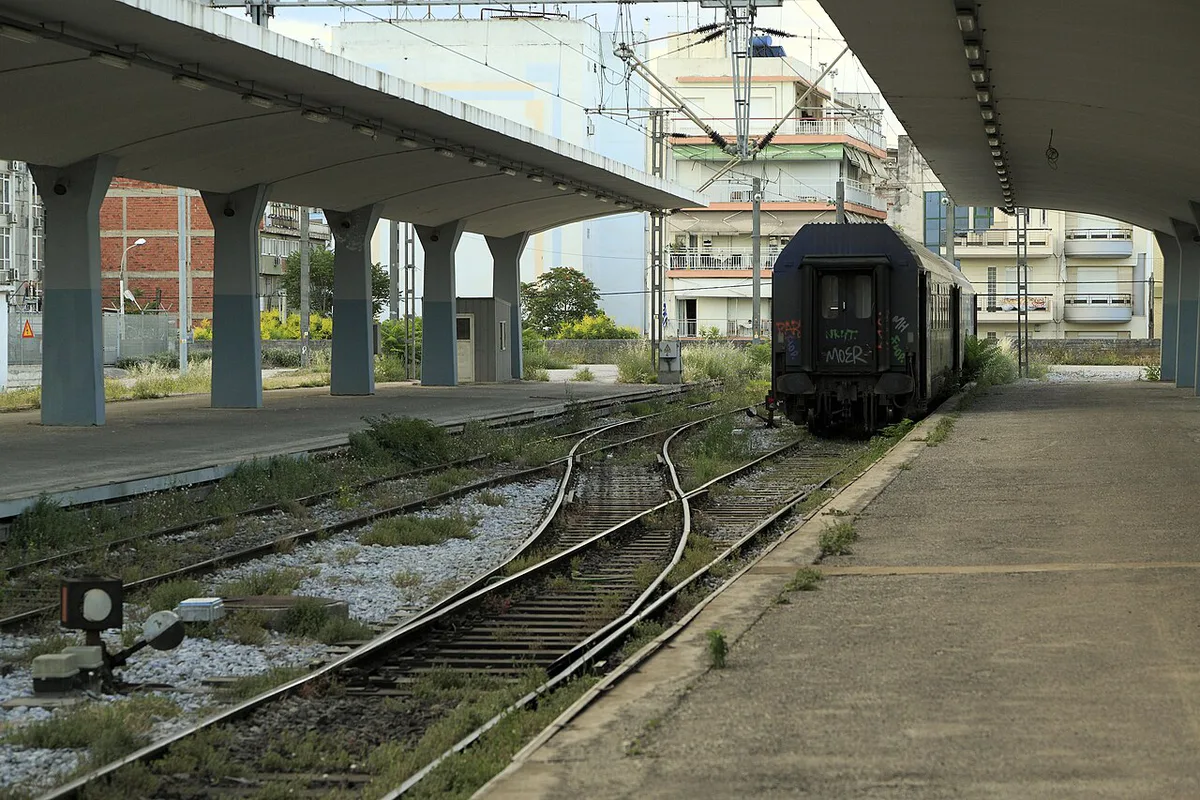
The sofia to thessaloniki train has a complicated recent history worth knowing before booking around it. Official Greek rail schedules once listed a 6:55 am departure from Thessaloniki, arriving in Sofia by early afternoon. That single-train plan requires a change at the Bulgarian border, and the connection has not always run smoothly.
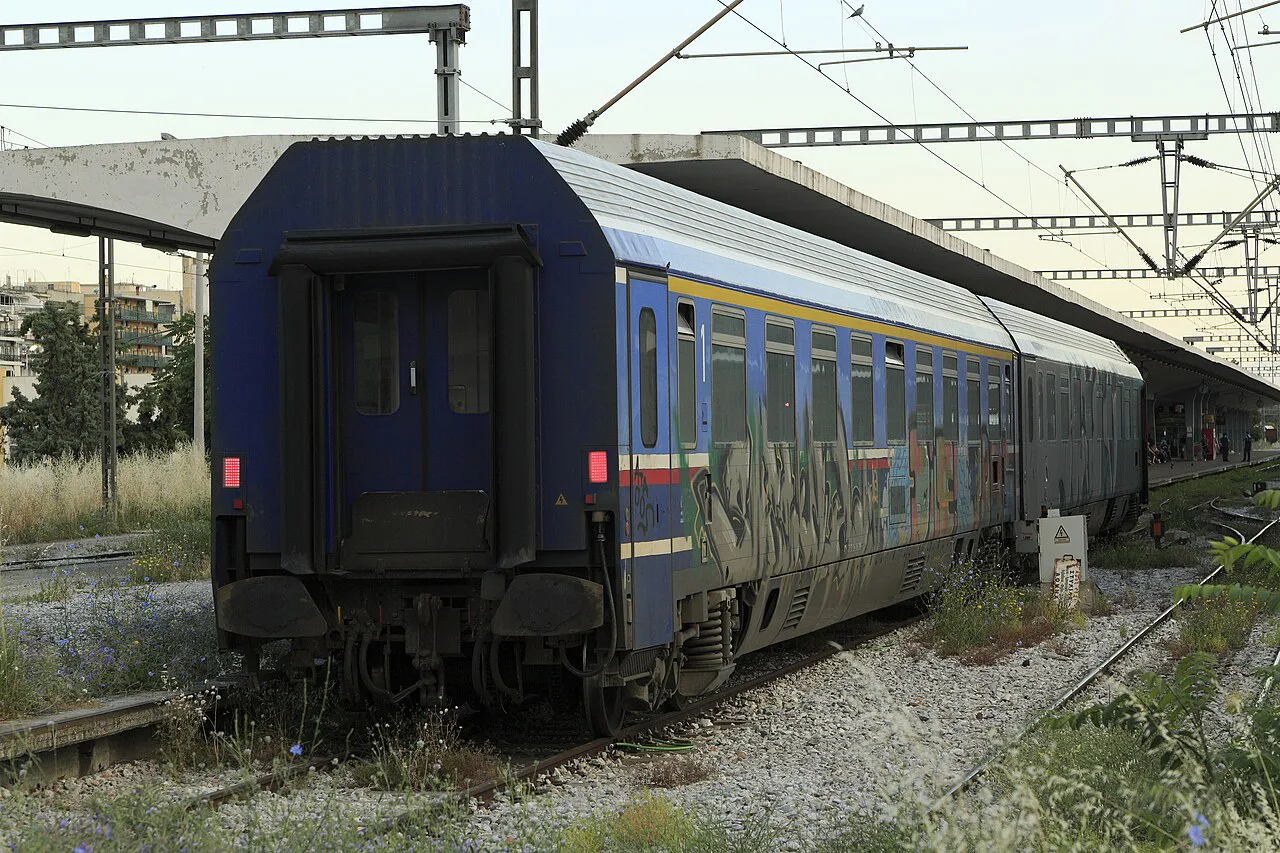
One well-documented trip on this route involved three trains and two buses after a mechanical fault near the border. Passengers were shifted onto a replacement bus near Strymonas station, then rejoined a train on the Bulgarian side at Kulata. The full trip still finished by mid-afternoon, but it took longer than the printed timetable promised.
This is the honest trade-off travelers should weigh before choosing the train over the bus. The train can look cheaper on paper, but delays and bus swaps can add hours to the day. FlixBus costs a bit more but keeps the schedule predictable, which matters most for tight onward connections. Travelers chasing the classic rail journey should build in a buffer day in case of delays.
Recent traveler discussions on Reddit.com track whether the direct rail link is running. These firsthand threads often catch schedule changes before official pages update. Checking a thread from the past month gives the clearest read on current conditions.
For a broader look at buses, trains, and transfers across the country, see the guide to getting around Bulgaria. It covers regional trains, intercity buses, and border logistics beyond this single route.
Troubleshooting Common Sofia to Thessaloniki Problems
Even a well-planned trip on this corridor can run into small snags. Most issues trace back to the border crossing or last-minute schedule changes. Knowing the fix in advance keeps a delay from turning into a missed connection.
Build at least one hour of buffer time into onward hotel check-ins or flight connections. Train delays and bus swaps cascade across the border. Confirm current schedules close to the travel date to avoid stranding on tight connections.
Bulgarian and Greek station staff do not always share real-time updates with each other. A delayed bus on one side of the border can strand travelers on the other. Building slack into onward hotel check-ins or flight connections avoids most of the stress.
Payment systems at smaller stations can be unreliable, especially outside Sofia and Thessaloniki proper. Carrying a mix of euros, leva, and a backup card covers most scenarios. Community threads on Rail.cc track current fare and payment quirks travelers have hit.
- Common Problems And Quick Fixes For This Route
- The train segment shows as suspended online, so book the FlixBus route instead.
- Bus tickets sell out on holiday weekends, so book at least three days ahead.
- The Central Bus Station gets confused with the Serdika stop, so double-check the address.
- Card payments occasionally fail at the border kiosk, so carry some cash as backup.
- Luggage limits catch travelers off guard, so weigh bags before arriving at the station.
- Delays cascade after border stops, so build at least an hour of buffer into onward plans.
Bus Stations And Arrival Stops
Most Sofia-Thessaloniki buses use Sofia Central Bus Station on Knyaginya Maria Luiza Boulevard, beside Sofia Central Railway Station and the Central Railway metro stop. This is the place to aim for by taxi or metro; the nearby Serdika bus area is a different complex, so match the stop name in your booking email before you leave. Inside the Central Bus Station, international departures are posted by platform, and the ticket office area has toilets, snacks, ATMs, and seating.
In Thessaloniki, intercity and international coaches commonly use KTEL Macedonia InterCity Bus Station in Menemeni, west of the center, not Aristotelous Square or the waterfront. From there, local OASTH buses and taxis run toward the New Railway Station, Ladadika, and the seafront hotel zone. If you are continuing by train to Athens or Kalambaka, allow time to cross town from KTEL Macedonia to Thessaloniki railway station before your next departure.
Continue planning: Use Getting Around Bulgaria: The Ultimate Transportation Guide and Burgas to Varna: Train, Bus & Drive Guide 2026 to connect this guide with the rest of your Bulgaria itinerary.
Frequently Asked Questions
Can you get a train from Sofia to Thessaloniki?
A cross-border rail link exists in short segments through Kulata, but it has faced suspensions in recent years. Confirm current status before relying on it, since schedules change with little notice. Most travelers now default to the FlixBus direct bus instead.
How much is the train ticket from Thessaloniki to Sofia?
Exact fares are not published online, since tickets are sold only at the station counter. Historical traveler reports put the total trip cost below the FlixBus fare of about €18–€25 / ~$20–$27. Budget a little extra time to buy tickets in person before departure.
Is there a flight from Sofia to Thessaloniki?
Frequent direct flights between these two cities are rare on this short regional route. Connecting itineraries through a larger hub usually take longer than the FlixBus bus. Surface travel by bus or train segments is typically the simpler and cheaper choice.
Is there a high speed train from Athens to Thessaloniki?
Greece runs a separate high-speed and intercity rail network between Athens and Thessaloniki. That domestic route does not connect directly to the sofia to thessaloniki train segments. Travelers combining both trips should book each leg separately and budget extra transfer time.
Reaching Thessaloniki from Sofia comes down to picking the mode that fits your day. FlixBus remains the steadiest default at about €18–€25 / ~$20–$27 and roughly 4 hours 40 minutes. The train route can still work for a slower, more adventurous crossing, but status changes often.
Confirm current schedules close to the travel date, since this corridor shifts with little warning. Pack both euros and leva, keep a passport handy, and build in a buffer for the border stop. With that prep done, this cross-border trip becomes a manageable day of travel.