Sofia To Burgas: Your Complete Travel Guide
The Sofia to Burgas corridor is one of Bulgaria's busiest travel routes, linking the capital to the country's main Black Sea port city. The distance is roughly 385 km (239 mi), and in 2026 you have four realistic options: bus, train, car, or — in summer — a domestic flight. Each suits a different type of traveler. This guide gives you the real numbers on each so you can choose without guesswork.
The short answer: the intercity bus is the most practical choice for most visitors. It runs frequently, costs around 25–30 BGN (€13–15), and gets you there in 5.5–6.5 hours on a direct route. The train is slower on average but genuinely scenic and often cheaper. Driving lets you stop at Plovdiv and the Shipka Pass without any timetable pressure. Read on for the specifics.
To see how the route unfolds through the Rose Valley, this journey captures the experience of traveling by BDZ train from Sofia to Burgas in first class:
Sofia to Burgas: Journey Overview
Sofia and Burgas sit roughly 385 km apart by road. By the A1 Trakia Motorway the drive is 3 hours 15 minutes with no traffic; add 45–60 minutes for peak-hour slowdowns near Sofia. Public transport is slower but reliable year-round. Here is a quick comparison of all four modes:
- Bus: 5.5–6.5 hours, 25–30 BGN (€13–15), 10–15 departures daily, direct service.
- Train (BDŽ direct): fastest service 5 hr 50 min, typical 6–7 hours, from 10 BGN (≈€5) to 35 BGN (≈€18), up to 15 connections per day including indirect.
- Driving: 3 hr 15 min non-stop, costs depend on rental and fuel — budget €50–80 total for the day including petrol.
- Domestic flight (summer only): ~50 minutes air time, but door-to-door usually 3–4 hours with airport transfers. Seasonal; check Bulgaria Air for dates.
| Mode | Journey Time | Cost (approx) | Notes |
|---|---|---|---|
| Bus | 5.5–6.5 h | 25–30 BGN (€13–15) | Most frequent, direct service, practical for solo travelers |
| Train (BDŽ) | 5 h 50 min–7 h | 10–35 BGN (€5–18) | Scenic Rose Valley route, cheapest if booked early, requires transfers on some services |
| Car (rental) | 3 h 15 min non-stop | €50–80 + fuel | Best for groups ≥3, allows Plovdiv/Shipka stops |
| Domestic Flight | ~50 min air, 3–4 h door-to-door | €40–80+ | Summer only, most expensive, requires airport transfers |
Book bus and train tickets at least a few days ahead in July and August. Summer weekend services sell out, especially Friday afternoon buses departing Sofia.
Traveling by Train from Sofia to Burgas
Bulgarian State Railways (BDŽ) runs up to 15 train connections per day between Sofia and Burgas. The fastest is a direct service departing Sofia at 16:40, arriving Burgas at 22:30 — a journey of 5 hours 50 minutes. Most daytime trains take 6–7 hours and stop at Plovdiv, Stara Zagora, and Sliven along the way. The first departure is at 05:25 and the last at 22:55. Three of the daily services run direct (no change required); the rest require a transfer, usually at Plovdiv or Stara Zagora.
Ticket prices range from around 10 BGN (≈€5) booked early to around 35 BGN (≈€18) for first class closer to departure. Second-class seats are perfectly comfortable for a daytime journey. Book on the BDZ website or through aggregators like Rail.ninja. Prices tend to rise in the final 48 hours before departure — booking a week ahead typically saves 15–20%.
Sofia Central Railway Station (Tsentralna Gara) sits on metro lines M1 and M2 at the "Sofia" station — two stops from Serdika interchange. Burgas Central Railway Station is in central the city, a five-minute walk from the main bus terminal (Avtogara Yug) and about 20 minutes on foot from the beach at Burgas Lake. The co-location of the rail and bus terminals at the Burgas end makes onward transfers simple.
The train is the slowest point-to-point option but arguably the most relaxing. Carriages are wider than bus seats, and the route through the Rose Valley (kazanlak) Visitor Guide and Sredna Gora hills is genuinely beautiful. For the best views, sit on the right-hand side (facing the direction of travel) between Plovdiv and Stara Zagora.
The 16:40 direct departure from Sofia arrives in Burgas at 22:30 (5 hours 50 minutes). This is the fastest single-service option and lets you experience the Rose Valley scenery during daylight. The co-location of Burgas Central Railway Station with the bus terminal (Avtogara Yug) means easy onward transfers to hotels even on a late arrival.
Taking the Bus from Sofia to Burgas
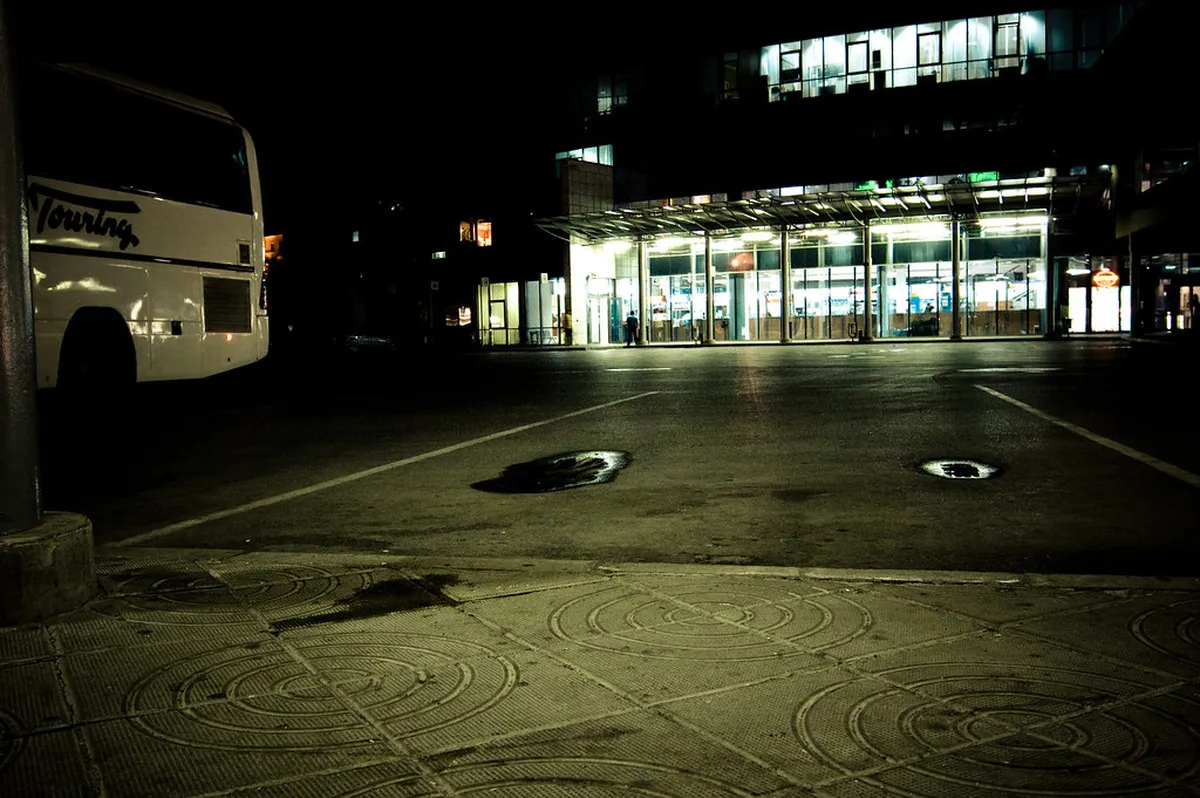
The intercity bus is the most popular choice among travelers and locals alike. Multiple operators depart from Sofia Central Bus Station (Tsentralna Avtogara), located adjacent to the main railway station on Maria Luisa Boulevard. Journey time is typically 5.5–6.5 hours to Burgas Bus Station South (Avtogara Yug). Departures run throughout the day from roughly 06:00 to 23:00, with the highest frequency between 07:00 and 14:00.
Ticket prices are competitive: expect 25–30 BGN (€13–15) one way with most domestic operators such as Union-Ivkoni, Biomet, and Etap. International operator Flixbus also serves this route and offers advance booking with digital tickets and live tracking via its app — useful if you want to monitor the bus location before heading to the terminal. Flixbus prices can be cheaper if booked weeks ahead, though domestic operators are often competitive on price for last-minute trips.
Sofia Central Bus Station has left-luggage lockers, a food court, and ATMs. At the Burgas end, Avtogara Yug is on Aleksandrovska Street in the city center. From there, taxis to the central beach area cost 5–8 BGN and most hotels are within a 15-minute walk. City bus routes also connect the terminal to the broader Burgas network.
One practical note: during peak summer season (July–August), buses on Friday afternoons and Sunday evenings run close to capacity. If you are traveling on these days, buy your ticket online at least 48 hours in advance. Mid-week travel is significantly less crowded and sometimes cheaper on dynamic-pricing operators.
Friday afternoon buses departing Sofia (16:00–19:00) and Sunday evening buses regularly sell out completely during July and August. Book at least 48 hours in advance if traveling during these times, or consider the train as a guaranteed alternative.
Driving from Sofia to Burgas: Route and Planning
The standard route follows the A1 Trakia Motorway from Sofia east to Burgas. In normal traffic the drive is 3 hours 15 minutes. Allow 4–4.5 hours on summer weekends, especially on Fridays when Sofia's ring road backs up from 16:00 to 19:00. The motorway is well-maintained and fully lit. A vignette (toll sticker) is mandatory for all motor vehicles on Bulgarian motorways — rental agencies include one with the car, but verify this at pickup.
Fuel costs roughly 2.30–2.50 BGN per litre for petrol (2026 average). A round trip of 770 km in a typical car consuming 7 l/100 km costs about 130–140 BGN (€65–70) in fuel alone. Add rental car costs of €25–50 per day depending on the class and season, and driving becomes the most expensive option unless you split costs among passengers. For three or four people sharing, it often works out similar to the train. Check our guide on car hire options for agency comparisons and what to watch for in the rental contract.
Navigation is straightforward: Google Maps and maps.me both work well with downloaded offline maps as a backup for areas with patchy signal. Parking in central Burgas uses a blue-zone pay-and-display system costing 1.20 BGN per hour. Many hotels offer free guest parking — worth confirming when you book.
Top Stops Along the Sofia to Burgas Drive
The A1 corridor passes close to some of Bulgaria's best historical and natural sites. A full road trip with stops takes 8–10 hours, so plan an overnight stay in Plovdiv or Stara Zagora if you want to explore properly rather than rush.
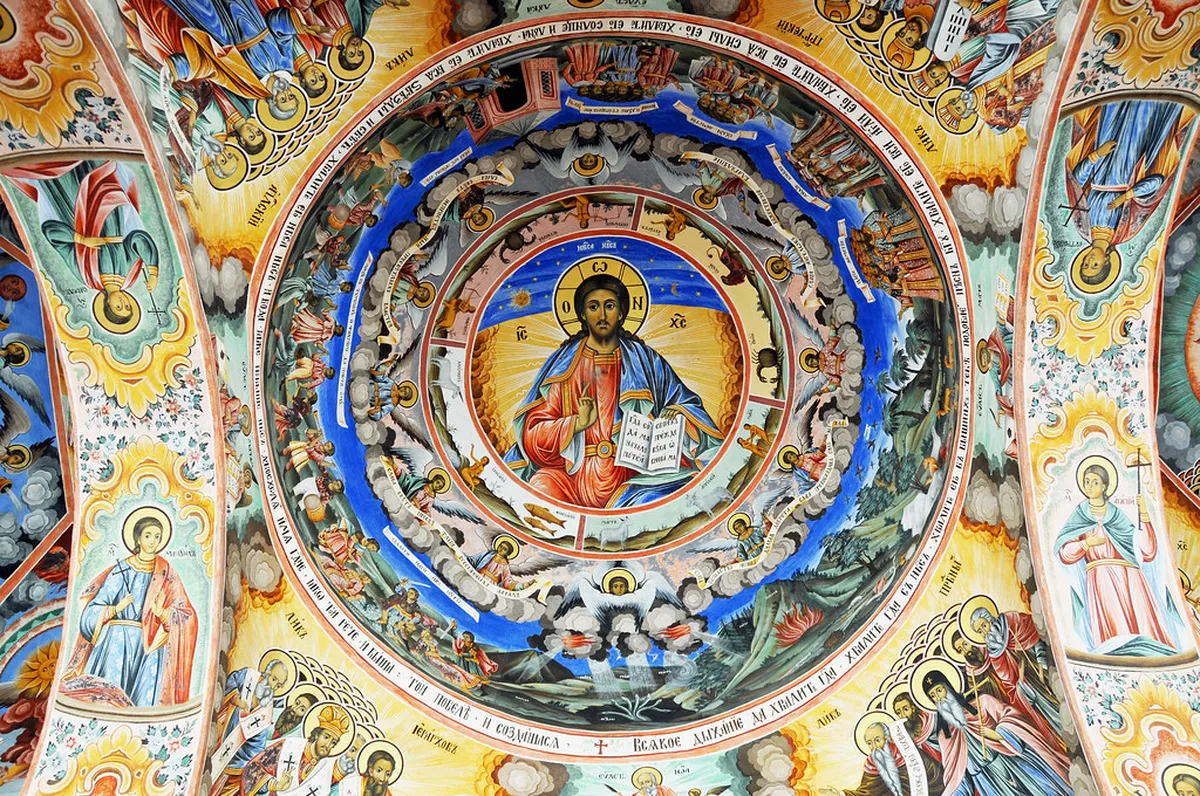
Plovdiv is 150 km from Sofia and the obvious first stop, reachable in under 90 minutes. The Old Town sits on three hills and holds the best-preserved Roman theatre in the Balkans — the 2nd-century Ancient Theatre of Philippopolis still hosts concerts in summer. The Old Town lanes take about 2–3 hours to walk at a relaxed pace. Parking is easiest at the underground garage beneath Tsar Simeon Garden Visitor Guide; expect to pay 3–4 BGN per hour. From Plovdiv, a 30 km detour south through the Rhodope foothills leads to Bachkovo Monastery Visitor Guide, the second largest Orthodox monastery in Bulgaria. The frescoes in the ossuary date to the 11th century. Allow 1.5–2 hours for the monastery visit including the drive from Plovdiv and back — or read the dedicated guide on how to reach Bachkovo.
Stara Zagora sits roughly halfway along the route, 240 km from Sofia. It makes a logical lunch stop. The Neolithic Dwellings Museum houses two 6000-year-old homes found beneath the city — small but genuinely fascinating. The city also preserves one of the better Roman forum complexes in Bulgaria. Most travelers spend 45–60 minutes here before continuing east.
Shipka Pass and the Monument of Freedom is the stop that most drivers skip and then regret missing. From the A1, take the exit for Kazanlak and drive north on Road 6 for about 20 km to the Shipka Pass. The Monument of Freedom stands at 1326 m on St. Nicholas Peak and commemorates the 1877–78 Battle of Shipka, a turning point in Bulgaria's liberation from Ottoman rule. The view across the Balkan range on a clear day is among the finest in the country. The detour from the A1 and back adds about 60 km and 75 minutes total. Combine it with a quick stop at the Thracian Tomb of Kazanlak Visitor Guide (UNESCO World Heritage Site, 3 km from the Kazanlak town centre) and you have a two-hour cultural detour that no bus or train passenger can replicate. The Rose Valley near Kazanlak also produces most of Bulgaria's famous rose oil — if you are traveling in late May or early June, the fields are in bloom.
Choosing Your Best Transport Option
The right choice depends on your itinerary, group size, and how much of the journey time you want to use productively. Here is a straight comparison to help you decide:
- Bus (25–30 BGN / €13–15): Best balance of price, speed, and convenience for solo travelers and couples. Direct service, frequent departures, no transfers. The practical first choice for most visitors.
- Train (10–35 BGN / €5–18): Better for those who want more legroom, prefer scenic routes, or are catching a daytime departure. The 13:15 direct from Sofia arrives Burgas at 19:35 — late enough to check in and still walk the seafront before dinner. Book early for the cheapest fares (from 10 BGN).
- Driving (€50–80+ total): Best for groups of three or more, or anyone planning stops at Plovdiv, Shipka, or Stara Zagora. The cost per head becomes comparable to public transport with three passengers. Full flexibility; no timetable constraints.
- Domestic flight (variable, typically €40–80+): Only makes sense if your time is extremely tight. Factor in 60–90 minutes each way for airport transfers. No luggage flexibility advantage over the bus.
On environmental grounds, the train produces 23.81 kg CO2 for this journey versus 25.51 kg by bus, 54.43 kg by car, and 68.03 kg by flight. If carbon footprint matters to your travel decisions, the train is the clear winner. You can find more options for traveling within the country in our guide to transport in Bulgaria, and a full breakdown of schedules in our rail guide and coach networks guides.
First-time visitors to Bulgaria who are not renting a car should take the bus. It requires zero Bulgarian language, runs on time more consistently than trains, and drops you directly at Burgas city center. Train enthusiasts or travelers arriving without a fixed schedule will enjoy the BDŽ journey for the scenery and the unhurried pace.
Continue planning: Use Getting Around Bulgaria: The Ultimate Transportation Guide and Burgas to Varna: Train, Bus & Drive Guide 2026 to connect this guide with the rest of your Bulgaria itinerary.
Frequently Asked Questions
Which Sofia to Burgas options fit first-time visitors?
For first-time visitors, taking a direct bus or train is highly recommended. Both offer straightforward journeys without the complexities of navigating unfamiliar roads or parking. The bus is generally faster and more frequent, making it a convenient choice.
How much time should you plan for Sofia to Burgas?
Plan for 5-7 hours of travel time by public transport, including buffer time for boarding and potential minor delays. If driving, allocate at least 4 hours for the journey itself, plus extra time for any desired stops along the way. A full day allows for a relaxed pace.
Is Sofia to Burgas worth including on a short itinerary?
Yes, if you have at least 2-3 full days for Burgas and the Black Sea coast. The travel time is significant, so a quick day trip is not advisable. Combining it with a longer Bulgarian itinerary makes the journey worthwhile.
Sofia to Burgas is a well-served route with no bad options. The bus wins on frequency and simplicity; the train wins on scenery and early-bird pricing; driving wins when you want to stop at Plovdiv, the Shipka Pass, and the Rose Valley without watching a clock. Plan around your priorities, book ahead in summer, and the journey itself becomes part of the trip rather than just a transfer.