Rila National Park: A Complete Bulgaria Guide
Rila National Park spans 81,046 hectares in southwestern Bulgaria, making it the country's largest protected mountain area. Glacier-carved lakes, dense old-growth forests, and Musala Peak Visitor Guide's 2,925-meter summit draw hikers from across Europe. This guide covers the top sights, trail options, and planning details needed for a smooth visit.
See the Seven Rila Lakes hike in action on this trail walkthrough:
Getting the timing right matters here, since chairlift hours, weather, and trail access shift by season. Costs stay modest compared with Alpine destinations, especially for hut stays and public transport from Sofia. The sections below break down attractions, wildlife, hiking logistics, and family-friendly options for Rila National Park.
Must-See Attractions in Rila National Park
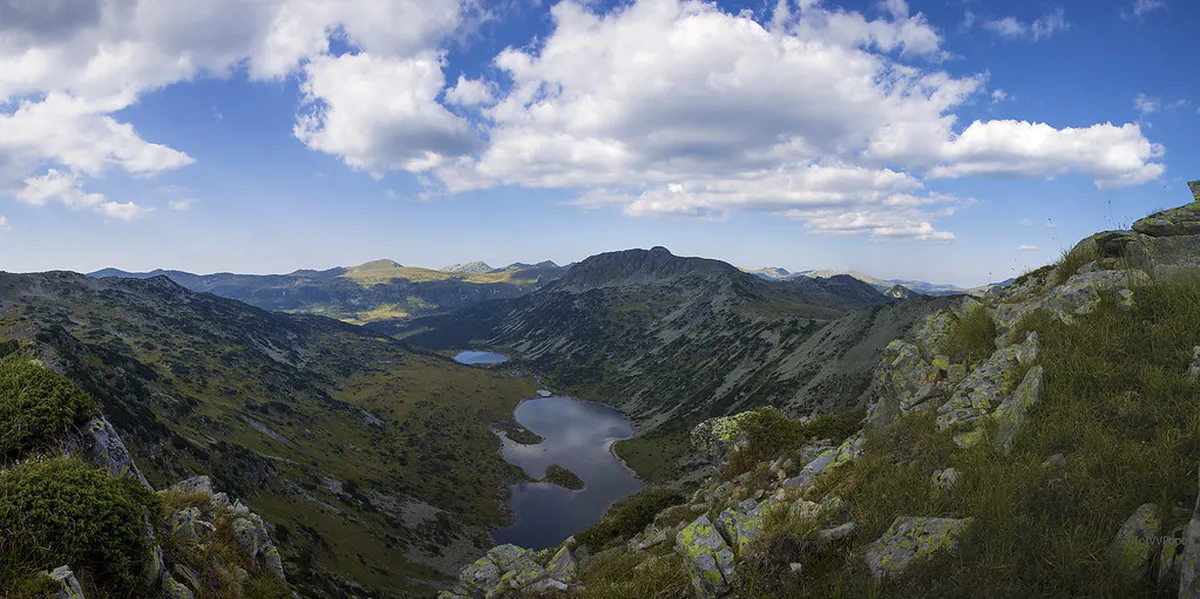
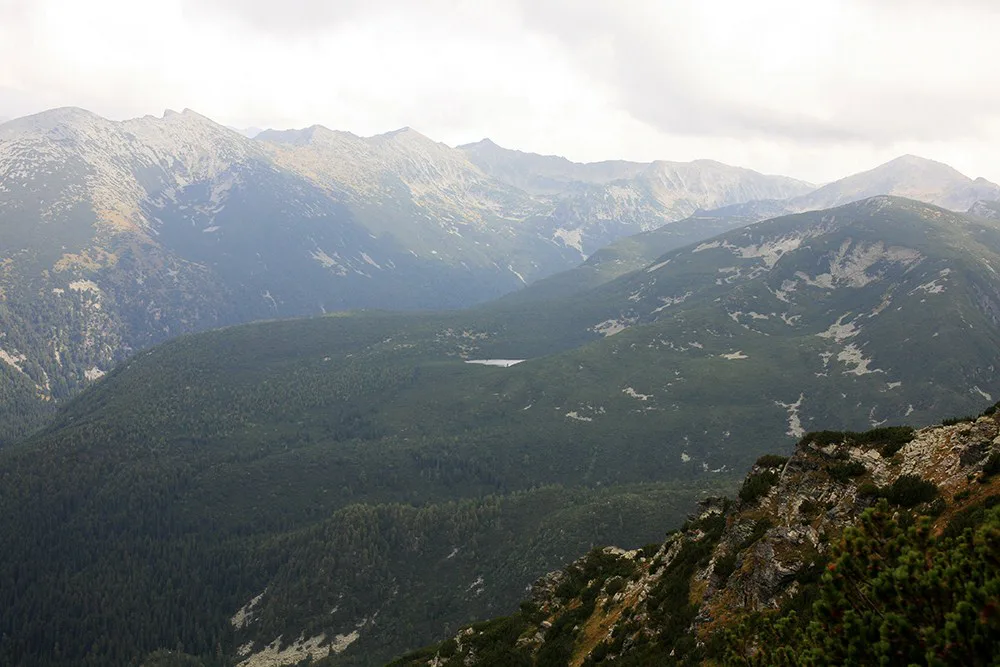
The Seven Rila Lakes rank as the park's signature attraction, formed by ancient glacial activity above the tree line. Rila National Park holds more than 120 permanent glacial lakes plus roughly 30 temporary ones after snowmelt. Most visitors reach the lakes via a marked trail network starting near the Panichishte visitor area.
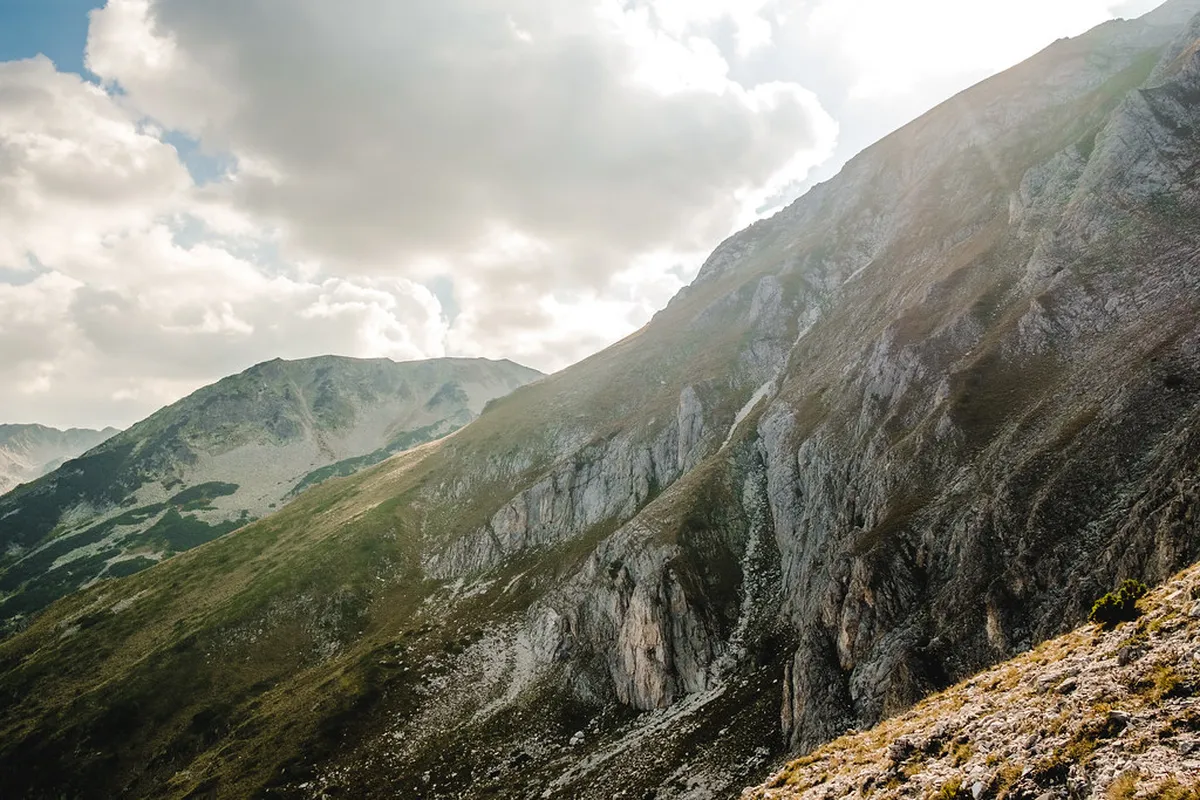
Musala Peak tops the park at 2,925 meters, the highest point in Bulgaria and across the Balkan Peninsula. More than 100 summits inside the park rise above 2,000 meters, giving climbers plenty of high-altitude options. Temperatures near Musala stay below freezing for roughly nine months of the year, even though summer visits are common.
The Malyovitsa Visitor Guide area serves as another popular base, known for dramatic rock faces and technical climbing routes. Hikers planning multi-day routes often combine Malyovitsa with lake circuits for a longer mountain itinerary. The Malyovitsa Travel Guide: Hiking the Rila Mountains breaks down specific trailheads and difficulty levels for this zone.
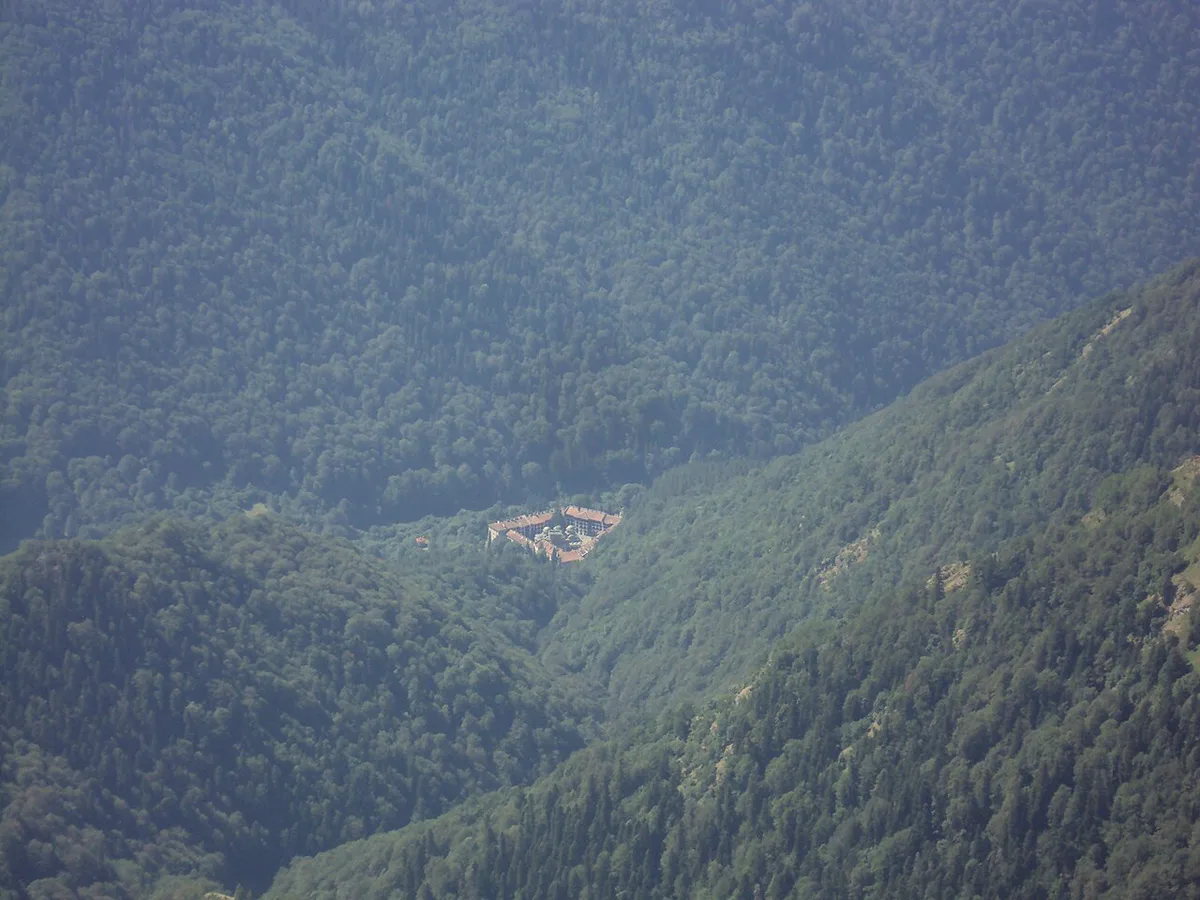
The Rila Monastery Visitor Guide sits just outside the park boundary but fits naturally into most itineraries here. Many day trips pair a monastery visit with a shorter lake hike or a scenic drive through the valley. Treat the monastery as a cultural add-on rather than a substitute for time spent inside the park itself.
Wildlife and Nature Reserves in Rila
Four nature reserves protect the park's most sensitive ecosystems: Parangalitsa, Central Rila Reserve, Ibar, and Skakavitsa. Central Rila Reserve covers 12,393.7 hectares, making it the largest reserve in the country and one of Europe's biggest. Ibar reserve protects dwarf pine stands and relict plants across roughly 2,248 hectares of northern slopes.
Parangalitsa reserve has held protected status since 1933 and preserves some of Europe's oldest pine forests. Its trees average more than 200 years old, with some towering above 50 meters in height. UNESCO added Parangalitsa to its Man and Biosphere program in 1977, recognizing its ecological significance. The official park geology page covers the reserve's terrain in further detail.
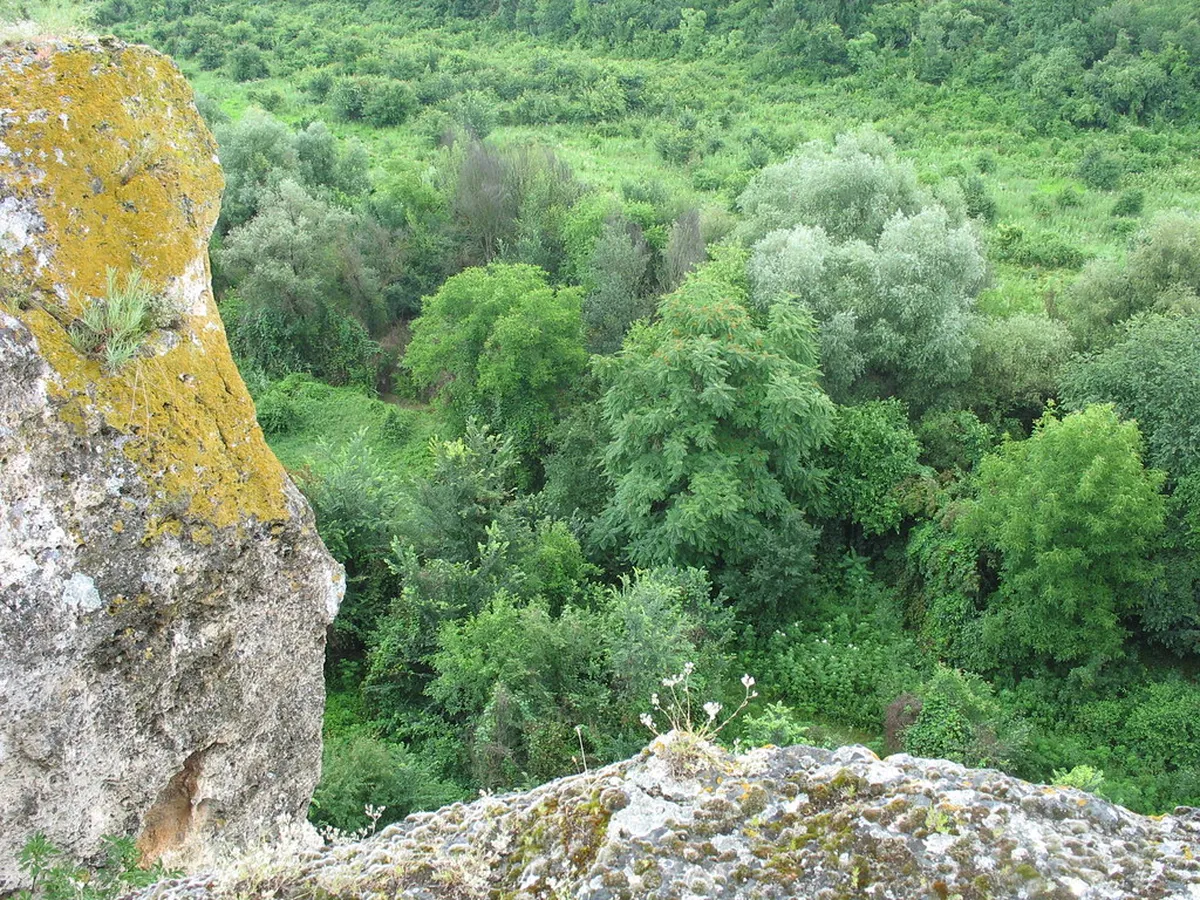
Forests cover roughly 534.81 square kilometers, or about 66 percent of the entire park. The park hosts around 1,400 vascular plant species alongside 282 moss species and 130 freshwater algae species. Wildlife includes 48 mammal species and 99 bird species, plus reptiles, amphibians, and thousands of invertebrates.
Rila holds Bulgaria's largest chamois population, along with a substantial alpine European ground squirrel colony. Brown bears also roam the quieter reserve zones, though sightings stay rare along popular trails. Hikers heading into remote sections should store food carefully and stay alert on less-traveled paths.
Rila Lakes Chairlift Hours and Trails
The Seven Rila Lakes Visitor Guide hike remains the most popular route, drawing the majority of day visitors each season. A dedicated chairlift near Panichishte shortens the approach considerably compared with hiking the full ascent on foot. For a broader list of routes, the Kashkaval Tourist hiking roundup covers eight trails across the range.
Lift schedules for the Seven Rila Lakes cable car and the Borovets to Musala lift shift by season and weather. Both typically run during the summer hiking window and again for the winter ski season, with reduced or closed hours between. Confirm the current schedule locally before planning a trip around a specific lift departure.
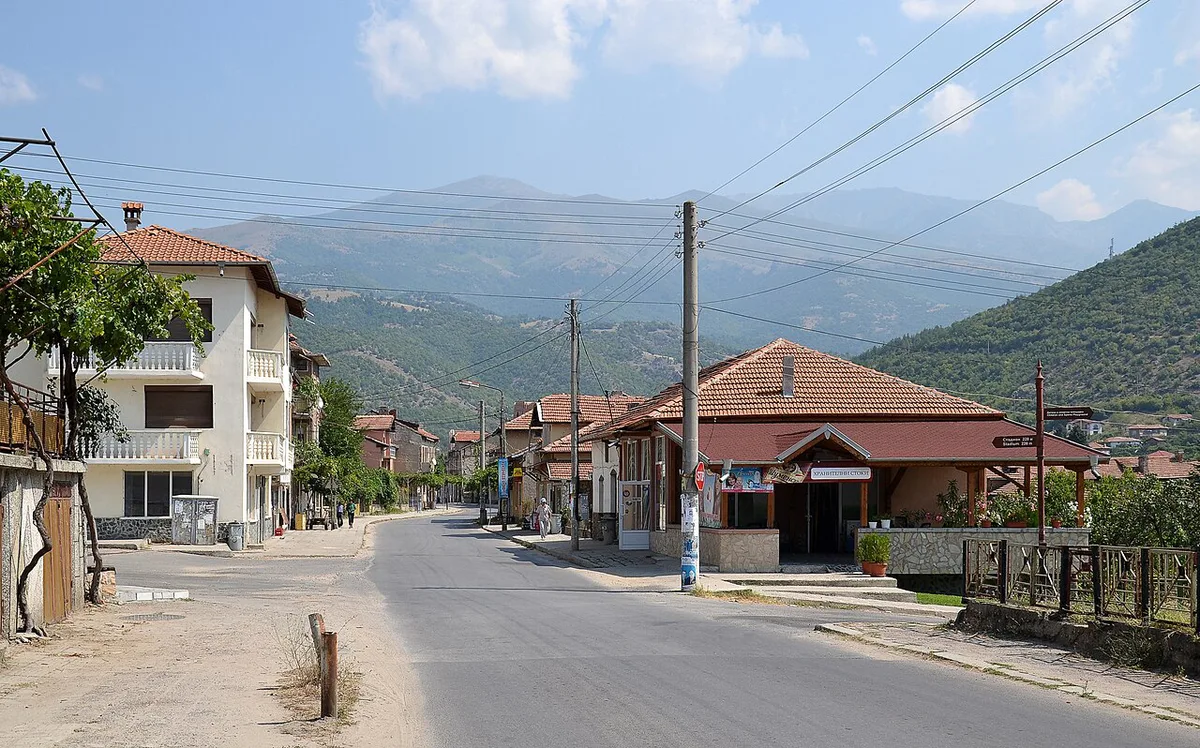
The Visitor Center at Panichishte, in the municipality of Sapareva Banya, operates daily from 09:00 to 17:30. Staff there can confirm same-day trail conditions and lift status by phone at +359 701 56757. Stopping here first helps avoid wasted time if a chosen trail or lift is temporarily closed.
The wider trail network includes 17 tourist huts with roughly 1,500 beds, plus four emergency shelters. Two long-distance European routes, E4 and E8, cross directly through Rila National Park. The 10 Best Bulgaria Hiking Trails to Try in 2026 outlines how these routes connect to other ranges nearby.
Summer, from June through September, gives hikers full access to high-altitude trails and lake circuits. January through March suits snowshoeing instead, once heavy snow covers the upper routes. The winter Seven Rila Lakes guide details what a snow-season visit actually involves.
Getting to Rila National Park and Mountain Safety
Most trips to Rila National Park Visitor Guide start in Sofia, roughly two hours from the park's main access points. Trains run from Sofia to Kostenec, a journey of about 74 kilometers taking 1 hour 15 minutes to 1 hour 55 minutes. Local buses or taxis then cover the remaining distance to trailheads near Borovets or Panichishte.
Standard travel policies often exclude high-altitude hiking and mountain rescue costs. Check policy limits before booking, especially for routes toward Musala Peak or multi-day treks above 2,000 meters.
| Gateway | Best For | Key Features |
|---|---|---|
| Panichishte / Sapareva Banya | Seven Rila Lakes, visitor center | Main destination for lake circuits and day trips |
| Borovets (via Samokov) | Musala Peak, lift-assisted routes | Elevation 1,350m; widest accommodation range from budget to ski hotels |
| Malyovitsa / Govedartsi | Alpine climbing, technical routes | Dramatic rock faces; popular for hut-to-hut multi-day treks |
| Rila Monastery valley | Western side, forest walks | Outside park boundary; approach to Kirilova Polyana |
Buses also connect Sofia to Samokov and onward to Borovets, the main gateway resort at 1,350 meters elevation. Borovets offers the widest range of accommodation options near the park, from budget rooms to full ski hotels. Renting a car adds flexibility for travelers planning more than one day inside the park.
Mountain insurance matters more here than at lower-elevation attractions, since terrain above 2,000 meters brings fast weather changes. Standard travel policies sometimes exclude high-altitude hiking or mountain rescue costs above a set elevation. Check policy limits before booking, particularly for routes toward Musala Peak or multi-day treks.
Climbers seeking additional altitude sometimes extend a trip toward the neighboring Pirin range after finishing Rila. The Vihren Peak Travel Guide: Trail, Tips & Season covers Bulgaria's second-highest summit for that follow-on trip. Both ranges pair well for travelers building a longer Bulgarian mountain itinerary.
Family-Friendly Tips for Visiting Rila
Families with younger children can stick to shorter, gentler trails near the main visitor centers. Paths around the lower forest edges skip the steep glacial-lake climbs while still showing off Rila's scenery. These shorter routes also cut down on altitude-related fatigue for less experienced hikers.
Shorter, gentler trails near visitor centers suit families with younger children and less experienced hikers. Lower forest paths skip steep glacier-lake climbs while showing Rila's scenery and reducing altitude fatigue.
Budget travelers benefit from the park's 17 tourist huts, run mainly by the Bulgarian Tourist Union. Hut beds cost far less than resort hotels in Borovets, though amenities stay basic. Camping is only permitted in designated recreation areas, not freely across the park.
Pack warm layers no matter the season, since summer temperatures at altitude rarely climb above 15°C. Mobile signal turns patchy inside the reserves, so download offline trail maps before setting out. Cash still works better than cards at most huts and small mountain cafes.
- Pack proper layers for altitude
- Temps: rarely above 15°C in summer
- Season: cold nights year-round
- Tip: waterproof jacket recommended
- Bring cash for huts and lifts
- Access: cards often unavailable
- Cost: hut beds stay budget-friendly
- Tip: carry small bills
- Confirm mountain insurance coverage
- Coverage: check altitude and rescue limits
- Why: weather shifts fast above 2,000m
- Tip: verify before booking trip
- Download offline trail maps first
- Signal: patchy inside reserve zones
- Why: reduces risk of getting lost
- Tip: save maps before departure
Map and Main Gateways of Rila National Park
Use a map to choose the right gateway before booking transport, because Rila National Park is large and the main trailheads do not connect quickly by road. Panichishte and Sapareva Banya work best for the Seven Rila Lakes and the park visitor center. Borovets, reached through Samokov, is the practical base for Musala Peak and lift-assisted high routes. Malyovitsa and nearby Govedartsi suit hikers targeting steeper alpine trails, rockier scenery, and hut-to-hut routes.
The Rila Monastery valley sits outside the park boundary but gives access to the western side of the mountain, including forest walks and approaches toward Kirilova Polyana. Do not assume a single day can cover Seven Rila Lakes, Musala, Malyovitsa, and the monastery without long transfers. Download an offline topographic map before leaving Sofia or Borovets, then confirm marked trail status locally, since reserve zones such as Parangalitsa, Ibar, Skakavitsa, and Central Rila require staying on approved routes.
Continue planning: Use 10 Best Bulgaria Hiking Trails to Try in 2026 and Malyovitsa Travel Guide: Hiking the Rila Mountains to connect this guide with the rest of your Bulgaria itinerary.
Frequently Asked Questions
Are there bears in Rila National Park?
Rila's remote forests and reserves provide habitat for elusive wildlife, including brown bears, alongside chamois and alpine ground squirrels. Sightings stay rare since bears avoid busy trails like the Seven Rila Lakes route. Hikers heading into quieter reserve zones should store food properly and stay alert.
How do you visit Rila National Park from Sofia?
Most visitors reach Rila National Park through Sofia, then travel by train to Kostenec, about 74 km and roughly 1 to 2 hours away. From there, local buses or taxis connect to trailheads near Borovets and Panichishte. Renting a car offers more flexibility for multi-day mountain trips.
Is the Rila Monastery worth visiting near the park?
The Rila Monastery sits just outside the national park boundary but pairs naturally with a Rila trip. Its architecture and setting draw visitors researching the wider Rila mountain region. Many itineraries combine a monastery stop with hikes toward the Seven Rila Lakes or Malyovitsa area.
Can you swim in the Rila Lakes?
The glacial lakes across Rila National Park stay extremely cold year-round, since many sit above 2,000 meters elevation. Swimming is not recommended and rarely practiced by hikers due to near-freezing water even in summer. Most visitors stick to viewing and photographing the lakes from marked trails.
What is the highest peak inside Rila National Park?
Musala Peak reaches 2,925 meters, making it the highest summit in Bulgaria and across the Balkan Peninsula. More than 100 peaks inside the park rise above 2,000 meters elevation. Temperatures on Musala stay below freezing for roughly nine months of the year, so proper gear matters.
Rila National Park delivers alpine lakes, high peaks, and old-growth reserves within a few hours of Sofia. Recent coverage from Parade even ranked the park among Europe's most beautiful destinations. Whether the goal is a short lake hike or a multi-day trek toward Musala, proper planning pays off.
Confirm chairlift schedules, hut availability, and mountain insurance details before departure, since conditions shift by season. Pack warm layers regardless of month, and start early to beat afternoon weather changes at altitude. For more regional hiking ideas, browse the Bulgaria travel blog before finalizing an itinerary.