The Complete Guide to Vitosha Skiing (Aleko & Vitoshko Lale)
Last updated July 2026: Vitosha skiing puts genuine alpine terrain within a short trip of a European capital, letting Sofia-based travelers swap city streets for snow-covered slopes without booking a multi-day resort holiday. The Aleko ski area and the Vitoshko Lale sector combine roughly 20km of pistes with elevations from about 1,530m up to 2,270m, which is what makes this guide worth reading before deciding whether a day trip actually works logistically. Expect straightforward detail on getting there, what a lift pass costs going into the 2026-27 season, and why locals rate the night skiing above almost anything else on the mountain.
The Urban Ski Appeal: Why Vitosha Skiing Works for Sofia City Breaks
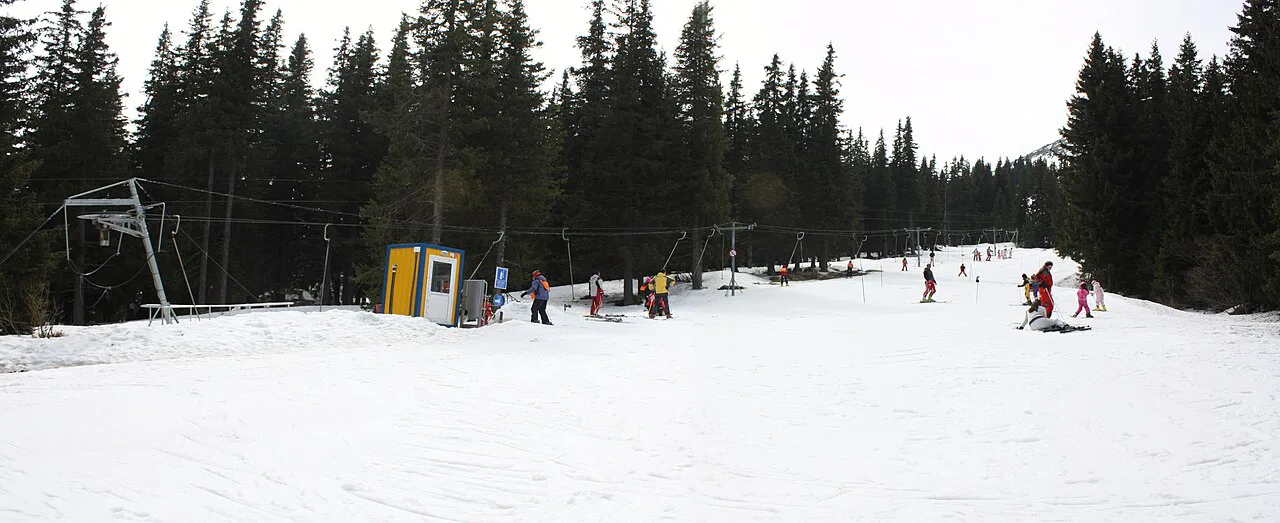
Vitosha Mountain Visitor Guide rises directly on the southern edge of Sofia, with the Aleko ski area sitting roughly 12 to 14km from the city center, closer to a capital than any comparable ski area in the country. That proximity is the entire case for vitosha skiing: no multi-hour transfer, no dedicated ski-holiday week, just a half-day or full-day trip layered onto an existing Sofia itinerary. Aleko is also the oldest ski center in Bulgaria, and it carries a rougher, more local feel than the international, resort-town polish of Bansko or Pamporovo, with chairlifts, drag lifts, and a conveyor belt rather than glossy village infrastructure, and a crowd that skews toward commuting Sofia residents rather than package-holiday tourists. The Vitoshko Lale downhill piste is also being prepared to host a European Downhill Championship in 2026, a reminder that the mountain's low-key reputation sits on top of a genuine ski racing heritage. For budget-conscious travelers and intermediate-level skiers, that translates into real value: a day pass typically costs less than a comparable day at one of Bulgaria's larger resorts, and the compact terrain rewards a few focused runs rather than a full week of exploration.
Terrain Overview: Aleko and Vitoshko Lale
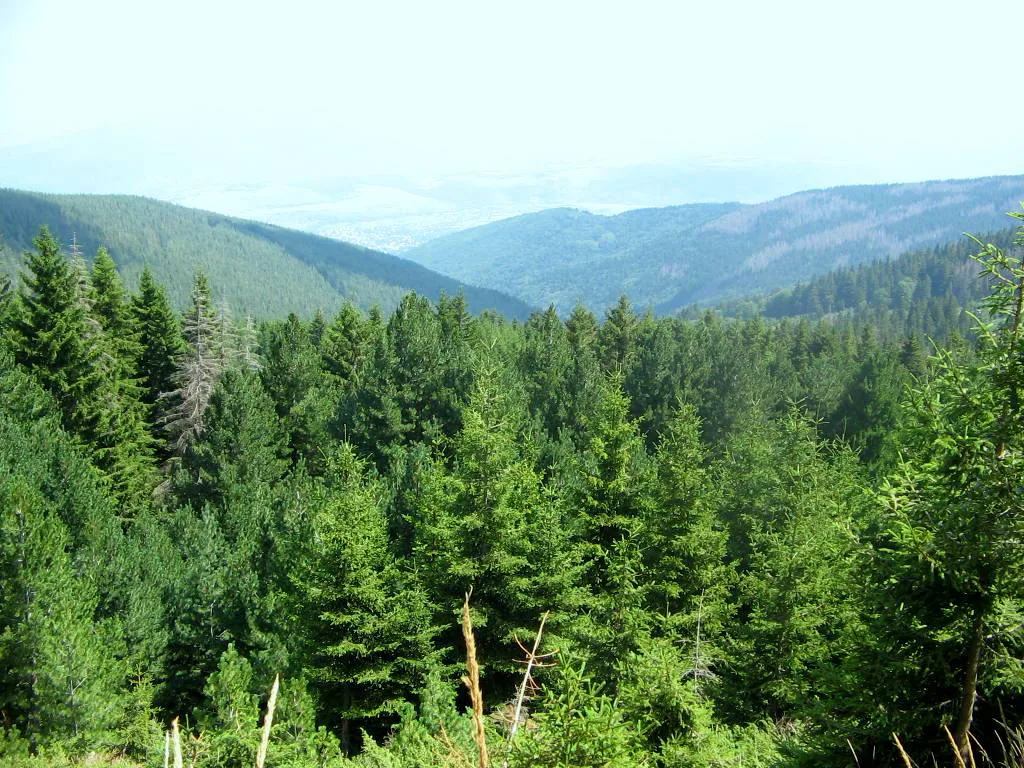
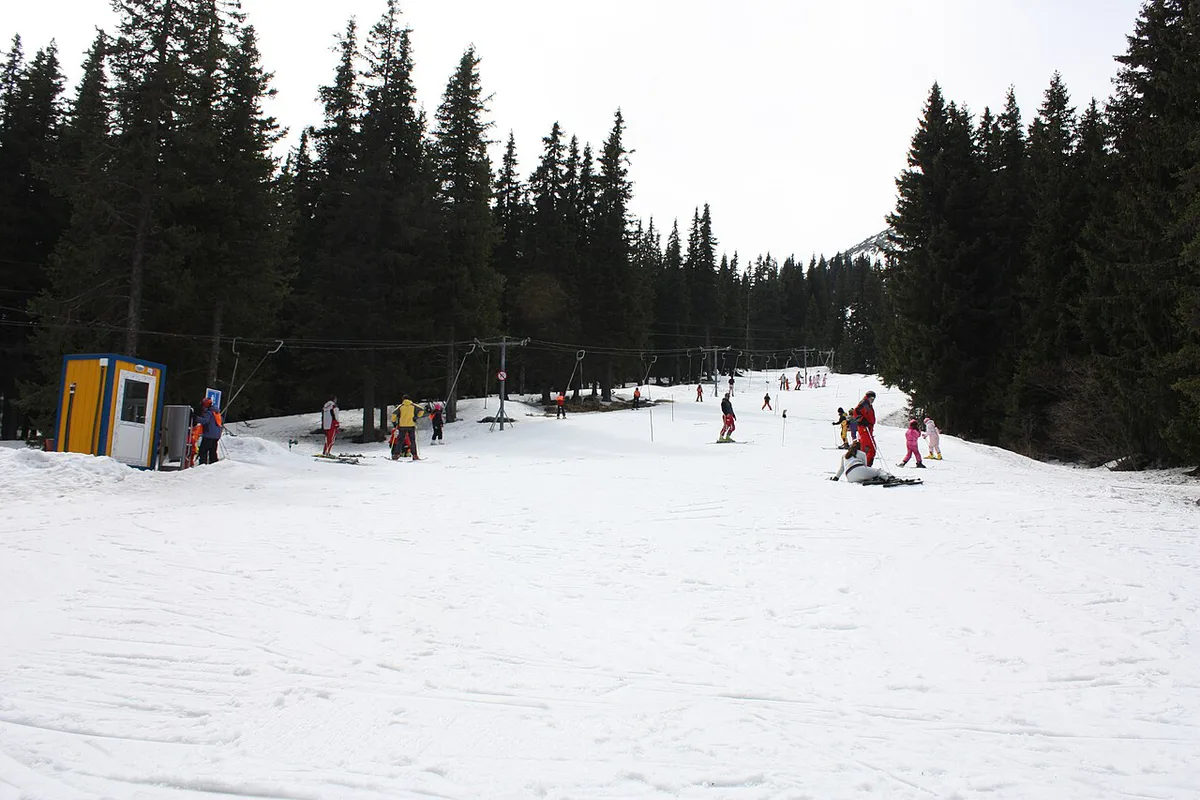
Skiable terrain at Vitosha totals around 20km of marked pistes, split across two connected sectors: the main Aleko ski area, reached by the Simeonovo gondola, and the Vitoshko Lale sector, served by its own chairlifts and sitting slightly lower, around 1,512m at its base according to the resort's own figures. Overall elevation runs from a base around 1,530m up to roughly 2,270m of skiable terrain, just short of Cherni Vrah, the 2,290m summit of the Vitosha range that gives the mountain its name recognition well beyond skiing circles. Six lifts operate across the two sectors, a mix of chairlifts, drag lifts, and a conveyor belt for beginners near the Aleko mountain station at about 1,800m.
Sixty percent easy terrain, a beginner conveyor belt near Aleko, and same-day access from Sofia via gondola or Bus 66 position Vitosha as a low-commitment alternative to week-long resort stays for first-time and returning skiers.
- Easy terrain: about 12km, roughly 60% of the total, suited to first-timers and low-intensity cruising
- Intermediate terrain: about 6km, roughly 30% of the total, the bulk of the Vitoshko Lale chairlift-served runs
- Difficult terrain: about 2km, roughly 10% of the total, short and steep rather than sustained black runs
- Six lifts total across Aleko and Vitoshko Lale, including chairlifts, drag lifts, and a beginner conveyor belt
Logistics: How to Get to Vitosha from Sofia
Getting from central Sofia to the slopes is where vitosha skiing trips succeed or fail, and there are three realistic options. The Simeonovo gondola is the fastest route, lifting skiers directly from the Simeonovo district up to the Aleko mountain station at around 1,800m, but it is also the single biggest point of failure in a Vitosha day trip, since gondola service can be affected by wind, maintenance schedules, or seasonal closures, and queues build fast on clear weekends. Bus 66, running from the Hladilnika area near Vitosha Metro Station, is the standard backup and the route most locals default to when the gondola is closed or overcrowded; treat it as a genuine Plan B rather than an afterthought. Driving is the third option, useful for hauling gear and beating weekend traffic, though parking fills quickly on high-demand Saturdays and Sundays. Whichever route is chosen, check the resort's live status feed, often referred to locally as Vitosha in the moment, the morning of departure, since lift operating status changes with weather more often here than at Bulgaria's bigger resorts. Bus 66 timetables and any service changes are published by the Urban Mobility Center Sofia, which is worth bookmarking alongside skivitosha.com before travel.
Night Skiing: Vitosha's Best-Kept Secret
Night skiing is the strongest argument for treating Vitosha as more than a fallback when Bansko or Pamporovo feel too far away for the time available. Sessions typically run from around 18:30 to 22:00, floodlit, on terrain that includes the Vitoshko Lale 1 run, and the view over Sofia's lit-up grid from partway up the mountain is a genuinely different experience from anything the daytime slopes offer on the same runs. For city-based travelers without time for a full ski-resort holiday, an evening session added onto an otherwise normal Sofia day is one of the few ways in Bulgaria to combine an urban itinerary with a proper night's skiing rather than a token floodlit slope tacked onto a base area.
Night skiing from 18:30–22:00 with views over Sofia's lit grid, accessibility within 12–14km, and day passes around €29 combine to create a value proposition distinct from multi-day stays at Bansko or Pamporovo.
Costs, Lift Passes, and Equipment Hire
Day ticket pricing at Vitosha has historically sat around €29 for adults, €24 for youth, and €21 for children in the main season, noticeably below what a comparable day costs at Bulgaria's bigger resorts, though these figures should be checked directly on skivitosha.com before travel since 2026-27 season rates are updated seasonally rather than fixed year to year. For context on how that stacks up elsewhere in the country, see what a Pamporovo pass costs as a useful benchmark when deciding between a Sofia day trip and a longer resort stay. Equipment hire and ski schools at Vitosha operate through the resort's own booking channels rather than a scattered set of independent shops, which keeps the process simpler than at some larger resorts, though it also means less price competition on gear. It's worth comparing what's included against organized ski hire in Pamporovo if equipment cost is a deciding factor in where to base a ski trip.
Where to Stay: Sofia City vs. Mountain Huts
The core decision for anyone planning vitosha skiing is whether to base in Sofia city center or up at the mountain itself, near Aleko Hut. Staying in Sofia, roughly 12 to 14km from the slopes, keeps restaurants, nightlife, and the rest of a capital city on tap every evening, at the cost of a gondola or Bus 66 commute each morning. Staying near Aleko Hut, close to the ski area at altitude, removes that commute entirely and gets skiers onto the mountain for the first lifts of the day, but trades away the city's evening options and puts travelers at the mercy of whatever the mountain's weather is doing overnight. For a short trip built around a couple of ski days bookended by sightseeing, Sofia city center is the more flexible base; for a trip focused purely on maximizing time on snow, staying at altitude removes the daily transit variable altogether.
Common Pitfalls and Mistakes to Avoid
Vitosha's biggest operational risk is wind, not snow. The exposed upper terrain around Cherni Vrah is notoriously windy, and lift closures here are driven by wind speed as often as by general weather conditions, so check the live Vitosha in the moment status feed before leaving Sofia rather than assuming a clear-sky day in the city means an open mountain. Reliability is the second issue: the Simeonovo gondola is the fastest way up but not the most dependable, and building in Bus 66 as a fallback avoids a wasted trip if the gondola is suspended for maintenance or weather. Weekend crowds compound both problems, since queues at the gondola base lengthen fast on the first clear Saturday after a snowfall, when much of Sofia's population heads for its local mountain; a weekday visit sidesteps most of this. Snow cover at Vitosha's relatively lower base elevation can also change quickly, so it is worth checking current conditions the same way you would check how snow conditions look in Pamporovo before finalizing plans. For anything approaching backcountry terrain off the marked pistes, conditions should be checked with Bulgaria's PSS Mountain Rescue Service rather than assumed safe simply because the lift-served runs are patrolled.
- Check the Vitosha in the moment live status feed before leaving Sofia, since wind closures are common on the upper terrain
- Keep Bus 66 in mind as a backup if the Simeonovo gondola is queued, closed, or under maintenance
- Avoid peak weekend mornings after fresh snowfall, when gondola queues are at their longest
- Confirm safety information with the PSS Mountain Rescue Service before attempting anything off the marked pistes
Vitosha vs. Bansko & Pamporovo: Which Should You Choose?
Vitosha, Bansko, and Pamporovo solve different problems rather than competing head-to-head. Vitosha wins on proximity and cost, offering a same-day trip from Sofia with a lift pass priced well under what the bigger resorts charge, but its 20km of pistes and six lifts are a fraction of what Bansko or Pamporovo offer for a multi-day ski holiday. Anyone weighing a longer trip should look at how conditions are shaping up in Bansko against a Vitosha day trip before committing a full week to one location, and how Bulgaria's other resorts compare lays out where Pamporovo fits into that same decision.
| Resort | Distance from Sofia | Slope Distance | Vibe |
|---|---|---|---|
| Vitosha (Aleko) | ~12-14km, same-day trip | ~20km | Local, rugged, budget-friendly, oldest ski center in Bulgaria |
| Bansko | Multi-hour transfer, overnight stay recommended | Larger than Vitosha | International resort town, longer stays |
| Pamporovo | Multi-hour transfer, overnight stay recommended | Larger than Vitosha | Family-oriented resort, longer stays |
Continue planning: Use 9 Things to Know About Ski Resorts in Bulgaria and 12 Best Tips and Activities for Apres Ski in Bansko to connect this guide with the rest of your Bulgaria itinerary.
Frequently Asked Questions
Is Vitosha good for beginner skiers?
Yes. Roughly 60% of Vitosha's 20km of pistes are classed as easy terrain, and a conveyor belt operates near the Aleko mountain station, making it one of the more forgiving places in Bulgaria to learn or get back into skiing without committing to a full week at a bigger resort.
How do you get to Vitosha without a car?
The Simeonovo gondola runs directly up to Aleko at around 1,800m, and Bus 66 from the Hladilnika area near Vitosha Metro Station is the standard backup when the gondola is closed, queued, or suspended for maintenance. Check the Urban Mobility Center Sofia's published schedule before heading out.
Does Vitosha have night skiing?
Yes. Night sessions typically run from around 18:30 to 22:00 on floodlit terrain that includes the Vitoshko Lale 1 run, with views over Sofia that daytime skiing on the same runs doesn't offer.
How much does a Vitosha lift pass cost?
Day tickets have historically been priced around €29 for adults, €24 for youth, and €21 for children in the main season, though current 2026-27 rates should be confirmed directly on skivitosha.com before travel, since seasonal pricing is updated year to year.
Is Vitosha a substitute for a full ski holiday in Bansko or Pamporovo?
Not entirely. Vitosha suits a single day or evening trip layered onto a Sofia city break, while Bansko and Pamporovo are built around longer, resort-based stays with considerably more terrain, so treat Vitosha as a complement to a Sofia visit rather than a replacement for a full ski week.
Is the Simeonovo gondola always running?
No. Gondola service can be affected by wind, maintenance, or seasonal scheduling, so check the live status feed, often referred to locally as Vitosha in the moment, before leaving Sofia, and keep Bus 66 in mind as a backup route to the slopes.