Skiing In Bansko Bulgaria
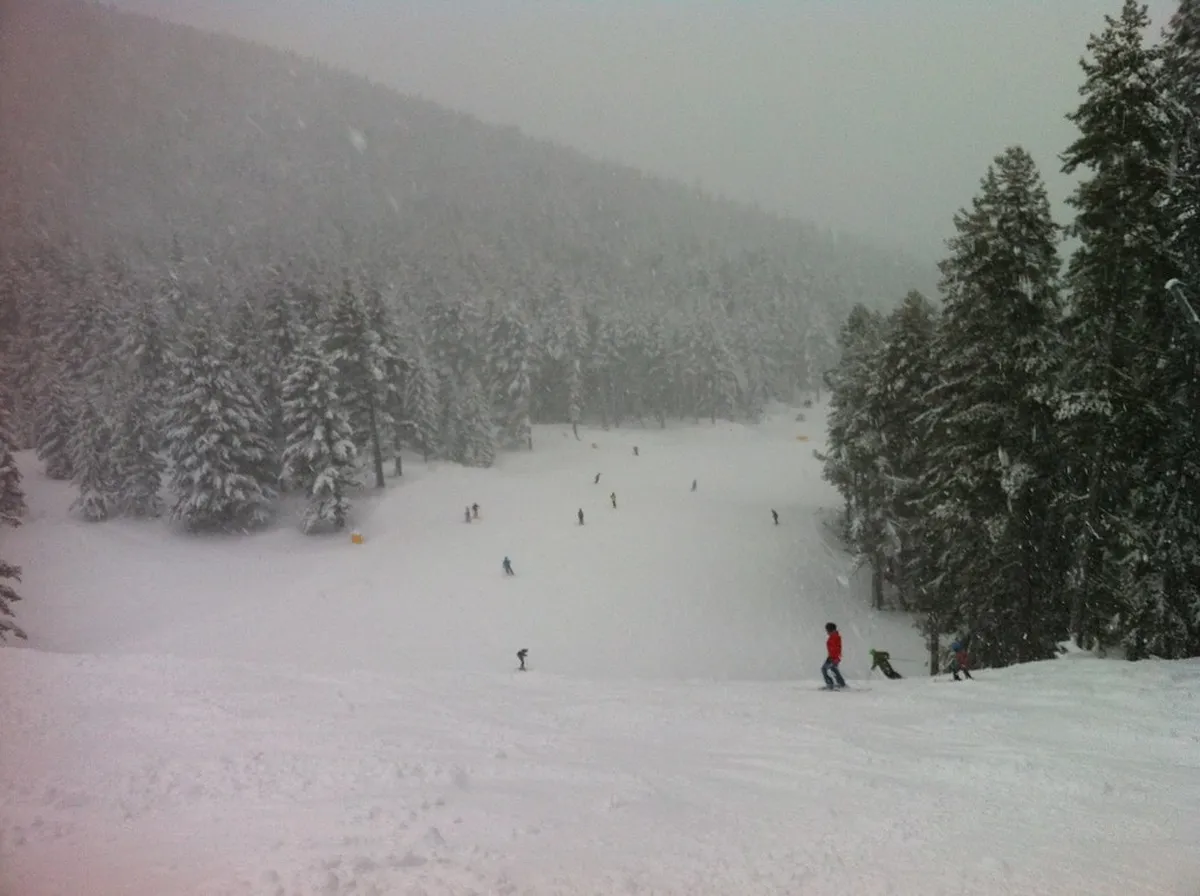
Skiing in Bansko Bulgaria offers a unique blend of modern facilities and traditional charm within the Pirin Mountains. The resort has become a top choice for travelers seeking affordable winter sports without sacrificing quality. You will find over 75 kilometers of marked pistes that cater to various skill levels, from wide nursery slopes to the demanding Tomba black run. It remains one of the 9 Things to Know About Ski Resorts in Bulgaria for international visitors and has won the World Ski Awards as Bulgaria's best ski resort for eleven consecutive years.
For a visual preview of the mountain's full descent and terrain variety, here's a POV run from peak to base:
Bansko sits at the foot of a UNESCO World Heritage site, providing a stunning backdrop for your holiday. The town itself mixes ancient history with a vibrant, modern energy that appeals to all ages. Visitors often praise the combination of well-groomed slopes and budget-friendly dining options. Planning ahead — especially around gondola timing — ensures you get the most out of this popular Balkan destination.
Bansko Ski Area & Piste Map
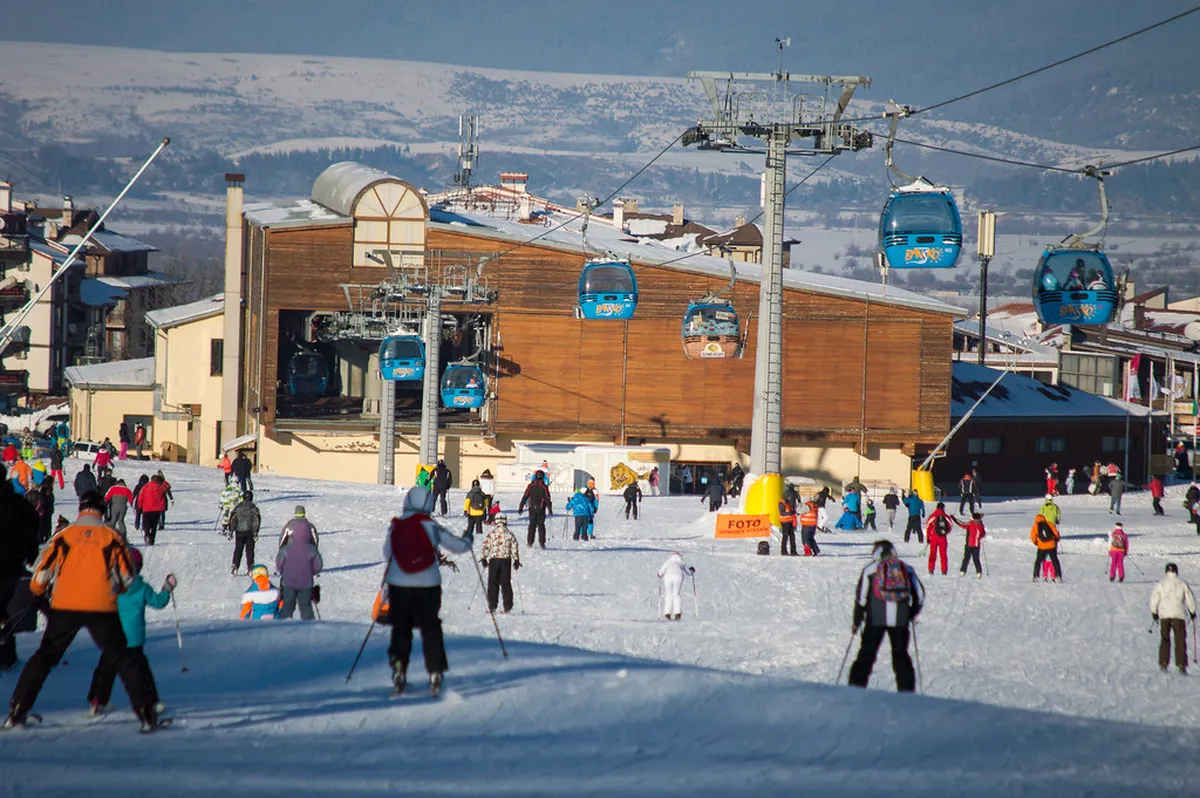
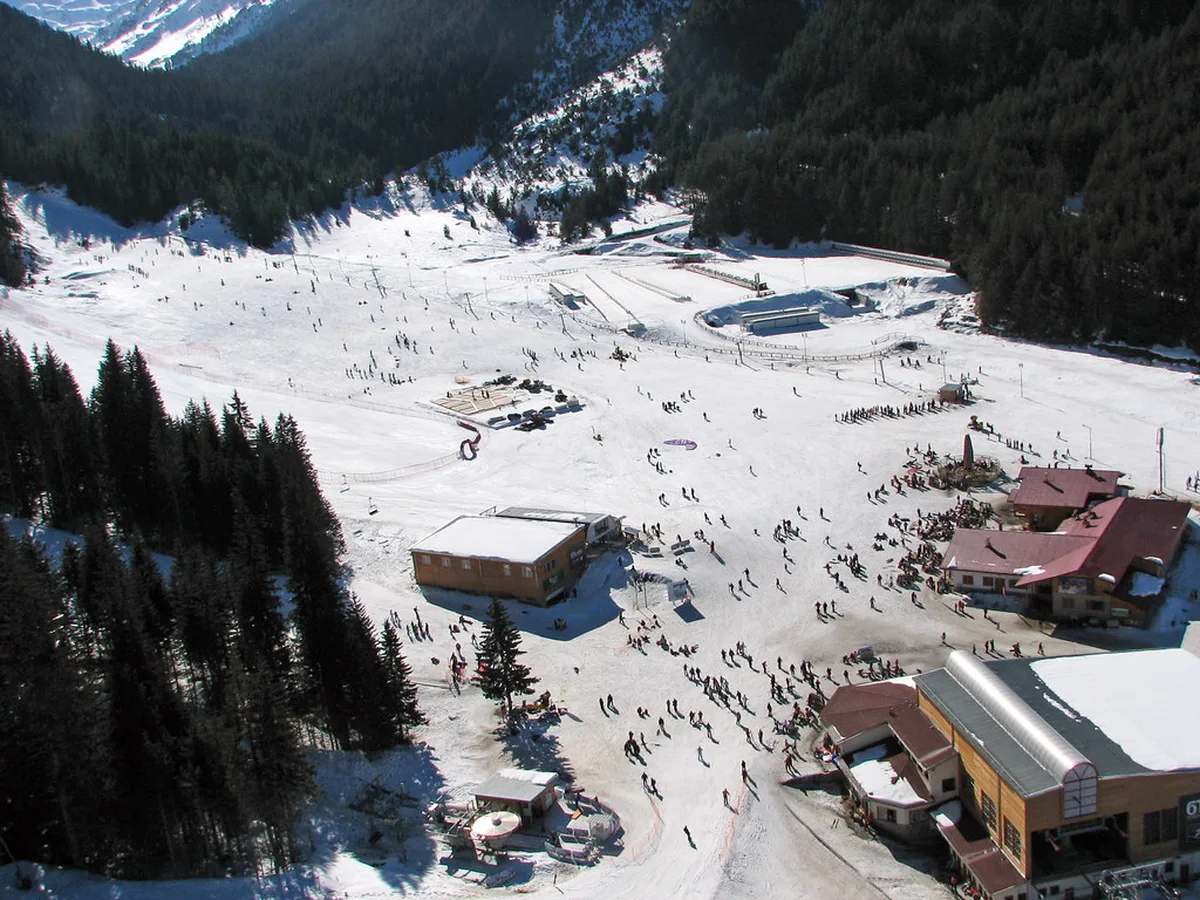
The Bansko ski area splits into two main zones that serve different skill levels. Chalin Valog is the lower mid-station area, reached after a 20-minute gondola ride from town. It sits at around 1,500 metres and is home to the beginner slopes, ski schools, and the meeting points for lessons. From Chalin Valog, two fast chairlifts whisk you up to Shiligarnika — the main upper mountain at roughly 1,700 metres — where the majority of red and black runs are concentrated.
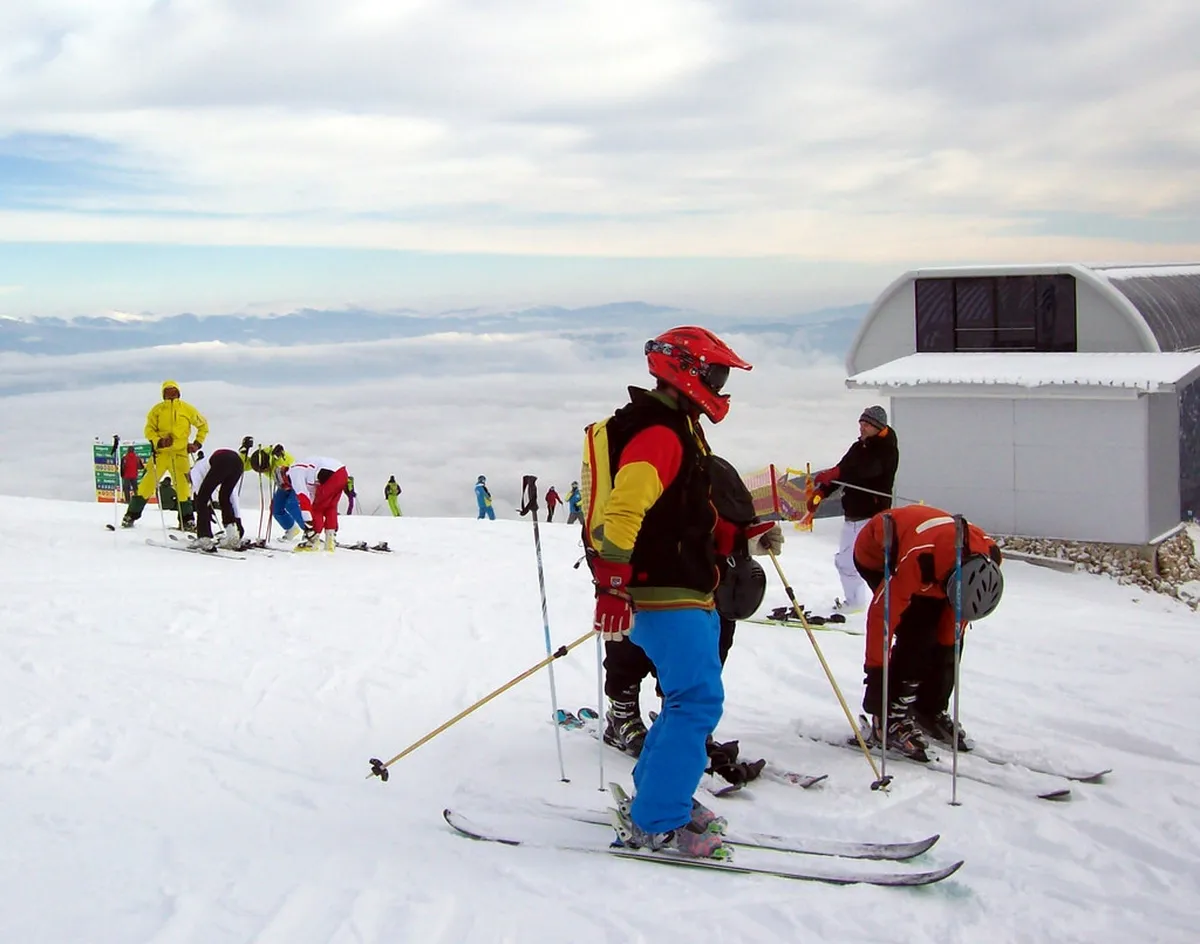
The resort's highest skiable point reaches 2,560 metres, accessed via the Banderitza and Todorka chairlifts. This elevation is a key reason why snow holds well even in mild winters. The piste count stands at 18 named runs: two orange beginner ski roads, six blue runs, eight red runs, and two black runs. Total marked distance is widely quoted at 75 kilometres, though the groomed piste network is approximately 48 kilometres — the longer figure includes the 14-kilometre ski road back to town. Download the interactive piste map at banskoski.com before you travel so you can orient yourself on the first morning.
Snowmaking covers more than 90% of all pistes, which keeps the runs in good shape even when natural snowfall is patchy. The gondola opens at 08:00 and the last one descends at 17:00. Chairlifts close around 16:30. If you are still on the mountain when the gondola stops, you can ski down the illuminated ski road — it takes 15 to 60 minutes depending on your ability and avoids any need to take the gondola down. Check the webcams on the Banskoski.com official site for current visibility and wind conditions before heading up each morning.
- Total named pistes: 18 runs (6 blue, 8 red, 2 black, 2 beginner roads)
- Groomed piste distance: approximately 48km; 75km including the ski road to town
- Highest lift: 2,560 metres (Todorka peak)
- Snowmaking: over 90% coverage
- Season: December to April
- Gondola hours: 08:00 to 17:00 (last descent 17:00)
Skiing in Bansko: Ability Levels & Terrain
Beginners will find the Chalin Valog area ideal for their first turns. The wide, gentle nursery slopes run alongside the English-speaking ski schools, and most instructors are accredited by national or international instructor bodies. Once you feel confident on the flatter terrain, the blue Ulen and Banderitza runs in the Shiligarnika area provide a natural progression — both are wide, well-groomed, and set against sweeping mountain views. Booking 10 Things to Know About Skiing in Bulgaria for Beginners lessons in advance is easy and significantly cheaper than equivalent tuition in the Alps.
Intermediate skiers have the widest choice of terrain. The red runs off the Todorka and Banderitza chairs — Strazhite and Plato 1 in particular — offer satisfying long descents for anyone working on their carving technique. One important note: Bansko's piste grading is stricter than equivalent French or Austrian resorts. A run graded red here would likely be a stiff red or borderline black in most Western European resort systems. If you comfortably handle French blue runs, approach Bansko's reds with confidence — they will challenge you without overwhelming you.
Advanced skiers should head directly to the Tomba run. Named after Alberto Tomba, it is a 16-kilometre descent from Todorka Peak to the gondola base and regularly hosts FIS World Cup events. The steep upper section demands precise edge control, particularly on icy mornings. Off-piste enthusiasts will find limited terrain within the resort boundary, but guided ski-touring excursions into the surrounding Pirin National Park Visitor Guide are available and take in some excellent backcountry terrain that is rarely tracked.
How Much is a Lift Pass in Bansko?
Lift pass prices have risen noticeably in recent years, partly linked to Bulgaria's EU accession trajectory and increased demand from Western European skiers. For the 2025/2026 season, a single adult day pass costs approximately 79 BGN (around 40 EUR). A six-day adult pass runs to around 452 BGN (roughly 230 EUR). Children aged 7 to 12 pay approximately 43 BGN for a day pass and 191 BGN for six days. A half-day pass — issued only from 12:30 onwards — costs around 61 BGN for adults and is a good option if you arrive late or want a shorter afternoon session. Always confirm current pricing on the official Banskoski.com website before your trip, as rates can change between seasons.
Ski hire in Bansko is concentrated along the streets leading to the gondola base. Standard packages covering skis, boots, and poles typically start around 30 to 40 BGN per day, with discounts for multi-day hire. Helmet rental is available separately and strongly recommended, especially for children. Booking your gear online or through your hotel the day before you want to ski saves time and often reduces the walk-in price by 10 to 20 percent. You will need to produce photo ID when purchasing your lift pass at the gondola kiosks. The kiosks are open 08:30 to 16:30 Sunday to Wednesday and 08:30 to 23:00 Thursday to Saturday. Buying your pass the afternoon before you ski avoids the morning rush entirely.
A note on the VIP gondola pass: several higher-end hotels in the gondola area offer a VIP lift pass as part of their accommodation package. This pass provides access to a dedicated fast lane at the gondola base, effectively eliminating the main queue. If avoiding the morning gondola queue matters to you, ask your hotel before booking whether a VIP pass arrangement is available. It is one of the most underused strategies for reclaiming ski time in Bansko.
Snow Reliability & The Best Time to Ski in Bansko
Bansko has the longest and most reliable ski season of any resort in Bulgaria, running from December through to April. The combination of altitude — the upper mountain sits above 2,400 metres — and extensive snowmaking infrastructure means you can usually count on skiable conditions even in low-snow years. The town itself lies at around 936 metres, so rain at resort level is common in December and March, but the upper mountain retains its snowpack well into spring.
Late January to mid-February is consistently the peak snow period. Temperatures in the town average around 0°C to -3°C during this window, and the upper slopes are reliably cold and well-groomed. The weather pattern in Bansko tends to alternate between overcast snowfall days — roughly one per week — and extended clear blue-sky periods. The sunshine days are excellent for skiing, though the lack of cloud can make the upper mountain cold and exposed. The Banderitza 2 chairlift, the highest in the resort, is prone to closure in high winds — always check the webcams before committing to the upper mountain on breezy mornings.
Snowmaking covers over 90% of all pistes and provides reliable conditions even in low-snow years. The season runs December through April, with the upper mountain above 2,400 metres retaining snow well into spring. For the best snow quality and lowest prices, target the period from 20 January to 20 February.
Early season (December to early January) offers quieter slopes but patchier snow below Chalin Valog. Late season (March and April) delivers longer days, spring snow conditions, and significantly lower prices on accommodation and passes. For the best compromise of snow quality and value, target the period from 20 January to 20 February. Check snow depths and forecasts at snow-forecast.com for Bansko-specific data in the days before travel.
Getting from Sofia to Bansko
Most international travelers arrive at Sofia Airport before heading south to the resort. The journey covers approximately 160 kilometres and takes about two to two and a half hours by road, depending on conditions in the Razlog valley. Snow can slow the mountain passes in midwinter, so build in buffer time if your flight lands close to your check-in deadline. Booking a How to Get from Sofia to Bansko service in advance is the most convenient option for most visitors.
Private transfers provide door-to-door service directly to your hotel or apartment and typically cost around 80 to 120 EUR for a car carrying up to four passengers, with return trips often available at a discount when booked together. This is the best choice for families or groups carrying ski equipment. Drivers meet you in the arrivals hall and handle luggage. Shared shuttle services are available for roughly 25 to 35 EUR per person each way and suit solo travelers or couples on a tighter budget.
Public buses run from Sofia Central Bus Station — not from the airport, so you need a taxi or metro connection first — to Bansko town center. A ticket costs approximately 15 BGN (around 7.50 EUR). Buses are reliable but can be crowded on Friday evenings and Sunday afternoons at the height of season. A taxi from the gondola base area to Chalin Valog (the mid-station) costs around 40 BGN per car and is a useful trick if you want to skip both the morning queue and the town-to-mountain commute.
Bansko Accommodation: Old Town vs. Gondola Area
Where you stay shapes your entire experience of Bansko. The Gondola area — the strip of modern hotels and bars that runs up to the gondola base — suits skiers who want to be on the mountain as fast as possible each morning and enjoy a lively nightlife scene within walking distance of their room. Hotels here tend to cost more, and the noise from bars can run late into the night. If you are a light sleeper or traveling with young children, this trade-off is worth considering before you book.
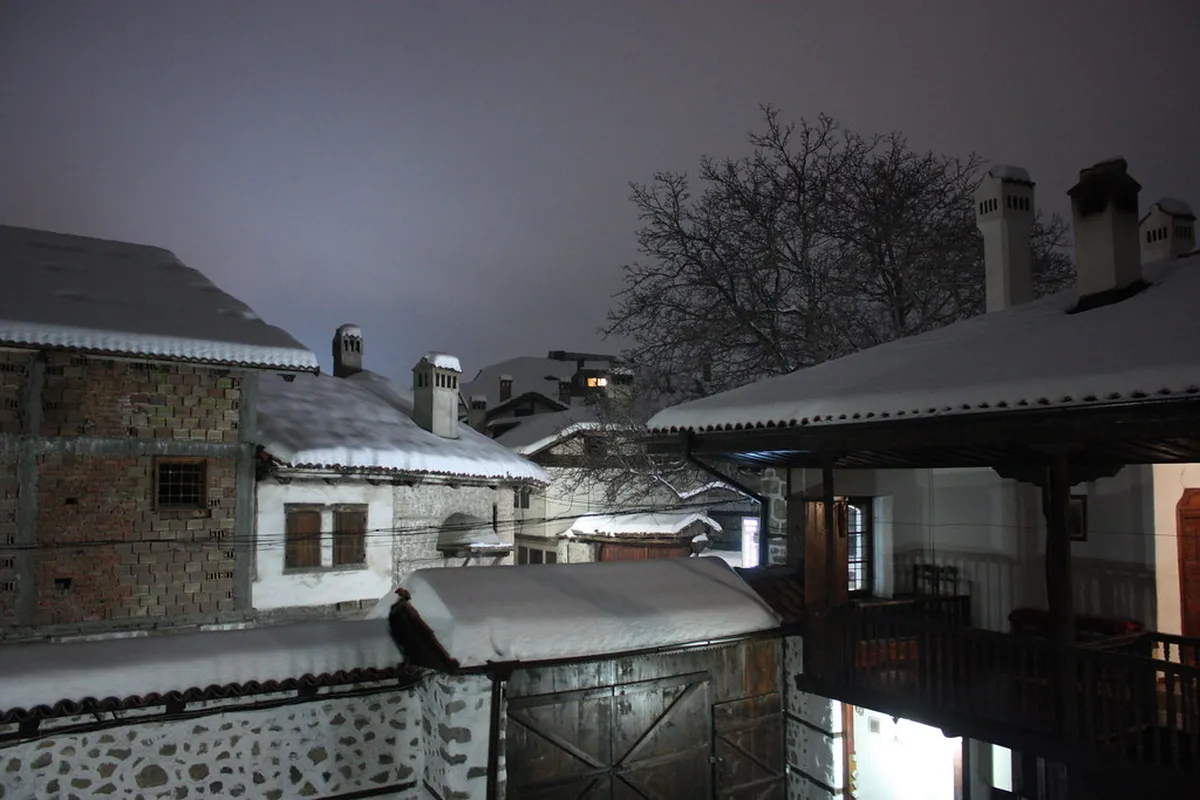
The Old Town sits at the other end of Pirin Street and offers a different pace entirely. Cobblestone lanes, Bulgarian Renaissance architecture, and traditional family-run guesthouses give this area a character the gondola strip entirely lacks. The famous Holy Trinity Church and the Neofit Rilski house-museum are both within walking distance. Most guesthouses and mid-range hotels here provide free shuttle buses to the gondola each morning, so the extra few minutes of travel does not translate into missed ski time. Prices are generally 20 to 30 percent lower than equivalent rooms near the gondola.
A third option — mid-town, along the central section of Pirin Street — bridges both worlds. You are close enough to the Old Town's best traditional restaurants and far enough from the gondola-area noise to sleep well. Luxury seekers should look at 5-star spa hotels, many of which are set slightly back from the main strip and offer indoor pools, steam rooms, and saunas to aid recovery after long days on the mountain. Check reviews on Tripadvisor.com to narrow down the right fit for your group.
Après-ski and Nightlife in Bansko
The après-ski in Bansko scene starts the moment the ski road spits you out at the base of town in the late afternoon. Happy End bar — positioned right at the bottom of the ski road — is the traditional first stop, with outdoor heaters, loud music, and a crowd still in full ski gear. The atmosphere there is reliably good between 15:00 and 18:00. From the gondola-area crossroads, a string of bars runs up Pirin Street, busy most evenings through the peak weeks of January and February.
Dining in a traditional Mehana is a mandatory experience for every visitor. The best Mehanas are in and around the Old Town, where prices are significantly lower and the atmosphere is genuine rather than tourist-oriented. Baryakova Mehana on the Old Town side is consistently recommended for huge portions at low prices — expect to eat well for under 20 BGN per person including drinks. The specialty dish to order is Kapama, a slow-cooked meat and sauerkraut stew served in a clay pot, which is a Bansko regional recipe you will not find in this form anywhere else in Bulgaria. A full sit-down dinner with wine at a mid-range Old Town restaurant typically runs 25 to 40 BGN per person.
The nightlife intensifies later in the evening, with clubs near the gondola area staying open until the early hours and drawing a mixed crowd of British package tourists, Eastern European skiers, and the town's growing digital nomad community. For a quieter evening, the Old Town bars remain the better choice. Beer costs around 3 to 5 BGN at most venues — roughly 1.50 to 2.50 EUR — which is among the lowest in any European ski resort of comparable size.
Other Activities in Bansko (Spa, Ice Skating, Culture)
Bansko offers plenty of entertainment for those who want a break from the slopes. The nearby village of Banya, a short taxi ride from town, is famous for its natural hot mineral springs and outdoor thermal pools. Spending an afternoon there is the best way to recover sore muscles before another day of skiing. Many hotels also organize trips to Banya for a small additional fee, or you can arrange a taxi independently for around 15 to 20 BGN return. But beyond the thermal spas and après-ski bars, you will find things to do beyond the slopes that offer a richer picture of Bansko's mountain culture.
Ice skating is available on the outdoor rink on Pirin Street in the town center. The rink stays open into the evening and costs around 12 BGN including skate hire, making it a good option for families whose children still have energy after a day on the mountain. An escape room is also available at Aparthotel Lucky Bansko, offering two themed rooms open to hotel guests and external visitors.
Cultural explorers should take time to walk through the historic center of the town. The local museums tell the story of the region's importance during the Bulgarian National Revival period of the 18th and 19th centuries. The Neofit Rilski house-museum provides a well-preserved example of traditional Bansko architecture, and the Holy Trinity Church — identifiable by its tall bell tower — is the symbolic heart of the Old Town. These sites provide a peaceful contrast to the busy atmosphere of the ski area and take no more than two hours to visit thoroughly.
The Reality of Bansko: Pros, Cons, and Who It Suits
The morning queue at the main gondola is widely known among regular visitors as "Gondola Hell." During peak weeks in January and February, the wait can exceed 60 to 90 minutes. The most effective solution is simple: arrive at the gondola base by 07:45. The gondola opens at 08:00, and those who queue from before opening clear the system within 20 minutes. Arriving at 09:00 puts you in the worst of the rush. A taxi from the gondola base to the Chalin Valog mid-station — bypassing the gondola entirely — costs around 40 BGN per car, which splits easily across four passengers. This option is underused and quietly effective.
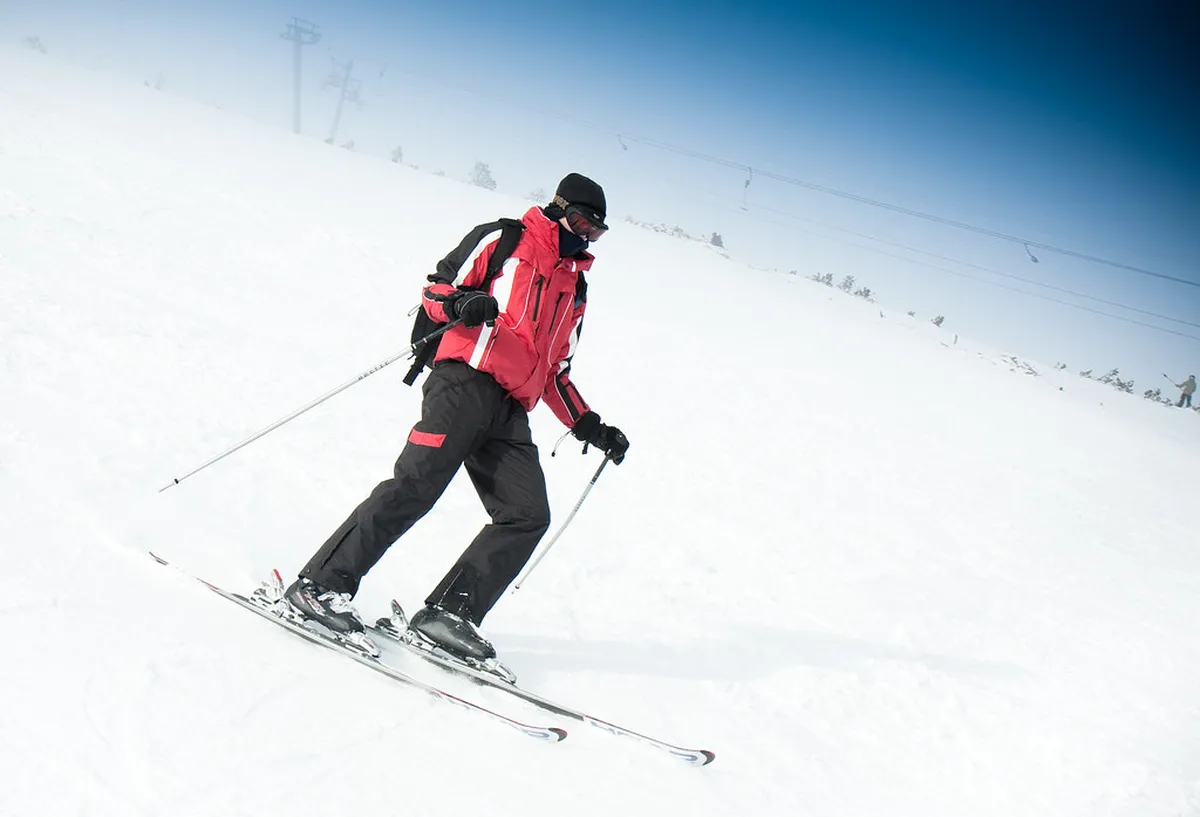
Beat the gondola queue by arriving before 07:45 — you'll clear the system within 20 minutes of the 08:00 opening. Alternatively, book a taxi to the Chalin Valog mid-station (around 40 BGN per car, split across 4 passengers) to skip the queue entirely. Arriving after 09:00 puts you in the worst rush, so plan accordingly.
The over-development of the gondola area is a genuine issue that critics of the resort raise, and they are not wrong. Large concrete apartment blocks in varying states of completion surround parts of the town, a legacy of speculative investment that outpaced demand. If you stay in the Old Town or mid-town and frame the gondola area as a functional transit hub rather than the aesthetic heart of the resort, this matters far less. Bansko is not a purpose-built ski village in the Méribel mould — it is a Bulgarian mountain town that has developed ski infrastructure. That distinction sets the right expectations.
Despite the crowds, the resort offers some of the best value affordable Bulgarian ski deals can provide. A week of skiing in Bansko — including flights from the UK, a mid-range hotel, six-day lift pass, ski hire, meals, and drinks — routinely comes in at 40 to 50 percent of what the same week costs in an equivalent French or Austrian resort. Bansko suits intermediates and beginners best. Advanced skiers who need long, varied, and uncrowded terrain will exhaust the main mountain in two or three days. For families, mixed groups with varying abilities, and budget-conscious skiers who want a proper ski holiday without a premium price, Bansko delivers reliably year after year.
- Pros: exceptional value for money; modern lift infrastructure; wide terrain for beginners and intermediates; lively Old Town culture; competitive ski school prices; affordable food and beer
- Cons: morning gondola queues during peak weeks; limited terrain for advanced skiers; unfinished construction visible around parts of town; lift pass prices have risen significantly in recent seasons
Continue planning: Use 9 Things to Know About Ski Resorts in Bulgaria and 12 Best Tips and Activities for Apres Ski in Bansko to connect this guide with the rest of your Bulgaria itinerary.
Frequently Asked Questions
How much is a lift pass in Bansko for 2025/2026?
Prices for a six-day adult lift pass typically range between 450 and 550 Bulgarian Lev. Costs can vary based on the specific week of the season and your age. You should check the official resort website for the most current rates before booking your trip.
Is Bansko good for beginner skiers?
Yes, Bansko is an excellent choice for beginners due to its wide nursery slopes and affordable tuition. The ski schools are highly rated and most instructors speak fluent English. It is a great place to learn in a supportive environment.
What is the best month to ski in Bansko?
Late January and February are generally considered the best months for reliable snow and cold temperatures. This period offers the most consistent powder across the entire mountain. You can find more details in our Bansko Ski Season for monthly breakdowns.
How do I get from Sofia Airport to Bansko?
The most efficient way to reach the resort is by booking a private transfer or a shared shuttle. Public buses also run from the city center, but they take longer and require extra logistics. The drive usually takes about two and a half hours under normal conditions.
Is Bansko cheaper than the Alps?
Bansko is significantly cheaper than most resorts in France, Switzerland, or Austria. You will save money on everything from lift passes and rentals to daily meals and drinks. It is the perfect destination for budget-conscious skiers seeking a full mountain experience.
Skiing in Bansko Bulgaria provides a fantastic winter experience that balances cost and quality. The resort continues to improve its facilities while maintaining its traditional Balkan soul. By following a few simple tips — arrive at the gondola before 08:00, stay in the Old Town for the best atmosphere, eat at a Mehana, and take the ski road home at least once — you can avoid the crowds and enjoy the stunning Pirin Mountains at their best. Bansko remains a top contender for anyone looking for an unforgettable and affordable ski holiday in 2026.
Continue planning
Start with our Bansko activity guide and compare the practical details with our Borovets versus Bansko comparison.
For connected planning, compare Bansko activity guide with Borovets versus Bansko comparison before finalizing your route.