Bansko Snow Conditions: Live Report & Seasonal Guide
Last updated July 2026, this guide breaks down Bansko snow conditions across the two elevations that matter: the 925m town, where green grass in the off-season means nothing about the mountain, and the 2,560m Todorka summit station, where the actual piste and off-piste picture is decided. Bansko snow conditions swing on wind as much as on snowfall totals, since the exposed upper plateau around Shiligarnika can close lifts even on a deep-snow day, so this guide pairs a fast-facts snapshot with the seasonal, logistical, and microclimate detail needed to judge whether a trip is worth booking. Expect a month-by-month reliability breakdown, a look at how the Pirin Mountain microclimate compares with Borovets and Pamporovo, and the practical planning steps that connect snow quality to the 2.5-hour transfer from Sofia.
Current Bansko Snow Report & Fast Facts
Bansko's ski area sits well above the resort town, and that gap is the single most important thing to understand before checking any snow report. The town of Bansko sits at 925m, often snow-free or slushy outside the core winter window, while the lift-served terrain runs from roughly 2,000m up to the Todorka summit station at 2,560m. During the operating season, the gondola from town typically runs 08:30 to 17:00 and the mountain lifts run 08:45 to 16:15, though exact hours can shift with wind and grooming schedules, so treat published times as a baseline to reconfirm on the day. Outside the winter season the resort reports as closed, with the traditional season opening around mid-December and closing around mid-April, and any live snow-depth or piste-status figures should be checked directly against the current-season report rather than assumed from a prior year, since neither this guide nor any static article can responsibly publish a live cm figure that changes daily.
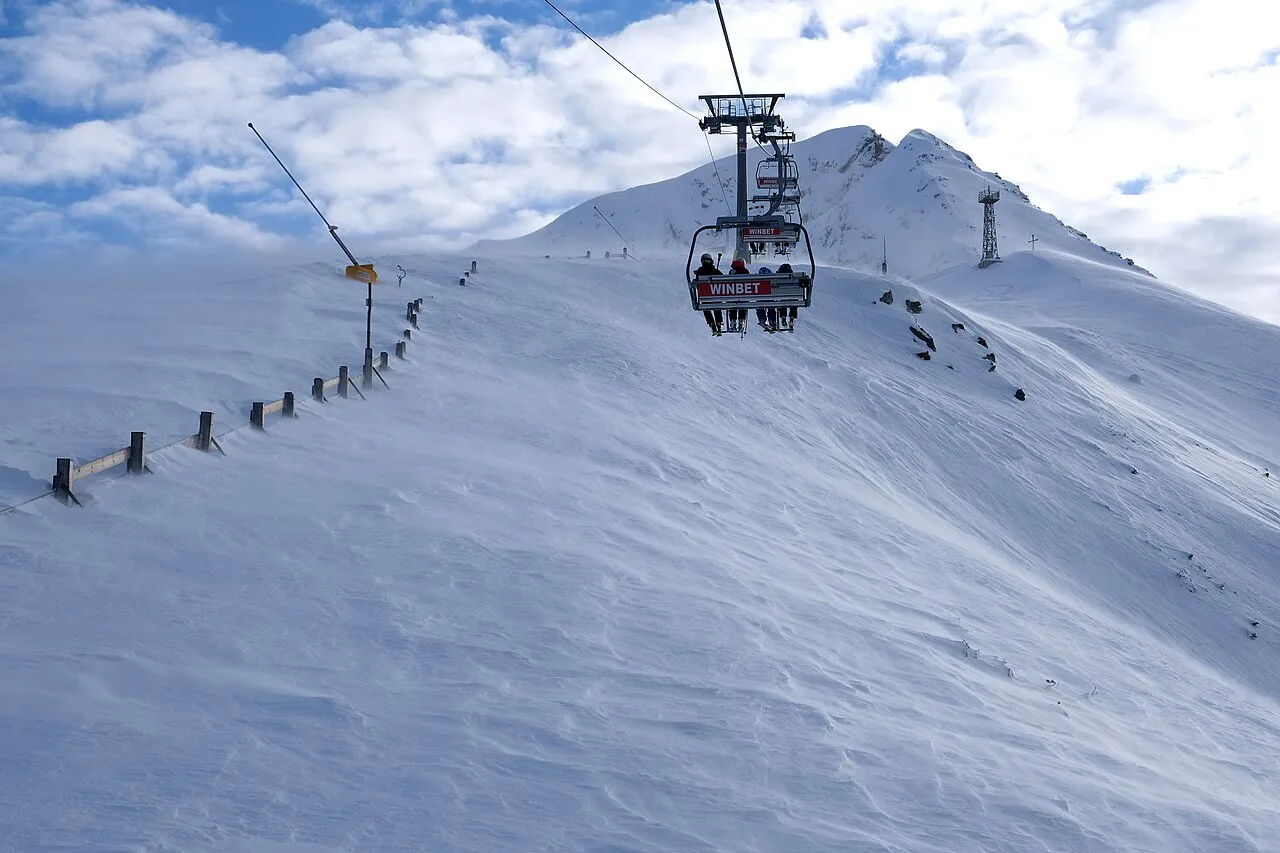
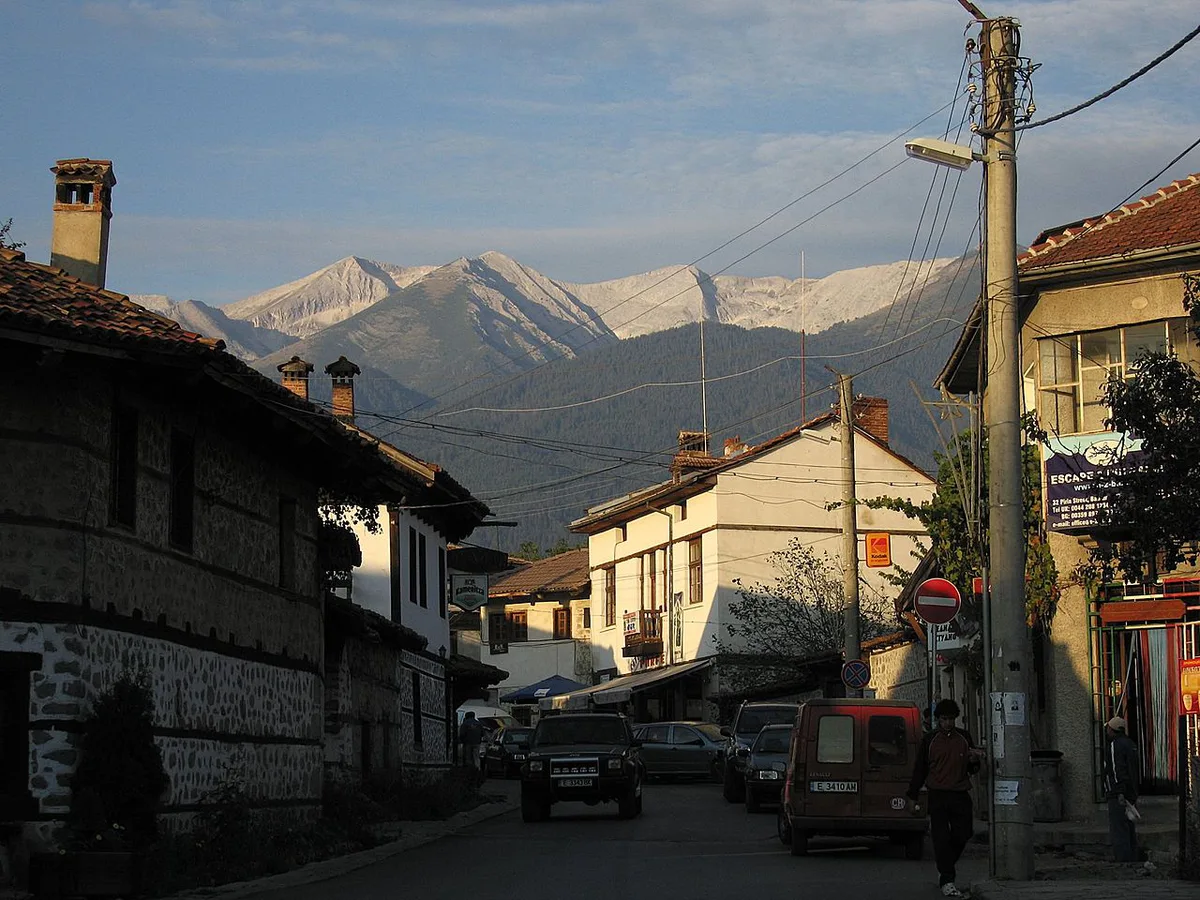
The 925m town elevation provides no reliable indicator of mountain conditions. Lift-served terrain spans roughly 2,000m to 2,560m Todorka, with the upper Shiligarnika sector (1,700-2,500m) retaining natural snow deeper into the season. Green grass in town can coexist with fully skiable slopes above.
| Metric | Figure |
|---|---|
| Town/base elevation | 925m |
| Top elevation (Todorka) | 2,560m (ski area commonly cited up to 2,600m) |
| Ski centres | Chalin Valog (1,100-1,600m), Shiligarnika (1,700-2,500m) |
| Snow cannons | 44+ |
| Distance from Sofia Airport | approx. 160km / 2.5 hours |
| Typical season | mid-December to mid-April |
- Base/town elevation: 925m
- Top lift-served elevation: 2,560m (Todorka summit station)
- Main ski centres: Chalin Valog (1,100-1,600m) and Shiligarnika (1,700-2,500m)
- Snowmaking: 44+ snow cannons across the piste network
- Gondola hours: approx. 08:30-17:00; mountain lifts approx. 08:45-16:15
- Traditional season window: mid-December opening to mid-April closing
Seasonal Snow Reliability: When to Visit Bansko
Reading Bansko snow conditions by month helps set realistic expectations before booking flights or lift passes. Early season around December carries the most risk, since natural cover can be thin and the resort leans on its 44-plus snow cannons to open pistes on schedule; a mid-December projected opening is the traditional pattern, but it is weather-dependent and can slip in low-snow years. January and February are the core months for depth and reliability, when the upper Shiligarnika sector above 1,700m holds the most consistent natural snowpack and cold temperatures keep quality high. March and April shift into a spring pattern: mornings often bring a firmer, sometimes icy crust from overnight refreeze, softening into slush by afternoon as temperatures rise, and this is also the stretch where a mid-April projected closing typically arrives, so late-season trips should be booked with a flexible mindset about piste quality rather than powder expectations.
- December: early-season, snowmaking-dependent, opening traditionally around mid-December
- January-February: peak reliability months for natural snow depth and cold, dry conditions
- March-April: spring pattern of morning crust and afternoon slush, closing traditionally around mid-April
Understanding the Pirin Mountain Microclimate
Bansko is widely regarded as having the best snow record and the longest ski season among Bulgaria's resorts, a reputation tied to the Pirin Mountain's higher summit elevations and more consistent winter exposure compared with Borovets or Pamporovo's snow report profile. The Banderishka Polyana hub, reached by the gondola from town, acts as the mid-mountain gateway and tends to hold snow well thanks to its elevation and northern exposure, feeding skiers onward to the higher Shiligarnika terrain. Piste character changes noticeably with altitude: Chalin Valog, between 1,100m and 1,600m, is the lower, more sheltered sector and is often the first to soften or show bare patches in marginal conditions, while Shiligarnika, spanning 1,700m to 2,500m, sits high enough to retain natural snow deeper into the season and is generally the more dependable zone to check first when snow news is mixed.
Live Tools: Webcams and Snow Radars for Checking Conditions
Because town-level weather in Bansko tells you almost nothing about conditions 1,500m higher, live verification tools matter more here than at lower-altitude resorts. Webcams positioned at hubs like Bunderishka Polyana are useful for confirming visibility, since fog and low cloud on the plateau are a recurring issue that can mask genuinely good snow underneath, and a webcam check can save a wasted trip up the gondola on a whiteout day. Snow radar tools and short-range forecasts covering the summit around 2,560m are the best way to track incoming snowfall and, just as importantly, wind speed, since Bansko's exposed upper lifts are as likely to be closed by wind as by lack of snow. Cross-checking a live cam against the day's wind forecast before buying a lift pass is a simple habit that avoids paying for terrain that may not open.
Wind can close lifts even when snow depth is strong. Check summit wind forecasts alongside snow depth reports before buying a lift pass. The exposed upper plateau is as likely to shut down from wind as from snowfall, making wind forecasting equally critical as snow monitoring.
Planning Logistics Around Bansko Snow Conditions
Snow quality is only half the planning equation; getting to it reliably is the other half. Bansko sits approximately 160km from Sofia Airport, a journey of around 2.5 hours by road, and that drive can lengthen significantly during heavy snowfall, so travellers arriving on marginal-weather days should build in a buffer rather than booking a tight same-day transfer to first lifts. Once on the mountain, lift pass strategy benefits from context: comparing day-pass pricing against a resort like Pamporovo via Pamporovo's lift pass prices helps set expectations for what a Bulgarian ski day costs before committing to multi-day Bansko passes. Equipment choice should follow the snow report rather than habit: powder or all-mountain skis suit the days immediately after fresh natural snowfall, particularly on the higher Shiligarnika runs, while standard groomed-run carvers are the better call during long dry spells when cannon-made and packed snow dominates the piste surface; renters can check current setup options through Pamporovo's ski hire and lessons service for a sense of typical rental logistics in the region.
Common Mistakes to Avoid When Checking Bansko Snow Conditions
The most frequent error is reading Bansko's town weather, at 925m, as a proxy for mountain conditions 1,500m to 1,600m higher; green grass and rain in town can coexist with a fully skiable upper mountain, so always check depth and status at the Chalin Valog and Shiligarnika elevations specifically. A second mistake is ignoring the gondola queue factor during peak snow weeks: a fresh dump of powder on a weekend reliably draws crowds to the Banderishka Polyana gondola, and queue times can eat into a short day trip if you arrive late morning. A third mistake is overestimating off-piste safety in the Pirin backcountry; terrain beyond the marked pistes should be treated with caution and, where relevant, a local guide, since avalanche and terrain risk in the Pirin National Park Visitor Guide backcountry is a separate consideration from resort piste conditions.
- Assuming Bansko town weather reflects the ski area 1,500m+ higher
- Skipping the gondola-queue factor on fresh-powder weekends
- Treating marked-piste conditions as a proxy for off-piste backcountry safety
Comparing Bansko to Other Bulgarian Ski Resorts
Set against the rest of the country, Bansko generally holds the edge for snow reliability and season length, a reputation built on its higher top elevation and heavier snowmaking investment relative to peers. For a full regional comparison across Bulgaria's ski areas, including how Bansko, Borovets, and Pamporovo stack up on terrain and season length, see the best ski resorts in Bulgaria. Closer to Sofia, Vitosha's skiing guide covers a lower-altitude, easier-access alternative that suits short day trips but does not match Bansko's snow record, while Pamporovo trades some altitude for a gentler, family-oriented layout worth weighing against Bansko's steeper Shiligarnika terrain.
Ski Road Conditions: Can You Ski Back to Town?
One Bansko detail worth checking separately from the upper-mountain snow report is the ski road back toward town. This long return route, commonly described as about 7km, drops from the Banderishka Polyana area through lower forested terrain toward the gondola base, so its condition can be very different from the Shiligarnika pistes higher up. In cold, snowy weeks it is a useful end-of-day run that avoids downloading in the gondola, but in warm spells the lower sections can turn thin, icy, slushy, or patchy well before the main ski area looks poor.
Before planning to ski all the way down, check the piste-status board for the ski road specifically, not just total open kilometres. If it is closed or marked marginal, use the gondola download from Banderishka Polyana instead, especially with children, beginners, or tired legs at the end of the day. The upper slopes may still be in good shape even when the town return is not worth attempting.
Continue planning: Use 9 Things to Know About Ski Resorts in Bulgaria and 12 Best Tips and Activities for Apres Ski in Bansko to connect this guide with the rest of your Bulgaria itinerary.
Frequently Asked Questions
How do you check current Bansko snow conditions before booking?
Check depth and status readings for the Chalin Valog (1,100-1,600m) and Shiligarnika (1,700-2,500m) sectors specifically, not the Bansko town forecast, since the 925m town elevation rarely reflects conditions 1,500m higher. Pair the snow report with a live webcam check at a hub like Bunderishka Polyana to confirm visibility, and check the summit wind forecast, since wind closures affect the upper lifts independently of snow depth.
What is the typical Bansko ski season?
The traditional pattern is an opening around mid-December and a closing around mid-April, giving Bansko one of the longer ski seasons in Bulgaria. Early and late-season dates are weather-dependent, and the resort's 44-plus snow cannons are used to protect the opening window when natural cover is thin.
Does snow in Bansko town mean the ski area is in good condition?
No. Bansko town sits at 925m while the lift-served ski area runs from roughly 2,000m up to the 2,560m Todorka summit station, so town-level weather and snow cover are not a reliable indicator of mountain conditions. Always check reports specific to the Chalin Valog or Shiligarnika elevations instead.
How far is Bansko from Sofia Airport, and does weather affect the drive?
Bansko is approximately 160km from Sofia Airport, roughly a 2.5-hour drive in normal conditions. Heavy snowfall can extend this journey time, so travellers heading up during or after a significant snow event should allow extra time rather than scheduling a tight transfer straight to first lifts.
Why does wind matter as much as snow depth in Bansko?
The upper plateau around Shiligarnika is exposed, and strong wind can force the resort to close top lifts even when snow depth is good, unlike more sheltered lower-mountain sectors such as Chalin Valog. Checking a summit-level wind forecast alongside the snow report is the best way to judge whether upper-mountain lifts are likely to run before buying a day pass.