9 Things To Do In Giurgiu, Romania: A Perfect Day Trip From Ruse
Giurgiu sits on the Romanian bank of the Danube, directly across from Ruse, Bulgaria. It takes under an hour to reach the city center after crossing the Friendship Bridge, which makes it one of the most accessible cross-border excursions in the entire Balkans. This guide covers what to actually see and do in Giurgiu — the attractions, the food, the history, and the practical details you need to plan your day. For an at-a-glance traveller overview, see this Giurgiu travel guide.
For a sense of Giurgiu's layout and local character, here's a walk through the central streets:
Giurgiu is not a polished tourist city. It is a working Danube port with a genuinely local character, Ottoman-era fortifications, riverfront parks, and an unhurried pace that contrasts sharply with Ruse's more cosmopolitan streets. That contrast is the point. In 2026 it remains one of the least-visited towns on this stretch of the Danube, which means you will rarely share an attraction with a tour group.
Why Giurgiu Makes a Perfect Day Trip from Ruse
The distance between Ruse city center and Giurgiu city center is roughly 4 km by road across the Friendship Bridge. Once you clear both border control points, a local bus drops you near the central square in about 20 minutes. No overnight stay, no long transit, and no advance booking required for most of the main sites.
The city is compact enough to cover on foot. The Clock Tower, the main church, the public garden, the Danube promenade, and the central market are all within a 15-minute walk of each other. That leaves plenty of time to sit in a local café, browse the market, and still catch an afternoon bus back to Ruse. For anyone staying in Ruse for more than two days, Giurgiu is the obvious half-day extension.
The exchange rate also works in your favor. The Romanian leu (RON) trades at roughly 5 RON to 1 EUR in 2026. A full meal with drinks at a sit-down restaurant costs 40–60 RON ($8–12). Entry fees at the museum and church are under 20 RON combined. You can do the entire day, including transport, for well under 30 EUR per person.
Ensure you have your passport or EU ID card ready for control points on both the Bulgarian and Romanian sides. The Romanian leu (RON) is not accepted in Ruse on return, so spend or exchange what you have before recrossing the border.
History of Giurgiu: A Danube Fortress Town
Giurgiu was founded as a Genoese trading post in the 14th century, then captured by the Ottomans in 1394. For nearly four centuries it functioned as a key Ottoman military base on the northern Danube frontier, with a fortified citadel built on Ostrovul Mare — a small island in the river — connected to the bank by a wooden bridge. The island fortress gave the town a strategic advantage that neither Ruse nor any other nearby crossing could replicate. For more details on Giurgiu's layered medieval and Ottoman history, see the comprehensive history of the city.
The fort changed hands multiple times between the Ottomans and the Wallachian princes, and later between the Ottomans and the Russians during the 18th and 19th century wars. After Romanian independence in 1877, the fortress was partially demolished and the town rebuilt as a rail hub and river port. The Clock Tower is the most visible surviving structure from that long Ottoman and early-modern period.
Understanding this layered history makes visiting the ruins and the museum far more interesting. Giurgiu is not just another Danube town — it was the contested gateway between two empires for five hundred years, and the physical traces of that are still legible in the urban fabric if you know where to look.
Top Things to Do in Giurgiu: 9 Must-See Attractions (2026)
Giurgiu is compact and walkable. The attractions below are all reachable on foot from the central bus drop-off near Piața Centrală. Plan for 4–5 hours of sightseeing at a relaxed pace.
- Giurgiu Clock Tower (Turnul Ceasului) — Built in 1770 as an Ottoman watchtower, the Clock Tower stands in the city center and is Giurgiu's most photographed landmark. Access to the base is free and always open. Climbing inside is possible on weekday mornings when the caretaker is present — there is no fixed schedule, so arrive early and ask at the tourist information point nearby. Details on its restoration history are available through the landmark's dedicated entry.
- Giurgiu Fortress Ruins (Cetatea Giurgiu) — The remnants of the medieval citadel are scattered around the riverfront area near the port. Most of what survives is foundation-level stonework, but the setting — looking out over the Danube toward the island where the original Ottoman fort stood — is striking. Free access, no fixed hours.
- Orthodox Cathedral 'Adormirea Maicii Domnului' — This large Byzantine-style cathedral anchors the city center. The interior frescoes cover the full wall surface in the Romanian Orthodox tradition. Open daily roughly 08:00–18:00; entrance is free, donations appreciated. Dress modestly and avoid visiting during morning services if you want to look around without disruption.
- Giurgiu History Museum (Muzeul Județean Giurgiu) — The museum covers local archaeology from the Neolithic through the Roman and Ottoman periods, with a dedicated section on the Danube fortifications. Entry costs around 10 RON ($2) for adults. Closed Mondays; open Tuesday–Sunday 10:00–17:00. Allow 45–60 minutes.
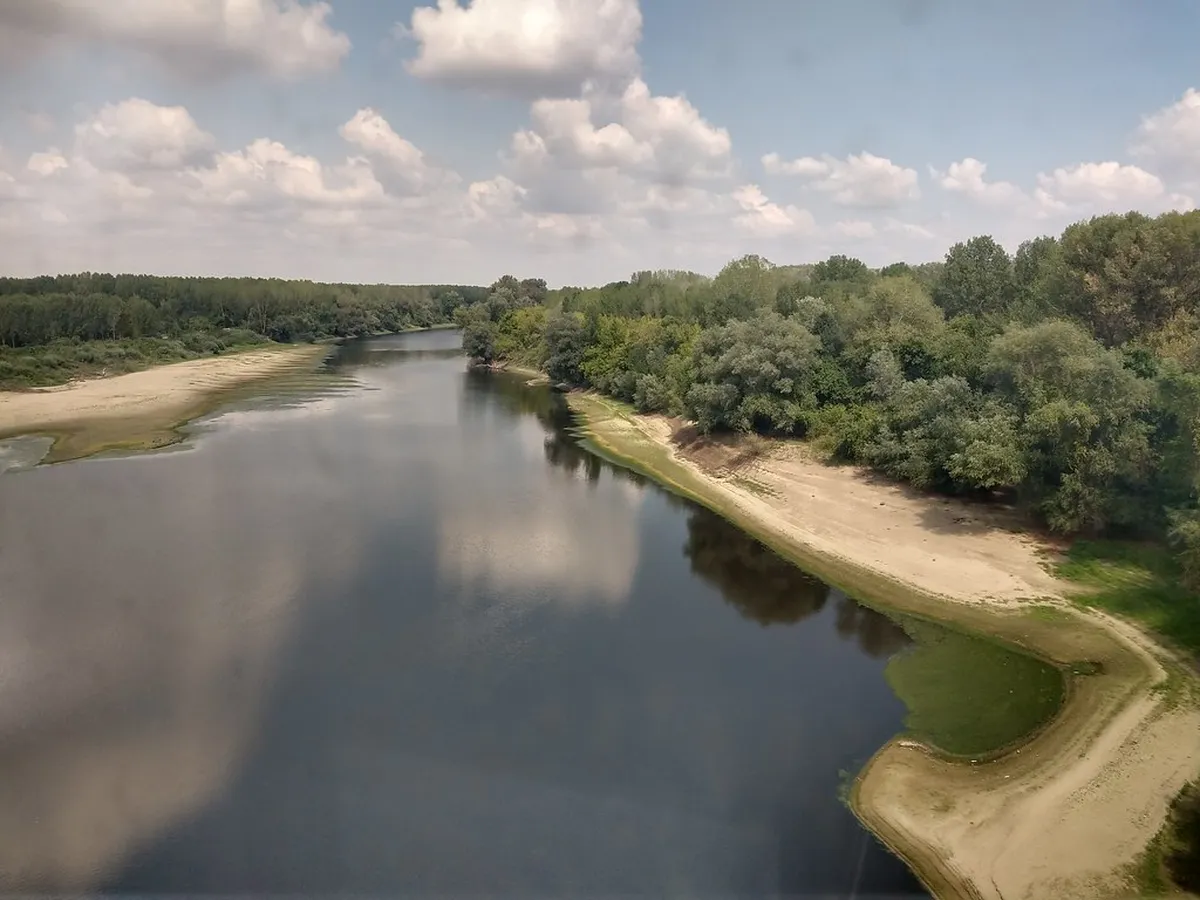
- Danube Promenade (Faleza Dunării) — The riverside walkway runs for about 1.5 km along the northern bank of the Danube. Barges and river cruise ships pass at close range, and on clear days you can see the Bulgarian bank and Ruse's riverside park. Free, open at all hours. Best in the late morning before the midday heat in summer.
- Giurgiu Public Garden (Parcul Alei) — A shaded park in the city center with mature plane trees, benches, and a small fountain. Free and open daily. It is the local gathering point on weekend mornings and a good place to pick up a coffee from a nearby kiosk before starting your sightseeing circuit.
- Sfântul Gheorghe Church — Smaller and older than the cathedral, this church sits in a quieter residential street and is often missed by first-time visitors. The interior icons date to the 19th century. Open during services; check the door for posted hours. Free entry.
- Piața Centrală (Central Market) — The covered market operates every morning until around 13:00. Vendors sell local cheeses, smoked meats, dried herbs, and seasonal produce. Prices are significantly lower than anything you will find in Ruse or Bucharest. Cash only; bring RON.
- Friendship Bridge viewpoint — Walking to the Romanian end of the Friendship Bridge and looking back toward Bulgaria gives you the best perspective on the scale of the crossing. The bridge deck itself is 2.2 km long and was built between 1952 and 1954 as the first fixed link between Bulgaria and Romania on the Danube. You can walk or cycle across; pedestrian crossing takes 30–45 minutes one way.
Giurgiu's Ottoman Fortress Island: The Detail Most Visitors Miss
Almost every article about Giurgiu mentions the Clock Tower and the fortress ruins in passing, but none explain what made the fortress genuinely unusual: the original citadel was built on Ostrovul Mare, an island in the middle of the Danube. The Ottomans connected it to both the Romanian and Bulgarian banks with pontoon bridges that could be cut in emergencies. This island-fortress configuration is what held off multiple Wallachian and Habsburg military campaigns for decades.
Today Ostrovul Mare is accessible only by boat and has no formal tourist infrastructure, but you can see the island clearly from the Danube Promenade. Standing on the riverbank and knowing you are looking at the site of a 400-year strategic military installation adds real depth to what otherwise looks like an ordinary stretch of river. The History Museum has a scale model of the fortress in its medieval-period room — this is worth the 10 RON entry on its own.
The island also has ecological significance: it is now a protected natural area with nesting bird colonies. Tour operators in Giurgiu occasionally run short boat excursions around the island in summer. Ask at the tourist information kiosk near the Clock Tower about current availability — these trips are informal and not reliably advertised online.
Where to Eat in Giurgiu: Local Food You Should Try
No competitor guide to Giurgiu covers the food in any useful detail, which is a significant omission. Giurgiu's position as a Danube port town means freshwater fish dominates the local menu in a way that is different from both Bucharest and the Bulgarian side. Order ciorba de pește (fish soup with vegetables and soured with vinegar or lemon) at any sit-down restaurant near the promenade — it is the regional staple and costs 20–30 RON for a full bowl.
Mici (grilled skinless minced-meat rolls) with mustard are the quintessential Romanian street snack. You will find them at kiosks near the market and at simple grill restaurants throughout the city center. A portion of six costs around 20 RON. Paired with a local beer (Ursus or Ciuc are the common brands at 8–12 RON a bottle), this is the cheapest and most authentic meal you can have in the city.
For a sit-down lunch, look for restaurants on or just off Strada Gării (the street running toward the train station). The clientele is almost entirely local, the menus are in Romanian, and prices reflect that — a two-course meal with a drink will come in at 50–70 RON ($10–14). Google Translate handles Romanian menus well. Carry cash: smaller restaurants in Giurgiu often do not accept cards.
For a quick pastry stop, bakeries along Bulevardul București sell covrigi (sesame-seed ring pretzels) for 3–5 RON each, along with plăcintă (filled savory pastry) and langos. These make a good breakfast before starting your walking circuit of the city.
Giurgiu's Outdoor Spaces and the Danube Riverfront
The Danube Promenade is the best outdoor asset in Giurgiu. At 1.5 km long, it connects the port area to the public garden and gives continuous unobstructed river views. In the morning, locals walk and cycle here before the heat sets in. In the evening it fills up again with families. It is flat, paved, and accessible for pushchairs and wheelchairs throughout.
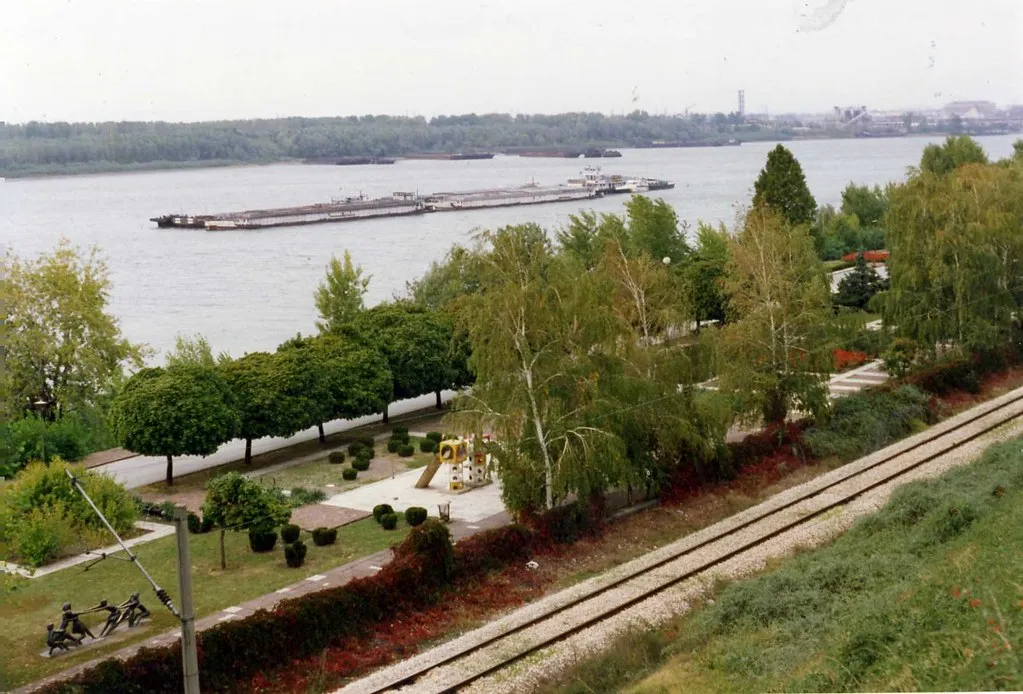
The Public Garden (Parcul Alei) is a genuine green retreat in the center of the city. Mature trees provide shade even in July and August, when Danube basin temperatures regularly exceed 35°C. There are benches throughout and a small café at the edge of the park. It is the natural starting point for a Giurgiu walking circuit — orient yourself here, then walk to the Clock Tower and the cathedral before heading down to the riverfront.
Cycling is a practical option in Giurgiu because the city is flat. There is no formal bike-hire operation, but several visitors bring folding bikes across the Friendship Bridge on foot. The riverside path continues for several kilometers beyond the formal promenade toward the port industrial area, though this eastern section is less scenic.
Family-Friendly and Budget-Conscious Options in Giurgiu
Giurgiu is an affordable day out by any European standard. The majority of major attractions — the Clock Tower exterior, the fortress ruins, the cathedral, the promenade, and the public garden — are free. The History Museum charges 10 RON ($2) for adults; children under 7 enter free and older children pay a reduced rate. A family of four can see everything in the city center for under 50 RON in entry fees.
Children generally respond well to the Danube Promenade, where the barge and river cruise traffic provides a constant show. The public garden has open grass areas suitable for younger children. Neither of the main churches requires climbing or long walks, though the Sfântul Gheorghe Church interior is small enough to feel manageable for families who want a quick look at Romanian Orthodox art without committing to a long visit.
For food, the market and street kiosks near Piața Centrală are the most budget-friendly option. A family lunch of mici, fresh bread from the market, and local fruit can cost less than 100 RON ($20) for four people. Bring water from Ruse or stock up at a local supermarket — bottled water in Giurgiu is widely available and cheap (3–5 RON per 1.5L bottle).
Getting to Giurgiu: Transport and Practical Notes
The bus from Ruse's central bus station to Giurgiu runs several times daily and costs 5–8 BGN one way. Journey time from the Ruse bus terminal to the Giurgiu central stop is approximately 30–40 minutes including the border crossing. Taxis from Ruse to Giurgiu cost 20–30 BGN and allow you to set your own departure time — useful if you want to start early or return late. For full details on the crossing procedure, documents required, and current wait times, see our Friendship Bridge crossing guide.
| Transport | Cost (one way) | Journey Time | Booking Required? |
|---|---|---|---|
| Local bus | 5–8 BGN | 30–40 mins (including border) | No |
| Taxi | 20–30 BGN | 30–40 mins (including border) | No |
Once in Giurgiu, the city center is entirely walkable. Taxis are available near the central square if you want to reach the History Museum or the fortress ruins faster, but the distances rarely justify one. The entire attraction circuit described in this article fits within a 2 km radius of the Clock Tower.
Carry Romanian lei (RON) for the market, restaurants, and museum entry. Some central cafes and the larger restaurants accept card payments, but smaller vendors and kiosks are cash-only. ATMs are available near Piața Centrală. The leu is not accepted in Ruse on return, so spend or exchange what you have before recrossing — or simply withdraw a small amount and plan to spend it all.
Entry fees at the History Museum cost around 10 RON ($2) for adults, and children under 7 enter free. A full meal with drinks at a sit-down restaurant costs 40–60 RON ($8–12), making a day trip to Giurgiu very affordable.
Giurgiu is also a stop on the Best Ruse Day Trips hub, which covers other cross-border and regional excursion options if you want to compare it against alternatives like Nikopol or Ivanovo before deciding.
A Suggested Itinerary for a Giurgiu Day Trip
Depart Ruse on the 09:00 bus to arrive in Giurgiu by 09:40 after the border crossing. Start at the Public Garden for a covrigi and coffee, then walk to the Clock Tower (10 minutes on foot). Spend 20–30 minutes at the tower before moving to the cathedral, which is directly adjacent. From there, continue to the History Museum — budget one hour here, particularly for the Ottoman fortress room and the island scale model.
By midday walk down to the Danube Promenade. This is a good time to photograph the river with the light from the south, and to look out toward Ostrovul Mare. Head inland for lunch at a restaurant near Strada Gării — ciorba de pește is the recommended order. Allow 60–75 minutes for lunch and a post-meal walk back through the market.
The afternoon is flexible. The fortress ruins take 30 minutes to explore; the Sfântul Gheorghe Church is a 10-minute detour from the market. By 15:00 you will have covered the full city comfortably, leaving time for a second walk along the promenade or a coffee in the public garden before catching the 16:00 or 17:00 bus back to Ruse. Return to Ruse with time for an evening meal on the Ruse pedestrian street.
Giurgiu Today: What to Expect as a Visitor
Giurgiu is a working port city with a population of around 50,000. It is not curated for tourism and does not feel like it is trying to be. The main shopping street, Bulevardul București, is lined with ordinary shops and cafes serving local residents. The market runs on local produce and local prices. You will not find souvenir shops or tour group queues at any of the attractions.
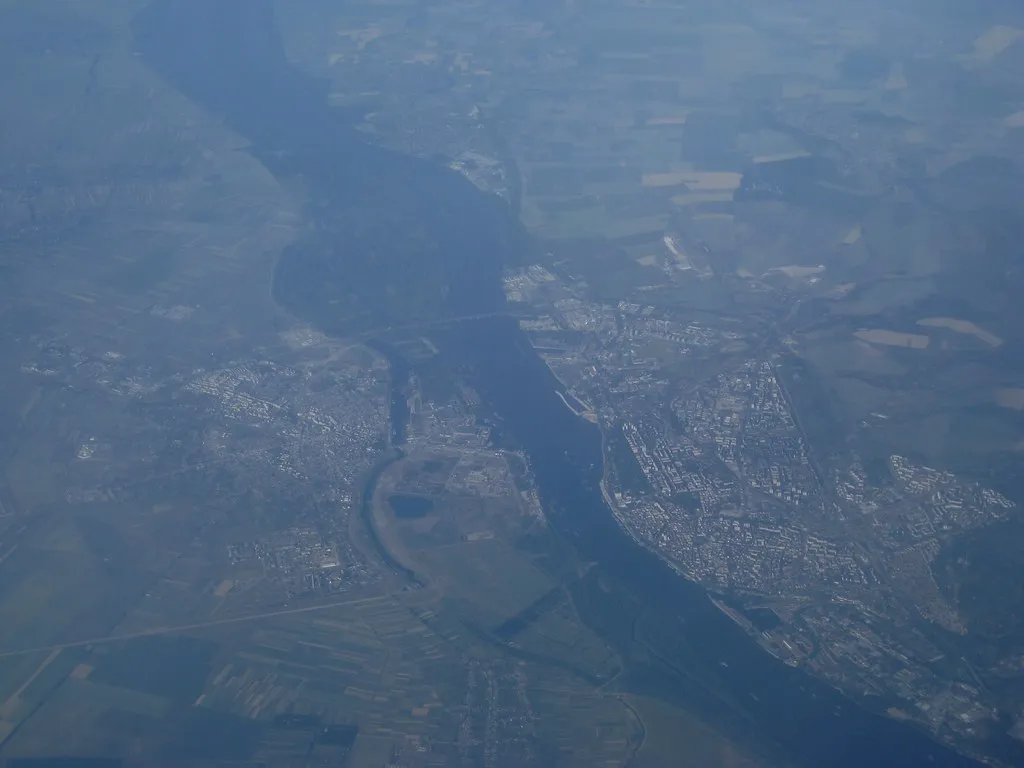
This is the city's main appeal for certain types of travelers. If you want to experience how a mid-sized Romanian town actually operates — its streets, its food, its rhythms — Giurgiu gives you that without the overlay of tourism infrastructure. The contrast with Ruse, which has invested heavily in its historic center and cultural presentation, is instructive: two cities on the same river, 4 km apart, with completely different relationships to their history and to visitors.
English is spoken inconsistently. Staff at the History Museum usually have some basic English. Restaurant menus are in Romanian; a translation app is genuinely useful. Romanian people are generally helpful with directions even with no shared language. Approach the city with some flexibility and curiosity and it rewards both.
Continue planning: Use Nikopol Bulgaria Day Trip From Ruse Travel Guide to connect this guide with the rest of your Bulgaria itinerary.
Frequently Asked Questions
Which Giurgiu attractions are best for first-time visitors on a day trip?
First-time visitors should prioritize the Giurgiu Clock Tower, the Public Garden, and the Danube Promenade. These sites are centrally located and offer a good overview of the city's history and natural beauty. The Friendship Bridge also provides a unique cross-border experience.
How much time should you plan for a day trip to Giurgiu from Ruse?
A full day is ideal for a Giurgiu day trip from Ruse, allowing 4-6 hours for exploration within Giurgiu itself. This accounts for travel time, border crossing, and a relaxed pace at 3-5 main attractions. An early start ensures you maximize your time.
What are the best transportation options from Ruse to Giurgiu?
The most common and convenient options are taking a local bus from Ruse's central bus station or a taxi. Buses are more budget-friendly, while taxis offer direct service. For details, consult our Friendship Bridge crossing guide.
Is it easy to cross the border between Ruse and Giurgiu?
Yes, crossing the border between Ruse and Giurgiu is generally straightforward for most travelers. Ensure you have your passport or EU ID card ready for control points on both the Bulgarian and Romanian sides. Wait times are usually manageable but can vary.
Are there family-friendly things to do in Giurgiu?
Giurgiu offers several family-friendly activities, primarily centered around its green spaces. The Giurgiu Public Garden provides an excellent spot for children to play, and the Danube Promenade is perfect for leisurely walks. These outdoor areas are free and enjoyable for all ages.
Giurgiu rewards visitors who approach it without expecting a polished tourist experience. The Clock Tower, the Ottoman fortress history, the island citadel story, the Danube promenade, and a lunch of ciorba de pește and mici are all genuinely worth the short journey across the Friendship Bridge from Ruse. In 2026 it remains one of the most undervisited towns on the Bulgarian-Romanian stretch of the Danube — which means you get the place largely to yourself.
Plan for a full day, start before 10:00 to beat the midday heat, carry some RON in cash, and bring comfortable walking shoes. For the border crossing logistics, see our Friendship Bridge guide. For other day trip ideas from Ruse into Romania and beyond, visit our Best Ruse Day Trips hub.
Continue planning
Start with our Ruse day-trip guide and compare the practical details with our Friendship Bridge crossing guide.
For connected planning, compare Ruse day-trip guide with Friendship Bridge crossing guide before finalizing your route.