Mavrud Wine: A Comprehensive Guide to Bulgaria's Star Grape
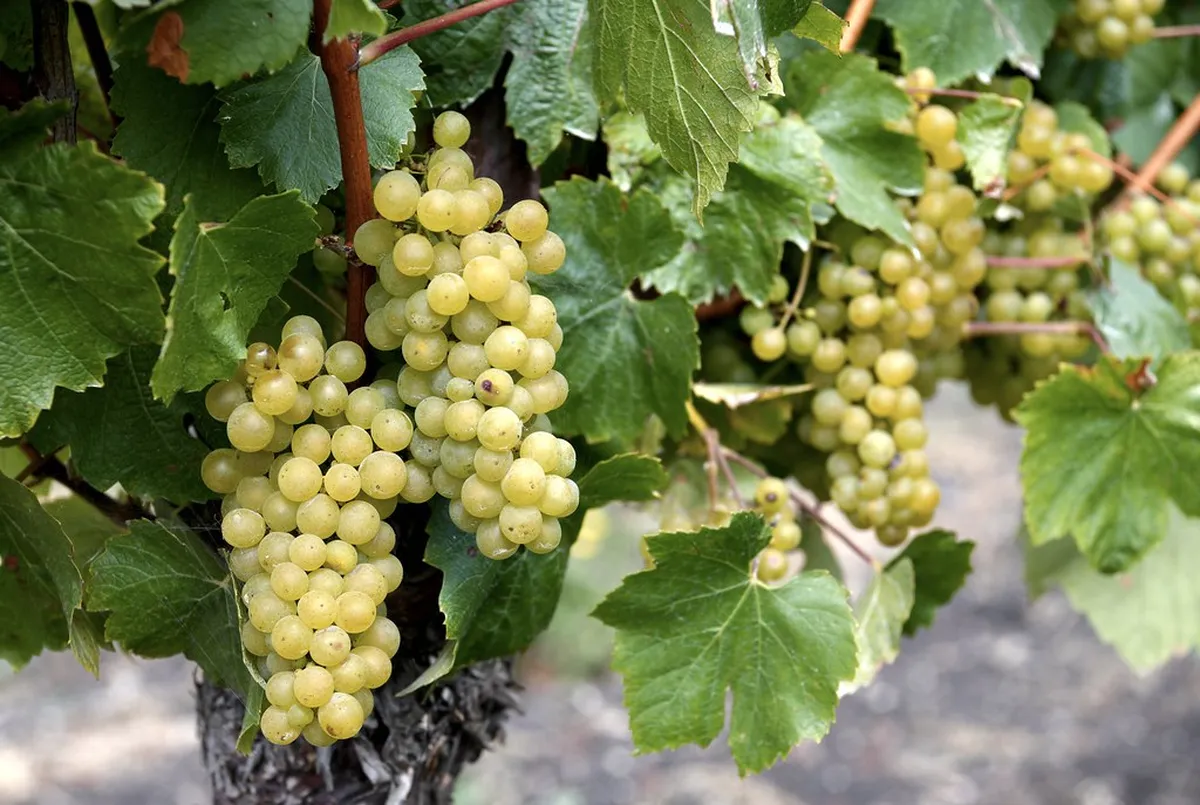
Mavrud wine stands as a proud symbol of Bulgaria's rich winemaking heritage. This ancient red grape variety offers a unique taste of the Balkans. It embodies centuries of tradition and modern innovation.
For an insider's perspective on Mavrud's unique qualities and production methods, here's an expert discussion from a renowned winery:
Exploring Mavrud means delving into Bulgaria's vibrant wine scene. You will discover its distinct characteristics and cultural significance. This guide covers everything from its history to expert pairing advice.
Prepare to uncover the secrets of Mavrud, a grape experiencing a well-deserved resurgence. It promises an unforgettable journey for any wine enthusiast. This native grape continues to captivate palates worldwide.
What is Mavrud Wine? History, Origin, and Characteristics
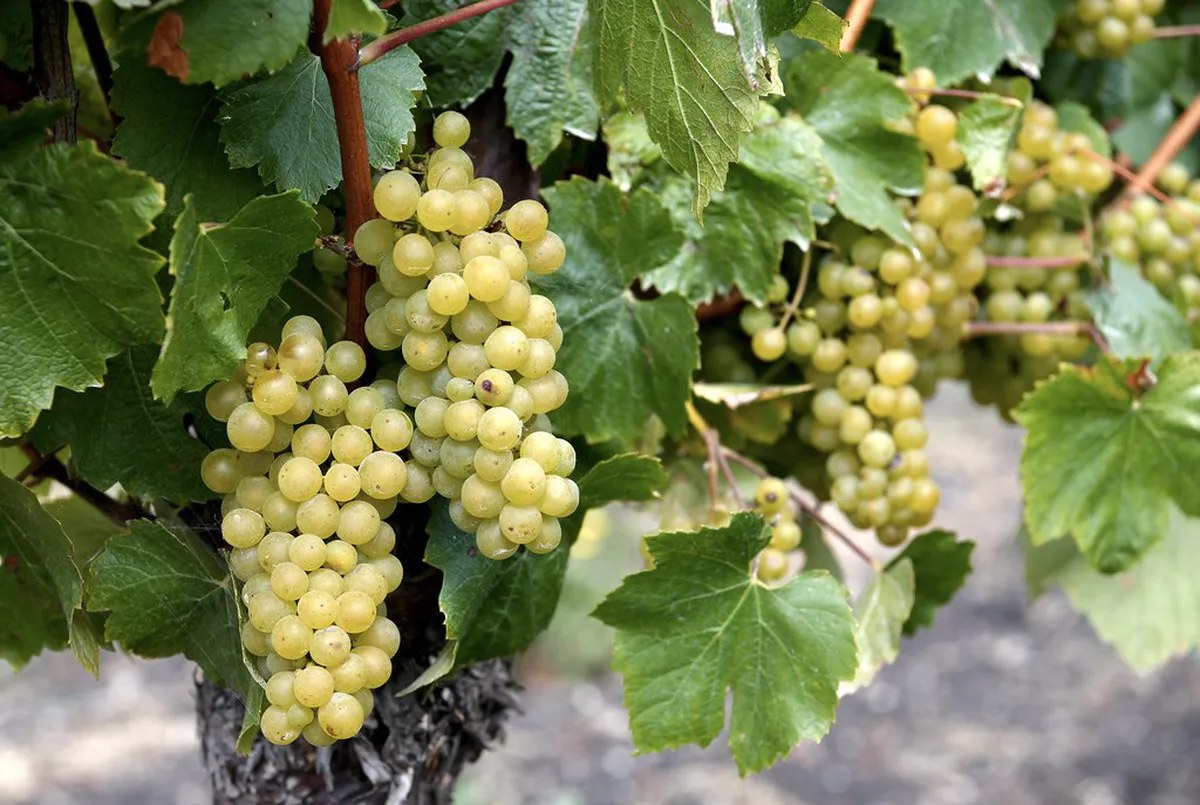
Mavrud is an indigenous red grape variety deeply rooted in Bulgarian history. Its name likely comes from the Greek word 'mavro,' meaning black. This refers to the grape's dark, almost black skin.
Archaeological evidence suggests Mavrud cultivation dates back to ancient Thracian times. These early civilizations revered wine as a sacred beverage. The grape has adapted perfectly to Bulgaria's climate.
Mavrud grapes are known for their thick skins and robust tannins. They produce wines with a deep ruby color and significant aging potential. This makes them highly prized by connoisseurs.
The vines thrive in warmer climates, particularly along river valleys. This allows the grapes to achieve optimal ripeness. Mavrud requires careful viticulture to express its full potential.
Where is Mavrud Wine Produced? Key Regions and Terroir
The primary home of Mavrud wine is the historic Thracian Valley in southern Bulgaria. This region offers ideal conditions for its growth. The warm climate and diverse soils contribute to its unique character.
Within the Thracian Valley, the area around Assenovgrad is particularly renowned. Many of the finest Mavrud wines originate here. The region's specific terroir gives the wines distinct qualities.
Other Bulgarian wine regions also cultivate Mavrud, though in smaller quantities. The Bulgaria wine regions each impart subtle differences. These variations reflect the local microclimates and soil types.
The grape prefers well-drained soils, often a mix of sandy loam and clay. These conditions encourage deep root growth. This helps the vines withstand dry periods and concentrate flavors.
Tasting Notes: Understanding Mavrud's Flavor Profile
Mavrud wine typically presents a complex and inviting aromatic profile. Expect notes of ripe black cherry, blackberry, and plum. These dark fruit flavors are often intertwined with savory elements.
On the palate, Mavrud is known for its firm structure and balanced acidity. It features pronounced tannins that soften beautifully with age. You might detect hints of black pepper, licorice, and dried herbs.
Younger Mavrud wines can be quite bold and fruit-forward. They often show a vibrant freshness. Older vintages develop more tertiary aromas like leather, tobacco, and forest floor.
The finish is often long and persistent, leaving a pleasant warmth. This lingering quality makes it a memorable wine. It truly showcases the depth of Bulgarian red wines.
Pairing Mavrud Wine with Food: Expert Recommendations
Mavrud's robust structure and rich flavors make it an excellent partner for hearty dishes. Consider pairing it with grilled red meats like lamb or beef. The wine's tannins cut through fatty textures beautifully.
Traditional Bulgarian cuisine often complements Mavrud perfectly. Try it with slow-cooked stews, moussaka, or oven-baked pork. These dishes resonate with the wine's earthy undertones.
Aged hard cheeses, such as sharp cheddar or Gruyère, also create a harmonious match. The cheese's richness balances the wine's intensity. This pairing makes for a delightful experience.
For a more adventurous pairing, consider game meats like venison or wild boar. The wine's complexity stands up well to these stronger flavors. It truly enhances the dining occasion.
The Resurgence of Bulgarian Wine and Mavrud's Role
Bulgarian wine has experienced a remarkable revival in recent decades. Winemakers are focusing on quality and unique regional expressions. Mavrud is at the forefront of this exciting transformation.
Once primarily known for bulk production, Bulgaria now champions its indigenous grapes. This shift emphasizes the country's distinct terroir. Mavrud showcases the potential of these native varieties.
Modern wineries combine traditional methods with innovative techniques. They are producing world-class Mavrud wines. This commitment to excellence has garnered international recognition.
The grape's importance extends beyond its taste; it represents Bulgarian identity. It attracts global attention to the country's rich winemaking heritage. Discover more about Bulgarian red wine and its journey.
Assenovgrad Mavrud: A Deep Dive into a Classic Expression
Assenovgrad stands as a historic heartland for Mavrud production. The region's unique microclimate and ancient soils are crucial. They impart a distinct character to its Mavrud wines.
Wineries in Assenovgrad often employ traditional fermentation methods. They also use extended aging in Bulgarian or French oak barrels. This process enhances the wine's complexity and longevity.
Assenovgrad Mavrud typically features deeper concentration and firmer tannins. These wines can age gracefully for many years. They develop layers of savory and earthy notes over time.
Specific producers in this area are gaining significant acclaim. Their dedication to quality highlights the potential of this grape. Exploring Plovdiv wineries nearby can offer similar insights.
Mavrud Compared: How it Stacks Up Against Global Reds
Mavrud shares some characteristics with internationally recognized red wines. Its bold fruit and firm tannins might remind you of Malbec. Both offer a robust structure and dark fruit flavors.
However, Mavrud often possesses a more pronounced earthy and herbal quality than Malbec. This gives it a distinct Bulgarian signature. It also has a unique spice profile.
When compared to Syrah (Shiraz), Mavrud can exhibit similar peppery and meaty notes. Yet, Mavrud typically has a brighter acidity and a less overtly jammy fruit profile. This offers a different experience.
Serving Mavrud at around 16-18°C (60-64°F) allows its full character to emerge. Decanting for an hour or two can also soften its tannins. This enhances its aromatic complexity significantly.
Buying and Storing Mavrud Wine: A Practical Guide
When buying Mavrud, look for reputable Bulgarian wineries and trusted importers. Online wine retailers often carry a good selection. Always check for vintage information and producer details.
Authenticity is key; ensure the label clearly states "Mavrud" and "Product of Bulgaria." Some retailers, like those mentioned by Christy Canterbury’s articles, offer reliable options. Seek out recent reviews and ratings to guide your purchase.
For optimal storage, keep Mavrud bottles in a cool, dark place with consistent temperature. A wine cellar or a dedicated wine fridge is ideal. Avoid extreme temperature fluctuations.
Most quality Mavrud wines benefit from 3-7 years of aging. Some premium examples can age for a decade or more. Proper storage ensures the wine develops its full potential.
Mavrud's Presence in International Wine Competitions
Mavrud wines have increasingly gained recognition in prestigious international competitions. Events like the International Wine Challenge showcase Bulgaria's winemaking prowess. This exposure brings deserved attention to the grape.
Award-winning Mavrud wines highlight the grape's quality and versatility. These accolades help solidify Bulgaria's position on the global wine map. They also encourage producers to strive for excellence.
Such achievements boost consumer confidence and interest in Bulgarian wines. They provide valuable benchmarks for quality. This makes it easier for consumers to discover top producers.
Exploring recent reviews and ratings from competitions can guide your choices. It helps identify standout Mavrud expressions. This recognition is vital for the grape's continued growth.
Exploring New Horizons: Emerging Mavrud Producers
Beyond the established names, a new generation of Mavrud producers is emerging. These innovative winemakers are experimenting with different terroirs and techniques. They aim to express Mavrud's full potential.
Many are adopting sustainable and organic practices in their vineyards. This commitment to environmental stewardship results in healthier grapes. It also produces more authentic wine expressions.
Look for smaller, boutique wineries that often focus on single-vineyard Mavrud. These wines can offer unique insights into specific microclimates. They often showcase distinct flavor profiles.
These emerging producers are contributing to the dynamism of Bulgarian wine. They offer exciting new options for enthusiasts. Consider a Bulgaria wine tour to discover these lesser-known places firsthand.
Continue planning: Use Bulgaria Wine Regions: A Comprehensive Guide to History & Grapes and 10 Best Wineries in Bulgaria: Ultimate Travel Guide & Map to connect this guide with the rest of your Bulgaria itinerary.
Frequently Asked Questions
What does Mavrud wine taste like?
Mavrud wine typically offers flavors of dark fruits like black cherry and plum. You might also notice notes of black pepper, licorice, and dried herbs. It has firm tannins and a balanced acidity, often with an earthy finish.
Is Mavrud wine sweet or dry?
Mavrud wine is predominantly a dry red wine. While it presents rich fruit flavors, it generally has very low residual sugar. This makes it a structured and savory choice, rather than sweet.
How long can Mavrud wine be aged?
Quality Mavrud wines can age well for 3-7 years, often developing greater complexity. Premium examples, especially from regions like Assenovgrad, can age for a decade or more. Proper storage is crucial for optimal aging.
Which are the best Mavrud wine producers?
Several producers are highly regarded for their Mavrud wines. These include wineries in the Thracian Valley, especially around Assenovgrad. Exploring best Bulgarian wineries will reveal many excellent options. Look for award-winning labels from international competitions.
Mavrud wine offers a compelling journey into the heart of Bulgarian winemaking. Its ancient roots and modern revival make it a truly special grape. This indigenous variety continues to gain global recognition.
From its rich history to its complex flavors, Mavrud promises a unique tasting experience. It stands as a testament to Bulgaria's dedication to quality. Discovering Mavrud connects you to a vibrant wine culture.
Raise a glass to Mavrud, a star grape that truly embodies the spirit of Bulgaria. It invites you to explore its depth and diversity. This remarkable wine is certainly worth seeking out.