Strandzha Nature Park: Bulgaria's Largest Wilderness Area
Last updated July 2026 — Strandzha Nature Park is Bulgaria's largest protected area, a 1,161-square-kilometre wilderness in the country's extreme southeast where Balkan mixed forest meets Euxine-Colchic deciduous woodland and the Black Sea meets the Turkish border. Travelers come for old-growth oak forest that predates the last ice age, a Thracian beehive tomb tucked into a restricted border zone, and Nestinarstvo, the UNESCO-listed barefoot fire dance still performed in a handful of Strandzha villages. This guide covers where to base yourself, which experiences require advance planning, and how the mountain interior connects to the wild stretch of Black Sea coast around Tsarevo.
Strandzha Nature Park at a Glance: Size, Location, and What Makes It Unique
Strandzha Nature Park was established on 25 January 1995 to protect the ecosystems, biodiversity, and folklore heritage of the Strandzha Mountain in Burgas Province, along Bulgaria's border with Turkey. At 1,161 square kilometres it is the largest protected area in the country, covering roughly 1% of national territory and stretching about 50 kilometres east to west and 20 kilometres north to south. Altitude ranges from sea level at the Black Sea coast to just 710 metres at Gradishte Peak, which keeps the terrain deceptively gentle-looking even though trail marking in the interior is inconsistent. Forests cover about 80% of the park, and roughly 30% of that woodland is old-growth, including relict laurel-leaved undergrowth found nowhere else in Europe. Five nature reserves sit inside the park boundary — Silkosiya, Sredoka, Tisovitsa, Uzunbodzhak, and Vitanovo — and the whole territory is protected under the EU's Natura 2000 network as site Strandzha BG0001007, with IUCN category V status as a protected landscape.
Who Strandzha Nature Park Is For (and Who Should Skip It)
Strandzha suits a specific kind of traveler, and being clear about that upfront saves a wasted detour. Best for: hikers who want forest trails rather than exposed summits, birders timing a visit to the Via Pontica migration, history buffs interested in Thracian and Ottoman-era heritage, and coastal travelers who want to pair a beach trip with genuine wilderness. Skip it if: you're chasing high-altitude alpine scenery comparable to Rila or Pirin — Strandzha tops out at 710 metres and is a forest-and-coast park, not a mountain-peak destination — or if you want resort-standard infrastructure, since the interior towns and villages run on a much smaller, family-hotel scale.
- Best for: hikers, birdwatchers, history and folklore travelers, and beach-and-forest combination trips
- Skip if: you want high-altitude alpine peaks or full-service resort infrastructure
- Good to know: trails are low-altitude but often dense and poorly marked compared with Bulgaria's higher national parks
The Mountain vs the Coast: Deciding Where to Base Yourself
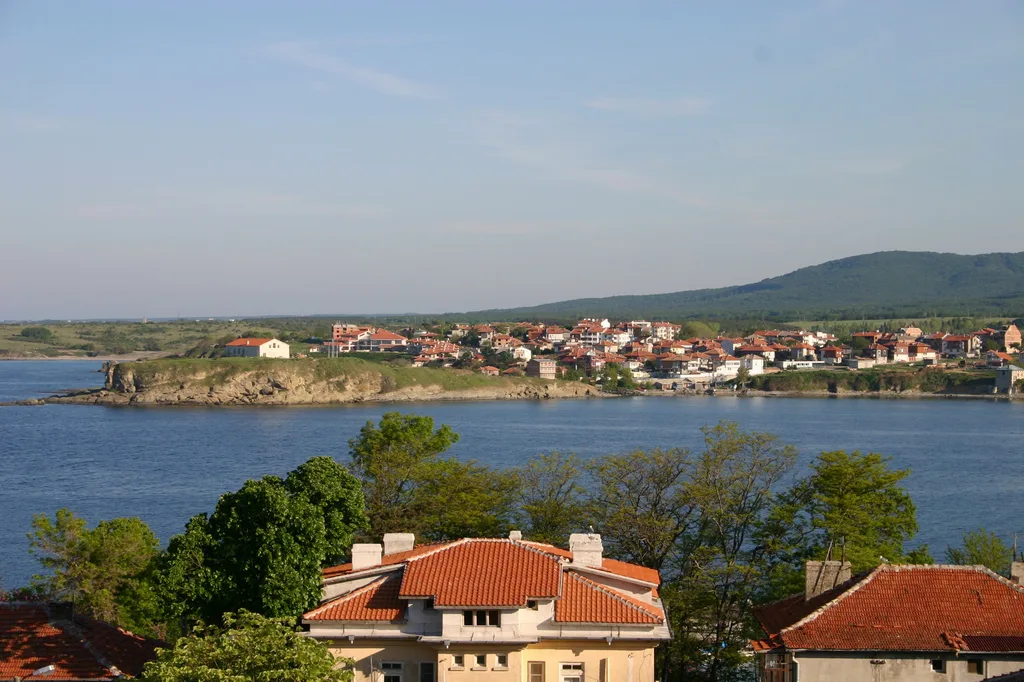
Strandzha rewards travelers who treat the forest interior and the coastline as two halves of one trip rather than separate destinations. Basing yourself inland around Malko Tarnovo puts old-growth oak forest, the Silkosiya reserve, and the Petrova Niva historical complex within a short drive, but the deep interior roads are narrow, distances between villages are longer than they look on a map, and services thin out fast once you leave the town square. Basing yourself on the coast near Tsarevo, the park's confirmed gateway town on the Black Sea side, shortens the drive to the eastern trailheads and lets a forest hike end on a genuinely wild shore — Strandzha is the only place in Bulgaria where old-growth deciduous woodland runs almost to the waterline, near spots like Silistar's undeveloped sands and the river-mouth coastline by Sinemorets's beaches. For a sense of how undeveloped this southeastern corner remains compared with Bulgaria's larger resort strips, the Black Sea beaches guide is a useful point of comparison before you decide.
Top Experiences in Strandzha Nature Park
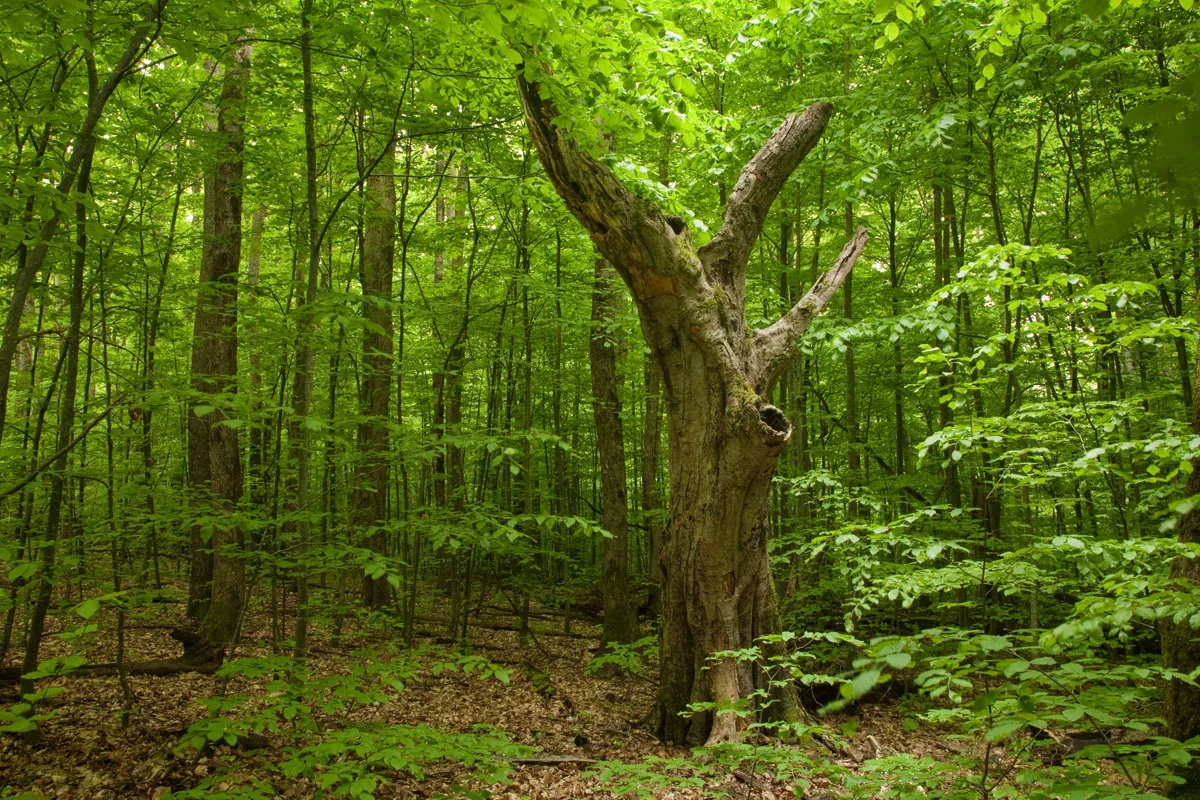
Three experiences anchor most Strandzha itineraries, and each has its own timing or planning requirement. Nestinarstvo, the barefoot fire-dancing tradition rooted in pre-Christian ritual, is inscribed on UNESCO's List of Intangible Cultural Heritage and is performed on fixed dates rather than as a tourist show: Balgari village holds its dance on 21 May, the Day of St Constantine and Helena; Kosti village performs on Ilinden, 20 July; and Brodilovo village dances on the Day of St Pantaleon, 27 July. Thracian heritage centres on Mishkova Niva, a beehive-shaped Thracian tomb near Malko Tarnovo — because the site sits inside the border region with Turkey, visitors must contact the Malko Tarnovo Tourist Information Centre in advance, and the centre arranges the required guide. Ancient forest is best experienced in the Silkosiya reserve, established in 1933 and the oldest nature reserve in Bulgaria, where oak, beech, and oriental sessile oak trees can reach 1.5 to 2.0 metres in diameter and exceed 500 years old.
Nestinarstvo fire dances and Mishkova Niva's Thracian tomb require advance planning—fixed ceremonial dates and mandatory guided access via the Malko Tarnovo Tourist Information Centre—while Silkosiya's old-growth forest can be visited without prior arrangement.
| Village | Date | Event |
|---|---|---|
| Balgari | 21 May | Day of St Constantine and Helena |
| Kosti | 20 July | Ilinden |
| Brodilovo | 27 July | Day of St Pantaleon |
- Nestinarstvo fire dancing: Balgari (21 May), Kosti (20 July), Brodilovo (27 July)
- Mishkova Niva Thracian tomb: requires advance contact with the Malko Tarnovo Tourist Information Centre
- Silkosiya reserve: Bulgaria's oldest reserve (established 1933), with old-growth oak and beech
Birdwatching and the Via Pontica Migratory Route
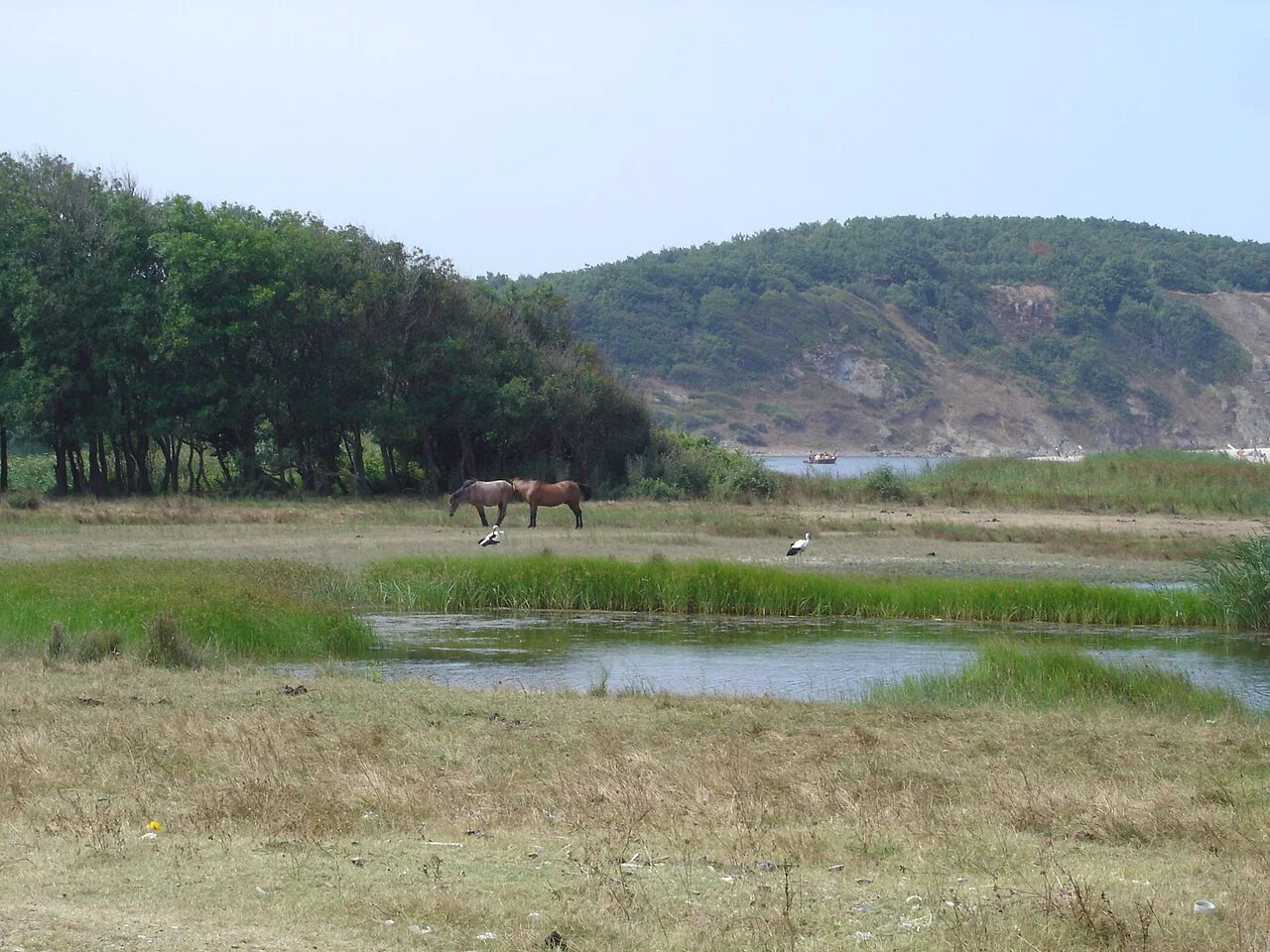
The coastal edge of Strandzha lies directly on the Via Pontica, one of Europe's major avian migration corridors, which channels millions of birds each year between northern European breeding grounds and African winter shelters. Around 270 bird species have been recorded in the park, with populations of roughly 50 species considered of European conservation importance, including White Stork, Black Stork, and Lesser Spotted Eagle. Spring and autumn are the key windows for migration watching along the coastal stretch of the park, where the forest, river valleys, and shoreline sit close enough together to cover several habitat types in a single day.
Spring and autumn migrations along the Via Pontica attract birdwatchers to observe 270 species including White Stork and Black Stork, supported by the region's sparse population of 7,000 residents across 19 villages, which has allowed old-growth forest and relict species to survive largely intact.
Logistics: Getting Around and Border Zone Rules
The primary access route into Strandzha is road 98 from Burgas, which branches off route E87 near the Poda area, passes through Bosna and Zvezdets village, and reaches Malko Tarnovo. A border checkpoint with Turkey sits about 9 kilometres from Malko Tarnovo, and because several of the park's cultural sites — most notably Mishkova Niva — lie inside this sensitive border strip, independent access isn't guaranteed. Two information-visitor centres serve the park, one in Malko Tarnovo and one in Gramatikovo village, and both provide route information, accommodation contacts, and local guides. Treat the Malko Tarnovo centre as a required stop rather than an optional one if border-zone sites are on the itinerary.
- Drive road 98 from Burgas through Zvezdets to reach Malko Tarnovo
- Contact the Malko Tarnovo Tourist Information Centre in advance for border-zone sites like Mishkova Niva
- The Turkish border checkpoint sits roughly 9 km from Malko Tarnovo
- Use the Gramatikovo information-visitor centre for eastern park routes and guides
- Confirm access rules before driving out, since border-zone permissions can change
Where to Stay: From Brashlyan to the Black Sea
Strandzha's villages run on small-scale, family accommodation rather than resort hotels. Brashlyan and Kosti preserve traditional Strandzha wooden architecture dating from the mid-17th to 19th centuries, and both offer guesthouse-style stays close to interior trailheads; Malko Tarnovo itself has a similar architectural character alongside more conventional lodging options. Camping is concentrated along the Black Sea coast and in the Veleka and Mladezhka river valleys, both popular with tent travelers looking for a quieter alternative to the coastal towns. Travelers continuing along the coast after a Strandzha visit typically head north to Kiten's family beaches or on toward Irakli's dune-backed beach, both reachable within a day's drive up the coastal road from Tsarevo.
Mistakes to Avoid When Visiting Strandzha
The most common planning mistake is assuming Strandzha's low altitude means easy hiking: at a maximum of 710 metres the terrain looks modest on paper, but the interior forest trails are dense and, in sections, poorly marked compared with higher-profile parks like Rila or Pirin, so a printed map or offline GPS track matters more here than the elevation suggests. The second mistake is skipping the Malko Tarnovo Tourist Information Centre and assuming border-zone sites like Mishkova Niva are freely accessible — they aren't, and turning up without arranging a guide in advance risks being turned away. The third is underestimating road friction in the deep interior; the coastal highway near Tsarevo is fast and well maintained, but roads deeper into the park narrow considerably, and travel times between interior villages take longer than the distances imply.
Threats and Conservation: Protecting Bulgaria's Last Old-Growth Forests
Strandzha's layered protections reflect how much is at stake in a small, low-population corner of the country: the park sits within the Natura 2000 network under code Strandzha BG0001007, carries IUCN category V protected-landscape status, and includes the Uzunbodzhak reserve, which is recognised in the World Network of Biosphere Reserves under the UNESCO Man and Biosphere Programme. The region is also the least populated in Bulgaria, with roughly 7,000 residents spread across 19 villages and the towns of Malko Tarnovo and Ahtopol, which has helped the old-growth forest and relict species survive largely intact. These designations exist because the park's forests, wetlands, and coastline face ongoing pressure from development and land-use change along Bulgaria's Black Sea coast, which makes responsible, low-impact visits — staying on marked trails, booking guided access to sensitive sites, and supporting village guesthouses over larger coastal developments — part of keeping the park's character intact for the long term.
Further reading: Bulgaria on Wikivoyage · Bulgaria on Wikipedia
Continue planning: Use 12 Best Beaches in Bulgaria for Your 2026 Trip and 10 Best Beach Resorts in Bulgaria for Your 2026 Holiday to connect this guide with the rest of your Bulgaria itinerary.
Frequently Asked Questions
What is Strandzha Nature Park known for?
Strandzha Nature Park is known for being Bulgaria's largest protected area, its old-growth Euxine-Colchic forests, the UNESCO-listed Nestinarstvo fire-dancing tradition, the Thracian tomb at Mishkova Niva, and its position on the Via Pontica bird migration route between the mountain interior and the Black Sea coast.
How do you get to Strandzha Nature Park from Burgas?
Road 98 is the main access route from Burgas, branching off route E87 near Poda and passing through Bosna and Zvezdets village before reaching Malko Tarnovo. Coastal park sites near Tsarevo are reached via the coastal road running south from Burgas.
Do you need a permit to visit Mishkova Niva or other border-zone sites?
Sites like the Mishkova Niva Thracian tomb sit inside the border strip near Turkey, so visitors need to contact the Malko Tarnovo Tourist Information Centre in advance; the centre arranges the required guide for access.
When is the Nestinarstvo fire-dancing festival in Strandzha?
Nestinarstvo dances take place on fixed dates in different villages: Balgari on 21 May (St Constantine and Helena), Kosti on 20 July (Ilinden), and Brodilovo on 27 July (St Pantaleon).
What's the best time to visit Strandzha Nature Park for birdwatching?
Spring and autumn migration periods are the strongest windows, since the park's coastal edge lies directly on the Via Pontica corridor used by migratory species including White Stork, Black Stork, and Lesser Spotted Eagle.
Can you combine a Strandzha Nature Park visit with Black Sea beaches?
Yes — Strandzha is one of the few places in Bulgaria where old-growth forest runs close to the coastline, so a hiking day inland can be paired with a beach stop near Sinemorets or Silistar, or a wider coastal route toward Kiten or Irakli, without a long transfer.