Thracian Valley Wine: Exploring Bulgaria's Ancient Viticultural Heart
The Thracian Valley in Bulgaria stands as a cradle of ancient winemaking traditions. This region boasts a history stretching back thousands of years. It offers a unique blend of indigenous grapes and captivating landscapes.
Exploring Thracian Valley wine provides a journey through time and taste. Visitors can discover vineyards that have been cultivated since antiquity. The valley's distinct terroir contributes to its exceptional wines.
This guide explores the rich heritage and modern appeal of Bulgaria's Thracian Valley wine region. You will learn about its history, key grape varieties, and notable wineries. Prepare to uncover the secrets of this remarkable wine destination.
The Thracian Valley is home to many excellent wineries. Many offer tastings and tours. Plan your visit to experience the best of Bulgarian viticulture.
For a visual introduction to the Thracian Valley wine region, this walkthrough showcases the vineyards, terroir, and winemaking heritage:
A Brief History of Thracian Viticulture
Winemaking in the Thracian Valley dates back over 5,000 years. Ancient Thracian tribes were among the first to cultivate grapes here. They revered wine as a sacred drink, central to their rituals and daily life.

The Thracians associated wine with the god Dionysus, celebrating its intoxicating power. Archaeological finds, like the Panagyurishte Treasure, depict wine vessels and rituals. These artifacts highlight the deep cultural significance of wine in ancient Thrace.
Roman and Byzantine empires later continued these winemaking traditions. Monasteries preserved viticulture during Ottoman rule, ensuring its survival. This long history forms the foundation of modern Thracian Valley wine production.
Today, this legacy inspires contemporary winemakers. They blend ancient techniques with modern advancements. This dedication helps create exceptional Bulgarian wines, honoring their heritage.
Geography and Climate: Shaping Thracian Valley Wines
The Thracian Valley is situated in the southern part of Bulgaria. It stretches from the Sredna Gora mountains to the Rhodope mountains. This geographical position provides varied microclimates essential for viticulture.
The region experiences a transitional continental climate with Mediterranean influences. Hot, dry summers allow grapes to ripen fully and develop rich flavors. Mild, rainy winters contribute to the vines' health and dormancy cycle.
Diverse soil types characterize the valley's terroir, including alluvial, sandy, and clay soils. These variations impact grape growth and the final wine's character. Different soils lend unique mineral notes and structures to the wines.
Elevation also plays a crucial role in the Thracian Valley. Higher altitudes offer cooler temperatures, preserving acidity in white grapes. Lower plains are ideal for robust red varietals, benefiting from more intense sun exposure. You can read more about Bulgaria's wine regions and their unique characteristics.
The Maritsa River flows through the valley, influencing local temperatures and humidity. Its presence creates specific microclimates near its banks. This further contributes to the diversity of Thracian Valley wine styles.
Key Grape Varieties of the Thracian Valley
The Thracian Valley is renowned for its indigenous grape varieties. These grapes reflect the region's ancient winemaking heritage. They also offer unique flavor profiles not found elsewhere.
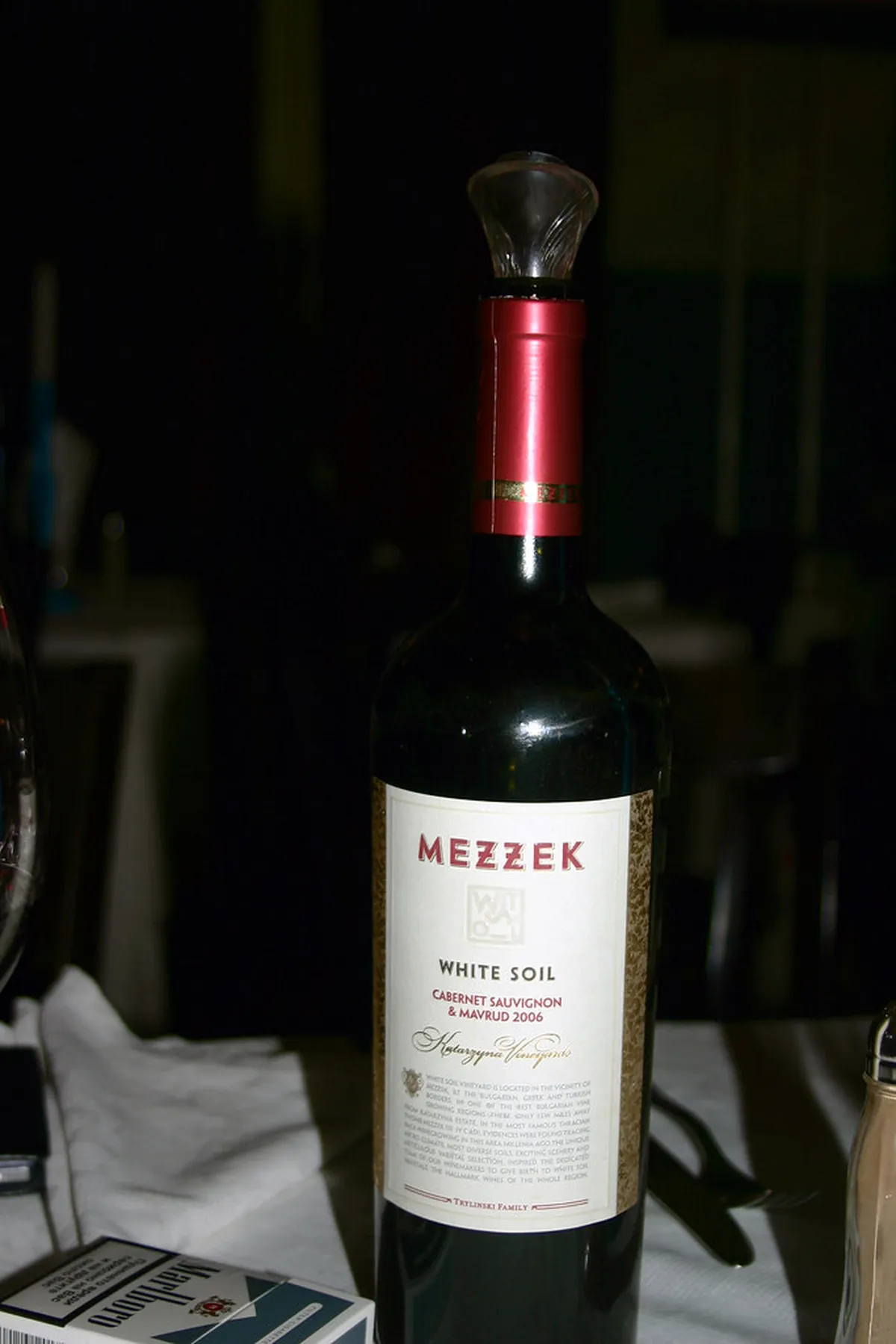
Mavrud is the undisputed king of Thracian Valley wine. This ancient red grape produces full-bodied wines with dark fruit flavors and firm tannins. It often shows notes of spices, herbs, and sometimes a hint of chocolate. Discover more about Mavrud, Bulgaria's signature wine.
Rubin is another significant native varietal, a cross between Nebbiolo and Syrah. It yields powerful, aromatic red wines with intense fruit and floral notes. Rubin wines are known for their deep color and excellent aging potential.
Beyond native grapes, international varieties also thrive in the valley. Cabernet Sauvignon and Merlot are widely planted here. They produce high-quality wines, often blended with local grapes.
Other notable grapes include Syrah, Cabernet Franc, and some white varietals like Chardonnay and Sauvignon Blanc. These grapes contribute to the region's diverse wine portfolio. Each offers a distinct taste of the Thracian terroir. You can explore a broader Bulgarian red wine for more options.
Notable Wineries and Producers
The Thracian Valley is home to many outstanding wineries. Each offers a unique perspective on Bulgarian winemaking. These producers range from historic estates to modern, boutique operations.
Katarzyna Estate is a prominent name, known for its modern approach and high-quality wines. They produce excellent Cabernet Sauvignon and Merlot, alongside local varietals. Visitors can enjoy stunning vineyard views and guided tastings.
Domaine Boyar, one of Bulgaria's largest producers, also has significant operations here. They offer a wide range of wines, showcasing both traditional and international styles. Their commitment to quality is evident across their portfolio.
Villa Yustina focuses on innovative winemaking and unique blends. They are particularly recognized for their Mavrud and Rubin wines. The winery provides engaging tours and tasting experiences near Plovdiv.
Brestovitsa Cellar, a cooperative, represents a more traditional winemaking style. They produce authentic Thracian Valley wine, including robust reds. This winery offers a glimpse into historical production methods. You can find more the best Bulgarian wineries in the region.
The Thracian Valley's Place in Bulgarian Wine
The Thracian Valley is arguably Bulgaria's most important wine region. It accounts for a significant portion of the country's total wine production. Its diverse terroir allows for a wide array of wine styles.
This region is a cornerstone of Bulgarian viticulture, offering both quantity and quality. It is recognized internationally for its unique indigenous grapes. Many of Bulgaria's top wines originate from this historic valley.
Compared to other Bulgarian regions like the Danube Plain, the Thracian Valley often focuses on more robust reds. The climate here favors grapes that thrive in warmer conditions. This distinction sets its wines apart from those in northern Bulgaria. Explore the the Danube Plain for contrast.
The Thracian Valley has also been at the forefront of Bulgaria's wine renaissance. Modern investments and expertise have elevated the quality of its wines. This has helped place Bulgarian wines on the global stage. Learn more about Bulgarian wine history from official sources.
Its historical significance, combined with ongoing innovation, makes the Thracian Valley a vital part of Bulgaria's wine identity. It continues to attract international recognition. This region truly represents the heart of Bulgarian winemaking.
Experiencing Thracian Valley Wine Tourism
Visiting the Thracian Valley offers an immersive wine tourism experience. The region combines ancient history with modern winemaking. It provides a perfect destination for wine enthusiasts and cultural travelers.
The best time to visit is during spring (April-June) or autumn (September-October). The weather is pleasant, and vineyards are either blooming or harvesting. Many wineries offer special events during these seasons.
Plovdiv serves as an excellent base for exploring the Thracian Valley wineries. This ancient city is centrally located and offers numerous accommodation options. Many Plovdiv wineries are just a short drive away.
Transportation options include renting a car for flexibility or booking organized wine tours from Sofia. Some wineries also offer shuttle services from Plovdiv. Always book winery visits in advance, especially for tastings and tours. Plan your route effectively for a smooth trip. For more details on planning your trip, consider checking out Winetourism.com.
Consider staying in a guesthouse or boutique hotel within a vineyard for a truly authentic experience. These often provide unique insights into local life and winemaking. Many offer farm-to-table dining experiences too. You can also explore a Plovdiv wineries day trip options.
Food Pairings with Thracian Valley Wines
Pairing Thracian Valley wines with local Bulgarian cuisine enhances the tasting experience. The robust flavors of the wines complement the rich, hearty dishes of the region. This creates a delightful culinary journey.
Mavrud, with its full body and dark fruit notes, pairs wonderfully with grilled meats. Consider traditional Bulgarian dishes like 'kyufte' (meatballs) or 'kebabche' (grilled sausages). It also complements rich stews like 'goulash' or lamb dishes. Its tannins cut through the richness of the meat effectively.
Rubin wines, known for their intensity and aromatic profile, match well with game meats and aged cheeses. Try them with slow-cooked pork or beef dishes. The wine's complexity stands up to strong flavors.
For international red varietals like Cabernet Sauvignon, hearty casseroles and roasted vegetables are excellent choices. Consider dishes featuring mushrooms or root vegetables. These pairings bring out the earthy notes in the wine.
White Thracian Valley wines, though less common, can be paired with lighter fare. Think fresh salads, white fish, or mild cheeses. These pairings offer a refreshing contrast to the region's dominant reds. You can find Bulgarian wines at Mezehub.com.
The Future of Thracian Valley Wine
The Thracian Valley wine region is poised for significant growth and international recognition. Winemakers are increasingly focusing on quality and sustainable practices. This commitment ensures a bright future for its wines.
There is a growing emphasis on organic and biodynamic viticulture within the valley. Many wineries are adopting environmentally friendly methods. These practices enhance wine quality and protect the unique terroir. Learn more about the region's development on Sidehustlewino.com.
Innovation in winemaking techniques, combined with respect for tradition, drives progress. New generations of winemakers are experimenting with blends and aging methods. This balance creates exciting new expressions of Thracian Valley wine.
Increased wine tourism is also contributing to the region's development. As more travelers discover its charms, demand for its wines grows. This exposure helps solidify its place on the global wine map. Explore more about the region's wines at Seewines.com.
The Thracian Valley continues to evolve, offering exceptional wines with a rich story. Its future looks promising, with a focus on quality, sustainability, and authentic experiences. This ensures its legacy will endure for generations to come.
Continue planning: Use Bulgaria Wine Regions: A Comprehensive Guide to History & Grapes and 10 Best Wineries in Bulgaria: Ultimate Travel Guide & Map to connect this guide with the rest of your Bulgaria itinerary.
Frequently Asked Questions
What makes Thracian Valley wine unique?
Thracian Valley wine is unique due to its ancient winemaking history and distinct terroir. The region's specific climate, diverse soils, and indigenous grape varieties like Mavrud contribute to its special character. These factors create wines with unique flavors and aging potential.
What are the main grape varieties grown in the Thracian Valley?
The main grape varieties in the Thracian Valley include the indigenous Mavrud and Rubin. International varietals like Cabernet Sauvignon, Merlot, and Syrah are also widely cultivated. These grapes produce a range of red wines, from full-bodied to aromatic styles.
Can you visit wineries in the Thracian Valley?
Yes, many wineries in the Thracian Valley welcome visitors for tours and tastings. It is advisable to book appointments in advance, especially during peak seasons. Plovdiv serves as an excellent starting point for exploring these vineyards. Consider a Bulgaria wine tour for a curated experience.
What is the history of wine production in the Thracian Valley?
Wine production in the Thracian Valley dates back over 5,000 years, to the ancient Thracian tribes. These early inhabitants revered wine and incorporated it into their rituals. The tradition continued through Roman, Byzantine, and Ottoman periods, shaping its modern identity.
How does the climate of the Thracian Valley affect its wines?
The Thracian Valley's climate features hot, dry summers and mild, rainy winters, ideal for grape ripening. This transitional continental climate with Mediterranean influences ensures grapes develop rich flavors and good acidity. The varied microclimates also contribute to diverse wine styles.
The Thracian Valley stands as a testament to Bulgaria's profound winemaking heritage. Its ancient roots, unique terroir, and dedicated producers craft exceptional wines. This region offers a compelling story and remarkable flavors.
From the robust Mavrud to the elegant international varietals, Thracian Valley wine captures the essence of its land. Exploring its wineries provides a rich cultural and sensory experience. Plan your visit to discover this lesser-known place of the wine world.
The future of Thracian Valley wine looks promising, driven by quality and sustainability. This region continues to carve out its niche on the global stage. It invites wine lovers to taste its history and innovation. Consider adding this destination to your next wine adventure.