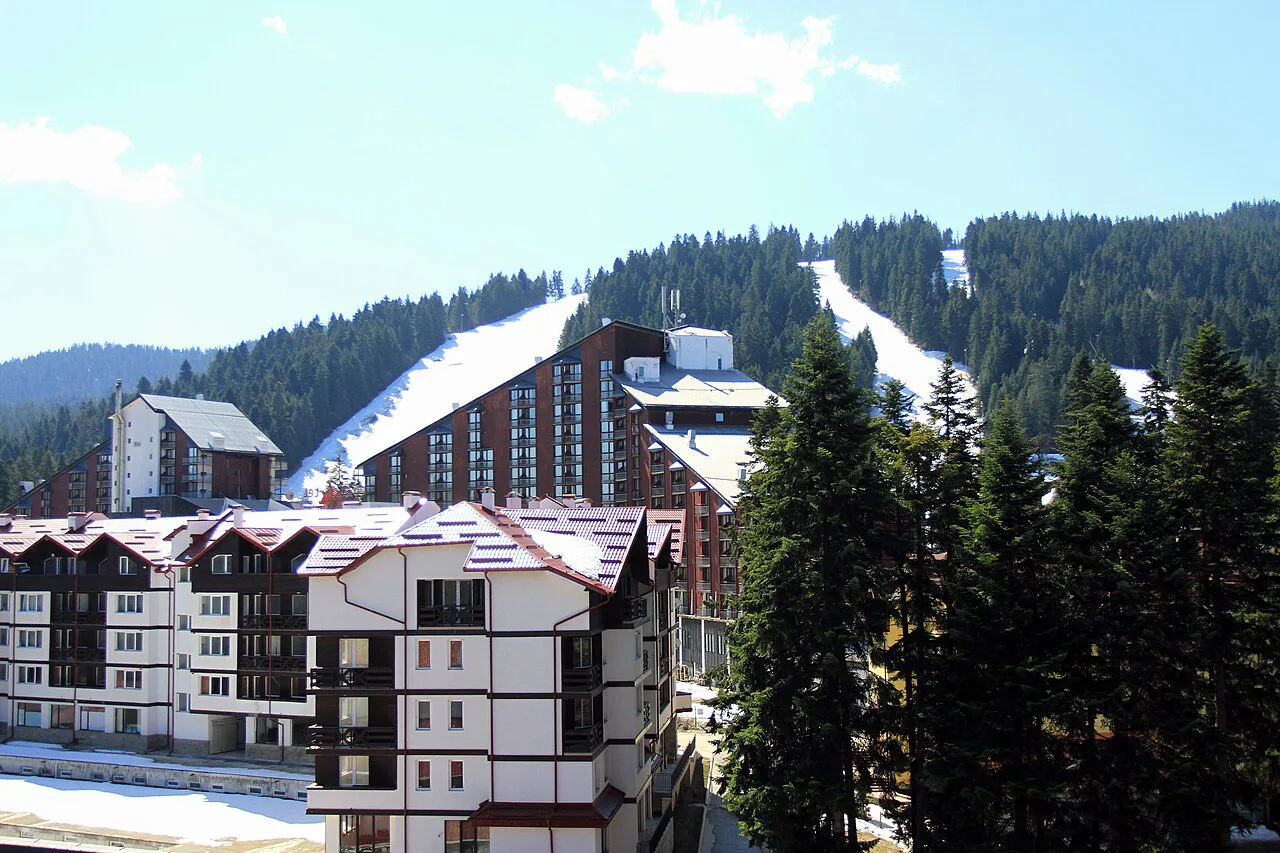
Borovets Snow Report & Current Ski Conditions
Last updated July 2026, this Borovets snow report translates the resort's live lift, piste, and snow-depth numbers into a straightforward read before you commit to a lift pass or a drive into the Rila Mountains. Borovets runs across three distinct ski centers, Markudjik, Yastrebets, and Sitnyakovo/Central Borovets, and each behaves differently once altitude, wind, and artificial snow are factored in. This guide explains what the current status actually means, how the season typically unfolds, and which live tools to check once the 2026-27 winter gets underway.
Current Borovets Snow Report: Quick Status Overview
Right now, in the current off-season window, Borovets's own status data shows 0 of 13 lifts running and 0 of the resort's 58km of pistes open, with both the summit station near 2,550m and the base station at 1,315m reporting no measurable snow depth. That reading is expected outside the ski calendar: Borovets's official season is scheduled to run from 19 December 2026 through 11 April 2027, so these figures only start moving once natural snowfall and snowmaking bring the mountain back online. Misreading the report at the wrong time of year is the most common planning mistake skiers make, so use the table below to turn a raw status line into a straightforward decision, then check current Borovets lift pass options before locking in travel dates.
| Report Reading | What It Means | Action |
|---|---|---|
| 0/13 lifts, 0/58km, no snow depth | Resort is in scheduled summer closure | Wait until closer to the 19 December 2026 opening date |
| Lifts open, only base-area depth reported | Cover concentrated at Sitnyakovo/Central Borovets, likely cannon-made | Expect hard-pack on lower runs and pack edge-friendly gear accordingly |
| Lifts open, Markudjik depth healthy | Fresh natural snow has reached the top ski center | Prioritise the Yastrebets gondola early to reach upper terrain before it tracks out |
| Markudjik shown closed despite good snow depth | Likely a wind hold on the ridge, not a lack of snow | Recheck the live lift status later in the day rather than assuming no snow |
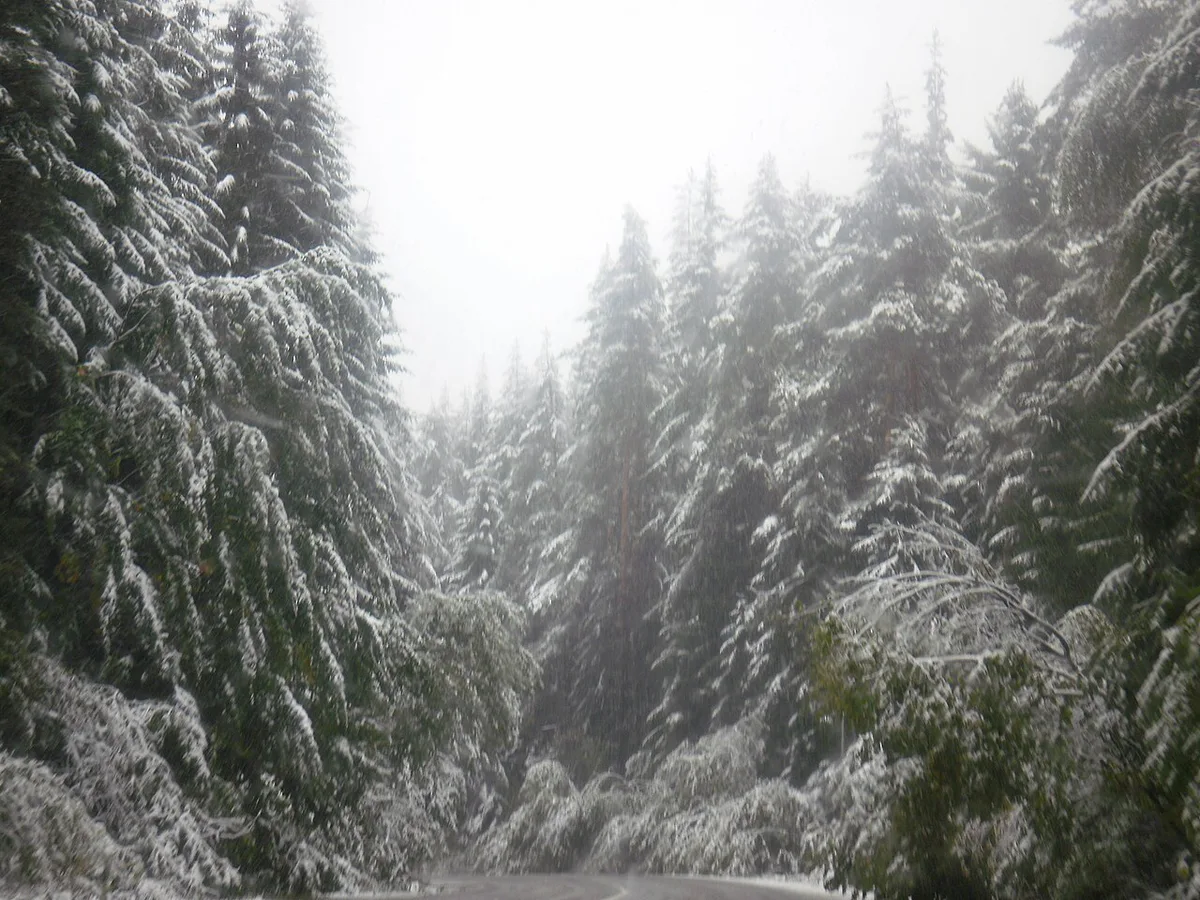
Borovets's Three Ski Centers and Their Microclimates
Borovets isn't one uniform slope; it's three linked ski centers that can post very different conditions on the same day. Markudjik (2,208m-2,550m) is the highest and coldest section, Yastrebets (1,340m-2,369m) forms the mid-mountain link served by the Yastrebets gondola, and Sitnyakovo/Central Borovets (1,350m-1,780m) is the base area closest to town. A snow report that only quotes a single base-area number, without noting which of these three centers it describes, misses most of what actually matters for planning your day.
- Markudjik Ski Center (2,208m-2,550m): the highest ground at Borovets, tracked by the Markudjik Ski Center (2,345m), Markudjik 2 (2,145m), and Markudjik 3 (2,486m) webcams; this area usually holds the most reliable natural snow but is also first to close when the ridge gets windy.
- Yastrebets Area (1,340m-2,369m): the mid-mountain link served by the Yastrebets gondola, with the Yastrebets Express webcam positioned at 2,050m; its higher, more sheltered terrain tends to hold snow quality longer than the exposed lower runs.
- Sitnyakovo/Central Borovets (1,350m-1,780m): the base zone around the Sitnyakovo Express webcam (1,780m) and the Borosports school area (1,341m), which relies on artificial snow and is where night skiing runs when it's scheduled.
Snow History and Seasonal Trends at Borovets
Borovets's season is built around a roughly four-month window, historically opening in mid-December and running into mid-April, with the currently published dates set at 19 December 2026 through 11 April 2027. Within that window, conditions swing between what regional snow trackers label bluebird powder days (fresh snow with clear skies), plain powder days, and the far more common average-snow days, and that breakdown is tracked week by week once the season is live rather than during the off-season baseline shown in the current report. Brief-level seasonal patterns for the region point to February as the period when the resort is statistically most likely to be holding its deepest base, sitting furthest from both the early-season ramp-up and the spring thaw.
Piste vs Off-Piste Conditions: What the Numbers Actually Mean
A snow depth figure on its own doesn't tell you what the surface will feel like underfoot. Hard-packed groomed snow, fresh powder, and heavy spring snow are three different rides even at an identical depth reading, and the Bulgarian context adds a fourth variable: how much of that cover is machine-made. Borovets invests in snowmaking across its lower Sitnyakovo runs specifically to guarantee a skiable base through lean natural-snow stretches, which is why the base-area depth number can look healthy even when upper-mountain natural cover is thin. Off-piste is a separate question again: a solid on-piste depth reading says nothing about hidden rock, scrub, or avalanche exposure in the Rila Mountains' unmarked terrain, so treat the published snow depth as a piste-conditions indicator only, and sort out edge- and float-appropriate kit through Borovets ski hire options before heading off-piste.
How to Verify the Live Borovets Snow Report
The published lift and piste counts are a snapshot, so pair them with Borovets's live tools before you commit to a route up the mountain. Webcams are the fastest gut-check: aim for a high-altitude feed if you're deciding whether Markudjik is worth the trip, and a base feed if you just need to confirm the lower runs are groomed. Beyond webcams, a 3-day snowfall map or snow radar view shows where precipitation actually landed rather than a single-point reading, which matters given how localized Balkan snowfall can be across Borovets's three ski centers.
- Markudjik Ski Center (2,345m) or Markudjik 3 (2,486m) for high-altitude snow and visibility
- Yastrebets Express (2,050m) for mid-mountain conditions along the gondola line
- Sitnyakovo Express (1,780m) or the Borosports Base/School Area (1,341m) for base-level cover and lift queues
- The resort's snow telephone, +359 889 607000, for a spoken update when the online report looks stale
Wind, Gondola Status and the Markudjik Ridge Factor
Wind is the variable most snow reports underplay. A strong blow along the Markudjik ridge, at up to 2,550m, can force lift operators to close the top half of the mountain even when the snow depth reading there is excellent, simply because chairlifts and the gondola aren't safe to run in high wind. That's a different problem from a lack of snow, and it explains why you'll sometimes see healthy upper-mountain depth alongside a closed status for that same sector. A Valley Run closure lower down is its own separate case: it typically means that specific descent isn't groomed or safe, not that the mountain is unskiable, since the gondola can still download skiers to the base even when that one run is shut.
Lift closures on Markudjik often mean wind holds, not absent snow. Recheck live webcams and wind speed rather than assuming the mountain is snowless. The Yastrebets Express feed at 2,050m shows mid-mountain conditions when the top is closed, helping assess whether the terrain and snow type match your skill.
Regional Context: Borovets vs Bansko and Bulgaria's Other Resorts
When the Borovets report shows limited terrain open, it's worth weighing the resort against Bulgaria's other options before committing to dates. The other top Bulgarian resorts roundup puts Borovets's 58km of pistes and 13 lifts in context against neighbouring areas, while Bansko's piste map guide is a useful side-by-side if you're deciding between the two resorts for a lean-snow week. Price is part of that decision too: compare Bansko's lift pass costs against Borovets rates, and if you're travelling without your own kit, weigh renting gear in Bansko against doing the same locally in Borovets.
Planning Your Trip Around the Snow Report
Once the report shows lifts turning, a few logistics decisions hinge directly on where the snow actually is. If only the lower Sitnyakovo lifts are running, weigh whether a full-day pass is worth it against a half-day rate, since you won't be reaching Markudjik or the upper Yastrebets terrain until more of the 13 lifts come online. Snow quality also drives crowd flow: when fresh cover is confirmed up top, expect queues to build at the Yastrebets gondola base as everyone chases the same untracked terrain, while the lower lifts stay quieter. That pattern is also worth factoring into where you stay: accommodation near the gondola base puts you first in line when the upper mountain is the story, while a base near the Yastrebets Express side favors easy access once that lift, and the terrain around it, is fully open.
Common Mistakes When Reading a Borovets Snow Report
A handful of habits account for most misread Borovets snow reports.
The base station's 1,315m elevation relies on artificial snow and thaws faster, while Markudjik's 2,550m holds natural cover longer. A healthy base-area depth reading masks whether upper terrain has powder or hard-pack, or if wind has closed the lifts entirely. Check each ski center separately before planning your day.
- Trusting the single base-area depth number (1,315m, Sitnyakovo/Central Borovets) as a stand-in for the whole mountain, when the 2,550m Markudjik summit can be running a completely different season.
- Ignoring wind speed and assuming a closed lift or sector means there's no snow, when it's often a safety hold on an exposed ridge like Markudjik.
- Assuming a resort-closed status always means zero snow present, particularly in the shoulder weeks either side of the 19 December 2026 to 11 April 2027 season dates.
- Skipping the report's timestamp altogether: Balkan mountain weather can shift within a single day, so a reading from the previous afternoon may already be out of date by the time you're loading a car.
Freezing Level and Temperature: The Snowline Detail to Check
Snow depth is only useful when you read it beside the freezing level. Borovets spans from the base around 1,315m to Markudjik near 2,550m, so the same storm can mean rain or wet snow in Sitnyakovo, firm groomers around Yastrebets, and dry natural snow high on Markudjik. If the freezing level sits above about 1,800m, expect lower Central Borovets runs to soften quickly in the afternoon and possibly refreeze into hard-pack overnight.
Night temperatures matter as much as daytime highs. A cold night after snowmaking can leave Sitnyakovo and the nursery slopes skiable even when natural cover is thin, while several mild nights can make the base-area depth number look better than the surface feels. For practical planning, check summit and base temperatures separately: cold upper-mountain readings favor Yastrebets and Markudjik, while marginal base temperatures make lessons, beginner runs, and night skiing more dependent on grooming and artificial snow.
Continue planning: Use 9 Things to Know About Ski Resorts in Bulgaria and 12 Best Tips and Activities for Apres Ski in Bansko to connect this guide with the rest of your Bulgaria itinerary.
Frequently Asked Questions
When does the Borovets ski season start in 2026?
Current resort data lists a planned start of 19 December 2026, with the season scheduled to run through 11 April 2027, so treat any snow report you check before that window as an off-season reading rather than a live conditions update.
How can you check the Borovets snow report in real time?
Once the season opens, cross-check the resort's live lift and piste counts (out of 13 lifts and 58km of pistes) against webcams such as the Yastrebets Express (2,050m) and Markudjik Ski Center (2,345m) feeds, and call the snow telephone on +359 889 607000 for a same-day update if the online report looks stale.
Does resort closed on the Borovets snow report always mean there's no snow?
No. A closed status can appear in early or late season even when snow is present on upper slopes, because operating decisions depend on staffing, wind, and whether enough of the 58km piste network can be safely groomed and patrolled, not purely on whether snow exists.
Why do the base and mountain snow depths differ so much at Borovets?
The base station sits at 1,315m in the Sitnyakovo/Central Borovets area, which leans on artificial snow and is more exposed to thaw, while the mountain reading comes from up near 2,550m at Markudjik, where colder temperatures and natural snowfall tend to hold cover far longer.
Is Borovets or Bansko the safer bet when the snow report looks thin?
Compare both resorts' live reports before deciding: Borovets concentrates its most reliable snow at the higher Markudjik and Yastrebets ski centers, so check which resort currently shows the healthier upper-mountain numbers rather than assuming either one is automatically the safer choice for a given week.