12 Best Guides for Events in Sofia This Month
Sofia's cultural calendar runs all twelve months, but the texture changes sharply by season. Late spring (May to mid-June) and early September are the sweet spots: Bulgaria Hall has its strongest repertoire, the open-air opera in Borisova Gradina is in full swing, and ticket prices have not yet hit summer-festival peaks. This 2026 guide is rebuilt around what is actually on sale right now and how to reach each venue without a car.
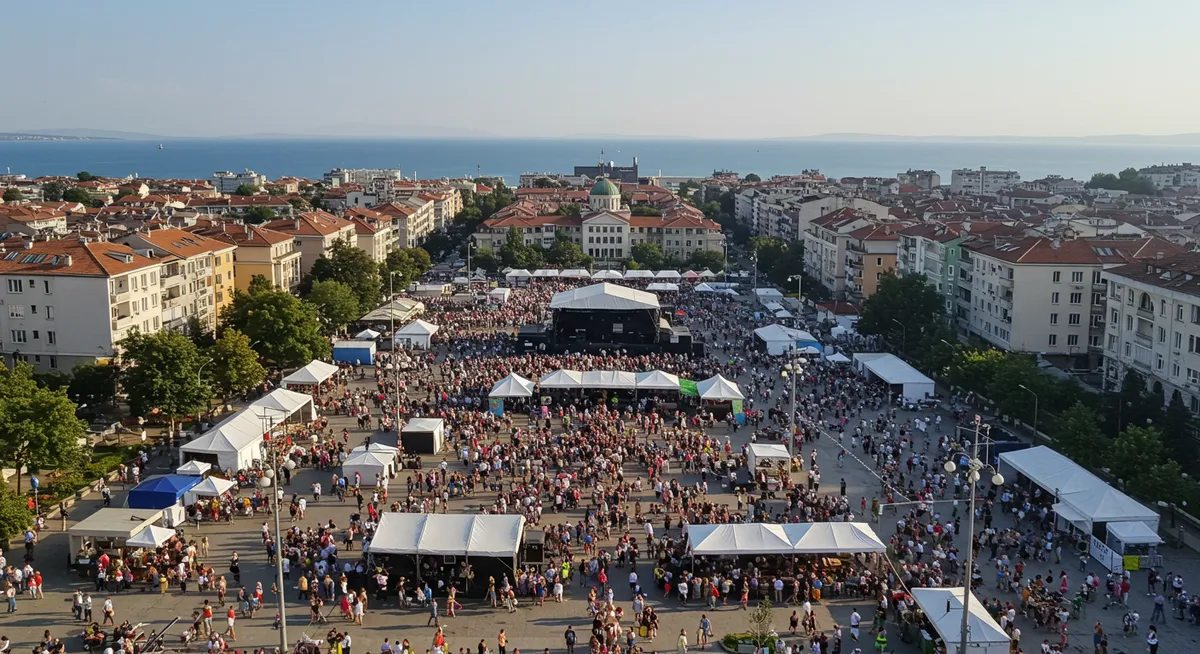
For a taste of Sofia's outdoor summer concert venues, here's a performance from the city's vibrant music scene:
Finding Things To Do in Sofia, Bulgaria is easy when you know where to look. The city hosts classical concerts, gallery openings, neighborhood festivals, and free outdoor stages year-round. Most major events are listed on the Sofia Philharmonic site, the Sofia Municipality Cultural Portal, and Eventim Bulgaria — all three update weekly.
Planning your trip around the local schedule turns a generic city break into something memorable. Our coverage below is editorial: real prices in BGN and EUR, real metro stops, and the small details — dress codes, last-train times, cash-only quirks — that the official portals skip. Is Sofia worth visiting for its events alone? For under EUR 80 a day including a Philharmonic ticket, yes.
Must-See Events and Major Concerts
The National Palace of Culture (NDK) is the backbone of large-scale events in Sofia. Hall 1 seats around 3,300 and hosts touring orchestras, international comedy, film festivals, and trade fairs. Tickets typically run BGN 40-150 (EUR 20-77) depending on tier, and most shows in 2026 are sold via Eventim. Many visitors pair a show with a late dinner from the Sofia Nightlife 2026 scene around Vitosha Boulevard a five-minute walk away.
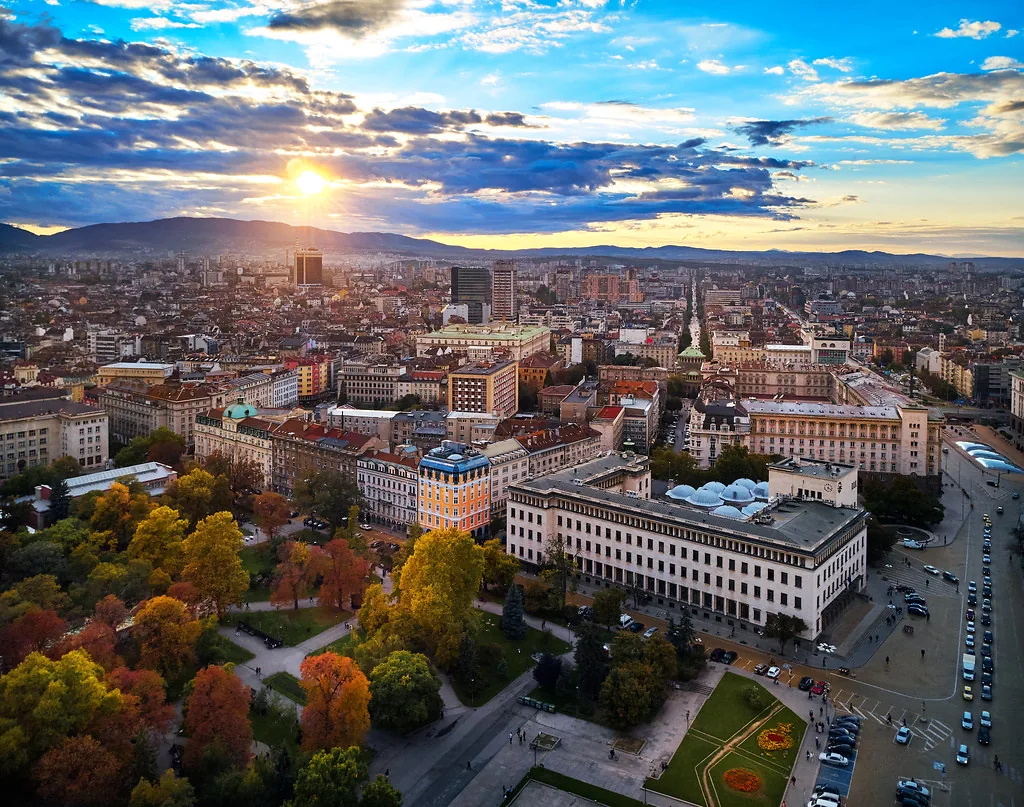
Arena Sofia (Arena 8888) is the venue for stadium-scale tours: capacity 12,000, located in Mladost. International rock and pop tours stop here from April to October. Tickets generally start around BGN 80 (EUR 41) for upper tiers and climb to BGN 250-400 (EUR 128-205) for floor seats. Book at least three weeks in advance; sold-out shows are common when a major act announces.
Summer brings the free A to JazZ festival in South Park (usually late June or first weekend of July), drawing 30,000+ people across three days. Programming covers world jazz, funk, and Balkan fusion — entry is free, food and drink stalls are cash-friendly but most accept cards. Arrive by 17:00 to claim grass space near the main stage.
Museums, Art, and Culture Highlights
The Metropolitan Library (Stolichna Biblioteka) on Slaveykov Square hosts rotating exhibitions on Bulgarian literature, photography, and Sofia urban history. Most shows are free; opening nights typically Thursday at 18:00 with Bulgarian wine and bread on offer. The Top Things To Do guide tracks which library exhibitions overlap with the May Sofia Music Weeks festival.
The National Gallery splits across two main sites: the Quadrat 500 wing (Alexander Nevsky area) and the former Royal Palace on Battenberg Square. Joint ticket BGN 10 (EUR 5.10), free first Thursday of each month after 18:00. Quadrat 500 is the better visit for foreign art; the Royal Palace wing is essential for icons and Bulgarian masters. Allow 90 minutes minimum. The Sofia Municipality Cultural Portal lists the current temporary exhibitions.
Smaller private galleries cluster on Tsar Shishman, Aksakov, and 6 Septemvri streets — all within ten minutes' walk. Sariev, Structura, and Credo Bonum host opening nights most Fridays where you can meet the artists. Listings are on Facebook event pages rather than centralized portals, so search by gallery name the morning of.
Parks, Gardens, and Outdoor Events
Borisova Gradina Visitor Guide is the city's oldest park and the home of the summer Opera in the Park series, run by Sofia Opera and Ballet from late June through August. Tickets are BGN 20-45 (EUR 10-23) and sell out for headline operas. Bring a cushion — the wooden benches at the open-air stage are unforgiving after three hours of Verdi.
South Park hosts most of Sofia's large free outdoor events: A to JazZ in summer, food festivals in May and September, and a Christmas market mid-November to early January. The northern entrance off Vitoshka has the densest stall coverage. Strollers and wheelchairs do best on the paved central path; gravel paths get muddy after rain.
The City Garden (Gradska Gradina) in front of the Ivan Vazov National Theatre Visitor Guide is where chess players gather year-round. Through summer, the Theatre runs a free outdoor cinema week and small classical recitals on the front steps. It is the easiest place to land a spontaneous cultural evening if your plans fall through.
Family-Friendly and Budget-Friendly Options
Sofia is one of Europe's cheapest capitals for families who want serious culture. You can find many budget-friendly things to do in Sofia, including free first-Thursday entry at the National Gallery, free Sunday tours of the Sofia History Museum, and the year-round free Children's Library reading room on Slaveykov Square.
The State Puppet Theatre on General Gurko 14 runs Saturday and Sunday matinees at 11:00 — tickets BGN 8-12 (EUR 4-6). Shows are visual enough that non-Bulgarian-speaking children stay engaged. The Theatre is two minutes from Serdika metro, which makes it the easiest weekend cultural outing in the city.
Muzeiko, the children's science centre near Studentski Grad, has weekend workshops in robotics, astronomy, and Bulgarian folk crafts. Day pass BGN 16 (EUR 8.20) for adults, BGN 12 (EUR 6.10) for children. The bus 280 from NDK gets you there in 25 minutes; allow three hours inside.
How to Plan a Smooth Events Day in Sofia
A workable Sofia event day looks like this: morning gallery (Quadrat 500, opens 10:00), lunch on Vitosha Boulevard Visitor Guide or Shishman Street (BGN 20-30 / EUR 10-15 a head), afternoon walk through the Ancient Serdica Archaeological Complex Visitor Guide (free, open-air), and an evening concert at Bulgaria Hall or NDK starting 19:00 or 19:30. Allow 30 minutes between dinner and curtain — central Sofia is walkable but Friday traffic into NDK gets heavy.
Buy tickets early in the day if buying in person. Bulgaria Hall's box office runs 10:00-19:00 with a 13:00-14:00 lunch break that catches tourists out. NDK has multiple counters; the south entrance has the shortest queue. Eventim kiosks at Mall of Sofia and Paradise Center sell tickets for both venues without queues.
If a show ends after 23:00, plan your return route in advance. Metro lines M1, M2, M3, and M4 stop running at 23:30 on weeknights, slightly later on weekends. Yellow taxis from registered ranks are safe — confirm BGN 1 per km daytime, BGN 1.20 per km after 22:00. Avoid unmarked cars at NDK, which target tourists.
The Sofia Philharmonic and Classical Performances
The Sofia Philharmonic is the cornerstone of classical music in Bulgaria. Performances at Bulgaria Hall (Bulgaria Concert Complex), Aksakov 1, draw from a repertoire that spans Vivaldi cantatas to Shostakovich symphonies. You can find the full Sofia Philharmonic Official Repertoire online; tickets BGN 20-60 (EUR 10-31). The hall's acoustics are widely considered the best in the Balkans.
Dress code is smart casual — dark jeans and a button-down are fine, sneakers are accepted but a jacket lifts the room. Subscriptions for the season run September to June. The Philharmonic's chamber series at Studio 1 (BGN 15-25 / EUR 8-13) is excellent value and never sells out, making it a reliable last-minute option.
Heads-up that catches first-time visitors: Bulgaria Hall is largely cash-friendly but the bar and coat check are cash only in BGN. ATMs at the building are few and the closest reliable one is at the Bulbank branch on Knyaz Aleksandar I Boulevard, three minutes' walk. Bring BGN 20 in small notes and you will not have to leave intermission early.
Local Neighborhood Festivals and lesser-known places
Beyond the city centre, the Best Neighborhoods in Sofia 2026 for events are Lozenets, Oborishte, and the area west of the Cathedral. Lozenets hosts a small autumn craft and food festival each October on Krastyo Sarafov Street, with most stalls run by local artisans rather than commercial vendors.
The KvARTal Festival celebrates the old Jewish quarter — Pirotska Street, Lavov Most, and Halite Market. Every September it pedestrianizes ten blocks for street art, live music, courtyard concerts, and pop-up galleries. Entry is free; expect BGN 10-15 (EUR 5-8) per drink at the bars staying open late. Schedules drop two weeks before, on the festival's Facebook page.
The biggest under-marketed series is the Sofia Architecture Week courtyard concerts, hosted in private inner courtyards on Tsar Shishman in late May. Tickets cap at 80 people per courtyard, BGN 25-35 (EUR 13-18), and sell only via Grabo. Ask any wine bar on Shishman where the next one is — staff almost always know.
Real-Time Ticket Booking and Venue Guide
Two platforms cover almost every paid event in Sofia: Eventim (eventim.bg) for major concerts, theatre, and Arena Sofia, and Grabo (grabo.bg) for smaller cultural events, gallery dinners, and festival passes. Both accept international cards. Bulgaria Hall and the National Theatre also sell direct via their own sites with no booking fee — usually 10-15 percent cheaper than Eventim. Using Sofia Transportation makes reaching any venue straightforward.
Quick venue cheat sheet for the major hubs:
| Venue | Nearest Metro | Walk | Wheelchair | Notes |
|---|---|---|---|---|
| Bulgaria Hall | Serdika (M1/M2) | 5 min | Yes (side entrance) | Cash-only bar |
| NDK Hall 1 | NDK (M2/M3) | 2 min | Yes | South box office shortest queue |
| Arena Sofia | Tsarigradsko Shose (M4) | 15 min | Yes | Pre-book taxi for late shows |
| Sofia Opera | Vasil Levski (M3) | 4 min | Limited (call ahead) | BGN 8 cheap balcony seats |
| Borisova Gradina open-air | Joliot-Curie (M3) | 10 min | Path uneven | Bring cushion |
Students and pensioners get 30-50 percent discount at Bulgaria Hall, the National Theatre, and the Opera with any valid ID — no need for a Bulgarian student card. This is rarely advertised in English; just ask at the box office and present a passport plus university ID or proof of age 65+.
Seasonal Weather and Event Logistics
Sofia weather is unpredictable in the shoulder seasons. Spring (March-May) ranges 8-22°C / 46-72°F with sudden afternoon storms — A to JazZ in 2025 lost its Saturday programme to a thunderstorm. Pack a compact umbrella or a EUR 5 poncho from any T-Market. Summer pushes 28-35°C / 82-95°F with low humidity; outdoor evening concerts are comfortable from 19:00 onwards.
Winter brings the Sofia smog inversion in December and January when cold air traps pollution under the bowl of mountains around the city. Outdoor events sometimes downsize, but indoor concerts run normally. The Christmas market in Sofia City Garden runs late November to 6 January, with most stalls accepting cards but mulled wine vendors taking BGN cash only.
The Vitosha wind, a katabatic gust off the mountain in late autumn, can hit 60 km/h and cancels the Simeonovo gondola rides. It rarely affects city-centre events but check the gondola status before any Vitosha-based hike-plus-concert plan. Indoor venues all have cloakrooms (BGN 1-2 per item) so heavy coats are not a problem.
What's Closed in Low Season
Mid-November to mid-March, the open-air stages at Borisova Gradina, the Opera in the Park venue, and most of the South Park festival infrastructure are dismantled. Outdoor cafes on Vitosha Boulevard fold their terraces and move inside, halving capacity. If you visit in winter, build the trip around indoor venues (Philharmonic, Opera, NDK, Ivan Vazov Theatre) rather than expecting outdoor culture.
State theatres take a four-to-six-week summer break, usually 15 July to late August. The Ivan Vazov National Theatre's main stage goes dark; chamber productions sometimes continue at the smaller Sofia Theatre on Vasil Levski Boulevard. Sofia Opera and Ballet shifts entirely to the open-air programme during this window.
Some museums shift to winter hours from November to March: closing 17:00 instead of 18:00 or 19:00, with Mondays added to the closed-day list. The National Gallery, the Earth and Man Museum, and Muzeiko all do this. Check the venue's site the same week — schedule changes are sometimes posted only in Bulgarian on Facebook.
Frequently Asked Questions
Which events in Sofia this month fit first-time visitors?
First-time visitors should prioritize the Sofia Philharmonic at Bulgaria Hall or a major show at NDK. These venues offer high-quality cultural experiences in central locations. You can also join a free walking tour to see smaller street events.
Where can I find free events in Sofia this month?
Free events are most common in Borisova Gradina and South Park during summer. The Sofia Municipality website lists official public exhibitions and festivals. Many art galleries also offer free entry on specific days of the week.
What should travelers avoid when booking events in Sofia?
Avoid buying tickets from unofficial secondary sellers on the street. Use trusted platforms like Eventim or the official venue box offices. Also, do not wait until the last minute for popular National Theater performances.
Sofia rewards visitors who plan around its cultural calendar. From world-class classical music at Bulgaria Hall to free outdoor festivals in South Park, the city's events stretch every budget — under EUR 80 a day covers a Philharmonic ticket, dinner, and transit. Build your trip around the season and you will not run out of things to do.
Book major shows two to three weeks ahead, carry small BGN notes for cash-only bars and coat checks, and ask at the box office about student or pensioner discounts. Exploring Lozenets, the Jewish quarter, and the Tsar Shishman gallery cluster reveals events that no portal lists in English. Sofia's blend of Soviet-era venues and small indie courtyards makes every concert feel slightly off-script in the best way.