8 Best Sofia Street Food Experiences
Sofia street food is cheap, filling, and anchored in centuries of Balkan history. A The Best Banitsa Recipe costs under 2 BGN at a pavement kiosk. A portion of kebapche with lyutenitsa rarely tops 4 BGN. You can eat your way across the city center for less than 20 BGN a day, and almost everything is available within a five-minute walk of Serdika metro station.
See the city's top street food spots and dishes in action with this comprehensive video tour:
The culinary backdrop matters here. Ancient Thracians introduced garlic and wine to the Balkan table. Centuries of Ottoman rule brought phyllo dough, cumin-spiked meats, and the technique that eventually produced banitsa. After World War II, the Communist regime standardized 12 official traditional dishes, specifying exact weights and ingredients — a legacy you still see in the precise consistency of kebapche at almost every grill in the city. Today, artisanal bakeries stand next to decades-old kiosks, but the core street food lineup has barely changed.
This guide covers every format you will actually encounter on the street in 2026: what to order, where to find it, what to pay in BGN, and which vendor strips to prioritize. For a broader look at sit-down spots, see our guide to the Sofia's best restaurants.
Banitsa: The Iconic Bulgarian Cheese Pastry
Banitsa is the single most ubiquitous item in Sofia street food. It is a flaky phyllo pastry layered with eggs and crumbled sirene — a firm, salty white cheese made from sheep or cow milk. Every neighborhood has at least one furna (bakery) that pulls fresh trays from the oven by 06:30 and again around midday. The cheese-filled classic costs 1.20–2.00 BGN per piece; spinach, leek, and pumpkin varieties run 1.50–2.50 BGN.
💡 Good to know: Most banitsa kiosks on Pirotska Street are cash-only and rarely have change for notes larger than 10 BGN. Bring small coins and aim to arrive before 09:00 — the freshest trays sell out fast and a warm piece costs just 1.20–2.00 BGN. Leftover pastry after midday is usually reheated and noticeably less flaky.
The Ottoman introduction of phyllo technique directly shaped this pastry. By the 19th century, banitsa was a breakfast staple across Bulgarian towns. The Communist standardization period locked in the cheese-to-dough ratio that most bakeries still follow today. Eat it warm, standing up — the flaky layers collapse quickly once it cools.
Pronounced: bah-NEET-sah. When ordering, point and say "edna banitsa, molya" (one banitsa, please). The best batches sell out before noon, so aim to arrive before 09:00. Pair with a cup of How to Make Boza or a bottle of ayran from the adjacent kiosk for a full 10+ Traditional Bulgarian Breakfasts You Must Try for under 4 BGN total.
Kebapche: The Essential Grilled Meat Stick
Kebapche (keh-BAP-cheh) is a finger-length grilled sausage of minced pork and beef, seasoned with cumin, black pepper, and the local dried herb savory (chubritsa). It is one of the 12 Communist-era standardized dishes, which means the seasoning and weight — typically 80–100 g per piece — are consistent almost everywhere. A single kebapche runs 1.50–2.50 BGN at a street grill. Most vendors serve it on a small plate with lyutenitsa (a roasted red pepper and tomato relish) and a hunk of bread.
Kyufte is the disc-shaped cousin — same seasoning, flatter form, slightly higher fat content. The two are often sold side by side; locals tend to prefer kebapche with their morning beer, kyufte at lunch. Look for high-turnover grills where the charcoal is visibly glowing — low-turnover spots re-heat, and the texture suffers. Avoid the generic sausage stands on the main tourist stretch of Vitosha Boulevard Visitor Guide; the working-class grills on Pirotska Street (see below) deliver noticeably better quality at lower prices.
Chubritsa, the dried savory herb used in kebapche seasoning, is a Bulgarian pantry staple almost unknown outside the country. You can buy a small bag at any market stall for about 1 BGN if you want to recreate the flavor at home. It is sharper than thyme and earthier than oregano.
Mekitsa: Sofia's Favorite Fried Dough Breakfast
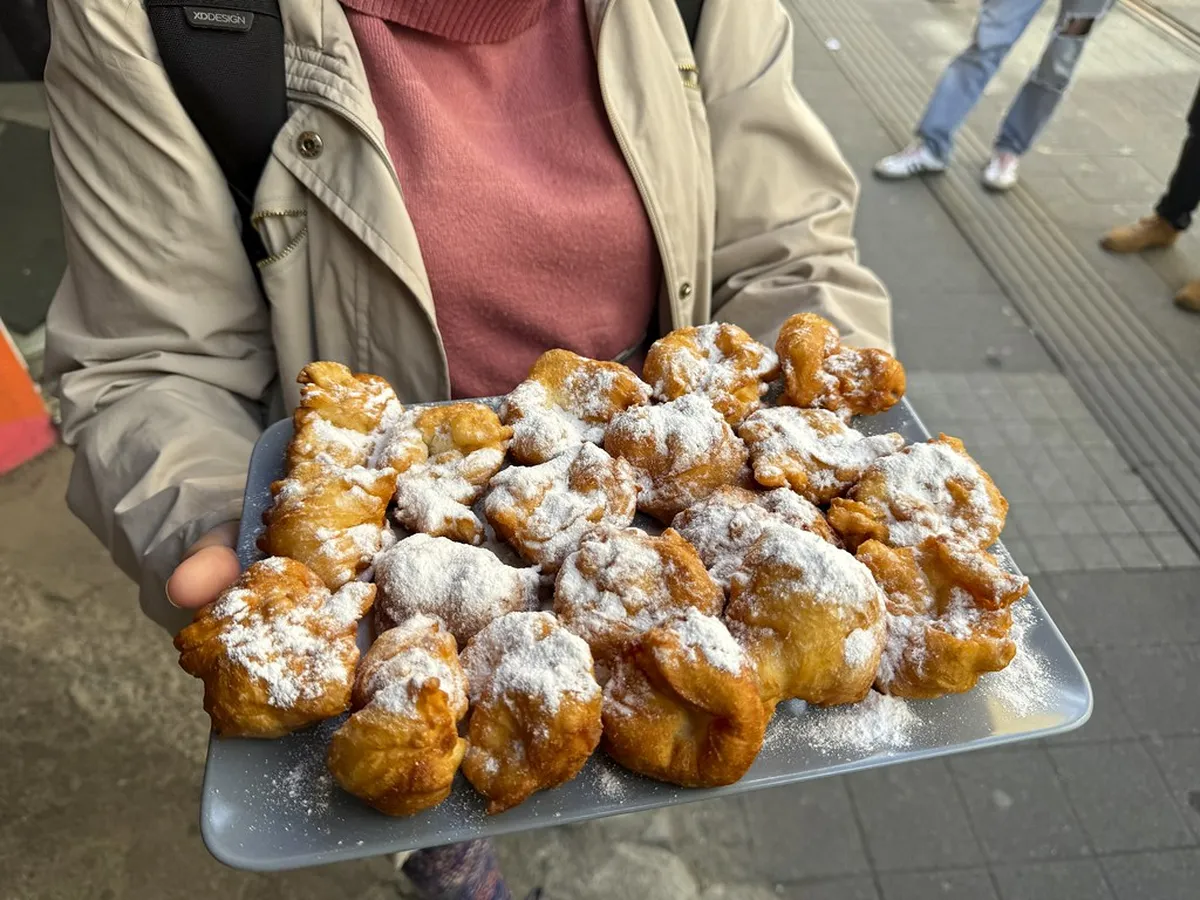
Mekitsa (meh-KEET-sah) is deep-fried dough made with yogurt rather than water. The yogurt creates a slightly tangy, airy interior with a crisp outer shell. It is sold flat and roughly oval-shaped, dusted with powdered sugar or served with honey, jam, or white cheese. A portion of two to three pieces costs 2.00–3.50 BGN depending on toppings. The savory version with sirene is the most filling and skips the sugar entirely.
The dedicated spot most visitors encounter is Mekitsa & Kafe, which operates daily roughly 08:00–20:00 near the city center. It popularized the yogurt-dough formula with a cafe setting and multiple topping options. That said, some older neighborhood bakeries do a plainer, crispier version that many locals prefer — worth trying both. Pronounced: meh-KEET-sah; the plural is mekitsi.
Ayran: The Refreshing Salty Yogurt Drink
Ayran is Bulgarian yogurt thinned with cold water and salted. It is the default street food drink, sold bottled or fresh at virtually every kiosk for 0.60–1.20 BGN. It pairs directly with banitsa and helps cut through the fat of grilled meats. Shake the bottle before opening — the yogurt and water separate quickly on standing.
Bulgarian yogurt is distinct from Greek yogurt or Turkish ayran primarily because of Lactobacillus bulgaricus, a lactic-acid bacterium found only in this region's native milk cultures. It produces a sharper tartness and a thinner, more liquid body than Greek-style yogurt. The bacterium was first isolated and named by Bulgarian microbiologist Stamen Grigorov in 1905, who identified it in a traditional yogurt sample from the Rhodope Mountains. This scientific provenance is why "Bulgarian-style" yogurt still commands premium pricing in specialty health food stores globally, even though the street-side version in Sofia costs well under 1 BGN.
Beyond ayran, look for tarator on summer menus — a cold soup made with the same yogurt base, cucumber, garlic, dill, and crushed walnuts. It is technically more of a sit-down starter than a street drink, but you will see it at deli counters inside Halite market for around 3–4 BGN a bowl.
Boza: A Unique Fermented Malt Beverage
Boza is a thick, lightly fermented drink made from wheat or millet. The fermentation gives it mild acidity and a very low alcohol content — typically under 1% ABV. The flavor is malty, slightly sour, and faintly sweet, often described as liquid sourdough with a cereal finish. A small glass costs under 1 BGN at traditional breakfast kiosks. Drink it cold to appreciate the fermentation notes; warm boza is flat and sweet without character.
Boza has been a staple breakfast drink across the Balkan Peninsula for centuries and predates Ottoman influence in the region. It fell out of fashion in the 1990s post-Communist transition when Western soft drinks flooded the market, but it never disappeared from Sofia's older neighborhoods. You will find it sold alongside banitsa at traditional morning kiosks — the pairing is as classic as coffee and a croissant in Paris. Pronounced: boh-ZAH. If you like sourdough or kefir, you will likely enjoy it; if you find kombucha too sour, start with a small glass.
Shopska Salad: The Standardized National Dish
Shopska salad is diced tomatoes, cucumbers, roasted green peppers, and white onion, topped with a large snowfall of grated sirene cheese and dressed with sunflower oil and vinegar. It is one of the 12 Communist-era official dishes, with the specific combination of red, white, and green ingredients deliberately chosen to mirror the colors of the Bulgarian flag. Whether that was intentional or a retrospective story depends on whom you ask, but the dish has been served in standardized form since at least the 1960s.
Street-side and deli-counter versions in portable containers cost about 3.50–5.50 BGN and are practical enough to eat while walking. The cheese is the variable — fresh sirene from a market stall is noticeably better than the pre-packaged version you get at a supermarket kiosk. If you see a vendor grating the cheese to order rather than scooping it from a container, that is the one to buy. Ask for extra olive oil if you want to upgrade the standard sunflower-oil dressing.
Pirotska Street and Zhenski Pazar: The Locals' Street Food Corridors
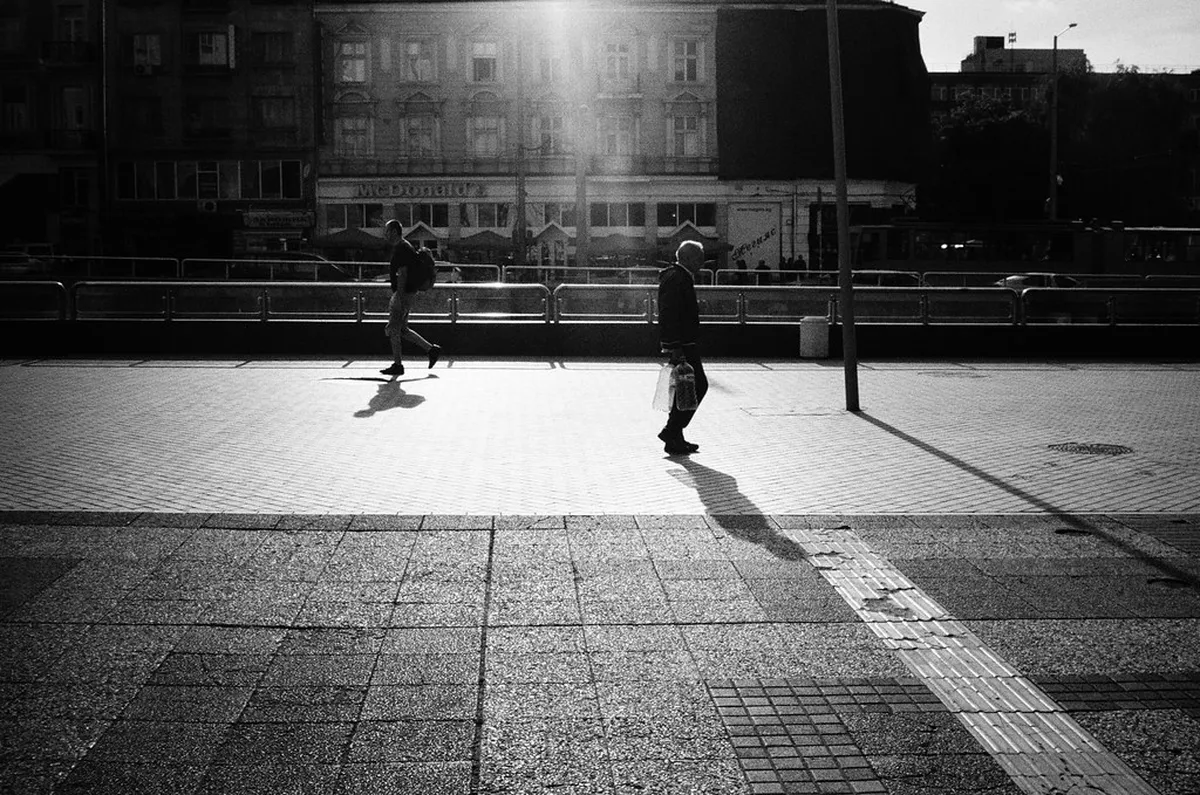
Most visitors gravitate to Vitosha Boulevard for food, but the working-class street food action happens two blocks north on Pirotska Street (улица Пиротска). This pedestrian shopping street runs west from Serdika metro station and is lined with banitsa kiosks, kebapche grills, and mekitsa stands that open by 07:00 to serve the morning commuter crowd. Prices here run 10–20% lower than on Vitosha, and the turnover is high enough that nothing sits under a heat lamp for long. A full breakfast — banitsa, boza, and a lukanka slice — costs under 5 BGN. For a full overview of what Sofia has to offer visitors, the official Visit Sofia portal lists current market opening hours and seasonal events.
| Street Food | Where to Find It | Price (BGN) |
|---|---|---|
| Banitsa (cheese) | Pirotska Street kiosks, neighbourhood furni | 1.20–2.00 |
| Kebapche | Pirotska Street grills, working-class grill spots | 1.50–2.50 |
| Mekitsa | Mekitsa & Kafe, older neighbourhood bakeries | 2.00–3.50 |
| Shopska salad | Deli counters, Halite market, street kiosks | 3.50–5.50 |
| Ayran | Virtually every kiosk city-wide | 0.60–1.20 |
| Boza | Traditional morning kiosks, Pirotska Street | under 1.00 |
| Gevrek | Street vendors near metro stations | 0.50–1.00 |
Three blocks further north, on Stefan Stambolov Square, you reach Zhenski Pazar — the Women's Market. It has operated continuously on this site since 1901, making it Sofia's oldest open-air market. The stalls sell seasonal produce, spices including chubritsa and dried savory in bulk, homemade lutenitsa, pickled vegetables, and fresh sirene directly from small-scale producers. Late autumn brings the red pepper harvest: stalls stack up roasting peppers and canned lyutenitsa, and the smell of charred skins fills the square. The market is busiest 08:00–13:00 on weekdays; vendors start packing up by 15:00. Entry is free and it operates year-round.
Between Pirotska Street and Zhenski Pazar, you cover the full range of Sofia street food in one 20-minute walk. This corridor is the route the what to do in Sofia article doesn't always spell out explicitly — most day-by-day city itineraries steer newcomers toward the tourist center while this local stretch sits one metro stop away.
Central Market Hall (Halite): A Hub for Local Flavors
Halite — formally the Central Market Hall — is a cast-iron covered market building on Maria Luisa Boulevard, a five-minute walk from Serdika metro station. The ground floor holds dozens of stalls selling aged lukanka sausage, multiple varieties of sirene and kashkaval cheese, cured meats, olives, dried fruits, and spice blends. Entry is free and the hall operates roughly 08:00–21:00 most days of the week. It is one of the best single stops for sampling a range of traditional Bulgarian dishes without committing to a full sit-down meal.
The basement level is worth visiting independently: excavations during the building's renovation uncovered Roman-era ruins from the ancient city of Serdica, which you can view through floor panels while eating at the basement deli counters. It is an unusually atmospheric place to have a mid-morning snack. The market also stocks bottled boza, jarred lutenitsa, and vacuum-packed sirene — all viable take-home food items that pass standard European customs checks.
Balkan Bites: The Ultimate Free Food Tour
The Balkan Bites free food tour is the fastest way to get oriented in Sofia's eating landscape if you have only one day. Guides walk a small group through several family-owned eateries and market stops, explaining the Communist-era standardization history, the Thracian food roots, and current neighborhood eating habits. The tour is technically free — it runs on tips, with 15–20 BGN per person the local norm. Tours depart daily, typically at 14:00, from a central meeting point; check balkanbites.bg for the current departure location, which shifts seasonally.
The tour covers more ground on the history side than most self-guided walks will. Guides routinely explain the Shopska salad's origins, the Lactobacillus bulgaricus story, and why Bulgarian yogurt has a different profile from anything you buy in a Western supermarket. It is particularly useful for first-timers who want context alongside the tasting. Reserve in advance online — walk-up spots exist but groups fill quickly in summer. The full route takes about two hours. For a broader food and drink itinerary beyond the tour, the Sofia food and drinks guide covers sit-down restaurant picks and wine bar options.
Practical Tips for Eating Street Food in Sofia
Most street food in Sofia is paid in cash. Contactless card acceptance has improved at sit-down spots but kiosks and market stalls still run cash-only. Carry 10–20 BGN in small denominations — vendors rarely have change for a 50 BGN note at 07:00. ATMs around Serdika metro station dispense 10 BGN notes if you specify the denomination. A practical daily budget for street food only is 15–20 BGN, which covers breakfast, a grilled meat lunch, two drinks, and a midday snack.
Timing shapes the quality of what you eat. Banitsa and mekitsa are best 06:30–10:00, before the pastry dries out. Grilled meats peak at 11:00–14:00 when the lunchtime grill fires are at full heat. Market stalls at Zhenski Pazar have the best produce selection before 11:00. Avoid pastry kiosks after 15:00 unless you watch them pulling a fresh tray — reheated banitsa goes rubbery. The Bulgarian food tour in Sofia departs in the afternoon, which neatly follows a self-guided morning market walk.
Vegetarians have solid options: cheese banitsa, spinach banitsa, mekitsa, Shopska salad, and tarator cover a full day without meat. Vegans have a harder time — the pastry doughs and most yogurt-based items are off the table. The autumn season (September–November) adds roasted pepper vendors to the street scene and is arguably the best time to visit for produce quality. Coming summer 2026, expect the Zhenski Pazar to run later on Fridays as the municipality has extended evening market hours for the season.
Continue planning: Use Things To Do in Sofia, Bulgaria and Belogradchik Day Trip From Sofia: Complete 1-Day Itinerary to connect this guide with the rest of your Bulgaria itinerary.
Frequently Asked Questions
What is the most popular street food in Sofia?
Banitsa is undoubtedly the most popular street food in Sofia. This cheese-filled pastry is a breakfast staple that you can find at almost every street corner bakery for a very low price.
Is the Sofia Free Food Tour actually free?
The Balkan Bites tour is technically free to join, but it operates on a tip-based system. Most participants leave a small gratuity to support the guides who provide excellent local insights and food samples.
What does Bulgarian Boza taste like?
Boza has a unique, slightly sour, and sweet flavor profile resulting from fermentation. It has a thick consistency and a malty aftertaste that is often compared to liquid sourdough bread.
Sofia street food is one of the most affordable eating experiences in any European capital in 2026. The full lineup — banitsa, kebapche, mekitsa, ayran, boza, Shopska, and a pass through Halite or Zhenski Pazar — is reachable on foot in a single morning. Prices in BGN remain low, the historical layers behind the dishes are genuinely interesting, and the Balkan Bites tour adds useful context if you want the guided version.
Start at Pirotska Street at 07:00 for the freshest pastries, swing through Zhenski Pazar for market produce and spices, and end with a late-afternoon food tour. That route covers every item on this list and costs under 30 BGN for the day. For the sit-down complement to this walk, see our picks for the top Sofia restaurants.