17 Best Restaurants and Foodie Tips for Sofia
After exploring the cobblestone streets of the Bulgarian capital several times, I have found a culinary scene that constantly surprises. The city blends ancient history with a vibrant, modern energy that reflects directly on the plates of its top kitchens. Our editors have updated this guide for 2026 after a recent visit to ensure all pricing and hours remain accurate. Whether you want a rustic tavern or molecular art, this Sofia food and drink guide covers every essential stop.
Sofia offers an incredible balance of affordability and high-quality ingredients that you rarely find in other European capitals. You can start your day with a free Balkan Bites Free Food Tour to get a taste of the basics. This introduction to the local palate helps you decide where to commit your appetite for a full sit-down dinner later. Last refreshed in early 2026, our list focuses on spots that offer consistent quality and genuine Bulgarian hospitality.
Here's a quick visual guide to some of Sofia's top dining destinations:
Traditional Bulgarian Taverns (Mehanas)
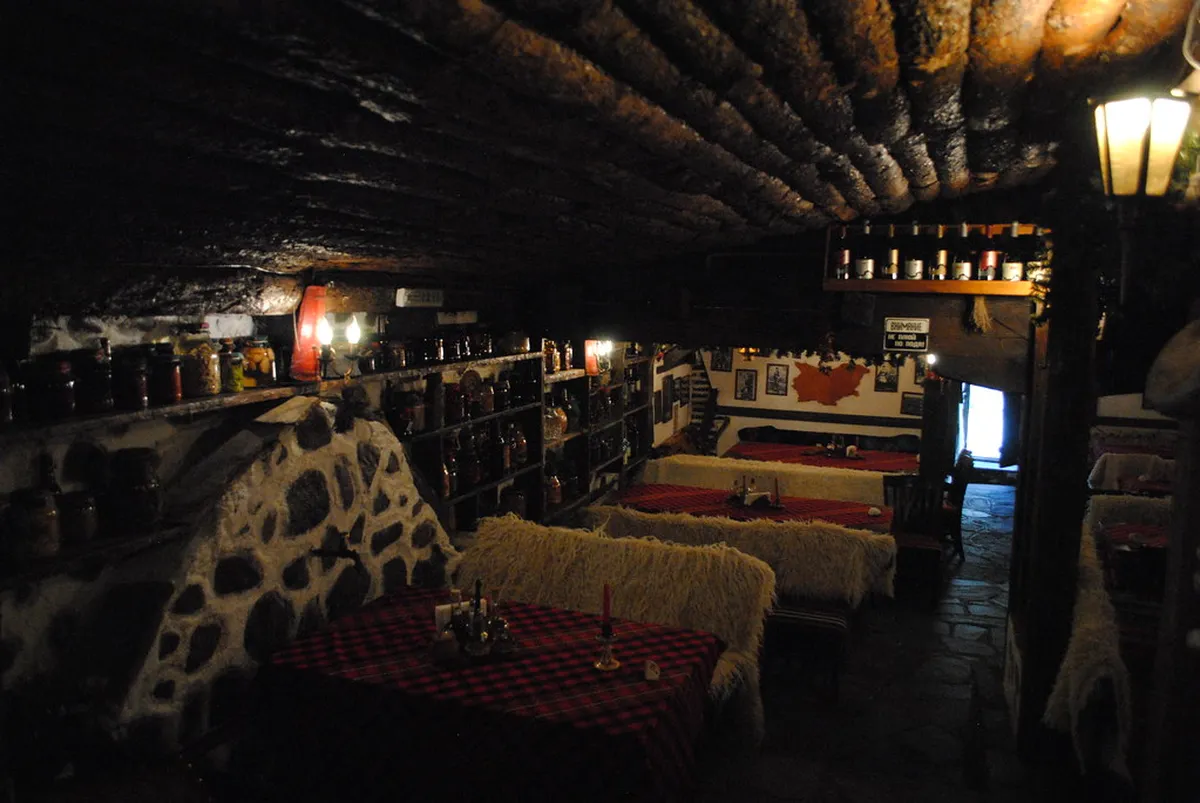
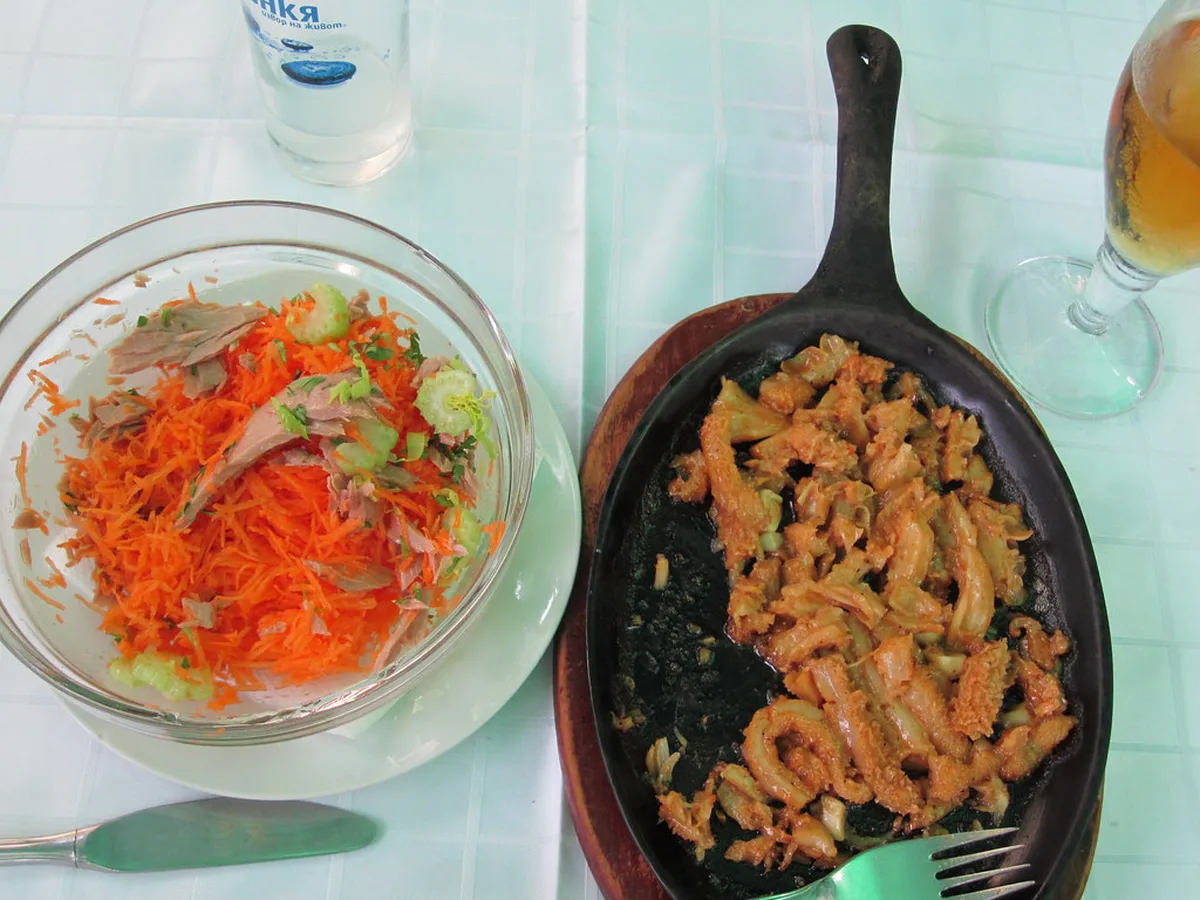
The mehana is the soul of Bulgarian dining: wood-beamed ceilings, embroidered folk textiles, clay pots steaming on the table, and a carafe of house rakia arriving almost before you sit down. These are not theme restaurants built for tourists. The best ones have been feeding Sofia families for generations, and the recipes come from monastery kitchens or rural grandmother notebooks, not culinary schools. Expect portions that dwarf what you would find in Paris or Vienna, and prices that make the value feel almost unfair.
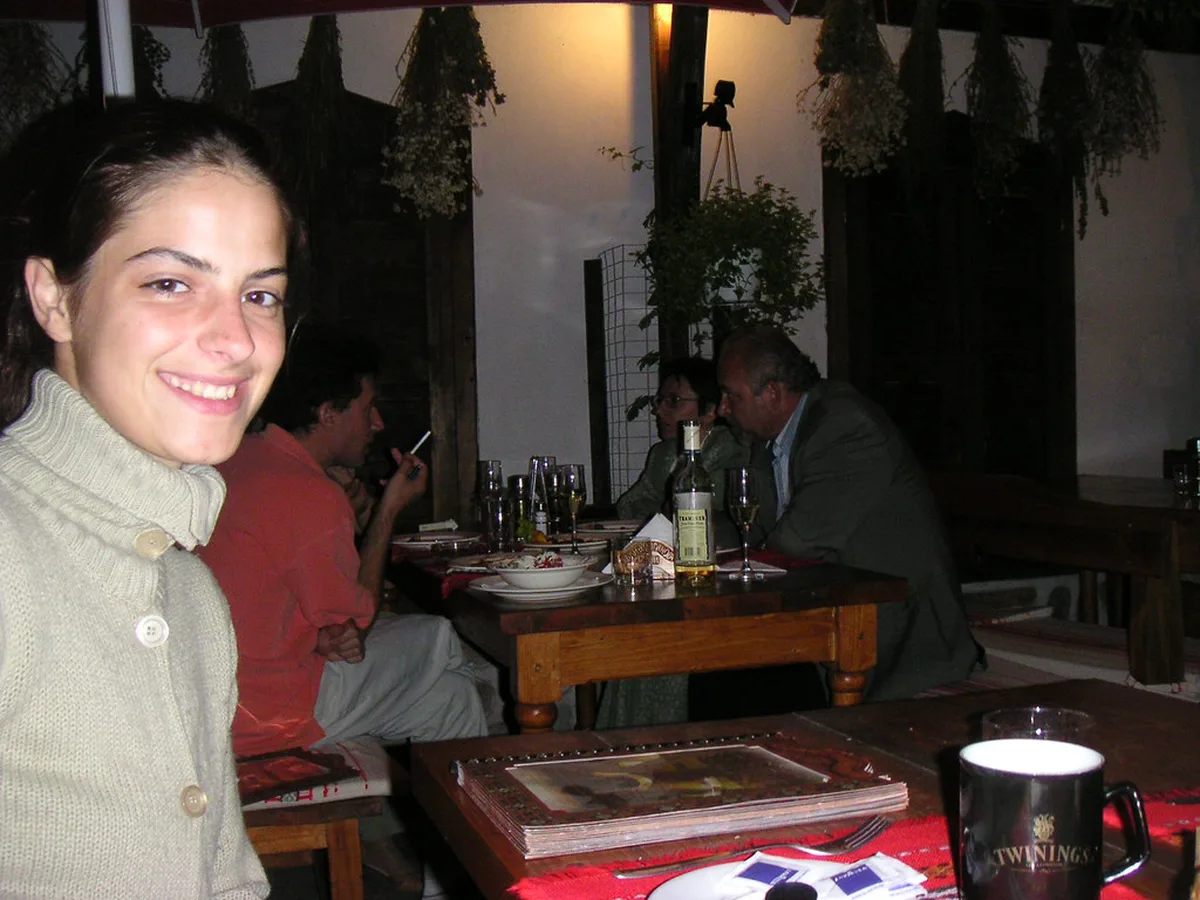
The distinction between a mehana and a regular restaurant matters when you are planning your week. Mehanas lean meat-forward — slow-cooked kavarma in clay pots, grilled kebapche, pork knuckle braised in Bulgarian wine. They pair those dishes with house-made bread that arrives without being asked and sometimes carries a small cover charge of 1–2 BGN per person. Vegetarians can eat well here too, thanks to stuffed peppers, chushka byurek (cheese-filled fried peppers), and sirene po shopski (baked white cheese with tomato and egg), but the dominant register is hearty and carnivorous.
Manastirska Magernitsa (ul. Han Asparuh 67) is the benchmark. Housed in a 19th-century townhouse, the kitchen serves monastery recipes collected from across Bulgaria — wild boar braised in local wine, slow-cooked sarmi, homemade banitsa. Ask for a garden table under the preserved dogwood tree in summer. Book at least three days in advance; walk-ins are frequently turned away on weekends. Main courses run 20–45 BGN. Hadjidraganov's Cellars (near Lion's Bridge) is the underground alternative: stone walls, old barrels, wood carvings, and live folk music starting around 20:00 most evenings. A hearty dinner with drinks lands around 30–60 BGN per person. Pod Lipite Tavern in the Lozenets district is the farm-to-table outlier — the restaurant owns its own farm, so the pork, dairy, and produce travel directly from field to table. The name means "Under the Linden Trees" and the outdoor terrace lives up to it. Dinner here is 25–50 BGN and the freshness of the ingredients is immediately obvious in every bite.
Modern and International Dining in Sofia
Sofia's modern dining scene is small but quietly excellent. The restaurants in this tier are not trying to replicate the mehana experience — they are taking Bulgarian ingredients like rose oil, yogurt, Thracian grain, and cave-aged sirene and running them through contemporary European technique. The result is dishes that feel both unmistakably local and completely new. Most of these spots are in or near the city center, concentrated around the Doctor's Garden area and the streets between Vitosha Boulevard Visitor Guide and the National Theater.
Cosmos (ul. Lavele, near Serdika metro) is the most ambitious table in Sofia right now. Under Chef Vladislav Penov, the kitchen ferments, plates with molecular touches, and reimagines Thracian recipes through a sci-fi lens. The "Space" dessert featuring Bulgarian rose oil and yogurt in galaxy-inspired plating is the dish everyone talks about. Tasting menus run around 60–120 BGN per person — steep by Sofia standards, but a fraction of what a comparable experience costs in London or Vienna. Book 48–72 hours ahead minimum. Moma Bulgarian Food and Wine (ul. Solunska 28) is less experimental but equally well-executed: embroidered linens, hand-painted ceramics, and a menu that takes folk recipes seriously — the stewed lamb and the crispy seabass with walnuts are both outstanding. Main courses run 25–50 BGN; the wine list focuses on boutique Bulgarian producers. Reserve a day or two ahead on weekends. Made in Blue, set inside a converted mansion on a leafy side street, leans Mediterranean with Bulgarian accents. The vegetable platters are creative and the kitchen shifts with the seasons. Lunch here costs 15–30 BGN; dinner is a longer affair worth stretching into.
For something more international, Shtastlivetsa on Vitosha Boulevard delivers a theatrical vintage-glam interior and a menu broad enough to satisfy everyone in a group. It leans touristy but the food is solid and the 1930s décor is genuinely beautiful. Constantinoff RestoBar, also on Vitosha Boulevard, is the cocktail-lounge end of the spectrum: tartares, grilled meats, a self-service wine tap wall, and a DJ after 21:00. Neither place requires more than a day's notice for reservations.
Breakfast, Cafes, and Bakeries in Sofia
Sofia rewards early risers with a breakfast culture that most visitors completely miss. The city runs on two parallel coffee tracks: a network of streetside espresso vending machines that pull a hot, genuinely decent shot for 1–2 BGN (coins only — always have small change), and a growing cluster of third-wave specialty cafes that take single-origin roasts seriously. Both are worth your morning.
Hit a neighborhood bakery (пекарна) first. The classic order is banitsa — flaky filo layered with white cheese or spinach — for 2–4 BGN, paired with ayran (cold salted yogurt drink) or boza (a thick, malty fermented grain drink that divides opinion but is deeply Sofia). If you see a tray of mekitsa — puffy fried dough dusted with powdered sugar or smeared with rose jam — order one. The best versions disappear by 09:30. On the street you will also encounter gevrek sellers: sesame-crusted bread rings similar to a Turkish simit, sold from baskets or carts for under 1 BGN. Grab one for the walk. Popular trays sell out by mid-morning; earlier is always better — for grab-and-go options see our Sofia street food guide.
Fabrika Daga is the specialty cafe benchmark in the city. This pioneer of the Sofia's specialty coffee shops scene is known for its modern take on mekitsa and for high-quality single-origin coffee. Arrive before 10:00 on weekends or expect a queue. A full brunch with coffee runs 15–30 BGN. Rainbow Factory is the other brunch institution, with locally roasted specialty coffee and a weekend menu that draws long lines. Sun and Moon in the center offers organic sourdough, whole-grain banitsa, and a small shop selling local honey — a good slow-morning option for 15–25 BGN. For a quick, quality lunch after your morning coffee, both Soup Me (ul. Neofit Rilski 55) and Supa Star (ul. Shishman) offer six rotating soups daily — tarator in summer, lentil and bean stews in winter — for 5–10 BGN a bowl. The communal tables and bright interiors make these spots genuinely social rather than transactional.
The Full 17: Quick-Reference Dining List
The sections above cover the main categories in depth. Here is the complete ranked list for quick reference, with each restaurant's dominant vibe, price range per person, and best use case so you can slot them into your itinerary at a glance.
| Restaurant | Area | Style | Price (BGN/person) |
|---|---|---|---|
| Cosmos | City center (near Serdika metro) | Modern/molecular Bulgarian | 60–120 |
| Manastirska Magernitsa | City center (ul. Han Asparuh 67) | Traditional mehana | 20–45 |
| Made in Blue | City center (leafy side street) | Mediterranean-Bulgarian bistro | 15–30 |
| Moma Bulgarian Food and Wine | City center (ul. Solunska 28) | Modern folk dining | 25–50 |
| Hadjidraganov's Cellars | Near Lion's Bridge | Underground tavern | 30–60 |
| Pod Lipite Tavern | Lozenets | Farm-to-table mehana | 25–50 |
| Fabrika Daga | City center | Specialty cafe & brunch | 15–30 |
| Soup Me | ul. Neofit Rilski 55 | Rotating soup bar | 6–10 |
| Supa Star | ul. Shishman | Rotating soup bar | 5–9 |
| Shtastlivetsa | Vitosha Boulevard | Vintage-glam bistro | 20–45 |
| Constantinoff RestoBar | Vitosha Boulevard | Cocktail lounge & grill | 20–40 |
- Cosmos — Modern/molecular Bulgarian; 60–120 BGN; date night or celebratory dinner. Book 48–72h ahead.
- Manastirska Magernitsa — Traditional mehana; 20–45 BGN; immersive cultural dinner. Book 3+ days ahead.
- Made in Blue — Mediterranean-Bulgarian bistro; 15–30 BGN; relaxed long lunch or casual dinner.
- Moma Bulgarian Food and Wine — Modern folk dining; 25–50 BGN; upscale but approachable. Reserve weekends.
- Hadjidraganov's Cellars — Underground tavern; 30–60 BGN; groups and folk-music fans.
- Shtastlivetsa — Vintage-glam bistro; 20–45 BGN; central, reliable, theatrical décor.
- Soup Me — Soup bar; 6–10 BGN; quick healthy lunch, open 10:00–19:00.
- Made in Home — Boho comfort food; 18–35 BGN; vegetarians and creative-crowd lunches.
- Soul Kitchen — Vegan/organic; 20–35 BGN; plant-based excellence, Doctor's Garden terrace.
- Fabrika Daga — Specialty cafe and brunch; 15–30 BGN; weekend brunch institution.
- Happy Bar & Grill — Bulgarian Cheesecake Factory; 15–35 BGN; families, picky eaters, late-night fallback.
- Boom! Burgers — Gourmet burgers; 20–30 BGN; casual dinner with craft beer.
- Pod Lipite Tavern — Farm-to-table mehana; 25–50 BGN; Lozenets, short taxi from center.
- Raffy Bar & Gelato — High-energy social dining; 15–40 BGN; Vitosha Blvd, late nights, gelato.
- Sun and Moon — Organic bakery; 15–25 BGN; vegetarian breakfast or slow morning.
- Skapto — Local burger chain; 18–28 BGN; casual dinner, cult following among locals.
- Supa Star — Rotating soup bar; 5–9 BGN; near National Theater, open from 10:30.
A practical note on reservations: Cosmos and Moma require 48 hours minimum, especially Thursday through Saturday. Manastirska Magernitsa books out faster than any other restaurant in this list — call ahead or use their online form. Hadjidraganov's Cellars fills on weekends once the live music starts. Everything else on the list can be handled as a walk-in at lunch or with a same-day call for dinner.
Bulgarian Cuisine: What to Look for at a Sofia Restaurant
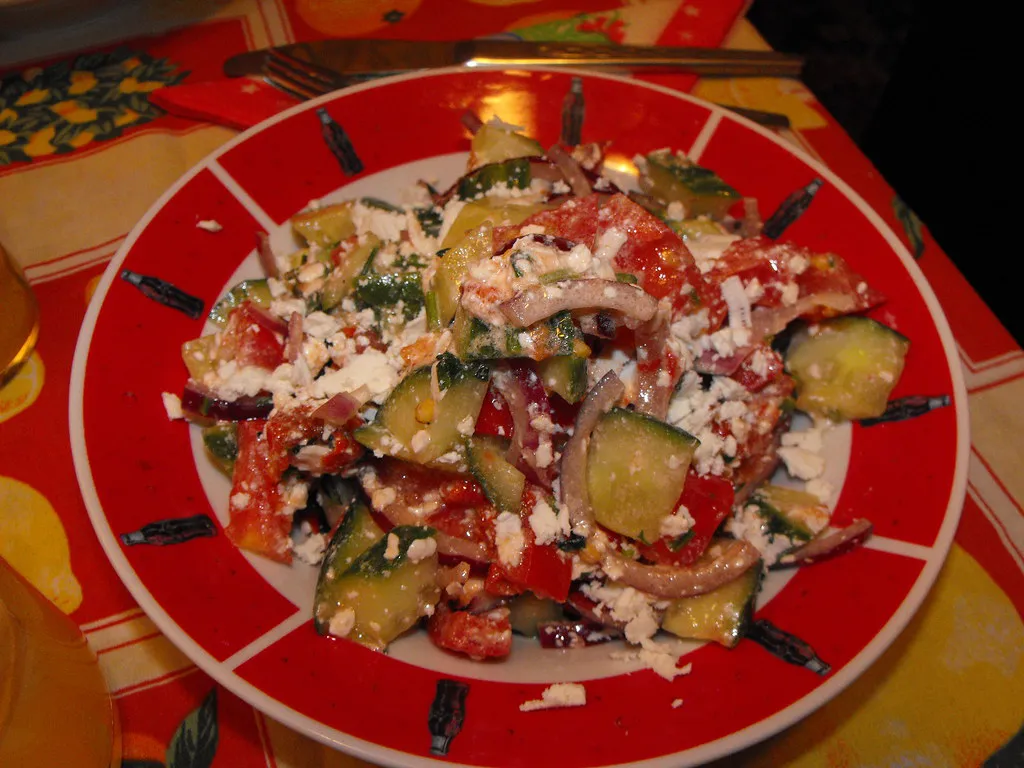
Understanding the local menu starts with the classic shopska salad — diced tomatoes, cucumbers, roasted peppers, and a blizzard of grated sirene (a brined white cheese somewhere between feta and halloumi in salt and texture). It arrives as a starter at almost every meal, and the quality of the tomatoes in season is genuinely remarkable. The official Sofia tourism portal lists seasonal food events and restaurant weeks worth checking before your trip. For a deeper dive into local flavors, read our guide on traditional Bulgarian dishes before you order. Most restaurants also serve bread automatically the moment you sit down; this generates a small cover charge of 1–2 BGN per person that appears at the bottom of your bill. You can decline the bread when you sit if you prefer not to pay it, but most tables accept it.
Meat lovers should look for "skara" items: kebapche (spiced minced meat tubes), kyufte (flat meatballs), and lamb chops grilled over open flame. The Bulgarian moussaka is different from the Greek version — it uses potatoes instead of eggplant, topped with a yogurt-and-egg custard. Kavarma is the hearty slow-braised pork or chicken stew served in individual clay pots, which arrives bubbling and fragrant. Vegetarians will find chushka byurek (cheese-stuffed fried peppers), sirene po shopski (baked white cheese with tomato and egg), and tarator (cold yogurt-cucumber soup with dill and walnuts) on nearly every menu. Bulgarian yogurt is among the thickest and most flavorful in the world and appears throughout the cuisine in ways you would not expect.
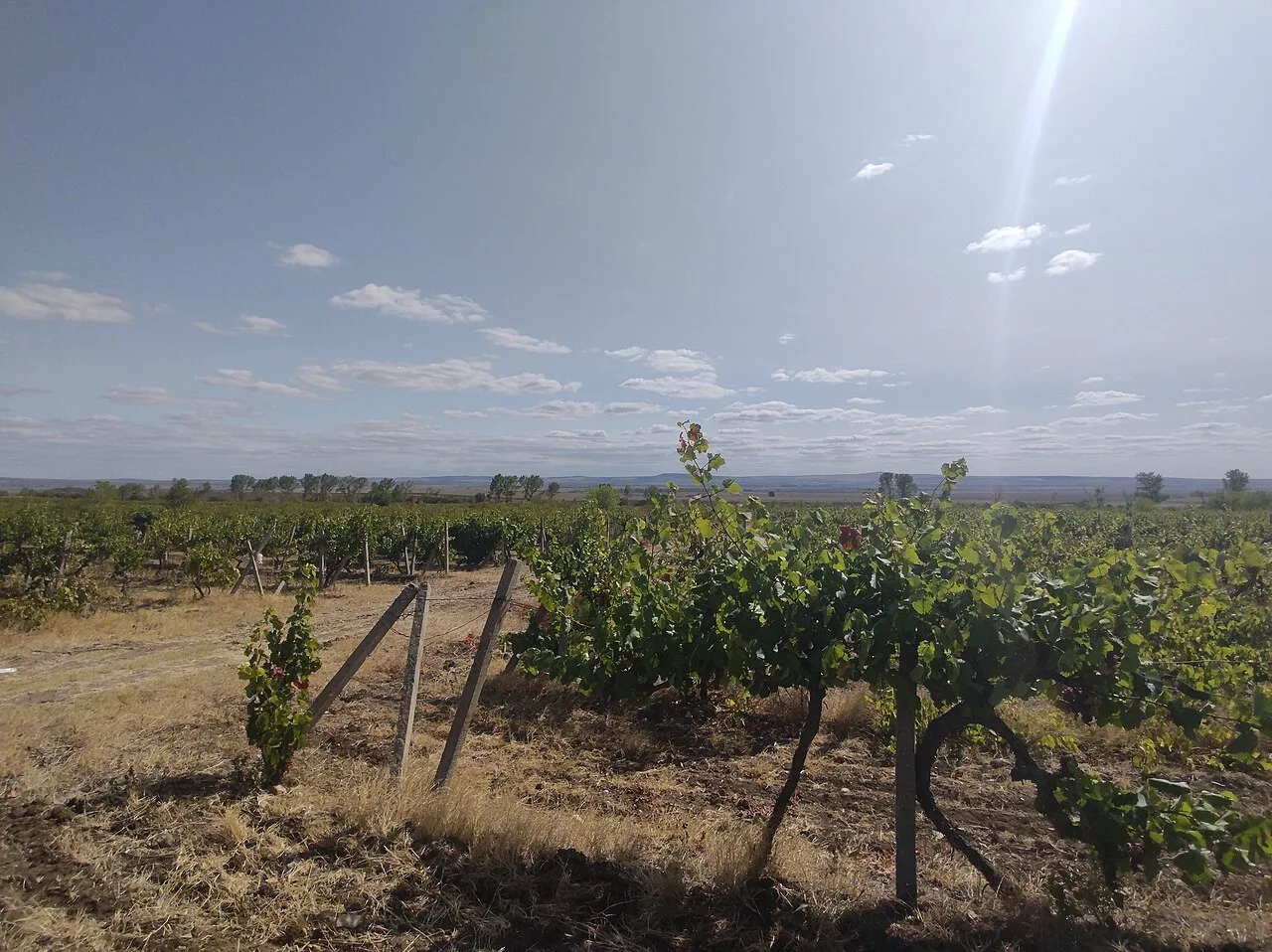
The dining culture is relaxed. Waiters will not bring the bill until you specifically ask — say "smetkata, molya" or simply catch their eye. Dishes often arrive as they are ready rather than in strict courses, so do not be surprised if your soup appears while your neighbor is still on their salad. Tipping is expected: 10% is standard for good service. Local wines from the Thracian Valley and Melnik — particularly the Mavrud and Rubin reds — offer exceptional value and pair well with the heavier meat dishes. Use our Bulgarian rakia guide to navigate the fruit brandies, which are typically sipped in 50 ml pours alongside a cold starter rather than shot-style.
Sofia Restaurants: Bars and Nightlife
After dinner, the city transitions into a lively hub of cocktail bars, wine cellars, and hidden speakeasies. The area around Shishman Street — the heart of the hipster and boutique district — is the most concentrated stretch for sophisticated drinks in a local atmosphere. You can find more detailed recommendations in our guide to the Sofia's best bars for a full night out. Most bars stay open until 02:00 or later on weekends.
For wine, Vineria offers over 100 boutique Bulgarian and international labels in a central setting, with cheese and cured meat pairings served alongside. Cellar 52 takes it further with over 1,000 artisan wines and a sommelier team on hand — choose from 150+ wines by the glass. Both are educational and welcoming to beginners, not just enthusiasts. For cocktails, the Sputnik Cocktail Bar (TripAdvisor) uses Bulgarian herbs in inventive modern drinks and has a devoted local following. Constantinoff RestoBar shifts into full lounge mode after 21:00, with a DJ, smoking-infused cocktails, and a self-service wine tap wall that entertains as much as it serves.
Craft beer has exploded in popularity across the city, with local breweries opening taprooms throughout the center. Prices for a cocktail typically run 12–20 BGN; a local beer is 5–8 BGN; a glass of Bulgarian wine 7–14 BGN. Dress codes are casual almost everywhere in Sofia, though upscale lounges like Constantinoff have a slightly polished crowd in the evening. Indoor smoking is banned by law, but many venues have heated outdoor terraces where it remains common. If smoke sensitivity is a concern, request indoor seating when you book.
Practical Sofia Dining Tips: Bill, Cash, and Timing
A few realities that trip up first-time visitors. The "bread charge" is not a scam — it is a standard practice called a cover charge (often listed as "хляб" or simply "cover" on the bill) at most traditional restaurants and many modern ones. It typically runs 1–3 BGN per person and covers the basket of bread that arrives automatically. If you genuinely do not want it, say so when you sit down. Occasionally it also covers olives or a small appetizer spread. Check the menu's fine print if the charge surprises you.
💡 Good to know: Top mehanas like Manastirska Magernitsa and Hadjidraganov's Cellars do not add an automatic service charge — tipping 10% in cash is the norm. The best dinner window at busy taverns is 19:00–20:00 (arriving later means folk music is in full swing and walk-ins are refused). A typical evening for two with rakia, mains, and dessert runs 60–90 BGN at a mid-range mehana.
Card payments are widely accepted at central restaurants and modern bistros, but markets, bakeries, small mehanas, and street vendors are cash-only. Keep 50–100 BGN in small bills on you at all times. The Bulgarian Lev (BGN) is pegged to the Euro at roughly 1.96 BGN = 1 EUR, which makes mental conversion easy. Bulgaria is expected to adopt the Euro in 2025–2026, so check current exchange rates if you are visiting in late 2026. ATMs are plentiful in the center and dispense BGN without issue; avoid exchange kiosks near major tourist sites as their rates are poor.
Lunch is generally the best-value window in Sofia. Many restaurants — including upscale ones — offer a daily lunch special (обядно меню) for 10–18 BGN that includes a soup, a main, and sometimes a drink. Dinner pricing at the same kitchen can be 30–50% higher for the same quality. Walk toward the what to do in Sofia sightseeing circuit and you will inevitably pass the tourist-menu restaurants on Vitosha Boulevard displaying faded photos on sandwich boards. These are not the enemy, but they are also not the destination. Two blocks off the main drag in any direction reveals the real local dining landscape.
Continue planning: Use Things To Do in Sofia, Bulgaria and Belogradchik Day Trip From Sofia: Complete 1-Day Itinerary to connect this guide with the rest of your Bulgaria itinerary.
Frequently Asked Questions
Do I need to tip at restaurants in Sofia?
Yes, tipping is expected in Sofia. A standard tip is about 10% of the total bill for good service. You should check if a service charge is already included, though this is rare in Bulgaria.
Is it easy to find vegetarian food in Sofia?
Sofia is very vegetarian-friendly with many traditional dishes focusing on cheese and vegetables. Most modern restaurants also offer dedicated plant-based menus. You can find more our Sofia city guide that include food tours with veggie options.
Can I drink the tap water in Sofia restaurants?
Tap water in Sofia is generally safe to drink and of high quality. However, most locals and restaurants prefer bottled or filtered water for the taste. You can find more details in this Sofia City Guide (Teaspoon of Nose) regarding local health and safety.
Sofia's dining scene is a testament to the city's ability to honor its past while embracing a modern, global future. From the rustic charm of Hadjidraganov's Cellars to the molecular wonders at Cosmos, there is a table for every type of traveler. By following this guide, you can avoid the tourist traps and enjoy the authentic flavors that make the Bulgarian capital so special.
Remember to book ahead for popular spots and keep an open mind when trying local spirits like rakia. We hope your culinary journey through Sofia is as rewarding and delicious as our many visits have been.