10 Essential Plovdiv Street Food Experiences for 2026
Plovdiv has one of the most accessible street food scenes in Bulgaria. The city's ancient streets, busy pedestrian boulevard, and the Kapana creative quarter are lined with bakeries, grill kiosks, and open-air stalls where you can eat well for a few leva. This guide covers the ten dishes worth seeking out, where to find them across the city, and a few practical tips so you don't waste time hunting. It's part of our broader look at Plovdiv's food and drinks scene.
Street Food in Plovdiv: The 10 Must-Try Dishes
These are the dishes that locals actually eat on the go, found at bakeries, market stalls, and kiosks throughout the city center. Prices are in Bulgarian Lev (BGN); rough exchange is around 1.80 BGN to the euro in 2026.
- Banitsa — Bulgaria's most iconic street food: thin filo pastry layered with sirene (white brined cheese) and egg, baked until crisp and golden. Every bakery in the city sells it from early morning. A standard slice runs 2–3 BGN. Pair it with a cup of cold ayran (salty yogurt drink) or boza (fermented malt drink) for the classic combination. Banitsa is best eaten fresh and warm; if the pastry looks pale or soggy it has been sitting too long.
- Kebapche — Grilled minced pork or pork-beef rolls seasoned with cumin and black pepper, cooked over charcoal. They arrive with fries, bread, and a smear of lyutenitsa. A portion of four kebapche with sides costs roughly 5–8 BGN at a grill stand. The Kapana district has several reliable grill spots that fill up at lunch.
- Doner Kebab — The most eaten street food in Plovdiv by sheer volume. Bulgarian doner is made from chicken roasted on a spit, served in Arabic-style flatbread with fries, salad, and sauce. Long queues form at good doner stalls in the evenings. Alex Foods on the main pedestrian street (ul. Knyaz Aleksandar) is one of the longest-running and most popular doner spots in town, and accepts card via self-order machine.
- Mekitsi — Deep-fried dough pieces served hot, similar to a donut but less sweet. Toppings range from sirene cheese and jam to honey or powdered sugar. Available at market stalls and small cafes from early morning, priced around 2–4 BGN. They go stale quickly, so buy them fresh from a stall with visible turnover.
- Patatnik — A savory Rhodope Mountain specialty: grated potato mixed with onions, mint, and sirene, pan-fried until golden and crispy. Originally a village dish, it now appears at city markets and during food festivals. More filling than most street snacks, it costs around 5–8 BGN per portion. Harder to find than banitsa or kebapche, but worth seeking out.
- Karnache — A long spiral sausage grilled over open flame, seasoned with savory herb and paprika. Served with mustard or ketchup, it is a fixture at open-air markets and festivals. Less common than kebapche on a typical weekday, but consistently available at Kapana food events.
- Lyutenitsa with Bread — A roasted red pepper and tomato relish, sometimes with eggplant and carrots. While it is primarily a spread, some delis and market stalls sell it with fresh bread as a standalone snack for 2–3 BGN. Vegetarian-friendly and deeply Bulgarian in flavor.
- Gozleme — A thin, griddle-cooked flatbread of Turkish origin, filled with cheese, spinach, or minced meat. Made fresh to order at certain kiosks and small eateries, particularly around market entrances and in Kapana. A portion costs 4–7 BGN and arrives hot and crispy.
- Katmi — Bulgarian-style crepes, larger and thicker than French versions, cooked on a flat griddle and filled with cheese, jam, honey, or chocolate. A street food staple at fairs and festivals. Good for a quick, affordable sweet or savory snack at 3–5 BGN.
- Steamed Corn — Small carts sell hot steamed corn in a cup or on the cob across Plovdiv, particularly near parks and the pedestrian zone. Toppings include butter, parmesan, and spices. Simple, cheap, and worth grabbing in summer when the corn is milky and fresh. Priced at around 2–4 BGN.
For a sense of what these stalls and dishes actually look like in practice, this walk-through of Plovdiv street food shows what locals reach for day to day:
Where to Find the Best Street Food in Plovdiv
Plovdiv's street food is concentrated in three distinct zones, each with a slightly different character. Knowing which area suits your mood saves time.
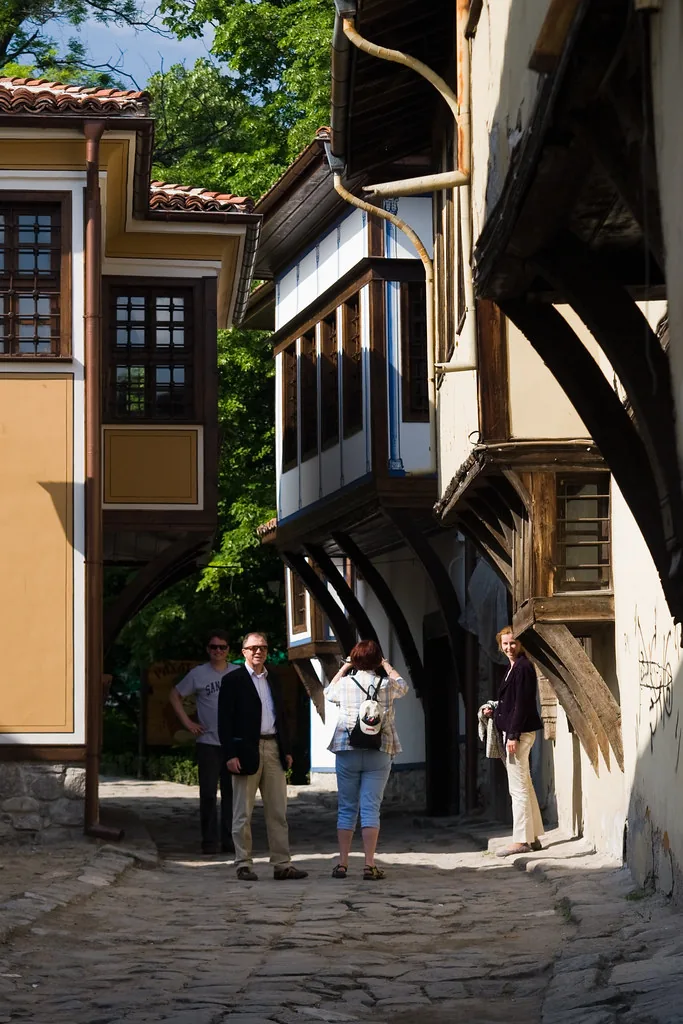
Ul. Knyaz Aleksandar (main pedestrian street): The highest concentration of kiosks, fast-food windows, and bakeries in the city. Alex Foods for doner, several The Best Banitsa Recipe bakeries, pizza slices, and ponichki (fried pastry rings) are all within a short walk. This strip is the most reliable option if you want a quick bite without exploring — open from early morning until late evening.
Kapana Creative Quarter: Plovdiv's most fashionable food neighbourhood sits just off the pedestrian street. It is home to a mix of independent cafes, grill spots, and street stalls. Kapana is best for kebapche, gozleme, and seasonal pop-up vendors. Stalls here tend to open later in the morning and stay active into the evening. During summer weekends, Kapana hosts food events that bring together multiple vendors in the same space — the best time to try karnache, katmi, and other less-common dishes in one visit.
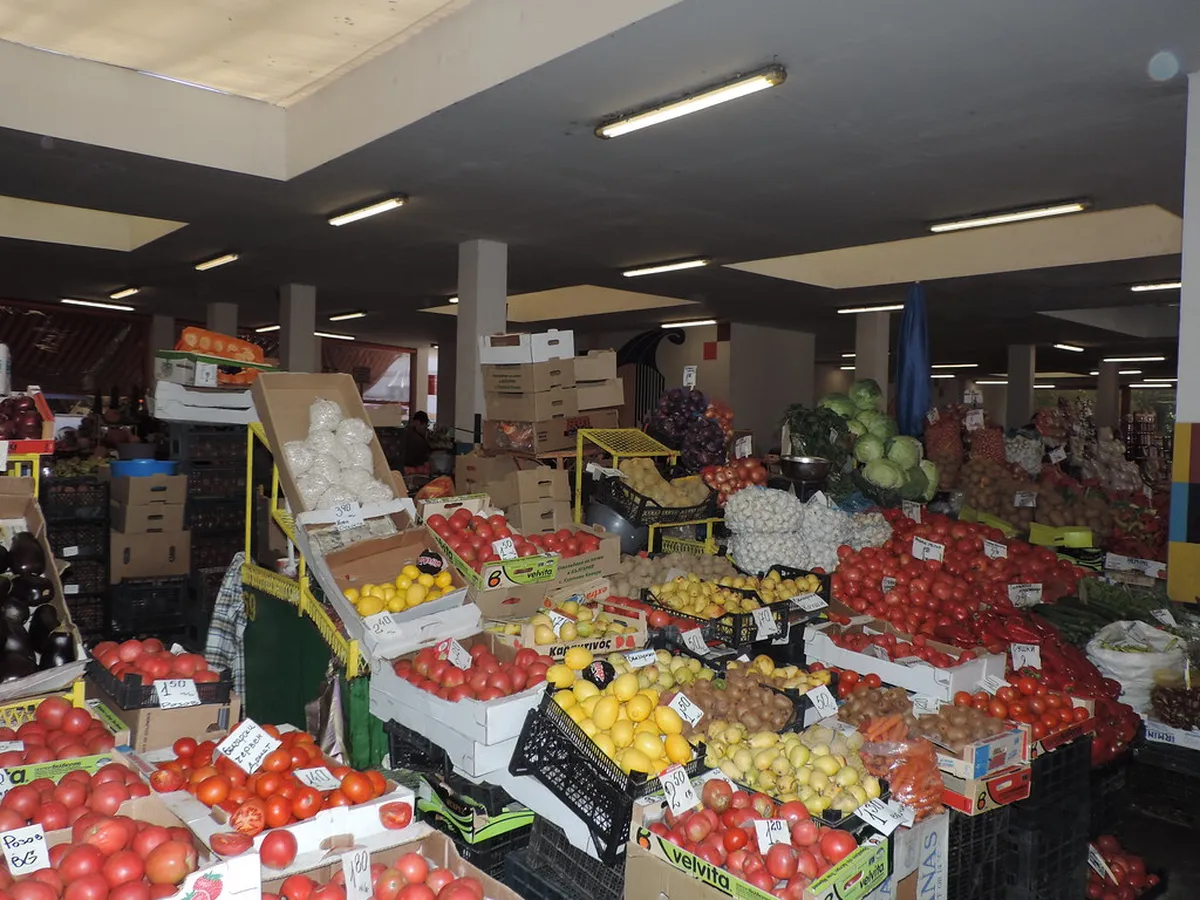
Central Market (Tsentralni Hali) and surrounding streets: The covered market area near the central bus station offers the most authentic local experience. Produce vendors, deli counters, and small bakeries here cater primarily to residents rather than tourists. Banitsa, zelnik, and fresh bread rolls are consistently available at lower prices than the pedestrian zone. It is a good stop on arrival or departure if you are coming by bus.
Kapana After Dark: Why Evening Timing Changes the Experience
Most guides to Plovdiv street food treat the scene as purely a daytime activity. In practice, Kapana operates on a different rhythm. During the day the quarter is a mix of coffee spots and lunch kiosks. From early evening it shifts — additional food stalls open, grill smoke fills the narrow lanes, and the atmosphere is closer to a night market than a lunchtime snack run.
This matters for what you can actually find. Karnache, larger grilled portions, and some of the seasonal pop-up vendors only appear in the evening. If you visit Kapana only at noon you may see a quieter, less varied version of the street food offer. A visit between 18:00 and 21:00 on a Thursday, Friday, or Saturday captures the full scene. During Plovdiv's main festival calendar — Kapana Fest in July and the Night of Museums events — temporary food stalls extend further into the quarter and operate until midnight.
The seasonal factor matters too. Many Kapana street vendors operate from April through October. In winter, the pedestrian strip and indoor bakeries are the reliable fallback, while Kapana's outdoor food scene contracts significantly. Planning a visit in the warmer months gives you access to a much wider range of options than a December visit.
💡 Good to know: For the widest variety in Kapana, go between 18:00 and 21:00 on a Thursday, Friday, or Saturday during the warmer months (April–October) — that's when extra grill and pop-up stalls open and harder-to-find dishes like karnache appear. A noon visit shows a quieter, less varied version of the scene.
Budget, Payment, and Practical Tips
Plovdiv street food is cheap by any European standard. A full morning of grazing — banitsa, mekitsi, ayran, and maybe a later kebapche — costs well under 15 BGN (around 8 EUR). Most individual items fall in the 2–8 BGN range. The main pedestrian strip and Kapana are slightly more expensive than the market area, but the difference is marginal.
| Banitsa (slice) | 2–3 BGN |
| Kebapche (portion of four with sides) | 5–8 BGN |
| Mekitsi | 2–4 BGN |
| Patatnik (portion) | 5–8 BGN |
| Gozleme (portion) | 4–7 BGN |
| Steamed corn | 2–4 BGN |
Cash is the norm at most kiosks and market stalls. Carry small denominations of lev — 1, 2, and 5 BGN notes. Some larger fast-food windows on the main strip accept card, and Alex Foods specifically has a card-capable self-order machine, but do not assume card payment at smaller vendors. ATMs are easy to find near the main pedestrian street.
💡 Good to know: Most smaller kiosks and market stalls are cash-only, so carry small 1, 2, and 5 BGN notes rather than relying on card. For the freshest banitsa, buy within the first two hours after a bakery opens (around 07:00–08:00) — quality drops noticeably by mid-morning.
Most vendors open between 07:00 and 08:00 and begin winding down in the mid-afternoon. Grill stands serving kebapche and doner often run from late morning through the evening. The freshest banitsa is available in the first two hours after a bakery opens — after mid-morning, quality varies by how recently they baked a new batch. Vegetarians are well catered for: banitsa (cheese or spinach), mekitsi, katmi with cheese or jam, patatnik, and steamed corn are all meat-free without needing to ask.
For a more guided introduction to Plovdiv's food culture, consider booking a Plovdiv Food Tour Travel Guide — several operators include stops at street food spots alongside sit-down tastings.
What to Drink with Plovdiv Street Food
Two drinks belong alongside Bulgarian street food. Ayran is a cold, lightly salted yogurt drink sold at most bakeries and kiosks — it cuts through the richness of banitsa and kebapche and works well in the heat. Boza is a fermented wheat drink with a thick consistency and a mildly sweet, tangy flavor; it is an acquired taste but genuinely traditional. Both are cheap, widely available, and more interesting than bottled water.
For something cold and sweet, look for homemade elderflower soda at market stalls in summer. Local beers (Zagorka and Kamenitza are the two most common brands) are sold at grill stands and from kiosks throughout the city. A 500 ml bottle costs around 2–3 BGN. If you want coffee with your morning pastry, most bakeries have a machine or a small counter serving espresso drinks — Plovdiv has a genuine cafe culture, and you will not struggle to find a good cup.
Continue planning: Use Best Things to Do in Plovdiv to connect this guide with the rest of your Bulgaria itinerary.
Continue planning: Use Ancient Theatre Plovdiv 2026: Tickets, Events & History to connect this guide with the rest of your Bulgaria itinerary.
Frequently Asked Questions
What is the most popular Bulgarian street food?
Banitsa, a flaky pastry filled with sirene cheese and eggs, is arguably the most popular Bulgarian street food. It's a national breakfast favorite, widely available and enjoyed by locals and visitors alike.
Is Bulgarian street food spicy?
Generally, Bulgarian street food is not spicy. Dishes often rely on herbs like savory and mint, and spices like cumin and black pepper, rather than chili heat. If you prefer a kick, look for specific hot sauce options.
Can I find vegetarian options among Bulgarian street food?
Yes, Plovdiv offers several delicious vegetarian street food options. Banitsa with cheese or spinach, patatnik (potato pie), and Authentic Lyutenitsa Recipe spread are excellent choices for plant-based eaters.
What should I drink with Bulgarian street food?
Ayran, a refreshing salty yogurt drink, is a traditional pairing for savory pastries like banitsa. Local beers, boza (a fermented malt drink), or simply bottled water are also popular choices.
Plovdiv's street food scene rewards those who move beyond the tourist-facing restaurants and pay attention to what locals are actually eating. The pedestrian street, Kapana, and the central market each offer a different angle on the same core dishes. Aim for the evening hours in Kapana during the warmer months and you will find the widest variety in the best setting. For a deeper exploration of where to eat and drink across the city, see our guide to Plovdiv food and drinks.