How Many Days in Burgas? Ideal Trip Length & Itinerary Picker (2026)
Burgas is Bulgaria's second-largest Black Sea city and the most practical base on the southern coast. It sits within 45 minutes of Nessebar, Sozopol, and the pink Atanasovsko Lake, and it has a real local feel that beach resorts lack. How long you need depends entirely on what you want to do. This guide breaks down the ideal stay by traveler type, then gives you day-by-day plans for 1, 3, and 7 days.
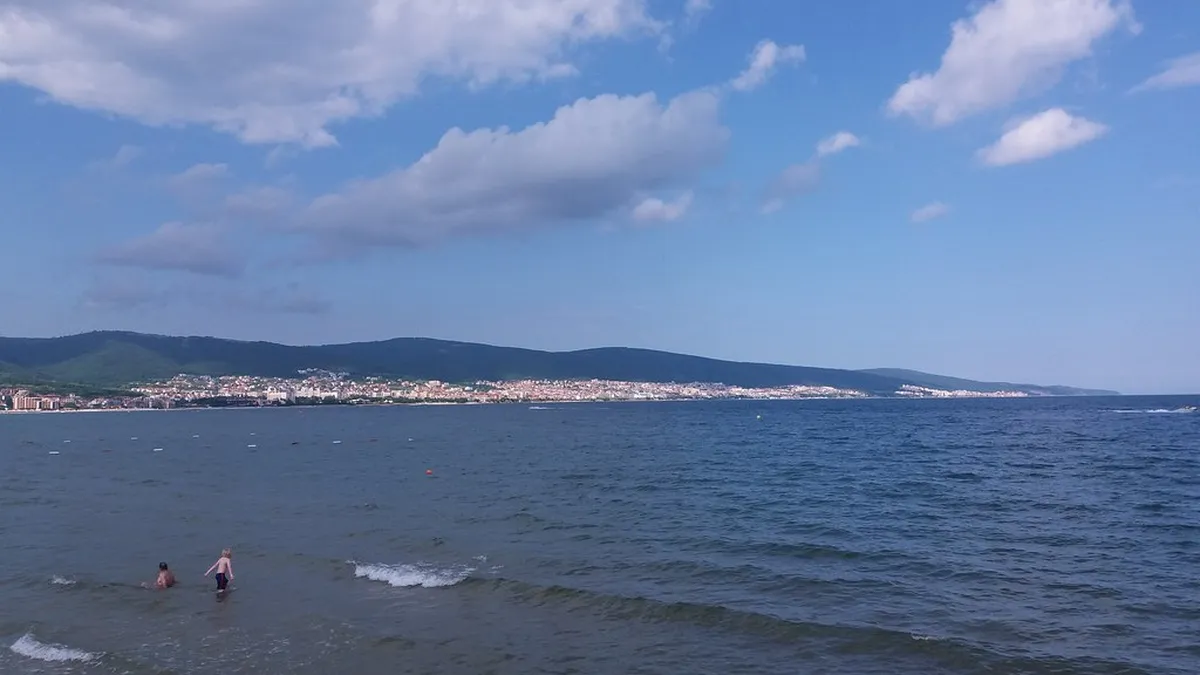
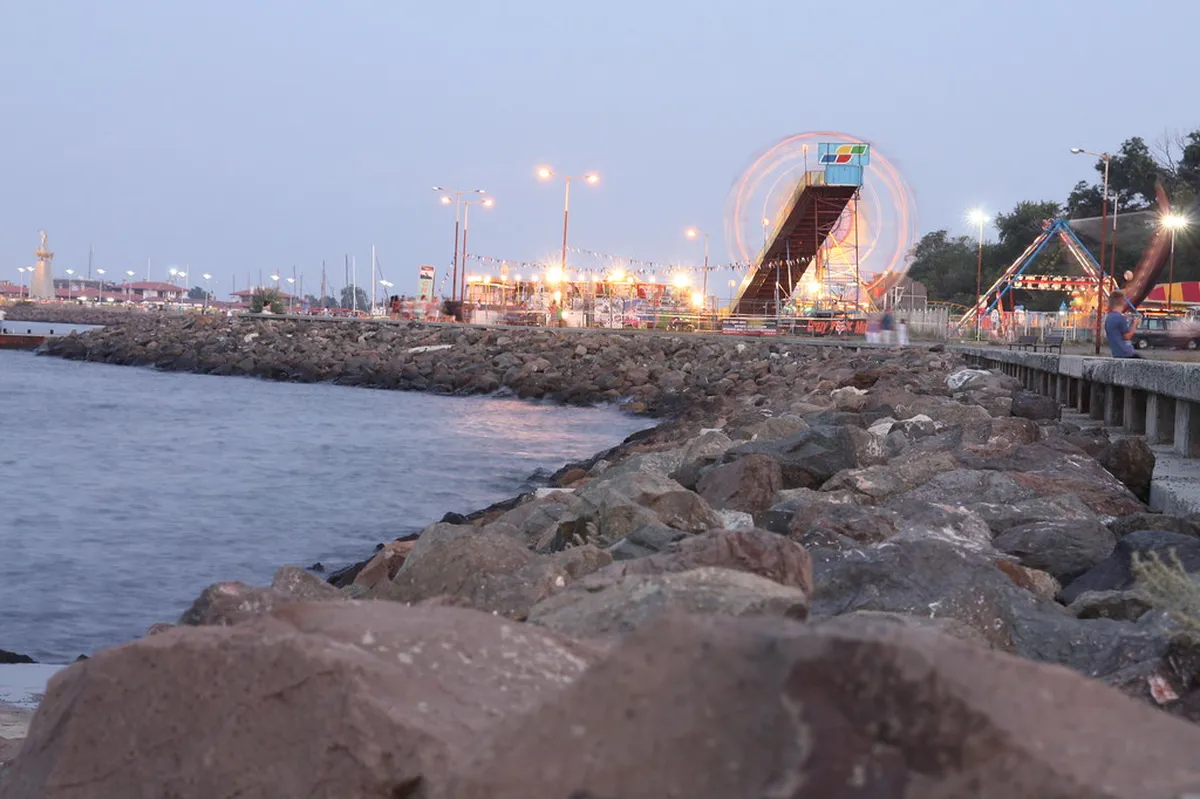
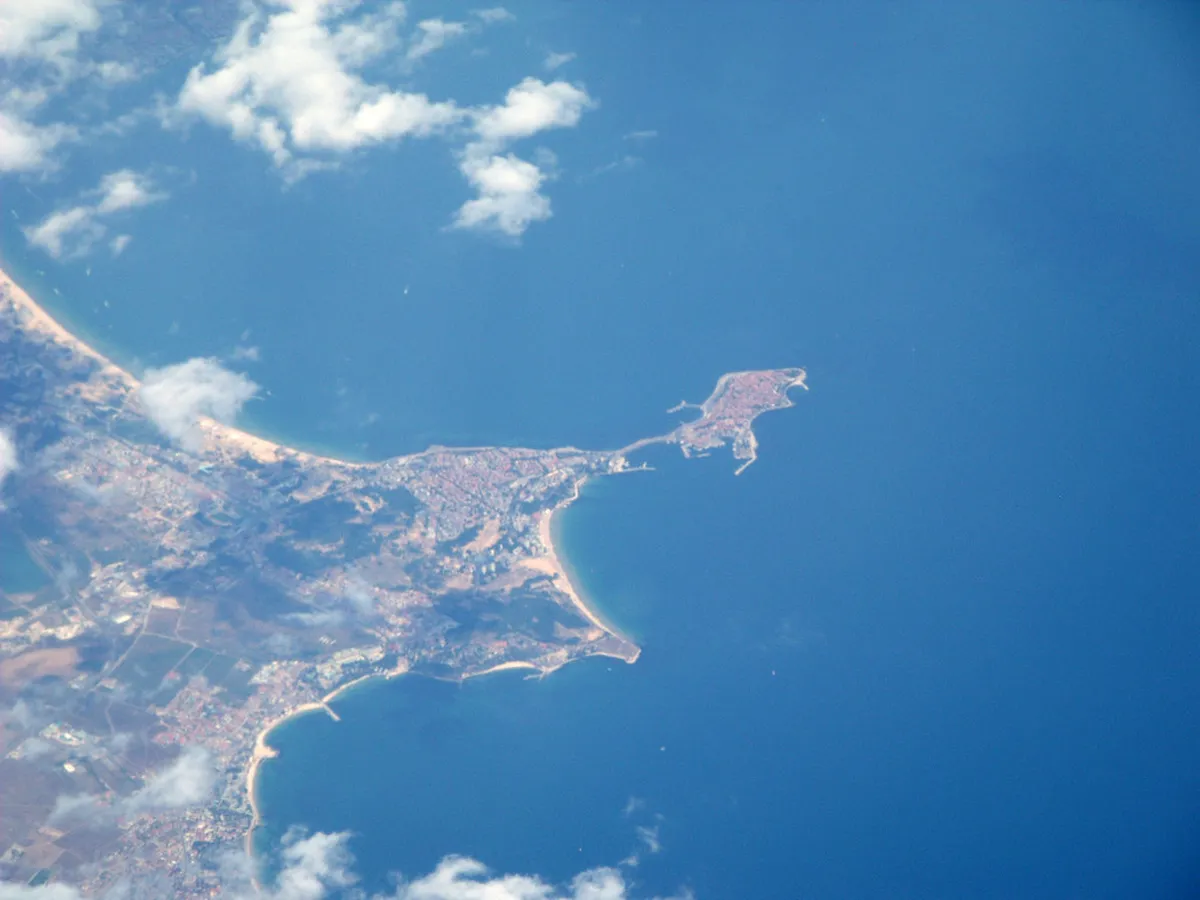
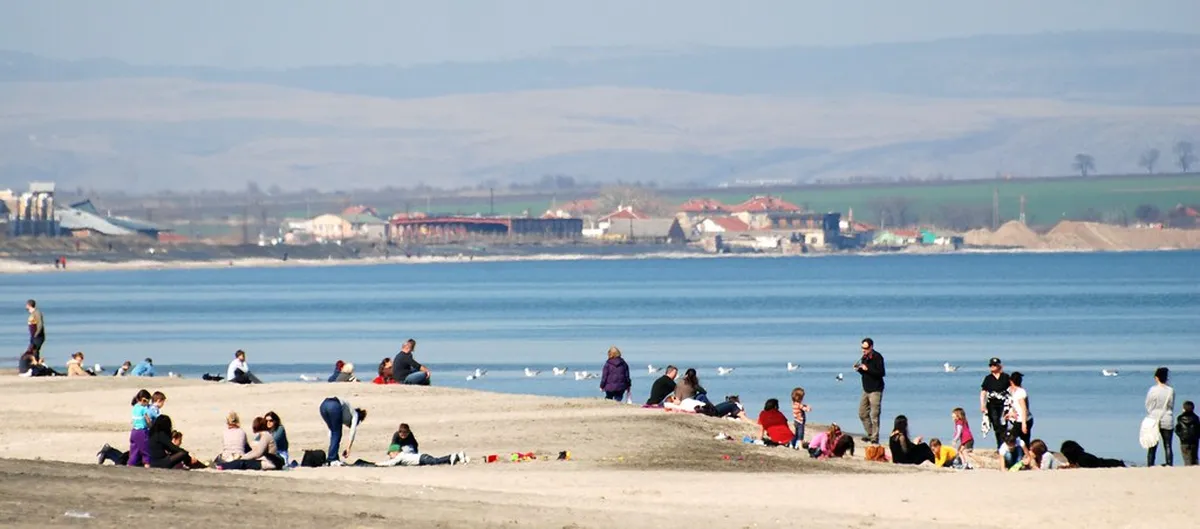
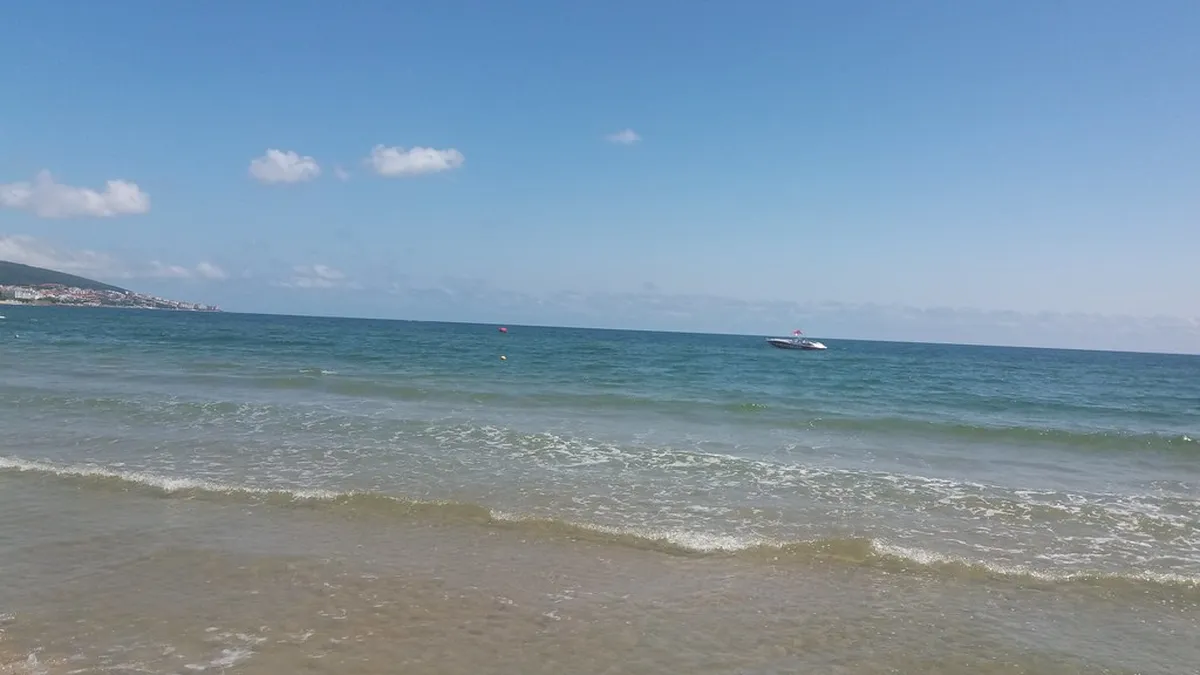
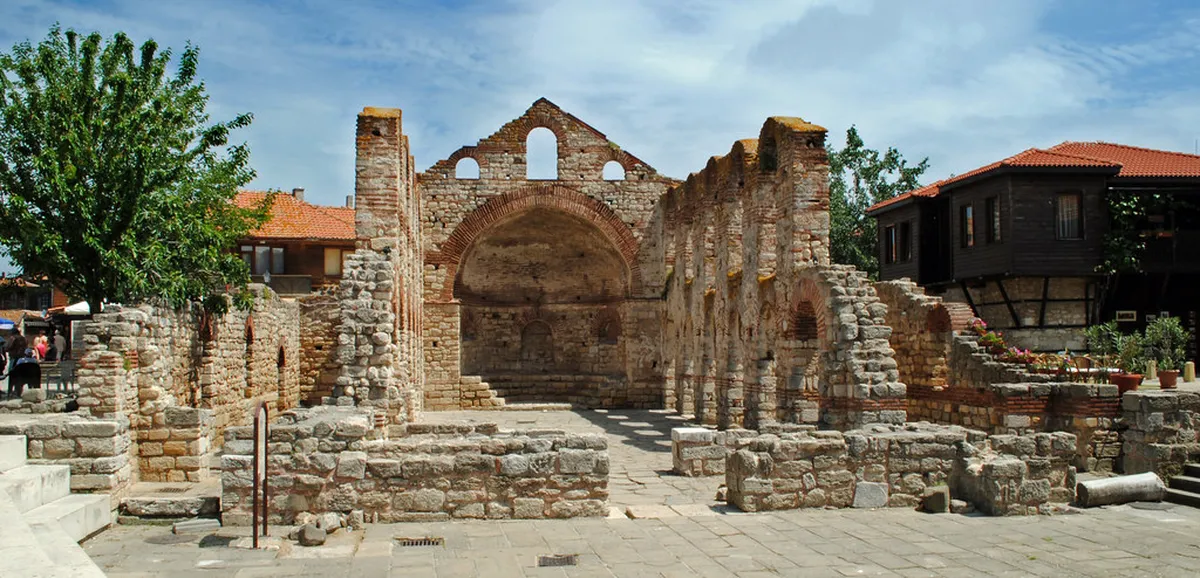
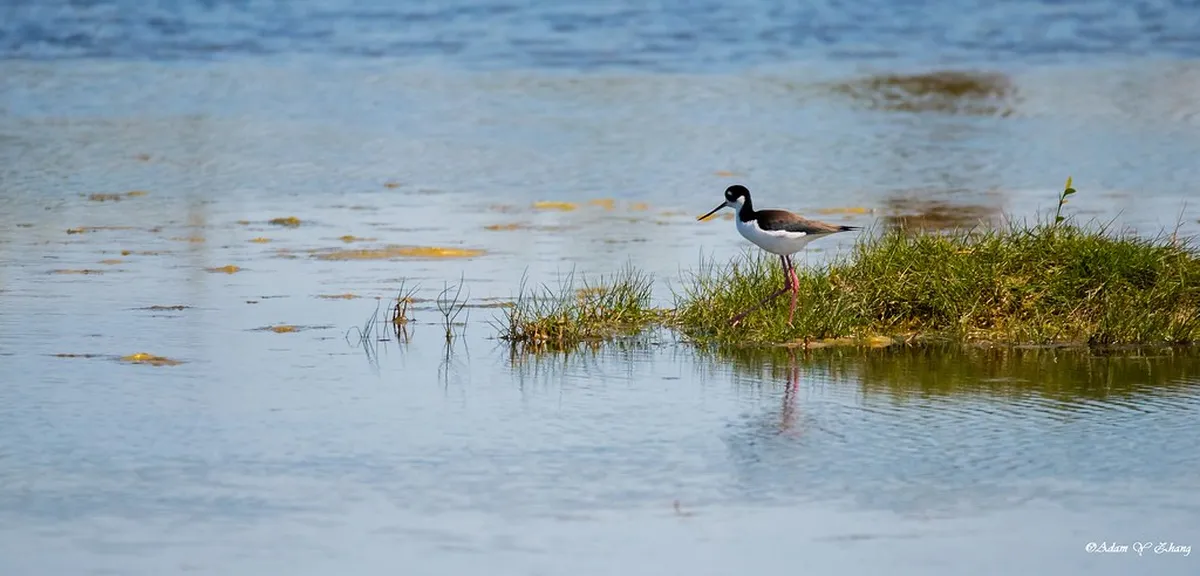
Here's a visual guide to Burgas's highlights:
At a Glance
- Ideal trip length: 2–3 days in Burgas itself
- Minimum stay: 1 full day for Sea Garden + city center
- With day trips: 4–5 days (add Nessebar, Sozopol, Atanasovsko Lake)
- Best base: City center guesthouses (50–90 BGN/night) vs. Sunny Beach resorts (120–200 BGN/night)
- Best season: June and September (24–28°C, 20–30% cheaper than July–August)
How Many Days in Burgas? (The Verdict)
Most visitors need 2 to 3 days in Burgas itself. That covers the Sea Garden, St. Anastasia Island, Atanasovsko Lake, and the city center on foot. If you add a Nessebar or Sozopol day trip, push to 4 days. If you want a full south-coast circuit with time on the beach, 5 to 7 days is the right call.
Here is a quick breakdown by traveler type:
- Transit visitor (passing through to Sofia): 1 full day is workable for Sea Garden + the old center.
- Beach-and-culture mix: 3 days hits the highlights without rushing.
- South-coast deep dive (Nessebar, Sozopol, Pomorie): 5 days gives you a day trip each way plus buffer.
- Full Bulgaria road trip (coast + Plovdiv + Rila): 7 days from Burgas is a natural loop.
Burgas is also cheaper and less crowded than Sunny Beach. Accommodation in the city center runs 50–90 BGN per night for a solid guesthouse, versus 120–200 BGN at an all-inclusive in Sunny Beach. If budget matters, Burgas wins. See our Burgas vs Sunny Beach comparison for a full breakdown.
| Days | What you can cover | Best for |
|---|---|---|
| 1 | Sea Garden, Archeological Museum, Atanasovsko Lake | Transit visitors, stopover en route to Sofia |
| 2–3 | Sea Garden, St. Anastasia Island, city center museums, Atanasovsko Lake, plus one day trip (Nessebar or Sozopol) | Beach-and-culture mix, most popular choice |
| 5 | All of the above plus Nessebar and Sozopol with full exploration time | South-coast deep dive without rushing |
| 7 | Burgas + St. Anastasia, Nessebar, Varna, Plovdiv, Rila Monastery Visitor Guide | Full Bulgaria road trip (coast to mountains) |
Best Time to Visit Burgas and the Black Sea
June and September are the sweet spot. Temperatures sit at 24–28°C, the Sea Garden is in bloom, and accommodation prices drop 20–30% compared to July and August. The Spirit of Burgas music festival runs in August and draws large crowds to the beach stage, so book accommodation at least three weeks ahead if your dates overlap.
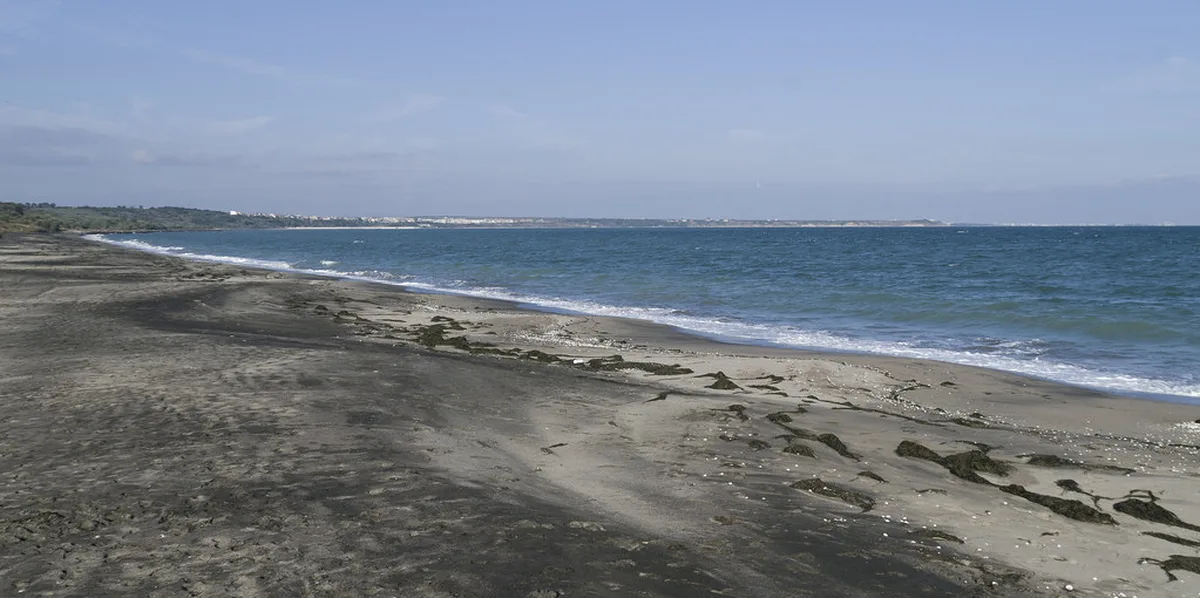
July and August are peak season. The city is busy, St. Anastasia Island boat tickets sell out by noon, and parking near the lakes gets difficult. The upside is that every restaurant, beach bar, and attraction operates at full capacity. The Sand Sculpture Festival at Sunny Beach — a short bus ride north — also runs through August, adding a free half-day excursion.
Winter brings a different experience. Most beach infrastructure closes, but Aquae Calidae thermal baths near the Burgas bypass road stay open year-round and cost around 10 BGN for a swim. Atanasovsko Lake remains walkable and the flamingos — a genuine local secret — winter here in large numbers between October and March.
June and September are the sweet spot. Temperatures sit at 24–28°C, the Sea Garden is in bloom, and accommodation prices drop 20–30% compared to July and August — a smart time to visit without peak-season crowds.
1-Day Burgas Itinerary: Sea Garden and Atanasovsko Lake
One full day works if you are in transit or testing whether Burgas deserves a longer stay. Start at the Sea Garden by 09:00. The park stretches 1.5 km along the coast and is free to enter at all hours. Walk south to the casino building (now a cultural center), then loop back through the rose alley toward the pier. Budget 90 minutes.
By 10:30, head along Bogoridi pedestrian street for a late breakfast. Most cafes serve a set breakfast (coffee, banitsa, juice) for around 6–8 BGN. Walk north to the Archeological Museum on Aleko Bogoridi — admission is 6 BGN and the Thracian gold collection alone justifies it. Allow 45 minutes inside.
After lunch in the old center, take a taxi north to Atanasovsko Lake (around 10 BGN). The lye pools are accessible on foot from the road. The water runs pale pink year-round but is most vivid in August and September when salt concentration peaks. Bring flip-flops — the mud is soft and the stones are sharp. Return to the city center by 17:00 and walk the port area in the evening. See our full Burgas 1-day itinerary for timed walking routes.
3-Day Burgas Itinerary: Including Nessebar and Sozopol
Three days is the most popular choice and covers the coast thoroughly without feeling rushed. Day 1 follows the 1-day plan above — Sea Garden, city center museums, and Atanasovsko Lake. Day 2 is the island and south-coast day. Day 3 uses public transit to reach both Nessebar to the north and Sozopol to the south.
On day 2, board the St. Anastasia Island boat from the Magazia 1 terminal. Boats depart at 10:00, 12:00, and 14:00 in summer (June–September) and cost 20 BGN return. The island holds a functioning Orthodox monastery, a small ethnographic museum (3 BGN entry), and a restaurant with sea views. Budget 3 hours on the island. In the afternoon, visit the Poda protected area for birdwatching — it sits on the south end of Mandra Lake and is free to walk.
On day 3, take the 09:00 bus from Burgas Bus Station to Nessebar (8 BGN, 45 minutes). Spend the morning in the UNESCO Old Town. Buses to Sozopol run hourly and take 35 minutes (6 BGN). Sozopol has two sandy beaches flanking the peninsula and a small ancient harbor district. Return buses to Burgas run until 21:30. For more ideas on what to see across all three days, the Burgas 3-day itinerary has hour-by-hour detail.
7-Day Bulgaria Road Trip: From the Coast to the Mountains
If you have a week, Burgas works perfectly as your starting and ending point. Rent a car here — agencies at Burgas Airport (BOJ) include Hertz, Europcar, and Budget, with compact cars starting around 40–55 EUR per day in peak season. A Bulgarian road vignette (e-vignette) is mandatory on all expressways and costs 15 EUR for one week; buy it at bgtoll.bg before you drive.
A practical 7-day loop from Burgas: spend days 1–2 in the city and on St. Anastasia Island, day 3 driving north to Nessebar and Varna (2.5 hours), day 4 driving inland to Plovdiv via the Trakia expressway (3 hours), day 5 doing the Rila Monastery day trip from Plovdiv (2 hours each way), day 6 returning toward Burgas with a stop in Sozopol, and day 7 as a buffer for Atanasovsko Lake or the Aquae Calidae baths before flying home. The full Burgas 7-day itinerary maps this loop with accommodation suggestions at each stop.
Train travel is an alternative for the Burgas–Plovdiv leg (5 hours, around 22 BGN), though road is faster for the mountain sections. Buses between all major cities run frequently and are comfortable for most routes except Rila Monastery, where a car or organized tour is near-essential.
Essential Day Trip: The Ancient Town of Nessebar
Nessebar is a UNESCO World Heritage Site and one of the oldest towns in Europe, with continuous settlement dating back over 3,000 years. The old town sits on a narrow peninsula connected to the mainland by a 300-metre isthmus. Entry to the peninsula is free. Most of the 40-odd medieval churches are open 09:00–18:00 from May to October, with individual entry fees of 3–5 BGN each.
Buses depart Burgas Bus Station every 20 minutes from 06:30 to 22:00 during summer, cost 8 BGN, and take 45 minutes. There is also a seasonal catamaran service that connects Burgas, Nessebar, and Sozopol directly by sea — a significant practical advantage over the bus that most guides overlook. The catamaran runs June through September, departs the Burgas port terminal at 09:30 and 14:30, and takes 35 minutes to Nessebar. A single ticket costs 25 BGN. It allows you to travel one direction by sea and return by bus for variety. For more ideas on coastal extensions, see Best Day Trips from Burgas.
If you plan to add Nessebar and Sozopol day trips on top of your Burgas city days, budget at least 4–5 days total. Two day trips plus sightseeing in Burgas itself will feel rushed in just 3 days, especially if you want time to relax on the beach or visit Atanasovsko Lake.
Burgas Airport vs. Varna: Which Entry Point Fits Your Route?
Bulgaria has two functioning Black Sea airports: Burgas (BOJ) and Varna (VAR), about 130 km apart. Most travelers default to whichever has the cheaper flight, but the right choice depends on your itinerary direction. If you plan to head south to Sozopol, Nessebar, and then inland to Plovdiv, fly into Burgas and out of Sofia. If your route goes north to Golden Sands and Balchik first, Varna is the better arrival point.
Burgas Airport is 8 km from the city center. Bus 15 runs to the central market for 2 BGN and takes 20 minutes. A taxi costs 15–20 BGN. Varna Airport is 8 km from Varna center and connects by bus 409 (1.60 BGN, 25 minutes). Neither airport has a rail link. Both are served by Ryanair, Wizzair, and easyJet from major European hubs, with Burgas attracting more charter volume and Varna handling more year-round scheduled service. Book the routing that matches your road-trip direction rather than chasing a €10 fare difference — the saved time in driving is worth more.
Visiting the Rila Monastery from the Black Sea
Rila Monastery is a 250 km drive from Burgas, roughly 3.5 hours each way on the Trakia expressway and the E79 south of Sofia. It is feasible as a long day trip if you set off by 07:00, but most travelers prefer to base in Plovdiv (2 hours from Rila) and visit the monastery from there. The monastery is open daily 08:00–20:00. Entry to the main courtyard is free; the monastery museum costs 5 BGN.
Dress rules are strict: long trousers or skirts reaching the knee and no sleeveless tops. Arrive before 10:00 to beat tour buses. The surrounding Rila Mountains have well-marked hiking trails starting from the monastery car park, including a 4-hour loop to Kirilova Meadow with mountain views. The Seven Rila Lakes Visitor Guide hiking area is a further 2-hour drive north and requires a gondola ride (20 BGN return) plus 3–4 hours of trail walking.
Plovdiv: A Cultural Stop on Your Way to Burgas
Plovdiv breaks up the Sofia-to-Burgas drive naturally. The drive from Sofia to Plovdiv is 150 km (1.5 hours on the Trakia), then Plovdiv to Burgas is another 200 km (2.5 hours). Allocate one night minimum here — one day is enough to cover the Roman Amphitheatre, the Old Town cobblestone district, and the Kapana creative quarter. The Amphitheatre hosts live performances most summer evenings; tickets start at 15 BGN and can be bought at the gate.
The free walking tour of Plovdiv meets daily at 11:00 at the Old Post Office on pl. Tsentralen and runs for 2.5 hours. It is the most efficient way to understand the city's layered history before exploring independently. Plovdiv is one of the oldest continuously inhabited cities in Europe, and you feel it walking through the old town where Roman, Ottoman, and Bulgarian Revival architecture sits within 200 metres of each other.
Sofia to Burgas: How to Connect the Capital and Coast
The fastest option is the Burgas Express train from Sofia Central Station, which takes 6 hours 30 minutes and costs 28–32 BGN. Trains depart multiple times daily; buy tickets at the station or via the BDZ app. Buses (Yug, Union Ivkoni, Etap) are slightly faster at 5 hours 30 minutes and cost 30–40 BGN, departing from Sofia Central Bus Station. A one-way internal flight from Sofia Airport to Burgas (BOJ) takes 50 minutes and costs 40–90 EUR depending on season — worth it only if time is tight and fares are low.
If you are driving, the Trakia motorway (A1) connects Sofia directly to Burgas in 4 hours under normal traffic. Make sure your e-vignette is active before entering the motorway. For city-by-city transport times from Burgas, the table below covers the main routes:
- Burgas to Nessebar: 45 min by bus, 35 min by catamaran, 35 min by car.
- Burgas to Sozopol: 35 min by bus, 30 min by catamaran, 30 min by car.
- Burgas to Varna: 2 h 30 min by bus, 2 h by car.
- Burgas to Plovdiv: 2 h 30 min by bus/train, 2 h by car.
- Burgas to Sofia: 5 h 30 min by bus, 6 h 30 min by train, 4 h by car.
- Burgas to Rila Monastery: no direct bus; 3 h 30 min by car.
Detailed local connections are in our Burgas Transportation guide. For external resources, the Free Sofia Tour is the best starting point for capital orientation, and Burgas Bus Station schedules cover all coastal routes in real time.
Practical Travel Tips: Currency, Transport, and Safety
Bulgaria uses the Lev (BGN), fixed at 1.95583 BGN per 1 EUR. ATMs are plentiful in central Burgas; avoid dynamic currency conversion at card machines. Most restaurants and hotels accept Visa and Mastercard, but smaller beach stalls and bus ticket windows are cash-only. Note that Bulgaria joined the Schengen Area in 2024 but has not yet adopted the Euro — BGN remains the only legal tender in 2026.
Burgas is a safe city. The main precaution is standard pickpocket awareness at the bus station and in the Sea Garden during peak evenings. Tap water is safe to drink throughout the city. The local bus network is inexpensive (1.80 BGN per ride) but routes can be confusing; Google Maps covers most lines accurately. Taxis are cheap — a cross-city ride rarely exceeds 15 BGN — but always confirm the meter is running before departure. Ride-hailing app Bolt operates in Burgas and is reliable for airport transfers.
For the best Burgas experience, read our guide to Top 15 Burgas Attractions before you arrive, and check the Best Time to Visit Burgas: Weather & Seasons (2026) if your dates are flexible. Both will help you match the season to what matters most to you.
Frequently Asked Questions
Is Burgas worth visiting for more than a day?
Yes, Burgas deserves at least three days. This allows time for the Sea Garden, St. Anastasia Island, and the unique pink lakes. One day is too short to experience the local coastal culture.
How do I get to the Pink Lake in Burgas?
You can reach Atanasovsko Lake by taxi or a local bus heading north. The lye and mud pools are located near the salt works. It is best to visit in the late afternoon for photos.
Can I visit Nessebar from Burgas easily?
Frequent buses run between Burgas and Nessebar every 20 minutes. The trip takes 45 minutes and costs about 8 BGN. It is a perfect and affordable day trip for any traveler.
Burgas rewards travelers who stay long enough to use it as a base rather than a stopover. Three days covers the city itself and one day trip. Five days opens up the full south coast. A seven-day loop from Burgas through Plovdiv and Rila gives you the best of the Black Sea and the Bulgarian interior in one trip. Pick the length that matches your pace, and use the itineraries above to fill every day.