Vitosha Mountain Day Trip From Sofia
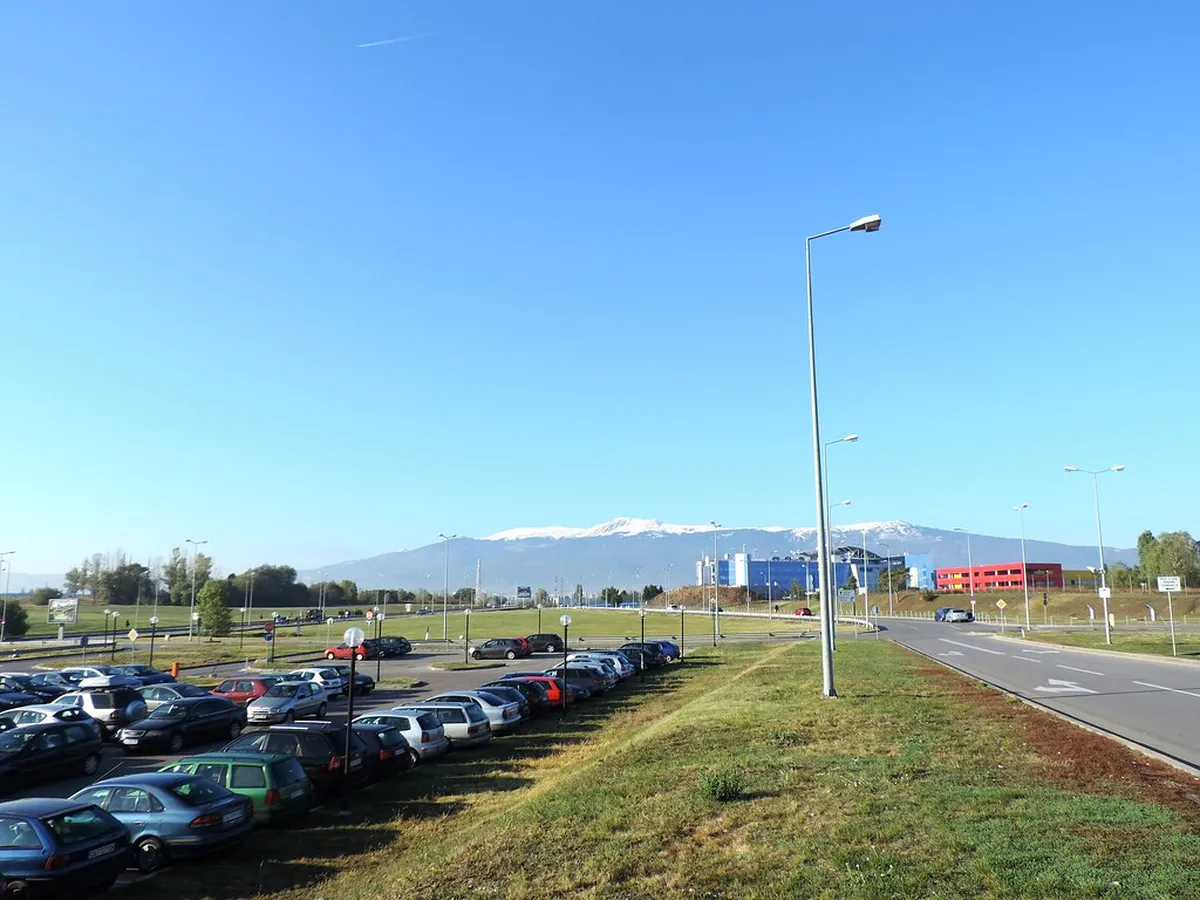
Vitosha Mountain Visitor Guide rises directly above Sofia, giving the Bulgarian capital one of the easiest mountain escapes of any European capital. The dome-shaped massif sits inside a 1934 nature park — the oldest on the Balkans — and the highest point, Cherni Vrah, reaches 2,290 metres. From central Sofia you can be on a marked trail within 45 minutes by bus or taxi.
The mountain is the headline of any list of Top 15 Outdoor & Nature Activities in Sofia and works for almost any fitness level: short forest loops at Zlatnite Mostove, family hikes to Boyana Waterfall, and the leg-burning ascent of Cherni Vrah from Aleko Hut. Note that Vitosha is not Rila — Rila is the much larger range two hours south, home to the Seven Lakes and Rila Monastery Visitor Guide. Many first-time visitors mix them up and book the wrong day trip.
Quick Summary: take Bus 66 from Hladilnika terminal to Aleko Hut for the Cherni Vrah side, or Bus 63 (or 122) to Zlatnite Mostove for the Golden Bridges side. Both run only on weekends and public holidays, and the Simeonovo gondola is also weekend-only. On weekdays, plan a taxi (around 25–35 BGN / 13–18 EUR one way). Always check the weather before you set off — Vitosha is famous for sudden fog and storms.
Why Vitosha Mountain is the Perfect Day Trip
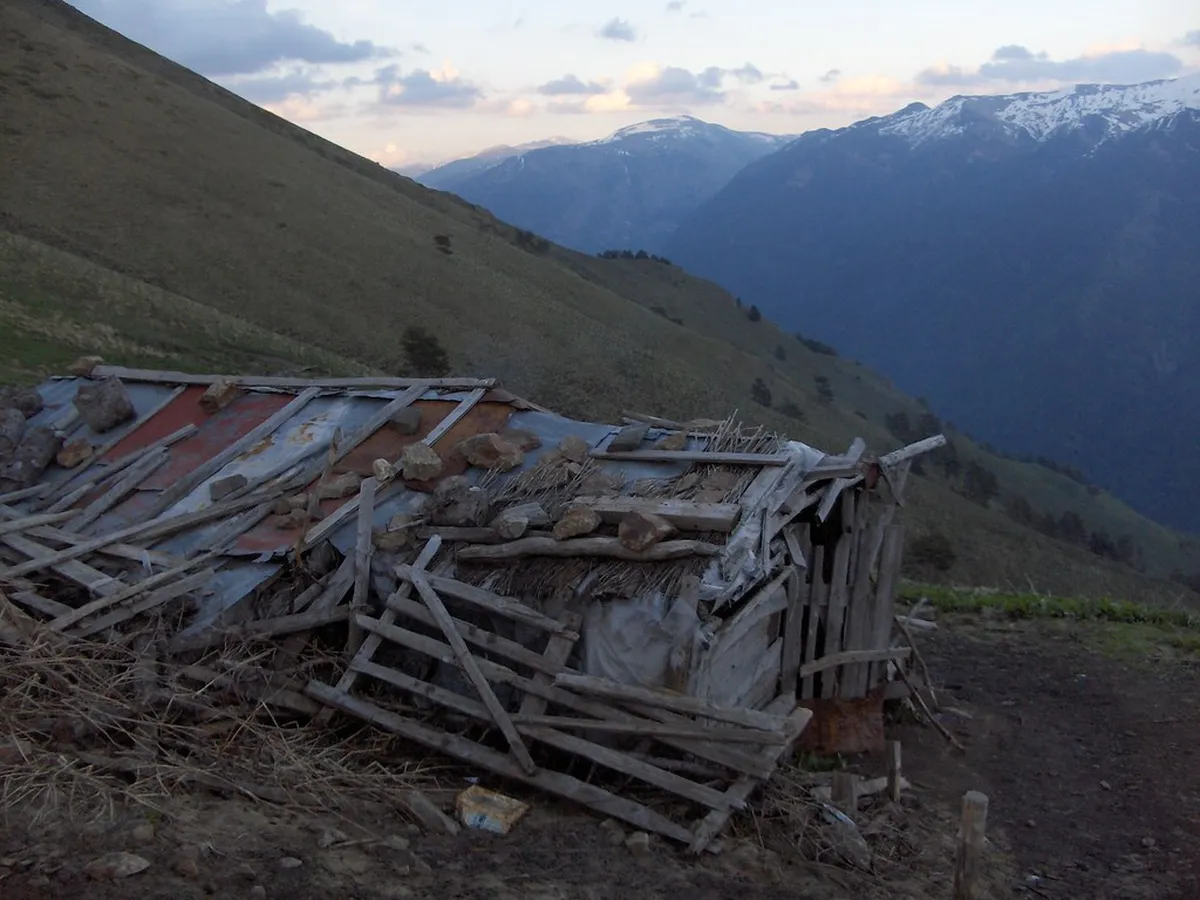
Few capitals offer this much real wilderness inside city limits. The Vitosha Nature Park covers more than 27,000 hectares and includes two strict reserves, Bistrishko Branishte and Torfeno Branishte (the Peat Reserve). Brown bear, red deer, and chamois live on the upper slopes, although you are far more likely to see roe deer, foxes, and a parade of dogs walked by Sofia residents.
The proximity is the real selling point. You can wake up in a Sofia hotel at 8:00, be on the trail by 10:00, summit Cherni Vrah by early afternoon, and be back in town for dinner on Vitosha Boulevard. Locals use the mountain like a city park — running clubs on the Boyana paths, families at Zlatnite Mostove on Sundays, and skiers at Aleko in winter.
Because Vitosha is dome-shaped and was never glacially carved, the terrain is gentler and more forgiving than Rila or Pirin. The marked trail network is dense, signage uses the standard Bulgarian colour-blaze system, and most routes finish at a hut where you can buy bob chorba (bean soup) and warm tea. For a half-day or full-day escape, the value-to-effort ratio is hard to beat anywhere else in Europe.
How to Get to Vitosha from Sofia (Transport Options)
| Option | Details (from Sofia centre) |
| Bus 66 (Cherni Vrah side) | Hladilnika to Aleko Hut, ~45 min, 1.60 BGN / 0.80 EUR — weekends and holidays only |
| Bus 63 / 122 (Golden Bridges) | To Zlatnite Mostove, weekend-only, same 1.60 BGN / 0.80 EUR fare |
| Bus 93 (weekday access) | Runs daily to the foothill trailheads — the public-transport option Monday to Friday |
| Taxi (any day) | Sofia centre to Aleko ~25–35 BGN / 13–18 EUR one way; runs seven days a week |
| Simeonovo gondola | 1,200 m up to Aleko at 1,810 m — weekends and holidays only, 09:00–17:00 |
Bus 66 is the workhorse for the Aleko / Cherni Vrah side. It departs from Hladilnika bus terminal (metro line 1, Hladilnika station) and climbs through the pine forest to Aleko Hut at 1,810 metres. A single ride costs 1.60 BGN (about 0.80 EUR) on a card or via the Sofia transport app, and the journey takes around 45 minutes. Critical detail: Bus 66 only runs on Saturdays, Sundays, and public holidays. There is no Bus 66 service on weekdays.
For the western side of the mountain, Bus 63 from Hladilnika and Bus 122 from the Cancer Hospital stop both reach Zlatnite Mostove (Golden Bridges). Both follow the same weekend-only schedule. The Sofia City Guide Transport page lists current departure frequencies, which are roughly every 30–45 minutes during peak hours.
Taxis run seven days a week. A metered ride from central Sofia to the Simeonovo lift base or Hladilnika is typically 12–18 BGN (6–9 EUR), and from there up to Aleko adds another 15–20 BGN. Expect 25–35 BGN (13–18 EUR) total for one-way Sofia centre to Aleko, slightly more to Zlatnite Mostove. Stick to branded taxis with yellow livery and a printed price-per-km on the rear window — OK Supertrans, Yellow 333, and 9-1-2-9 are the safe operators.
The weekday gap is the single most-missed detail. Bus 66 and Bus 63 do not run Monday to Friday, but that does not mean a taxi is your only option. Bus 93 runs to the foot of the mountain every day of the week, dropping you at the base trailheads where the Boyana Waterfall and lower forest loops begin; Bus 123 also serves the Simeonovo lift base year-round. From either, you continue on foot — you simply lose the lift-and-bus shortcut up to Aleko, not the mountain itself. So a weekday Vitosha hike is entirely doable by public transport if you pick a foothill trail rather than the Cherni Vrah summit route.
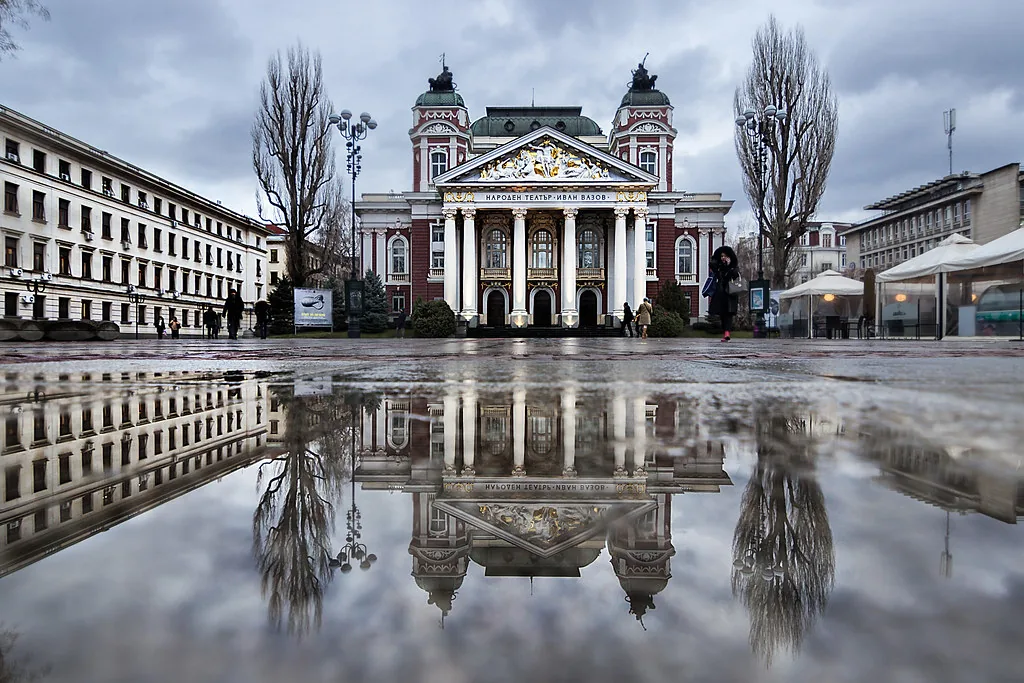
Free options exist on summer weekends too. The supermarket chain LIDL has historically run two free morning shuttle buses to a Vitosha trailhead from the Vasil Levski Stadium area (typically departing around 08:00 and 09:00, returning late afternoon) — arrive early, as seats fill fast. Separately, the free Sofia Green Tour departs daily from the Ivan Vazov National Theatre Visitor Guide between roughly April and November; you can simply turn up without a reservation. Both are worth checking the night before, since exact times shift season to season.
For all options, our guide to Sofia Transportation covers ticket types, the Sofia transport app, and how to use a contactless card. From 2026 onward, fares are quoted in both BGN and EUR as Bulgaria moves through the euro adoption process — drivers and machines accept both, and contactless cards convert automatically.
Top Hiking Trails: From Cherni Vrah to Golden Bridges
The classic ascent of Cherni Vrah starts at Aleko Hut (1,810 m) and follows the red-marked trail south up a steep slope, joining a gravel service road that climbs to the meteorological station on the summit at 2,290 m. Allow 1.5 to 2 hours up, around an hour back, with roughly 480 m of vertical gain. The summit teahouse serves bob chorba and beer on weekends only — a fact worth knowing before you set off mid-week with no food in your pack.
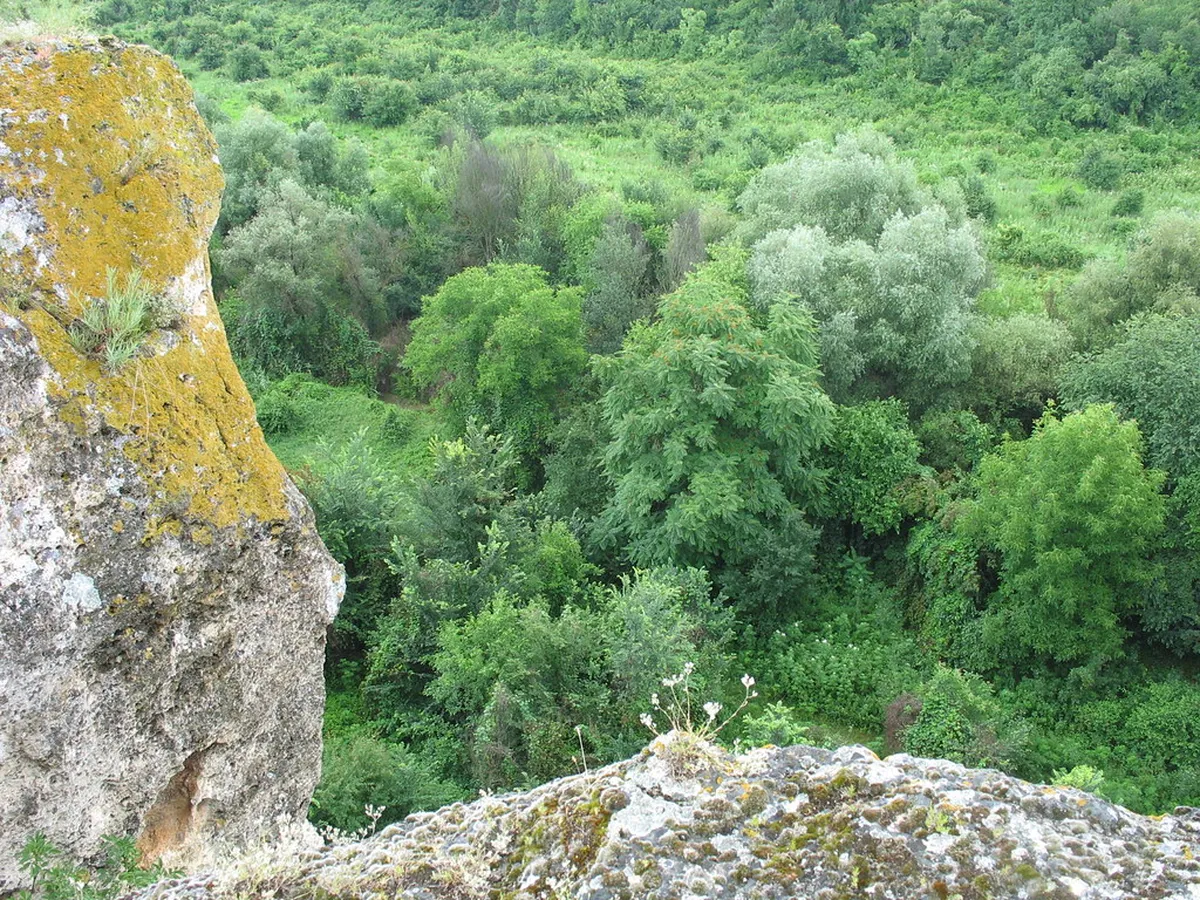
Zlatnite Mostove (Golden Bridges) sits on the western flank and is a much gentler day. The car park is the trailhead, and from here easy paths lead along the famous "stone river" — a roughly one-kilometre run of granite boulders coated in golden-yellow Rhizocarpon lichen, which gives the area its name. These boulder fields are not glacial moraines (Vitosha had no glaciers); they formed under periglacial freeze-thaw cycles during the last Ice Age, when frost weathering shattered the granite caps and gravity slowly slid the blocks downhill. That geology is the reason Vitosha's stone rivers look like nothing in the Alps.
The Boyana Waterfall hike begins in Boyana neighbourhood at the foot of the mountain. The recommended green-marked path climbs gradually past Boyana Lake and reaches the 25-metre waterfall in around 90 minutes. The alternative red trail along the river is steeper and slippery — avoid it after rain. Serious trekkers should know that Vitosha lies on the European long-distance path E4; the Aleko-to-Cherni Vrah segment is part of it, signposted with the standard E4 white-and-yellow blaze. For full route descriptions, consult the Bulguides Hiking Info before you go.
- Cherni Vrah Ascent
- Duration: 2-3 hours
- Difficulty: Moderate
- Starting Point: Aleko Hut
- Best for: Panoramic views
- Golden Bridges Walk
- Duration: 1 hour
- Difficulty: Easy
- Starting Point: Zlatnite Mostove
- Best for: Stone rivers
- Boyana Waterfall Trail
- Duration: 2 hours
- Difficulty: Moderate
- Starting Point: Boyana Village
- Best for: Nature photos
Must-See Landmarks: Boyana Church and Kopitoto Tower
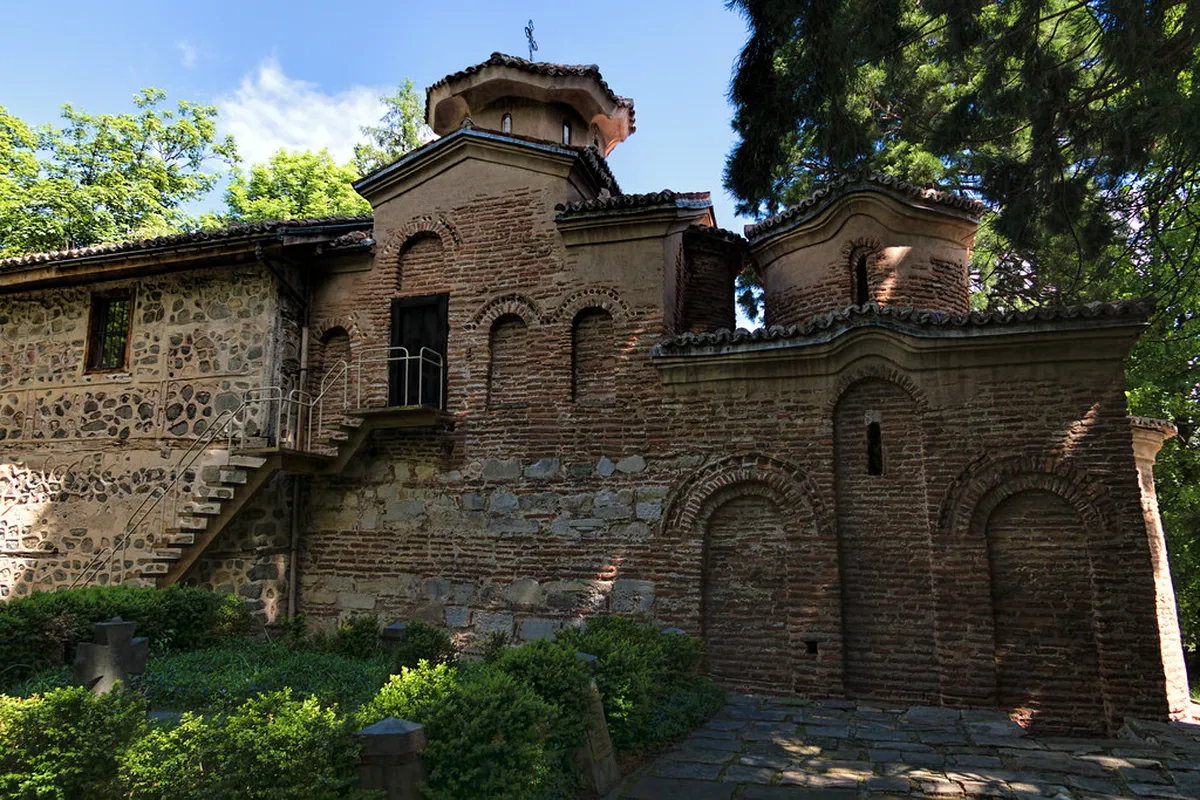
Boyana Church Visitor Guide sits at the foot of the mountain in Boyana neighbourhood and is one of Bulgaria's flagship UNESCO World Heritage sites. The frescoes in the central chapel, painted in 1259, are considered among the most important medieval paintings in Europe — they pre-date the Italian Renaissance by decades and use a strikingly naturalistic style. Entry is timed and capped at 8 visitors for 10 minutes at a time, so book online a day or two ahead in summer. Tickets are 10 BGN (5 EUR) for adults; see the UNESCO Boyana Church Profile for the heritage listing details.
Combining Boyana Church with the Boyana Waterfall hike makes a strong half-day cultural-plus-nature loop. From central Sofia, take metro line 2 to Vitosha station, then transfer to Bus 64, getting off at Boyansko Hanche stop. The church is a five-minute walk; the waterfall trailhead starts another ten minutes uphill. This is one of the most rewarding cultural Things To Do in Sofia, Bulgaria for any visitor with a couple of free hours.
Kopitoto — "The Hoof" — is the 1985 TV tower at 1,345 m on Vitosha's western flank. The tower itself is closed to the public, but the rocky outcrop beside it offers some of the Sofia's Best Views in 2026, especially at sunset when the city lights start coming on below. To reach Kopitoto without a car: take Tram 5 from central Sofia to its terminus in Knyazhevo, then follow the marked trail roughly 700 m up over 2–2.5 hours. Most general guides skip this and assume you will take a taxi (around 50–60 BGN / 25–30 EUR round trip with waiting time), but the tram-plus-hike combination is half the cost and adds a genuine forest walk through the western slopes.
Lift Status Realities: Simeonovo vs Dragalevtsi
The single biggest source of frustration on Vitosha is showing up at a lift base only to find the lift closed. There are two main lifts and they fail in different ways, so you need a backup plan before you leave the city.
The Simeonovo gondola runs from 1,200 m up to Aleko Hut at 1,810 m. It is the primary lift for the Cherni Vrah side and the only one that reaches Aleko reliably. In 2026, the gondola operates weekends and public holidays only, generally 09:00 to 17:00, weather permitting. It is regularly closed for annual maintenance in late spring and early autumn — usually two to four weeks at a stretch — and high winds at the upper station shut it down with little notice. There is no live status app; the operator posts updates on the Vitosha Ski Facebook page and the official vitosha-ski.com site.
The Dragalevtsi chairlift goes up the eastern side toward Goli Vrah and Bai Krustyo. It has been intermittently out of service for years and as of 2026 is still not operating on a regular public schedule. Treat it as effectively closed unless you see it confirmed running on the day you visit. Plan around the Simeonovo gondola, not Dragalevtsi.
Quick decision matrix: weekend with calm weather → Simeonovo gondola is your fastest route to Aleko. Weekend with strong winds or fog → take Bus 66 instead, which still runs even when the lift is closed. Weekday → no lift and no Bus 66; either taxi to Aleko (around 30 BGN / 15 EUR) or pick the Boyana Waterfall or Zlatnite Mostove trails, which are reachable by city bus or tram from the foothills.
💡 Good to know: There is no live lift-status app for Vitosha. Before you head out, check the operator's updates on the Vitosha Ski Facebook page or the official vitosha-ski.com site — and always have a Bus 66 (weekend) or Bus 93 (weekday) backup in mind, since high winds can shut the Simeonovo gondola with little notice even on a clear day.
Seasonal Activities: Skiing and Winter Sports
From mid-December to early March, Vitosha switches over to ski mode at the Aleko area. The runs are short by Alpine standards — the longest is around 5 km — but the prices are unbeatable and the snow is reliable above 1,800 m. A day lift pass is around 50 BGN (25 EUR), full-day rentals run 30–40 BGN (15–20 EUR), and a 2-hour group lesson at the ski school is around 60 BGN (30 EUR). Night skiing runs Friday and Saturday evenings under floodlights.
Spring (April–May) is the wildflower window, when the meadows below Aleko fill with crocuses and the Boyana Waterfall is at peak flow from snowmelt. Trails can be muddy and patches of snow remain above 2,000 m into early May. Autumn (late September–October) is arguably the best hiking season — beech forests turn red and gold, the air is crisp, and the storm risk is lower than in summer.
Summer (June–August) means stable hiking weather but afternoon thunderstorms that build over the dome and can be violent. Start early — be on the summit by midday and off the exposed plateau by 14:00. Vitosha hosts a small calendar of mountain festivals each summer in 2026, with folk-music nights at Aleko and Goli Vrah huts on selected weekends.
Practical Planning: Weather, Safety, and Mountain Huts
Vitosha's dome shape makes it a magnet for sudden storms. Fog can swallow the trail markers in five minutes on the upper plateau, and lightning is a real risk above the treeline from June through August. Carry a waterproof shell, a fleece, gloves, and at least one litre of water per person, even on a sunny summer morning. Phone reception is good across most of the mountain but drops in the Peat Reserve and on the leeward side of Cherni Vrah.
Always tell someone — your hotel front desk, a friend, or a partner — your planned route and expected return time. The Bulgarian mountain rescue number is 112 (general European emergency line); they have a Vitosha-based team that can reach most trails within 90 minutes. A charged phone and a power bank matter more than fancy GPS gadgets. Download the OpenStreetMap-based maps.me or Organic Maps app and pre-cache the Vitosha tile before you leave wifi.
Mountain huts (hizha) are the network of cabins where you eat, refill water, and shelter. Aleko, Goli Vrah, Momina Skala, and Kumata are the main ones. They serve the same short menu: bob chorba (white bean soup, around 6–8 BGN / 3–4 EUR), shopska salad, grilled sausages (kebapche), and herbal mountain tea. Bring small bills — card readers exist but often fail. Most huts close mid-week outside ski season, so a Tuesday hike means packing your own lunch.
Vitosha is the headline destination on any list of Day Trips From Sofia: Complete 2026 Hub Guide and slots cleanly into a Sofia Itinerary if you only have a morning. Proper footwear matters even on the easy trails — trail runners or hiking shoes, not sneakers.
💡 Good to know: Most mountain huts and the Cherni Vrah summit teahouse open on weekends only and close mid-week outside ski season. If you hike on a Tuesday or Wednesday, pack your own lunch and water — do not count on buying bob chorba at the top — and bring small bills for the days the huts are open, since card readers often fail.
What to Pack for a Vitosha Day Hike
Vitosha's dome shape and 2,290-metre summit mean mountain weather, not city weather — pack for layers and sudden change even if Sofia is warm and clear when you leave. The summit can be a full 10–15°C colder than the foothills, and fog or a storm can roll in within minutes on the upper plateau. Build your day pack around the essentials below and you will be ready for either the gentle Zlatnite Mostove stroll or the leg-burning Cherni Vrah ascent.
- Layers: a moisture-wicking base, a fleece, and a waterproof shell — temperatures swing sharply with altitude.
- Proper footwear: trail runners or hiking shoes with grip, never sneakers, even on the easy paths.
- Water and snacks: at least one litre per person, plus food, since the summit teahouse and most huts open weekends only.
- Sun protection: a hat, sunglasses, and sunscreen — the exposed plateau offers little shade.
- Charged phone and a power bank: more useful than fancy GPS gadgets, and reception is good across most of the mountain.
- Offline maps: pre-cache the Vitosha tile in maps.me or Organic Maps before you leave wifi, in case fog hides the trail blazes.
- Small bills: hut card readers often fail, so carry coins and small notes for bob chorba and tea.
DIY vs Organized Tours: What Each Costs
A self-guided weekend day on Vitosha is one of the cheapest mountain experiences in Europe. Round-trip Bus 66 from Hladilnika is 3.20 BGN (1.60 EUR), Boyana Church entry is 10 BGN (5 EUR), and lunch at Aleko hut runs 15–20 BGN (8–10 EUR). Total: around 30 BGN / 15 EUR per person, with no booking required as long as you arrive on a weekend.
An organized half-day private tour to Boyana Church plus a Vitosha viewpoint typically costs 130–180 BGN (65–90 EUR) per person, and a full-day private guide with hiking included runs 250–350 BGN (125–175 EUR). What you pay for is hotel pickup, a guide who can talk you through the frescoes properly, and the option to combine sites that would take public transport an extra 90 minutes to connect. Worth it if you have one day in Sofia, lousy weather, or mobility limits.
Group tours sit between the two — usually 80–110 BGN (40–55 EUR) per person — but follow a fixed schedule that often only allows 30 minutes inside Boyana Church and a quick photo stop on the mountain. If you want a real hike, book a private trip or go DIY. Browse current options on the toursbulgaria.com blog for vetted operators.
Cancellation and Booking Policies for Guided Trips
Most reputable Sofia operators take a 20–30 percent deposit at booking and offer a full refund if you cancel at least 24 hours before the start time. Read the weather clause carefully — some operators reschedule for free if Bus 66 is suspended or the gondola is closed; others treat it as a no-refund event because the guide still showed up.
Private tours offer the most flexibility. You can usually swap Boyana Church for Zlatnite Mostove on the day, shorten or extend the hike, and adjust pickup times. Group tours stick to their schedule and refunds for partial-day departures are rare, so choose the format that matches your travel style and weather tolerance.
Confirm whether the price includes the Boyana Church entry ticket and bottled water, and whether mountain rescue insurance is bundled or sold separately. In 2026 most operators send digital QR confirmations to your email and accept WhatsApp messages for last-minute changes — confirm the meeting point address (not just the neighbourhood name) at least 12 hours before departure.
Frequently Asked Questions
How do I get from Sofia city center to Vitosha Mountain?
You can take Bus 66 from the Zoo station to reach Aleko or Bus 63 for the Golden Bridges. Taxis are also a popular and affordable option for small groups. Be sure to check the latest schedules on the Sofia Transportation guide before leaving.
Is Vitosha Mountain worth visiting in winter?
Yes, the mountain is excellent for winter sports like skiing and snowboarding at the Aleko resort. You can also enjoy snowshoeing on the lower trails if the conditions are right. Night skiing is a unique experience that many locals enjoy during the peak season.
How long does it take to hike Cherni Vrah?
The hike from Aleko hut to the summit usually takes between two and three hours depending on your pace. The trail is well-marked but can be rocky and steep in certain sections near the top. Plan for a full day if you want to explore other nearby peaks.
Can you visit Boyana Church and Vitosha in one day?
Yes, many travelers combine these two locations because the church is located at the foot of the mountain. You can visit the church in the morning and then take a taxi to the hiking trails. This makes for a perfect mix of culture and nature.
Can you hike Vitosha on a weekday without a car?
Yes. Bus 66 and the Simeonovo gondola only run on weekends and holidays, but Bus 93 reaches the foothill trailheads every day of the week, and a taxi to Aleko runs around 25 to 35 BGN one way. The simplest weekday plan is to take the daily bus to the base and hike a foothill route such as the Boyana Waterfall or Zlatnite Mostove rather than the weekend-only Cherni Vrah summit shortcut.
Vitosha rewards travelers who plan for the rhythm of the mountain: weekend lifts and buses, weekday taxis, summit early to dodge afternoon storms, and a backup plan for when the gondola closes for wind. Get those four right and you have a day that competes with anything in the Alps for a tenth of the cost.
Whether you climb Cherni Vrah, walk the lichen-coated stone rivers at Zlatnite Mostove, or pair Boyana Church with the waterfall hike, Vitosha gives Sofia something almost no other capital has — a real wilderness inside the city limits. Pack a shell, charge your phone, and check the lift status before you leave.