Krushuna Waterfalls Day Trip from Sofia: 10 Things to Know
Bulgaria hides some of its most spectacular natural wonders just a few hours from the bustling capital. A krushuna waterfalls day trip from sofia offers a refreshing escape into a world of turquoise pools and lush forests. This destination is perfect for travelers who want to see more than just the city centers. If you have already worked through the best Things To Do in Sofia, Bulgaria (2026 Guide), the falls are an ideal next step out of the capital. You will discover why these falls are considered a geological masterpiece in central the Balkan Mountains.
Here's a visual preview of what awaits on this full-day adventure:
The trip usually combines two incredible sites into one memorable day of exploration. Visitors can marvel at the biggest travertine cascade in the country before heading to a massive karst cave. Planning the logistics correctly ensures you make the most of your ten-hour adventure. This guide covers everything you need to know for a seamless journey to Northern Bulgaria.
Krushuna Waterfalls day trip at a glance (2026)
- Distance from Sofia: ~190–200 km, about 2.5–3 hours each way
- Getting there: own car or a guided tour — there is no practical direct public transport to the falls
- Krushuna entry fee: roughly 5 BGN per person (cash) for the eco-trail
- Devetashka Cave closure: shut to visitors during the bat-breeding season, early June through the end of July (dry gallery closed 25 May–31 July) — plan around it
- Time needed: a full day, roughly 10–11 hours door to door
Why Krushuna Waterfalls is a Must-Visit from Sofia
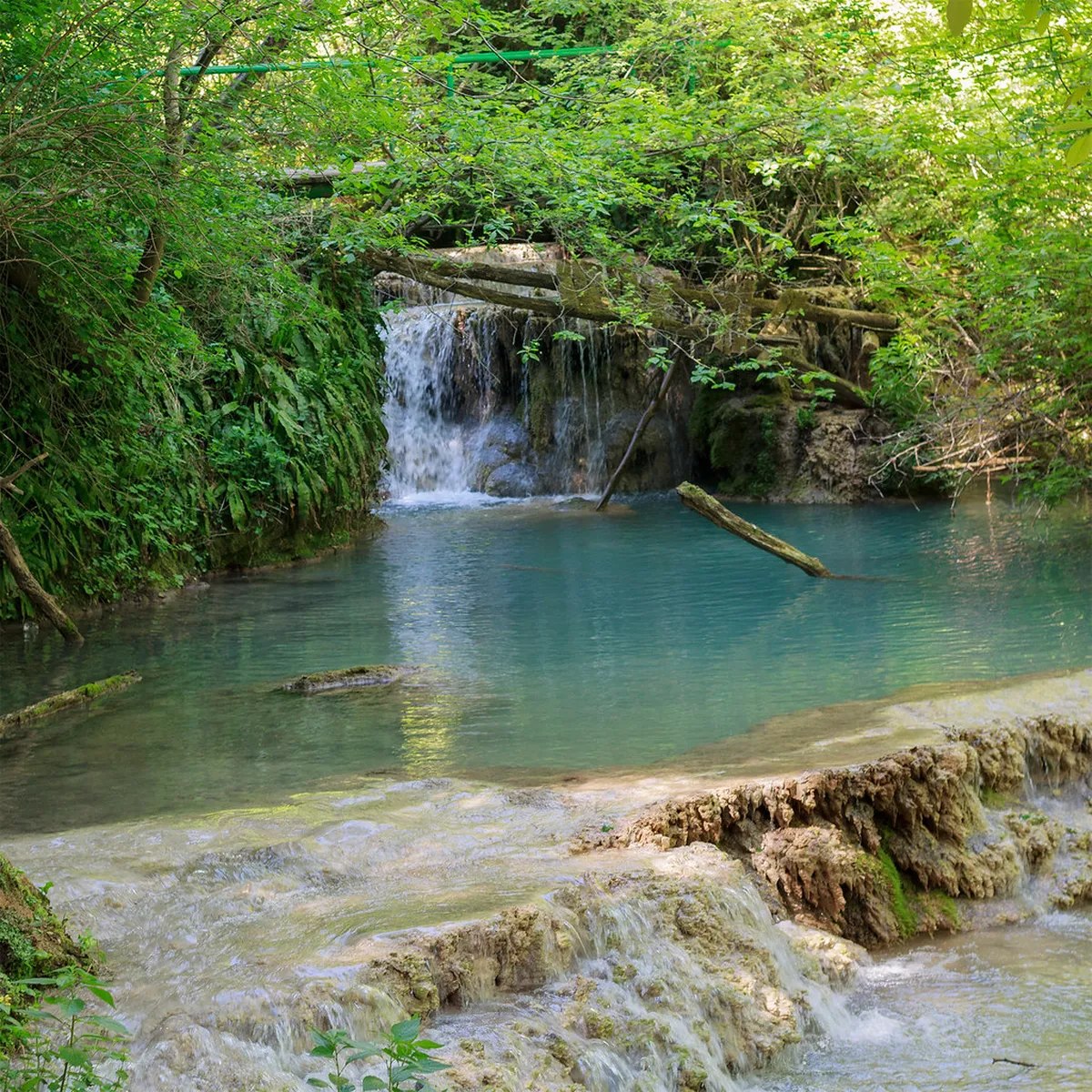
The Krushuna Waterfalls stand out as a unique natural attraction because of their rare geological formation. As the largest travertine cascade in Bulgaria, the site features a series of terraces and small pools. The mineral-rich water creates a stunning turquoise hue that looks incredible in photographs. It offers a different vibe compared to the rugged Top 15 Outdoor & Nature Activities in Sofia.
Walking through the area feels like stepping into a hidden jungle oasis. The surrounding forest stays vibrant and green throughout the warmer months of the year. Mist from the falling water keeps the air cool even during the peak of summer. This natural cooling effect makes it a favorite spot for locals seeking relief from the heat.
The site is well-maintained with a series of wooden bridges and well-marked paths. Travelers can get very close to the cascades without needing advanced hiking gear. It provides a balanced mix of light physical activity and deep relaxation. The peaceful sound of rushing water creates a calming atmosphere for all visitors.
Getting There: Driving vs. Guided Tours from Sofia
The drive from Sofia to the Krushuna region takes approximately two and a half to three hours. Renting a car provides the most flexibility for your schedule. The roads are generally in good condition, passing through scenic agricultural landscapes and small villages. Having your own car allows you to stop in Lovech for a traditional Bulgarian lunch.
Guided tours are an excellent alternative for those who prefer not to drive in a foreign country. Professional operators offer organized trips that include transport and expert commentary. Some local companies now provide eco-friendly transport options using electric or CNG vehicles. Booking a tour removes the stress of navigation and parking during the busy weekend periods.
Public transport is not recommended for this specific route due to complex transfers. Buses to the nearby town of Lovech are frequent, but reaching the falls from there is difficult. A private car or a group tour remains the only viable way to see both the falls and the cave. Plan to leave Sofia by 8:30 AM to ensure you have enough daylight for both sites.
Exploring the Krushuna Waterfalls Travertine Cascades
The main attraction at the site is the circular eco-path that winds through the cascades. Following the 40-minute rule allows you to see the highlights without rushing your experience. The path leads you past several small waterfalls before reaching the impressive 20-meter main drop. The well-maintained eco-trail is accessible for most fitness levels.
Travertine is a form of limestone deposited by mineral springs over thousands of years. This process creates the delicate rims and pools that characterize the Krushuna landscape. The water is rich in calcium carbonate, which helps the mossy rocks grow and change shape. Understanding this geology adds a layer of appreciation for the fragile beauty of the area.
The wooden bridges offer the best vantage points for capturing the turquoise water. Be careful on the steps as they can become slippery from the constant spray. Small rest areas are scattered along the trail for those who want to sit and soak in the views. The loop trail ensures you see the falls from multiple angles before returning to the entrance.
- The Main Eco-Path Loop
- Time: 40 minutes
- Difficulty: Easy to Moderate
- Highlights: Turquoise pools
- Best for: Photography enthusiasts
- The Blue Pool Section
- Location: Mid-way on trail
- Color: Deep turquoise
- Access: Via wooden bridge
- Feature: Mineral deposits
Visiting Devetashka Cave: The Karst Wonder Near Krushuna
Devetashka Cave is located only 15 kilometers away from the waterfalls. This massive karst formation is famous for its seven large holes in the ceiling called lukis. These natural skylights illuminate the interior with dramatic beams of light during the day. It is one of the most important bat habitats in Europe, housing thousands of protected species.
The cave has a long history of human habitation dating back to the Paleolithic era. In more recent years, it served as a secret military storage facility for fuel and goods. Action movie fans might recognize the entrance from the filming of The Expendables 2. The sheer scale of the entrance chamber is enough to leave most visitors speechless.
One crucial detail to plan around is the seasonal closure. Because Devetashka shelters tens of thousands of bats, the cave is closed to visitors during the bat-breeding season, from early June through the end of July (the dry gallery specifically stays shut from 25 May to 31 July), as documented by the Devetaki Plateau Association. If your trip falls in those months, you can still admire the vast entrance chamber from outside, but the interior galleries will be off limits. You can read more about its protected status and the species it hosts on Wikipedia's Devetashka Cave entry.
Photographers should visit during the late morning to capture the best light through the lukis. The cave remains cool throughout the year, so a light jacket is often necessary. Stay on the designated paths to protect the sensitive ecosystem of the cave floor. Pairing this with the falls makes for the ultimate day trip from Sofia.
Suggested One-Day Itinerary: Sofia to Lovech Region
A successful trip requires a bit of timing to avoid the afternoon crowds. Start your journey early to arrive at the Krushuna Waterfalls by 11:00 AM. Spend about 90 minutes exploring the falls and enjoying a light snack by the entrance. This schedule leaves plenty of time for the other major highlights in the region.
The next stop should be Devetashka Cave, which is a short 20-minute drive away. Dedicate about 40 to 60 minutes to walking through the massive cave chambers. After the cave, head into the town of Lovech for a late lunch near the river. The Covered Bridge in Lovech is a beautiful spot for a quick stroll and some history.
Lovech offers a variety of traditional restaurants serving hearty Bulgarian cuisine. Try the local trout or a fresh shopska salad before heading back to the capital. The return drive to Sofia usually takes about two and a half hours via the main highway. You can expect to be back in the city by 7:30 PM for dinner.
Best Time to Visit for the Turquoise Pools
Spring is widely considered the best season to see the waterfalls in their full glory. Melting snow from the mountains ensures the water volume is at its highest in April and May. The surrounding vegetation is also at its most lush and vibrant during this time. However, the paths can be muddier, so sturdy footwear is a requirement for safety.
Summer brings out the most intense turquoise colors in the mineral pools. The slower flow of water allows the sediment to settle, creating a crystal-clear appearance. June and July offer the best lighting for waterfall photos, but be aware that Devetashka Cave is closed to visitors throughout those two months for the bat-breeding season, so a pure-summer trip means seeing only the falls. If you want both sites in one day, aim for late spring or autumn instead. Keep in mind that weekends in July can also be quite crowded with local families. The falls pair well with other 12 Best Day Hikes and Tips Near Sofia: A Local's Guide (2026) if you are building a nature-focused week.
Autumn offers a different perspective with golden leaves reflecting in the blue water. The crowds thin out significantly once the school season begins in mid-September. Winter visits are possible but can be treacherous if the wooden bridges are icy. Check local weather reports before departing Sofia during the colder months of 2026.
Essential Travel Tips: What to Pack and Wear
Comfortable shoes with good grip are the most important item for this trip. The wooden walkways at the falls are often wet and can be quite slippery. Avoid wearing flip-flops or smooth-soled shoes if you plan to walk the full eco-path. Sneakers or light hiking boots are the best choice for navigating the terrain safely.
Bring a small amount of Bulgarian Lev in cash for entry fees and parking. Most small kiosks near the falls do not accept credit cards for snacks or water. Expect to pay around 5 BGN per person for entrance to the waterfall park. Having small change ready will speed up your entry and help the local staff.
Pack a reusable water bottle and some high-energy snacks for the journey. While there are cafes in Krushuna, having your own supplies saves time during the hike. Don't forget your camera or a fully charged phone for the many photo opportunities. A power bank is also useful since the drive and photography can drain batteries quickly.
Comparing Krushuna to Other Day Trips (Rila vs. Plovdiv)
Choosing the right excursion depends on your personal interests and energy levels. A 11 Essential Tips for a Rila Monastery Day Trip From Sofia focuses more on history and orthodox architecture. In contrast, the Krushuna trip is almost entirely about nature and geological wonders. Both are world-class destinations but offer very different atmospheres for the traveler.
If you prefer ancient ruins and a vibrant arts scene, consider a Plovdiv Day Trip From Sofia: A Complete 2026 Guide. Plovdiv is a city-based experience, while Krushuna is a rural mountain escape. The physical demand at Krushuna is higher than a city walk but lower than mountain trekking. It sits perfectly between a relaxed city tour and a strenuous alpine hike.
For those who want a true mountain challenge, the Vitosha Mountain Day Trip From Sofia: The Ultimate Travel Guide is much closer. If you are chasing alpine scenery instead of cascades, the Seven Rila Lakes Hike From Sofia: The Complete 2026 Guide is the classic high-mountain alternative, while a Belogradchik Day Trip From Sofia: Complete 1-Day Itinerary swaps water features for dramatic red rock formations. However, none of these lack the unique travertine pools and massive caves found in the Lovech region. Krushuna is the better choice if you want to see something truly rare and exotic. It remains one of the most visually striking 12 Best Day Hikes and Tips Near Sofia: A Local's Guide (2026) for nature lovers.
For related deep-dives, see our Boyana Church Day Trip From Sofia: The Complete Visitor's Guide and Koprivshtitsa Day Trip From Sofia Travel Guide guides.
Frequently Asked Questions
How long is the drive from Sofia to Krushuna Waterfalls?
The drive typically takes between 2.5 and 3 hours each way. Most travelers use the Hemus highway (A2) towards Lovech. It is best to depart early to avoid traffic leaving the city. You can find more route details in our guide to Day Trips From Sofia: Complete 2026 Hub Guide.
Can you swim in the Krushuna Waterfalls?
Swimming is generally prohibited in the main travertine pools to protect the fragile mineral formations. The ecosystem is very sensitive to human contact and chemicals like sunscreen. There are designated thermal pools in the nearby village where you can enjoy a soak instead. Always follow the local signs.
Is Devetashka Cave near Krushuna Waterfalls?
Yes, Devetashka Cave is located approximately 15 kilometers from the waterfalls. The drive between the two sites takes about 15 to 20 minutes. This close proximity makes them the perfect pair for a single day trip. Most guided tours include both locations in their standard itinerary.
Are there guided tours from Sofia to Krushuna and Devetashka?
Many operators offer full-day guided tours starting from central Sofia. These tours usually include transport, an English-speaking guide, and all entrance fees. Booking a tour is a great way to learn about the history and geology of the region. They typically last around 10 to 11 hours total.
A krushuna waterfalls day trip from sofia is an essential experience for any nature enthusiast visiting Bulgaria. The combination of the travertine cascades and the massive Devetashka Cave provides a diverse and exciting itinerary. By planning your transport and timing in advance, you can enjoy a stress-free day in the Balkan Mountains. The stunning turquoise pools are sure to be a highlight of your entire trip to the region.
Whether you choose to drive yourself or join a guided tour, the effort is well worth the reward. Bulgaria's natural beauty shines brightest in these hidden corners of the north. Don't forget to bring your camera and a sense of adventure for this unique geological journey. Start planning your escape from the city today and discover the magic of Krushuna.