Danube Plain Wine: Exploring Bulgaria's Northern Vineyards
The Danube Plain wine region in Bulgaria offers a captivating journey for wine enthusiasts. This northern area boasts a rich winemaking history and diverse grape varieties. Exploring its vineyards reveals unique flavors and traditions.
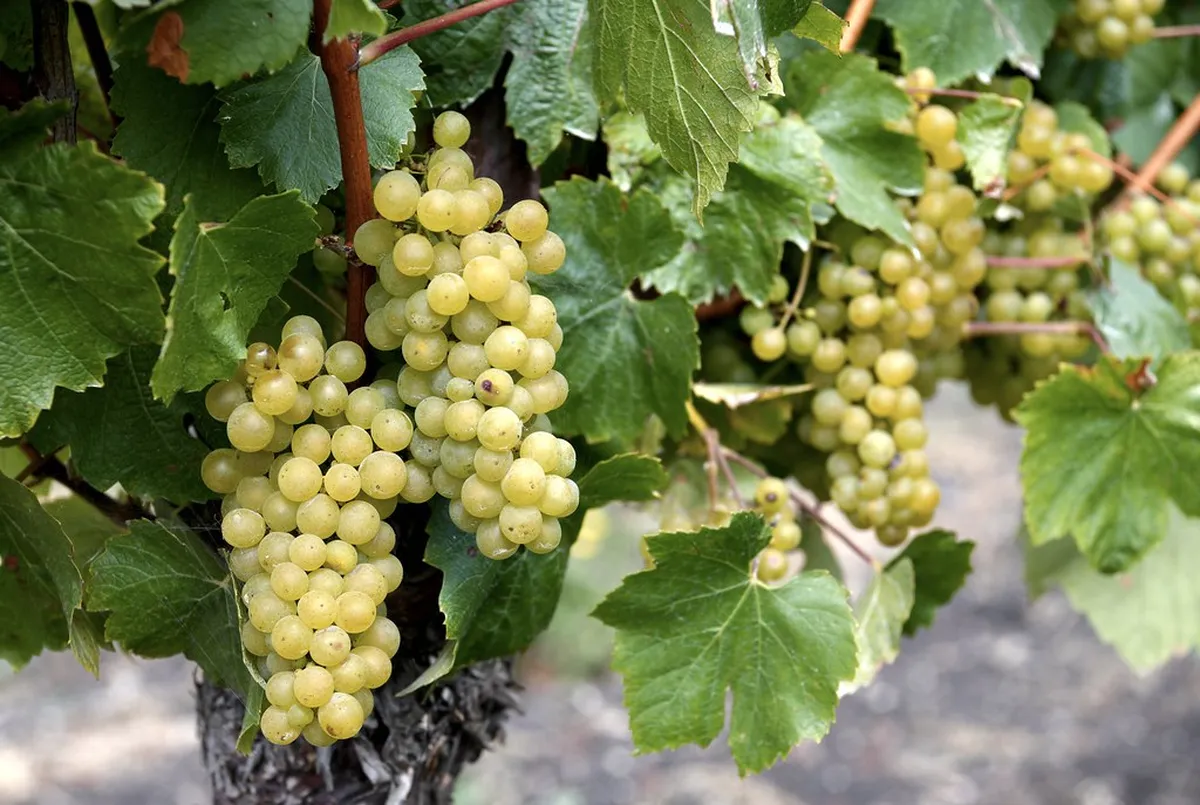
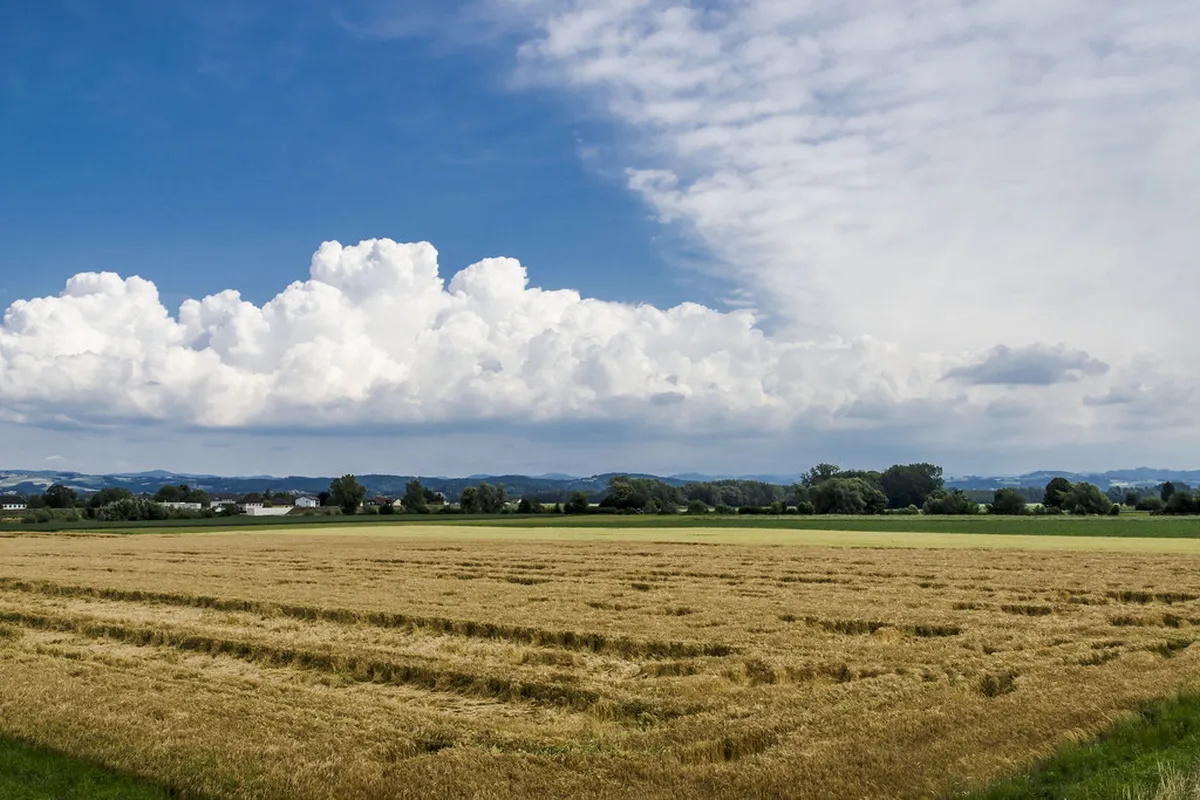
Here's a visual guide to understanding the Danubian Plain wine region's unique landscape and terroir:
This guide will delve into the distinct characteristics of Danube Plain wine. You will learn about its special terroir, signature grapes, and recommended wineries. Prepare to uncover the lesser-known places of Bulgarian viticulture.
Understanding the region's climate and soil is key to appreciating its wines. From robust reds to crisp whites, the Danube Plain provides a spectrum of tastes. Plan your next adventure to experience these authentic Bulgarian wines firsthand.
Introduction to the Danube Plain Wine Region
The Danube Plain, or Dunavska Ravnina, stands as one of Bulgaria's five official wine regions. It stretches across the northern part of the country, bordering the Danube River, and is home to the distinctive Magura Cave winery with its unique prehistoric formations. This area has been cultivating grapes for centuries, developing a strong wine identity.
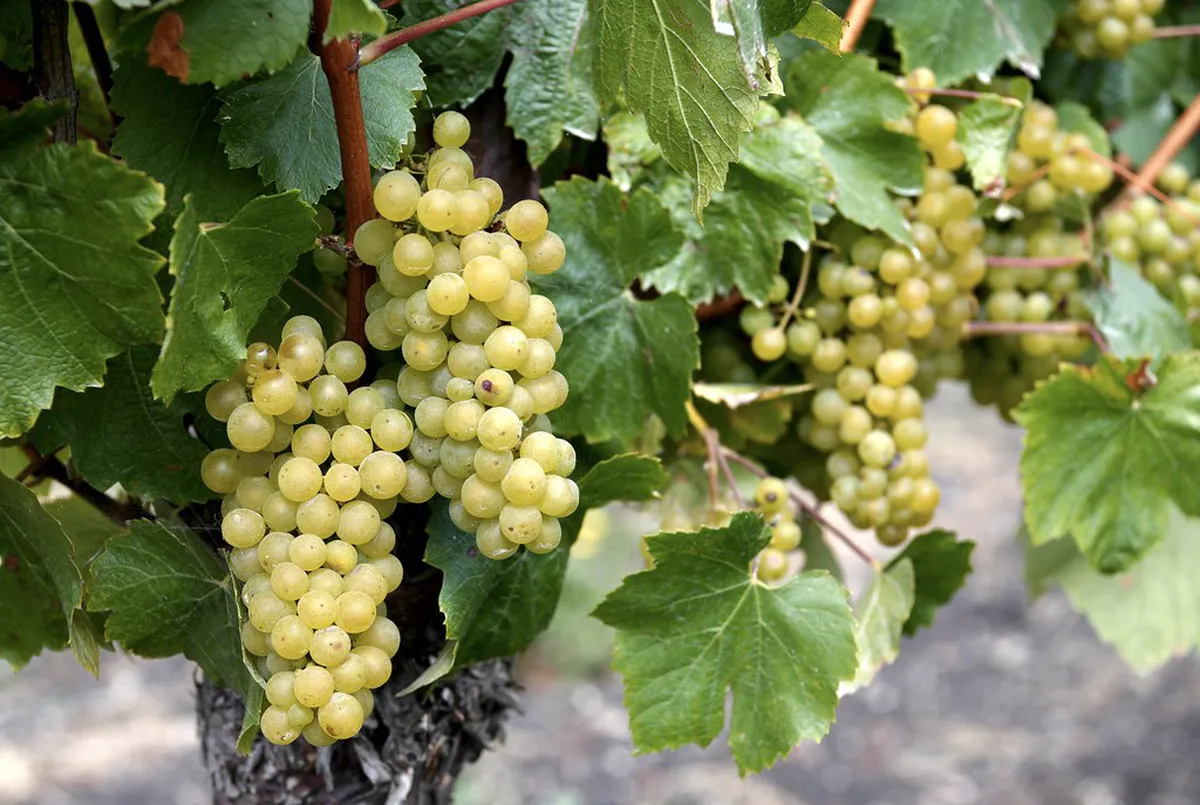
Winemakers here benefit from a continental climate, which influences grape development. The region produces a wide range of wines, from fresh whites to full-bodied reds. Many wineries blend traditional methods with modern techniques.
This region is particularly noted for its red grape varieties, though quality white wines also thrive. The proximity to the Danube River plays a crucial role in moderating temperatures. This creates ideal conditions for viticulture across the plains. Explore more Bulgarian wine regions to compare their unique offerings.
The Danube Plain wine region continues to gain international recognition for its distinctive offerings. Visitors can find both well-established producers and exciting new ventures. Each winery contributes to the rich combination of Bulgarian wine.
The Unique Terroir of the Danube Plain
The Danube Plain's terroir is a complex blend of climate, soil, and topography. Its continental climate features hot summers and cold winters. Significant diurnal temperature shifts contribute to grape ripeness and aromatic development.
The mighty Danube River exerts a moderating influence on the climate. It helps regulate temperatures, preventing extreme heat or cold in certain areas. This river effect is vital for maintaining grape health and balance.
Soils in the region vary, often consisting of chernozem, limestone, and alluvial deposits. These diverse soil types impart distinct characteristics to the wines. For example, limestone can add minerality to whites, while chernozem supports robust reds. Winerra.com provides further details on the region's terroir.
Microclimates within the plain also contribute to its diversity. Different vineyard sites offer varied sun exposure and wind protection. This allows winemakers to cultivate a broad spectrum of grape varieties successfully.
Key Grape Varieties and Wine Styles
The Danube Plain cultivates a diverse array of grape varieties, both international and indigenous. Red grapes dominate the landscape, producing rich and flavorful wines. Cabernet Sauvignon and Merlot are widely planted and highly successful here.
These international varieties yield wines with good structure and aging potential. You can find excellent examples of both varietal wines and blends. Many producers craft elegant reds that showcase the region's terroir.
White grape varieties also thrive, offering refreshing and aromatic wines. Chardonnay is a prominent white grape, often made in both oaked and unoaked styles. Local white grapes, though less common, also contribute to the region's unique profile.
Beyond these, other grapes like Pinot Noir and Sauvignon Blanc are also grown. The variety allows winemakers to produce a wide range of styles. This ensures there is a Danube Plain wine for every palate. Falstaff.com lists some key wineries in the region.
The overall style of Danube Plain wine tends towards fruit-forward expressions with balanced acidity. Reds are often robust, while whites are crisp and refreshing. This balance makes them versatile for various food pairings.
Spotlight on Gamza: Bulgaria's Indigenous Red Grape
Gamza is a truly indigenous Bulgarian red grape, also known as Kadarka in other regions. It holds significant historical importance in the Danube Plain. This varietal offers a distinctive taste that sets it apart from international grapes.
Cultivating Gamza presents unique challenges due to its thin skin and susceptibility to mold. Winemakers must carefully manage vineyards to ensure healthy grape development. Despite these difficulties, many producers are dedicated to preserving this heritage grape.
Gamza wines typically display bright red fruit aromas, such as cherry and raspberry. They often have a light to medium body with refreshing acidity and soft tannins. Some expressions can also show earthy or spicy notes.
Compared to Pinot Noir, Gamza shares a similar lighter body and red fruit character. However, Gamza often exhibits a more rustic edge and unique herbal nuances. It provides an excellent alternative for those seeking something different from familiar varietals. Pleasethepalate.com features a notable Bulgariana Gamza.
Many wineries are now focusing on producing high-quality Gamza wines. This effort helps to showcase Bulgaria's unique viticultural heritage. Seek out Gamza to experience an authentic taste of the Danube Plain.
Notable Wineries in the Danube Plain
The Danube Plain is home to several excellent wineries, each offering unique experiences. Visiting these establishments provides insight into local winemaking traditions. Many offer tours and tastings for guests.
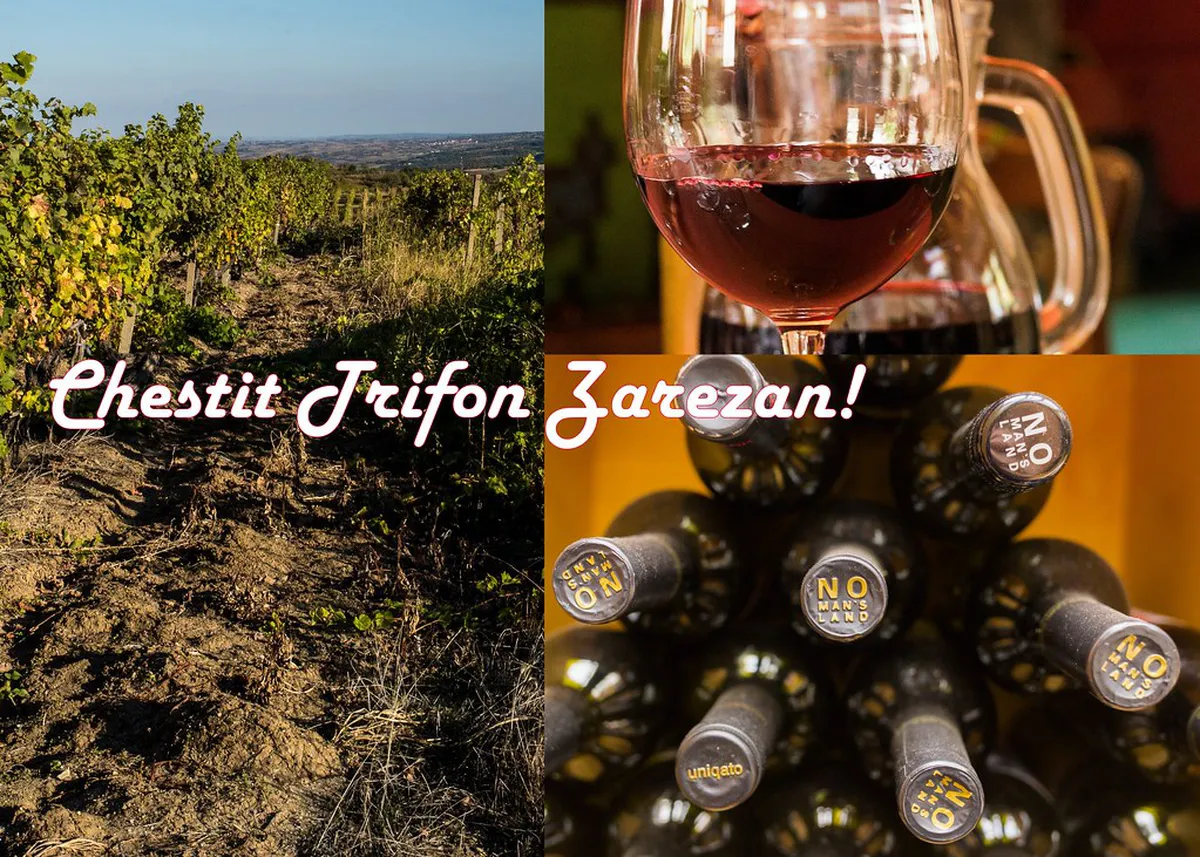
Château Burgozone is one of the most prominent wineries in the region. Located near Oryahovo, it overlooks the Danube River. They are known for their high-quality international varietals and a commitment to modern winemaking.
Other notable producers include Svishtov Winery and Rubaiyat Winery. These wineries contribute significantly to the region's reputation. They often have visitor centers where you can sample their range of wines. Discover more top Bulgarian wineries across the country.
Many wineries in the Danube Plain focus on sustainable practices. They aim to protect the environment while producing exceptional wines. This commitment reflects a growing trend in Bulgarian viticulture. Check individual winery websites for current visiting hours and booking requirements for 2026.
Tasting Notes: What to Expect from Danube Plain Wines
When tasting Danube Plain wines, expect a range of delightful sensory experiences. Each varietal offers distinct aromas, flavors, and textures. Understanding these characteristics enhances your appreciation.
Danube Plain Cabernet Sauvignon often presents dark fruit notes like blackcurrant and plum. These wines can have hints of green pepper or tobacco, with firm tannins. They typically offer a long and satisfying finish.
Merlot from this region tends to be softer, showcasing red cherry and berry flavors. You might also detect notes of chocolate or vanilla, especially in oaked versions. These wines are generally smooth and approachable.
Chardonnay from the Danube Plain can range from crisp and unoaked to rich and buttery. Unoaked styles feature apple and citrus notes with bright acidity. Oaked Chardonnays often have flavors of toast, hazelnut, and tropical fruit.
Gamza wines are a highlight, known for their vibrant red fruit profile. Expect aromas of sour cherry, raspberry, and sometimes a touch of spice. They are light-bodied with fresh acidity, making them very food-friendly. For example, the Bulgariana 2020 Gamza from the Danube Plains showcases these classic characteristics beautifully. Seewines.com offers a selection of Danube Plain wines.
Overall, Danube Plain wines are characterized by their fruit purity and balanced structure. They reflect the unique terroir and careful winemaking of the region. This makes them a rewarding experience for any wine lover.
Food Pairing Recommendations for Danube Plain Wines
Pairing Danube Plain wines with food can elevate both the meal and the wine. The diverse styles offer many delicious combinations. Consider the wine's body, acidity, and flavor profile when choosing.
For Gamza, its light body and vibrant acidity make it incredibly versatile. It pairs wonderfully with lighter meats like grilled chicken or pork. Try it with traditional Bulgarian dishes such as 'kebapche' or 'kyufte' for an authentic experience. The wine's fruitiness complements savory flavors well.
Cabernet Sauvignon and Merlot from the Danube Plain demand heartier fare. These robust reds are excellent with grilled lamb, beef stews, or rich pasta dishes. They also stand up well to aged cheeses. Consider local Bulgarian meat dishes like 'goulash' or 'moussaka'.
Danube Plain Chardonnay, especially unoaked versions, pairs beautifully with seafood and salads. Think grilled fish, shrimp, or a fresh Caesar salad. Oaked Chardonnays can handle richer dishes like roasted chicken with creamy sauces or pork tenderloin. Cheerswinemerchants.Co.uk offers Bulgarian wines for purchase.
General rule: match the weight of the wine with the weight of the food. Lighter wines go with lighter foods, and fuller-bodied wines with richer dishes. Don't be afraid to experiment with local Bulgarian cuisine.
Planning Your Visit: Tips for Exploring the Region
A trip to the Danube Plain wine region promises an enriching experience for travelers. Careful planning ensures you make the most of your visit. Consider the best time to go and how to navigate the area.

The ideal time to visit for wine tourism is during the spring (April-June) or autumn (September-October). These shoulder seasons offer pleasant weather and fewer crowds. You might even witness harvest activities in late summer or early fall.
Many wineries require advance reservations for tours and tastings. It is wise to contact them directly or book through a local tour operator. This ensures availability, especially during peak season. You can often find contact details on their official websites.
Getting around the Danube Plain often requires a car, as public transport can be limited. Renting a vehicle provides flexibility to visit multiple wineries at your own pace. Alternatively, consider booking a guided Bulgaria wine tour from Sofia for convenience.
Beyond wine, explore the charming towns and natural beauty of the region. The Danube River itself offers scenic views and recreational opportunities. Combine your wine tasting with cultural excursions for a truly memorable trip.
Continue planning: Use Bulgaria Wine Regions: A Comprehensive Guide to History & Grapes and 10 Best Wineries in Bulgaria: Ultimate Travel Guide & Map to connect this guide with the rest of your Bulgaria itinerary.
Frequently Asked Questions
What are the main characteristics of Danube Plain wine?
Danube Plain wines are known for their fruit-forward profiles and balanced structure. Red wines, like Cabernet Sauvignon and Gamza, often display rich fruit flavors and moderate tannins. White wines, such as Chardonnay, can be crisp and refreshing or creamy and oaked. The region's continental climate contributes to these distinct characteristics.
Which grape varieties are grown in the Danube Plain wine region?
The Danube Plain wine region cultivates a mix of international and indigenous grape varieties. Prominent red grapes include Cabernet Sauvignon, Merlot, and the native Gamza (Kadarka). For white wines, Chardonnay is widely planted. Other varieties like Pinot Noir and Sauvignon Blanc are also grown, contributing to the region's diverse offerings.
Is Gamza wine similar to Pinot Noir?
Gamza wine shares some similarities with Pinot Noir, particularly its lighter body and bright red fruit characteristics. Both grapes produce elegant wines with refreshing acidity. However, Gamza often presents unique rustic and earthy notes that differentiate it from Pinot Noir. It offers a distinct taste experience for those exploring indigenous varietals.
What food pairs well with Danube Plain wines?
Food pairing with Danube Plain wines depends on the varietal. Gamza pairs well with lighter meats, grilled poultry, and traditional Bulgarian dishes like 'kebapche'. Robust reds like Cabernet Sauvignon suit grilled lamb, beef stews, and aged cheeses. Crisp Chardonnays complement seafood and salads, while oaked versions go with richer poultry dishes.
Can you visit wineries in the Danube Plain?
Yes, many wineries in the Danube Plain welcome visitors for tours and tastings. Notable examples include Château Burgozone and Svishtov Winery. It is highly recommended to make advance reservations, especially during peak travel seasons. Planning ahead ensures you can enjoy a full experience. You can often find booking information on winery websites.
The Danube Plain wine region truly offers a unique and rewarding experience for wine lovers. Its distinctive terroir, diverse grape varieties, and dedicated winemakers create exceptional wines. From the indigenous Gamza to classic Cabernet Sauvignon, there's much to discover.
Planning a visit allows you to immerse yourself in Bulgaria's rich viticultural heritage. Explore charming wineries and savor authentic local flavors. The Danube Plain is a testament to Bulgaria's growing prominence in the global wine scene.
We encourage you to seek out Danube Plain wines and consider a journey to this captivating region. It promises an unforgettable adventure for your palate and your travel spirit. Cheers to exploring the northern vineyards of Bulgaria.