Discover the 8 Best Plovdiv Wineries and Wine Tasting Spots
Plovdiv is the easiest base for exploring the Thracian Lowlands, Bulgaria's most important wine region. You can taste Mavrud in a Kapana wine bar at lunch, visit a boutique estate near the Rhodope foothills in the afternoon, and still be back in the Old Town for dinner.
See how visitors evaluate Bulgarian wine during a Plovdiv wine tasting session:
The best Plovdiv wineries and wine tasting experiences fall into two groups: urban bars and shops inside the city, and rural estates that need booking, transport, and a little planning. That mix makes wine one of the most rewarding Best Things to Do in Plovdiv in 2026.
This guide focuses on what matters when you are actually planning: where to taste, what local grapes to ask for, how to reach the wineries, and when Plovdiv's wine festivals make the trip especially worthwhile.
Wine Tasting in the City: Top Wine Bars
You do not need a car to start tasting Bulgarian wine in Plovdiv. The center has become much stronger for urban wine experiences since 2023, especially around the Kapana creative quarter and the streets between Kapana and the Old Town. These venues are useful because they pour bottles from small producers that may be difficult to visit independently.
Cork & Fork is the most complete first stop for many visitors. It works as both a wine bar and shop, with a large Bulgarian selection organized by region and grape variety. Ask for a short flight focused on the Thracian Lowlands, then compare Mavrud, Rubin, and a local blend before choosing a full glass.
Trilogie Maison du Bon Vivant in Kapana is better for a relaxed evening with tapas and a broader by-the-glass selection. InterVino is useful if you want to buy bottles from family wineries, while Berenice Wine & Lounge is a good fit for structured tastings and private events. Expect casual city tastings to start around 15-35 EUR depending on the number of wines and whether food is included.
The practical advantage is flexibility. If rural winery slots are full, an urban tasting still gives you a strong introduction to the region. It also pairs easily with dinner reservations at the 15 Best Restaurants in Plovdiv, many of which now carry better Bulgarian wine lists than visitors expect.
Best Wineries to Visit Near Plovdiv
The strongest estate visits sit outside the city, where the landscape opens toward vineyard villages and the Rhodope Mountains. Dragomir Winery Estate is the easiest modern reference point for the Plovdiv region, known for precise cellar work and polished bottlings such as Alchemist Mavrud and Pitos Rubin blends. A guided 9 Best Plovdiv Wineries Day Trip Stops is the cleanest way to combine Dragomir with a second estate.
Brestovitsa is often called the wine capital of the area because so many producers are clustered there. It is rewarding, but it is not simple for first-time visitors. Public bus information can be hard to confirm, village signage is limited, and many cellars do not operate like drop-in tasting rooms. Use a private driver or a recommended local tour operator if you want to avoid losing half a day to logistics.
Villa Yustina is the most scenic choice for travelers who want vineyards, mountain views, and a full estate visit. Its location near the Rhodope foothills makes the experience feel more rural than the distance suggests. Bendida is a better fit if you specifically want Brestovitsa's family-winery feel and traditional red styles.
| Winery | Distance from Plovdiv | What to Taste | Planning Note |
|---|---|---|---|
| Dragomir Winery Estate | About 15 km | Mavrud, Rubin, Merlot blends | Book at least 24-48h ahead for an English-language tasting. |
| Villa Yustina | About 26 km | Estate blends, sparkling wine, Cabernet styles | Best with a driver because the vineyard visit adds time. |
| Bendida Winery | Brestovitsa area | Mavrud, Rubin, traditional reds | Confirm opening times before leaving Plovdiv. |
Local Grape Varieties: Mavrud and Rubin
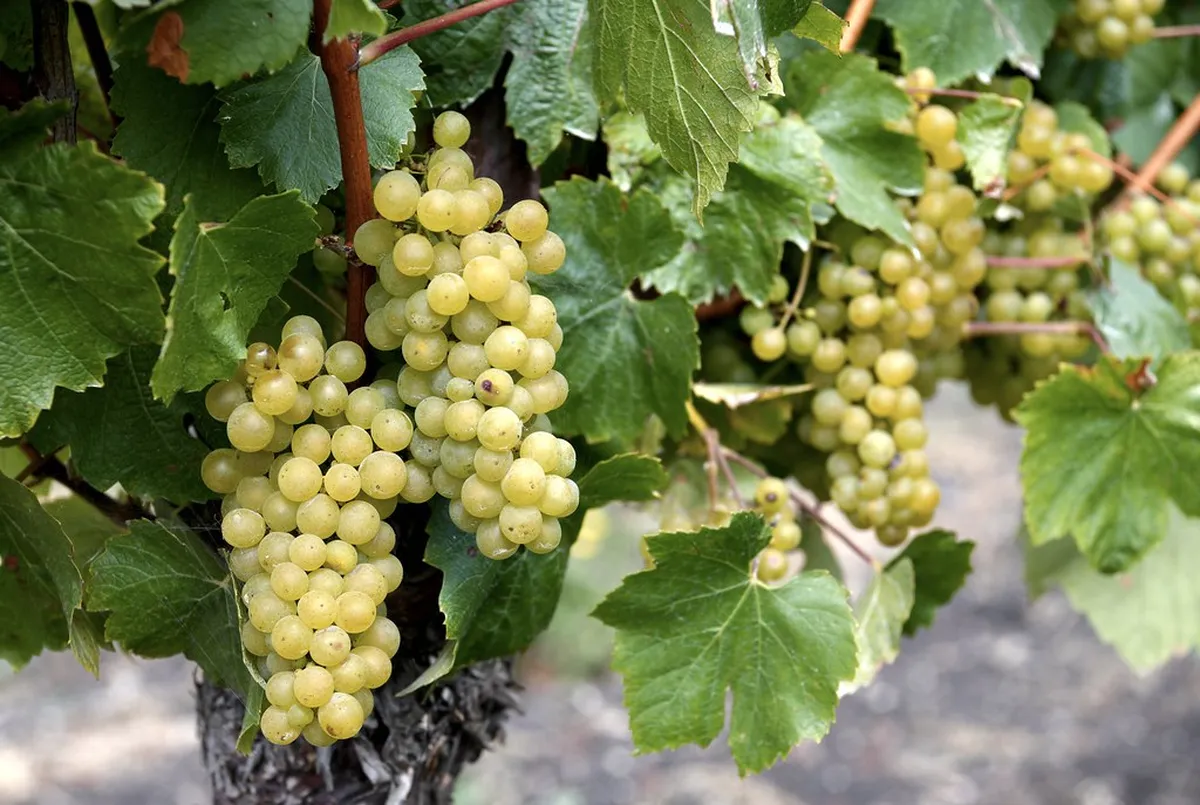
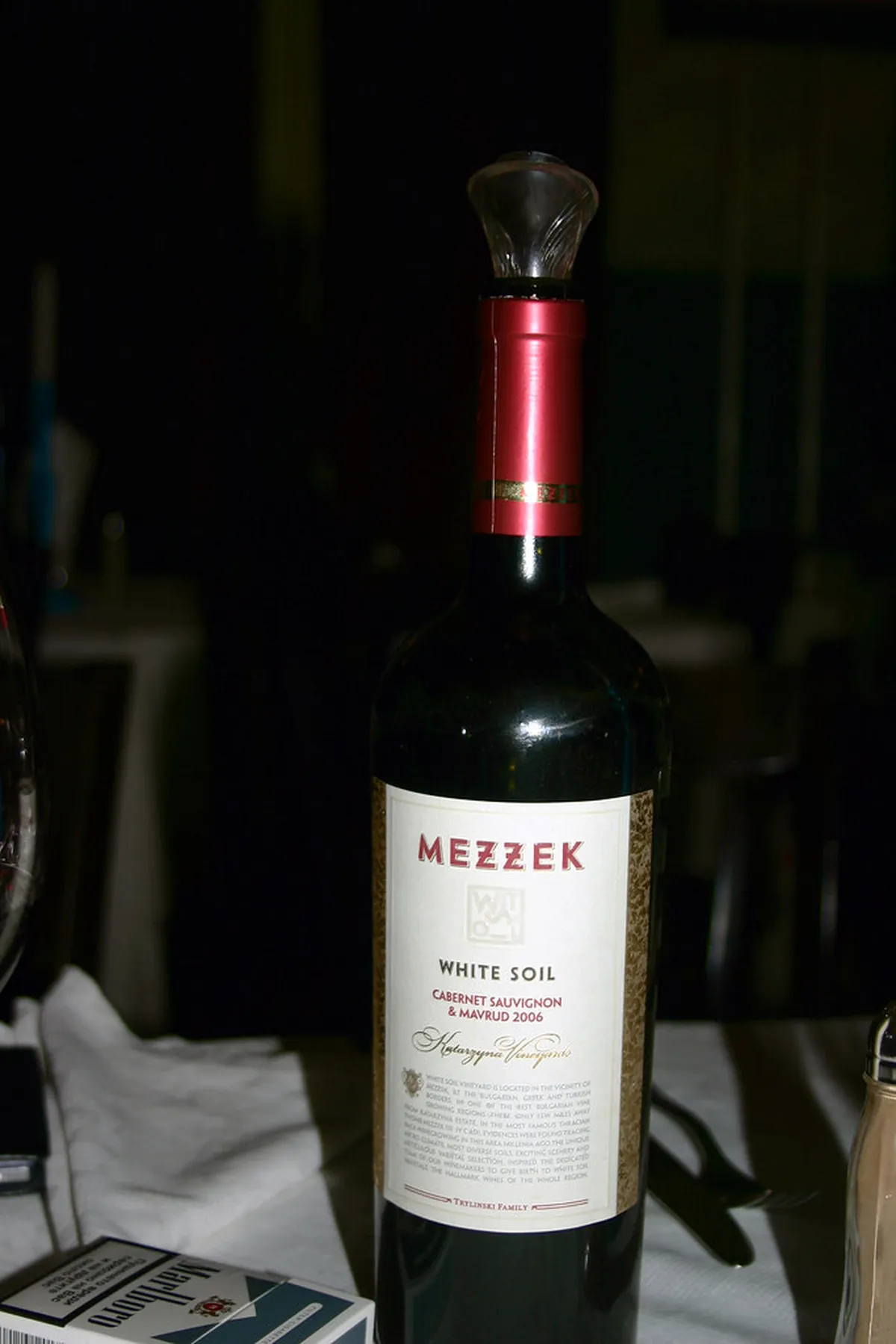
Mavrud is the signature grape to ask for around Plovdiv. It produces deep red wines with firm tannins, dark cherry, blackberry, tobacco, and spice. Younger Mavrud can feel bold and rustic, while better aged examples become smoother and more savory. If a tasting list includes Alchemist Mavrud or another premium single-variety bottle, make that your benchmark.
The legend of Mavrud gives the grape its local romance. One version says Khan Krum ordered the vines destroyed to stop drunkenness, but a widow hid a vine and fed its grapes to her son. The boy grew into the warrior Mavrud, whose strength convinced the ruler to allow the vineyards to return. Whether or not the story is literal history, it explains why the grape is treated as part of Bulgarian identity rather than just another red variety.
Rubin is the modern counterpart. Created in Bulgaria in the 1940s from Nebbiolo and Syrah, it gives dense color, black fruit, violet, chocolate, and softer spice. Many Plovdiv wineries use Rubin to round out Mavrud or Merlot blends, so taste both a pure Rubin and a blend if you can.
A Brief History of Thracian Winemaking
Winemaking in the Plovdiv region goes back to the ancient Thracians, who treated wine as a sacred drink linked to ritual, power, and celebration. The Thracian Lowlands had the essentials: warm summers, gentle hills, river access, and soils that could support red grapes. You can connect the wine story with the city's broader historical context for Thracian roots before visiting a cellar.
Greek and Roman influence expanded that culture rather than replacing it. Plovdiv's position near the Maritsa River made the area useful for trade, and wine remained part of local life through many political periods. The gold and silver vessels found across Thracian sites also explain why wineries still use ancient symbols, horsemen, and mythological names on labels.
The important planning point is that the history is not separate from the tasting. When you hear a sommelier explain Mavrud, Rubin, or amphora-style fermentation, they are usually connecting modern technique to a much older local memory. That gives Plovdiv more depth than a quick generic wine flight.
Traditional vs. Modern Bulgarian Winemaking
Bulgaria's wine reputation has changed sharply within one generation. In the 1970s and 1980s, the country was one of the world's largest wine producers, with production built around volume and export demand. That period made Bulgarian wine visible abroad, but it also trained many drinkers to associate it with inexpensive bulk reds.
The current Plovdiv scene is different. Boutique wineries now focus on smaller batches, clean cellar technology, careful oak aging, and native grapes that were once overlooked. Dragomir, Bendida, Villa Yustina, and similar estates represent this newer direction, where the goal is not just to sell Cabernet by the liter but to show vineyard character.
Traditional methods have not disappeared. Some producers still draw on older fermentation ideas, clay vessels, or family techniques, while others use temperature-controlled tanks and international consultants. The most interesting tastings compare those approaches side by side. Ask whether the wine is made for freshness, oak structure, amphora texture, or long aging, because the answers will change how you understand the glass.
Plovdiv Wine Festivals and Events
Plovdiv's wine festivals are the easiest way to taste widely without arranging multiple winery visits. The Young Wine Parade is the key event, usually held in November across the Plovdiv Old Town. Producers pour new vintages inside Revival-era houses, courtyards, and museum spaces, so the setting is as memorable as the wine.
The Wine & Gourmet Parade is the spring option, usually built around pairings between local restaurants and Bulgarian wineries. It is better for travelers who care as much about food as the cellar list. Plovdiv Urban Wine Fest has also strengthened the city-center tasting scene, making it possible to sample regional bottles without leaving town.
For 2026, check the Official Tourism Portal for Festival dates before booking flights or hotels, because exact weekends can shift. Festival tastings typically use a glass-and-token system, and the best-known stations get crowded after 16:00. Start early, keep water with you, and leave space in the evening for dinner rather than treating the festival as the whole meal.
Wine and Dine in Plovdiv
The best wine trip in Plovdiv is not only about tasting rooms. Local food gives Mavrud and Rubin the context they need, especially when the wines are tannic or oak-aged. Look for kavarma, slow-cooked lamb, grilled meats, roasted peppers, aged kashkaval, and sheep's cheese rather than delicate dishes that disappear beside the reds. The Plovdiv food and drink guide pairs both wine selections and dining venues, so you can match your tastings to menus with confidence.
Aged kashkaval with Cabernet Franc is an underrated pairing because the cheese's salt and nuttiness bring out herbal notes in the wine. Mavrud works better with traditional Bulgarian dishes, sausages, and stews, while Rubin can handle spiced vegetables, pork, and richer tomato-based plates. White varieties such as Tamianka or Dimyat are better with salads, trout, and lighter mezze.
This is where Plovdiv has an advantage over isolated wine regions. You can taste in the afternoon, then keep comparing glasses over dinner without needing another transfer. For a wider food plan, use the plovdiv food and drinks guide alongside your wine schedule.
How to Book and Plan Your Wine Tour
Do not plan rural wineries in Plovdiv as if they are open-door attractions. Many estates require appointments, and English-speaking staff may only be available at certain times. Email or call at least 48 hours ahead, confirm the tasting language, and ask whether the visit includes vineyards, cellar rooms, appetizers, or only a seated tasting.
Transport is the detail that most first-timers underestimate. Brestovitsa looks close on a map, but published bus information can be unclear, and returning after a tasting is the real problem. If you are not driving, choose a guided excursion, a private driver, or a taxi with a confirmed return pickup. This is especially important if you are combining wine with other Day Trips from Plovdiv: Top 10 Escapes (2026 Guide).
Typical half-day tours range from about 70-120 EUR per person, depending on group size and inclusions. Private full-day routes cost more, but they make sense if you want two wineries, lunch, and no stress about roads. Bring water, avoid overbooking the day, and carry a little cash for small bottle purchases even though many estates accept cards.
- For one easy tasting, stay in the city and book Cork & Fork, Trilogie, InterVino, or Berenice.
- For one estate, choose Dragomir or Villa Yustina and arrange direct transport both ways.
- For Brestovitsa, use a driver or tour unless you already speak Bulgarian and have confirmed current transport times.
- For festivals, book accommodation early because Old Town rooms fill quickly on November weekends.
Is Plovdiv Worth Visiting for Wine Lovers?
Yes, Plovdiv is worth visiting for wine lovers if you like emerging regions, local grapes, and practical value. It does not have the polished infrastructure of Tuscany or Bordeaux, but that is part of the appeal. Tastings feel personal, the wines are distinctive, and the city gives you Roman ruins, Revival houses, restaurants, and wine bars within a compact center.
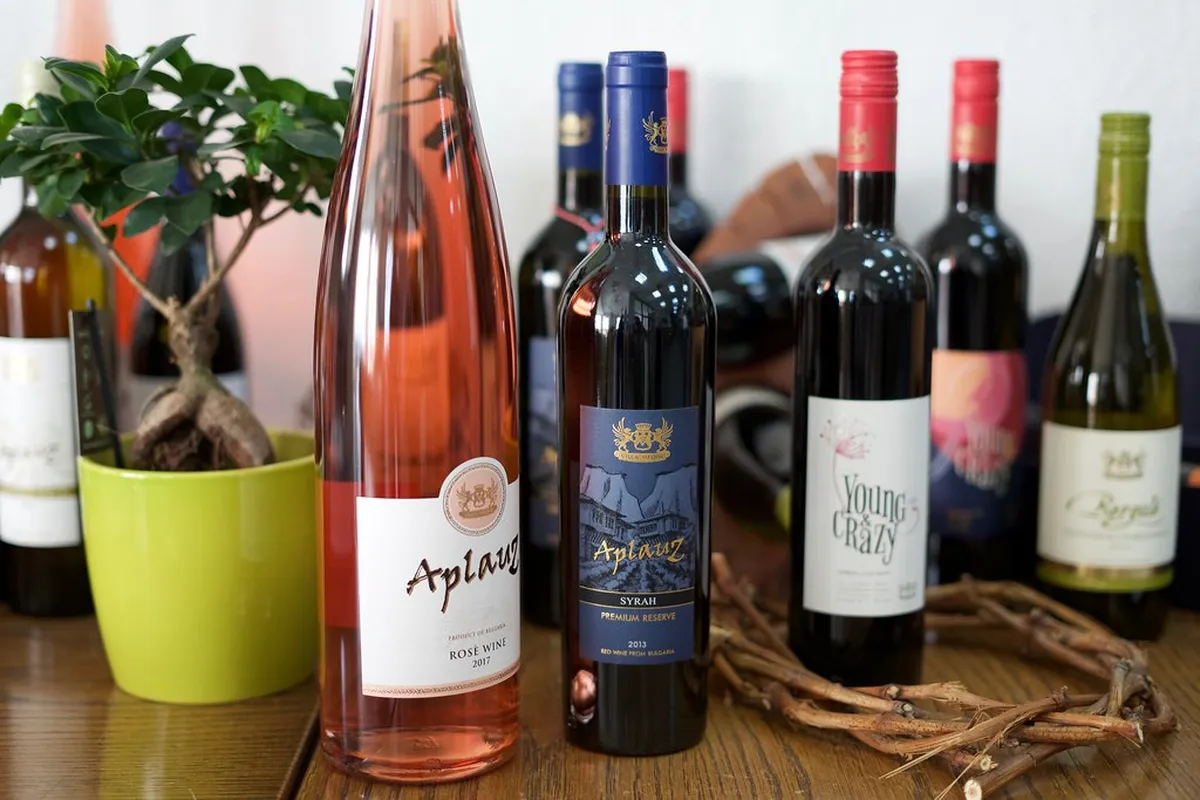
The region works especially well for travelers who want variety over prestige labels. You can compare Mavrud, Rubin, international blends, sparkling wines, and natural or organic styles in one short stay. That makes the city a strong answer for anyone asking Is Plovdiv Worth Visiting? 10 Reasons to Visit Bulgaria’s Oldest City for a food-and-wine break rather than a checklist sightseeing trip.
Plan two nights if wine is a priority. Use one evening for urban tasting, one half-day for a winery outside the city, and one dinner to test pairings with local dishes. If your dates match the Young Wine Parade or Wine & Gourmet Parade in 2026, add another night so the festival does not crowd out the rest of Plovdiv.
Continue planning: Use Best Things to Do in Plovdiv and Ancient Theatre Plovdiv 2026: Tickets, Events & History to connect this guide with the rest of your Bulgaria itinerary.
Frequently Asked Questions
Where in Plovdiv can we go wine tasting?
You can enjoy wine tasting at specialized bars like Cork & Fork or Bendida in the Kapana district. For a full estate experience, visit Dragomir or Villa Yustina just outside the city. Many visitors include a tasting session as part of a Plovdiv 2 Day Itinerary: The Ultimate 48-Hour Travel Guide for the best balance.
Is Plovdiv, Bulgaria, worth a visit for wine lovers?
Yes, Plovdiv is an exceptional destination for wine lovers due to its 8,000-year history and unique local grapes. The region offers high-quality boutique wines at very competitive prices. You will find a sophisticated wine culture that integrates perfectly with the city's ancient Roman and Thracian heritage.
What are the best local grape varieties to try in Plovdiv?
The most famous local variety is Mavrud, a bold red with deep tannins and dark fruit flavors. You should also try Rubin, a successful hybrid of Nebbiolo and Syrah created locally. White wine lovers should look for Tamianka or Misquet, which offer floral and aromatic profiles unique to Bulgaria.
How do I get from Plovdiv to the wineries in the Thracian Valley?
Hiring a private driver or booking a guided tour is the most reliable way to reach rural wineries. Public transport to villages like Brestovitsa is infrequent and can be difficult for non-Bulgarian speakers to navigate. Taxis are available for shorter distances but should be booked in advance for the return trip.
When is the best time to attend a wine festival in Plovdiv?
The best time is late November for the Young Wine Parade, held in the historic Old Town. Another great option is the Wine & Gourmet Parade in the spring. These festivals offer the chance to taste hundreds of different wines in a festive, communal atmosphere across the city's landmarks.
Plovdiv gives wine travelers a rare balance: ancient vineyard history, walkable city tastings, and rural estates close enough for a half-day plan.
Start with Mavrud and Rubin, add one serious winery visit, and leave time for food pairings rather than rushing through pours.
The Thracian Lowlands are still under-discovered internationally, which makes 2026 a good year to taste the region before it feels obvious.
Continue planning
Start with our Bulgarian wine regions and tours and compare the practical details with our Plovdiv winery day-trip planner.
For connected planning, compare Bulgarian wine regions and tours with Plovdiv winery day-trip planner before finalizing your route.