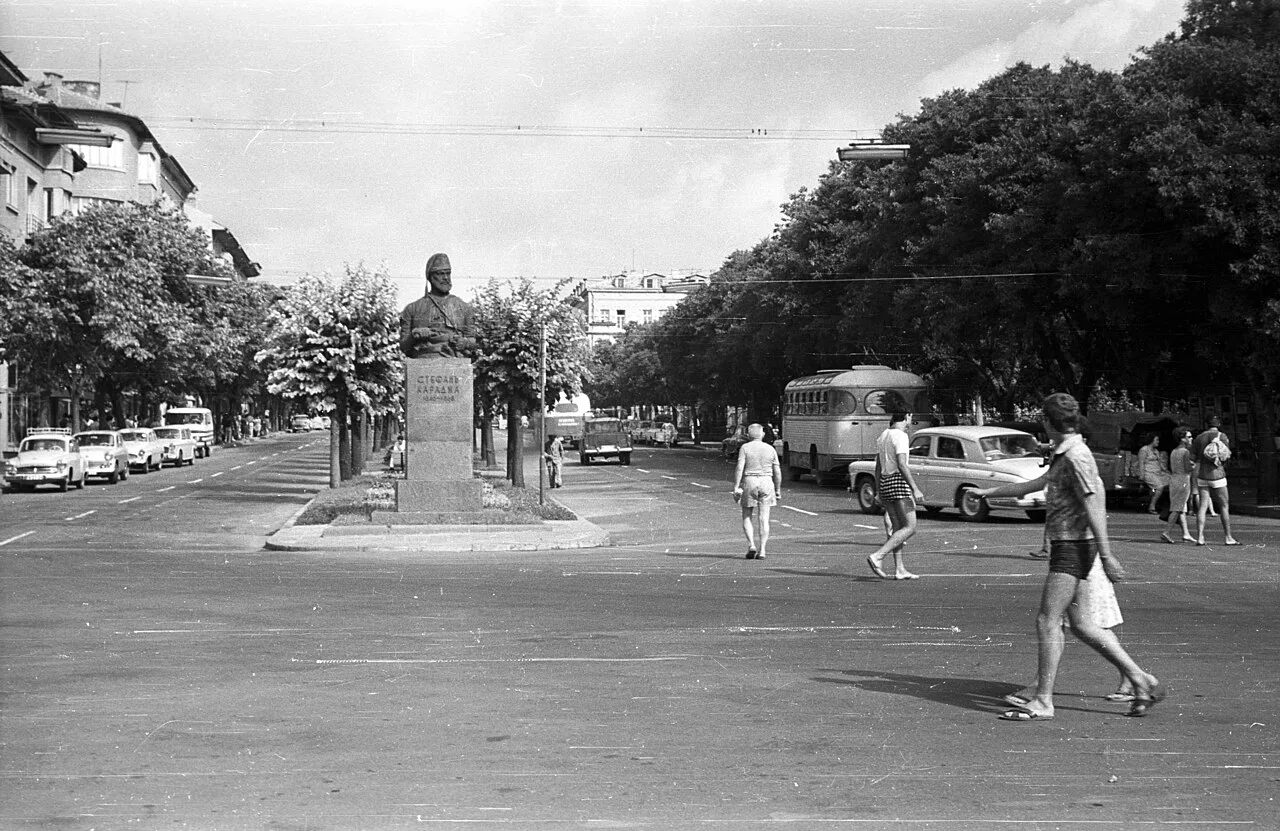
Bulgaria Fun Facts: History, Culture, and Geography Explained
Last updated July 2026, this rundown of bulgaria fun facts skips generic trivia and focuses on what matters for your itinerary. Bulgaria's story runs from a 681 AD founding date through Thracian gold, a home-grown alphabet, and a rose harvest that scents perfume counters worldwide. Each fact below ties to a real place you can visit or a practical detail that shapes how you plan the trip.
Bulgaria Fun Facts: Historical Firsts and Oldest Records
Bulgaria's list of historical superlatives starts well before Rome existed. Each entry below anchors a real stop on an itinerary, not just trivia for a quiz night. Budget at least two full days for Plovdiv's old town and Roman theater alone. Add a half-day trip to Madara if a rock-cut monument and a UNESCO listing matter to your route.
Bulgaria's 681 AD founding marked the start of Europe's oldest continuously named state, yet its position between five border nations and the Black Sea created a crossroads where Thracian, Roman, Byzantine, Bulgarian, and Ottoman cultures remain visibly layered.
- 681 AD: the founding date most historians cite for the First Bulgarian Empire, making Bulgaria one of Europe's oldest continuously named states.
- Varna Necropolis: archaeologists date the gold jewelry found here to around 4,500 BCE, among the oldest worked gold discovered anywhere.
- Plovdiv: inhabited since roughly 6,000 BC, with Thracian, Roman, Byzantine, Bulgarian, and Ottoman layers still visible in the old town today. See Bulgaria's history in depth for the full timeline city by city.
- The Madara Rider: a rock relief carved directly into a cliff face, cited as the only monument of its kind in Europe. See the Madara Rider guide for access details and what the carving depicts.
- Thracian gold and burial mounds: the Thracian people who lived across this region left tombs archaeologists still excavate.
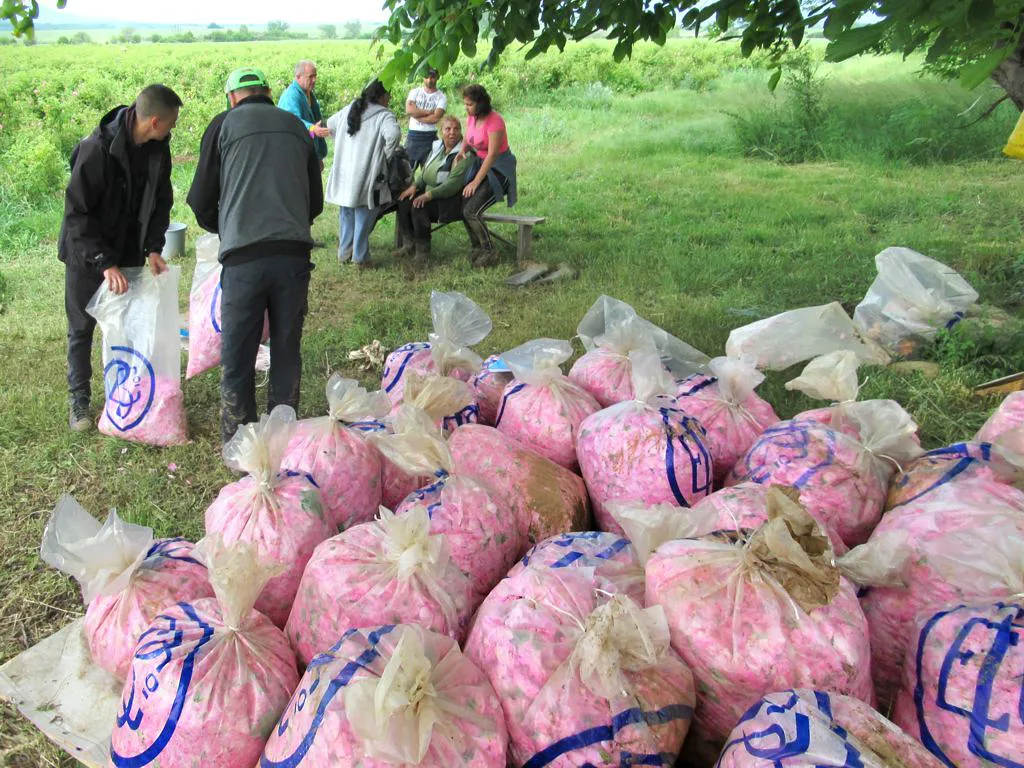
Cultural Quirks: Head Nods, Martenitsa, and the Cyrillic Alphabet
Bulgaria's daily customs trip up first-time visitors more than any monument. Get these right and small interactions go smoother. None of these customs require special preparation. Just expect the head gesture to need a verbal double-check, and expect March travel to come with red-and-white string bracelets everywhere you look.
Cyrillic script developed in Bulgaria during the 9th century and became the European Union's third official alphabet in 2007, yet for travelers its practical value—appearing on road signs and menus outside tourist areas—exceeds its historical status.
- The reverse nod: a head shake usually means yes, and a nod usually means no. In tourist areas, some younger Bulgarians default to the Western convention instead, so the gesture is not always reliable.
- The fix: when a nod or shake leaves you unsure, ask "Da?" ("yes?") out loud and listen for the spoken answer.
- Baba Marta and Martenitsa: on March 1, Bulgarians exchange red-and-white martenitsa bracelets for health and luck. Wear yours until you spot a stork or a blossoming tree.
- The Cyrillic alphabet: developed in the First Bulgarian Empire during the 9th century. It became the EU's third official alphabet when Bulgaria joined the bloc on January 1, 2007.
- The gaida (bagpipe): a traditional instrument central to Bulgarian folk music, in a bagpipe tradition it shares with Ireland and Scotland.
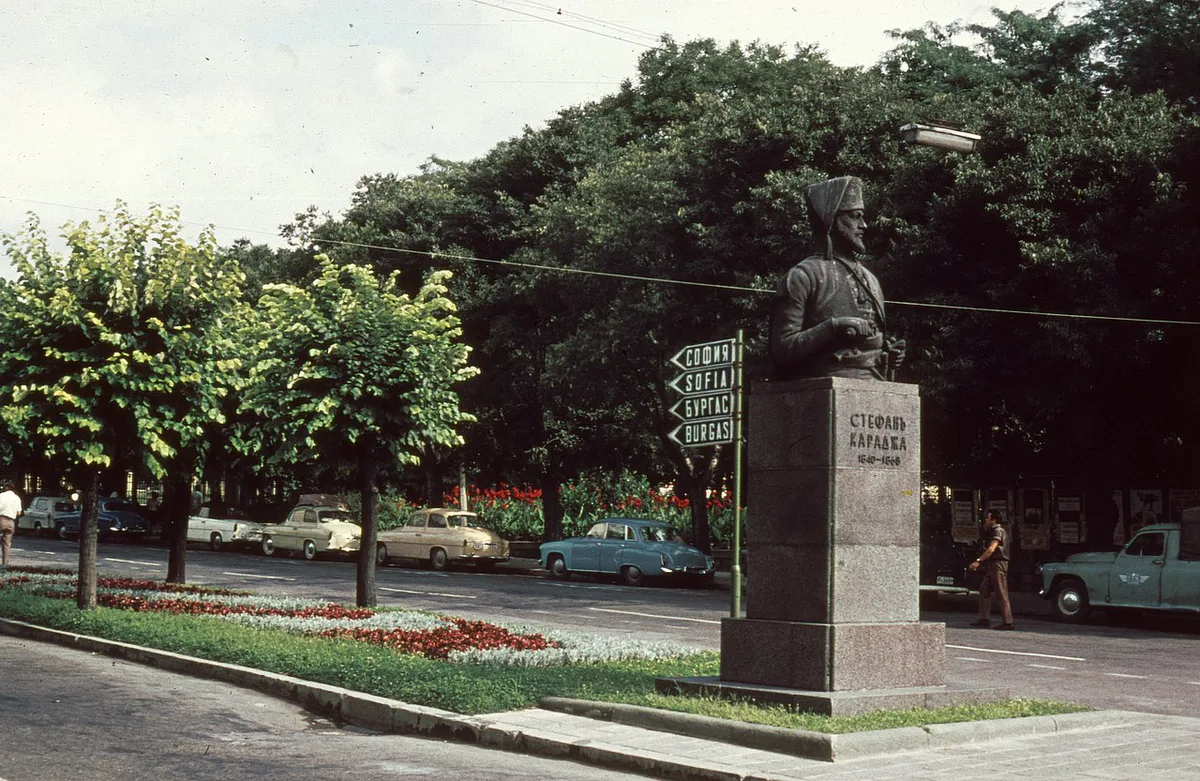
Geography and Nature Superlatives
Bulgaria packs mountains, forest, and coastline into a country roughly the size of the state of Virginia. Bulgaria also borders Romania, Serbia, North Macedonia, Greece, and Turkiye, in addition to the Black Sea coastline. Peak crowds and prices along the coast hit in July and August. The Rose Festival around Kazanlak draws visitors specifically for the harvest, so check the event calendar before booking a rose-season trip.
| Balkan range (Stara Planina) | Stretches about 560 km (350 miles) from the Serbian border to the Black Sea |
| Highest point | Musala Peak, Rila Mountains, at 2,925 m (9,596 ft) |
| Protected land | About 35% of Bulgaria is forest, national park, or other protected area |
| Black Sea coastline | 378 km (234 miles), with resort towns including Sunny Beach, Golden Sands, and Sozopol |
| Rose Valley (Kazanlak) | Supplies as much as 85% of the world's rose oil, harvested each May and June |
Spiritual and Architectural Wonders
Bulgaria's position between empires left behind religious landmarks and defensive structures found in few countries this size. Sofia alone justifies a full day for its churches and museums. Add fortress stops if military history is part of the draw.
- Alexander Nevsky Cathedral in Sofia ranks among the largest Orthodox cathedrals in the world, and it is also cited as one of the oldest autocephalous Slavic Orthodox churches. For more sites like it, see Bulgaria's Orthodox church landmarks.
- No lost flags: Bulgaria's army has never lost a battle flag in its recorded military history, a point of national pride. That defensive record connects to Bulgaria's fortress trail, built to hold a crossroads between East and West.
Practical Travel Guide: Currency, Costs, and Language
History and trivia matter less if the logistics catch you off guard. A few practical points cover currency, costs, and language. None of this requires fluency. Recognizing bus and train destinations written in Cyrillic solves most day-to-day confusion.
- Currency: the Bulgarian lev (BGN), pegged to the euro. Card payments are widely accepted in Sofia and coastal resorts, so carry cash mainly for smaller towns and rural guesthouses.
- Costs: inland cities such as Sofia, Plovdiv, and Veliko Tarnovo generally run cheaper than Black Sea resort towns during peak summer. Check current listings on official tourism and booking sites before you travel, since resort pricing shifts month to month.
- Language: Bulgarian uses the Cyrillic alphabet, so bus schedules, road signs, and menus outside tourist hubs often skip the Latin-script version entirely. Learning to sound out a handful of Cyrillic letters makes independent travel considerably easier.
Mistakes to Avoid and How to Fact-Check Bulgarian Trivia
A few common misunderstandings trip up visitors more than the head-nod reversal does. Treat the facts in this guide as a starting point for conversation, not a final exam answer. Bulgaria's own tourism and cultural bodies update these figures periodically.
- Do not assume every Bulgarian speaks Russian. The two languages both use Cyrillic script, but they are distinct, and conflating them can read as dismissive of Bulgarian identity.
- Do not take a head shake at face value. Ask "Da?" out loud if a yes-or-no answer matters.
- Do not assume tipping rules match home. Rounding up or adding roughly 10% is standard in Sofia restaurants, while small rural guesthouses may not expect a tip at all.
- Do not treat every viral fact list as verified. Rankings such as historical education-per-capita claims shift as new datasets are published, so cross-check specific statistics against current government, UNESCO, or World Bank sources before repeating them.
How to Experience the Rose Festival in Kazanlak
Bulgaria’s rose-oil tradition becomes tangible in the Rose Valley around Kazanlak. The harvest usually runs from mid-May into early June, when Rosa damascena flowers contain the most aromatic oil.
Rose picking happens early in the morning, before rising temperatures reduce the blossoms’ oil content. Festival programs often include public picking ceremonies in villages near Kazanlak, folk performances, craft demonstrations, and a parade through the town.
- Check Kazanlak municipality’s official festival program before booking because dates and village events vary.
- Reserve accommodation early for the main festival weekend, when Kazanlak receives its largest seasonal crowds.
- Visit the Rose Museum in Kazanlak to see traditional distillation equipment and learn why many blossoms produce only a small amount of oil.
Kazanlak is reachable by train or bus from Sofia and Plovdiv. Travelers combining the festival with nearby Thracian tombs should allow at least one night in the area. A second morning provides another chance to join a harvest event if weather changes the schedule.
For trip-planning details, see Bulgaria - Wikipedia.
Further reading: Bulgaria on Wikivoyage · Bulgaria on Wikipedia
Continue planning: Use History of Bulgaria: 8 Key Eras from Antiquity to Modern Day and Bulgaria Castles: A Practical Guide to the Country's Best Fortresses and Ruins to connect this guide with the rest of your Bulgaria itinerary.
Frequently Asked Questions
What is Bulgaria's most famous historical fact?
Most sources point to two records: the Varna Necropolis gold, dated to around 4,500 BCE, and Plovdiv's status as one of Europe's oldest continuously inhabited cities, with occupation dating back to roughly 6,000 BC.
Did the Cyrillic alphabet really originate in Bulgaria, not Russia?
Yes. The Cyrillic script was developed in the First Bulgarian Empire during the 9th century, centuries before it spread to Russia and other Cyrillic-using countries. It became the European Union's third official alphabet when Bulgaria joined on January 1, 2007.
Why do Bulgarians shake their heads for yes?
The gesture reverses the Western nod-for-yes convention, though it is not universal anymore. Some younger Bulgarians in tourist areas use the Western version instead, so ask "Da?" out loud if you need certainty.
How much of the world's rose oil comes from Bulgaria?
The Rose Valley around Kazanlak supplies as much as 85% of the world's rose oil, harvested each May and June and marked by an annual Rose Festival.
Is Bulgaria an affordable place to travel in 2026?
Inland cities such as Sofia, Plovdiv, and Veliko Tarnovo typically cost less than Black Sea resort towns in peak summer. Check current listings on official tourism and booking sites before you travel, since coastal pricing shifts seasonally.
How many countries border Bulgaria?
Bulgaria borders Romania, Serbia, North Macedonia, Greece, and Turkiye, plus the Black Sea coastline to the east.