Srebarna Nature Reserve Day Trip from Ruse: Planning Your Visit
Taking a day trip from Ruse to Srebarna Nature Reserve is one of the easiest ways to see world-class wildlife in Bulgaria. This UNESCO World Heritage Site protects Lake Srebarna, a shallow freshwater oxbow of the Danube, along with its surrounding reedbeds, marsh meadows, and floodplain forest. The reserve is home to an active breeding colony of Dalmatian Pelicans — one of the rarest large birds in Europe — and sits directly on the Via Pontica, one of the continent's two main bird migration corridors.
For a visual introduction to the reserve's main highlights before you go, this video walkthrough covers the lake, observation towers, and the pelican colony:
This guide covers everything you need for a 2026 visit: how to get there, what to see, when to go, entrance costs, where to eat, and how to combine Srebarna with nearby Silistra or Rusenski Lom Nature Park. The reserve is roughly 110 kilometres east of Ruse, making it a comfortable day trip whether you drive, take a bus, or hire a taxi.
Why Take a Day Trip to Srebarna Nature Reserve from Ruse?
Srebarna is not a dramatic mountain park with long trails and panoramic peaks. It is a quiet wetland where the main draw is wildlife density, not physical challenge. Trails are flat, short, and mostly boardwalked. The entrance fee is low. Crowds are thin even in peak season. For anyone staying in Ruse, it fills a half-day or full day without requiring a vehicle or a big budget.
The reserve earned UNESCO World Heritage status in 1983 and is also a Ramsar Wetland of International Importance. That dual recognition reflects its ecological significance: over 170 species of birds have been recorded here, including 39 species listed in the Bulgarian Red Book. The Dalmatian Pelican colony is the headline attraction — seeing these birds spread their wings above the reed line at close range is genuinely memorable.
Ruse makes an ideal base for this trip. The city sits 110 kilometres west along the Danube, connected to Srebarna by a straightforward road through flat agricultural country. You can drive there and back in a single day and still have four to five hours inside the reserve. Ruse itself offers good hotels, restaurants, and its own historic centre worth exploring the evening before. Browse what else Ruse offers in our things to do in Ruse guide if you're planning a longer stay.
Getting from Ruse to Srebarna: Transport Options
Srebarna village sits 17 kilometres west of Silistra and about 110 kilometres east of Ruse. There is no direct bus between Ruse and Srebarna village, so you need to plan your connection in advance. Here are your three realistic options.
By car is the most practical choice. From Ruse take Road 2 east toward Razgrad, then switch to Road 7 heading toward Silistra. Follow signs for Srebarna — the village and reserve entrance are clearly signposted. The drive takes about 1 hour 30 minutes in normal conditions. Fuel costs run €15–€25 / ~$16–$27 for the round trip. Parking at the reserve entrance is free. Car rental in Ruse city centre costs €25–€40 / ~$27–$43 per day; book at least a day ahead in summer.
By bus via Silistra is cheaper but slower. Buses from Ruse Central Bus Station depart several times daily to Silistra, taking about 2 hours and costing around €6–€8 / ~$7–$9 one way. From Silistra you can take a taxi the 17 kilometres to Srebarna village for €10–€15 / ~$11–$16, or catch an infrequent local bus (€1–€2, 20–30 minutes). Verify current schedules at the bus station — they shift seasonally. Allow at least 3 to 4 hours transit each way if using public transport.
By private transfer or taxi from Ruse costs €60–€100 / ~$65–$108 one way but delivers you directly to the reserve entrance in 90 minutes. For small groups this is often cheaper than car rental once you split the cost. Ask your hotel in Ruse to arrange a driver who can wait while you visit and return you in the afternoon. Negotiate a fixed round-trip price before departing.
| Transport Method | Travel Time Each Way | Cost per Person | Pros |
|---|---|---|---|
| Car rental | 1.5 hours | €25–€40 rental + €15–€25 fuel | Most flexible; free parking at reserve |
| Bus + taxi (via Silistra) | 3–4 hours total | €15–€25 total | Cheapest option; no car skills needed |
| Private transfer/taxi | 1.5 hours direct | €60–€100 one way | Door-to-door; driver can wait; groups save money |
Best Time to Visit Srebarna for a Day Trip
Spring (April–May) and early autumn (September–October) are the best months to visit. Temperatures sit between 18°C and 25°C, daylight is long, and both periods coincide with major migration pulses along the Via Pontica flyway. Spring is when the Dalmatian Pelicans return to their nesting island in the lake — from late March through early June you can watch them on the nests from the observation towers. Autumn brings waves of raptors, waterfowl, and passerines pushing south toward Africa.
Peak birdwatching windows are 20 April–15 May (spring migration) and 15 September–10 October (autumn migration) along the Via Pontica flyway. During these weeks you can see 40 to 50 species in a single observation session.
Summer (June–August) is warm and the pelicans are still present, but temperatures frequently exceed 30°C and mosquitoes are heavy near the lake. Plan an early morning departure from Ruse — arrive at the reserve by 08:00 when birds are most active and the heat is manageable. Afternoons become sluggish for wildlife and uncomfortable for walking.
Winter (November–March) offers a different experience: various geese, diving ducks, and occasional white-tailed eagles overwinter here. The crowds disappear entirely. But the visitor centre may have reduced hours, and some observation platforms can be slippery after frost. Check opening status before travelling in December or January.
The Via Pontica Flyway: What This Means for Your Visit
Most visitor guides describe Srebarna as simply "good for birds in spring and autumn." What they leave out is why: the reserve sits almost directly beneath the Via Pontica, one of only two major bird migration highways in Europe (the other is the East Atlantic Flyway). The Via Pontica funnels hundreds of thousands of soaring birds — storks, raptors, pelicans, herons — along the Bulgarian Black Sea coast and the Danube corridor each season. Srebarna's position near the Danube makes it a natural staging post for birds resting and feeding before crossing into Romania or continuing south.
In practical terms this means that during late April and early May you can see species at Srebarna that are hard to find anywhere else in Bulgaria. White and Dalmatian pelicans sometimes mix on the lake together. Lesser Spotted Eagles, Black Storks, and Glossy Ibises appear in the surrounding agricultural fields. If you carry binoculars and arrive before 09:00, an hour on the main observation platform during this window can yield 40 to 50 species in a single session.
For casual visitors the flyway context matters less — any visit in spring or autumn will deliver pelicans and herons at reliable distance. But if you are making a specific birdwatching trip from Ruse, aligning your date with the peak migration window (20 April–15 May for spring; 15 September–10 October for autumn) is worth the extra planning effort.
Top Highlights of Srebarna Nature Reserve
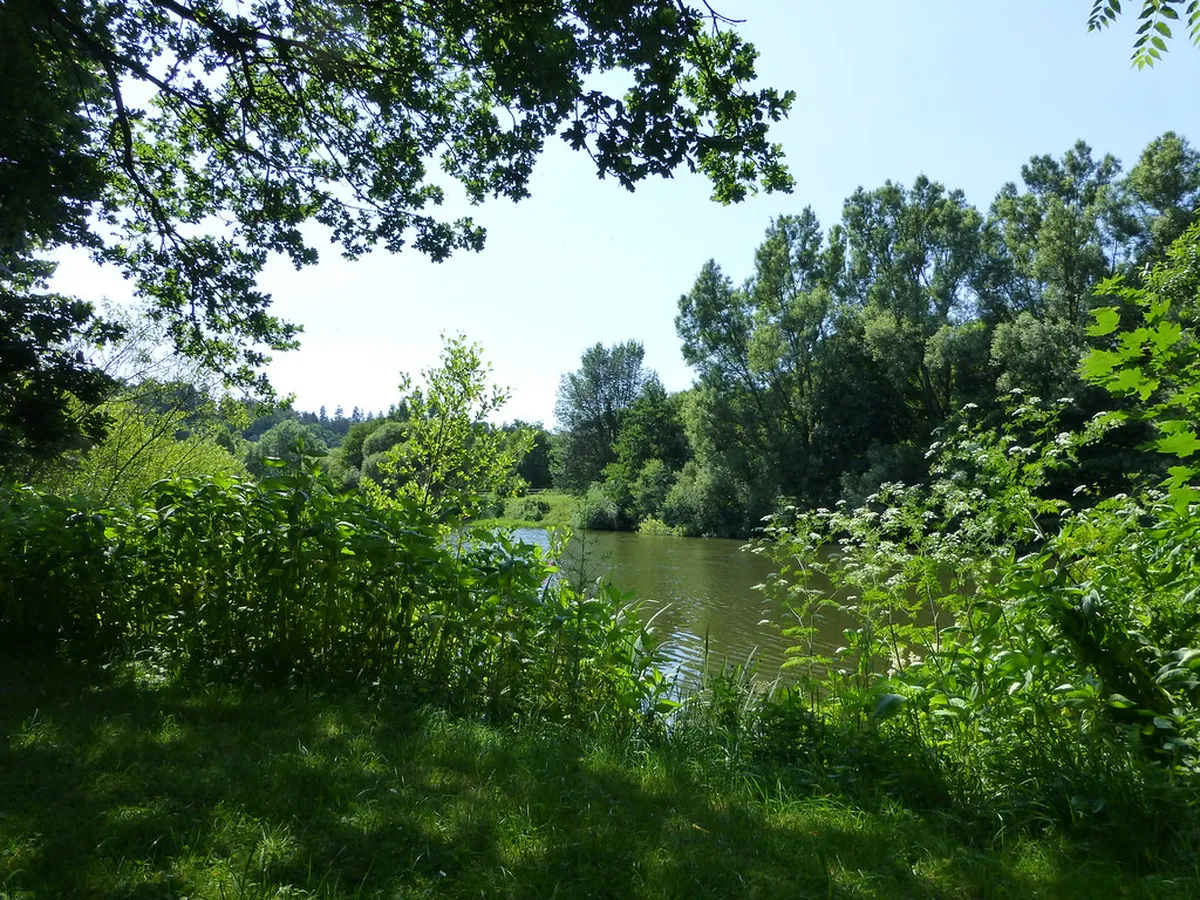
Lake Srebarna itself is the centrepiece — a shallow freshwater oxbow separated from the Danube by a narrow strip of land. The water is clear and glassy in calm weather, fringed by thick Phragmites reedbeds that hide bitterns, marsh warblers, and little bitterns. The lake surface hosts the pelican colony's nesting island, visible from the main observation tower at a comfortable distance of 150 to 200 metres.
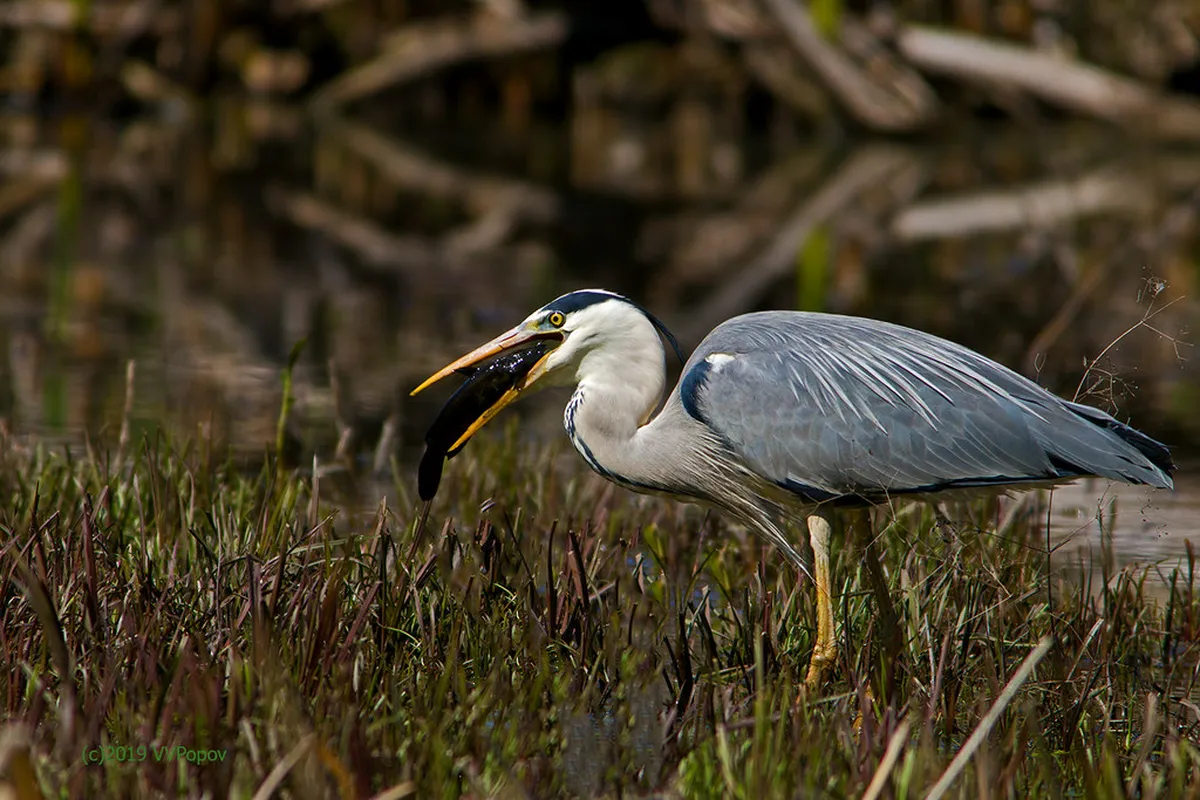
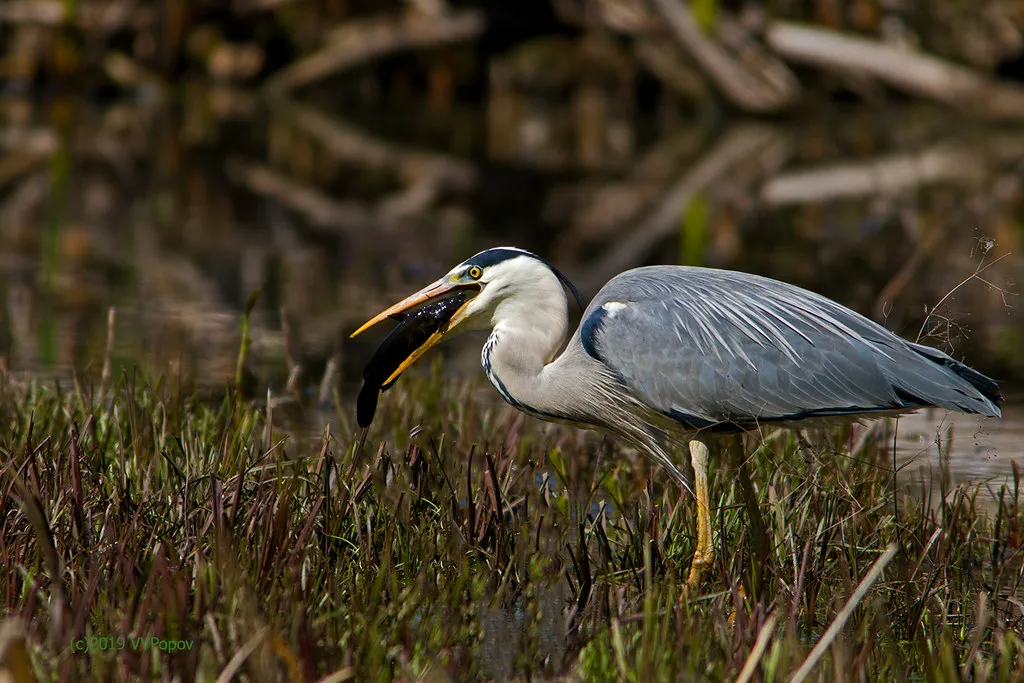
The reserve has three main observation towers and two ground-level hides. The tallest tower, near the visitor centre, gives the widest view across the lake and is the primary spot for photographing pelicans. The ground hides sit closer to the reed margin and are better for smaller wading birds — purple heron, little egret, and squacco heron regularly feed within 30 metres of the hide openings. Bring a lens of at least 300mm if photography is your goal.
The Natural History Museum inside Srebarna village is a short walk from the reserve entrance and is often skipped by day-trippers. It houses a diorama of the pelican colony's breeding habitat, taxidermy specimens of key species, and historical photographs documenting the colony's near-collapse in the 1980s and subsequent recovery. Entry costs around €2 / ~$2. It takes 30 to 40 minutes and is worth the time, especially for families with children who want context before standing at the lake.
The Srebarna Lake Trail is the main walking route — 3 kilometres, flat, with boardwalk sections across the marsh. It takes 1 to 2 hours at a relaxed pace and links the visitor centre to the northern observation tower. Wear closed shoes; sections can be muddy after rain regardless of season.
Suggested Itineraries for Your Srebarna Day Trip
These timings assume you have a car or a taxi waiting. If using public transport via Silistra, add 1.5 to 2 hours each way and commit to a full day from Ruse.
- Half-day (6–7 hours total): Depart Ruse at 07:30. Arrive Srebarna around 09:00. Spend 30 minutes at the Natural History Museum. Walk the Srebarna Lake Trail (1.5 hours), stopping at the main observation tower and the reed-margin hide. Picnic at the designated area near the visitor centre. Depart by 13:00 and return to Ruse by 14:30. This option suits families and casual visitors.
- Full day (9–10 hours total): Depart Ruse at 07:00. Arrive Srebarna by 08:30. Visit the museum, then spend 2.5 to 3 hours covering all three towers and both hides. Have lunch in Srebarna village or drive 17 kilometres to Silistra for a proper restaurant meal. In the afternoon visit the Silistra Fortress (Medudum), a well-preserved Roman and Byzantine fortification on the Danube bluff. Return to Ruse by 18:00–19:00.
Avid birdwatchers should plan the full-day version with an earlier start, especially in April and May. The pelicans are most active — and most visible — in the two hours after sunrise. By 11:00 they often retreat to the nesting island and are harder to observe clearly.
Costs and Budgeting for Your Srebarna Day Trip
Srebarna is one of the cheapest nature destinations in Bulgaria. Entrance to the reserve itself costs approximately €2–€5 / ~$2–$6 per person depending on which areas you access. Some sources quote up to €10 for full access including the observation infrastructure — confirm the current fee at the entrance gate as these change. The Natural History Museum charges around €2 / ~$2 separately.
Photography permit fees apply if you carry professional camera equipment or a tripod inside the reserve. These cost around €5–€15 / ~$5–$16. Casual smartphone or compact camera use does not require a permit. If you join a guided tour led by reserve staff, expect to pay €15–€30 / ~$16–$32 per person for a 1.5 to 2 hour session — these can be worth it for serious birdwatchers because guides know the current nesting status and active hide locations.
Budget your total day trip from Ruse at €40–€70 / ~$43–$76 per person if driving (fuel + entrance + museum + lunch). Using a taxi from Ruse adds €120–€200 / ~$130–$216 round trip divided among the group. Public transport keeps costs to €15–€25 / ~$16–$27 per person total but adds significant travel time.
Where to Eat Near Srebarna Nature Reserve
Eating options directly at the reserve are minimal — there is no restaurant at the visitor centre. The village of Srebarna has a small general shop where you can buy water, snacks, and basic supplies. For anything more substantial, bring food from Ruse or plan a meal stop in Silistra.
In Silistra, the town centre along the Danube riverfront has several mehanas (traditional Bulgarian taverns) serving grilled meats, shopska salad, and river fish. Carp and catfish from the Danube are local specialities — particularly good at lunch rather than dinner when the kitchen is freshest. Budget €8–€15 / ~$9–$16 per person for a full mehana meal with a drink.
The most practical option for a half-day trip is to pack a picnic from Ruse and use the designated picnic area near the Srebarna visitor centre. There are tables and shade. This also means you do not lose time driving into Silistra and can spend the saved hours in the reserve instead.
Essential Packing List for Your Srebarna Adventure
The reserve is a wetland environment. Packing appropriately makes the difference between a comfortable visit and a frustrating one.
- Binoculars — non-negotiable for birdwatching. 8x42 is the standard; 10x50 if you plan to observe the pelican nesting island from distance.
- Camera with zoom lens (300mm or longer) if photography is a priority.
- Closed, waterproof shoes or lightweight hiking boots — the boardwalks get muddy underneath in wet conditions.
- Insect repellent — mosquitoes near the lake are aggressive from May through September. Apply before leaving the car or bus.
- Sunscreen and a hat — the observation towers offer no shade.
- Layered clothing — spring and autumn mornings are often 10–12°C at 08:00 even when the afternoon reaches 22°C.
- Water and snacks for at least half a day — resupply options in the village are limited.
- A field guide to European birds or a birding app (Merlin Bird ID works offline) to identify species on the spot.
- Cash in Bulgarian lev — the entrance kiosk and museum do not always accept cards.
Mosquitoes are aggressive from May through September; bring insect repellent and apply it before leaving your transport. Boardwalks get muddy in wet conditions year-round, so waterproof shoes are essential.
Safety Tips for Visiting Srebarna Nature Reserve
The reserve poses no serious hazards, but a few practical precautions make the visit more comfortable. Stay on marked trails and boardwalks at all times — the marsh edges are unstable and stepping off the path risks sinking into soft ground. This rule also protects the vegetation from erosion, which is why reserve staff enforce it.
Weather at the Danube can shift faster than forecasts suggest, particularly in spring. A clear morning can turn overcast and windy by early afternoon. Bring a rain layer regardless of the forecast. Lightning over open water is the most serious weather risk — retreat to the car or visitor centre if you see storm activity developing to the west.
There are no dangerous animals in the reserve. Mosquito bites are the primary nuisance — see packing list above. If you visit in summer, carry oral rehydration salts and drink more water than you think you need, as heat exhaustion is easy to underestimate when standing still at a hide for an extended period.
Mobile signal in the Srebarna area is adequate with Bulgarian SIM cards (A1, Vivacom, Yettel) but can be patchy in the eastern sections of the trail. Download offline maps before leaving Ruse. The visitor centre staff speak basic English and can assist in an emergency.
Combining Srebarna with Other Nearby Attractions
Silistra, 17 kilometres from Srebarna, is worth a half-hour stop if you have a car. The Medudum Roman Fortress sits on the Danube bluff with well-preserved wall sections and good views of the Romanian bank opposite. The Historical Museum of Silistra on the main square houses a collection of Thracian and Roman artefacts from the wider region. Both are manageable in 90 minutes combined.
For a different type of nature experience, Rusenski Lom National Park is 99 kilometres west of Srebarna and 25 kilometres south of Ruse. It offers river canyons, rock monasteries, and cliff-nesting raptors — a strong contrast to Srebarna's flat wetland. Plan one destination per day rather than combining them; both deserve unhurried time.
If you are using Ruse as a base for multiple day trips, the day trips from Ruse guide covers the full range of options including Ivanovo Rock Churches, Basarbovo Monastery, and the Ruse-to-Bucharest crossing. Srebarna pairs well with Silistra on the same day; the other destinations work better on separate days. For another easy escape from Ruse, see our guide to Nikopol on the Danube.
Frequently Asked Questions
How far is Srebarna Nature Reserve from Ruse?
Srebarna Nature Reserve is approximately 110 kilometers (68 miles) east of Ruse. The driving time typically ranges from 1.5 to 2 hours, depending on traffic and road conditions.
How much does a day trip to Srebarna from Ruse cost?
A day trip cost varies significantly by transport. Expect €15-€25 / ~$16-$27 for fuel if driving, plus car rental. Public transport costs about €10-€15 / ~$11-$16 round-trip, while a taxi could be €120-€200 / ~$130-$216 round-trip.
Are there tours from Ruse to Srebarna Nature Reserve?
Direct organized tours from Ruse specifically to Srebarna are not common. It is usually best to arrange a private driver or join a customized tour from a local operator. You can inquire with Ruse hotels or check sites like toursbulgaria.com for options.
How long does it take to visit Srebarna Nature Reserve?
You should allocate at least 2-3 hours to explore the Srebarna Nature Reserve itself. This includes time at the Visitor Center and the observation platforms. With travel from Ruse, plan for a full half-day or full-day trip.
What can you see at Srebarna Nature Reserve?
Srebarna Nature Reserve is renowned for its diverse birdlife, especially the endangered Dalmatian Pelican colony. You can also observe various species of herons, cormorants, geese, and ducks. The Visitor Center provides educational exhibits about the local ecosystem.
A day trip from Ruse to Srebarna Nature Reserve delivers one of Bulgaria's most distinctive wildlife experiences in a low-effort, low-cost format. The reserve is small enough to cover in half a day but rich enough to hold a serious birdwatcher for a full one. Plan around the spring migration window for peak pelican and passage-bird activity, arrive early, and bring binoculars.
Whether you drive, take the bus to Silistra, or arrange a private transfer, the logistics from Ruse are manageable with a bit of advance planning. Combine Srebarna with Silistra's Roman fortress for a culturally rounded day, or save your energy for the reserve itself and return to Ruse for dinner. Either way, the Danube wetland makes a memorable contrast to the city.