Rusenski Lom National Park Guide: 10 Essential Planning Tips
Rusenski Lom Nature Park Visitor Guide sits 20 kilometres south of Ruse and protects 3,408 hectares of canyon, riparian forest, and rock-hewn heritage along the lower Danube basin. The park is named after the Rusenski Lom river, the last right-bank tributary of the Danube, and concentrates an unusual density of medieval monasteries, raptor nesting cliffs, and Natura 2000 habitats inside a compact area you can sample in a single day.
This rusenski lom national park guide is built for a 2026 trip planner who needs distances, opening hours, trail lengths, and bird-window dates rather than scenery prose. We assume you are basing in Ruse, that you have one to two days, and that you want to combine the UNESCO Ivanovo frescoes with at least one waymarked walk and a chance at spotting an Egyptian Vulture overhead.
Below you will find ten planning sections covering the headline sights, lesser-known stops like the Nissovo "Templar" cemetery, hard logistics from Ruse, costs in BGN, and a comparison of the three big historical sites so you can decide what to skip if time is tight.
Top Attractions: Rock-Hewn Churches of Ivanovo Visitor Guide and Cherven Fortress
The Rock-Hewn Churches of Ivanovo are the headline stop and have held UNESCO World Heritage status since 1979. Monks of the St. Michael the Archangel rock monastery cut the chapels into the Rusenski Lom canyon walls between the 13th and 14th centuries, and the surviving frescoes in the Church of the Holy Virgin were commissioned around 1360 under Tsar Ivan Alexander, whose donor portrait with Tsaritsa Theodora is still visible to the left of the original entrance.
A practical detail almost no general guide mentions: the doorway you actually walk through today was drilled in 1936 by a French expedition that came to study the wall paintings. The medieval entrance was up where the modern balcony now sits, reachable only by rope ladder, which is why the small chapel feels disorientingly tight inside. Plan 60 to 90 minutes on site, including the steep approach path from the car park.
Cherven Fortress, 35 minutes south of Ivanovo by car, is the second non-negotiable. The medieval town was a major bishopric of the Second Bulgarian Empire and its restored 12-metre defensive tower offers the best canyon panorama in the park. Allow two hours to walk the ramparts, the cistern complex, and the surviving church foundations on the high plateau.
If you only have time for one combined outing, follow our Ivanovo Rock-hewn Churches Guide: A Complete Visitor's Manual sequence: Ivanovo first thing in the morning, lunch in Ivanovo village, Cherven in the afternoon when the western light hits the red-brick towers. Wear closed shoes; both sites involve uneven stone steps with no handrails in places.
This short walkthrough pairs the Basarbovo cave monastery with the Ivanovo rock churches, giving you a sense of how the two sites look up close before you visit:
Cultural Heritage: The Rock-Hewn Monasteries of the Lom Valley
Beyond Ivanovo, the Lom valley contains what scholars call the Lom Rock Holy Mountain, the largest concentration of cave monasteries in Bulgaria. The Gramovets monastery, near the Smesite confluence where the Beli Lom and Cherni Lom rivers meet, is the most architecturally striking after Ivanovo: it has a rare domed cave church, faint Glagolitic-Cyrillic inscriptions dating to the First Bulgarian Kingdom, and rooms stacked vertically inside the rock massif.
The most accessible site, and the easiest to fit into a half-day from Ruse, is covered in our 8 Things to Know Before Your Basarbovo Rock Monastery Visit. Basarbovo is the only still-active rock monastery in Bulgaria, sits 10 kilometres south of Ruse city centre, and centres on the cave cell of Saint Dimitrii of Basarbovo. Donations replace a fixed entry fee, and the courtyard is open from roughly 08:00 to 18:00 in summer.
Conservation here has been quietly heroic. During the 1980s, restorers impregnated the Ivanovo rock face to block moisture seepage and coated the surviving frescoes with a protective varnish to slow pigment loss. That treatment is the reason you can still read the donor portraits and the Saint Gerasim chapel scenes today, though it also explains why flash photography and large groups inside the chapel are tightly restricted.
Hidden History: Nissovo Cemetery and the Hesychast Caves
The village of Nissovo, 25 kilometres south of Ruse on the Malki Lom river, is the park's most underrated entry point and the staging ground for two stops most general guides skip. The first is the ancient Nissovo cemetery, whose carved symbols and unusual gravestones have led local historians to nickname it the "Templar" cemetery. The historical case is unproven: there is no documented Templar presence in 13th-century Bulgaria, and the symbols may instead reflect Bogomil or early Hesychast Orthodox carving traditions, but the site is genuinely strange and worth the 20-minute walk from Nissovo's central square.
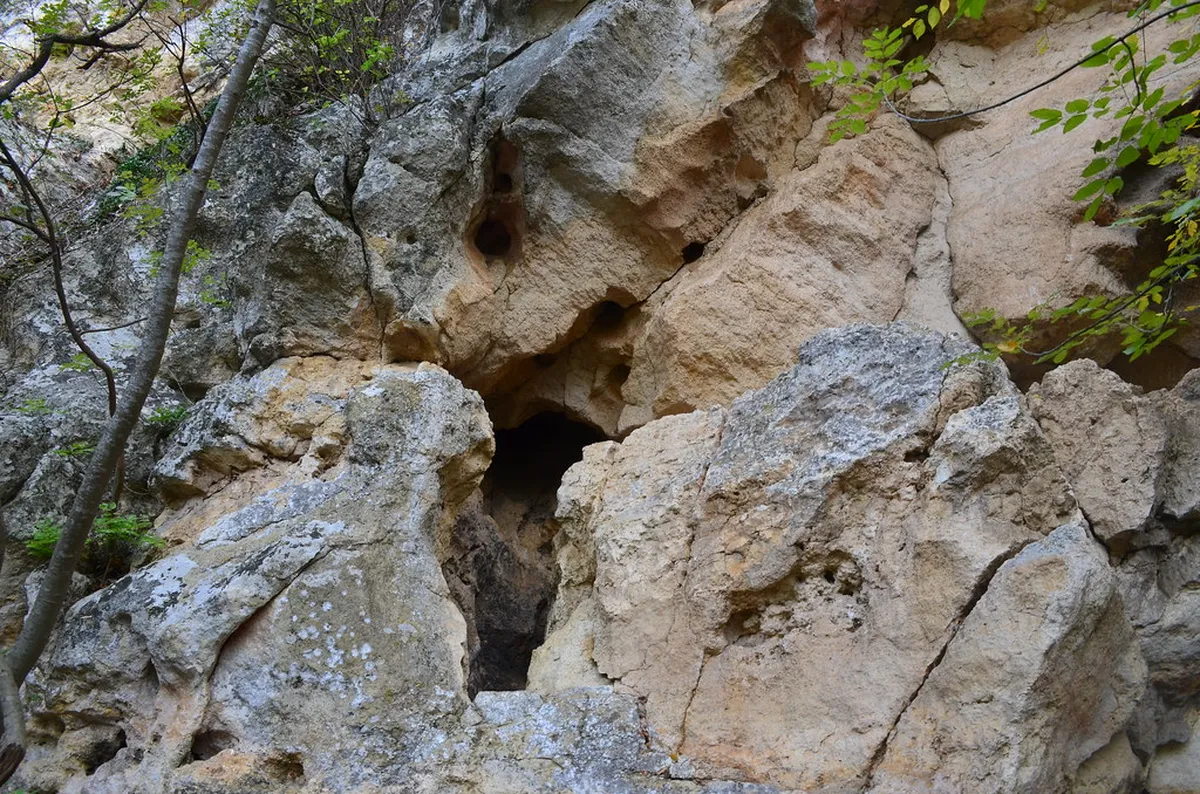
The second is the cluster of Nissovo rock monasteries linked to Hesychasm, a contemplative branch of Eastern Orthodox monasticism that flourished in the Lom valley during the 14th century. A short marked path leads from the cemetery along the medieval road to two cave churches with carved altar partitions and rock benches. Bring a head torch: the interiors are unlit and the rock cuts are deeper than they look from the entrance.
Pair these stops with the Krushtalnyata Caves, accessible via an easy walking path from Ivanovo, which contain stairs cut into the rock and two small sacred sites inside the system. None of these locations charge admission, but you should not enter alone in wet weather as the floors get slick and signal is unreliable.
💡 Good to know: Pack a head torch for the Nissovo and Krushtalnyata cave churches. The interiors are completely unlit and the rock cuts run deeper than they look from the entrance, so a phone flashlight won't cut it for the carved altar partitions and rock benches further inside.
Outdoor Adventures: Hiking Trails and Birdwatching Hotspots
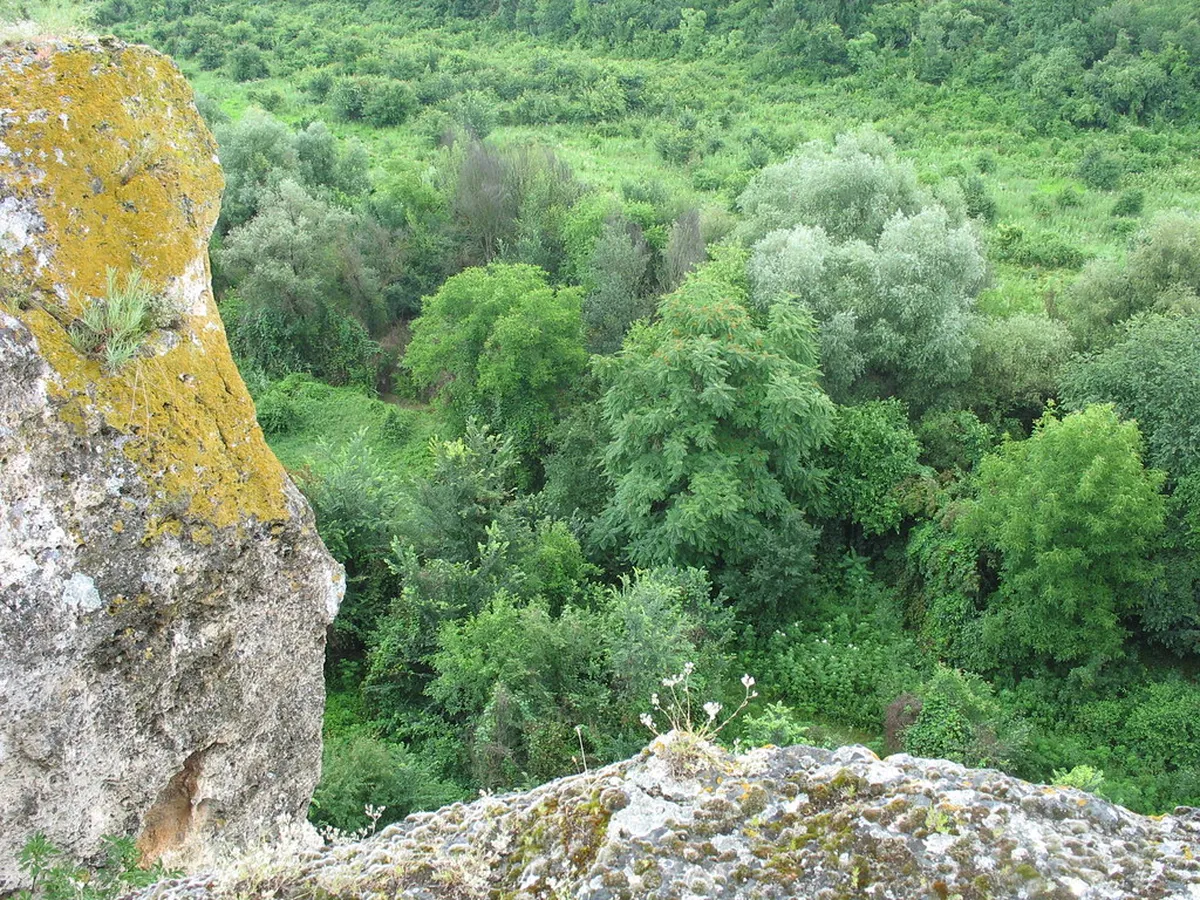
The park has a small but well-built trail network. The Gramovets route is the long option, roughly 12 kilometres point-to-point, starting at the Ivanovo Rock-Hewn Churches archaeological reserve and finishing at the Smesite confluence via dense forest and the cliff base where Egyptian Vultures and Saker Falcons nest. Allow four to five hours, rate it moderate, and carry two litres of water per person because there is no resupply between the trailheads.
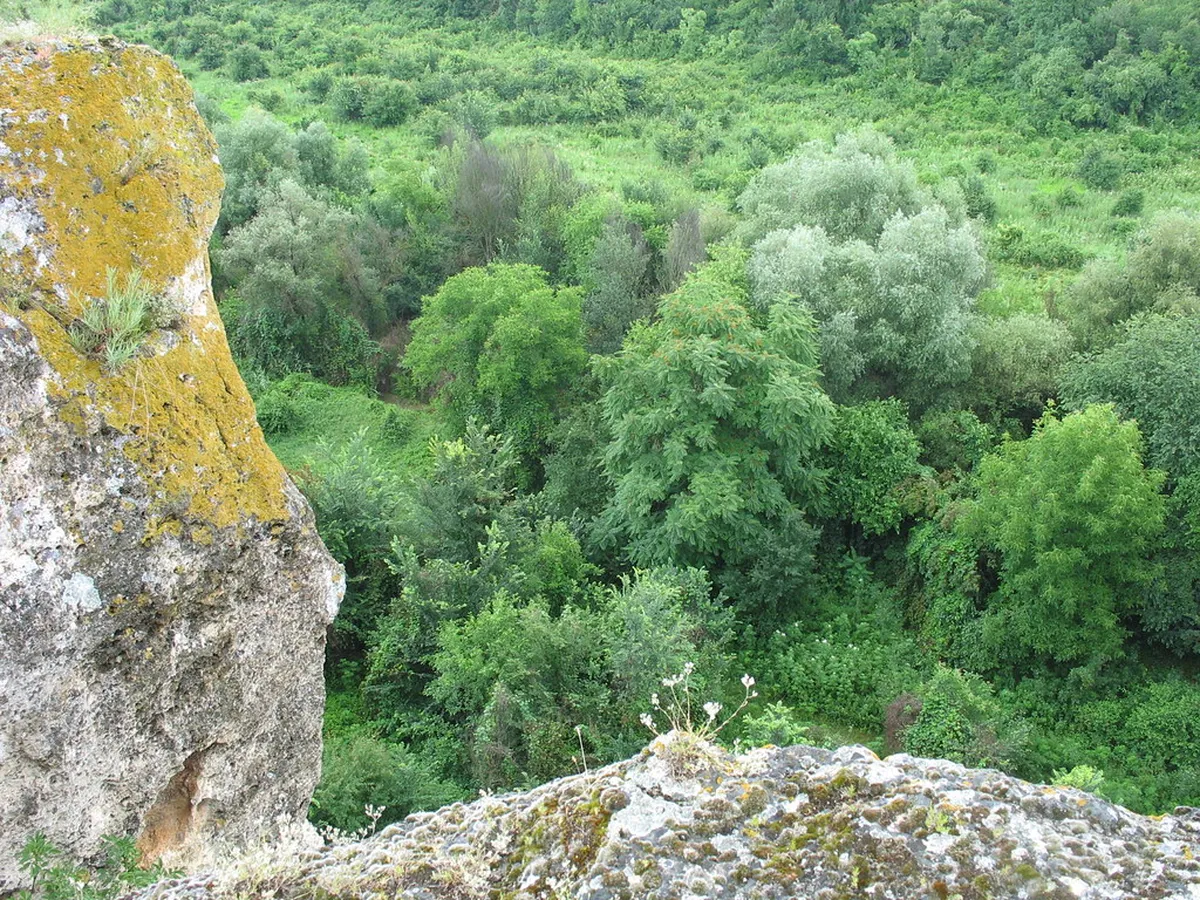
The Dendropath, starting from Nissovo village, is the family option: a 6-kilometre loop with information boards covering more than 20 native tree and shrub species, a small bridge over the Malki Lom, and an optional 4-kilometre extension to the Golyam Nisovski Monastery recreation area. The grade is gentle and the trail has a fire pit cabin at the midway point.
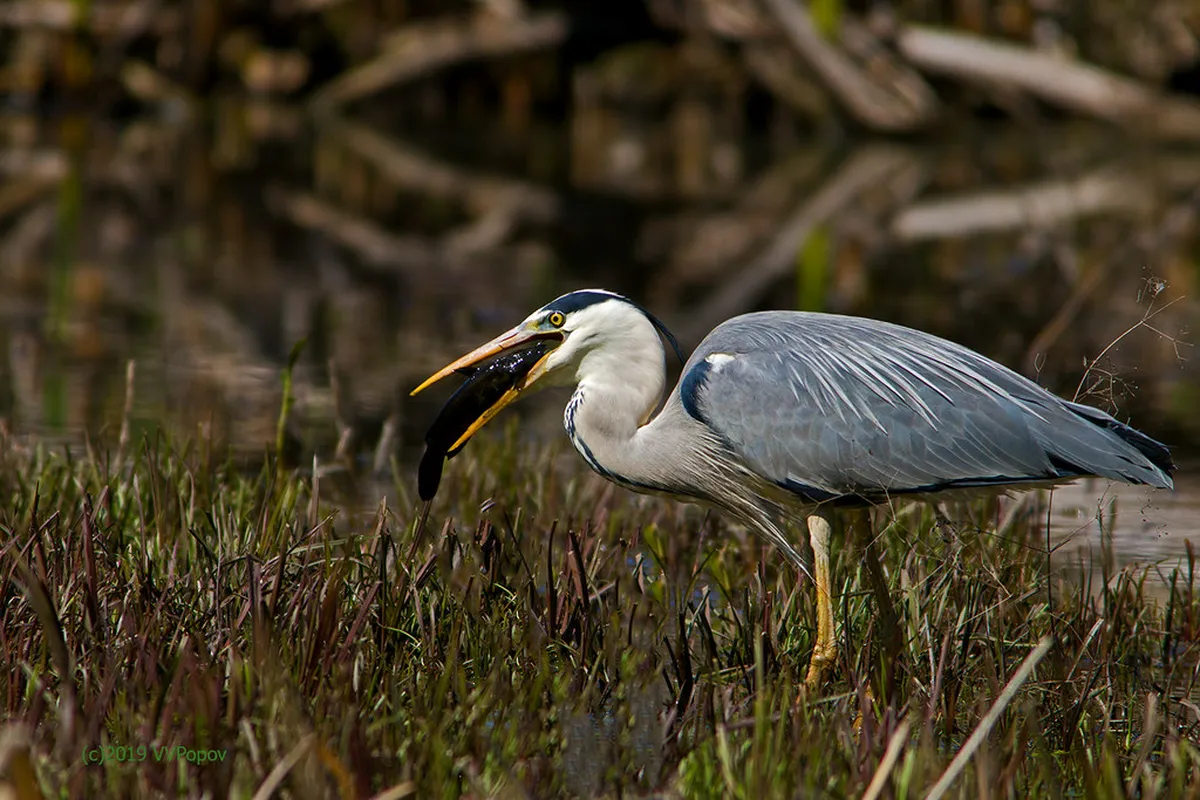
For birding, Rusenski Lom hosts 190 recorded species, 110 of which nest inside the park. The flagship raptors are the Egyptian Vulture and Black Stork, which arrive in late March and depart by mid-September; April through June is the strongest viewing window because the chicks are still in the nest and the adults shuttle between cliff and feeding ground all day. Other rock-nesters worth chasing include the Long-Legged Buzzard, Saker Falcon, and Ruddy Shelduck. See our Top 10 Outdoor & Nature in Ruse guide for adjacent options if you want a longer outdoor circuit.
Rafting and Water-Based Activities on the Lom
Hiking and birdwatching dominate the park, but the Rusenski Lom and its tributaries also support gentle rafting and kayaking — one of the three headline activities the park is officially known for, alongside the rock-hewn churches and the caves. This is calm-water paddling on a slow lowland river rather than whitewater: the appeal is drifting beneath the same canyon walls that hold the monasteries and raptor nests, seeing the cliffs from below for a perspective the trails never give you. Water levels are most reliable in spring after snowmelt, which conveniently overlaps the strongest birding window, so a morning on the water and an afternoon on the Gramovets trail pair naturally. There is no permanent rental kiosk inside the park, so arrange a guided paddle through one of the Ruse-based operators before you arrive; the same outfits that run the half-day land tours typically add a river leg on request.
Seasonal Guide: When to Visit for Nature and Wildlife
Late April through early June is the strongest all-round window: wildflowers and orchids peak on the limestone plateaus, daytime highs sit between 18 and 25 degrees Celsius, and the migratory raptors are actively nesting on the Cherni Lom cliffs. Cross-reference forecast data on climatestotravel.com if you are timing a trip around clear skies for canyon photography.
September and October bring the second peak. Crowds at Ivanovo thin out after the Bulgarian school year starts, the canyon forests turn yellow and copper, and afternoon temperatures stay comfortable for the long Gramovets route. Expect early sunset by mid-October, so plan to be off-trail by 17:30.
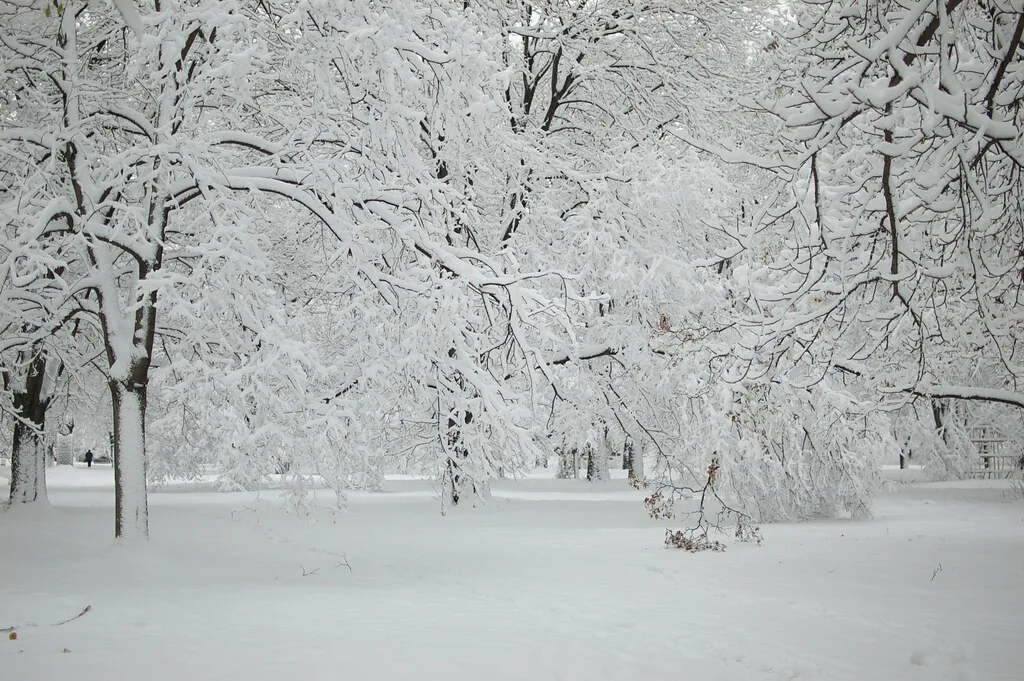
Mid-summer (July to August) is workable but uncomfortable. The plateau sites at Cherven and Ivanovo have no shade, the canyon traps heat, and afternoon thunderstorms are common. Start at sunrise, finish your high-cliff sections by 11:00, and use the riparian forest trails for the afternoon. Winter visits are atmospheric but several rural roads ice over and Cherven's stairs become genuinely hazardous.
Travel Logistics: Getting to and Around the Nature Park
The honest answer is that public transport into the park is thin and the headline sights are not on a single bus line. Ruse to Ivanovo village runs a few times a day on the regional bus, but the village is still 4 kilometres from the rock churches, and the Cherven and Nissovo trailheads have effectively no scheduled service. A rental car or a half-day taxi hire is the realistic option. See our Transportation in Ruse, Bulgaria: Complete 2026 Travel Guide for car-rental locations and typical day rates.
Drive times from Ruse city centre as of 2026: Basarbovo Monastery 15 minutes, Ivanovo Rock Churches 25 minutes, Nissovo village 30 minutes, Cherven Fortress 45 minutes. All four roads are paved and well signposted in Cyrillic and Latin, but the final 800 metres into the Ivanovo car park is single-track and gets congested between 11:00 and 14:00 on weekends.
If you would rather not drive, several Ruse-based operators run half-day and full-day guided trips that bundle transport, entry fees, and a Bulgarian-speaking guide for roughly 80 to 130 BGN per person. This is the most reliable way to reach Nissovo and the lesser-known Hesychast caves, which are hard to find without local guidance.
💡 Good to know: Carry small Bulgarian Lev notes. Card readers exist at Ivanovo and Cherven but fail often, and the village taverns near the trailheads are cash-only — the nearest reliable ATMs are back in central Ruse, so withdraw before you leave the city for the day.
Accommodation Guide: Where to Stay Near Rusenski Lom
Ruse is the default base and the right call for most visitors. The riverside centre, around Svoboda Square and the Ulitsa Aleksandrovska pedestrian street, gives you walkable restaurants, the Neo-Baroque architecture circuit, and a 20- to 45-minute drive to every park entrance. Hostel beds start around 25 BGN, mid-range hotels run 80 to 160 BGN per night, and you can compare current listings via hostelworld.com. Our Best Areas to Stay in Ruse (2026 Guide) guide breaks the city down by neighbourhood.
For a slower nature stay, book a guesthouse in Nissovo or Ivanovo village. These run 50 to 90 BGN per night for a double room, often include home-cooked breakfast and dinner on request, and put you within walking distance of the Dendropath or the Ivanovo trailhead. Reservations by phone or Booking.com are essential because most guesthouses do not have walk-in capacity.
Wild camping is technically restricted inside the protected area, but several guesthouses allow tents in their gardens for around 10 to 15 BGN per person. There is no formal campsite with serviced pitches inside the park, so plan accordingly if you are arriving with a campervan.
Budgeting Your Trip: Typical Costs and Entrance Fees
Rusenski Lom is a low-cost destination by European standards. Cross-reference the official information at bulgariatravel.org before you travel because seasonal pricing can shift. Carry small Bulgarian Lev notes; card readers exist at Ivanovo and Cherven but fail often, and the village taverns are cash-only.
Expected 2026 prices per adult: Ivanovo Rock Churches around 6 BGN, Cherven Fortress around 6 BGN, Basarbovo Monastery free with a recommended 2 to 5 BGN donation, parking free at all three. Lunch in a village tavern (mehana) runs 12 to 20 BGN per person for a main, salad, and drink; in central Ruse expect 18 to 30 BGN. A full day of car rental from Ruse averages 50 to 80 BGN plus 15 to 25 BGN of fuel for the round trip.
Before the site-by-site breakdown, here is the park at a glance:
| Distance from Ruse | 20 km south (15–45 min drive by site) |
| Protected area | 3,408 hectares, protected since 1970 |
| Bird species | 190 recorded, 110 nesting |
| Best season | Late April–early June; second peak Sept–Oct |
| Top site entry | Ivanovo ~6 BGN, Cherven ~6 BGN, Basarbovo free/donation |
| Time needed | 1 full day minimum; 2 days with a long hike |
Use the comparison below to decide where to put your time and money if you cannot do all three big sites in one trip:
- Ivanovo Rock Churches Site
- Type: UNESCO Heritage
- Best for: Medieval Frescoes
- Time: 1-1.5 hours
- Cost: ~6 BGN
- Cherven Medieval Fortress
- Type: Historical Ruin
- Best for: Panoramic Views
- Time: 2 hours
- Cost: ~6 BGN
- Basarbovo Rock Monastery
- Type: Active Monastery
- Best for: Religious History
- Time: 45 minutes
- Cost: Free/Donation
What to Pack and Safety Tips for Responsible Exploration
Rusenski Lom has been formally protected since 1970 and today carries layered designations — a Natura 2000 site, a recognised Important Bird Area, and a member of the transnational DanubeParks network of protected areas along the river. The practical upshot for a 2026 visitor is that small visitor habits genuinely affect raptor nesting success. Pack out all rubbish including organic waste, stay on marked trails along the cliff edges, and never approach a nest site or play recorded bird calls during the March-to-September breeding window.
A practical kit list for a day in Rusenski Lom: closed hiking shoes with grip (limestone gets slick), 2 litres of water per person, a head torch for the unlit cave churches, a 10x or 8x42 binocular for raptor spotting, a basic first-aid kit, and offline maps loaded on your phone because mobile signal drops out inside the canyon. Bring layers between October and April; the cliff bases stay cold even on sunny days.
Trail safety basics: file a rough route with someone in Ruse before you start a long walk, check the forecast because flash storms hit the canyon in summer, and consult our Ruse: Top Safety Tips for Tourists for emergency contacts. The European emergency number 112 works throughout the park, but expect a 30 to 60 minute response time to remote trailheads.
Beyond the Park: Nearby Natural Areas and Day Trips
If you have a third day in the region, several adjacent reserves complement Rusenski Lom rather than duplicate it. Persina Nature Park, 130 kilometres west along the Danube near Belene, protects island wetlands and is the strongest pelican and heron site in the country. Srebarna Biosphere Reserve, 90 kilometres east near Silistra, is a UNESCO-listed Danube backwater famous for Dalmatian Pelicans. The Srebarna Nature Reserve day trip makes a long but feasible excursion from Ruse and gives you a wetland counterpoint to Rusenski Lom's canyon habitats. See our broader Best Ruse Day Trips guide for the full menu.
Closer to base, Orlova Chuka Cave is 40 minutes from the park boundary and is one of the longest karst cave systems in Bulgaria. Guided tours of the show section last about 45 minutes, the air stays at 11 degrees Celsius year-round, and it is the best wet-weather backup for a Rusenski Lom day that gets rained out.
Back in the city, our Top 20 Things To Do in Ruse covers the Neo-Baroque Pantheon of National Revival Heroes, the Regional History Museum, and the riverfront promenade. Pairing one full day in Rusenski Lom with one half-day in central Ruse is the cleanest two-day itinerary for a first-time visit.
Frequently Asked Questions
What is the best time of year to visit Rusenski Lom?
The best time to visit is during spring (April to June) or fall (September to October). These seasons offer mild temperatures, beautiful foliage, and the best opportunities for birdwatching without the intense summer heat. You can find more seasonal advice in our nature guide.
How do you get from Ruse to the Ivanovo Rock Churches?
The easiest way is by rental car or taxi, as the drive takes about 25 minutes. Public buses are infrequent and do not stop directly at the site entrance. Many travelers choose to join an organized day tour for convenience.
Are there entrance fees for the Cherven Fortress?
Yes, there is a small entrance fee of approximately 5 BGN per adult. This fee helps maintain the archaeological site and provides access to the entire fortress complex. It is best to bring small denominations of local currency for tickets.
Is Rusenski Lom Nature Park suitable for families?
The park is excellent for families with older children who enjoy hiking and history. Some paths near the cliffs and steep stairs at the fortress require careful supervision of younger kids. Most sites are educational and very engaging for active families.
How much time is needed to see the main sites in Rusenski Lom?
You should plan for at least one full day to see the Ivanovo Rock Churches, Cherven Fortress, and Basarbovo Monastery. If you want to include a long hike, a two-day itinerary is much better. This allows for a more relaxed pace.
Can you go rafting or kayaking in Rusenski Lom?
Yes. Alongside visiting the rock-hewn churches and the caves, gentle rafting and kayaking on the slow lowland Lom rivers are among the park's recognised activities. It is calm-water paddling rather than whitewater, with the best water levels in spring. There is no permanent rental kiosk in the park, so book a guided river leg through a Ruse-based operator in advance.
Pair this with our broader Ruse attractions guide for the full city overview.
For related Ruse deep-dives, see our Ivanovo Rock-Hewn Churches and Basarbovo Rock Monastery guides.
Rusenski Lom rewards travellers who plan around its quirks: a UNESCO chapel reached through a 1936 French-cut doorway, a "Templar" cemetery whose origins remain disputed, and a raptor nesting cliff that closes its best window by mid-September. Build your day around those rhythms and the park outperforms its modest 3,408 hectares.
For a first 2026 visit, the cleanest plan is one driving day combining Basarbovo, Ivanovo, and Cherven, plus a second walking day on either the Gramovets long route or the gentler Dendropath out of Nissovo. Add the Hesychast caves if you have a guide; skip them if you do not.
Treat the canyon as a working conservation area rather than a backdrop, keep to the marked paths, and you will leave with a deeper appreciation for one of the most concentrated mixes of nature and medieval heritage in the Balkans.