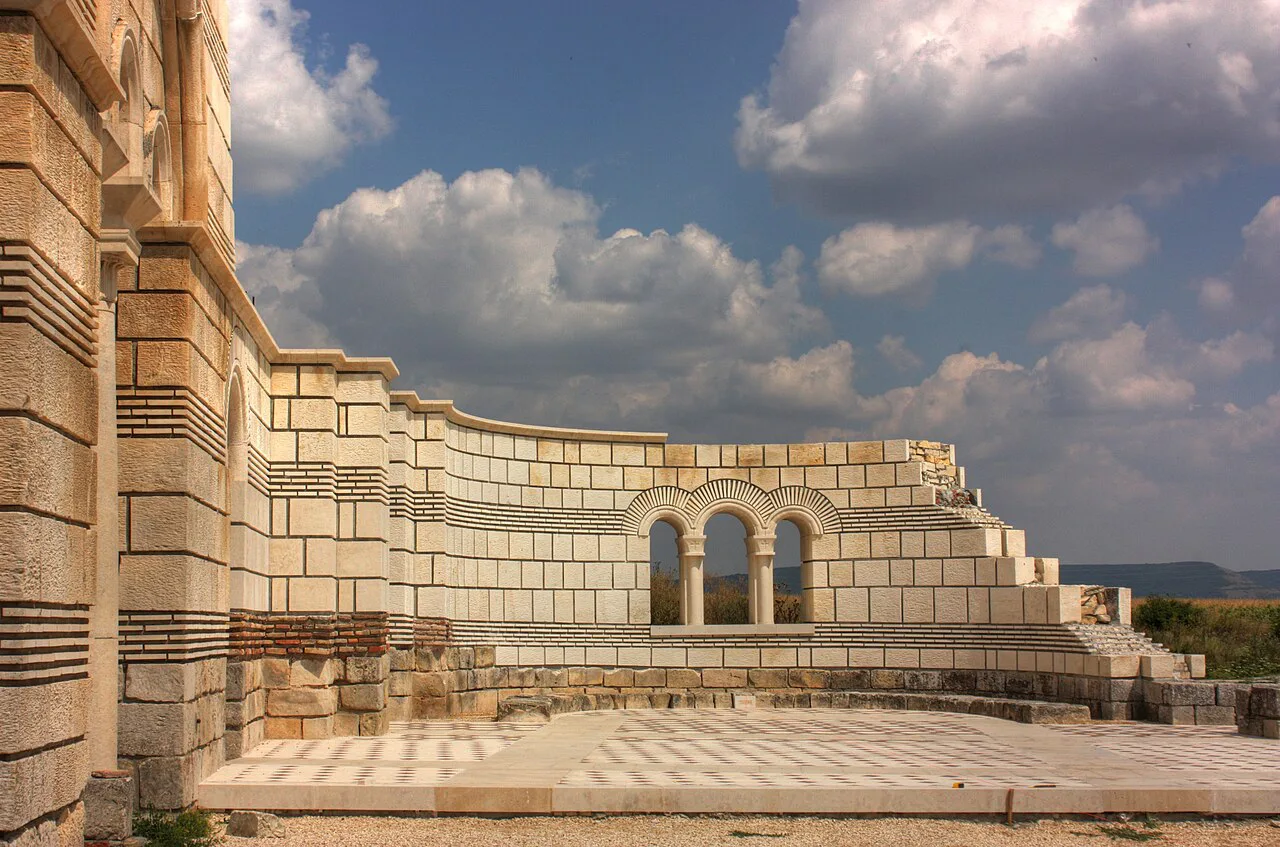
8 Key Eras in the History of Bulgaria: From Thracian Gold to EU Membership
Last updated July 2026, this guide traces the history of Bulgaria from Thracian gold near Varna to the country's current place in the EU and Schengen Area. Few European countries compress as many empires, alphabets, and border shifts into one landscape, which is why ruins, monasteries, and fortresses across the country still shape what travelers see today. Each era below links to the sites where you can stand inside it, from Roman theaters to Ottoman-era monasteries.
The Cradle of European Civilization
Human habitation in Bulgaria dates back at least 1.4 million years, among the oldest continuously inhabited landscapes in Europe. Around 4600 to 4200 BC, burials at the Varna Necropolis produced gold jewelry and ceremonial weapons that are the oldest processed gold artifacts yet discovered anywhere in the world. Long before the Thracians organized into kingdoms, Neolithic communities in present-day Bulgaria built Solnitsata, considered the earliest known town in Europe, and cave art at Magura Cave dates from a similarly early era. Bulgaria's position between the Balkans, the Black Sea, and the land routes into Asia Minor put it at the center of nearly every regional power that followed. For a quicker rundown of standout details like these, see this Bulgaria facts roundup.
8 Key Eras in the History of Bulgaria
These eight eras form the backbone of Bulgarian history, and each one has a specific site where you can see it firsthand today.
Varna's gold (4600–4200 BC) and towns like Solnitsata mark Bulgaria's earliest habitation, but the Odrysian Kingdom didn't form until 480 BC—a 3,700-year span before political organization emerged.
- Thracian Antiquity (c. 480 BC – 46 BC)
- The Thracians formed the Odrysian Kingdom around 480 BC, one of the most powerful tribal unions in the ancient Balkans.
- Rome absorbed the kingdom in 46 BC, ending independent Thracian rule while Thracian goldwork continued to shape the region's craftsmanship.
- The Thracian tribes of Bulgaria left behind tombs and treasures that still anchor the country's museums.
- Roman Bulgaria and the Migration Period (46 BC – 7th century AD)
- Rome rebuilt Serdica, now Sofia, and Trimontium, now Plovdiv, into provincial cities with theaters, baths, and forums.
- Plovdiv's Roman Theatre sits in the Old Town and can be seen in under an hour, while the Thracian Tomb of Kazanlak, a UNESCO World Heritage Site, requires a scheduled visit to its protected chamber.
- Slavic tribes settled the peninsula after 500 AD, forming the population mix that would build the Bulgarian state two centuries later.
- The First Bulgarian Empire (681–1018)
- Bulgars under Khan Kubrat had already formed Old Great Bulgaria along the Black Sea steppe earlier in the 7th century. A westward group led by Khan Asparuh founded the First Bulgarian Empire in 681, uniting Bulgars and local Slavic tribes.
- Christianization in 865 and the creation of the Cyrillic alphabet by Bulgarian scholars Clement and Naum defined the empire's Golden Age under Tsar Simeon I.
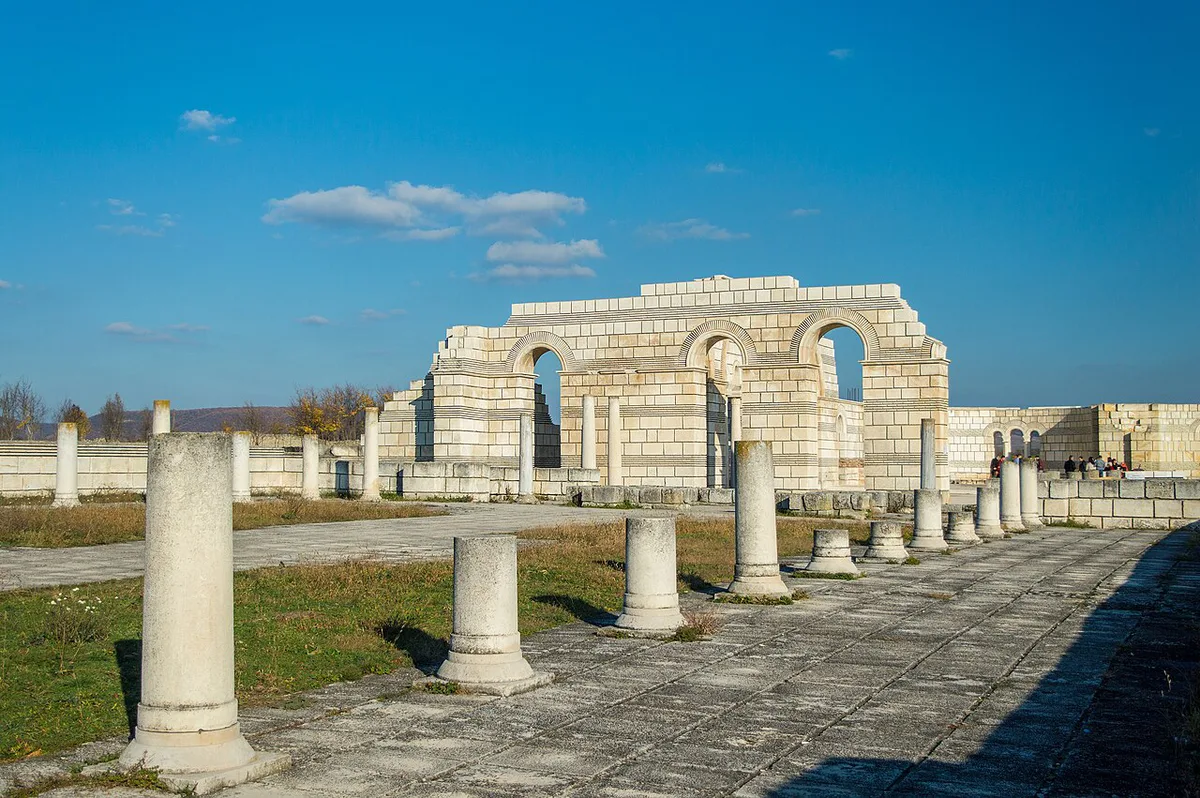
- See this era at Pliska, at Preslav, and at the Madara Rider relief, a UNESCO-listed cliff carving.
- Byzantine Rule (1018–1185)
- Byzantine Emperor Basil II defeated the First Empire in 1018, folding Bulgaria into Byzantine administration for over 150 years.
- Local nobility kept some regional authority, but the Bulgarian church lost its independent standing for the rest of the period.
- The Second Bulgarian Empire (1185–1396)
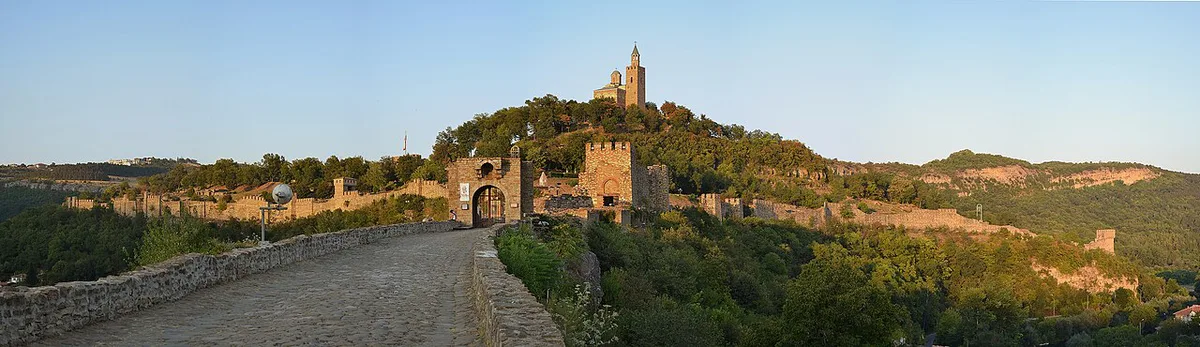
- Brothers Asen and Peter led an uprising against Byzantine rule in 1185, restoring independent Bulgarian statehood with Veliko Tarnovo as the new capital.
- Climbing Tsarevets Fortress takes about an hour round trip up its hillside steps.
- A seasonal evening sound-and-light show runs at the fortress. Browse Bulgaria's medieval fortresses for other stops from this era.
- Ottoman Rule and the Bulgarian National Revival (1396–1878)
- Ottoman forces took Bulgaria's last strongholds by 1396, beginning nearly five centuries of Ottoman administration often called the Ottoman Yoke.
- Monasteries preserved Bulgarian language, faith, and manuscripts through this period, and the National Revival from 1762 onward rebuilt schools, churches, and printing houses.
- The April Uprising of 1876 and the Russo-Turkish War that followed pushed Bulgaria toward independence. Rila Monastery remains the clearest symbol of this era; see more Revival-era churches and monasteries around the country.
- The Third Bulgarian State and Communist Era (1878–1989)
- Bulgaria gained autonomy in 1878 after the Russo-Turkish War, then navigated the Balkan Wars and both World Wars as a young state.
- The People's Republic of Bulgaria ran from 1946 to 1989 under one-party rule, leaving behind Soviet-style architecture across Sofia and monumental sites like the Buzludzha Monument.
- Sofia's Largo government complex is a downtown walk, while Buzludzha sits on a remote mountain summit with restricted access.
- Modern Bulgaria (1989–Present)
- Bulgaria transitioned to democracy after 1989, then joined NATO in 2004 and the European Union in 2007.
- It joined the Schengen Area on January 1, 2025, and switched its currency from the Bulgarian lev to the euro on January 1, 2026.
- These milestones matter for travelers: border checks have eased, and prices at historical sites are now increasingly posted in euros rather than lev.
First vs. Second Bulgarian Empire at a Glance
The First and Second Bulgarian Empires get confused often, but they had different capitals, rulers, and legacies.
| Category | First Bulgarian Empire (681–1018) | Second Bulgarian Empire (1185–1396) |
|---|---|---|
| Capital | Pliska, later Preslav | Veliko Tarnovo |
| Founding ruler | Khan Asparuh | Tsar Ivan Asen I (with brother Peter) |
| Defining event | Christianization and the Cyrillic alphabet under Tsar Simeon I | Uprising against Byzantine rule in 1185 |
| Major landmark today | Madara Rider relief; Pliska and Preslav ruins | Tsarevets Fortress |
Plovdiv or Sofia: Choosing Your Ancient Bulgaria Base
With only 48 hours, travelers usually have to choose between Plovdiv's ancient core and Sofia's layered center. The decision comes down to how much time is available and which era interests you most.
- Plovdiv (Ancient Trimontium)
- The Roman Theatre sits in the Old Town and can be seen in under an hour, with Thracian and Ottoman-era streets layered around it.
- Choose Plovdiv if Roman and Thracian history is the priority and time is limited.
- Sofia (Ancient Serdica)
- Excavated Serdica ruins sit beneath and around the city center, alongside Ottoman-era and communist-era landmarks in the same walkable core.
- Choose Sofia if you want more eras stacked into one compact area, from Roman to modern.
Best Itinerary: Bulgaria's Historical Triangle
Sofia, Plovdiv, and Veliko Tarnovo form what local guides call Bulgaria's historical triangle, and the three cities cover nearly every era in this guide. Sofia anchors the Roman, Ottoman, and communist layers side by side downtown. Plovdiv adds the Roman Theatre and Thracian-era finds in its Old Town. Veliko Tarnovo supplies the Second Empire capital and Tsarevets Fortress. Traveling between the three by bus or car typically takes a few hours each leg, so most itineraries treat them as separate overnight stops rather than day trips from one base. Time a Veliko Tarnovo visit around the fortress's evening sound-and-light show if the schedule lines up, or plan a Thracian Valley detour around the wine harvest season if wine history interests you alongside the tombs; confirm current dates for both locally, since schedules shift year to year.
Budgeting for Bulgaria's Historical Sites
Admission to Bulgaria's national museums, fortresses, and monasteries tends to run lower than at major Western European capitals, though exact prices vary by site. The National Museum of History in Sofia lists current admission on its official site, the most reliable source now that the country's January 2026 switch from the lev to the euro has changed how many venues display prices. Sofia also runs a long-standing free walking tour model, where guides work for tips rather than a fixed fee, covering the city's Serdica ruins and the Largo government complex. For fortress sites like Tsarevets, budget separately for the daytime entry fee and for the evening sound-and-light show, which typically carries its own ticket. Confirm both directly with the site before visiting.
Mistakes to Avoid When Exploring Bulgarian History
A few planning mistakes come up often enough to flag before you build an itinerary.
Ottoman occupation lasted nearly five centuries (1396–1878), and the subsequent National Revival in towns like Koprivshtitsa and Tryavna represents how Bulgarians rebuilt their cultural institutions after that long suppression.
- Skipping Small-Town Revival Architecture
- National Revival-era towns outside the big three cities preserve 19th-century wooden houses and courtyards that are easy to miss if you only plan around Sofia, Plovdiv, and Veliko Tarnovo.
- Assuming Every Ruin Sits Downtown
- The Thracian Tomb of Kazanlak, the Madara Rider, and the early capitals of Pliska and Preslav all sit outside major city centers and need a car, tour, or local transport to reach.
- Booking Only One City for a Short Trip
- Sofia alone skips the Second Empire capital at Veliko Tarnovo and the Ottoman-era monasteries that define much of Bulgaria's story.
- Ignoring Seasonal Schedules
- Sound-and-light shows, monastery visiting hours, and some rural museum hours shift with the season, so confirm current times locally before locking in a tight itinerary.
Where to See Bulgaria’s National Revival Beyond Rila Monastery
Koprivshtitsa offers the strongest introduction to Bulgaria’s National Revival outside the major cities. Its painted merchant houses now contain museums devoted to revolutionary leaders and the April Uprising. The town’s cobbled center is compact, but sloping streets make sturdy footwear useful.
Tryavna preserves another side of the period through woodcarving, icon painting, workshops, and traditional houses. Its landmark clock tower stands beside the old market square. The town works well for travelers continuing between Veliko Tarnovo and central Bulgaria.
Plovdiv’s Old Town provides the easiest option without a rural detour. Houses such as the Hindliyan House display elaborate interiors created by wealthy Revival-era merchants. Nearby Roman remains also show how later residents reused an ancient urban landscape.
Koprivshtitsa suits travelers focused on revolutionary history. Tryavna is stronger for traditional crafts, while Plovdiv combines Revival architecture with Roman sites. Check individual house-museum opening days before traveling, because smaller museums may close weekly or shorten winter hours.
For trip-planning details, see Bulgaria country profile - European Union.
Further reading: Bulgaria on Wikivoyage · Bulgaria on Wikipedia
Explore more: History of Bulgaria: 8 Key Eras from Antiquity to Modern Day
Use these focused guides to plan the details, compare options, and build an itinerary that fits your trip.
- Bulgaria Castles: A Practical Guide to the Country's Best Fortresses and Ruins
- Bulgaria Fun Facts: History, Culture, and Travel-Ready Trivia
- Famous Bulgarian Churches: A Complete 2026 Visitor Guide
- Madara Rider Guide: Visiting Bulgaria's UNESCO Rock Relief
- Thracian People: A Guide to Ancient History & Sites in Bulgaria
Frequently Asked Questions
When did Bulgaria become an independent state?
Bulgaria gained autonomy in 1878 following the Russo-Turkish War and the April Uprising that preceded it, formalized further in the following decades as the Third Bulgarian State.
What is the oldest gold in the world, and where is it in Bulgaria?
Burials at the Varna Necropolis produced gold jewelry and ceremonial weapons dated between roughly 4600 and 4200 BC, the oldest processed gold artifacts yet discovered anywhere in the world.
What is the difference between the First and Second Bulgarian Empires?
The First Bulgarian Empire (681-1018) was founded by Khan Asparuh and centered on Pliska and Preslav, while the Second Bulgarian Empire (1185-1396) was founded by Asen and Peter and centered on Veliko Tarnovo.
When did Bulgaria join the EU and the Schengen Area?
Bulgaria joined NATO in 2004, the European Union in 2007, the Schengen Area on January 1, 2025, and adopted the euro on January 1, 2026.
How many days should I plan for Bulgaria's historical triangle?
Most itineraries treat Sofia, Plovdiv, and Veliko Tarnovo as separate overnight stops rather than day trips, since travel between them runs a few hours each way. Add extra time for side trips to Rila Monastery or the Madara Rider.
Explore More Bulgaria Guides
Keep planning your Bulgaria trip with these guides.