10 Best Spa Towns and Planning Tips in Bulgaria
Bulgaria sits on one of Europe's most productive geothermal belts, with more than 700 natural mineral springs rising from deep tectonic faults beneath the Balkans. The country ranks second in Europe for mineral water volume, yet prices remain a fraction of those at Baden-Baden or Evian-les-Bains. A five-star spa resort day pass in Velingrad costs €15–35. The equivalent in Austria starts at €80.
To see Bulgaria's thermal landscape firsthand, here's a comprehensive tour of the country's top hot springs and wellness destinations:
This guide covers the ten destinations worth planning your trip around in 2026, organized by what each does best — whether that is respiratory therapy, musculoskeletal recovery, post-ski recovery, or simply a weekend of thermal pools and mountain air. We also cover the Aqua Calidae thermal complex near Burgas, which no other English-language guide adequately explains despite being one of the most historically layered spa sites in the Balkans.
Key Takeaways
- Best Overall: Velingrad, with 80+ springs and the widest choice of luxury hotels.
- Best for Respiratory Health: Sandanski, with a Mediterranean microclimate and year-round low humidity.
- Best for History: Hisarya, where you soak within a Roman archaeological reserve.
- Best Coastal Spa: Pomorie, for liman mud therapy on the Black Sea.
- Best Après-Ski: Banya village, five minutes from the Bansko ski lifts.
- Practical Tip: Bring a swim cap and flip-flops. Most pools require both and charge €2–4 to rent them on site.
Why Bulgaria is Europe's Hidden Wellness Giant
The geological story behind Bulgaria's springs is straightforward: the Balkan and Rhodope mountain ranges sit atop a network of deep fault lines that push mineral-rich water to the surface at temperatures between 28°C and 103°C. Different fault systems produce different mineral profiles — sodium bicarbonate waters in Hisarya, high-sulphur waters in Kyustendil, silica-rich waters in Velingrad. That variety means a single country can address a wider range of therapeutic goals than most single-destination European rivals.
Visitors should understand the difference between a wellness spa and a medical balneological center before booking. Wellness centers focus on relaxation, massages, and cosmetic treatments. Medical balneological centers operate under a system inherited from the Soviet era: an on-site physician conducts an intake assessment and prescribes specific treatments, water quantities, and a recommended course duration, typically 7 to 14 days. Many hotels in Velingrad and Sandanski offer both tracks under one roof. If you have a chronic condition, book a hotel with a licensed balneologist rather than a general wellness brand.
History permeates every visit. The Romans built entire cities — Diocletianopolis, Pautalia, Particopolis — around Bulgarian thermal vents, and their stone conduits and marble bath floors are still visible at multiple sites today. The Thracians used these springs for ritual purification centuries before the Romans arrived. That layered heritage adds a dimension you will not find at a modern purpose-built resort in Central Europe.
Velingrad: The Spa Capital of the Balkans
Velingrad earns its title honestly. The town has over 80 mineral springs spread across three merged neighbourhoods — Velingrad, Kamenitsa, and Chepino — each with slightly different water chemistry. The most impressive is the Kleptuza karst spring, the largest in Bulgaria, which fills two lakes at a constant 12°C year-round. The spring is fed by underground filtration through the Rhodope limestone and emerges so clear you can see the bottom at four metres depth.
For therapeutic bathing, the Chepino neighbourhood concentrates the hottest springs, reaching 91°C before being cooled for pool use. The water is indicated for musculoskeletal conditions, neurological disorders, hypertension, and respiratory complaints. Five-star hotels such as Hotel Arte SPA and Park and AquatoniK offer day passes from €15 to €35 and are open 08:00–20:00. The public mineral pools near the bus station are considerably cheaper at around €4–6 and give you a more local experience early in the morning before tour groups arrive.
Beyond the pools, Velingrad has good restaurant density for a mountain spa town and is well connected by train from Plovdiv (about 2 hours). The Lepenitsa cave, 13 km away, is worth an afternoon if you are spending multiple nights.
Sandanski: Best for Respiratory Health and Sunshine
Sandanski sits at 220 metres elevation at the foot of the Pirin Mountains near the Greek border, in a sheltered valley that gives it the lowest average humidity in Bulgaria. That combination of dry air, high annual sunshine hours, and naturally ionized mineral springs makes it the country's top recommendation for asthma, chronic bronchitis, and allergy sufferers. Doctors in Sofia regularly send patients here for 14-day balneological courses.
The town's identity goes further back than its spa reputation. The Thracian leader Spartacus is said to have come from this region, and the Romans built a settlement called Particopolis here, naming it for its thermal resources. A 700-year-old sycamore on the main pedestrian street is one of the oldest living things in Bulgaria. The Sandanski wellness scene today is organized around the vast Sveti Vrach park — 40+ hectares with 160 Mediterranean plant species — which local doctors incorporate into respiratory treatment plans as prescribed walking routes.
Day passes at the central mineral pool complex cost €12–25 per person. Most hotels with indoor pools allow non-guests at similar rates. If you want the outdoor experience, the park pool operates in summer from 09:00–19:00 at around €5. Sandanski is roughly 160 km south of Sofia on a well-maintained road, making it accessible as a long weekend from the capital.
Bulgaria's medical balneological centres operate under a Soviet-era system where an on-site physician prescribes specific treatments, water quantities, and a recommended course duration of 7 to 14 days. If you have a chronic condition, book a hotel with a licensed balneologist rather than a general wellness resort.
Hisarya: Ancient Roman Ruins and 22 Springs
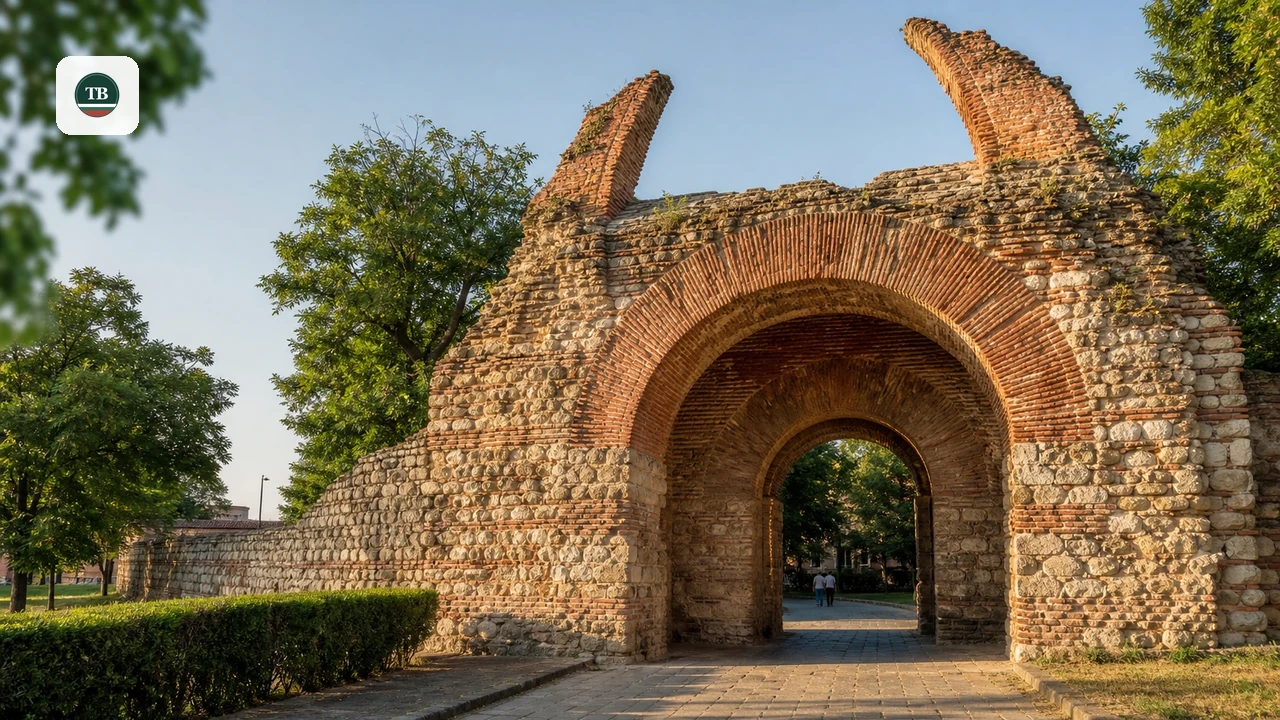
Hisarya is the most visually dramatic of Bulgaria's spa towns. The modern town sits inside the surviving walls of Diocletianopolis, the Roman city built around a thermal complex by Emperor Diocletian in 293 AD. You enter through one of four ancient gates — the largest, called the Camel Gate, is still 11 metres tall — and the central park runs along Roman fortification walls flanked by century-old trees and rare herbs. The archaeological museum on site houses Roman coins, votive tablets dedicated to healing deities, and original marble fragments from the thermal baths.
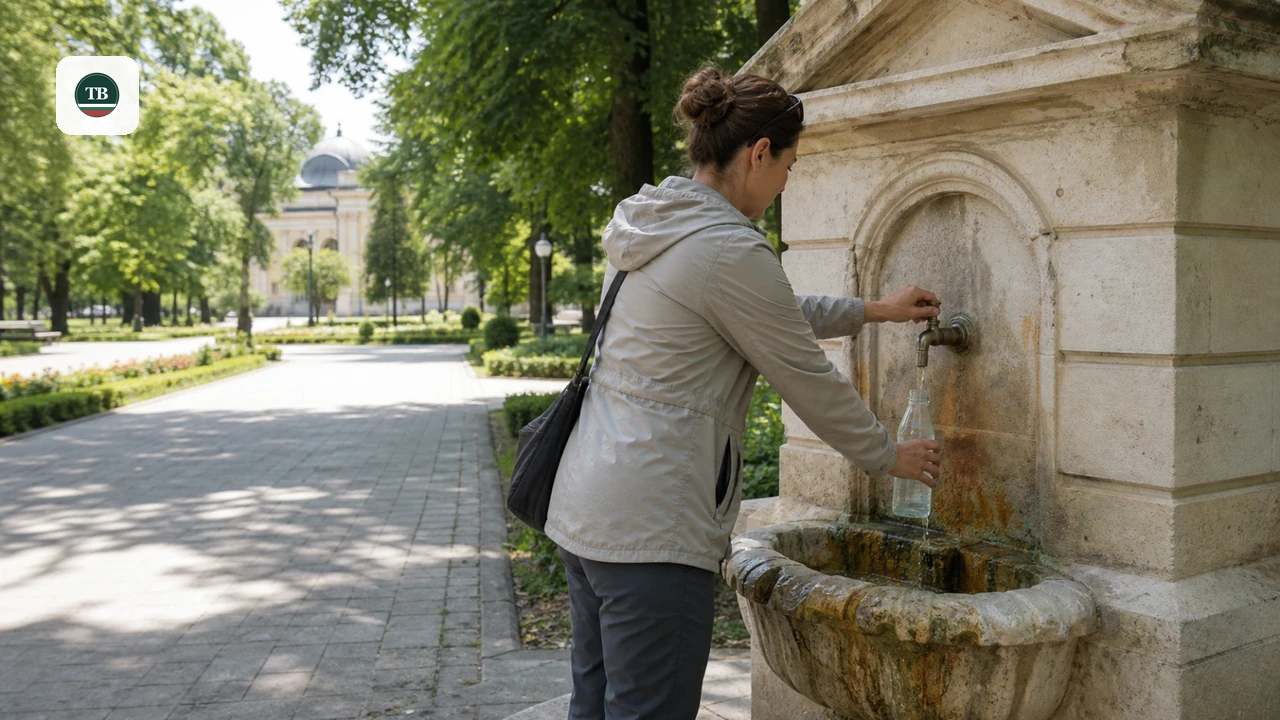
The 22 mineral springs each have a different temperature (44–55°C) and chemical composition, which is why Hisarya can treat such a range of conditions. The Momina Salza (Maiden's Tear) spring is lightly mineralized with trace elements including manganese, zinc, and cobalt — preferred for drinking because of its clean taste. The Momina Banya spring has higher sulphur content and is used primarily for kidney, urological, and musculoskeletal conditions. Local signage at each fountain identifies its composition and recommended uses.
Hotel spa access runs €10–22 per day. Hisarya is 42 km from Plovdiv, making it easy to combine with a city break. There is a railway station and a small bus terminal in town; a taxi from the station to most hotels costs 2 leva (roughly €1).
Pomorie: Healing Mud on the Black Sea
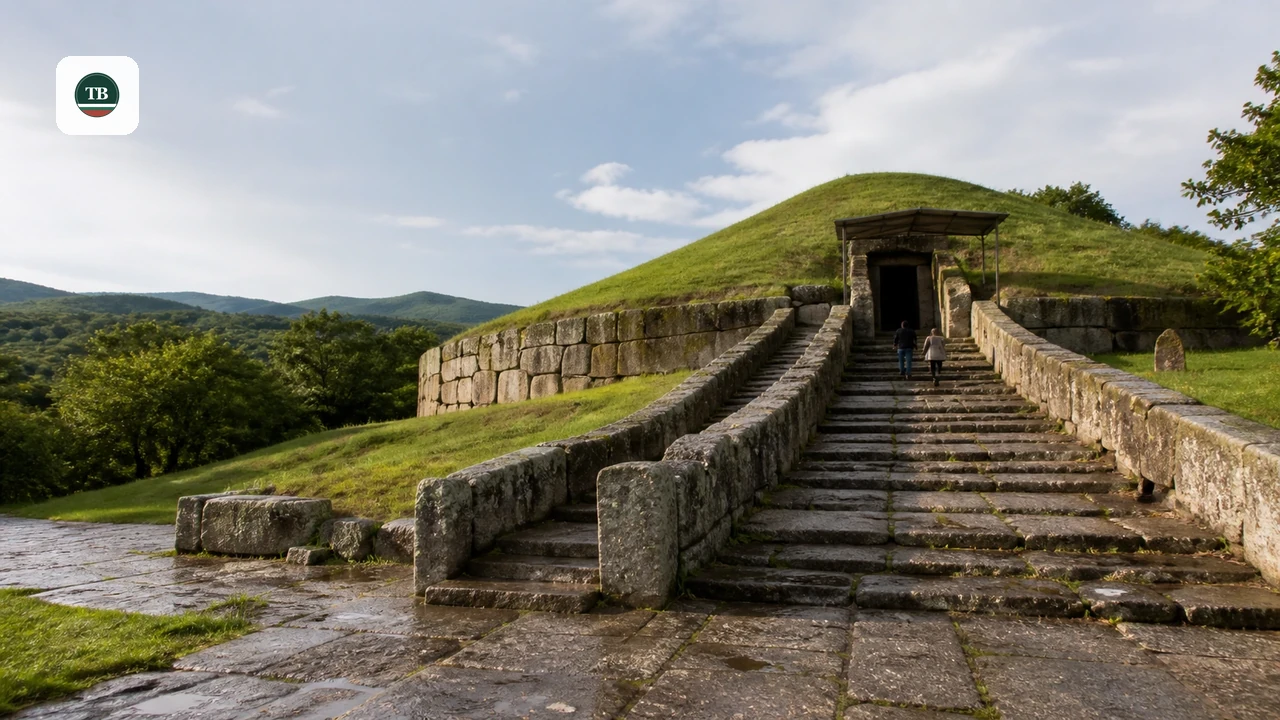
Pomorie occupies a narrow peninsula between the Black Sea and a large salt lake 20 km north of Burgas. The lake produces liman mud — a dark, fine-grained sediment rich in hydrogen sulphide, magnesium, calcium, sodium, and iron — that has been used therapeutically since Thracian times. The Thracian beehive tomb near Pomorie dates to the 2nd–3rd century AD, and the ancient ruins of Anhialo sit beneath the modern town, confirming continuous human settlement drawn by both the sea trade and the mud.
Modern liman mud therapy targets musculoskeletal diseases, skin conditions, nervous system disorders, and metabolic issues. A full mud wrap at a Pomorie medical spa costs €20–45 depending on the hotel and the length of the treatment. The mud has a pronounced hydrogen sulphide smell, so bring an old swimsuit. Most treatment centres ask you to shower immediately after the mud dries, then rest for 30–45 minutes in a warm room — a protocol set by the on-site balneologist.
Pomorie works well as a three-night addition to a Black Sea holiday. The town itself has a small old quarter with 19th-century architecture, a winery, and good fish restaurants on the seafront. The salt lake is a protected Ramsar wetland and a feeding ground for flamingos during spring and autumn migration.
Banya: Thermal Bliss Near the Bansko Ski Slopes
The village of Banya in Blagoevgrad Province sits five minutes by car from the Bansko ski resort and has become Bulgaria's premier après-ski thermal destination. More than 70 hot springs emerge here at temperatures up to 70°C, cooled for pool use to the standard therapeutic range. After a day on the slopes at 2,000+ metres, sliding into a 38°C outdoor pool while fresh snow falls around you is one of the better experiences Bulgaria offers.
Grand Hotel Therme is the flagship property, with an adults-only outdoor and indoor spa complex that fills up after 16:00 once the ski lifts close in winter. Book your slot in advance during December through March. The outdoor jacuzzis can hit 40–45°C if the queue is short and the cooling cycle has just refreshed. Smaller complexes like SPA Club Alpha charge around €15 for a full day of access and tend to be quieter on weekday afternoons. Banya also works in summer as a base for hiking in the Pirin Mountains, with trails starting directly from the village.
Sapareva Banya: The Hottest Geyser in Europe
Sapareva Banya holds a record no other Bulgarian spa town can match: the only active geyser in the Balkans, which erupts at 103°C. The water is too hot for direct bathing and must be cooled significantly, but the visual spectacle of steam rising from a natural geyser in a small Bulgarian mountain town is striking. The Kotvata aqua club is the main public facility, with cooled pools and a water park open daily 09:00–21:00 at €12–18 entry.
The real draw for experienced spa travellers is the town's position as the primary gateway to the Rila National Park and the Seven Rila Lakes Visitor Guide. Most visitors hike the lake circuit (starting from the chairlift station, 2–3 hours for the full loop) and return to Sapareva Banya for an evening soak — the contrast between cold high-altitude air and hot thermal water is genuinely restorative rather than just a marketing claim. The chairlift schedule runs 09:00–17:00 during summer; check for seasonal closures in early spring and late autumn.
Chiflik: Secluded Mountain Wellness in the Forest
Chiflik sits in the Central Balkan Mountains north of Troyan, surrounded by dense beech and pine forest. The village has one large natural spring that feeds a network of hotel pools, most of which remain open year-round including in snow. This is the right choice for travellers who want a quiet, affordable retreat rather than a full resort experience. Guesthouses here typically include pool access in the room price; external visitors pay around €8 for the day.
The water is recommended for respiratory and digestive conditions, but most people come for the forest atmosphere rather than a specific therapeutic protocol. The roads to Chiflik can be narrow and steep, particularly the final approach from Troyan — a car with good clearance is helpful in winter, and the road is best avoided entirely after heavy snowfall without winter tyres. In summer, Chiflik is a solid base for hiking the Central Balkan National Park, which starts within walking distance of the village centre.
Devin: Rhodope Mountain Air and Mineral Water
Devin is best known internationally for its bottled mineral water brand, which is exported across Europe, but the town's thermal pools are a less-publicized asset. The springs here are indicated primarily for joint and musculoskeletal conditions, and the elevation (800 metres in the Rhodope Mountains) provides clean dry air that complements the balneological programme. Pool access at Devin spa resorts runs €10–20, with most facilities closing around 20:00.
The town is compact and manageable. A short drive north leads to Shiroka Laka, one of the best-preserved traditional Bulgarian villages, with 18th-century stone houses and a famous music school for gaida (bagpipe) players. Combining a spa stay in Devin with a half-day in Shiroka Laka is one of the more distinctive experiences in the Rhodope region. The drive south from Plovdiv to Devin takes about 90 minutes through the Rhodope gorges and is scenic in its own right.
Aqua Calidae: The Ancient Thermal Complex Near Burgas
Fifteen kilometres from Burgas, the Aqua Calidae — Thermopolis complex is the least-discussed major spa site in Bulgaria among English-language travellers. The site has been in continuous thermal use for roughly 2,000 years. The Thracians called the mineral spring "The Three Nymphs" and treated it as a sacred source. The Romans renamed it Aqua Calidae (healing water) and built bath infrastructure in the 1st century. The Byzantine Emperor Justinian I added a 40-metre fortress wall in the 6th century. Suleiman the Magnificent then built an Ottoman hammam on the Roman foundations in the 16th century — and that hammam now serves as a museum with a glass floor over the Roman and Thracian excavations beneath it.
The modern complex beside the archaeological site has mineral pools open to the public. Water temperature at the source reaches 73°C, cooled for bathing to around 36–38°C. Entry to the pool complex runs €5–10. The archaeological museum section costs an additional €3. For visitors based in Burgas or Varna who want a genuine thermal experience without driving to Velingrad or Hisarya, this is the most accessible option on the Black Sea coast.
The site sits within a protected wetland corridor and is relatively quiet outside summer weekends. If you are staying in Varna or the wider Burgas area, a morning at Aqua Calidae pairs naturally with an afternoon at Pomorie — both are within 30 km of each other and represent very different but complementary spa traditions.
Additional Towns: Starosel, Kyustendil, and Ognyanovo
Starosel in the Plovdiv region combines mineral bathing with wine production at the Wine and Spa Complex Starosel, which sits beside a Thracian cult complex dating to the 5th century BC. The combination of wine-based skin treatments, a barrel sauna, and the archaeological site nearby makes it one of the more distinctive weekends available within two hours of Sofia. Rooms fill early; book at least three weeks ahead for weekend slots.
Kyustendil, known in Roman times as Pautalia, has been a healing centre for over 2,000 years. Its high-sulphur springs are specifically recommended for skin conditions and gynaecological disorders. Public baths cost around €5, while hotel pools run €12–20. The town is well connected to Sofia (100 km west) and serves as a good base for visiting the Rila Monastery Visitor Guide the following day.
Ognyanovo in the Rhodopes, 200 km from Sofia, is a quieter local spa destination with mineral springs and the ruins of the Roman town Nikopolis ad Nestrum nearby. It appeals to visitors who want an unpretentious village atmosphere without the infrastructure of Velingrad or Hisarya. The Ognyanovo Prophylaxis Centre offers formal spa treatment courses at very low cost.
| Spa Town | Signature Therapy | Best For | Day-Pass Cost |
|---|---|---|---|
| Velingrad | Musculoskeletal & respiratory (80+ springs) | First-time visitors; widest hotel choice | €15–35 luxury; €4–6 public |
| Sandanski | Respiratory (ionized springs, low humidity) | Asthma, bronchitis, allergy sufferers | €12–25 pool; €5 park pool |
| Hisarya | Multi-condition (22 springs, varied chemistry) | History enthusiasts; Roman ruins | €10–22 |
| Pomorie | Liman mud (hydrogen sulphide-rich) | Musculoskeletal & skin conditions | €20–45 mud wrap |
| Banya | Post-ski recovery (70+ hot springs) | Winter après-ski at Bansko | €15 full day |
| Sapareva Banya | Geothermal geyser (103°C source) | Visitors to Rila Lakes trail | €12–18 |
Must-See Spa Town Attractions: Museums and Culture
The Hisarya Archaeological Reserve is the single most impressive cultural site within any Bulgarian spa town. You can walk through the Camel Gate, trace the original Roman street grid, and examine marble bath floors that are still in situ. The on-site museum houses votive tablets dedicated to Asclepius and Hygieia — the Roman gods of healing and health — alongside Roman coins and amphora from the 2nd–4th centuries AD. Entry costs less than €4 for adults.
Velingrad's Historical Museum is worth two hours for its collection of hand-painted Easter eggs from the Chepino valley, a tradition specific to this micro-region. The museum also documents the life of Vela Peeva, the partisan fighter for whom the town was renamed in 1948. In Sandanski, the Archaeological Museum displays floor mosaics from the 5th–6th-century Early Christian Complex and reveals the ancient cobblestone streets of Roman Particopolis. Entry at both museums is under €3.
The Thracian cult complex near Starosel is the most significant Thracian monument you can visit without a guide. The main temple features a ceremonial staircase and a colonnade; the adjacent beehive tomb is structurally intact and gives a real sense of Thracian burial architecture. Archaeologists believe the Thracians used the local mineral springs for ritual purification at this site, making it a spiritual predecessor of every spa town in the region.
Parks, Gardens, and Outdoor Spots in Spa Towns
Sandanski's Sveti Vrach park is the most ambitious green space attached to any Bulgarian spa town — 40+ hectares, over 160 plant species including Mediterranean varieties rarely found this far north, a large artificial lake, and designated walking routes that local physicians prescribe as part of respiratory treatment programmes. The park effectively extends the treatment into the outdoor environment, which is what makes Sandanski more than just a hotel spa destination.
Velingrad's Kleptuza Lake stays at a constant 12°C year-round and is too cold for swimming, but the surrounding pine forest paths are excellent for morning walks or light jogging. The air quality in the Chepino valley is measurably better than in the lowlands, which is why pulmonologists recommend it alongside the mineral water treatments. A network of eco-trails leads from the lake into the Rhodope highlands; most are well-marked and manageable for moderate fitness levels.
Sapareva Banya is the most useful outdoor hub of the group. The chairlift at the edge of town accesses the plateau above the Rila National Park, and the Seven Rila Lakes hike begins from there. The lakes sit between 2,100 and 2,500 metres and are glacial in origin; the highest ones remain frozen into June in some years. Coming down from the cold altitude to a 38°C thermal pool in the valley below is worth planning an entire day around.
How to Plan a Smooth Spa Towns Trip: Logistics and Budget
A rental car is the most practical way to reach most Bulgarian spa towns. Train connections exist to Velingrad from Plovdiv and to Sandanski from Sofia, but services run only a few times daily. Remote destinations like Chiflik and Ognyanovo have no reliable public transport at all. Fuel costs in Bulgaria are among the lowest in the EU, and spa hotels almost universally offer free parking. Roads in the mountain spa regions are generally in reasonable condition but can narrow significantly on the final approach to smaller villages.
Budget expectations for 2026: a mid-range traveller can cover a four-star hotel, three meals, and daily spa access for €60–90 per day across most towns. Luxury five-star options in Velingrad or Sandanski run €120–200 per night including spa facilities — roughly half the equivalent in the Austrian or Swiss Alps. Always carry Bulgarian Lev (BGN) in cash. Public mineral baths, small guesthouses, and village complexes rarely accept international cards, and ATMs can be sparse in smaller towns.
Five-star spa resort day passes in Velingrad cost €15–35, while public mineral pools cost only €4–6. The price difference is the difference between luxury hotel amenities versus local community facilities — both give you access to the same geothermal springs.
The best seasons are May–June and September–October. Prices are lower than peak summer, crowds are manageable, and the mountain scenery is at its best. Winter (December–February) is excellent specifically for Banya and Chiflik, where outdoor thermal pools in snow are the main draw. Summer is fine but hotels in Velingrad and Sandanski book out weeks in advance during Bulgarian school holidays. Note that many medical balneological programmes require a minimum 7-day stay to complete a therapeutic course — if that is your goal, plan accordingly rather than treating these towns as overnight stops.
Explore Bulgaria's Spa & Wellness Destinations
From the mineral-spring resorts of the Rhodope and Pirin mountains to balneotherapy on the Black Sea coast, here are deeper guides to every spa town and city wellness scene in Bulgaria.
Bulgaria's Spa Towns
- Velingrad — Spa Capital of the Balkans
- Sandanski Mineral Spa & Mild Climate
- Pomorie Mud Baths & Salt Lake
- Hisarya Roman Thermal Baths
- Devin Rhodope Mineral Spa
Spa & Wellness in Bulgaria's Cities
Explore more: Best Spa Towns and Planning Tips in Bulgaria
Use these focused guides to plan the details, compare options, and build an itinerary that fits your trip.
Frequently Asked Questions
Which spa town in Bulgaria is best for first-time visitors?
Velingrad is the best choice for first-timers because it offers the widest range of luxury hotels and English-speaking services. It has a well-developed infrastructure and multiple types of mineral water to suit different needs.
What is the difference between a medical spa and a wellness spa?
Medical spas are supervised by doctors and focus on treating specific health conditions like joint pain or respiratory issues. Wellness spas focus on relaxation, beauty treatments, and general stress relief without clinical oversight.
Is the water in Bulgarian spa towns safe for drinking?
Yes, most mineral water from public fountains is safe and even encouraged for health, but check the signs first. Some springs have high mineral concentrations that should only be consumed in limited quantities.
Bulgaria remains one of the last frontiers for high-quality, affordable wellness travel in Europe. From the Roman ruins of Hisarya and the ancient thermal layers of Aqua Calidae to the modern luxury of Velingrad, the country offers a thermal experience for every type of traveller — whether your goal is a physician-supervised balneological course or simply a weekend of hot pools and mountain air. Plan around two or three towns rather than trying to cover all ten; the distances between regions mean rushed itineraries undercut the restorative point of the journey.
Related planning guides
Use these focused guides to continue planning: