Bulgaria Ski Holidays
Bulgaria has become one of Europe's most sought-after ski destinations for UK travelers, offering modern lift systems, reliable snow cover, and daily costs that run 35 to 40 percent lower than comparable Alpine resorts. The country's three main resorts — Bansko in the Pirin Mountains, Borovets in the Rila, and Pamporovo in the Rhodope — each serve a distinct type of traveler. Planning 10 Things to Know About Skiing in Bulgaria for Beginners is especially straightforward here, with affordable ski schools, English-speaking instructors, and wide nursery slopes at every resort.
Whether you are booking a full package holiday, a self-catered apartment, or a last-minute deal, Bulgaria delivers a complete winter experience. Après-ski culture runs deep, transfer times from Sofia are manageable, and the local food and drink scene costs a fraction of what you would spend in France or Switzerland. This guide covers everything you need to plan a ski holiday in Bulgaria for the 2025/26 and 2026/27 seasons.
Why Choose Bulgaria for Your Next Ski Holiday?
The headline reason is value. A daily ski pass at Bansko for the 2025/26 season costs around 60 BGN (approximately 30 EUR) for an adult — less than half the price of a day pass at a major French resort. A full week's ski package in Bulgaria, including return flights from the UK, transfers, accommodation, and lift passes, typically comes in between 600 and 900 EUR per person. Comparable packages in the Alps often start at double that figure.
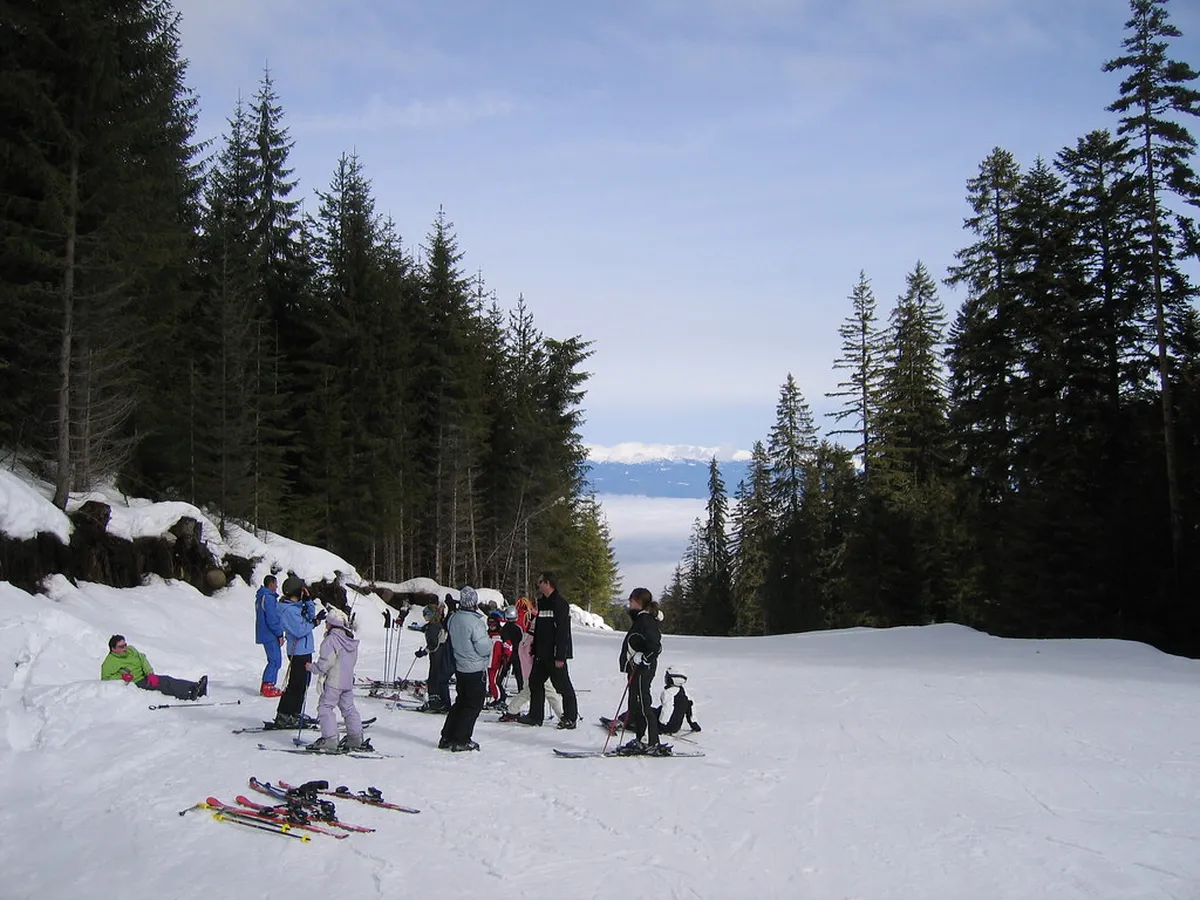
Families particularly benefit from the resort setup here. Every major resort has a dedicated ski kindergarten area for children from age three upward, and English-speaking instructors are the norm rather than the exception. The atmosphere is relaxed and the class sizes at ski school are small, which means children progress faster than they might in the busier Alpine resorts.
Experienced skiers are not left out. Bansko's upper runs above 2,600 metres hold snow well into March, and there is off-piste terrain in the Pirin range for those who want it. The 9 Things to Know About Ski Resorts in Bulgaria each offer something different — matching your level and style to the right mountain is the key decision.
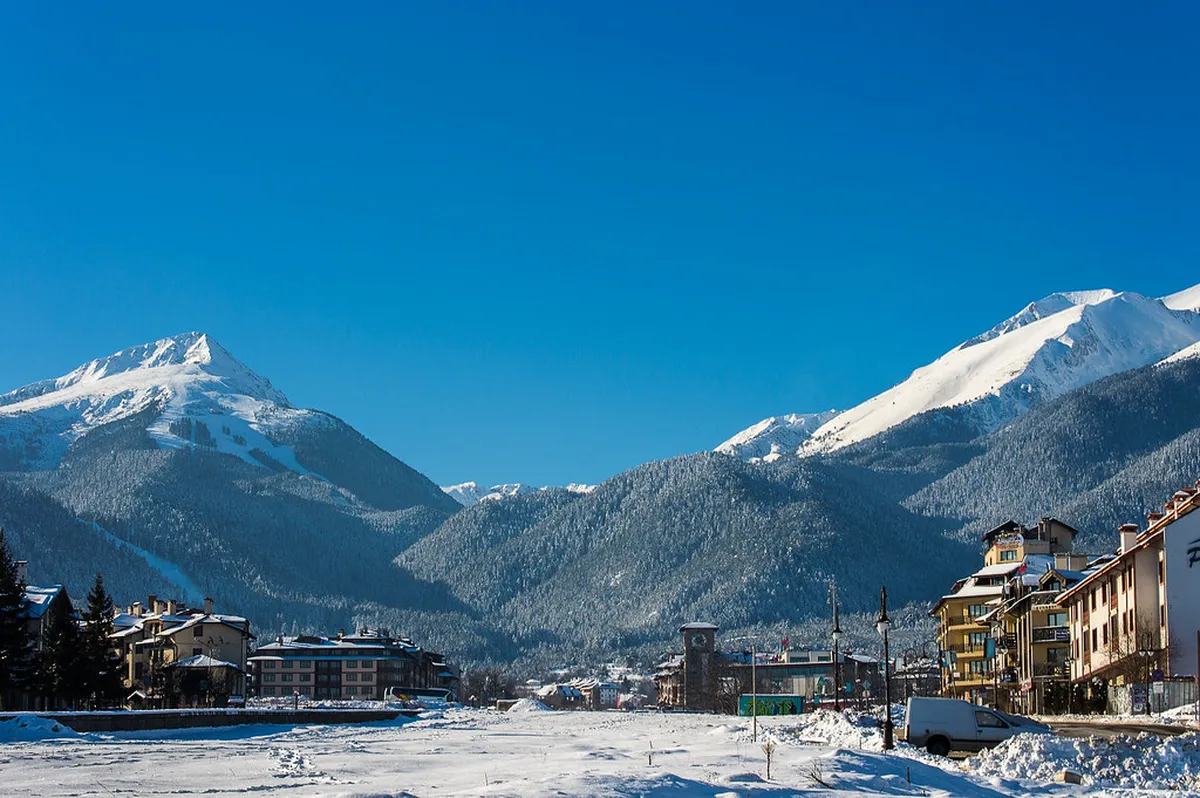
Cultural richness is another genuine draw. The Bulgarian ski season runs through a landscape of stone-built old towns, Orthodox monasteries, and forested valleys that look very different from the manicured Alpine villages most UK skiers are used to. That contrast is a big part of why repeat visitors keep coming back.
Top Bulgaria Ski Resorts: Bansko, Borovets, and Pamporovo
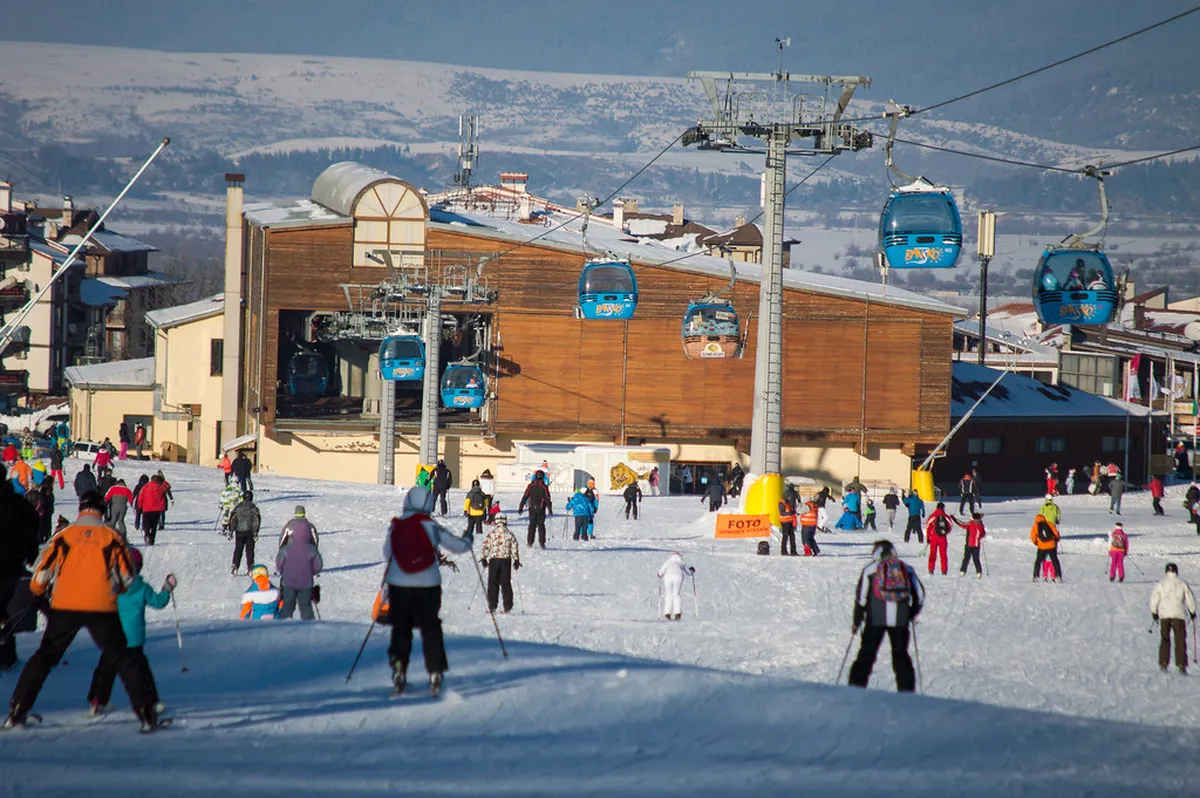
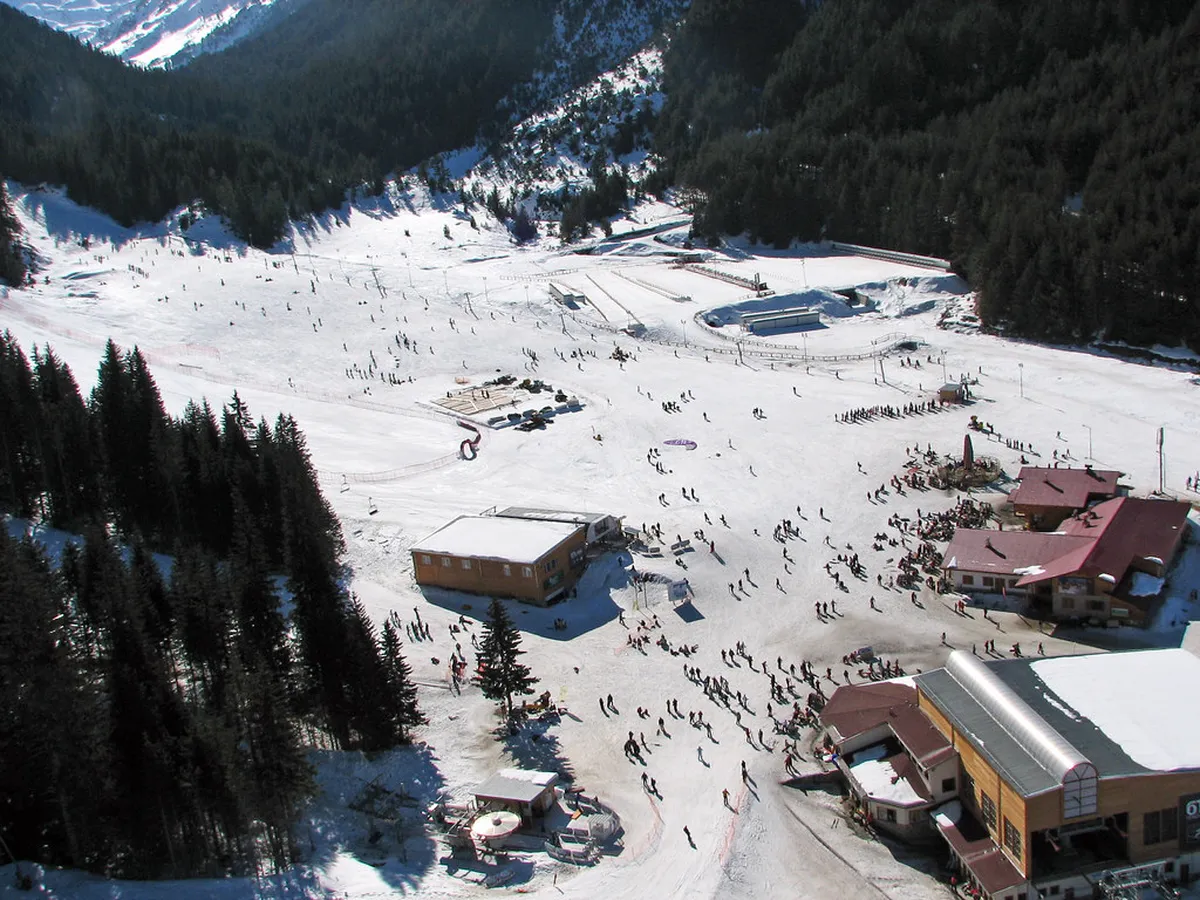
Bansko is Bulgaria's flagship resort and the most visited by international package holidaymakers. The resort sits at 925 metres but the top of the skiing reaches 2,600 metres, giving a long vertical that supports good snow cover from December through late March. A high-speed gondola connects the old town to the main ski area in around eight minutes, bypassing the busy lower slopes during peak hours. You can explore a detailed Skiing In Bansko Bulgaria to learn about the best runs and local lesser-known places.
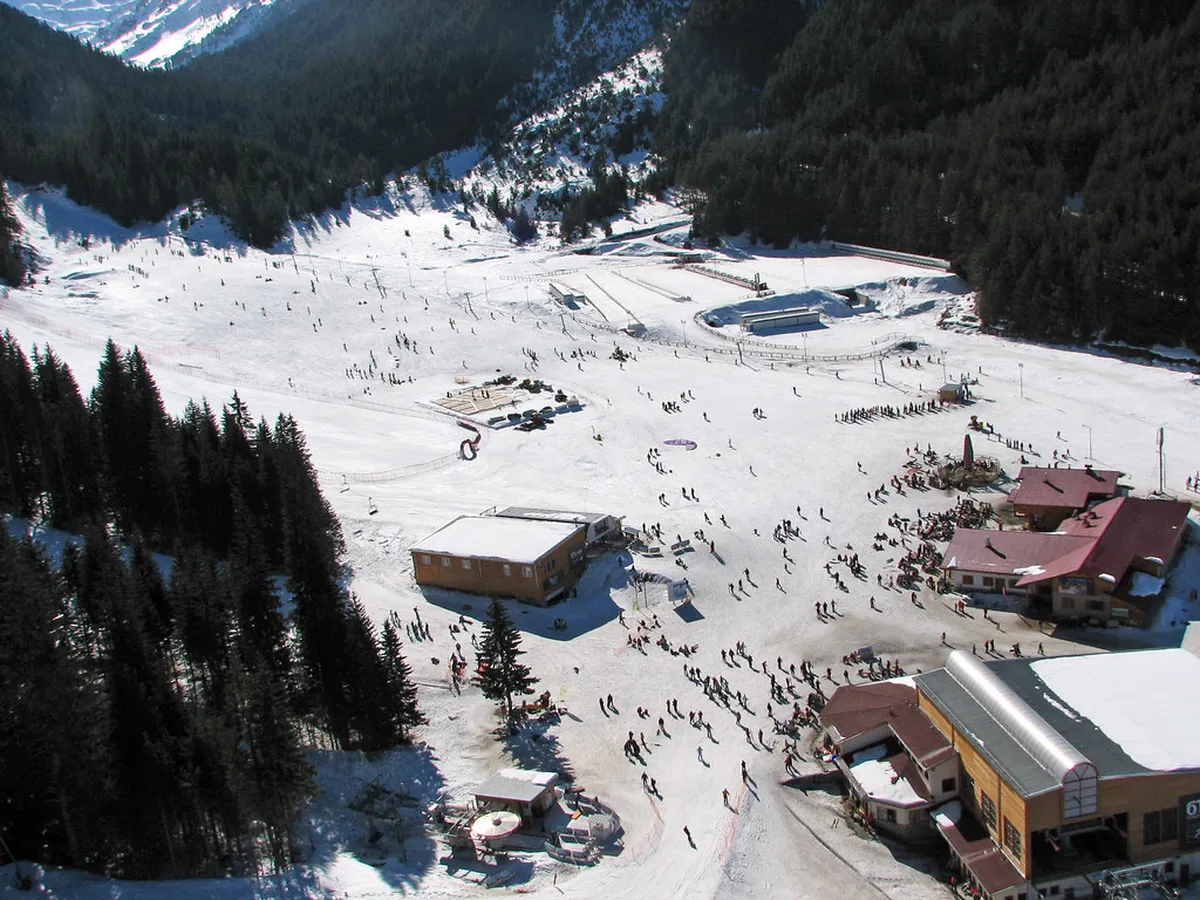
Borovets is Bulgaria's oldest ski resort and sits just 73 kilometres from Sofia, making it the easiest option for a short-break or a long weekend. The skiing covers 58 kilometres of marked runs across forested slopes between 1,350 and 2,560 metres, with strong night skiing facilities on the Martinovi Baraki slope. Its proximity to the capital and the sheltered forest terrain make it a consistent choice for families and beginners. Our 11 Essential Tips for Borovets Ski Resort highlights the excellent night skiing options available on its well-lit slopes.
Pamporovo sits in the Rhodope Mountains at a lower elevation than the other two resorts, topping out at 1,926 metres. What it lacks in vertical it makes up for in sunshine — the resort averages more sunny days per season than any other in Bulgaria, which is a real bonus for families with young children who want comfortable outdoor conditions. The slopes are almost entirely blue and red, making it ideal for beginners and nervous intermediates who want to build confidence on wide, well-maintained pistes.
| Resort | Mountain Range | Marked Runs | Top Altitude | Best For | Transfer from Sofia |
|---|---|---|---|---|---|
| Bansko | Pirin | 75 km | 2,600 m | Nightlife, intermediates, long season | ~2.5 hours |
| Borovets | Rila | 58 km | 2,560 m | Short breaks, families, night skiing | ~1.5 hours |
| Pamporovo | Rhodope | 37 km | 1,926 m | Beginners, sunshine, young families | ~3.5 hours via Plovdiv |
Beginner and Family Suitability
Bulgaria is widely rated as one of the best places in Europe for beginner skiers, and the reason is straightforward: the quality of instruction is high and the price of lessons is low. A group ski lesson typically costs 25 to 35 EUR per person per day, compared to 60 EUR or more in France or Austria. Group sizes are small — usually four to six people at the major schools — which means more time actually moving than standing in a huddle at the bottom of the nursery slope.
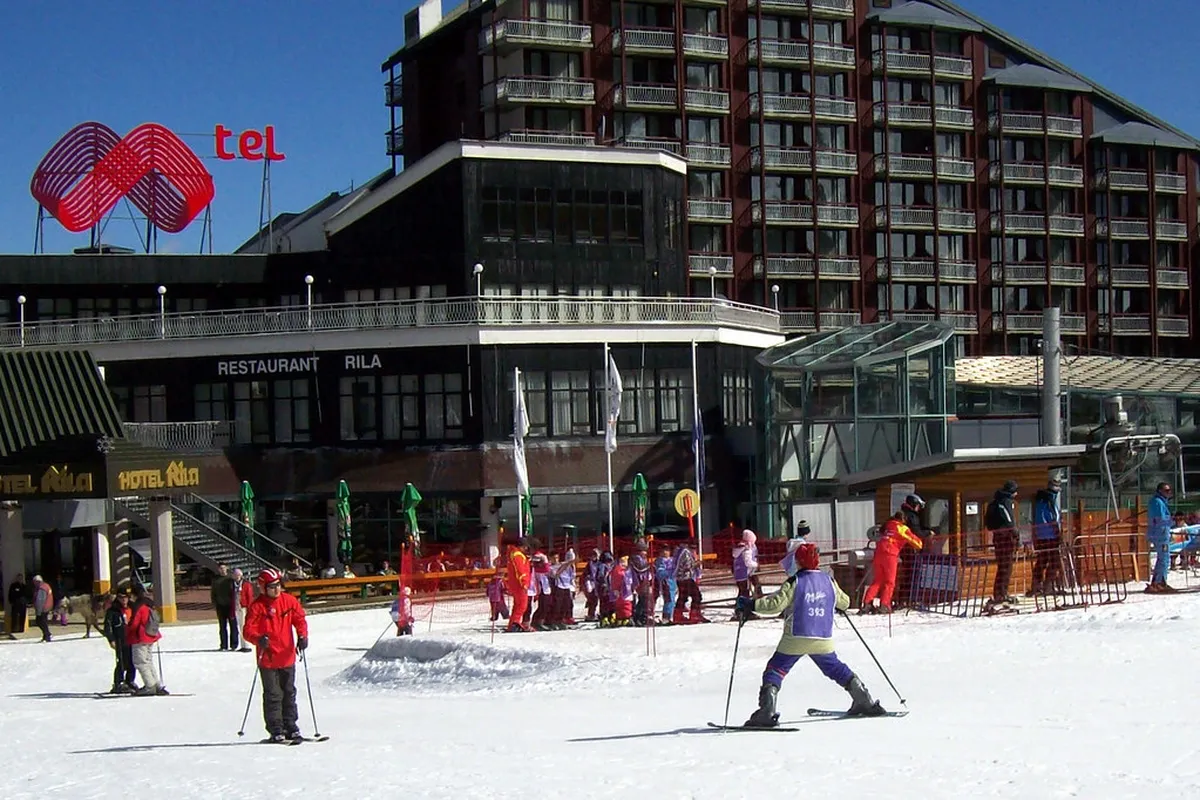
Every resort runs a dedicated children's area with magic carpets, gentle gradients, and instructor-to-pupil ratios suited to young learners. Pamporovo is the most recommended for families with very young children or complete beginners, because there are virtually no steep or intimidating runs anywhere on the mountain. Borovets is a close second, with its forest runs providing natural wind shelter and a visually engaging environment for children who might otherwise get bored on open pistes.
For families with a mix of abilities — one confident skier and one nervous beginner — Bansko works best. The upper mountain has genuine intermediate and advanced terrain to keep the stronger skier busy, while the lower runs and ski school area are well separated from the main piste traffic. Childcare services and crèche facilities are available at most four-star hotels in all three resorts for children from around 18 months old.
Cost Breakdown: Why Bulgaria is Europe's Best Value Skiing
The savings in Bulgaria are real and they stack up across every line of the holiday budget. Here are typical on-the-ground costs for the 2025/26 season to give you a concrete sense of what to expect:
- Adult day ski pass at Bansko: around 60 BGN (30 EUR). A 6-day pass works out at roughly 145 EUR.
- Group ski lesson (full day): 25 to 35 EUR per person.
- Ski and boot hire for one week: 60 to 90 EUR including poles.
- Pint of beer in a resort bar: 3 to 5 BGN (1.50 to 2.50 EUR).
- Three-course dinner at a mehana (traditional Bulgarian tavern): 15 to 25 EUR per person, including a carafe of wine.
- Mid-range hotel (4-star, half board): 40 to 75 EUR per person per night in peak weeks.
Book early for January and February to secure the best hotel rates during peak weeks. Late March offers lower prices and quieter slopes, though snow at lower elevations can be variable. Equipment rental shops near the main gondola base mean you don't need to drag gear from your hotel.
The total for a week in Bansko — flights from the UK, transfers, 4-star half-board hotel, 6-day lift pass, and equipment hire — regularly comes in between 700 and 950 EUR per person when booked as a package. That same specification in a French resort such as Les Deux Alpes or Val Thorens would typically cost 1,400 to 1,800 EUR.
Early booking unlocks the best accommodation rates for January and February, which are the peak weeks. Traveling in late March cuts costs further: the lift pass prices drop at some resorts and hotel occupancy is lower, though the snow can be variable at lower elevations. Equipment rental shops are clustered near each resort's main gondola or chairlift base, so there is no need to drag gear from your hotel each morning.
Best Time to Visit: Weather and Snow Conditions
The Bulgarian ski season runs from mid-December through the end of March at the major resorts, though Bansko's upper runs at 2,600 metres can stay skiable into early April in a good year. January is typically the coldest month, with average highs of around 2°C at Bansko and lows dropping to -5°C. Natural snowfall is most consistent between late January and mid-February, when the Pirin and Rila ranges tend to accumulate their deepest base. Consulting a guide on Bulgaria's ski season month by month can help you avoid the busiest holiday periods.
February is the most popular month for UK package bookings, and for good reason: the snow base is usually at its peak, daylight hours are noticeably longer than in January, and the resort atmosphere is at its most lively. The mid-term school holidays in February bring the biggest crowds, so booking ski school places well in advance is essential if you are travelling with children during those weeks.
March is a strong alternative for experienced skiers who want quieter slopes and lower prices. Morning snow conditions are firm and good for carving, and by mid-morning temperatures warm enough to ski in just a base layer on sunny days. Pamporovo in particular benefits from its high number of sunshine hours in March, making it an excellent spring skiing option. Late December and early January are quieter periods with good value, though natural snow can be patchy below 1,800 metres — all three resorts run extensive snowmaking systems to cover the lower runs during lighter snowfall periods.
All-inclusive packages that bundle flights, transfers, 4-star accommodation, and lift passes typically run 700–950 EUR per person—about half the cost of comparable Alpine holidays. February is the peak month with the deepest snow base and liveliest resort atmosphere, but booking ski school places well in advance is essential during school holidays.
Beyond the Slopes: Après-Ski, Mehanas, and Thermal Baths
The après-ski scene in Bansko is well established and genuinely good value. The action starts in the mid-afternoon on Bansko's main street — Ulitsa Pirin — with wood-panelled bars serving craft beer and local rakia from around 16:00. By evening the tone shifts toward full restaurants and clubs that stay open past midnight. Read more about the nightlife in our guide to après-ski in Bansko to find the best spots.
Dining in a traditional mehana is the highlight of most visitors' evenings. These are sit-down taverns built around long wooden tables, open fireplaces, and live folk music on weekends. Order a Shopska salad to start — the combination of chopped tomatoes, cucumbers, and grated white sirene cheese is refreshing and costs under 5 BGN. Follow it with Kavarma, a slow-cooked meat and vegetable stew served in a clay pot, or with kebapche — spiced minced meat grilled over an open flame. A shot of rakia (Bulgarian grape or plum brandy) comes with most meals as a complimentary welcome gesture at traditional establishments.
For recovery after heavy days on the mountain, the village of Banya sits just eight kilometres from Bansko and has been known for its mineral hot springs since Roman times. The public thermal bath complex in Banya is open year-round and entry costs a few leva. Soaking in 37°C mineral water is an effective way to ease tired legs, and several higher-end hotels in Bansko now include spa access with their room rates. Borovets and Pamporovo have their own hotel spa facilities but lack the natural hot spring proximity that makes Banya a genuine differentiator for the Bansko trip.
Practical Travel Tips: Flights, Transfers, and Currency
Most UK travelers fly into Sofia Airport (SOF), which receives direct flights from London Gatwick, London Stansted, Manchester, and Edinburgh via easyJet, Wizz Air, and Ryanair. Flight time from the UK is typically two hours and forty minutes to three hours. Check the Sofia Airport (SOF) Official Site for the latest flight schedules and terminal information. A less commonly used but genuinely useful option is Plovdiv Airport (PDV), which is served by Ryanair from several UK airports — if you are heading to Pamporovo, Plovdiv is only about 45 minutes from the resort versus the 3.5-hour haul from Sofia.
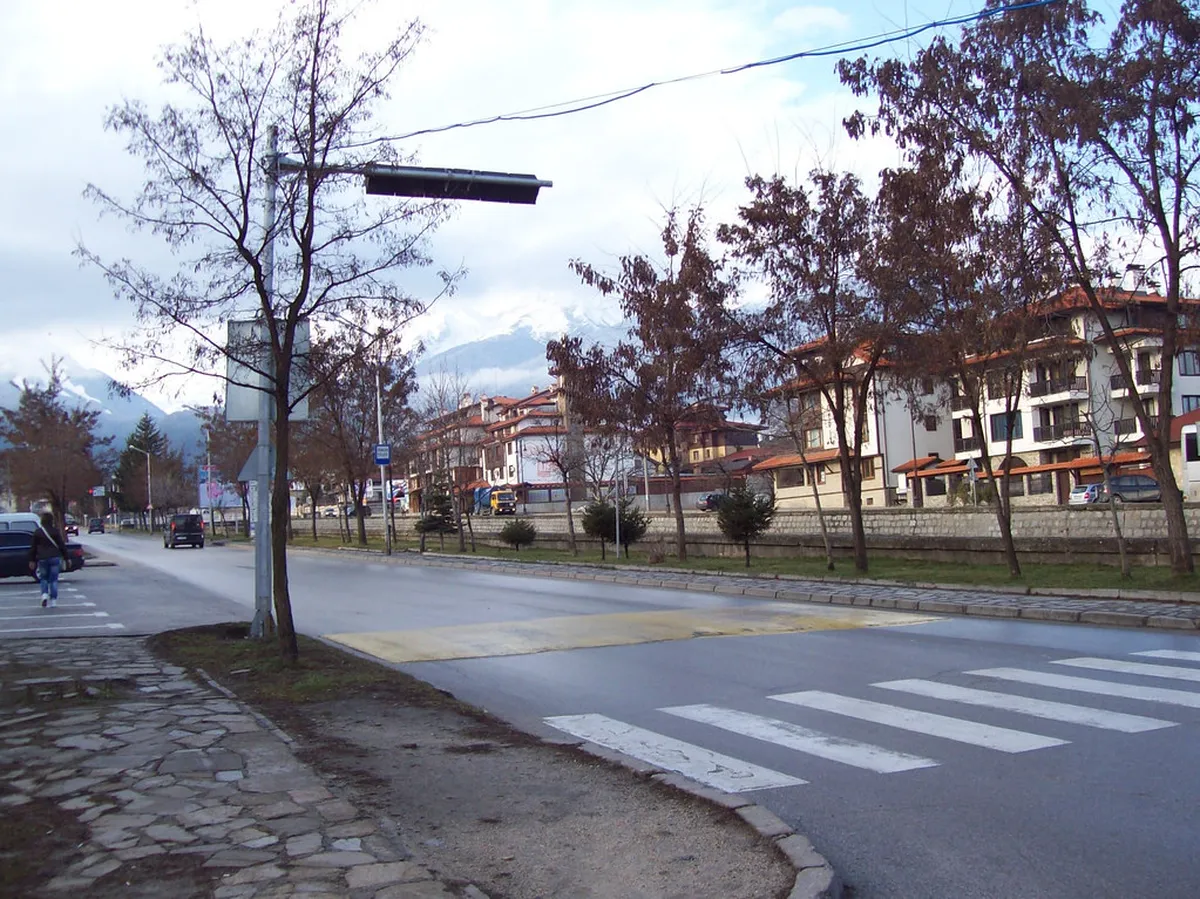
Transfer times and typical costs from Sofia vary by resort. Bansko is approximately 150 kilometres from Sofia, and a shared minibus transfer takes around two and a half hours and costs 15 to 25 EUR per person each way. Borovets is just 73 kilometres from the capital — about 75 to 90 minutes — making it the best option if you want to book a late-arriving flight without a long mountain drive in the dark. Arranging How to Get from Sofia to Bansko in advance is the most stress-free way to reach your mountain accommodation.
Bulgaria uses the Bulgarian Lev (BGN), pegged at a fixed rate to the Euro (1 EUR = 1.96 BGN). Most resort bars, restaurants, and ski hire shops in the major resorts accept Visa and Mastercard, but smaller mountain huts and local mehanas often prefer cash. Withdraw local currency from an ATM in the resort centre rather than exchanging at the airport, where rates are less favourable. Bulgaria is an EU member state — UK visitors can stay for up to 90 days in any 180-day period without a visa. Consider using a Textr eSIM Bulgaria Guide to find the best data plans for staying connected on the mountain.
Continue planning: Use 9 Things to Know About Ski Resorts in Bulgaria and 12 Best Tips and Activities for Apres Ski in Bansko to connect this guide with the rest of your Bulgaria itinerary.
Frequently Asked Questions
Is skiing in Bulgaria good for beginners?
Yes, Bulgaria is excellent for beginners due to its wide, gentle slopes and affordable ski schools. Instructors are highly skilled and usually speak fluent English, making the learning process very smooth. Many resorts offer dedicated nursery areas that are perfect for building confidence on the snow.
Which is better: Bansko or Borovets?
Bansko offers a more modern lift system and a larger town with extensive nightlife. Borovets is closer to Sofia and features beautiful forest runs that are sheltered from the wind. You can read a full comparison in our 8 Key Differences guide to decide which fits your style.
How much does a ski holiday in Bulgaria cost?
A typical week-long holiday in Bulgaria can cost between 600 and 900 Euros per person, including flights and passes. This is significantly cheaper than similar trips to the Alps, where prices often start at double that amount. Food and drinks remain very affordable throughout the season.
When is the best month to ski in Bulgaria?
February is generally considered the best month because it offers the most reliable snow depth and great weather. January is colder but often has the freshest powder for those who enjoy off-piste skiing. March is ideal for those who prefer sunny days and a more relaxed pace.
Bulgaria offers a unique blend of modern ski infrastructure and ancient Balkan traditions that you won't find in the French Alps. Whether you are a beginner looking to learn or an expert seeking value, these mountains provide an unforgettable winter experience. The combination of low costs and high-quality slopes makes it one of the most attractive winter destinations in Europe.
Start planning your trip today to secure the best accommodation and enjoy the incredible hospitality of the Bulgarian people. You will return home with amazing memories and a much healthier bank balance than if you had visited the Alps. The snowy peaks of the Pirin and Rila mountains are waiting to welcome you for your next great adventure.