8 Best Wellness & Spas in Pomorie Experiences
Pomorie sits on a narrow rocky peninsula on Bulgaria's Black Sea coast, surrounded on one side by open water and on the other by a hypersaline lagoon that has been producing medicinal mud and lye for centuries. The combination of therapeutic peloid, mineralised lye, and a string of purpose-built balneo hotels makes this small town one of Eastern Europe's most credible medical spa destinations. This guide covers the top 8 Wellness & Spas in Pomorie experiences, from the natural lakeside mud flats to five-star balneotherapy centres, so you can plan a visit that genuinely benefits your health in 2026.
To see Pomorie's healing mud and therapeutic setting in action, this video provides a visual tour of the lagoon and spa facilities:
Must-See Wellness Attractions: The Pomorie Salt Lake
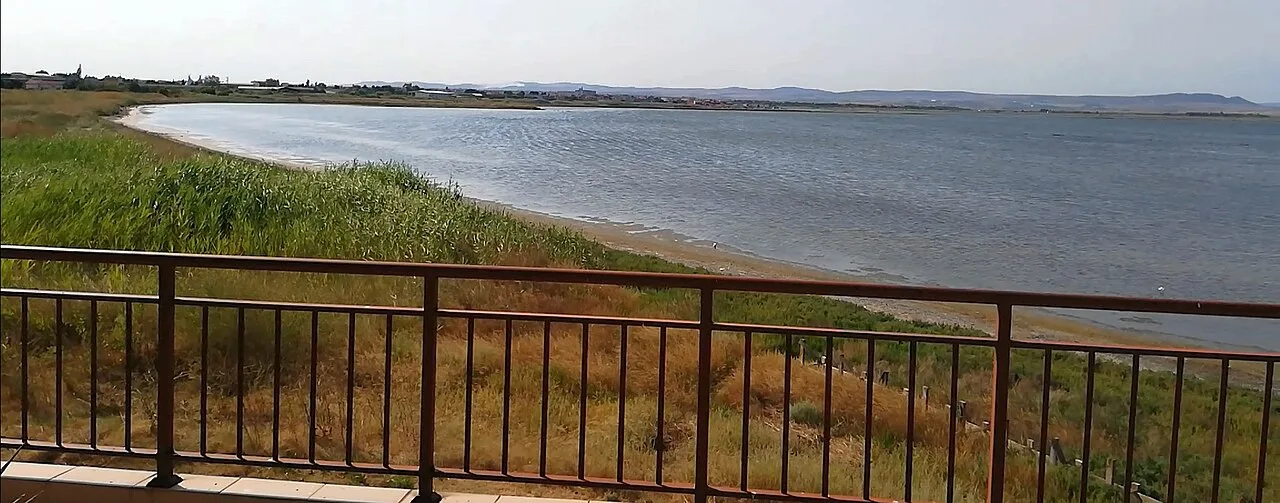
The Pomorie Salt Lake is the engine behind the entire wellness economy of the town. It is a natural hypersaline lagoon separated from the Black Sea by a sand strip and a small canal, giving it a salt concentration of around 60–80% — compared to just 18% in the open sea. The bottom is lined with black liman mud rich in sulfur, iron, manganese, and magnesium sulfates, minerals that accumulate through the slow organic decomposition of plant matter over thousands of years. This organic content is what sets Pomorie mud apart from purely mineral muds found elsewhere in Europe.

Walking the embankment path that runs along the lake takes about 30 minutes at a relaxed pace and already delivers low-level inhalation therapy through the salt-rich air. In summer the shallows near the public access point still attract locals who apply lake mud directly to sun-warmed skin — a centuries-old habit that persists alongside the hotel spa scene. The lake is also a protected bird sanctuary hosting flamingos, avocets, and black-winged stilts, which makes the walk worthwhile even for visitors who are not coming specifically for health treatments. Access to the lakeside path is free year-round.
A professional spa session amplifies what the lake offers naturally. The mud extracted here is used in balneotherapy clinics across town under medical supervision, heated to 38–42 °C so that the minerals penetrate the skin efficiently. Visiting the lake before your first hotel treatment gives you a useful reference point — it helps you understand where the raw material comes from and why doctors here talk about peloid therapy rather than a cosmetic facial.
Signature SPA Treatments in Pomorie: Mud and Lye
The two signature treatments here are peloid (mud) therapy and medicinal lye therapy, and they work differently. Mud is applied directly to the body in a warm tub — the standard session lasts 15–20 minutes at 38–42 °C. The heat opens skin pores while sulfates and manganese penetrate the tissue, reducing joint inflammation and improving circulation in the peripheral nervous system. Conditions most commonly treated include low back pain, discopathy, periarthritis, and skin conditions such as psoriasis. Some centres also offer targeted wraps for specific joints rather than full-body immersion.
Lye is the dense, oil-like liquid that remains above the salt layer when lake water evaporates. It is yellow-brown in colour, has a faint hydrogen sulfide smell, and contains concentrated calcium, sodium, and magnesium sulfate. Therapists apply it as a warm compress or immerse the patient in a specialist pool where the water density allows near-effortless floating. The weightlessness relieves spinal pressure instantly, which is why lye therapy is especially popular with patients recovering from disc injuries. A typical lye session runs 20–25 minutes.
Grand Hotel Pomorie is the most accessible venue for visitors who want both treatments in a single stay. The 'VIP' upright mud tubs available there allow full-body standing immersion, which distributes heat and pressure more evenly across the skeletal system than a reclined position. Most balneologists recommend a minimum course of five to seven sessions to see measurable improvement — a weekend gives you two or three, which is a useful introduction but not a complete therapeutic cycle. Pricing for individual sessions typically starts around 25–40 BGN (13–20 EUR) per treatment at mid-range facilities, rising to 60–80 BGN (30–40 EUR) at five-star centres for package deals.
| Treatment | Application | Duration | Temperature | Best For |
|---|---|---|---|---|
| Mud (Peloid) | Applied directly to body in warm tub | 15–20 min | 38–42 °C | Joint inflammation, skin conditions (psoriasis), circulation |
| Lye | Warm compress or specialist pool immersion | 20–25 min | 38–42 °C | Spinal pressure relief, disc injury recovery, weightlessness therapy |
Post-Treatment Aftercare: The Rule That Changes Your Day
There is one aftercare rule that practically every international visitor gets wrong on their first session: you must not rinse with fresh water for at least two hours after a mud or lye treatment. The minerals need time to continue absorbing through the skin, and tap water disrupts that process. Immediately after your session you can rinse in the hotel's salt-water pool or the salt shower available at most balneotherapy centres — that is not only allowed but recommended. Fresh water, soap, and shampoo must wait.
Do not rinse with fresh water or use soap for at least two hours after your treatment. The minerals must continue absorbing through your skin during this time. Use only salt-water showers or pools; tap water will interrupt the therapeutic process and reduce the effectiveness of your session.
This rule reshapes how you plan the rest of your day. If you schedule a morning mud session, your first two hours are best spent in the salt pool, resting in a robe, or walking the lake path — not heading back to your room for a shower. Book your most intensive treatment before midday so the two-hour restriction falls within your natural spa downtime, leaving your afternoon free for cultural sightseeing or the beach. Evening treatments work too, provided you are comfortable rinsing in salt water at the hotel before bed rather than a hot fresh-water shower.
Also worth knowing: mud stains fabric permanently. Pack dark swimwear specifically for your Pomorie visit — black or navy works well. Rubber flip-flops are essential for walking the wet floors of balneotherapy areas. And because heat-based treatments temporarily raise blood pressure, avoid caffeine on treatment mornings and drink a full litre of water between procedures. Most centres have a rest area with herbal tea; use it.
Museums, Art, and Culture: The Salt Museum and Old Town
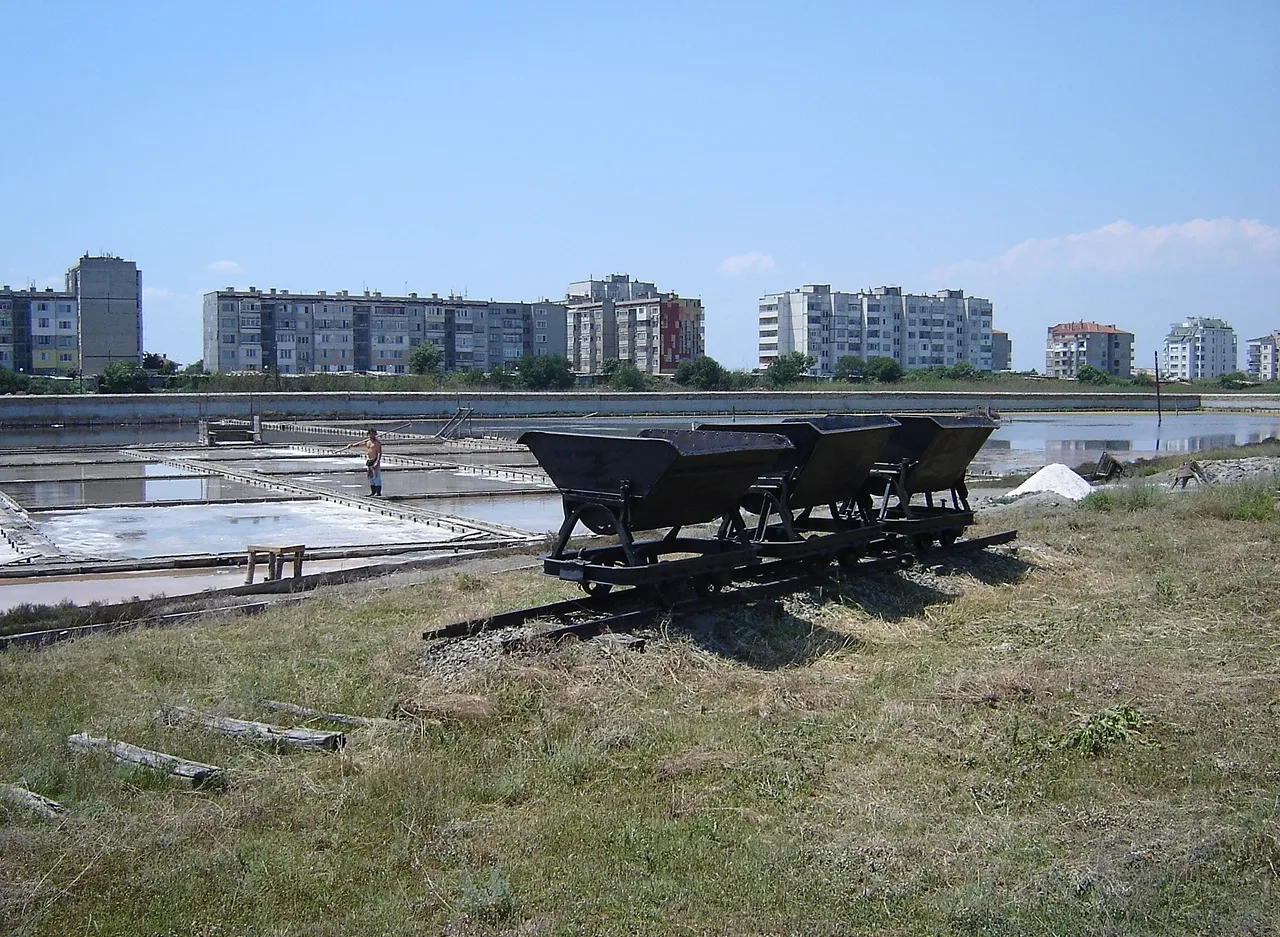
The Salt Museum on the shore of Lake Pomorie is the only institution of its kind in Eastern Europe dedicated entirely to solar salt production. Founded in 2002, it uses what locals call the Anhial method — named after the ancient Greek name for Pomorie, Anhialo — which relies on sunlight to evaporate seawater through a sequence of shallow pans. Workers still harvest salt using long-handled traditional wooden tools, and visitors can join a guided session on the active pans during the summer season. Seeing the process in person explains exactly why the lye and mud produced here carry such a distinctive mineral profile.
Opening hours differ sharply by season. From 15 September to 15 June the museum operates Monday to Friday 08:00–16:00 and is closed weekends, so off-season visitors need to plan carefully. Between 15 June and 15 September it is open Monday to Friday 08:00–18:00, plus Saturday and Sunday 10:00–18:00. Entry fees are modest: 2 BGN for adults, 1 BGN for students, 3 BGN for a guided tour. Photography of the geometric salt crystallisation patterns is excellent in late afternoon light.
The Salt Museum is closed weekends during the off-season (September–June), so plan your visit accordingly if traveling outside summer months. Guided tours cost 3 BGN extra and provide insights into the traditional Anhial salt-harvesting method still in use today.
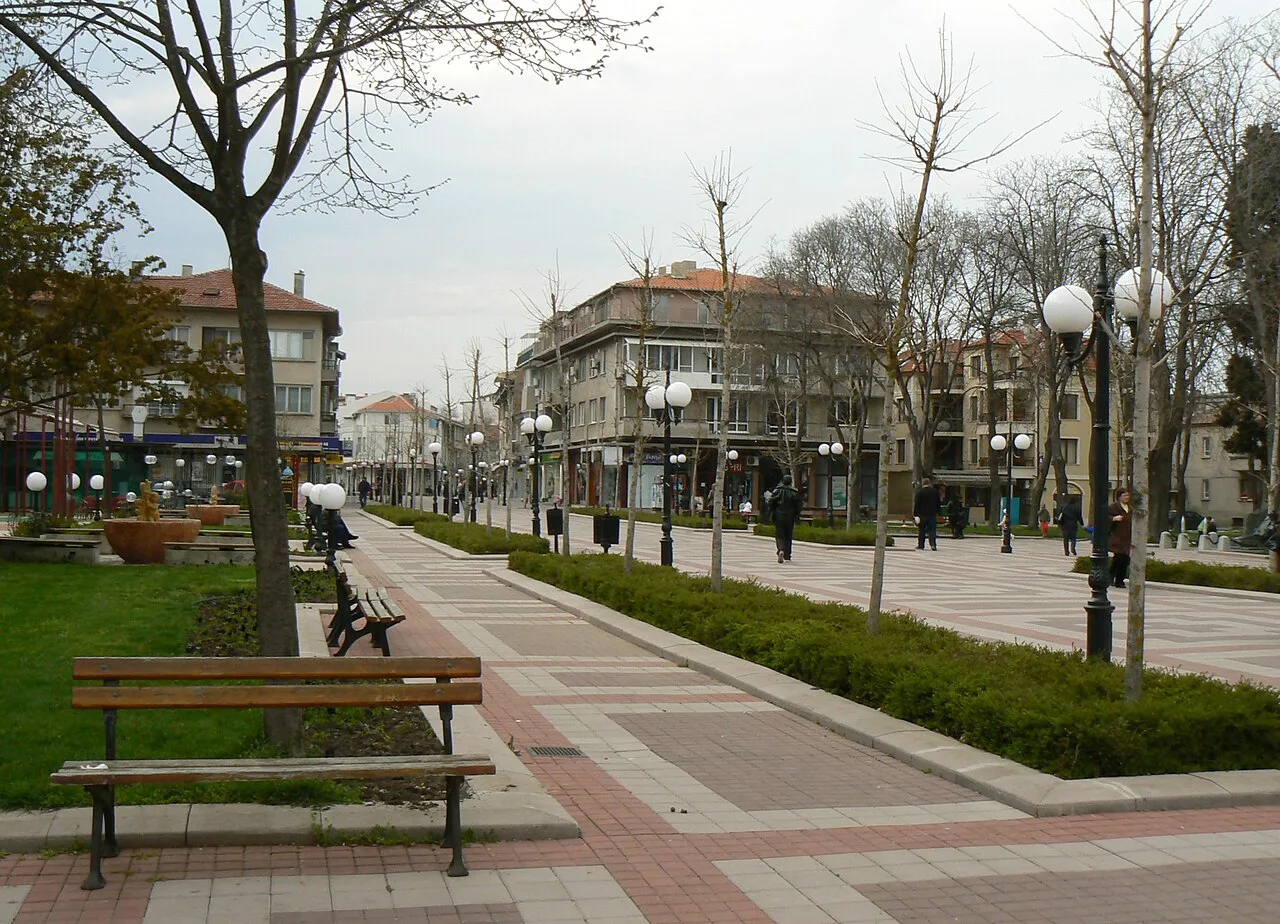
Beyond the museum, the architectural reserve of Old Pomorie houses sits in the eastern part of the old city along the coastline. Ten 19th-century Revival-era buildings with stone ground floors and pine-panelled upper storeys survive here — the pine kept out sea moisture and insulated the rooms in winter. The houses are privately owned and not open inside, but the Historical Museum of Pomorie nearby recreates the interior arrangements of an Anhialo home. The "Holy Transfiguration" church on the same street dates to 1763 and holds icons from the 16th to 18th centuries, making it the oldest standing structure in town.
Parks, Gardens, and Outdoor Spots for Natural Healing
The lagoon embankment walk is Pomorie's most therapeutic outdoor route and costs nothing. A flat path runs along the western shore of the lake, offering direct views across the salt flats and into the wetland bird reserve. Early morning is ideal: the air is cool, the light is soft on the water, and flamingos are regularly visible feeding in the shallows. Walking here before a mud session primes the body for treatment — the salt air begins the inhalation therapy, and the gentle movement loosens joints without overtaxing them.
On the town peninsula itself, the Yavorov Rocks form a small promontory on the northern tip where the Bulgarian poet Peyo Yavorov lived and wrote in 1899. Local authorities named the rocks in his honour and placed a monument there. The viewpoint is scenic, particularly at sunset when the light catches the open sea on one side and the lagoon on the other. It takes about ten minutes to walk from most central hotels and makes a peaceful break between spa sessions without requiring a taxi.
The Monastery of St. George lies a short ride outside the town and offers a different kind of restorative stop. The monks cultivate gardens and produce honey and wine that are sold on site. The grounds are quiet and shaded, with a natural spring that visitors have drunk from for centuries. Spending an hour here between morning and afternoon treatments provides the kind of mental rest that amplifies the physical benefits of balneotherapy — most regular spa visitors to Pomorie treat a monastery visit as part of the recovery day rather than a distraction from it.
Family-Friendly and Budget-Friendly Wellness Options
Not every visitor to Pomorie needs a clinical balneotherapy programme. Families traveling with children under 14 — who are generally not eligible for intensive mud treatments — can still make the most of the town by splitting their time between the spa hotel pools and outdoor activities. Grand Hotel Pomorie operates a large indoor salt-mineral pool open to hotel guests of all ages, which provides a lighter version of the mineral-water benefits without any of the heat restrictions. The Sunset Waterpark, located about 3.4 km from the town centre, adds slides and aqua attractions that work well as a half-day contrast to the quieter spa environment.
Budget-conscious travelers have several realistic options beyond the five-star properties. Complex Relax Pomorie All Inclusive starts from around 71 USD per night and sits within walking distance of the Salt Museum, with outdoor pools and standard wellness facilities included. Paradise Hotel & Relax Center offers similar pricing from approximately 72 USD per night and is convenient for the Monastery of St. George. Both properties offer access to basic hydrotherapy and relaxation pools without the full medical balneotherapy apparatus of the larger clinics — a reasonable choice if your goal is rest and mineral baths rather than a supervised treatment course.
The free public mud zone on the lakeshore — while not a formal facility — remains popular with local Bulgarians and budget-conscious visitors who simply want to try the mud. The experience is informal and unsupervised, but the mud is the same raw material used in the hotels. If you visit the lake and use the public area, follow the same aftercare rule: no fresh water for two hours and rinse only in salt water first. The Boyar Wine Cellar, about ten minutes from town, rounds out a budget wellness day with organised tasting tours of Pomorie's traditional wines and rakia — a century-old local tradition that pairs well with a rest-day afternoon.
How to Plan a Smooth Wellness Attractions Day
A well-structured day in Pomorie starts before you arrive. Most reputable balneotherapy centres require a consultation with an on-site doctor before your first session. The doctor reviews your cardiovascular history to confirm that heat-intensive treatments are safe for you — mud and lye are contraindicated for people with high blood pressure, varicose veins, active cancer, or pregnancy. The consultation is typically brief (15–20 minutes) and is included in most multi-day wellness packages, but if you are booking a single session, call ahead to check whether it is charged separately. Skip coffee on treatment mornings; caffeine elevates heart rate, and the heat will push it further.
Schedule your most intensive treatment for 09:00 or 10:00. Most balneotherapy centres operate from 08:00 to 20:00, though medical staff may finish earlier around 18:00. Starting in the morning gives you a natural rhythm: treatment, salt-pool recovery, light lunch, an afternoon visit to the Salt Museum or Old Town, and a second lighter session or the lagoon walk in the late afternoon. Booking a multi-treatment package across several days unlocks meaningful discounts — ask the reception about five-session or seven-session bundles when you check in, not on the day of each individual session.
If you are exploring other Bulgarian spa destinations, Wellness & Spas in Hisarya offer a very different inland mineral water tradition worth comparing. For a larger city option on the same coast, Burgas Wellness & Spas are twenty minutes south and can complement a Pomorie stay with evening dining and urban facilities. For logistics and Best Day Trips from Burgas, Pomorie is easily reached as a half-day or full-day excursion. Book accommodation in Pomorie at least two months ahead for July and August — the peak season fills the medical hotels faster than standard beach resorts because many guests are on fixed multi-week treatment courses.
Top Things to do in Pomorie Beyond the Spa
The Thracian Beehive Tomb, known locally as "The Hollow Mound," sits about 2 km west of the town centre and is one of the most architecturally unusual ancient sites on the Balkans. Built around the 2nd or 3rd century, it features a semi-cylindrical vaulted chamber with a hollow central column that expands upward to merge with the outer wall — a structural design found nowhere else in the region. It is thought to have served as a mausoleum for a wealthy Pomorie family where ritual ceremonies took place. Visiting requires booking in advance as a group of at least 15 people; check current availability with the local tourism office before building it into your itinerary.
The Monastery of St. George deserves more than a quick stop. The church interior holds icons spanning several centuries, and the surrounding gardens are maintained by the monks who also press local wine and produce honey. Both make excellent souvenirs. The natural spring on the grounds is still used by pilgrims and locals. The monastery is easily reached by a short taxi ride from central hotels or a 20-minute walk along the coast road, and it is open to visitors without advance booking.
Families traveling with children will find Sunset Waterpark a straightforward half-day option — it is 3.4 km from the town centre and accessible by taxi. Those who want to linger in the Pomorie area after their spa programme can take the short drive to Varna Wellness & Spas, Bulgaria's main coastal city 70 km north, which adds upscale dining and a larger beach scene to close out a wellness trip.
Where to Stay in Pomorie: Best Spa Resorts
Grand Hotel Pomorie is the town's most well-known choice and a reliable option for visitors who want premium balneotherapy under one roof. The five-star property sits on the beachfront in the centre of town and its spa was fully renovated in 2020. The indoor pool uses salt-mineral water, and the facilities include a herbal sauna, infrared sauna, steam bath, salt room, and rain shower in addition to the mud and lye treatment suites. It is the most frequently recommended starting point for first-time spa visitors to Pomorie because the English-language staff and the quality of medical supervision are consistently high.
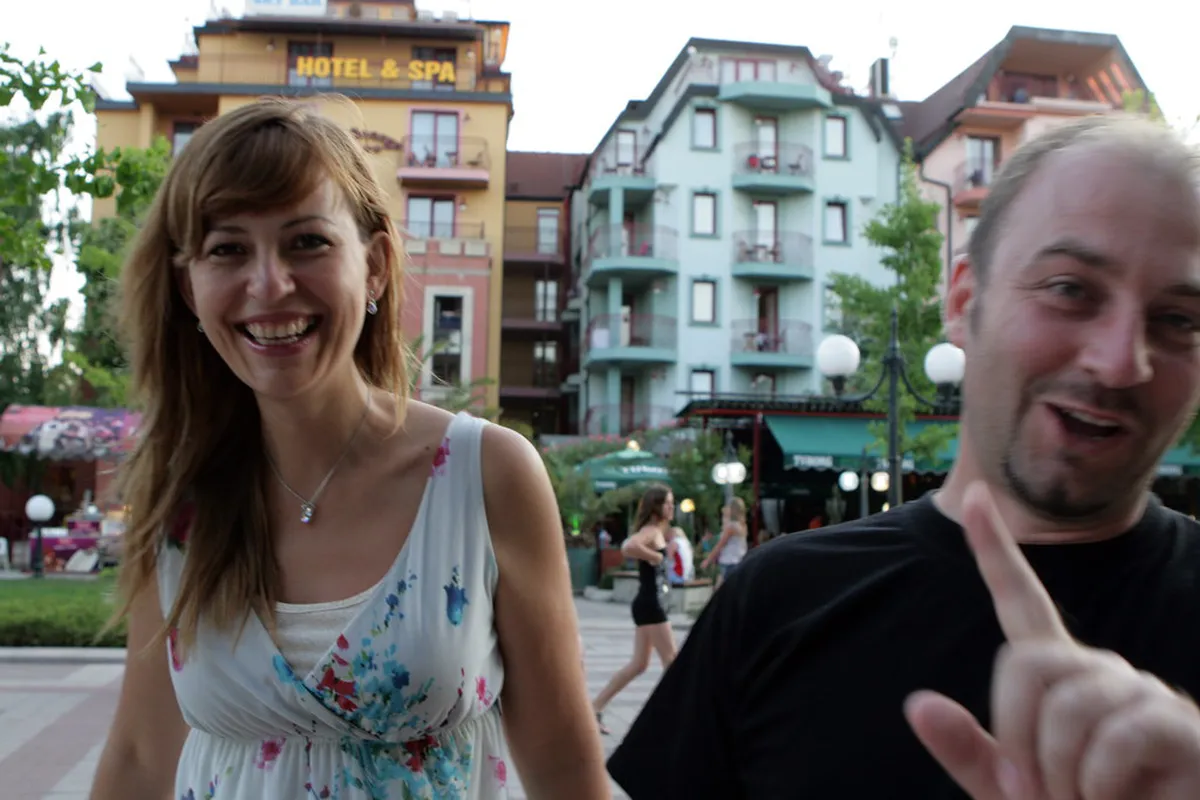
Balneohotel Pomorie takes a more clinical approach. It is positioned closer to the lake and its doctors specialise in treating conditions of the reproductive and nervous systems, as well as complex musculoskeletal cases. Stays here tend to be longer — guests often come for two weeks on a supervised programme — and the atmosphere is closer to a medical institution than a leisure hotel. Prices are more accessible than Grand Hotel for longer stays, making it the better option if you have a specific chronic condition and need a structured course rather than a leisure wellness break.
Saint George Hotel & Medical Spa offers a boutique middle ground. It is a four-star property about 1 km from the town centre with a French restaurant, sea views from the upper floors, and a spa that balances relaxation and medical treatments without the clinical intensity of Balneohotel. For travelers who want the mud treatments without committing to a full medical stay, Saint George hits a comfortable price-to-experience ratio. Check also the 10 Best Spa Towns and Planning Tips in Bulgaria guide for a broader comparison if you are deciding between Pomorie and other regional destinations before booking.
Continue planning: Use 10 Best Spa Towns and Planning Tips in Bulgaria and Wellness & Spas In Devin Travel Guide to connect this guide with the rest of your Bulgaria itinerary.
Frequently Asked Questions
What is the best time of year for a spa trip to Pomorie?
Late spring and early autumn are ideal for visiting Pomorie. The weather is mild enough for outdoor walks, and the spa facilities are less crowded than in July. Visiting in the off-season often results in better rates at top Bulgaria's spa towns.
How does Pomorie mud differ from Dead Sea mud?
Pomorie mud is a liman mud, which contains a higher percentage of organic matter compared to the mineral-heavy Dead Sea mud. This makes it particularly effective for biological skin regeneration and treating the peripheral nervous system. Both offer significant healing, but Pomorie mud is more specialized for peloid therapy.
Do I need a medical consultation before spa treatments in Pomorie?
Yes, most reputable balneotherapy centers require a brief consultation with an on-site doctor. This ensures that the heat and mineral concentrations are safe for your cardiovascular system. The consultation is usually quick and included in many multi-day wellness packages.
Are the spa hotels in Pomorie suitable for children?
Many hotels like the Grand Hotel Pomorie offer family-friendly pools and play areas. However, specific medical mud treatments are generally reserved for adults or older teenagers. Families often balance spa time with visits to the local waterpark or the beach.
Pomorie offers a world-class wellness experience rooted in natural resources and ancient history. Whether you seek medical relief or simple relaxation, the town's mud and lye treatments provide unique benefits. By balancing your spa sessions with cultural visits, you can enjoy a holistic Bulgarian holiday. Start planning your retreat to experience the healing power of the Black Sea coast today.