10 Essential Experiences in Bansko Old Town (2026)
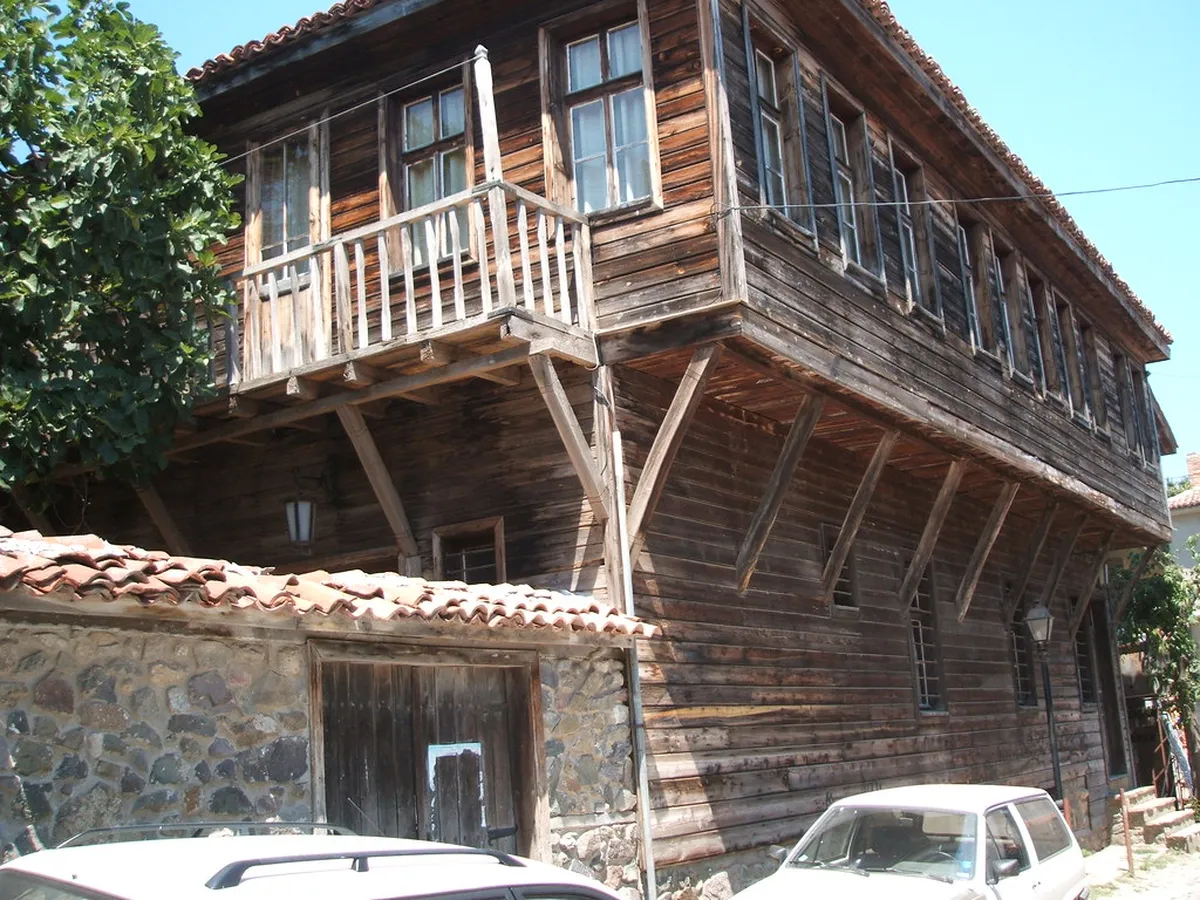
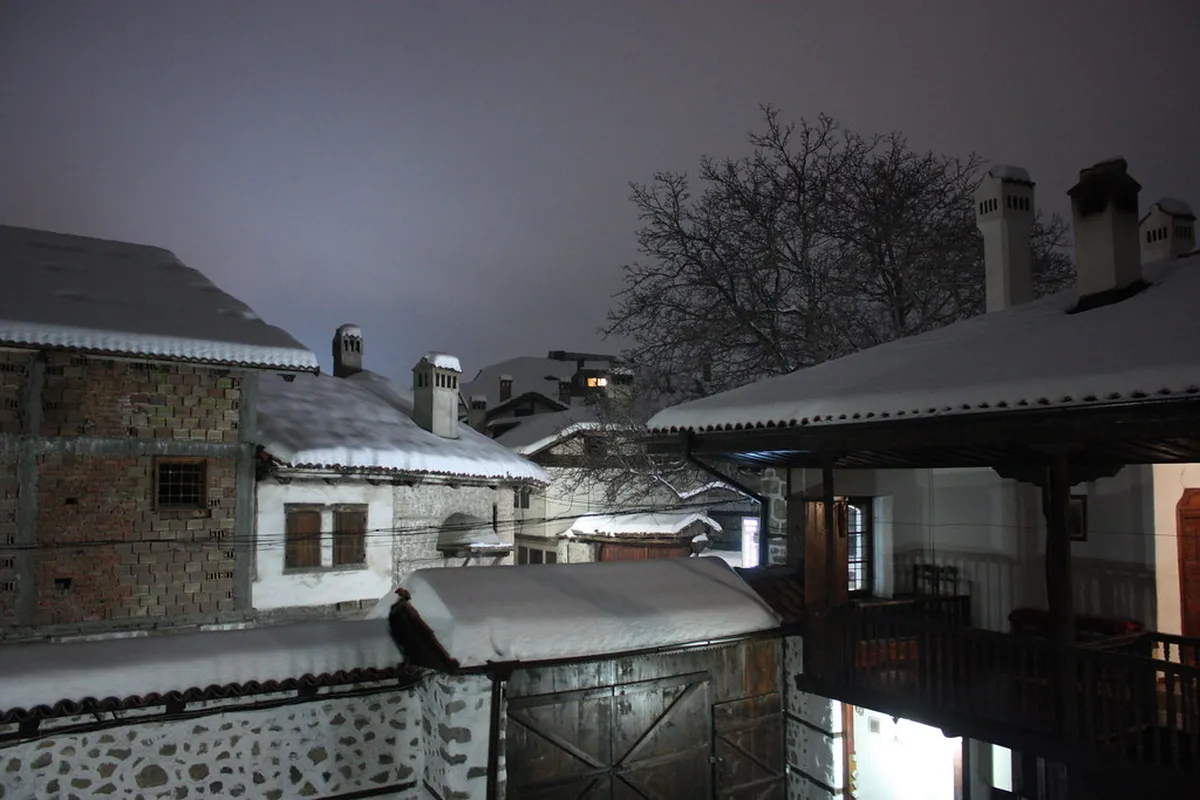
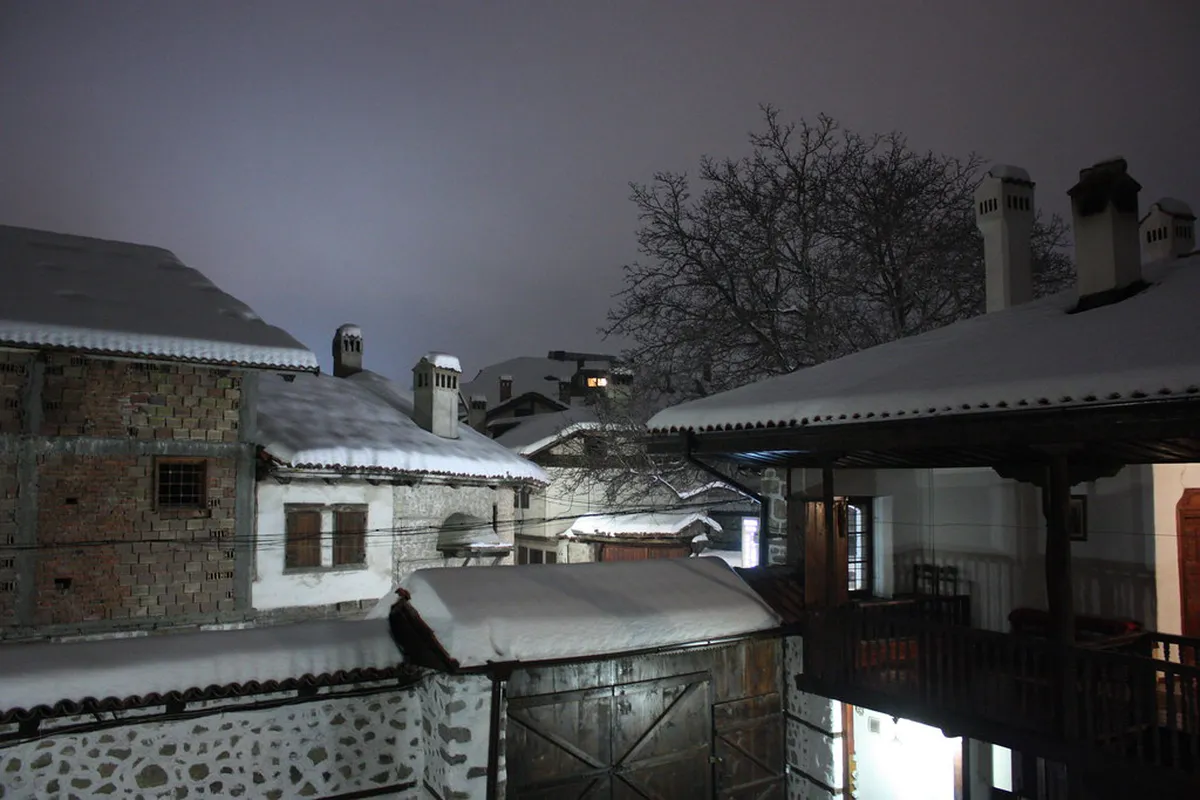
Bansko's Old Town is the true heart of this Bulgarian mountain resort — a labyrinth of cobbled streets and traditional stone houses that survived decades of ski-resort development intact. Beyond the gondola queues and après-ski bars, the historic core offers a completely different rhythm: quiet courtyards, 19th-century churches, and family-run mehanas where folk music starts after 8 PM without a cover charge. This guide, updated for June 2026, covers what to see in the Old Town, where to eat and drink, which outdoor adventures pair best with a day in the center, and a few under-the-radar walks that most visitors miss entirely.
Here's a video walk-through of Bansko Old Town that captures the cobbled streets, historic churches, and atmosphere of the area:
Exploring the Old Town of Bansko
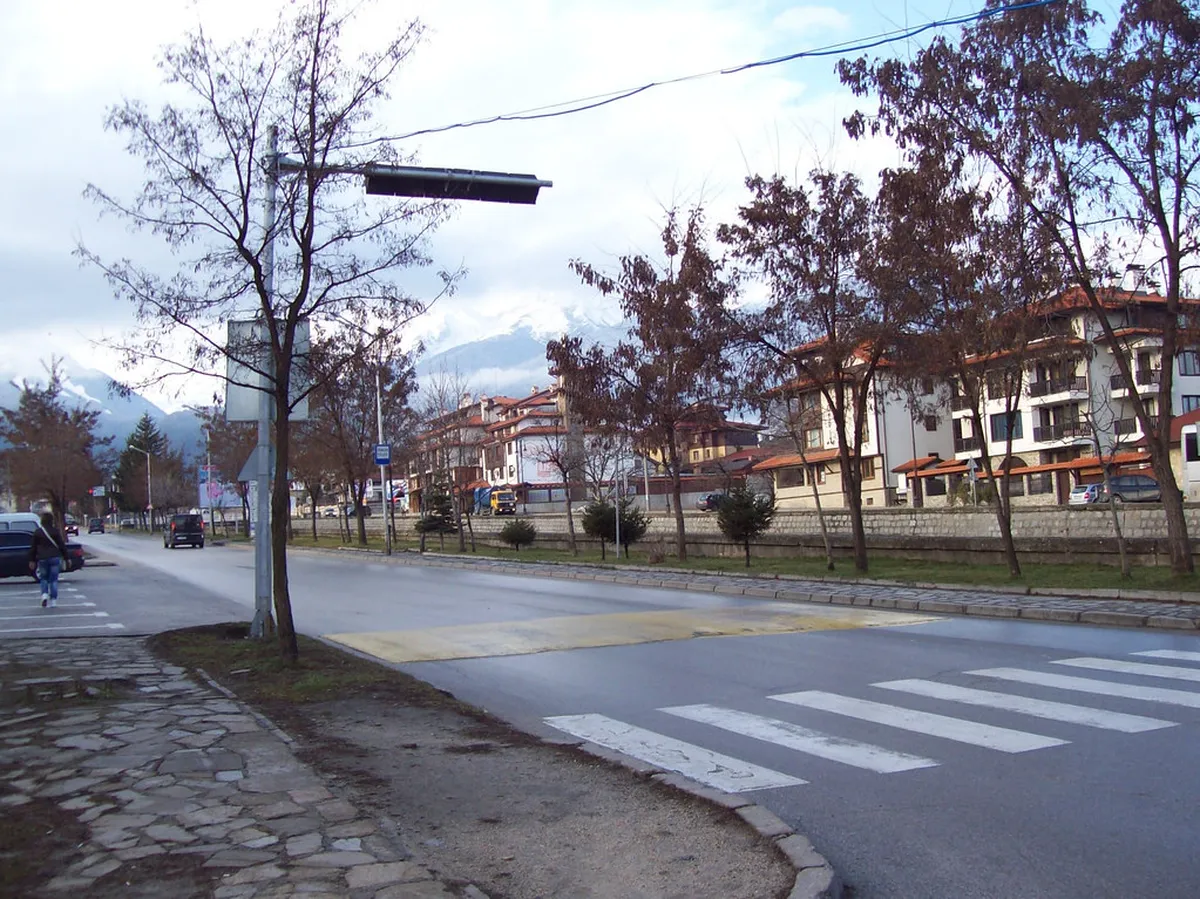
Walking from the modern resort to the Old Town takes about 15 minutes along Pirin Street. The transition is immediate: cobbled alleys replace asphalt, stone walls replace glass-fronted apartments, and the noise of the gondola terminal fades entirely. The area around Nikola Vaptsarov Square is the natural anchor — street stalls, occasional outdoor concerts, and the Holy Trinity Church complex all cluster here.
The Holy Trinity Church is the most visited landmark. Its slightly tilting bell tower rises 30 metres above the square and is hard to miss. The interior holds intricate frescoes from the Bulgarian National Revival period, and the attached Icon Gallery — housed in the former monastery wing — displays Bansko School icons from the 18th and 19th centuries. Entry to the bell tower costs around 2–3 BGN; the Icon Gallery is approximately 4 BGN.
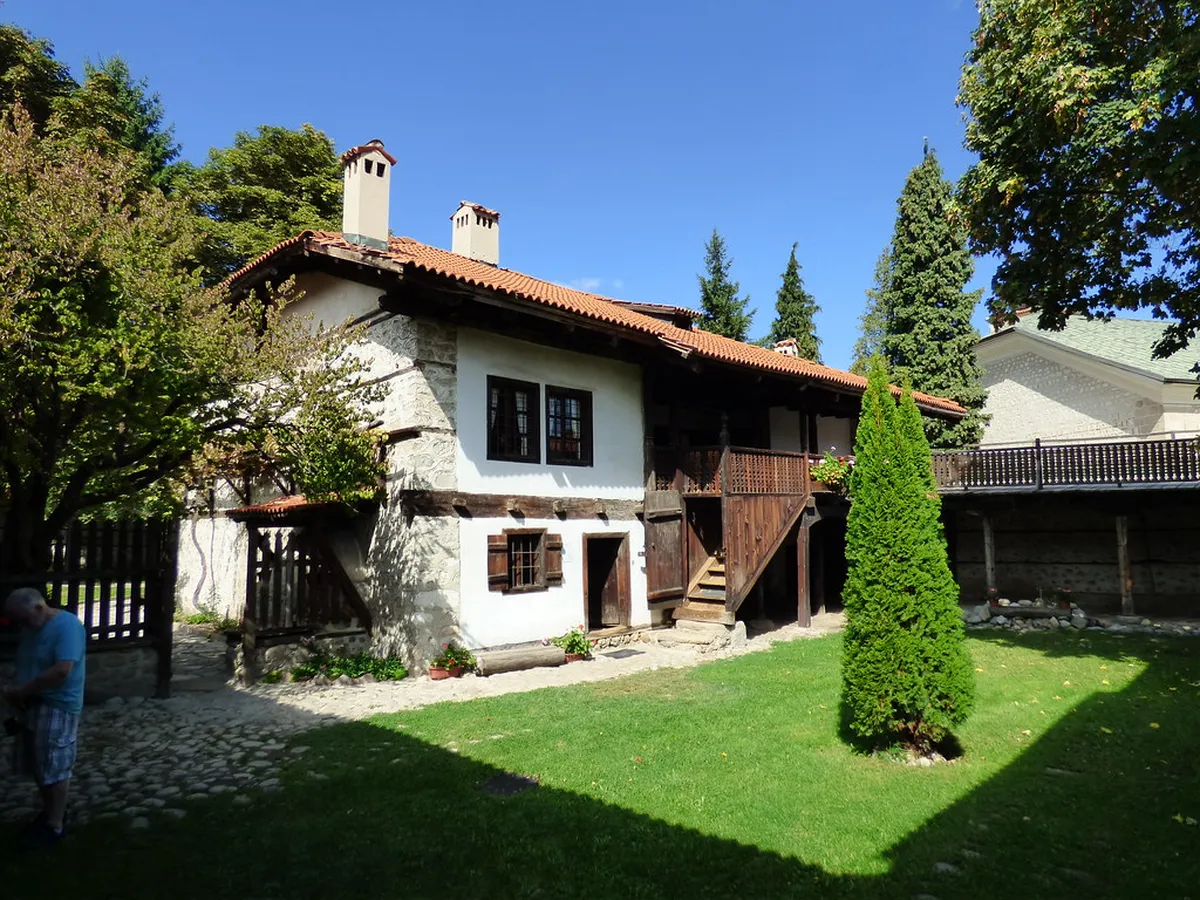
Equally worth an hour is the Velyanova House Visitor Guide, a preserved 19th-century merchant home with elaborate wood carvings and period furnishings. The Nikola Vaptsarov House-Museum, a short walk away, documents the life of Bansko's most celebrated poet. Both charge around 4–5 BGN and keep the same hours: 09:00–12:00 and 13:00–17:00, Tuesday to Saturday. A free guided walking tour of the Old Town runs on Saturdays and Sundays at 15:00 in winter, departing near the church.
Comfortable shoes are essential — many Old Town streets are cobbled and uneven. The self-guided tour from the Sofia Graffiti Tour store costs around €5 and gives you a narrated route with historical context for each building.
Also worth noting: Gotse Delchev Street, recently pedestrianised, runs alongside a small stream and makes for a pleasant evening stroll that most first-timers skip entirely. It connects the Old Town to the newer part of the center without doubling back on Pirin Street.
The Cafe Culture of Bansko
Bansko has a genuine cafe scene, not just a tourist-facing one. Locals sit in the same spots as visitors, and the pace is deliberately slow. The French Guy Cafe is the most talked-about stop for pastries and sandwiches — the space is small and it fills up by mid-morning. New World Coffee, Black Honey Specialty Coffee Shop, and Wake Up Coffee & Juice Bar are solid alternatives if you want espresso-bar quality rather than a traditional setting.
Most Old Town cafes charge 3–5 BGN for a coffee and open from around 08:00. For something more local, try boza — a mildly fermented grain drink that divides visitors sharply — or a freshly baked banitsa from a street kiosk near the square. Cafes around Nikola Vaptsarov Square get the best morning light and the most foot traffic. If you are here in winter and the square is busy with ski crowds, the smaller streets running east of the church are quieter.
Wine Bar 25 is worth a separate mention. It operates in the evenings and focuses on Bulgarian regional wines, with staff who can explain the difference between Thracian and Struma Valley producers. It is one of the few places in Bansko where you can systematically compare house wines before committing to a bottle at dinner.
Eating at Traditional Mehanas
Mehanas are the defining dining format in Bansko: stone walls, wooden ceilings, a fireplace, and a menu built around slow-cooked meat dishes. Kapama — a clay-pot dish of mixed meats, sauerkraut, and rice — is the signature preparation and takes several hours to prepare, so it is usually pre-ordered or offered as a set meal. Chomlek is the simpler lamb or pork stew version. Both pair with house wine that most mehanas make or source locally.
Expect to pay 25–40 BGN per person for a full meal with drinks. Live Bulgarian folk music typically begins after 20:00 and there is no extra cover charge — it is included in the dining experience. Mehanas in the Old Town fill up quickly during peak ski season (December through March); booking a table by 18:00 or reserving ahead is advisable. Outside ski season, walk-ins are easy.
Vegetarian options exist but are less prominent — grilled vegetables, sirene cheese salads, and tarator (cold yoghurt soup) are reliable choices. The mehana format is inherently generous with portions, so ordering one shared starter is usually enough before a main course.
Things to Do in Bansko: On the Slopes
Bansko's ski area covers around 70 km of pistes across approximately 21 runs, split between beginner (blue), intermediate (red), and advanced (black) terrain — roughly 35% of slopes are beginner-friendly. A one-day adult lift pass in 2026 costs around 110 BGN (approximately €56), with multi-day passes offering better value: 320 BGN for three days or 530 BGN for five days. The gondola is the main access point from town and can develop significant queues around 09:00 during peak season.
Ski and snowboard lessons are available from local schools for around €95 for a two-hour private session; instructors generally speak English. The Kempinski Hotel Grand Arena Bansko is the only ski-in ski-out property in town, positioned directly at the gondola base. For non-skiers travelling with a ski group, the Old Town and spa facilities are genuinely good alternatives during slope hours — the gondola queue problem disappears entirely if you explore the historic center in the morning.
Outside winter, the gondola itself is worth taking for the views even when the pistes are closed. Pirin National Park, a UNESCO World Heritage Site, spreads across the ridgeline above town and is accessible on foot from the upper gondola station in summer and autumn. See the hiking section below for specifics.
Outdoor Adventures Near Bansko
The Demyanishka River eco-trail is one of the most accessible walks from town. It follows the river through pine forest with a gentle elevation gain, takes 2–4 hours depending on pace, and ends near Demyanishka Hut where the forest opens into meadow. The trail is free and starts a short drive from the center. Gravelled throughout and shaded most of the way, it works well for families and less experienced walkers.
Vihren Peak, standing at 2,914 m and Bulgaria's second-highest summit, is the serious hiking option. The standard route starts from Vihren Hut and takes 3–4 hours to the summit, 8–10 hours round trip from town. Attempt it only in summer or early autumn — snow persists on the upper slopes well into May and the weather changes fast. No guide is required but the Konchela Ridge extension adds significant exposure and should only be attempted in clear conditions.
For motorised options, ATV safari tours run through the terrain around Bansko, typically lasting 1–3 hours and costing 80–150 BGN depending on the route. Operators provide safety gear; a driving licence is usually required. Electric motorbike tours through Pirin meadows are an alternative for those who want access to the national park without a full hiking commitment.
The Banya hot springs, in the village of the same name a short drive from Bansko, offer an easy half-day recovery option. The public pool at Thermal Mineral Pool Izgreva costs around 15–20 BGN (approximately €8–10) for entry, includes several pools and a sauna, and sits next to a 16th-century bathhouse that still stands. It is open daily and tends to be quieter on weekday afternoons.
The Bear Sanctuary at Belitsa and Day Trips
The Dancing Bears Park near Belitsa is about an hour's drive from Bansko and deserves more attention than it typically gets. The sanctuary currently houses around 15 bears rescued from the practice of "dancing bears" — captured young and trained to perform tricks across Bulgaria, Serbia, and Albania. The tour takes about 45 minutes, costs 7–10 BGN, and is open daily from 09:00 to 17:00 with seasonal variation. The bears move through natural enclosures rather than cages, which makes the visit genuinely different from a zoo.
Rila Monastery Visitor Guide is the other major day trip from Bansko — 100 km north, roughly 1.5 hours by car. Organised day tours include transfers and two hours at the monastery, which is Bulgaria's largest and most visited Orthodox complex. Going independently by car gives more flexibility but the mountain road requires attention. There is no direct public bus from Bansko.
Both trips work well as standalone days rather than combined with Old Town exploration — the monastery in particular is a full-morning commitment even without the drive factored in.
Bansko City Park and the Walks Most Visitors Miss
Bansko's city park sits a short walk from the Old Town and is underused by visitors who are focused on the historic center or the ski area. The park has a bike trail, pine trees, flower gardens, and benches positioned for mountain views — it works as a morning run route or an afternoon wind-down with a coffee from a nearby takeaway kiosk. Families with children will find playgrounds here. Entry is free and it is accessible all day.
A less-obvious option is the walk to Krinetz Dam, about 36 minutes on foot from the Old Town. The dam creates a clear lake reflection against the mountain backdrop, and Restaurant Iazovir Krinetz at the dam makes it a natural lunch stop. It is a flat, easy walk that most people in Bansko do not know about, and it rarely appears in printed guides.
The Stapalata scenic walk in nearby Razlog — roughly a 20-minute drive — involves climbing approximately 300 steps up Golak Hill to a viewpoint and observation tower. Razlog itself is twice the size of Bansko and is surrounded by three mountain ranges. The Razlog Historical Museum covers the area's archaeology and ethnography if you want context beyond the views. Wear comfortable shoes and bring water; a car or taxi is the practical way to get there from Bansko since public buses run infrequently.
Getting to Bansko and Navigating the Town
Bansko is 160 km south of Sofia — a 2.5-hour drive. Buses from Sofia airport and city center to Bansko take 2.5–3 hours. The scenic narrow-gauge train from Septemvri takes around 8 hours and is worth considering if you have time, but it is not practical for luggage-heavy ski trips. The nearest international airport is in Sofia; there is no direct transport to Bansko from the airport, so a private transfer or rental car is the most straightforward option.
Within Bansko, the Old Town is best on foot. From the gondola end of town, follow Pirin Street for about 15 minutes and you reach the historic center. Many hotels 15 minutes from the gondola offer a shuttle. For day trips outside town, local taxis are reliable — agree on a fare before you depart. Always confirm the taxi fare before starting, as meters are not always used.
The Bulgarian lev (BGN) is the official currency. Some hotels and restaurants accept euros, but lev is standard. ATMs are available in the center. Card payments are accepted at most hotels and larger restaurants, though smaller mehanas and market stalls may be cash-only.
Continue planning: Use 12 Best Things to Do in Bansko and 4-Day Bansko Itinerary for First-Time Visitors to connect this guide with the rest of your Bulgaria itinerary.
Frequently Asked Questions
Is Bansko Old Town worth visiting?
Absolutely. Bansko Old Town offers a rich historical and cultural experience, distinct from the modern ski resort. Its cobbled streets, traditional architecture, and museums provide a fascinating glimpse into Bulgaria's past.
What is the main street in Bansko Old Town?
Pirin Street is the main thoroughfare connecting the modern resort area to the Old Town. While not entirely within the historic core, it leads directly to the heart of the Old Town's attractions like the Holy Trinity Church.
How many days do you need to explore Bansko Old Town?
One full day is usually sufficient to explore the main attractions of Bansko Old Town at a leisurely pace. If you wish to include museums, a cooking class, or longer cafe stops, consider allocating one and a half to two days.
What is the best time to visit Bansko Old Town?
The shoulder seasons (late spring and early autumn) offer pleasant weather for walking and fewer crowds. Winter brings a festive atmosphere, but also more tourists. Summer is ideal for combining Old Town exploration with mountain hiking.
Bansko Old Town rewards visitors who slow down. The churches, museums, and mehanas are the obvious starting points, but the cafe scene, the city park, and the lesser-known walks to Krinetz Dam or the Razlog stairs are where the town shows a quieter side. Whether you visit in winter for skiing context or in summer purely for hiking and history, check our complete Bansko guide and summer activities guide for more planning detail. The Old Town itself takes a morning to cover; the surrounding area can fill several days without effort.