Independent Bulgaria travel guide
Things To Do in Ruse in Fall
Discover the best things to do in Ruse in the fall of 2025. Explore top attractions, cultural events, and seasonal activities. Plan your Ruse adventure now!
On this page12 sections
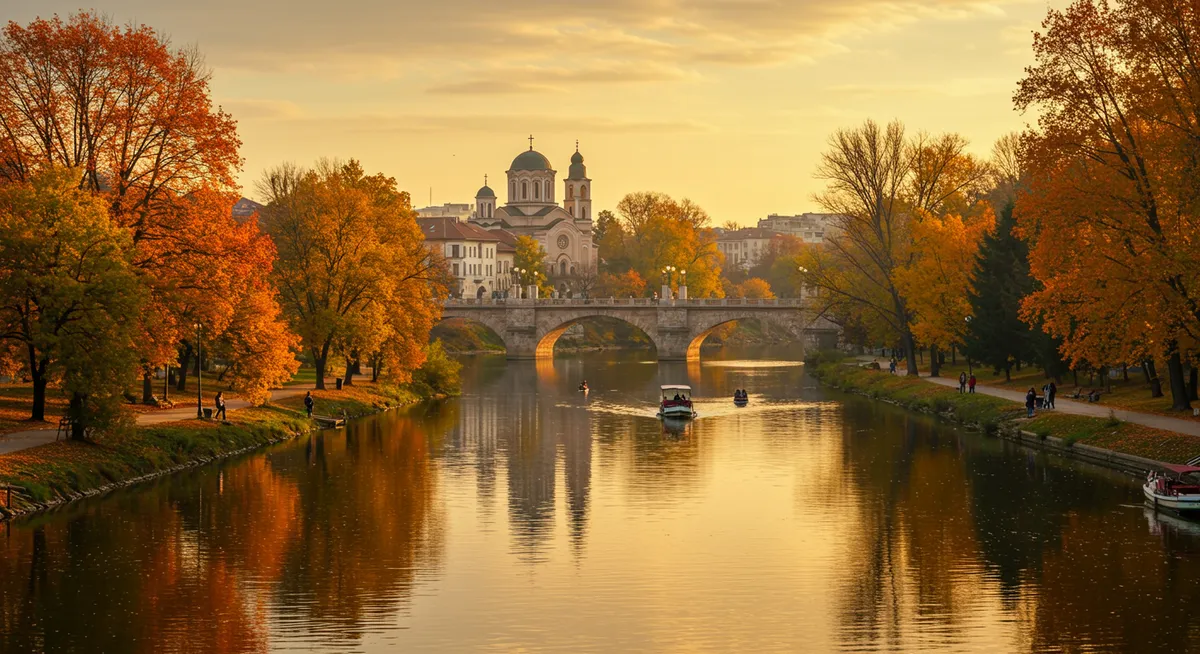
Ruse in autumn is the version of the city most travel guides skip. Between mid-September and late November 2026, the Danube fog burns off by 10:00, the Austro-Hungarian facades on Aleksandrovska street pick up a low golden light, and the limestone cliffs of Rusenski Lom go copper and rust. Crowds at the rock-hewn churches drop by roughly two-thirds versus August, restaurant patios stay usable through October, and the harvest calendar fills with wine tastings, chestnut roasts, and chamber-music openings. This guide covers what to actually do across September, October, and November, with concrete temperatures, opening hours, and the trade-offs that change as the season cools.
Explore things to do in other cities
When to Go: Weather and Foliage Calendar for Fall 2026
Early September feels like late summer in Ruse: highs of 26-29 C, river-level humidity, and patios open until midnight. By the last week of September daytime highs settle at 20-23 C with evening lows around 11-13 C, the sweet spot for walking tours. October is the shoulder peak: daytime 14-19 C, mostly dry, with the first heavy fogs rolling off the Danube around 06:00 and clearing by mid-morning. November cools quickly to 6-12 C with a real chance of cold rain by the second half, and a mid-month fog day where ferries and the Bucharest highway slow noticeably.
For foliage, plan around the second and third weeks of October. The plane trees lining Liberty Square and the chestnuts in the Park of the Renaissance turn first, followed by the oak and beech in Rusenski Lom. By the first week of November most of the colour is on the ground, but the cliffs themselves stay dramatic in low-angle light. Pack layers, a light waterproof shell, and proper walking shoes; cobblestones in the historic core get slick after the morning fog lifts.
| Best foliage window | Second and third weeks of October |
| September highs | 20-29 C (early-month summery, late-month walking weather) |
| October highs | 14-19 C, mostly dry, morning Danube fog |
| November highs | 6-12 C, cold rain risk in second half |
| Suggested length of stay | Two-night weekend |
| Autumn hotel rate (historic core) | 60-90 EUR/night, ~25% below summer |
💡 Good to know: The heavy Danube fog that rolls in around 06:00 in October almost always clears by mid-morning, so schedule the riverfront and Ivanovo for the afternoon and save museums or the cathedral for the foggy early hours.
For a quick visual tour of the city's highlights before you go, this short guide runs through the top picks:
Why Fall Is the Best Season for Rusenski Lom and the Ivanovo Churches
The UNESCO-listed Rusenski Lom rock-hewn churches at Ivanovo are the single biggest reason to visit Ruse in autumn. The site sits on a meander roughly 20 km south of the city, and the surrounding gorge is a beech-oak-hornbeam mosaic that peaks visually between 10 and 25 October. Fewer summer day-trippers means you can usually have the main church with its 13th and 14th century frescoes to yourself for ten minutes at a stretch, especially on weekday mornings.
Practical notes for fall: the site is open roughly 09:30-17:30 in September, shortening to about 09:30-16:30 from October, and closing earlier or fully on Mondays in November. The walk from the parking area to the main church is 350 metres up a stone staircase that gets slippery after rain — wear proper soles, not city sneakers. Combine the churches with the Cherven medieval fortress 15 minutes further south for a half-day loop; the fortress walls catch the best afternoon light around 15:00 in October. For a longer outdoors day, the park's marked trails are well-suited to autumn walks, and our Rusenski Lom National Park Guide: 10 Essential Planning Tips covers the trail options in detail.
💡 Good to know: Visiting in November? Check before you drive out — the Ivanovo churches close earlier and may shut fully on Mondays, and the 350-metre stone staircase to the main church is genuinely slippery after rain. A weekday morning gives you the frescoes nearly to yourself.
Wine Harvest, Chestnuts, and the Autumn Food Calendar
The Ruse region sits at the northern edge of Bulgarian wine country, and the harvest window — late September through mid-October — is when small producers around Byala, Borovo, and the Danube terraces open for tastings. Expect to pay 15-25 BGN for a flight of four to six wines, often paired with local sheep cheese and walnuts. Most of these cellars require booking 24-48 hours ahead in autumn because tour groups from Bucharest pick up the slack from departing summer crowds.
In the city itself, the autumn signal is roasted chestnuts on the corners around Liberty Square from late October, and the appearance of game and mushroom dishes on restaurant menus. Look for kavarma with porcini, slow-braised wild boar, and shkembe chorba tripe soup, which locals treat as the official cold-weather hangover cure. November brings the first batches of rakia from the September plum and grape pressings; many bars pour the new season's spirit by the glass for 3-5 BGN.
Stroll Aleksandrovska, Liberty Square, and the Architecture Walk
Ruse's pedestrianised core is built for autumn walking. Start at the train station end of Aleksandrovska, walk north for about 1.5 km, and you cover the bulk of the Austro-Hungarian and Secession-era facades that earned the city its "Little Vienna" nickname. Liberty Square (Svoboda Square) sits roughly midway, anchored by the Monument of Liberty and ringed by the Profitable Building, the Court House, and the Dohodno Zdanie theatre. In late October the plane trees frame the monument in yellow and the cafe terraces stay in sun until about 15:30.
The walk is free, takes 60-90 minutes at a relaxed pace, and pairs well with a stop at the Regional Historical Museum for context on how the river trade built these facades. Coffee at one of the square-side cafes runs 3-4 BGN, a glass of local wine 4-6 BGN. For more variations on this route, see our broader guide to 20 Best Things To Do in Ruse 2026 (Bulgaria's Little Vienna).
The Danube Riverfront and a Boat Trip in Autumn Light
The Danube riverfront, reached by descending the stairs from the city park, is at its best in October when the morning fog lifts to reveal the Romanian bank in pastel layers. The promenade runs east toward the Ruse Yacht Port and west toward the Friendship Bridge, with benches, sculptures, and a handful of seasonal kiosks that stay open through the first cold snap. Expect the wind to pick up in the afternoon — bring a windbreaker even on a sunny day.
Short sightseeing cruises operate from the passenger port from May through roughly the end of October, with reduced schedules in November depending on river level and weather. A typical 60-90 minute trip costs 20-30 BGN and gives you the only angle from which the city's silhouette — cathedral domes, Profitable Building tower, port cranes — reads as a single composition. Sunset departures around 17:30 in early October and 16:30 by late October are the photographer's pick.
Indoor Plan B: Museums, Cathedral, and the Philharmonic Season
Fall in Ruse comes with rain days, and the indoor calendar holds up. The Regional Historical Museum in the Battenberg Palace gives you Roman-era finds from nearby Sexaginta Prista, the medieval fortress at Cherven, and the city's 19th century river-trade boom in two to three hours. The Holy Trinity Cathedral, half-sunken below street level on Sveta Troitsa Square, is free to enter; women are expected to cover shoulders and ideally the head, and photography during services is not appropriate.
The Ruse Philharmonic and the Opera-Philharmonic Society begin their main season in late September and run weekly through May. Tickets typically cost 10-25 BGN and rarely sell out except for opening night and visiting-soloist programmes. Check the schedule the week of your visit; the Dohodno Zdanie hall is small enough that any seat works. Catching a chamber concert is one of the more underrated Things To Do in Ruse at Night guide once the patios start to close.
Day Trip Across the Danube to Bucharest or Giurgiu
Ruse is the only Bulgarian city where a Romanian capital sits within day-trip range, and autumn is a strong time to take advantage of it. Bucharest is roughly 75 km north over the Friendship Bridge; by car it's 90 minutes outside rush hour, by direct bus from Ruse Yug station around 2 hours, and by train via Giurgiu about 3 hours with a transfer. Cross-border traffic is lightest mid-week in October and heaviest on Friday afternoons when Romanian shoppers head south.
If a full Bucharest day feels like too much, Giurgiu — the Romanian town immediately across the river — is a low-effort 30-minute taxi ride and gives you a different riverfront, a small old town, and Romanian prices on coffee and pastries. Bring your passport (an ID card works for EU citizens), some Romanian lei or a card with no foreign transaction fees, and budget for a 5-15 EUR bridge toll if driving. Travel insurance covering both countries is worth checking before you go.
Fall Festivals, Markets, and the March of Music
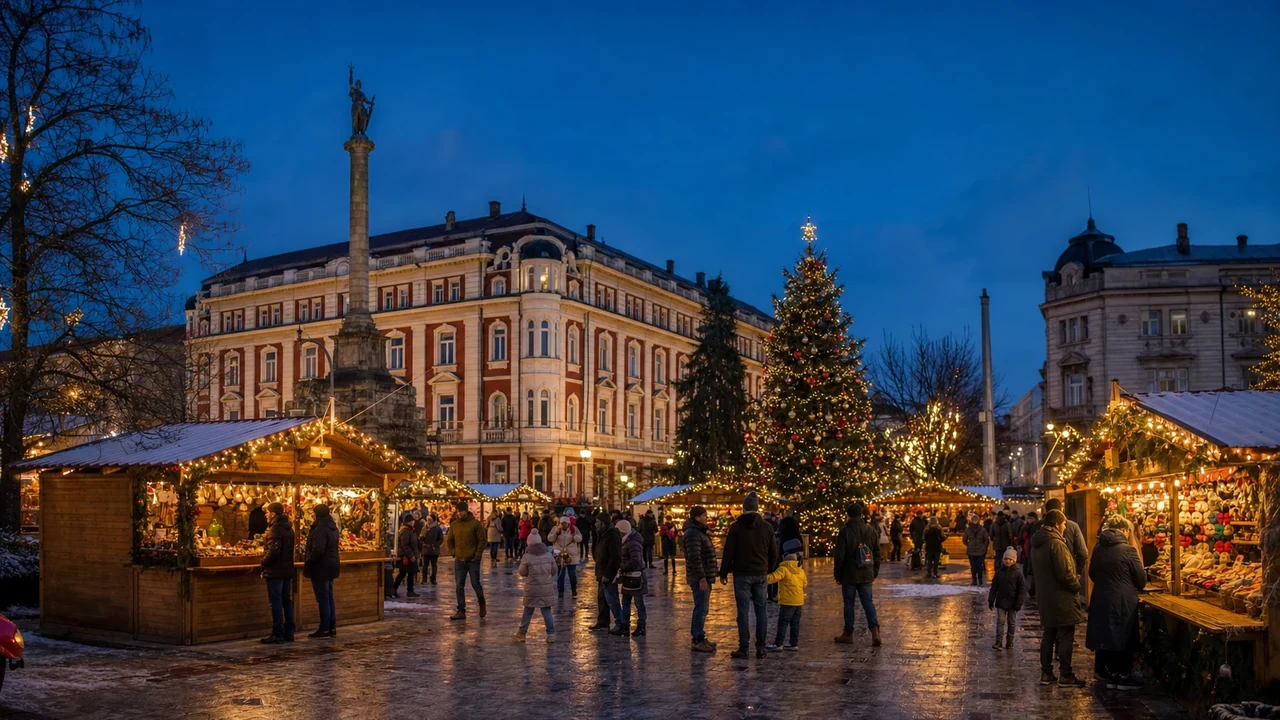
Ruse's headline cultural event is the March of Music — the city's international classical festival — which runs in spring rather than autumn, so don't plan a fall trip around it. What you do get in autumn: the opening of the Opera-Philharmonic season in late September, the Ruse Wine Days that some years cluster around mid-October at venues along the riverfront, smaller harvest fairs in surrounding villages, and the Christmas market that lights up Liberty Square from the last week of November.
Confirm dates the week before you travel, because the autumn calendar shifts year to year and the official tourism site updates late. For shoulder-season events that don't break the budget, our budget-friendly things to do in Ruse page is worth scanning before you book restaurants or paid tours.
Where Fall Visitors Should Sleep and Eat
Stay in the historic core within a 10-minute walk of Liberty Square — Aleksandrovska street, the streets immediately east toward the Profitable Building, or the blocks south of the cathedral. This puts you in walking range of restaurants that stay open past 22:00 even on weeknights, which matters in November when taxis thin out. Mid-range hotels in this zone run 60-90 EUR a night in autumn, roughly 25 percent below July-August rates.
For food, prioritise restaurants with a covered or heated patio in October and switch to the older interior-focused mehana taverns from November. Reservations are rarely needed except Friday and Saturday night. Tap water is safe; tipping is 10 percent rounded up. For evening planning beyond the dinner hour, see our guide to Things To Do in Ruse at Night guide, and for a curated short list of the season's strongest picks our Top 10 Things To Do in Ruse guide rundown is the fastest reference.
Romantic Evenings, Slow Mornings, and a Weekend Plan
Autumn flatters Ruse's quieter side. A two-night weekend works well: arrive Friday afternoon, walk Aleksandrovska before sunset, dinner on a patio if October allows, philharmonic or opera if the schedule cooperates. Saturday morning take an Uber or rental car to Ivanovo and the Cherven fortress, back to Ruse by mid-afternoon, riverfront walk at golden hour, late dinner in a mehana. Sunday morning museum or cathedral, leisurely lunch, depart.
For couples, the highest-leverage move is a sunset cruise in early October followed by a wine-bar reservation in the historic core; cost lands around 80-120 BGN per person all-in. Our Romantic Things to Do in Ruse guide guide expands the list with a few quieter dinner options. If you have an extra day, push it into Rusenski Lom on foot rather than a second day-trip across the border — the gorge in late October light is the memory you'll keep.
Frequently Asked Questions About Visiting Ruse in Fall
Is autumn a good time to visit Ruse?
Yes — autumn is arguably the best season. Crowds at the rock-hewn churches drop by roughly two-thirds versus August, mid-range hotels in the historic core fall to 60-90 EUR a night (about 25 percent below summer), and the foliage in Rusenski Lom peaks between 10 and 25 October. The main trade-off is shorter days and the chance of cold rain in the second half of November.
What are the top things to do in Ruse in fall?
The standout is the UNESCO-listed Ivanovo rock-hewn churches in Rusenski Lom, best paired with the Cherven medieval fortress for a half-day loop. In the city, walk Aleksandrovska street and Liberty Square for the "Little Vienna" architecture, descend to the Danube riverfront for a sightseeing cruise while they still run through late October, catch a Philharmonic concert once the season opens in late September, and time a visit around the wine-harvest tastings from late September through mid-October.
How many days do you need in Ruse?
A two-night weekend covers the essentials comfortably: the Aleksandrovska architecture walk and a patio dinner on day one, Ivanovo and Cherven plus a golden-hour riverfront walk on day two, and a museum or the cathedral before departing on day three. Add a day if you want to push deeper into the Rusenski Lom gorge on foot or take the cross-border day trip.
Can you do a day trip to Bucharest from Ruse?
Yes. Bucharest sits roughly 75 km north over the Friendship Bridge — about 90 minutes by car outside rush hour, around 2 hours by direct bus from Ruse Yug station, or about 3 hours by train via Giurgiu with a transfer. Cross-border traffic is lightest mid-week in October. If a full day feels like too much, the Romanian town of Giurgiu is a 30-minute taxi ride across the river. Bring your passport (an ID card works for EU citizens) and budget for a 5-15 EUR bridge toll if driving.
What should you pack for Ruse in autumn?
Layers, a light waterproof shell, and proper walking shoes are the priorities. Cobblestones in the historic core get slick once the morning fog lifts, and the 350-metre stone staircase up to the Ivanovo churches is slippery after rain. Bring a windbreaker for the riverfront even on sunny days, since the wind picks up in the afternoon.
Ruse in fall 2026 rewards the traveller who plans around the calendar rather than against it: Ivanovo and the gorge in mid-October, philharmonic and museums when the rain comes in November, harvest tastings before the cellars wind down. Pack layers, book the wine and any cross-border tours a couple of days ahead, and let the city's slow autumn rhythm set the pace. For a wider seasonal context and other angles, our overview of Best Things To Do in Ruse guide is the natural next stop.
Filed under
Continue your journey
Related Bulgaria guides

6 Jun 2026
Nikopol Bulgaria Day Trip From Ruse Travel Guide
30 Jul 2026
Ruse Christmas Market: 2026 Guide to Dates, Zones and Tips
30 Jul 2026
Ruse Danube Cruise Guide: Port Logistics, Excursions & Itineraries
30 Jul 2026
Ruse Parking Guide 2026: Blue Zone Rates, Garages & Free Lots
20 Jul 2026
Best Time to Visit Ruse in 2026: Weather, Events and Crowds
17 Jul 2026