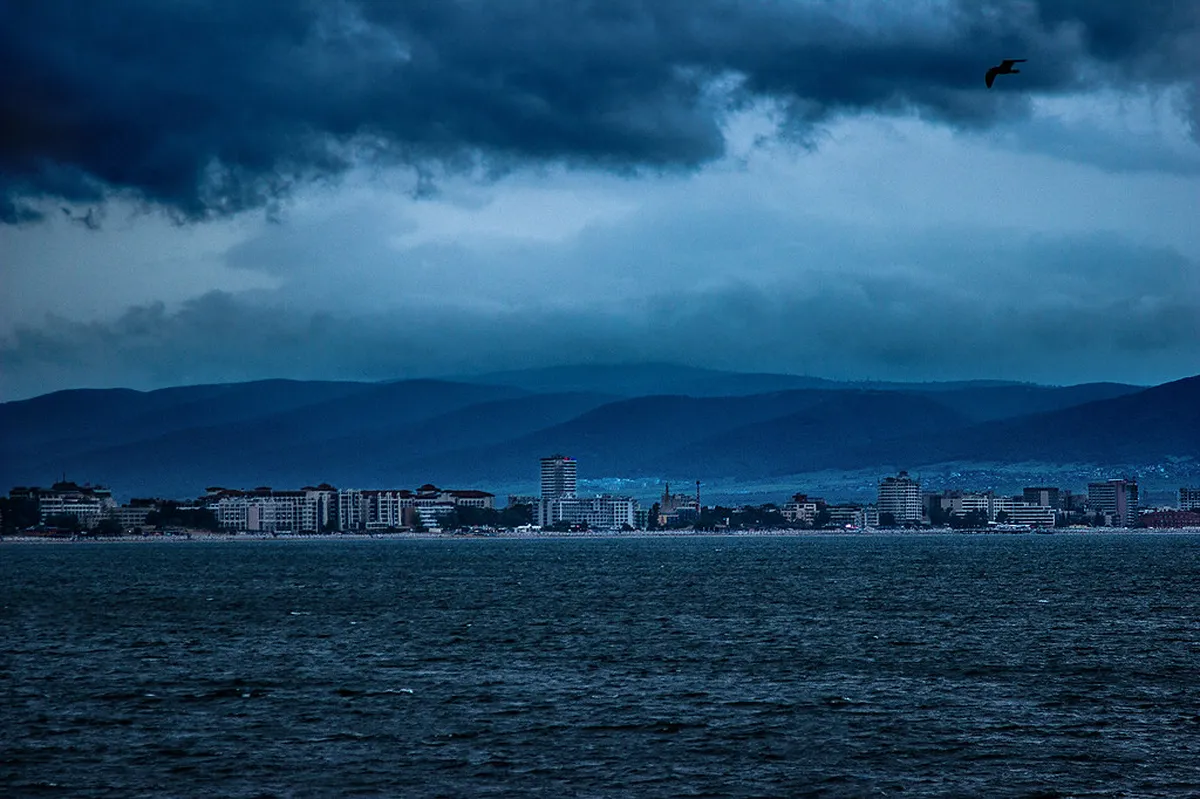
Nessebar Old Town: 8 Best Things to See and Do
Nessebar Old Town stands as a breathtaking open-air museum on a rocky peninsula along the Bulgarian Black Sea coast. This ancient city serves as a living testament to over three millennia of diverse civilizations and architectural mastery.
Visitors often feel like they are stepping back in time while walking through the narrow cobblestone streets. The town combines Thracian ruins, medieval churches, and charming wooden houses from the Bulgarian Revival period.
Planning a trip here requires understanding the unique balance between historical exploration and seaside relaxation. This guide covers everything from hidden ruins to the best local dishes you must try during your visit.
For a visual introduction to Nessebar's landmarks and ancient streets, here's a detailed walking tour:
Explore the Ancient Fortress Walls and Windmill
The journey into the heart of the old town begins at the impressive Western Fortress Wall. These massive stone structures once protected the city of Mesembria from naval invasions and land attacks. You can see various layers of masonry that reflect different eras of construction from the 5th century BC onwards.
Standing prominently near the entrance is the iconic wooden windmill, which has become the symbol of the city. This landmark provides a perfect backdrop for photography, especially during the golden hour before sunset. Many travelers stop here to admire the views of the modern coast across the water. It is a great starting point for many our complete Nessebar guide today.
Walking across the narrow isthmus connects the modern world to the ancient atmosphere of the peninsula. The sound of the waves crashing against the stone base creates a dramatic entrance for every visitor. You should take a moment to read the informational plaques near the gate for historical context. Check recent traveler photos on Tripadvisor.com to see the best photo angles.
Local guides often recommend starting your walk early in the morning to avoid the midday heat. The entrance area can get crowded when tour buses arrive from nearby resorts. Exploring the perimeter of the walls offers a quieter experience than the main shopping streets. This path leads you naturally toward the archaeological treasures hidden deeper within the town.
Visit the Iconic Medieval Churches
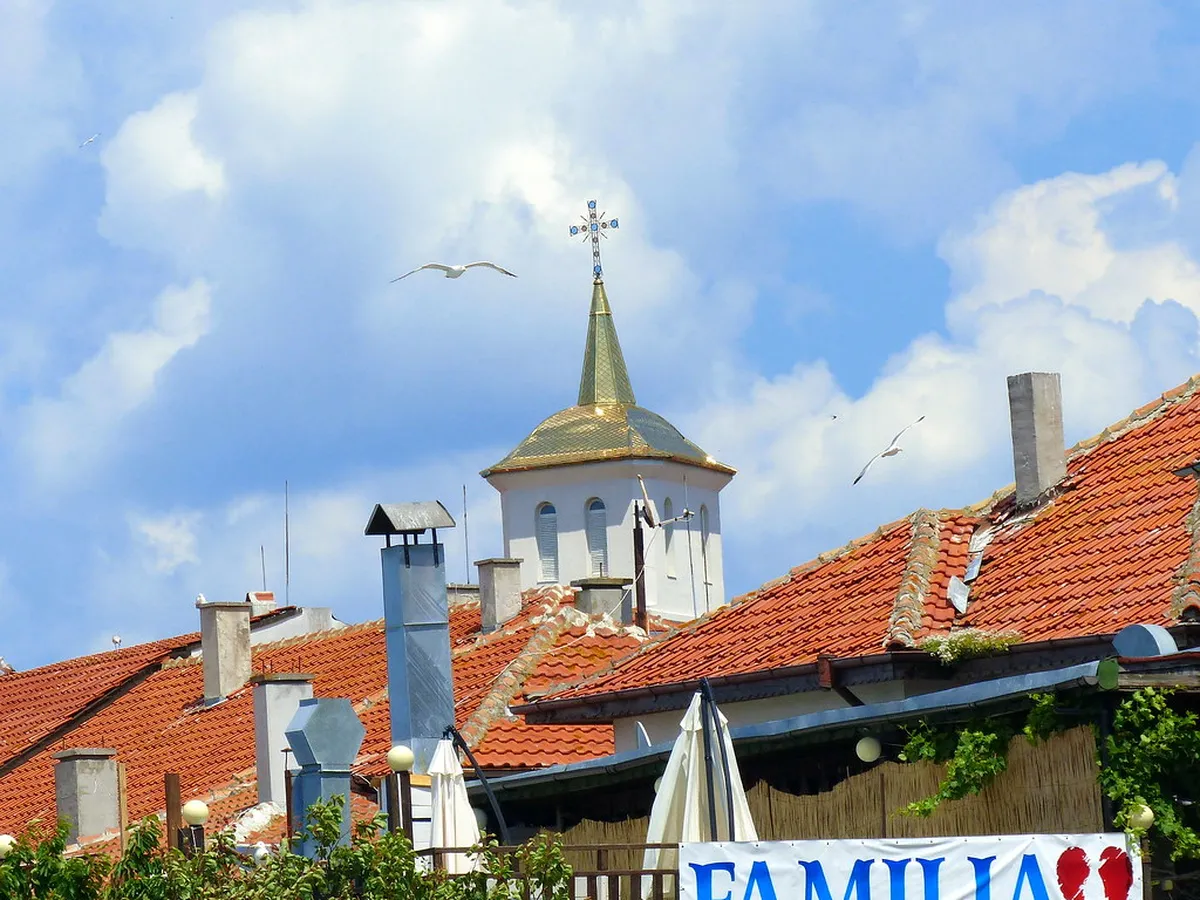
Nessebar is famously known as the city with the highest number of churches per capita. While over 40 structures once stood here, only a handful remain in well-preserved or partially ruined states. Each building showcases the intricate brickwork and ceramic decorations typical of the medieval Bulgarian-Byzantine style. You can find many of these Nessebar's Medieval Churches clustered within a short walking distance.
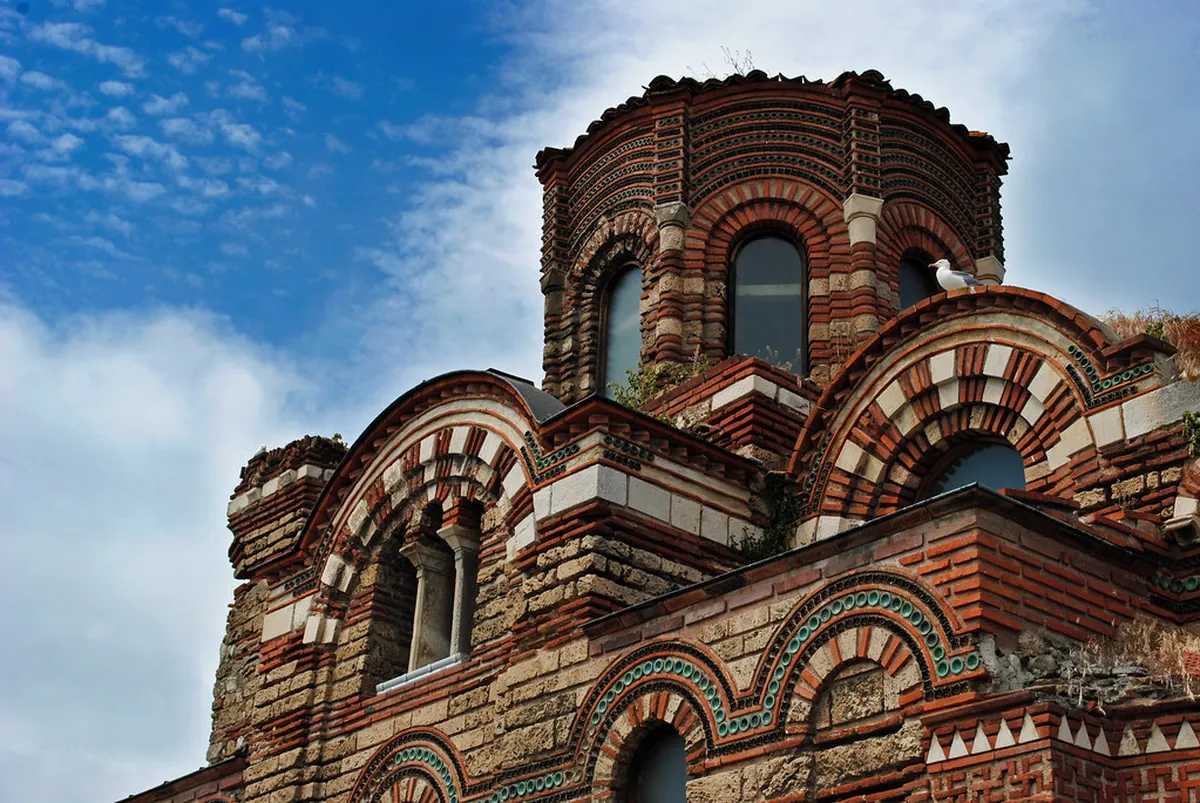
The Church of Christ Pantokrator is perhaps the most striking example of 13th-century architecture. Its exterior features beautiful rows of blind arches and colorful ceramic rosettes. Visitors can enter to see small art exhibitions or simply admire the craftsmanship from the square. The surrounding gardens offer a peaceful spot to sit and appreciate the history.
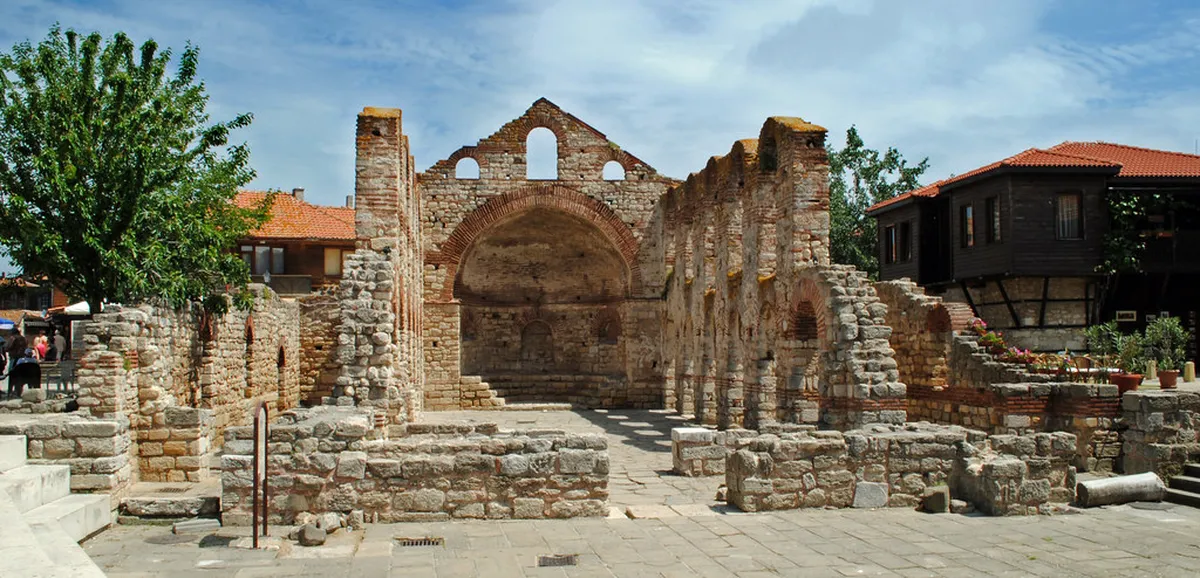
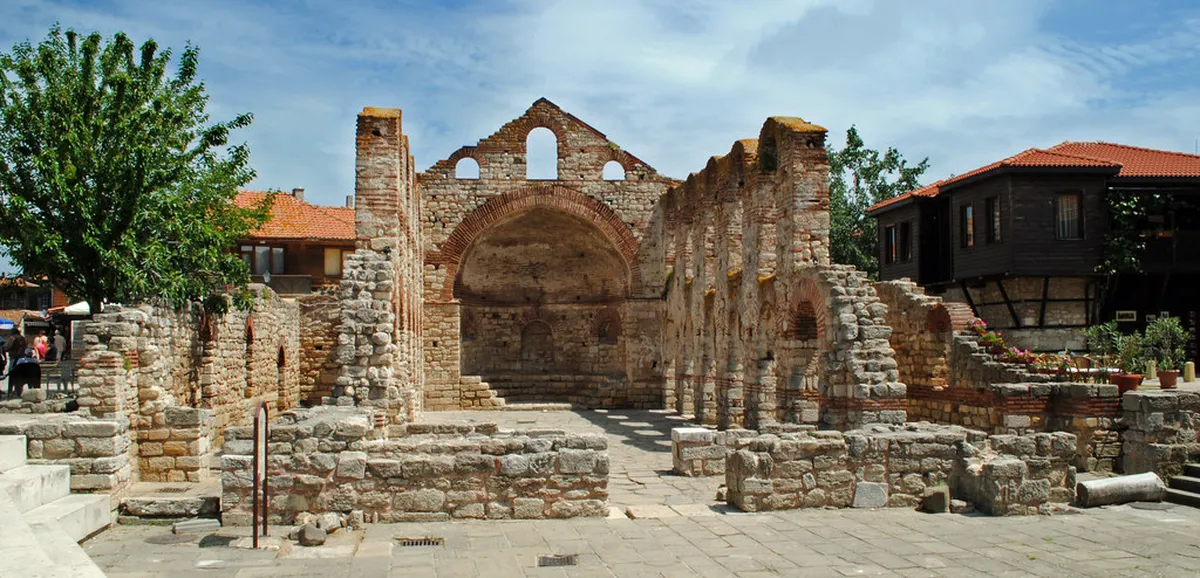
Another must-see site is the Church of Saint Sophia, also known as the Old Bishopric. This late 5th-century basilica stands as a majestic ruin without a roof, allowing sunlight to illuminate its ancient stone columns. It serves as a popular venue for outdoor concerts and wedding photos today. The scale of the ruins highlights the former importance of the city as a religious center.
For a quick comparison of the major churches, consider the following details regarding their age and current condition. This helps in deciding which interiors are worth the entrance fee.
Discover Treasures at the Archaeological Museum
The Archaeological Museum of Nessebar is located right at the beginning of the old town peninsula. It houses an extensive collection of artifacts that trace the history of the city from antiquity to the Middle Ages. You can see gold jewelry, pottery, and marble statues that were recovered from the surrounding seabed. For more historical background, you can check the city's entry on en.Wikipedia.org.
One of the best ways to save money is by purchasing a combined ticket at the museum desk. This pass allows access to several churches and the museum for a lower total price than individual tickets. Casual visitors might prefer the 3-site pass, while history buffs should opt for the 8-site version. The 5-site ticket is often the best value for a standard half-day trip.
Inside the museum, the hall dedicated to icons is particularly impressive and historically significant. It features religious paintings from the 13th to the 19th centuries, showcasing the evolution of local art. Many of these pieces were saved from churches that no longer exist. The museum is fully air-conditioned, providing a welcome break from the summer sun.
Expect to spend about an hour exploring the various levels of the museum. The displays are well-labeled in both Bulgarian and English for international guests. It is usually open daily from 9:00 AM to 7:00 PM during the peak summer months. Always verify the latest opening hours at the ticket office upon arrival.
Walk Through the Bulgarian Revival Houses
The residential architecture of Nessebar Old Town is a major reason for its whc.Unesco.org status. These houses typically feature a sturdy stone ground floor and a wider wooden upper floor. This design protected the family from the damp sea air while providing extra living space. Most of these structures date back to the 18th and 19th centuries.
Strolling through the residential areas allows you to see how locals live amidst ancient history. Many houses have beautiful flower boxes and vines climbing their wooden facades. You will often see laundry hanging out to dry or cats napping on the sun-warmed stone steps. This authentic atmosphere is what makes the town feel like more than just a tourist site.
Some of these historic buildings have been converted into small guest houses or boutique hotels. Staying in one of these homes offers a unique opportunity to experience the town after the day-trippers leave. The thick stone walls keep the rooms naturally cool even during the hottest August days. You can find a variety of options for our accommodation guide within these historic walls.
Photographers should head to the quieter eastern side of the peninsula for the best house shots. The light in the late afternoon brings out the rich textures of the weathered wood and stone. Avoid the main commercial streets if you want to capture the true architectural character of the town. These narrow alleys offer a much more intimate look at the local heritage.
Enjoy the Beaches and Seaside Promenade
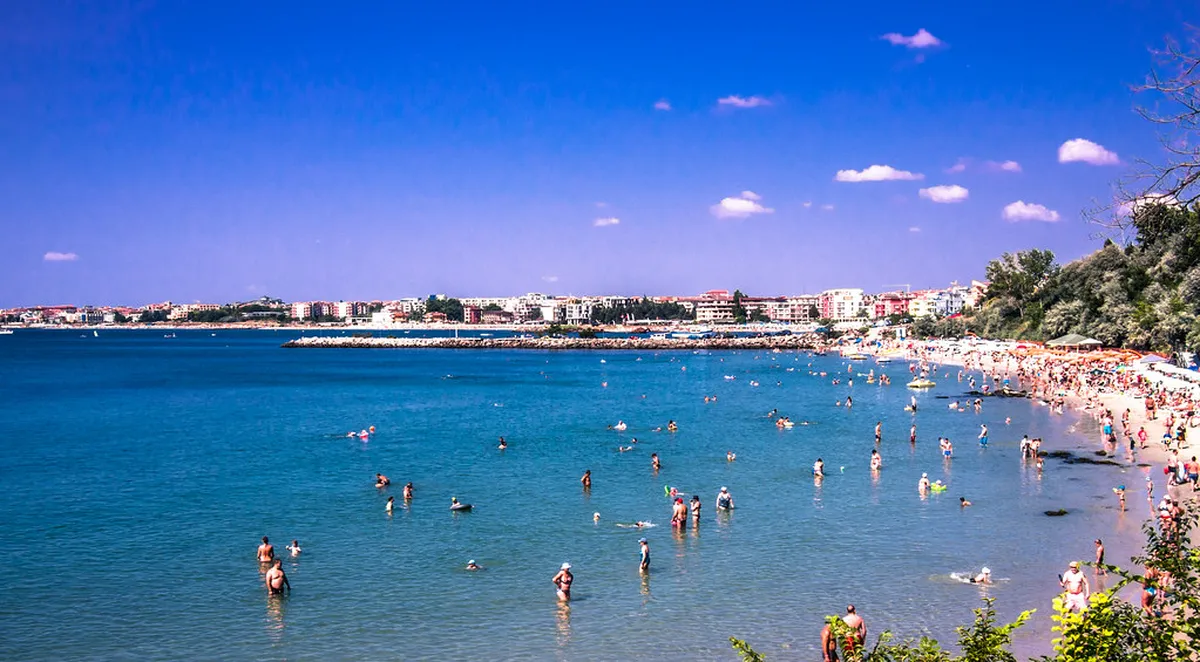
While the old town is primarily known for its history, it also offers several small and charming beaches. These spots are usually rocky or have coarse sand, but the water is exceptionally clear and calm. Bunata Beach is a popular choice for a quick dip after a long walk through the ruins. You can find more information on nearby swimming spots in our guide to Nessebar Beaches Guide.
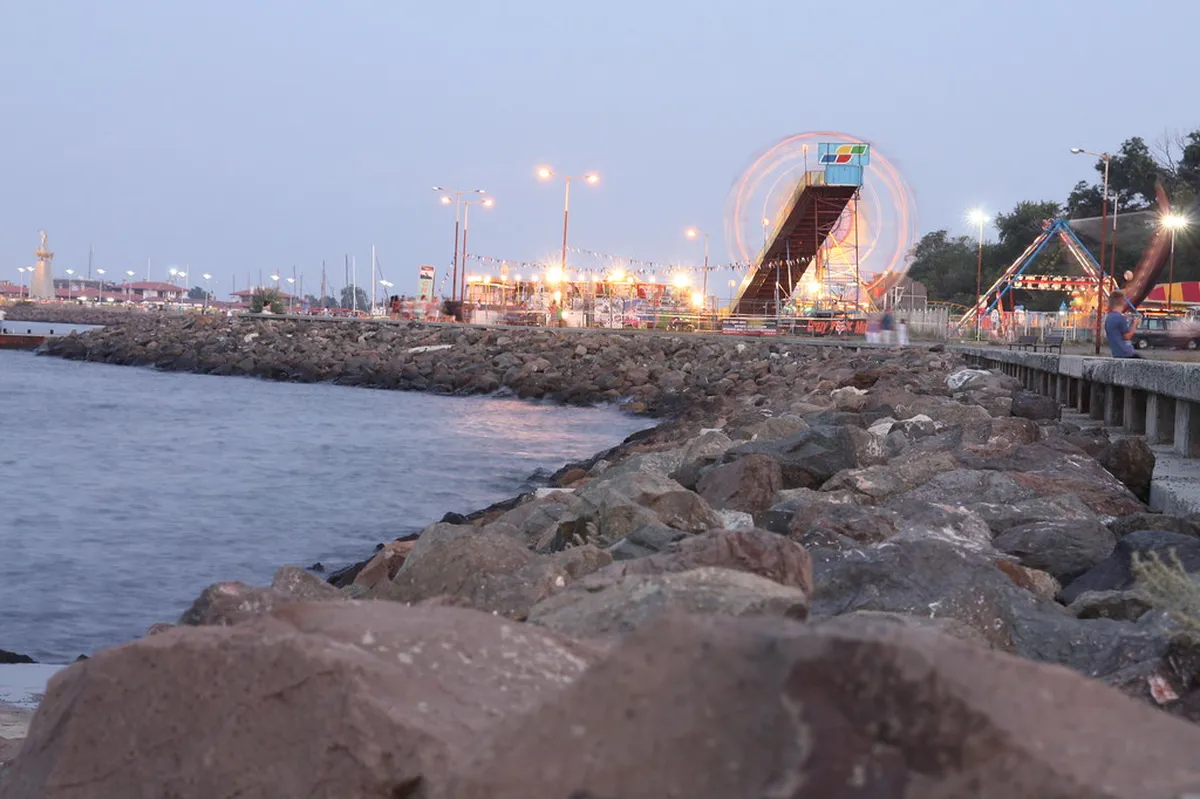
The seaside promenade circles the entire peninsula and provides stunning views of the Black Sea. It is a favorite path for locals taking their evening stroll or morning jog. You can see small fishing boats bobbing in the water and larger ships on the horizon. Benches are placed at regular intervals for those who want to sit and watch the waves.
Walking the promenade is also a great way to find hidden restaurants that face the sea. These spots often have a more relaxed vibe than the ones in the center of town. You can enjoy the sea breeze while watching the sunset over the distant mountains. It is a perfect way to end a day of sightseeing in the old town.
During the summer, you might see local children jumping into the water from the stone piers. The water temperature in July and August is perfect for swimming and snorkeling. Small shops along the promenade sell sunblock, hats, and basic beach gear if you forget your own. Just remember that the rocks can be slippery, so wear appropriate footwear.
Sample Authentic Black Sea Cuisine
Dining in Nessebar Old Town is an experience that combines fresh ingredients with beautiful views. Seafood is the star of the menu, with many restaurants serving the daily catch from the local fishermen. You should definitely try the "kefal plakia," which is a traditional mullet stew cooked with vegetables. Many Best Nessebar Restaurants offer this dish as a regional specialty.
Beyond the main courses, don't miss out on the local honey shops scattered throughout the town. Bulgaria is famous for its high-quality honey, and you can find unique varieties like oak or lavender. Small jars make excellent souvenirs for friends and family back home. Many shops offer free tastings so you can choose your favorite flavor before buying.
For a light snack, look for "garash cake," a famous Bulgarian chocolate dessert that is rich and decadent. It pairs perfectly with a cup of strong Turkish coffee or a glass of local wine. Many cafes have outdoor seating where you can watch the world go by. The prices in the old town are slightly higher than in the new town, but the atmosphere is worth the extra cost.
Dinner reservations are highly recommended for restaurants with a direct sea view during the peak season. Most places accept credit cards, but having some Bulgarian Leva is useful for smaller cafes. Service is generally friendly and many waiters speak excellent English. Enjoying a slow meal as the lights of the town come on is a highlight of any visit.
Essential Travel Tips and Planning Advice
Choosing the our seasonal weather guide is crucial for a successful trip. The town is most vibrant from June to September when all museums and restaurants are fully operational. However, August 15 is the "Day of Nessebar," which brings massive crowds and special festivals. While the atmosphere is electric, you must book your accommodation months in advance for this date.
Travelers should be aware of the seasonal reality of the peninsula. From late October until early May, the town largely "shuts down" as many businesses close for the winter. While you can still walk the streets, most museums and the best restaurants will not be open. This period is only recommended for those who want total solitude and don't mind the cold sea winds.
When packing for your visit, prioritize comfortable walking shoes above all else. The ancient cobblestones are uneven and can be very slippery when wet or worn smooth by millions of feet. A light jacket is also useful for the evenings, as the sea breeze can be quite cool even in summer. Don't forget a reusable water bottle to stay hydrated while exploring the ruins.
- Essential Items for Your Day Trip
- Shoes: Sturdy walking sneakers
- Sun: High SPF sunscreen
- Hydration: Reusable water bottle
- Cash: Bulgarian Leva (BGN)
How to Get There and Nearby Attractions
Getting to the old town is quite simple from the major nearby hubs of Burgas and Sunny Beach. Regular buses run every 15 to 20 minutes during the summer season and are very affordable. The M-Bus from Burgas takes about 45 minutes and drops you off right at the entrance gate. It is a reliable and cost-effective option for day-trippers.
For a more scenic journey, consider taking the water taxi from the Sunny Beach pier. This boat ride offers a unique perspective of the peninsula from the water and takes about 20 minutes. It costs more than the bus but provides a much more memorable experience. You can easily find the schedule for the getting across to Sunny Beach water shuttle at the harbor.
If you are staying in Sunny Beach, it is even possible to walk to the old town along the beach. The walk takes about 45 to 60 minutes depending on your pace and the heat. Many people choose to walk one way and take the bus or boat back. This allows you to enjoy the coastal scenery without getting too tired.
- Transport Options from Sunny Beach
- Bus: Line 1 (Cheap)
- Boat: Water Taxi (Scenic)
- Walk: Beach path (Free)
- Taxi: Private car (Fast)
Continue planning: Use 12 Best Things to Do in Nessebar and 3-Day Nessebar Itinerary for First-Time Visitors to connect this guide with the rest of your Bulgaria itinerary.
Frequently Asked Questions
Is Nessebar Old Town worth visiting?
Yes, it is absolutely worth visiting for its unique status as a UNESCO World Heritage site. The town offers a rare combination of ancient ruins, medieval churches, and beautiful seaside views. It is one of the most culturally significant spots on the Bulgarian Black Sea coast.
How much time do you need in Nessebar?
A half-day is enough to see the main churches and walk the perimeter. However, a full day allows you to visit the museum, enjoy a slow seafood lunch, and relax on the small beaches. Staying overnight is even better to enjoy the quiet evening atmosphere.
Can you walk from Sunny Beach to Nessebar Old Town?
Yes, there is a pedestrian path and beach route that connects the two areas. The walk takes approximately 45 to 60 minutes. Many visitors enjoy this walk during the cooler morning or evening hours to avoid the intense summer heat.
What are the best churches to see in Nessebar?
The Church of Saint Sophia and the Church of Christ Pantokrator are the most iconic landmarks. Saint Stephen's Church is also highly recommended for its well-preserved frescoes and interior decorations. These are all part of the famous churches of Nessebar collection.
Is there an entrance fee for Nessebar Old Town?
There is no fee to enter the old town itself or to walk the streets. However, individual churches and the Archaeological Museum require paid tickets for entry. Buying a combined ticket is the most cost-effective way to see multiple historical sites.
Nessebar Old Town remains a jewel of the Black Sea that every traveler to Bulgaria should experience. Its layers of history and charming atmosphere provide a perfect escape from the modern resort crowds.
Whether you are a history enthusiast or just looking for a beautiful place to walk, this peninsula will not disappoint. The blend of ancient stone and salty sea air creates memories that last a lifetime.
Start planning your visit today to discover why this small town has captured the hearts of visitors for centuries. You will find that every corner of the old town has a story waiting to be told.