Melnik History and Revival Houses: Inside Bulgaria's Smallest Town
Last updated July 2026. Melnik history spans a Thracian hill fort, a medieval principality, and a Bulgarian National Revival trading town. Ottoman rule here lasted until 1912, decades after the rest of Bulgaria gained independence in 1878. At around 171 residents, Melnik holds the title of Bulgaria's smallest town, with Revival-era houses and wine cellars to show for its trading past. Make sure your route points to Melnik in Bulgaria's Pirin Mountains, not Mělník in the Czech Republic.
Melnik History at a Glance: Origins and the Sand-Clay Name
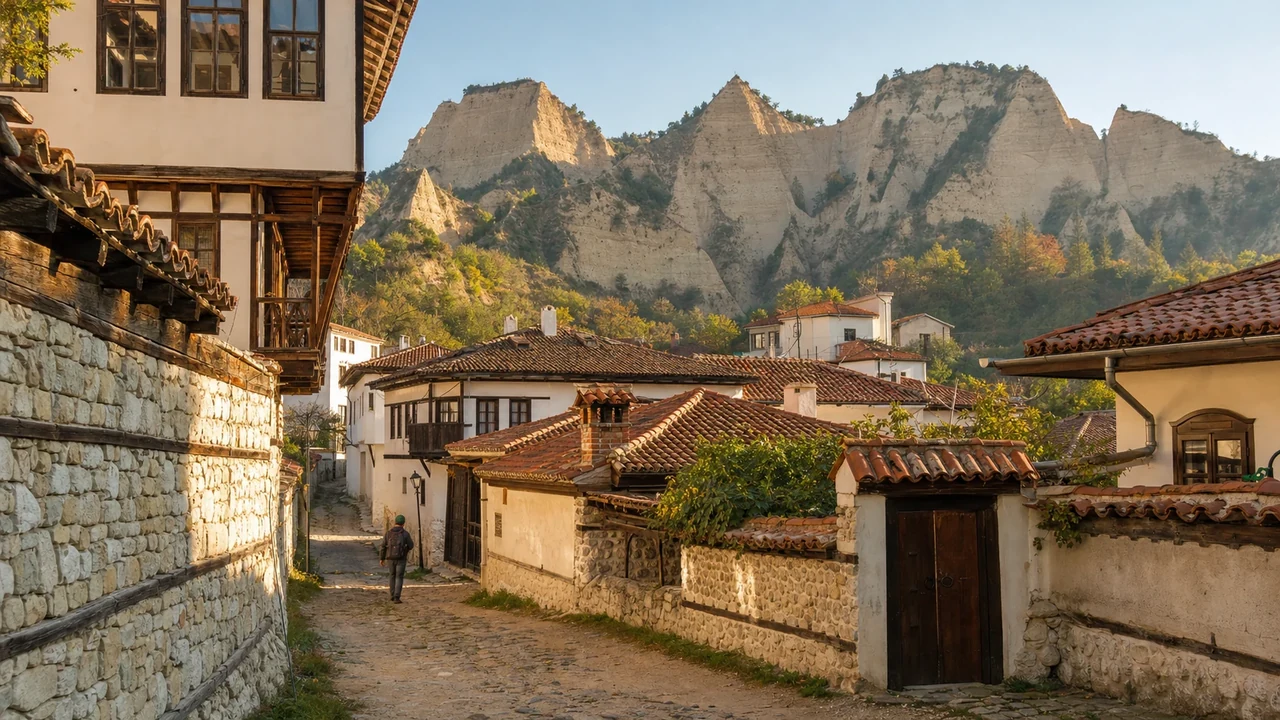
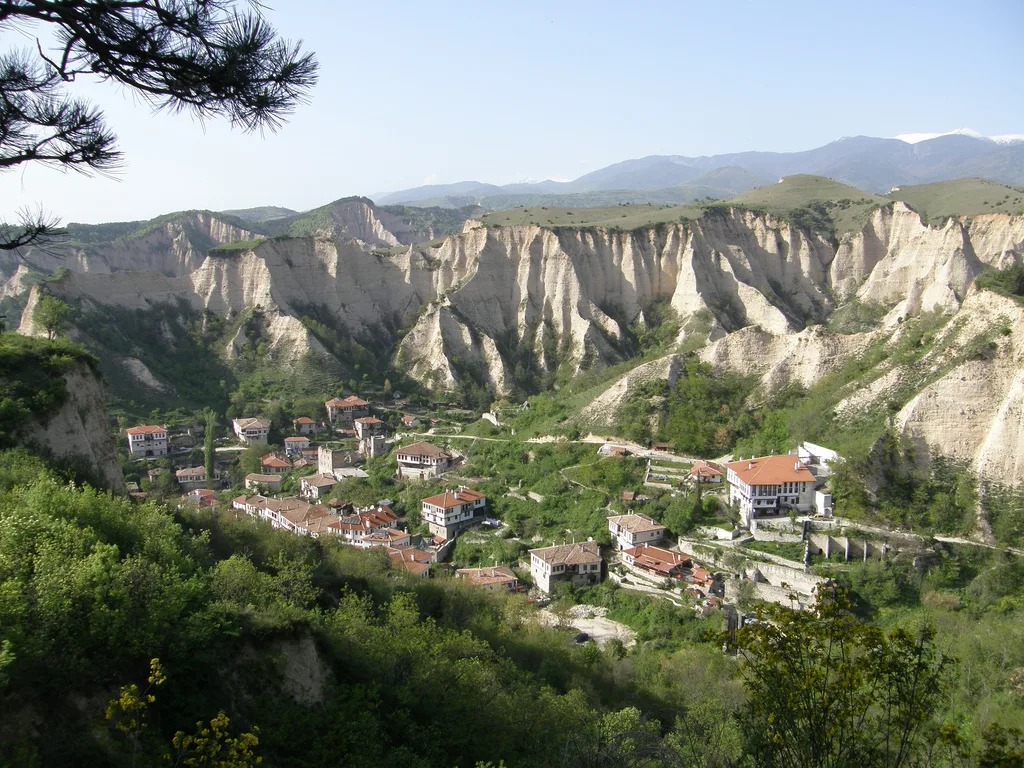
Melnik takes its name from the Slavic word mel, meaning white clay or chalk. Locals connect the word directly to the pale sandstone formations that rise above town. Those formations appear today as the Melnik Sandstone Pyramids Travel Guide, natural spires that reach up to about 330 feet and keep changing shape as the soft rock erodes. Officials date the town's founding to 1215, though a fortress on the site is recorded far earlier. Melnik grew into a trade hub on the edge of the Ottoman world. It later became a National Revival showcase, and finally Bulgaria's smallest town by population. The population has fallen consistently: an early count in 1934 recorded 552 residents, compared with 171 at the 2021 census. This last figure is not a marketing line. It is why guides consistently call Melnik the smallest town in the country. Bulgaria has also protected Melnik's old town as an architectural and historic reserve, which is why so many original facades still line its streets.
Melnik's population fell from 552 residents in 1934 to 171 at the 2021 census, a crash rooted in the 1912 Balkan Wars that displaced the town's Greek merchant families and severed the Ottoman-era trade networks feeding its prosperity.
The Two Melniks: Bulgaria vs. the Czech Republic
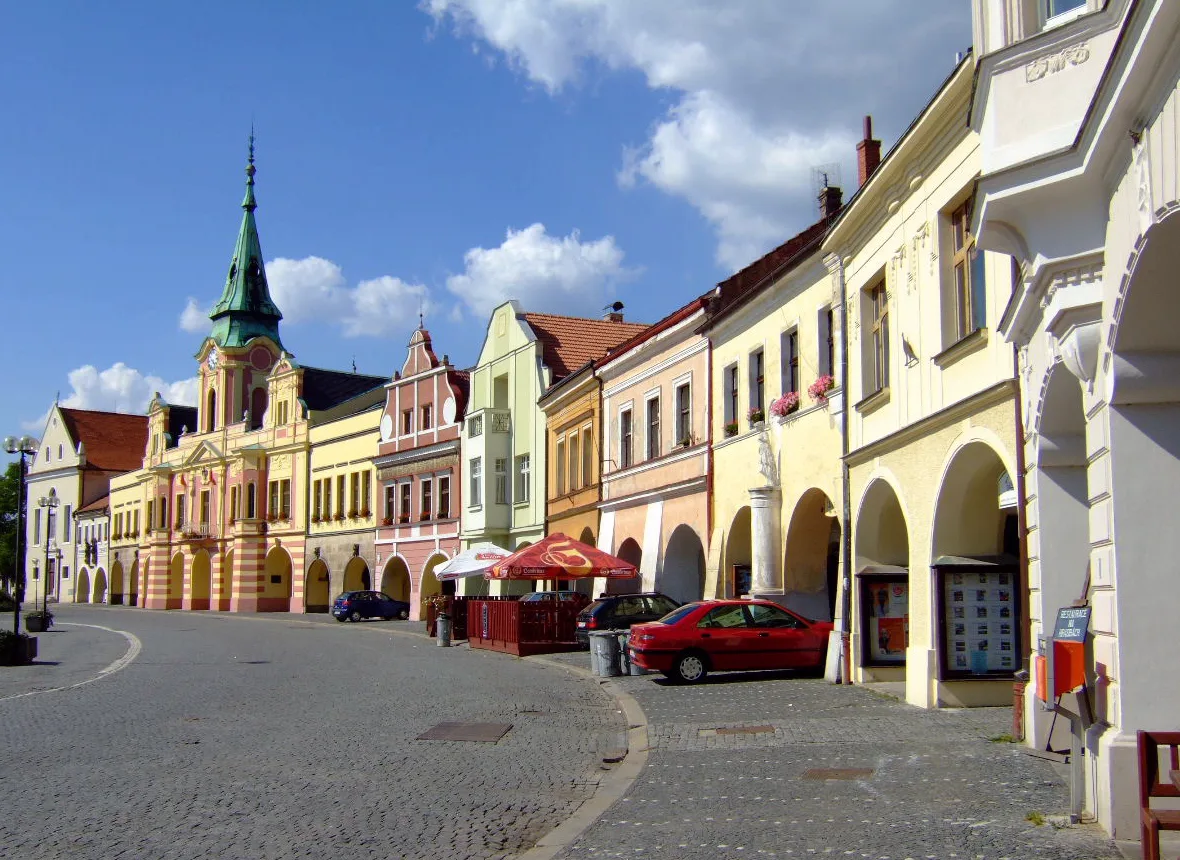
Search engines and flight tools sometimes confuse two towns that share a name. Melnik, Bulgaria sits in the Pirin Mountains of the southwest, about 19 miles from the Greek border. Mělník, Czech Republic sits near Prague, at the meeting of the Elbe and Vltava rivers, roughly 17 miles to the north. Both towns make wine, which adds to the mix-up, but the histories and landscapes are unrelated. Bulgaria's Melnik also carries a mild, near-Mediterranean climate thanks to its position close to Greece, unlike the more central-European climate around the Czech town. Check for these signs before you book anything:
- Central Bohemia or a spot near Prague: that's the Czech town, not Bulgaria's Melnik.
- A population above 20,000: that belongs to the Czech Mělník; Bulgaria's Melnik counts about 171 residents.
- The Elbe or Vltava rivers: those run through the Czech town, not the Struma Valley near Bulgaria's Melnik.
From Thracian Settlement to Medieval Principality
Long before Melnik carried that name, the Thracian tribe known as the Medes settled the surrounding hills. Local tradition ties this tribe to Spartacus, the enslaved gladiator who led the largest revolt against Rome. Written references to a fortress on the site go back to the early 11th century, well before the town itself was formally founded. The town of Melnik was established in 1215, and it soon became more than a fortified settlement. Despot Alexius Slav, a regional ruler, made Melnik the capital of an independent feudal principality. It stood apart from both Byzantium and the early Bulgarian state around it. Fragments of his fortress still stand on a ridge above the modern town. A visit there is the most direct link to that 13th-century power base.
Ottoman Rule Until 1912 and the National Revival Boom
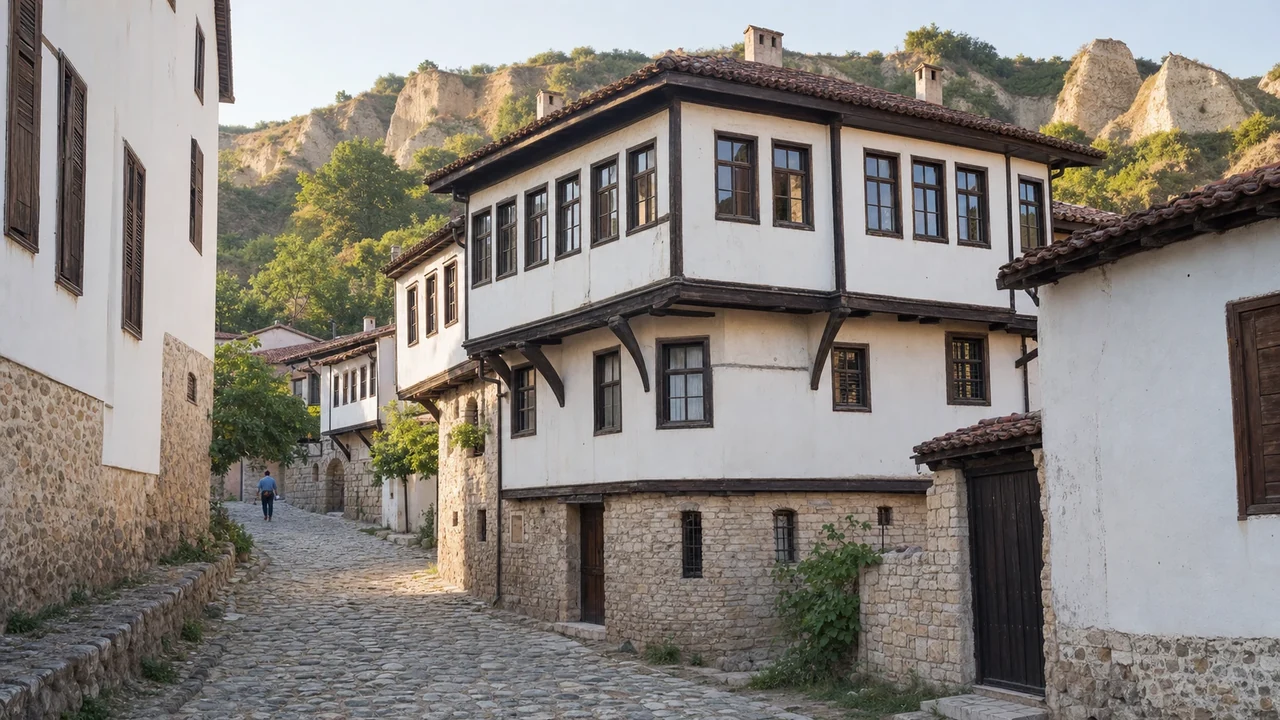
Most of Bulgaria gained independence from the Ottoman Empire in 1878. Melnik did not: the town and its surrounding area stayed under Ottoman administration until 1912, during the Balkan Wars. This 34-year gap shapes how Melnik looks today. Because it sat outside the new Bulgarian state for so long, the town mostly skipped the rebuilding boom that reshaped other 19th-century Bulgarian towns. This is a key reason so many original Revival-era houses survived intact. Even under Ottoman rule, Melnik thrived culturally during the Bulgarian National Revival period, roughly 1762 to 1878. Local merchants ran a trade network that reached well beyond the Balkans, selling goods in four major markets:
- Budapest
- Vienna
- Genoa
- Venice
Bulgarian National Revival Architecture: Kordopulov House and the Old Town
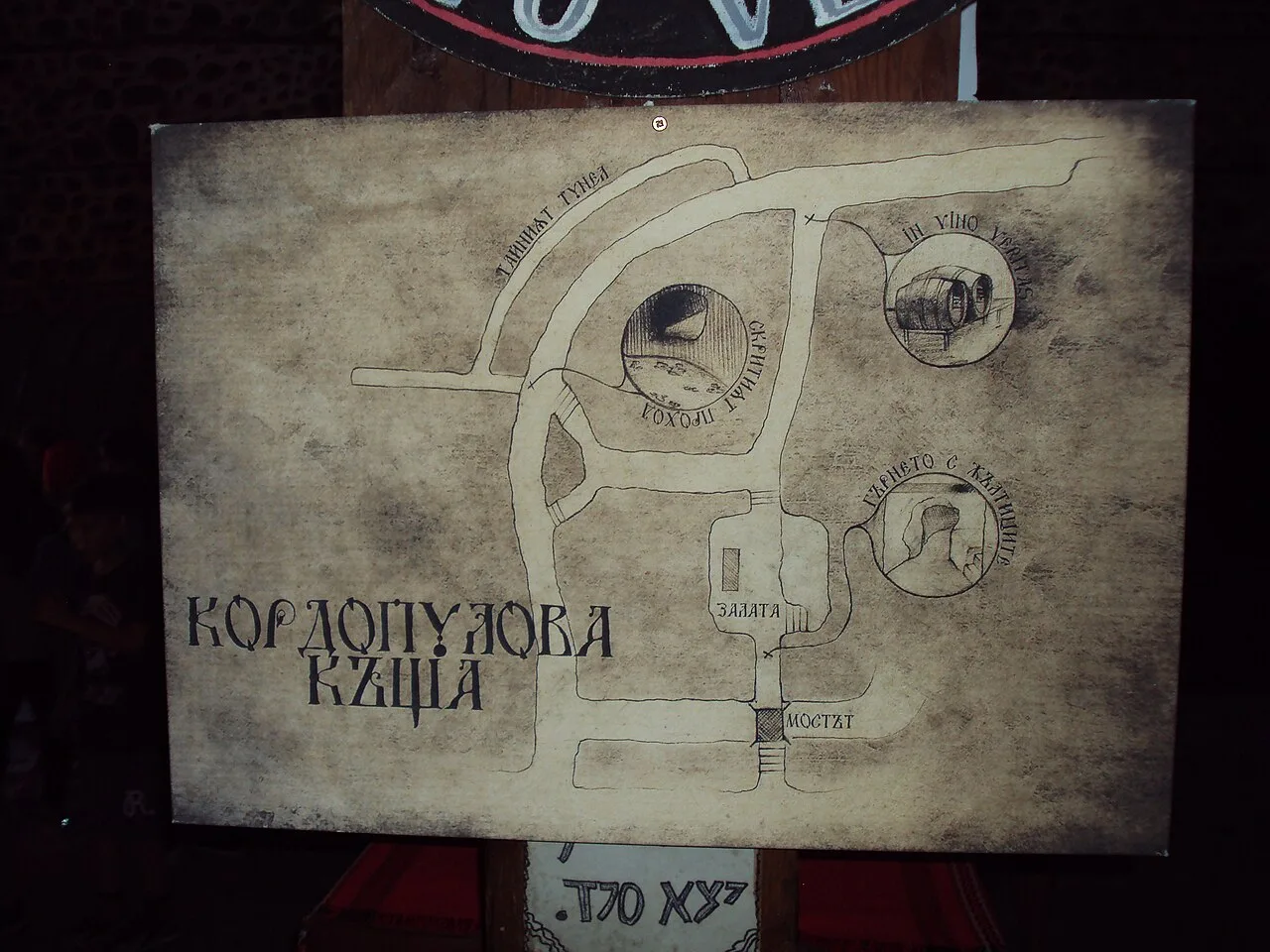
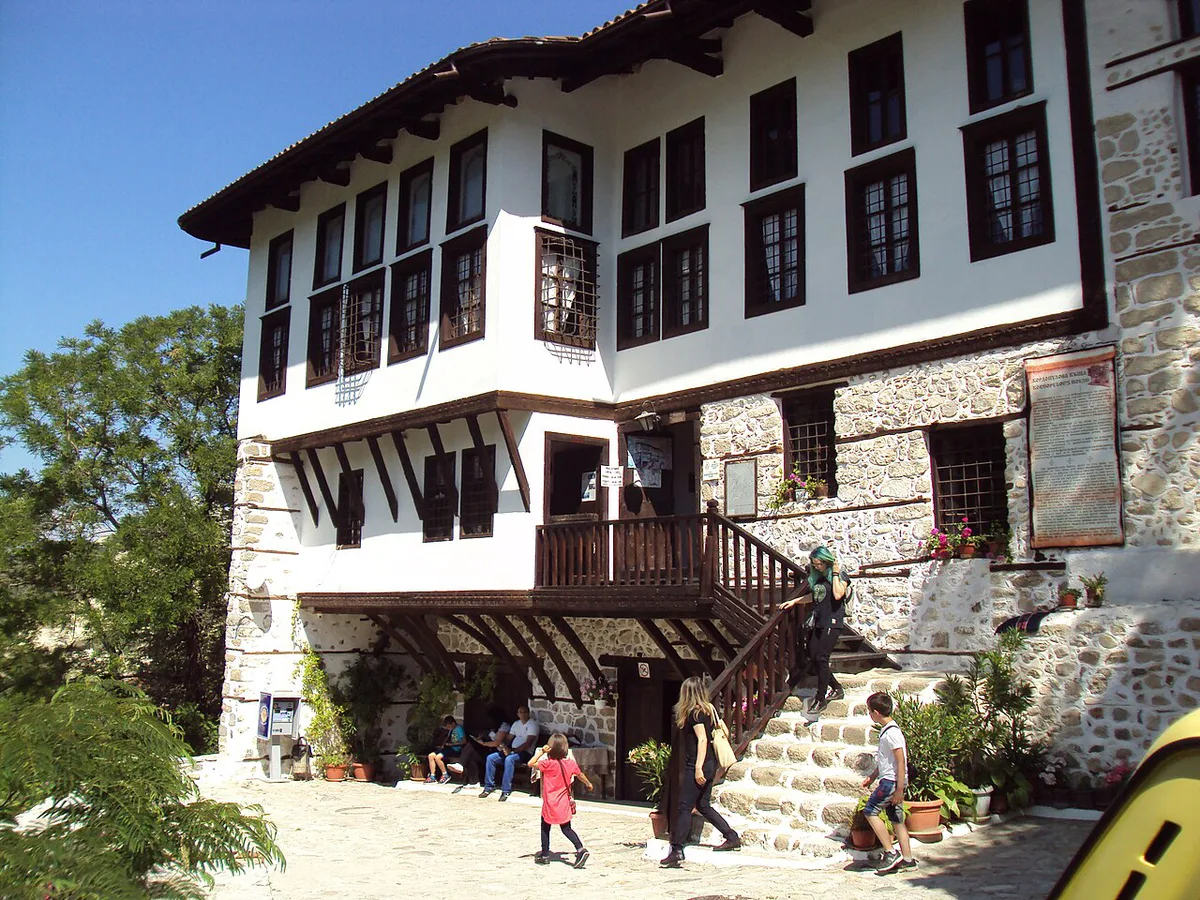
Melnik's wealthiest wine-trading families spent their profits on houses built to last. The Kordopulov House Travel Guide is the standout example. It was built across three levels roughly three centuries ago by a prominent wine-merchant family. Today it stands as the largest house from the National Revival period anywhere in the Balkans. Its scale alone makes it a recognized cultural monument of national importance. Pashova House and the Museum of History round out the old town's Revival-era story. Expect carved wooden ceilings and everyday trade artifacts inside. Deciding which sites to prioritize comes down to time and effort, not just interest. The table below compares the main historical stops so you can plan a route that matches your schedule and mobility.
A 34-year gap between Bulgaria's 1878 independence and Melnik's 1912 incorporation meant the town skipped the rebuilding boom affecting contemporary Bulgarian settlements, preserving its National Revival houses largely intact compared to peers elsewhere.
| Site | Historical Significance | Physical Difficulty | Time Needed |
|---|---|---|---|
| Kordopulov House | 18th-century trade wealth | Moderate (stairs) | 45–60 minutes |
| Despot Slav Fortress | 13th-century seat of power | High (uphill hike) | 90 minutes |
| Museum of History | General town overview | Low | 30 minutes |
| Rozhen Monastery | Medieval spiritual center | Low by car, high on foot | 1–2 hours |
Despot Slav Fortress: Weighing the Climb Against the View
The fortress ruins linked to Despot Alexius Slav sit on a ridge above the old town, reachable only on foot. Plan on roughly 90 minutes round trip, most of it uphill on uneven ground. Sturdy, closed-toe shoes matter here more than anywhere else in Melnik. Its path is rougher than the old town's cobblestones. In exchange for the climb, the ridge gives a direct view over the old town's rooftops and the sandstone formations beyond. This view links the medieval story directly to the landscape that shaped it. Travelers with limited time or mobility can skip the fortress. A 30-minute stop at the Museum of History delivers a strong sense of Melnik's medieval period instead. Those building a fuller day often pair the fortress hike with a stop at the sandstone pyramids nearby.
Liquid History: Melnik Wine and the Churchill Legend
Wine has shaped Melnik's economy and reputation for centuries, built on a single unusual grape. The broad-leaved Melnik vine grows almost nowhere else. It produces a dark, thick-skinned grape that yields robust reds with notes of tobacco and leather after oak aging. Wine cellars carved directly into the sandstone beneath the old town keep those bottles at a steady temperature year-round. This cooling method predates modern refrigeration by centuries. Several cellars near the old town still let visitors taste before buying, continuing a trade rhythm centuries old. Winston Churchill's name comes up constantly in connection with Melnik wine. Local lore holds that he ordered as much as 500 liters of it every year. Treat that figure as a well-told story rather than a documented fact, since no verified paper trail confirms the exact amount. Some producers still market a wine labeled Melnik 55, tied to the same Churchill story. What is verifiable is the wine's local significance. Cellars and tasting rooms across town still center their menus on the same grape variety that built Melnik's trading wealth. For a sit-down meal to go with a tasting, check the Melnik restaurants and where-to-eat guide. For cellar-by-cellar detail on specific labels, see the Melnik wine and Struma Valley guide.
Planning a Historical Visit: Time, Access, and Costs
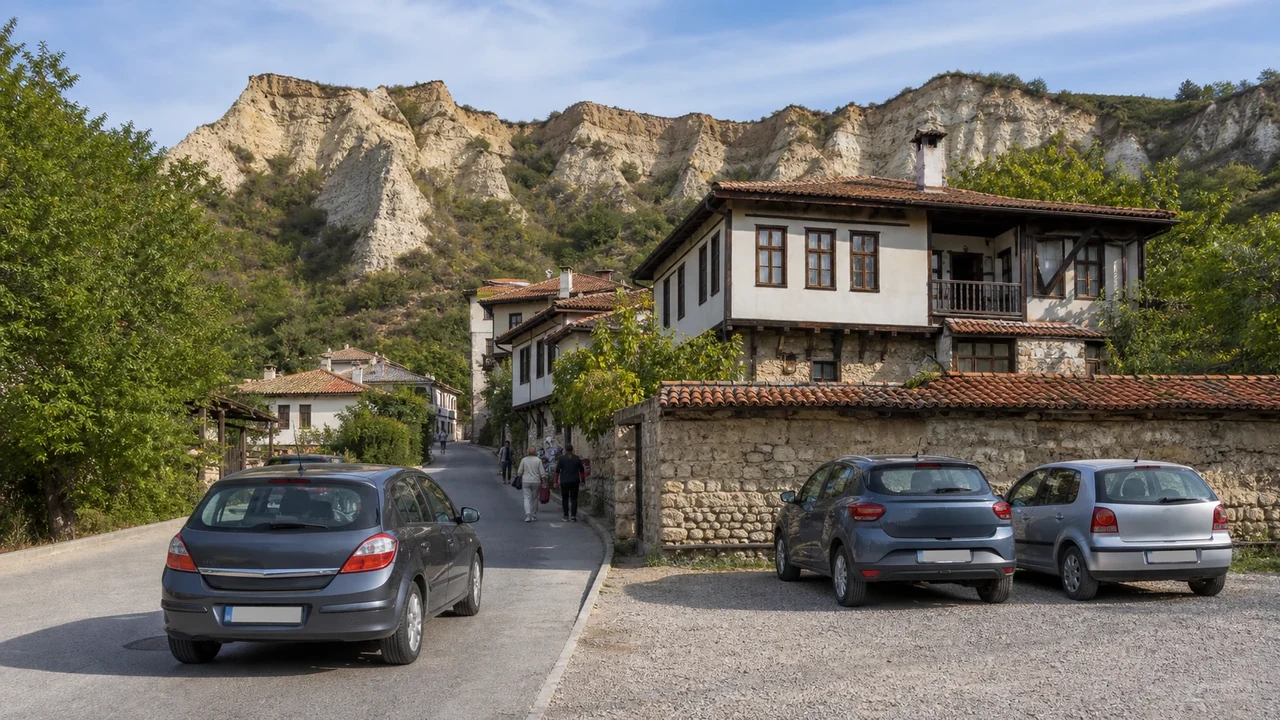
A single day covers the historical core: the old town, Kordopulov House, and the Museum of History. Use the one-day Melnik itinerary to sequence those three stops efficiently. Add the Despot Slav Fortress hike and a wine cellar visit and the trip stretches comfortably to two days. A two-day Melnik itinerary builds in that extra time without rushing. Cobblestones cover most of the old town, so pack closed-toe shoes with real tread rather than sandals. Cars stop at the edge of town. Check the Melnik Parking Guide 2026: Where to Leave Your Car before you drive in, since the historic core is closed to through traffic. Rozhen Monastery adds medieval history outside town limits, reachable by car in a short drive or on foot for a longer, uphill walk. Melnik's mild, near-Mediterranean climate makes the fortress hike more comfortable outside peak summer heat, so shoulder-season visits often suit the climb better. Check the best time to visit Melnik guide before booking the fortress hike specifically. Coming from the capital, the Melnik day trip guide covers transport options and timing. Basing overnight in town instead makes an early start on the fortress path realistic. The where to stay in Melnik guide covers lodging near the old town. For the fuller list of sites beyond history, the things to do in Melnik guide rounds out the picture. Budget for two categories of spend: museum entry and wine tasting. Expect the Kordopulov House ticket to cost less than a single glass of wine at a nearby cellar tasting. Confirm the exact rate at the entrance, since posted fees change from year to year. Wine tastings vary by cellar and pour count, so ask for the current list on arrival rather than assuming a fixed rate. Museum of History entry is priced well below a full tasting flight, in keeping with its shorter, 30-minute visit.
Mistakes to Avoid When Researching Melnik's History
A few avoidable errors trip up first-time researchers and visitors alike. Confusing Melnik, Bulgaria with Mělník in the Czech Republic tops the list, especially when booking flights or hotels. The Despot Slav Fortress climb is easy to underestimate. Steep and largely unshaded, the path is no casual stroll. Many small Bulgarian museums close on a fixed day each week. Confirm the Museum of History's current schedule locally before building a tight itinerary around it. Skipping footwear planning is a smaller but real mistake, since the old town's cobblestones and the fortress path both punish flat-soled shoes. Assuming Melnik connects easily to major highways is another common miscalculation. Mountain roads add real time to any day trip from Sofia or Bansko. Treating the 500-liter Churchill story as confirmed history is the last trap. Enjoy it as local color, not as a cited fact.
How the Balkan Wars Transformed Melnik
Melnik’s incorporation into Bulgaria in 1912 marked a sharp break with its prosperous trading past. Bulgarian forces took the town during the First Balkan War, ending centuries of Ottoman administration.
The upheaval continued during the Second Balkan War in 1913. Most of Melnik’s Greek population departed for Greece, with many families resettling around nearby Sidirokastro. Fires and wartime damage also destroyed parts of the town. Numerous houses, churches, and commercial buildings were abandoned.
The new national border disrupted the trade routes that had connected Melnik’s wine merchants with markets across the Ottoman Empire and Mediterranean Europe. Sandanski gradually replaced Melnik as the area’s main administrative and commercial center. Melnik’s population then fell from several thousand residents to 552 by 1934. This collapse explains the contrast visitors see today: unusually grand Revival houses standing in a settlement of fewer than 200 people. Protection as an architectural reserve later helped preserve the surviving buildings, but the compact old town represents only a fraction of historic Melnik.
Frequently Asked Questions
Is Melnik, Bulgaria the same place as Mělník in the Czech Republic?
No. Melnik, Bulgaria sits in the Pirin Mountains near the Greek border. Mělník in the Czech Republic sits near Prague, at the meeting of the Elbe and Vltava rivers. Confirm the country before booking flights or hotels, since the names look identical.
Why is Melnik considered Bulgaria's smallest town?
The most recent census counted around 171 residents inside Melnik's town limits, far below any other officially recognized Bulgarian town. This population size, combined with its protected historic core, explains why guides label it the smallest town in the country.
How much time does Melnik's history deserve on a trip?
A single day covers the old town, Kordopulov House, and the Museum of History comfortably. Add the Despot Slav Fortress hike, a cellar wine tasting, or a trip to Rozhen Monastery, and two days fits better.
Is the climb to Despot Slav Fortress difficult?
Yes. Plan on roughly 90 minutes round trip, mostly uphill on uneven, largely unshaded ground. Wear closed-toe shoes with real tread, since the path is rougher than the old town's cobblestones.
Did Winston Churchill really order 500 liters of Melnik wine every year?
The 500-liter figure is a widely repeated local legend rather than a documented fact. Treat the Churchill connection as color for the wine's reputation, not as a verified historical record.
What does it cost to visit Melnik's historical sites?
Kordopulov House entry typically costs less than a single glass of wine at a nearby cellar tasting. Confirm the exact rate at the entrance, since posted fees change yearly. Museum of History entry runs well below a full tasting flight, matching its shorter, 30-minute visit.